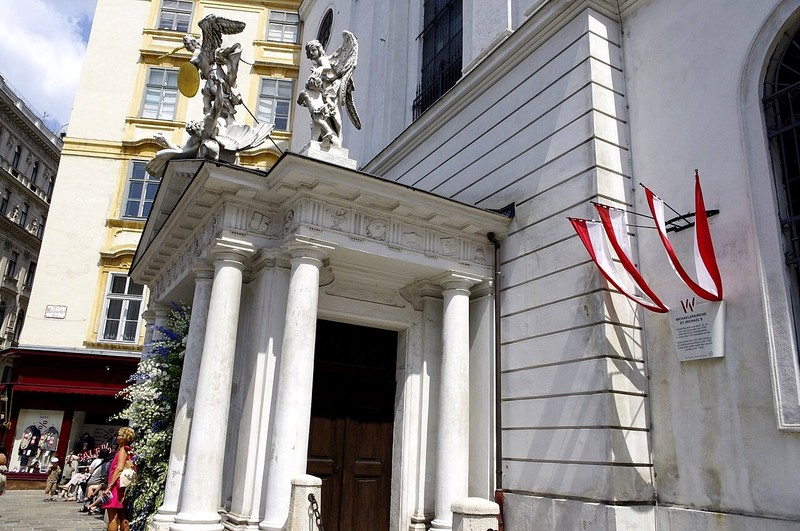
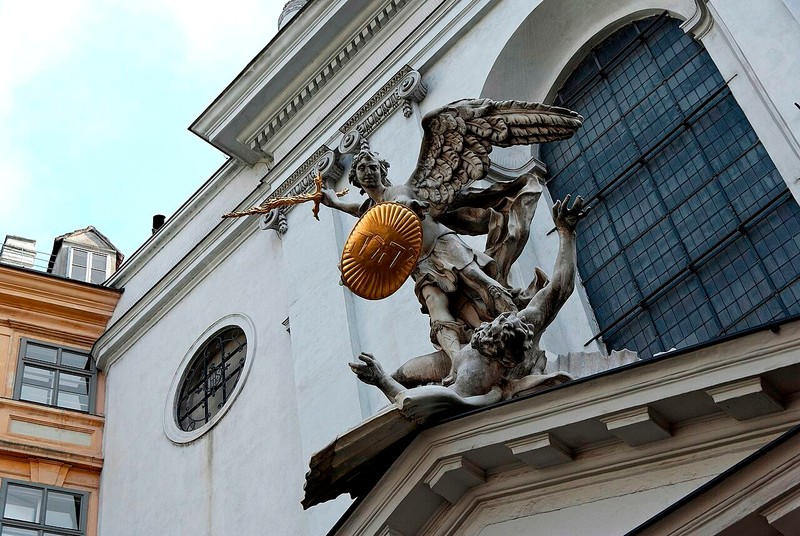
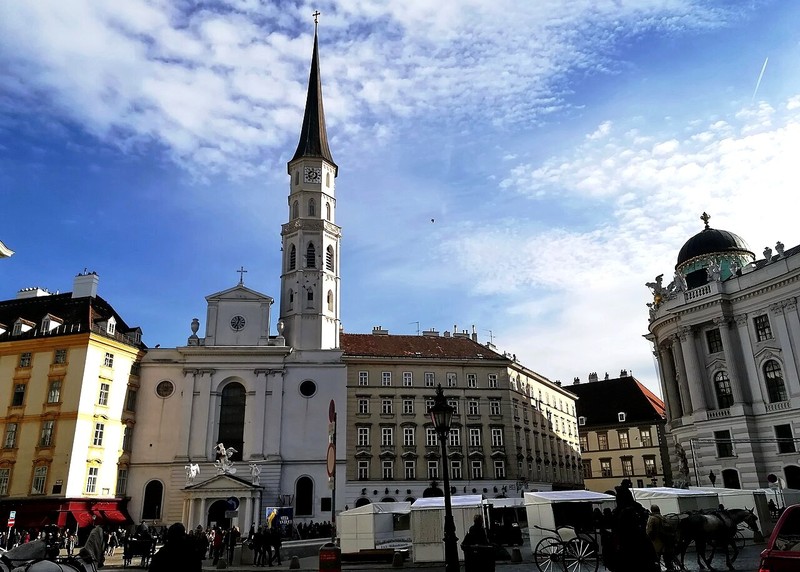
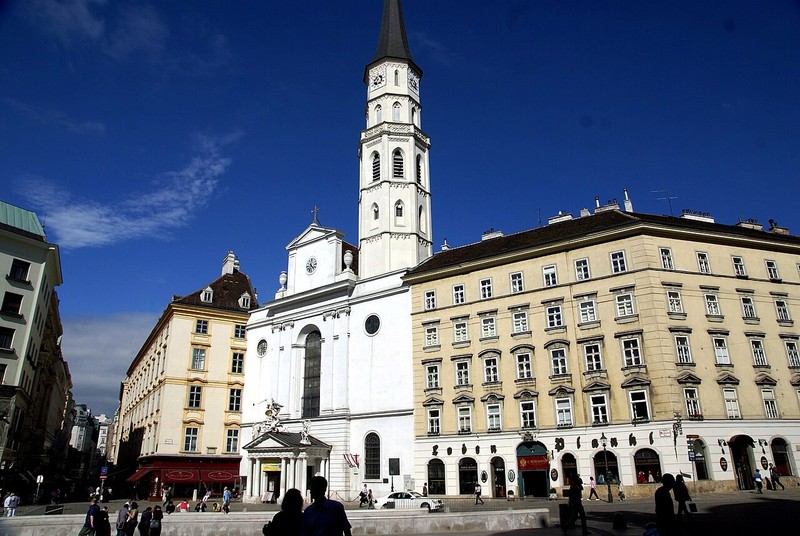
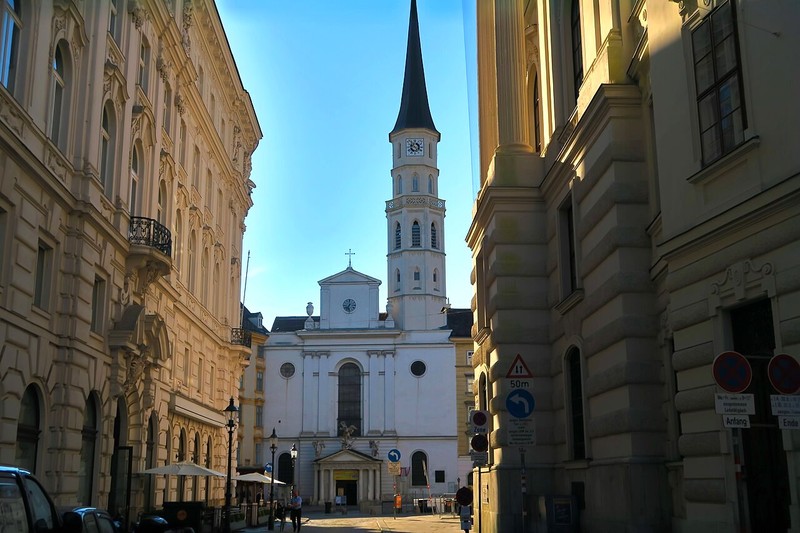
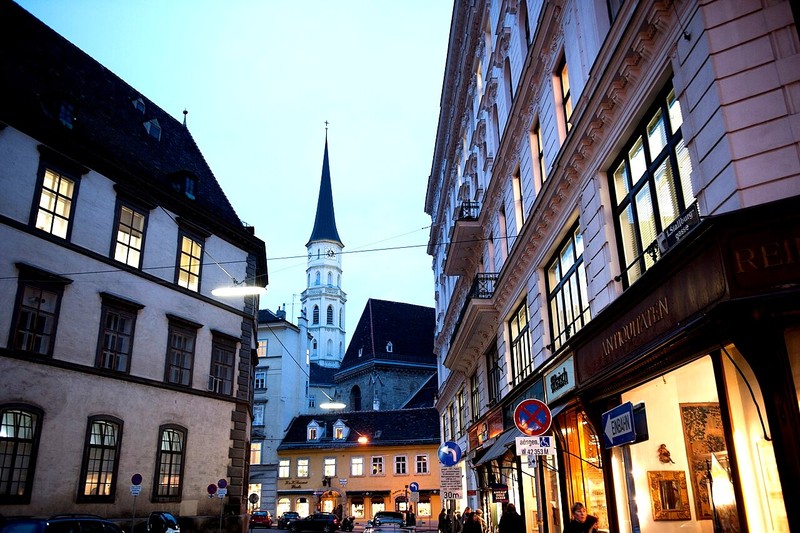
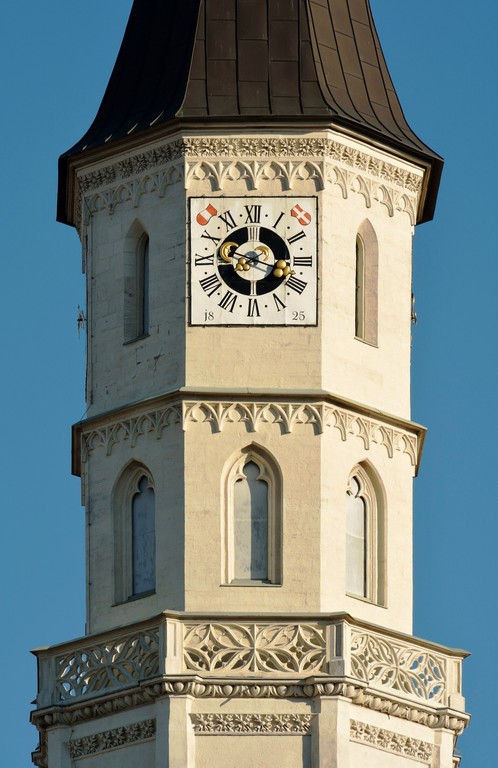
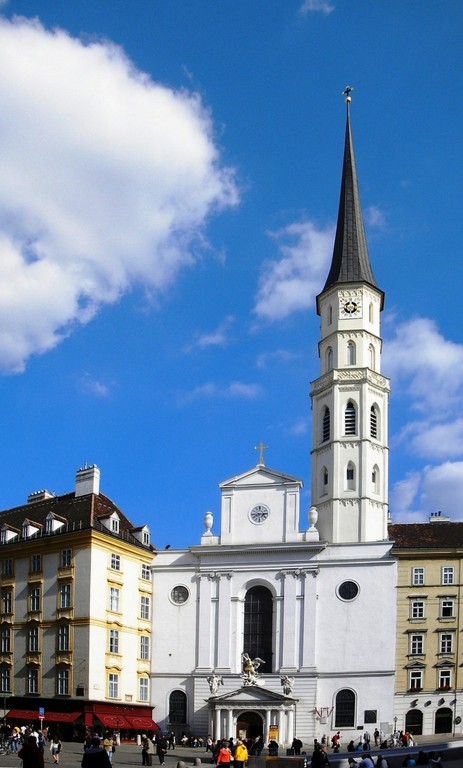
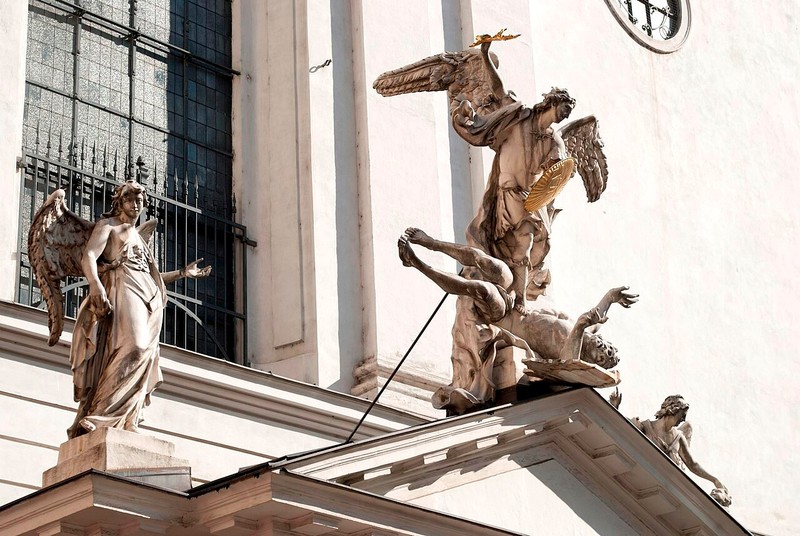
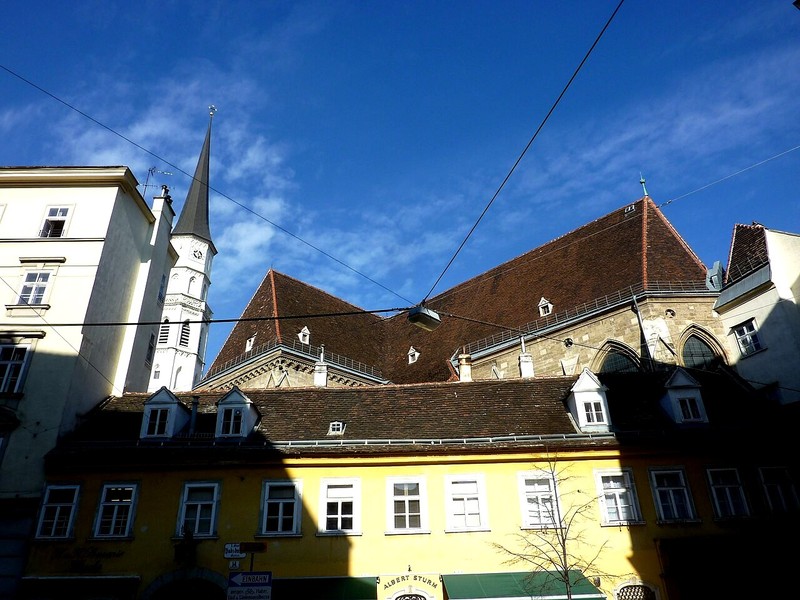
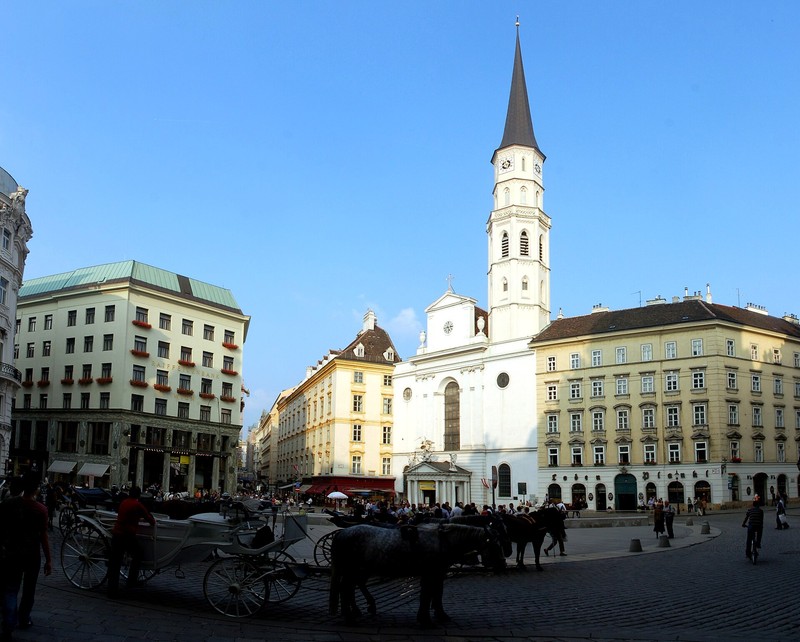
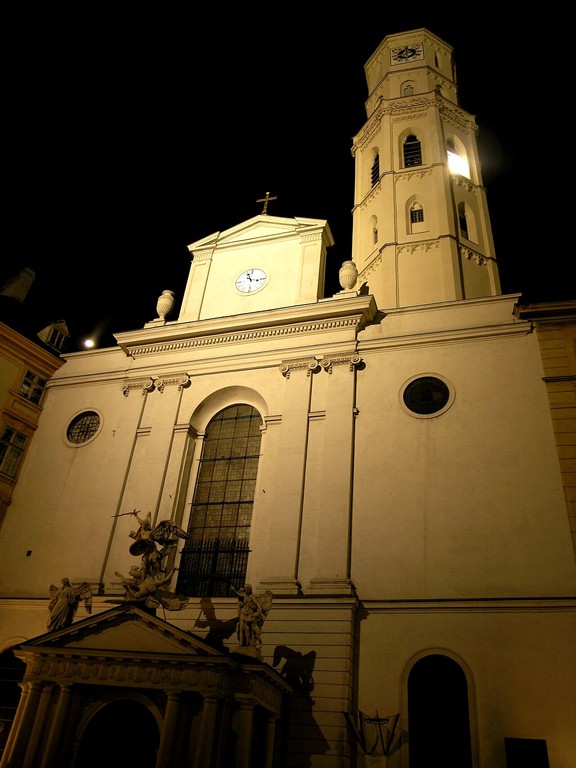
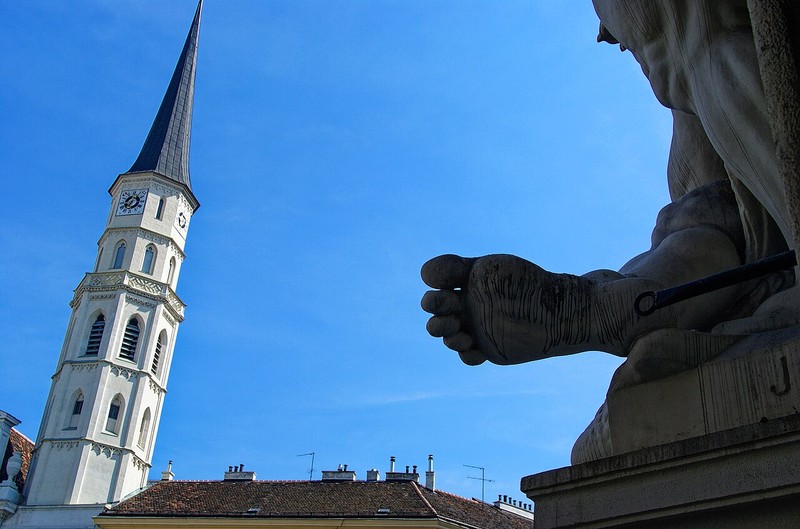
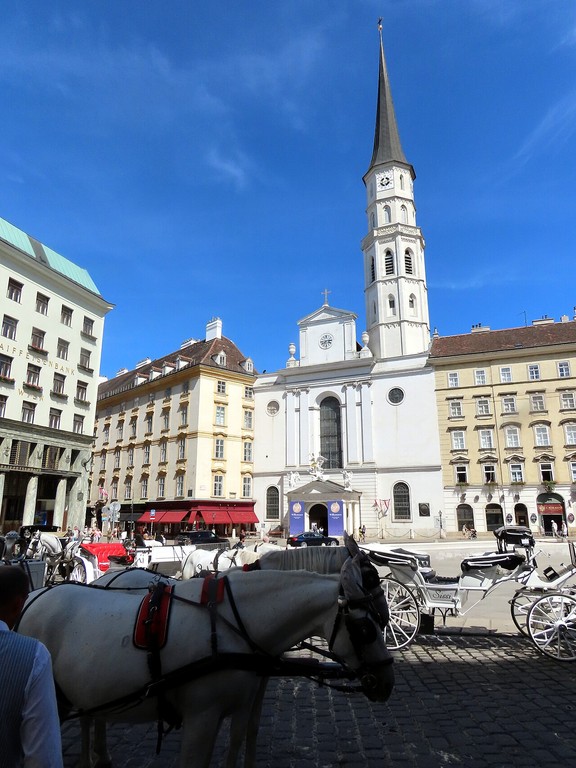
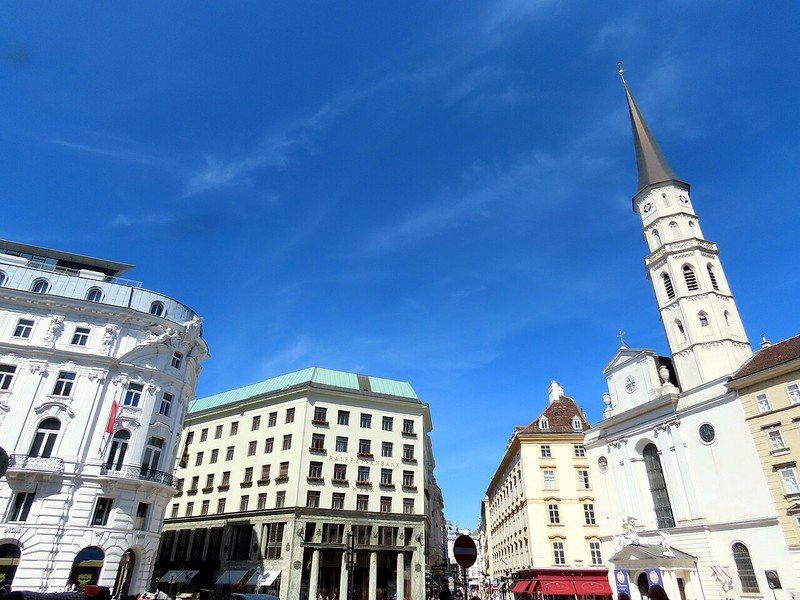
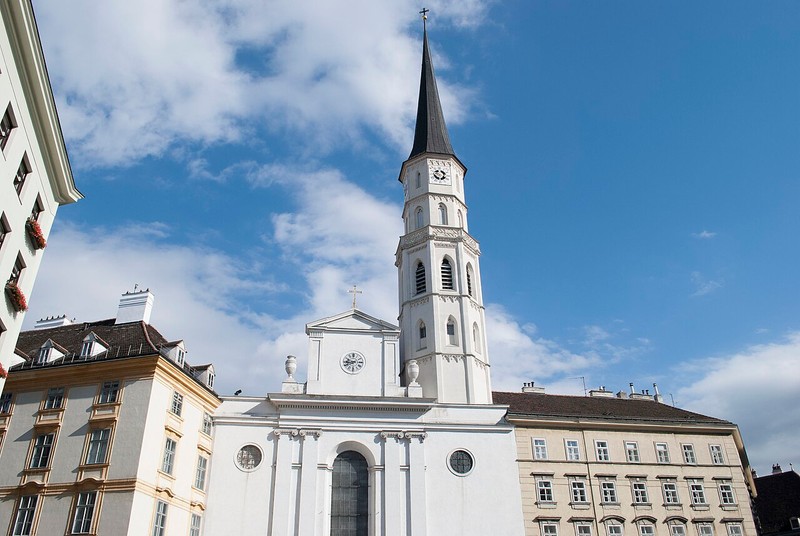
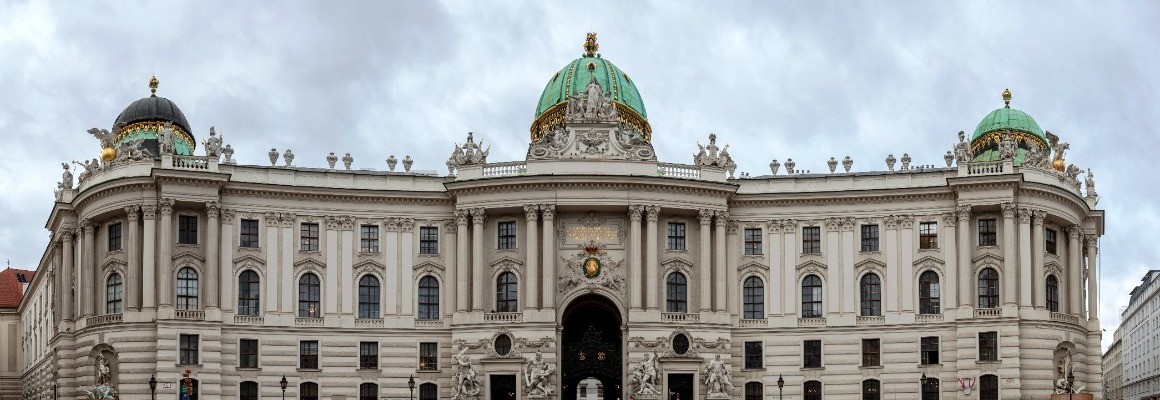
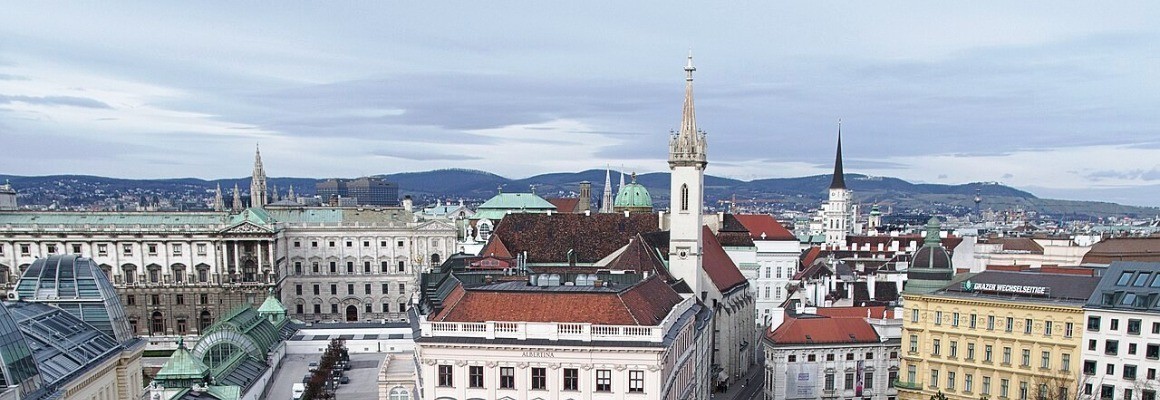
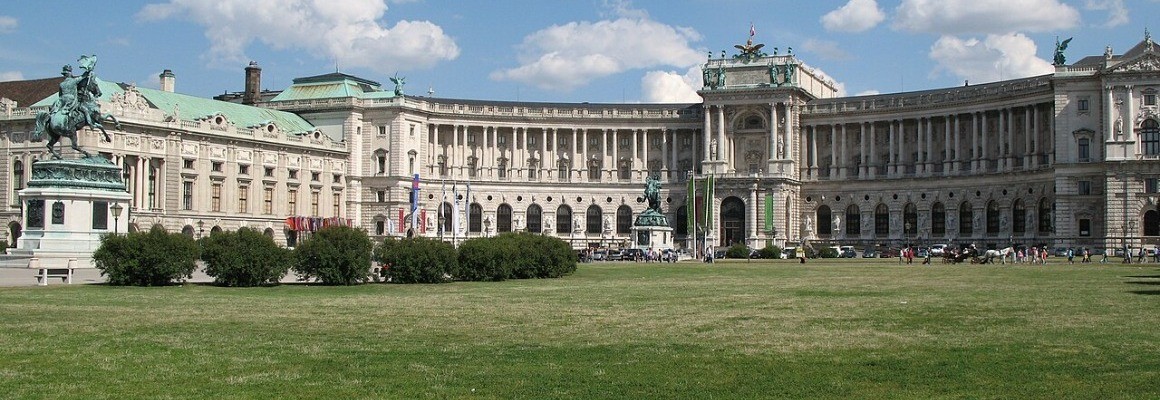
St. Michael's Church, known in German as Michaelerkirche, is one of Vienna's oldest churches. It stands on Michaelerplatz beside the Hofburg Imperial Palace. With a history spanning around eight centuries, the church combines Romanesque, Gothic and Baroque features. It is known for its connections with the Habsburg dynasty, its musical heritage and its historic crypt, where coffins and naturally preserved remains can still be seen.
History of the church
Construction began during the Romanesque period, around the beginning of the 13th century. The surviving entrance arches date from 1220–1250. Gothic additions, including the Chapel of the Holy Cross, were built during the 14th and 15th centuries. Further alterations followed over the next centuries, leaving the building with a distinctive mixture of architectural styles.
In 1626, the church was entrusted to the Barnabite Order. It was closely associated with the imperial court and served for a long period as one of the Habsburg court churches. By 1792, it had largely acquired the appearance seen today.
Music and Mozart's Requiem
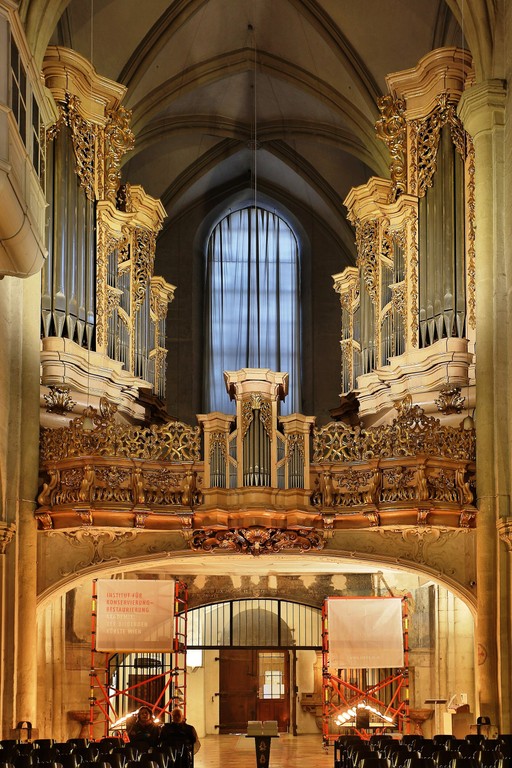
Music is an important part of the church's history. On 10 December 1791, during the funeral service for Wolfgang Amadeus Mozart, parts of his famous Requiem were performed here for the first time. The church also houses a large Baroque organ built in 1714, known as the Sieber organ. It continues to be used for services and concerts.
Interior and architecture
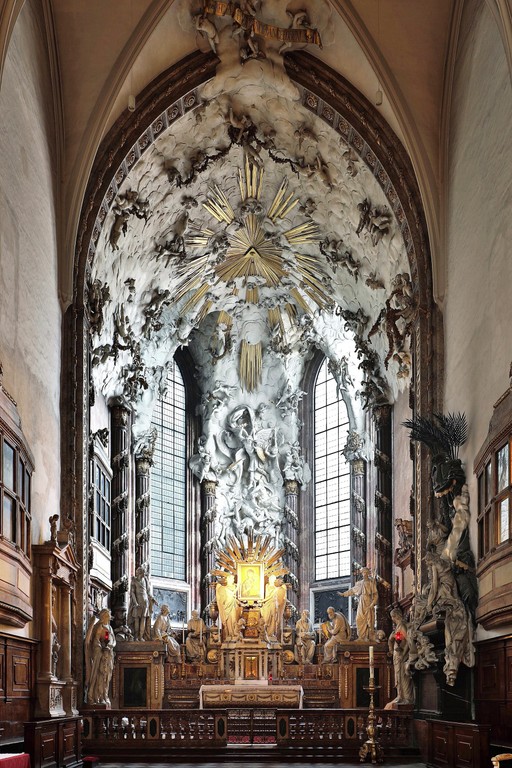
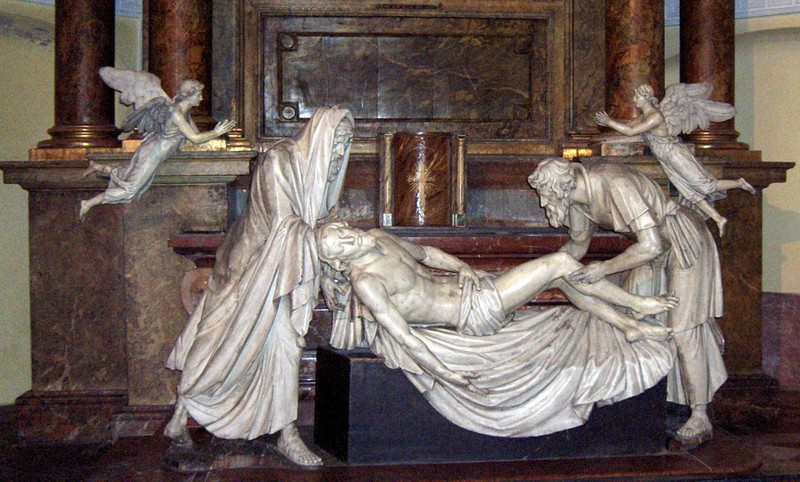
The interior brings together Romanesque and Gothic structures, vaulted ceilings, chapels, frescoes and Baroque decoration. Highlights include the Chapel of the Holy Cross and richly ornamented altars. The layers of architectural history make the church a rewarding stop for visitors interested in art and historic buildings.
The crypt and historic burials
The Michaelergruft served as a burial place from the 16th century until 1784. Members of the nobility and local residents were buried here. Special environmental conditions allowed some bodies to become naturally mummified. Visitors on guided tours can see historic coffins, gravestones and remains, some still bearing traces of clothing from past centuries. The Italian poet and librettist Pietro Metastasio is among the notable figures associated with the crypt.
Getting there
The address is Michaelerplatz 5, 1010 Vienna. The nearest underground station is Herrengasse on line U3, and buses 1A and 2A stop nearby. According to the church's official website, it is generally open daily from 7 am to 10 pm, and from 8 am to 10 pm on Sundays and public holidays. Service times and crypt tours may vary, so check the official website before visiting.
Gallery