



Okudava
Author
👤 Identity verified🧭 Guide verified🏛️ License verified🏢 Company verified⭐ Experienced guide
Lvl 3. 🧭 Explorer
6/10
6Posts
2Likes
2Followers
2Following
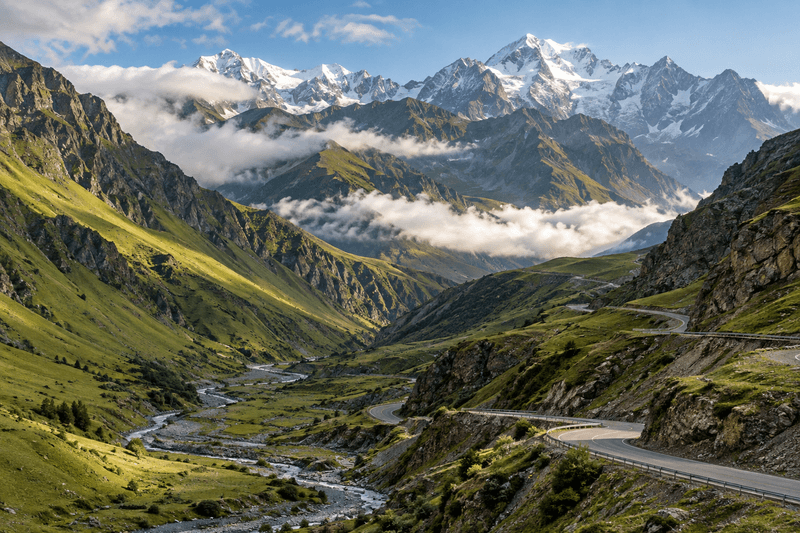
Kazbegi in One Day from Tbilisi: What to See Along the Way
Kazbegi is one of Georgia's best-known mountain routes. Along the Georgian Military Road from Tbilisi you can reach Stepantsminda in a day and see a medieval fortress, a mountain pass and a church set against a snow-capped peak. The road is long, but almost every stretch is worth a stop. The Road from Tbilisi It is about 150 km from Tbilisi to Stepantsminda, the main village at the foot of Mount Kazbek. The route follows the Georgian Military Road and usually takes three to four hours one way, longer with stops. It is better to leave early in the morning to fit everything in without rushing. You can go by car, minibus or on a guided tour. Ananuri: A Fortress by the Water The first striking stop is the Ananuri complex on the shore of the Zhinvali reservoir. It is a fortress with churches and towers built in the 17th century. Here you can see how stone walls and turquoise water blend with forested slopes. You can climb a tower and look at the reservoir from above. Jvari Pass and Gudauri Further on, the road climbs to Jvari Pass , about 2,380 meters high, and passes through the ski resort of Gudauri. There are many viewpoints above the gorges, and the weather changes fast: it may be sunny below and foggy or snowy above. Bring a warm jacket even in summer. Gergeti Trinity Church The main point of the route is Gergeti Trinity Church , built in the 14th century at about 2,170 meters above Stepantsminda. You can walk up a trail, which takes about two hours on average, or go by off-road vehicle. A dress code applies at the church: shoulders and knees must be covered, and women are usually expected to cover their heads. Mount Kazbek Beyond the church, the view opens to Mount Kazbek , 5,054 meters high. The summit is often hidden by clouds, so it is better to go in the morning or on a clear day and be ready to wait. If the clouds clear, a photo of the church against the snowy peak is especially beautiful. Practical Tips Check the weather and road conditions in advance: in winter the section over the pass may be closed because of snow. Bring water, comfortable shoes and warm clothes. It is worth stopping on the way to try khinkali and other Georgian dishes in roadside cafes. If you do not want to do it in one day, stay overnight in Stepantsminda. Was Kazbegi Worth the Trip? Absolutely. In one day you can see a fortress, a pass and a famous church against the Caucasus, and an overnight stay in Stepantsminda gives more time for trails. The trip is full but does not need complicated preparation.
0
0
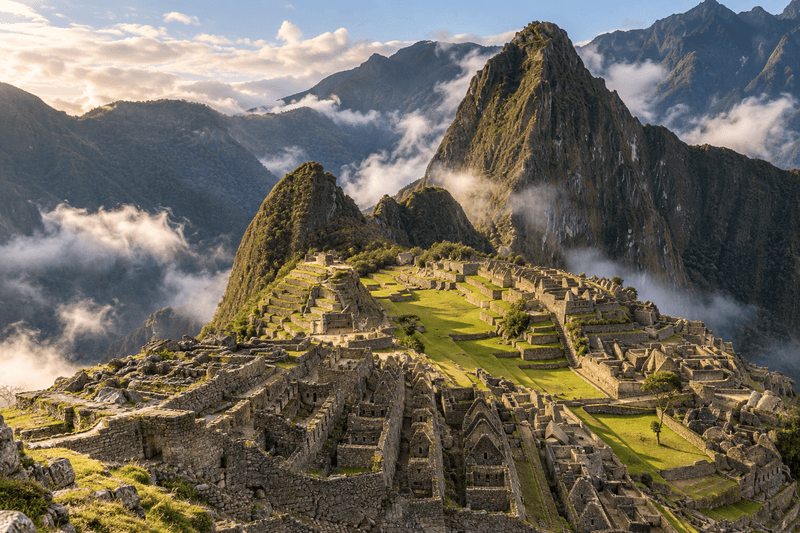
Machu Picchu: How to Plan the Trip and What to See
Machu Picchu is an Inca city built in the 15th century on a mountain ridge in the Peruvian Andes. It is a UNESCO World Heritage Site and one of the 'New Seven Wonders of the World'. You cannot simply turn up and look around: tickets are limited, getting there takes several stages and mountain weather changes fast. But good preparation makes the trip much calmer. How to Get There The journey usually starts in Cusco. From there you have two options: a train to the town of Aguas Calientes at the foot of the mountain, or a multi-day trek along the Inca Trail. Buses run from Aguas Calientes to the entrance and the ride takes about half an hour. Permits for the classic Inca Trail are limited and booked in advance, sometimes months ahead. The Classic View of the City The most famous shot is taken from the upper viewpoint: terraces and stone buildings lie below, and the sharp peak of Huayna Picchu rises behind them. Come here first, before clouds cover the mountains, and return once more after walking through the site. The light changes noticeably through the day. What to See Inside the City Inside are the Temple of the Sun , the Sacred Plaza and the Intihuatana stone, which is associated with astronomical observation. The stonework is especially impressive and is considered one of the finest examples of Inca masonry. Routes inside are usually one-way, so do not rush and take your photos right away. Llamas roam freely among the ruins: do not approach or feed them. Huayna Picchu: A Climb for the Fit If you want to see the city from above, you can climb Huayna Picchu . The trail is steep and narrow in places, and the number of places is limited and booked separately, so plan it in advance. It is not for those afraid of heights, but the view of the ruins from the top is worth the effort. When to Go The dry season runs roughly from April to October, and that is when weather is most often clear. In the rainy season, roughly November to March, there are more clouds and downpours, and some trails may close. But mist over the ruins makes the view unusual in its own way, so a trip can work out then too. Practical Tips It is better to buy Machu Picchu tickets in advance: daily visitor numbers are limited and entry is by time slot. Rules change, so check current conditions on the official website. Bring your passport, water, sunscreen, a rain jacket and comfortable shoes. Many visitors spend a few days in Cusco to adjust to the altitude; if you feel unwell, it is best to see a doctor. Was Machu Picchu Worth the Trip? Absolutely. It is one of those places where history, mountains and clouds come together in a picture that is hard to forget. But the trip needs planning ahead: tickets, transport and weather decide a lot.
0
0
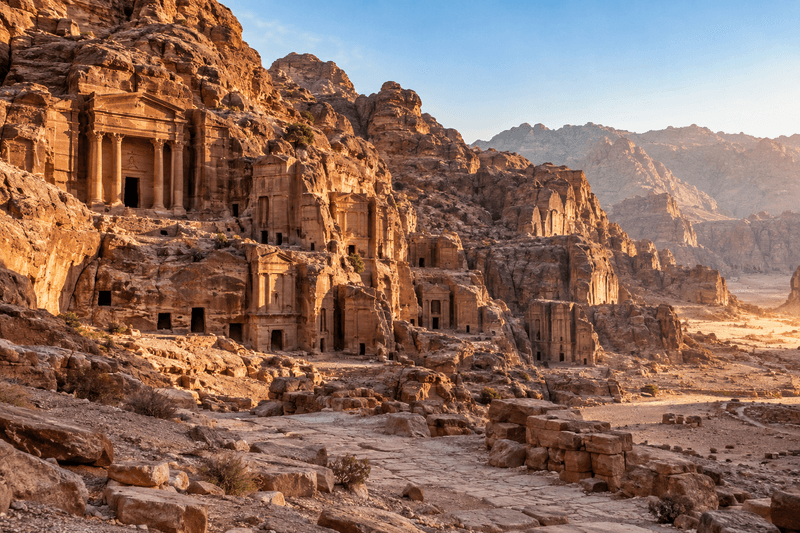
Petra in One Day: What to See in the Rose City
Petra is an ancient Nabataean city carved straight into rose-red cliffs in southern Jordan. It is a UNESCO World Heritage Site and one of the 'New Seven Wonders of the World'. People come for the famous Treasury facade, but the most interesting part starts beyond it: a narrow gorge, royal tombs and a trail up to the Monastery. Where to Start The main entrance to Petra is next to the town of Wadi Musa. Try to arrive at opening time: mornings are cooler, there are fewer people and the light on the rock is softer. The whole main route is on foot, so set aside most of your day for it. The Siq: The Gorge Leading to the City The way from the entrance to the city runs through the Siq , a narrow gorge about 1.2 km long. In places the walls rise dozens of meters and almost meet overhead. Walking it slowly, looking at layers of stone in different shades and at the remains of channels that once carried water, is already half of the experience. Al-Khazneh: The Famous Treasury At the end of the Siq, Al-Khazneh , the 'Treasury', suddenly appears between the rocks: a facade about 40 meters high carved directly into the cliff. The name comes from a legend about hidden treasure, but it is believed to have been a royal tomb. You cannot go inside, but the facade looks best in the morning while light falls on it. Ad Deir, the Monastery: A Climb Worth the Effort If you have time and energy, climb to Ad Deir , the Monastery. The trail is about 800 steps up a rock path, and in the heat it is not easy. But the facade here is even larger than the Treasury, and there are far fewer people. At the top there are viewpoints with views of desert mountains. Royal Tombs and the Main Street Further along the valley run a colonnaded street, a Roman theater and slopes with hundreds of tombs cut into them. The Royal Tombs are easy to see from the trail and look especially striking in afternoon light. Do not rush, and look into the side branches: often nobody is there. Practical Tips Bring plenty of water, a hat and closed shoes with good soles: the trails are sandy and rocky, and it can get very hot by day. Check current ticket prices and Jordan Pass conditions in advance if you plan to visit several places in Jordan. On some evenings Petra holds a candlelit night show, so confirm the schedule beforehand. Was Petra Worth the Trip? Absolutely. Petra is not one famous shot but a whole city where nature and architecture merged into one. One day is enough to see the main sights, but if you want to walk the far trails more calmly, plan two.
0
0
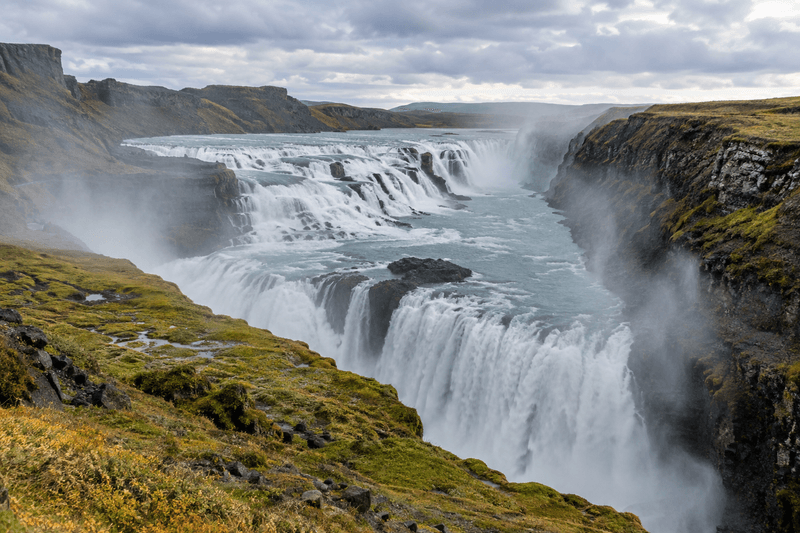
Iceland's Golden Circle in One Day: What to See
The Golden Circle is the most popular route near Reykjavik. In a single day you can see a rift between continental plates, active geysers and one of the country's most powerful waterfalls. The roads are good, the stops are close to each other, and the route quickly shows how alive and unusual Iceland's nature is. What the Route Includes The classic Golden Circle has three stops: Thingvellir National Park, the Geysir geothermal area and the Gullfoss waterfall. They are easy to combine in one day, either in a rental car or on a guided tour. Thingvellir: Where Continents Drift Apart Thingvellir is a UNESCO World Heritage Site. It lies in a rift valley where the North American and Eurasian tectonic plates are moving apart, which is easy to see in the long fissures and rock walls. But the park is valuable for more than geology: in 930 the Althing , one of the oldest parliamentary assemblies in the world, first met here. It is worth walking along the trail beside the rift and climbing to the viewpoint to understand the scale of the valley. Geysir: Hot Water Every Few Minutes The word "geyser" in many languages comes from Iceland's Geysir. It is almost inactive today, but Strokkur next to it erupts regularly, usually every few minutes, sending a column of hot water high into the air. Choose your spot with the wind in mind, or you may get splashed. Keep your phone ready, because the eruption is quick. Gullfoss: The Golden Waterfall Gullfoss drops in two stages into a narrow canyon of the Hvítá river, which makes it look as if the water is disappearing into a crack. The name means "Golden Waterfall". There are trails and viewpoints nearby, and from the lower one you can get quite close to the water. The spray soaks clothes quickly, so a jacket with a hood will come in handy. Weather and Clothing Weather in Iceland changes fast: sun, wind and rain can all arrive within an hour. Bring a waterproof jacket, a warm layer and shoes with non-slip soles. If you are driving, check the weather forecast and road conditions before you set off, especially in winter. What to Add Along the Way If you have time, you can stop at the Kerid crater with a lake inside, or at greenhouses where vegetables are grown with geothermal heat. They are good places to rest between the main stops. Was It Worth the Trip? Absolutely. In one day the Golden Circle shows three different sides of Iceland: history, geology and water. For a first introduction to the country it is one of the most convenient routes, and if you have energy left, you can head to the south coast the next day.
1
0
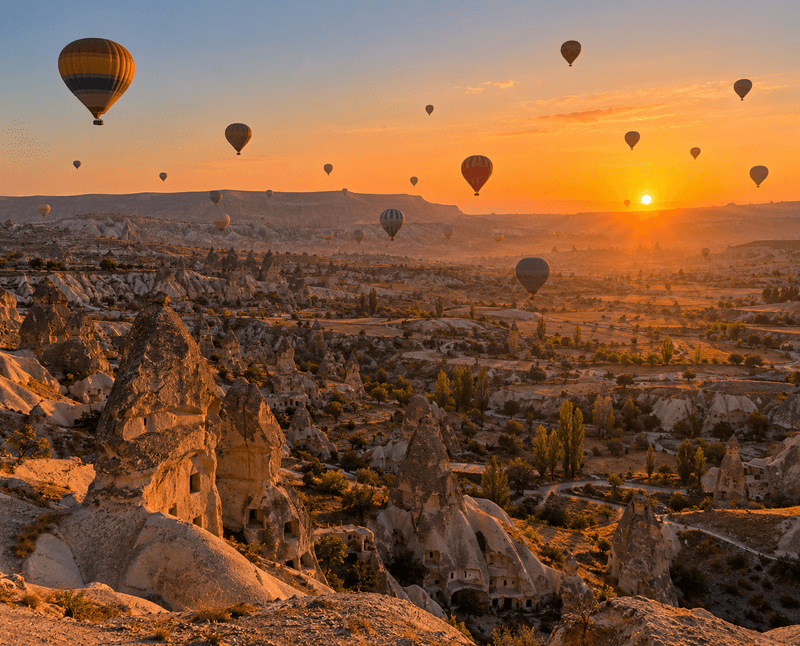
Cappadocia in Two Days: What to See
Cappadocia is usually pictured in one image: sunrise and dozens of hot air balloons over a valley. But if you come only for that, you can miss half the region. In two days you can see very different things: rock-cut churches, an underground city, valleys full of stone pillars and villages where houses are carved straight into the tuff. Why Everything Looks So Unusual The landscape was shaped by volcanoes and time. Many thousands of years ago the area was covered by a layer of volcanic tuff, a soft rock that wind and water slowly wore away. The harder parts held out and turned into the famous fairy chimneys , pointed stone pillars. People only had to adapt the soft stone for living: they carved homes, storerooms and churches into it. The Open-Air Museum in Göreme It is the best place to start. The monastic complex in Göreme is a UNESCO World Heritage Site together with the national park around it. Frescoes have survived inside the rock-cut churches, and the rooms are small, so it is worth going in the morning before big groups arrive. Photography is restricted or banned in some churches, so check the signs at the entrance. Derinkuyu: A City Underground The most unusual stop on the route. Derinkuyu goes down several dozen meters underground, and only some of its levels are open to visitors. Even that is enough to grasp the scale: narrow passages, ventilation shafts, living rooms, kitchens and stables. The passage could be sealed from the inside with a round stone door. In places you have to walk bent over, so if you dislike tight spaces, think about it beforehand. Sunset in the Valleys In the evening it is a good idea to head to Rose Valley and Love Valley : the first is named for the color of the rock at sunset, the second for the shape of its stone pillars. The trails are easy, but proper shoes are a must because the paths are dusty and slippery in places. Hot Air Balloon: Is It Worth It? Flights take place at dawn and depend on the wind: if conditions are bad, the flight is canceled. So do not leave the balloon for your last morning, keep a spare day. Even if you do not plan to fly, watching a sky full of balloons from a hotel roof or a viewpoint is beautiful in itself. What to Try Order testi kebab : meat and vegetables are baked in a clay pot, and the pot is broken open right at your table. You can also stop in Avanos, a town of potters, and see how dishes are made from the local red clay. Was Cappadocia Worth the Trip? Definitely. Cappadocia is not about one beautiful shot but about variety: stone, history and the roads between them. Two days are enough for a first acquaintance, but the trip is easy to stretch to three if you do not want to rush through a list of sights.
0
0
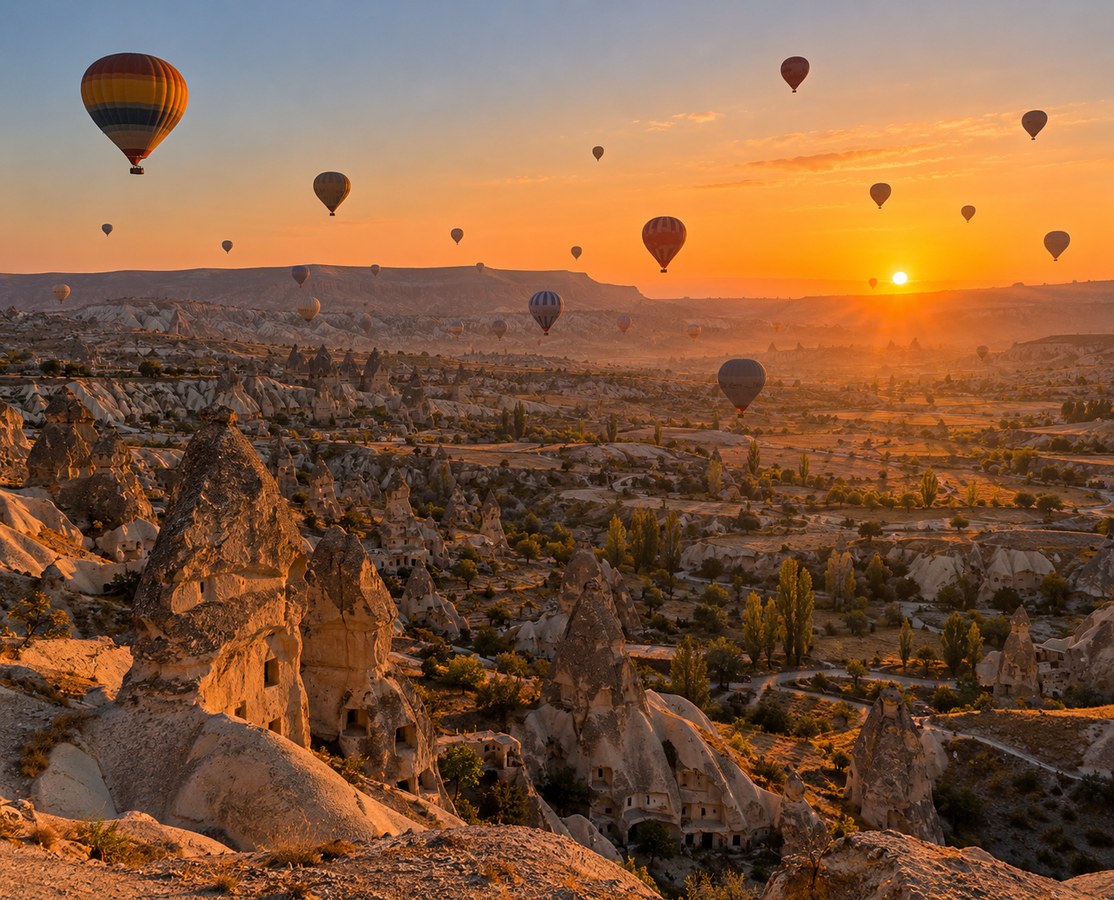
Cappadocia in two days: what's worth seeing
Cappadocia is usually represented by one picture: dawn and dozens of balloons over the valley. But if you come just for her, you can skip half the region. In two days, you can see very different things here: rock churches, an underground city, valleys with stone pillars and villages where houses are carved directly into the tuff. Goreme Why does everything look so unusual here Volcanoes and time created the landscape. Many thousands of years ago, the area was covered with a layer of volcanic tuff, a soft rock that was then destroyed by wind and water. The hard sections stood firm and turned into the famous "fairy pipes", pointed stone pillars. People had to adapt the soft stone for housing: houses, warehouses and churches were cut down in it. Goreme Open-air Museum It's better to start with him. The monastery complex in Goreme is included in the UNESCO list along with the national park around it. Frescoes have been preserved in the rock churches, and the rooms are small, so you should go in the morning, while there are no large groups. In some churches, filming is completely prohibited, so look at the signs at the entrance. Goreme Cave Churches Derinkuyu: a city underground The most unusual item of the program. Derinkuyu goes underground for several tens of meters, and only part of the levels are open to visitors. But it's enough to understand the scale: narrow passageways, ventilation shafts, living rooms, kitchens, stables. The passage could be closed from the inside by a round stone door. Sometimes you have to walk hunched over, so if you don't like cramped spaces, think ahead. Derinkuyu Underground City Sunset in the valleys In the evening, it's good to go to the Pink Valley and the Valley of Love: the first was named for the color of the rock at sunset, the second for the shape of the stone pillars. The trails are simple, but you need proper shoes, because the paths are dusty and slippery in places. Balloon: is it worth it Flights take place at dawn and depend on the wind: if conditions are bad, the flight is canceled. Therefore, do not put the ball on the last morning, leave a spare day. Even if you don't plan to fly, it's very beautiful to look at the sky full of balloons from the roof of the hotel or from the observation deck. What to try Be sure to order a kebab test: meat and vegetables are baked in a clay pot, and served by breaking the pot right at the table. At the same time, you can stop by Avanos, the city of potters, and see how dishes are made from local red clay. Result Cappadocia turned out to be not about one beautiful frame, but about diversity: stone, history and the roads between them. Two days is enough to get acquainted, but it's easy to stretch the trip for three if you don't want to run through the list of points.
1
0
No routes yet

Nha Trang Institute of Oceanography
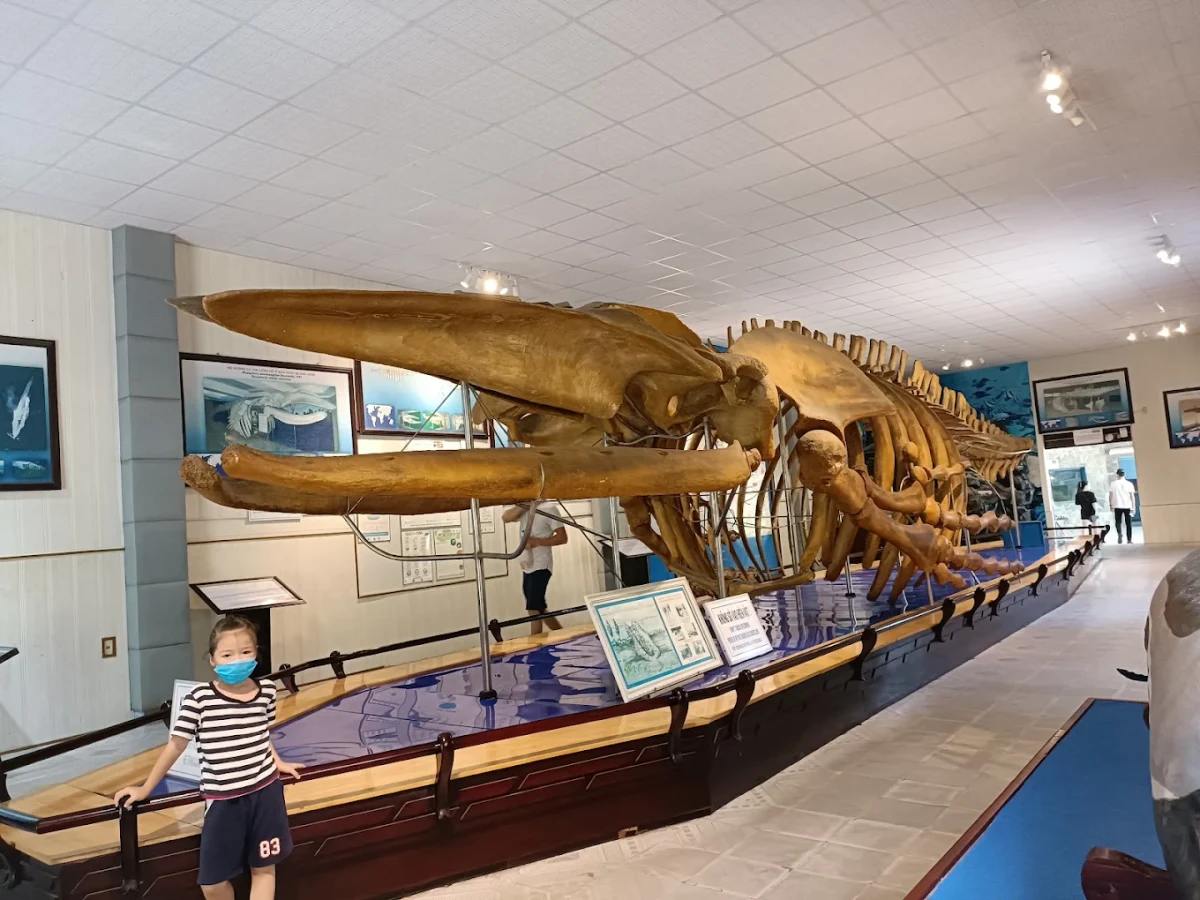
It's a very interesting institute, I advise you to visit everything, bones, skeletons. I was crazy.
Nothing saved yet
No trips yet
No scheduled stories
