


Anna
Author
Lvl 3. 🧭 Explorer
9/10
9Posts
4Likes
4Followers
3Following
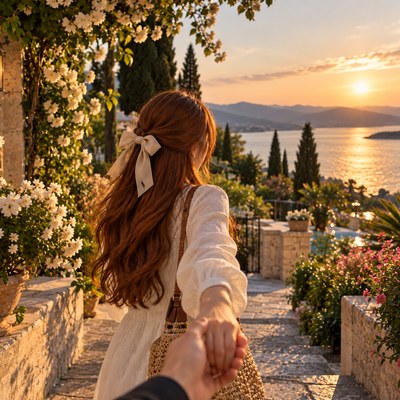
Why am I no longer afraid to travel alone after Rome?
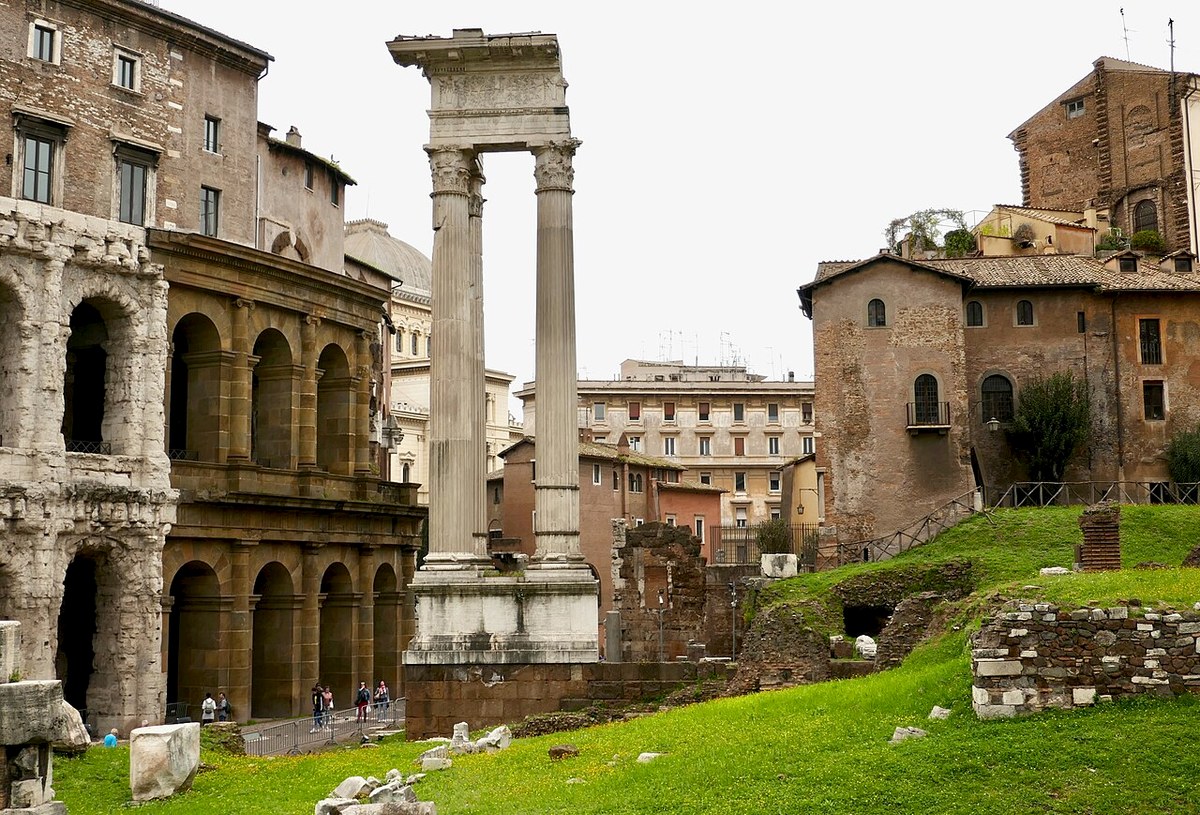
A few years ago, the idea of traveling to another country alone caused me about the same joy as having to assemble a cabinet on my own according to the instructions, in which half of the details are drawn for no clear reason. It seemed to me that a company was absolutely necessary for traveling: someone should help me figure out the transport, tell me the way, hold my bag while I took pictures, and, most importantly, share responsibility for all possible troubles. What if I get lost, lose my documents, fail to communicate with the locals, or get sick at the most inopportune moment? There was a whole list of disasters in my head, and some of them were so unlikely that I thought I could write a separate script for a disturbing series based on them. That's why I spent a long time choosing to travel with friends or acquaintances, even if our interests did not coincide at all. I wanted to walk along the old streets, but for someone it was more important to spend half a day at the mall; I dreamed of waking up early and seeing the city without crowds of tourists, and my companions believed that the vacation starts only in the afternoon. Sometimes I agreed to things that I didn't want at all, just because I was afraid to be alone in an unfamiliar place. I didn't realize then that sometimes being alone on a trip can be much more enjoyable than a company in which you constantly forget about your own desires. Rome, which I almost missed. Everything changed thanks to a trip to Rome, Italy. I have long dreamed of seeing this city, imagined walking near the Colosseum, throwing a coin into the Trevi Fountain, drinking coffee in a small square and looking at the ancient buildings that locals pass by every day, not even suspecting that for someone they look like a real miracle. But when I started looking for fellow travelers, it turned out that everyone had their own plans, circumstances, and reasons to postpone the trip indefinitely. Vesuvius At first I decided to wait, then I waited a little longer, and then I discovered that several months had passed, and I was still sitting at home and looking at photos of Italy, as if they could somehow miraculously transport me there. At some point, I felt offended not at my friends or the circumstances, but at myself. It turned out that I was postponing my own dream just because I couldn't find someone who would travel with me at a convenient time and want about the same thing. One evening, I reopened the ticket website, looked at the dates for a long time, closed the page several times and came back, and then I bought a ticket. When the confirmation came, I smiled at first, and a minute later I felt my stomach tighten with excitement. Now it was not just a dream that could be discussed over a cup of tea, but a real trip from which I had to get out on my own if something went wrong. The first test began at the airport I arrived at the airport in advance because I was sure that if I was going to do something stupid, it would be better to do it with time to spare. I checked my passport, ticket, boarding pass and hotel reservation several times, and then I reached into my bag again to make sure that the passport was really where I had just checked it. If the documents could talk, they would probably ask to be left alone for at least ten minutes. When I finally boarded the plane, instead of the expected panic, I felt strangely relieved. The most difficult decision had already been made, and now all that remained was to fly, and not come up with new reasons why an independent trip might end in failure. I looked out the window and thought that maybe it wasn't as scary as I imagined, although I wasn't completely sure of my own abilities yet. In Rome, I was greeted by noise, movement, unfamiliar signs, and the feeling that everyone around me knew exactly where they were going, except for me. I was trying to figure out the route to the hotel, while keeping an eye on my things and trying not to look like a person who had just been dropped off in the city center without an instruction manual. After some time, I got to my apartment, left my suitcase and realized that the first test had been passed: I really found myself alone in another country, and for some reason the world did not collapse. I got lost and for the first time I didn't scold myself. The next day, I went for a walk through the historic center. I had an approximate route, but I decided not to turn the walk into a military operation and allowed myself to deviate a little from the planned path. Everything was going great until I turned into another beautiful street and discovered that I had absolutely no idea where I was. At first, I calmly opened the map, then took a wrong turn, then came back and found myself again near a familiar cafe that I had already seen about twenty minutes ago. At some point, I started laughing because the situation looked completely ridiculous: I was in one of the most visited tourist cities in the world, holding a modern smartphone in my hands and managed to turn an ordinary walk into a small expedition. Previously, I would have been angry with myself, decided that I had not prepared well, and would have started to worry about the lost time. But that day I just stopped, calmly sorted out the map and continued on my way. Yes, I spent an extra half hour, but I saw several streets that I had no intention of visiting at all, and I found a small bakery where I bought such delicious pastries that for a few minutes I forgot about all my navigation problems. It was then that I first thought that traveling on my own didn't require me to be infallible. I don't need to know every turn in advance, navigate an unfamiliar city perfectly, and anticipate all possible situations. It's enough for me to be able to stop, think and find a solution if something went wrong. The most difficult thing was not in a foreign country I expected that I would be most afraid of the language barrier, public transport or unfamiliar streets, but gradually I realized that the real problem was in a completely different place. It was hard for me to stop comparing myself to other travelers who looked so confident, independent, and free in the photos. It seemed that they could easily find the best cafes, know secret routes, never make mistakes with tickets, and generally wake up every morning with a ready-made plan to conquer the world. I could choose which direction to go in for half an hour, buy the wrong transport ticket, or return to the hotel earlier because I was tired. Sometimes I just wanted to sit in a cafe and do nothing, but I found myself thinking that I should use my time more efficiently, because I don't know when I will return to Rome. It turned out that even on vacation, I continued to demand the perfect result from myself, as if someone was going to check my route and give an estimate for the number of attractions visited. Gradually, I began to ask myself another question: not how many places I managed to see, but whether I felt good that day. And sometimes the answer was unexpected. The day when I visited several famous places could only be remembered for fatigue, and an ordinary walk without a plan, a cup of coffee and a conversation with the friendly hostess of a small store left much warmer memories. I finally realized that I don't have to prove to anyone that I know how to travel properly. I didn't come to Rome to take the independence exam, but to live for a few days the way I really wanted to. Dinner at a table for two, where I was sitting alone I was most worried about the restaurants. For some reason, it seemed to me that sitting alone at a table was almost a public admission that you didn't have any friends, although if you think about it, people around you are usually too busy with their own affairs to study my biography by how many chairs there are near my table. One evening, I finally decided to go to a small restaurant that I noticed while walking. It was cozy inside, companies were talking at nearby tables, glasses were clinking, and such aromas were wafting from the kitchen that my inner critic gave way to ordinary hunger for a while. I asked for a table for one, sat down, and suddenly realized that I didn't know where to put my hands if I didn't have to hold the phone or pretend like I was texting someone. Spaghetti I really felt awkward for the first few minutes. Then they brought the spaghetti that I ordered. The dish turned out to be so delicious that all my worries about how I look from the outside have completely lost their relevance. I had a quiet dinner, watched the life of the restaurant, and even found myself enjoying not having to keep up a conversation, not waiting for someone to finish eating, and not coordinating the choice of dish with another person. When I went out into the evening street, I felt really proud of myself. Not because she had accomplished some incredible feat, but because she had done something that she had previously avoided because of completely far-fetched fears. And I really liked that feeling: it turns out that life doesn't get any less interesting just because you come to a restaurant without company. I've learned to ask for help. At the same time, traveling on my own has not turned me into a person who now believes that he must cope with everything solely on his own. On the contrary, in Rome, I realized how important it is to be able to calmly ask for help when you really need it. One day I couldn't figure out the route of public transport and turned to the station employee, and in another situation I asked the cafe employee if I understood the address of the place I needed correctly. Nothing terrible happened. People answered, showed directions, sometimes explained with gestures, and sometimes just smiled when they saw my confusion. I realized that not knowing the language does not make me helpless, and the question does not turn me into a person who is unable to organize a trip on my own. Of course, I became more attentive to security: I saved the address of the hotel in advance, watched my belongings, checked my return routes and did not go to unfamiliar places late at night just for the sake of a beautiful photo. Independence for me gradually ceased to mean the need to be fearless. It has come to mean the ability to make decisions, notice your own limitations, and feel free to seek help when it makes sense. What I realized when I got home When the trip was over, I returned home with photos of Rome, a few small souvenirs, and a whole collection of stories about how I was looking for a way, trying to figure out transportation, and once almost bought something completely different from what I was going to. But that wasn't even the most valuable thing. I suddenly noticed that I was calmer about everyday difficulties and less afraid of situations in which I did not know in advance how everything would happen. In the past, I always wanted someone more confident to be around, who could suggest the right decision or take on some of the responsibility. Now I know that I can manage on my own, although this does not mean that I will never need help again. I can make mistakes, get confused, get tired, or change plans, but none of these things makes me weak and doesn't mean I shouldn't have gone on a trip. The most amazing thing is that along with confidence came another feeling – I became much more comfortable spending time with myself. I've learned to notice exactly what I want, not to adjust every step to other people's preferences, and not to perceive my free time as a void that urgently needs to be filled with conversation or entertainment. And although I still love traveling with my loved ones, now I have another option: if no one can come with me, I no longer have to abandon my own plans. Why am I no longer afraid to travel alone? I can't say that I'm not afraid of anything anymore. Before a new trip, I still check my documents, study the way to the hotel, and sometimes imagine standing in the middle of an unfamiliar city with a phone in my hand and the expression on the face of a man who was clearly hoping for a more understandable scenario. But now these thoughts don't make me give up the trip, because I know that fear doesn't always mean that you can't do something, sometimes it just says that I'm going to try something new. Rome taught me not to wait for the perfect moment, the right company, and absolute self-confidence. He showed that you can not know all the answers in advance, sometimes make mistakes, ask for help and still have a great time. I also realized that traveling on my own is not a test of courage or a way to prove to others what an independent woman I am. This is an opportunity to get to know myself a little more closely, to hear my own desires and to make sure that I am able to take a step towards what I have long dreamed of. Now, when I see a beautiful city on the map and think about how I would like to visit it, I no longer start with the question: "Who would I go with?" At first, I ask myself, "Why don't I go myself?" And, perhaps, this is the main discovery for me. I stopped being afraid to travel alone, not because I learned not to be afraid at all, but because I no longer let fear decide for me what my life might be like.
0
0
A night in the Sahara Desert
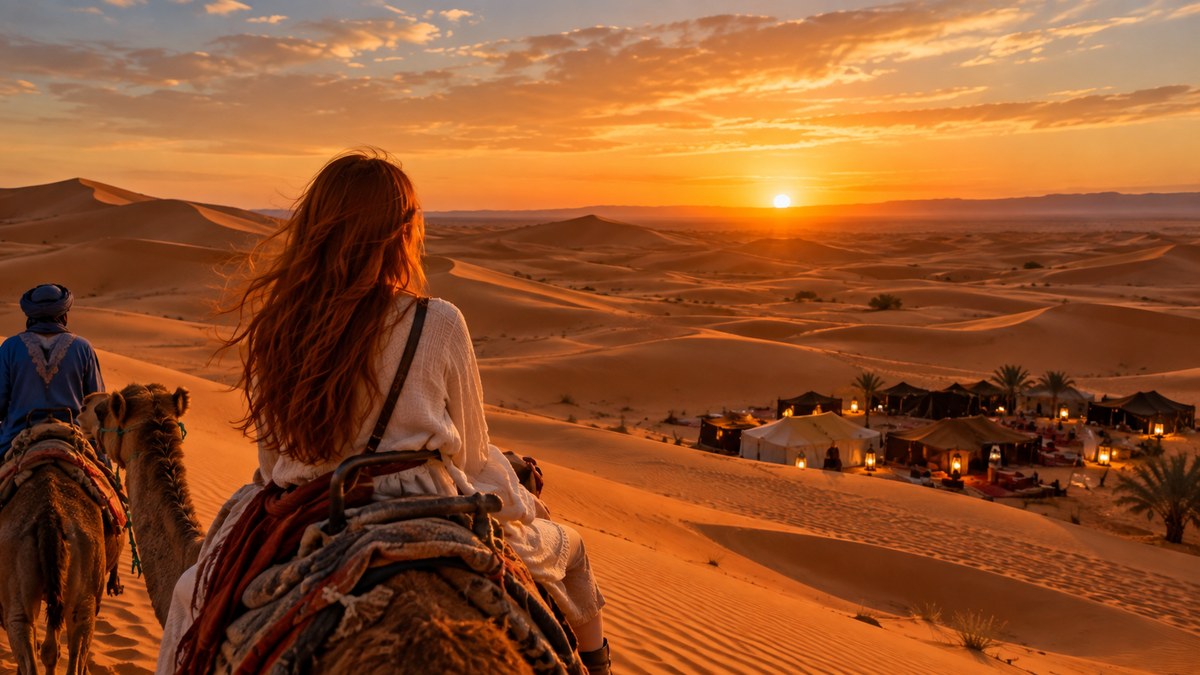
I never thought that one day I would be sitting in the middle of the Sahara and looking at the stars, trying to figure out why everything is so quiet that my own breathing suddenly starts to seem quite loud. Before my trip to Morocco, the desert seemed to me to be something very beautiful, but rather abstract: endless sand dunes, camels, tents, and a perfect sunset, which for some reason always turns out to be more beautiful in photographs. Of course, I wanted to see all this, but I absolutely did not expect that one night in the desert would turn out to be one of the most memorable episodes of the whole trip. I had booked a night in advance at a Berber camp in the Sahara and knew perfectly well that this would not be an ordinary hotel where I could turn on the air conditioner in the evening, charge my phone and calmly see how many degrees it would be tomorrow. Everything was supposed to be completely different here, and that's why I was a little nervous. Especially after I read that the temperature can drop a lot at night in the desert, and I realized that my idea of taking a light dress for beautiful photos was great until I started thinking about the night. The Road to the Sahara Sugar I drove to the camp in the late afternoon, when the sun was already starting to get softer. The landscape gradually changed, the greenery became less and less, rocks, dry land and vast spaces appeared around, and then the first dunes appeared ahead. I remember that moment very well. Before that, the desert was just part of the route on the map, and then suddenly it became a reality outside the car window. Huge golden hills stretched away into the distance, and it seemed to me all the time that the landscape would change after the next dune, although it remained almost the same. And yet I couldn't stop watching.It seemed to me that for the first time I was seeing a space that really had no end. At some point, the car stopped, and then we had to ride on camels. Getting to know my transport. Of course, I had imagined this scene in advance and for some reason I was sure that now I would calmly sit on a camel, fix my hair beautifully, smile and ride towards the sunset. The camel, apparently, also imagined this scene, but in a slightly different way. When he started to climb, I suddenly realized how high I was, and for the first few seconds I tried my best not to look like a person who had already regretted his life decisions. Then it became easier, and I even started enjoying the trip. We were moving slowly through the sand, there were only dunes and a few people from our group around, and the sun was gradually sinking lower. I watched the shadows grow longer, and for the first time that day, I stopped thinking about my phone. Of course, after a few minutes I was already photographing everything around, because once you come to the Sahara, it's impossible to just sit and not take pictures of anything. Sunset among the dunes We stopped at one of the dunes to watch the sunset. I climbed a little higher and sat down on the sand, trying not to think about the fact that it had somehow magically appeared almost everywhere. In my shoes, on my clothes, in my bag, probably even somewhere on my phone. But at that moment, I didn't care. The sun gradually sank, the sand became more and more golden, then orange, and then began to acquire pinkish and reddish shades. The dunes cast long shadows, and the landscape was changing literally every minute. I sat and watched it until the sun finally disappeared below the horizon. And that's when I felt real silence for the first time. Not the kind of silence that happens at night at home when the TV is just not working and no one is talking, but real silence. There were no cars around, no city noise, no phone beeps, and no casual conversations between passersby. There was only the desert. Our camp When it got dark, we went to the camp, from a distance it looked like a few warm lights in the middle of a huge dark space. After sunset, it was especially impressive because there was almost nothing to see around, and the small camp seemed like a separate world. Our tent turned out to be much more comfortable than I expected. There was a bed, simple furniture, light and everything necessary for an overnight stay, so my initial fear about "spending the night in the middle of the desert" was quickly replaced by the thought: "And here, it turns out, it's quite comfortable." However, I relaxed too soon. When I opened my bag to get a warm sweatshirt, some sand came out with it. I looked at him, then at the bag, then back at the sand. And I realized that Sahara had already officially moved into the tent with me. Dinner by the campfire In the evening, we gathered around a campfire, and there was simple Moroccan food on the table, tea with mint, and several dishes that, after a long journey, seemed incredibly delicious to me. Probably, even ordinary bread becomes a gastronomic event on an empty stomach, but for some reason everything was really perceived especially vividly in the desert. We talked, laughed, discussed the road and impressions, and then the locals started playing drums and singing. I was sitting by the campfire and looking at the fire, and beyond it there was absolute darkness. It felt a little unreal. In everyday life, something is always happening around us: cars, people, lights in the windows, planes in the sky. Here, it was enough to move a few meters away from the campfire to find yourself in almost complete darkness. And I suddenly liked it. The most important thing is the stars After dinner, I walked a little further away from the camp and raised my head. And that's where Sahara finally won me over. I didn't expect to see so many stars. Of course, I've seen photos of the night sky many times, but in reality everything looked completely different. Due to the lack of city light, the sky seemed incredibly deep, and there were so many stars that I just stood and looked up for a while. I tried to find the constellations I knew, but I quickly realized that I didn't understand anything about astronomy at all. But I didn't really care what each star was called. I just stood in the middle of the desert and looked up at the sky. That's probably why I came here. It was cold at night And that's when Sahara decided to remind me that the desert is not just about beautiful photos. It was warm during the day, and in the evening the temperature began to drop noticeably. I took out all the warm clothes that I had brought with me, and I was very glad that I still listened to the advice to take a jacket. My beautiful light clothes for photos were left in my suitcase and I was obviously very happy about it. I was sitting by the campfire, warming my hands and thinking about how funny we sometimes imagine traveling. Everything looks perfect in my head: You're walking beautifully through the dunes, your dress is fluttering, your hair is lying properly, the sunset is golden, and there's no one around. In practice, your hair really flutters, just completely in the wrong direction, your dress gets covered with sand, and in the evening you sit in a jacket and try to warm your hands over a campfire. But that's what makes the trip real. Overnight in a tent When I finally went to bed, it was already completely silent. I turned off the light and just lay there and listened for a while. No cars, no neighbors behind the wall, no city noise, just the occasional sound outside and the wind. It seemed to me that I was so far away from my usual life that if I opened the tent door now, I could discover a completely different planet. After a while, I finally fell asleep. However, in the morning I found sand where, it would seem, it could not be at all. I do not know how it got there, but I suspect that Sahara decided to leave me a souvenir. Dawn in the desert I woke up before the alarm went off, probably because I knew I couldn't miss the sunrise here. I came out of the tent and saw the first rays of the sun begin to illuminate the dunes. After the darkness of the night, the desert appeared before my eyes again, but now it was completely different. The sand gradually turned golden, the shadows slowly receded, and the sky changed color. I climbed the nearest dune and stood there alone for a long time. At night, the Sahara seemed endless and a little mysterious, and in the morning – calm and almost infinitely beautiful. And that's when I realized that I was really lucky to see her in two completely different states in one night. What did this night give me? When I went to the Sahara, I thought that the sunset would be the main impression. Then I thought it was the stars. Then I decided to ride a camel. But in the end, the strongest thing turned out to be something completely different – the feeling of space and silence. For the first time in a long time, I found myself in a place where I didn't have to rush anywhere. There was no need to check the map, look for the nearest cafe, look at the transport schedule or think about what to see next. You could just sit by the campfire, look at the stars and listen to the conversations of the people around you. And that's probably why I remember one night in the Sahara more than some trips that lasted a whole week. Would I go again? Definitely yes. Although next time I'll take even more warm clothes with me, close all the pockets from the sand and try not to take too many things that look beautiful only in photos. And I'm going to stay the night again, because it's impossible to really feel the Sugar in a couple of hours while you came on a field trip, took photos and went back. The real impression begins in the evening, when the sun disappears behind the dunes, the temperature gets lower, a bonfire is lit, and a huge starry sky appears overhead. And you're sitting in the middle of the desert, wrapping yourself in a jacket, trying to shake the sand out of your shoes, and suddenly you realize that you absolutely don't want to return to an air-conditioned hotel with a normal shower, because right now you feel good here. And it seems that I travel for such moments.
0
0
Day three: Visegrad, beautiful views and farewell to the city
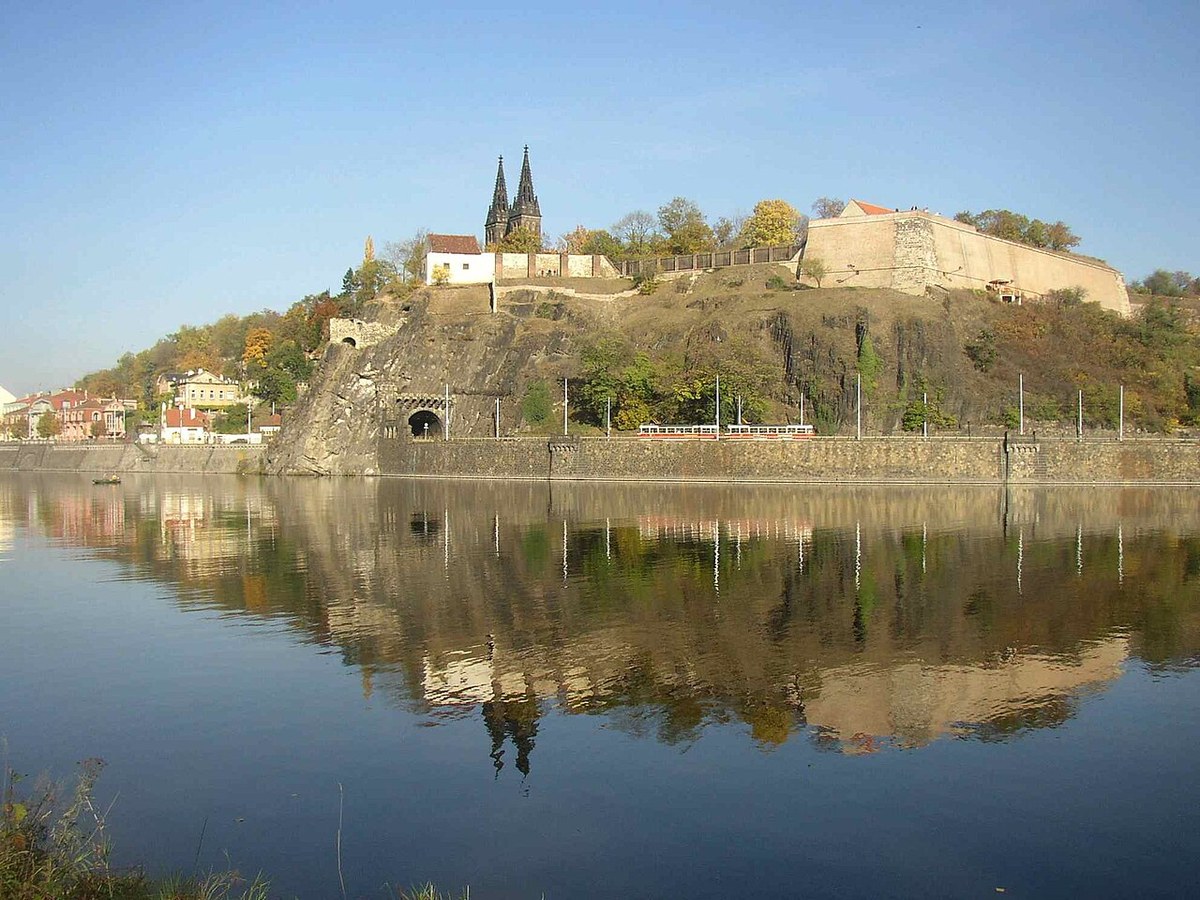
On the third day, I purposely left the route a little more free. After two eventful days, I already wanted not to run between the sights, but just to live in the city for at least a few hours. Visegrad In the morning I went to Visegrad. This place turned out to be a pleasant discovery for me, because after the lively historical center, it feels like a completely different Prague. You can safely walk around the territory, look at the ancient walls, enter the Cathedral of Saints Peter and Paul and just enjoy the views of the city. I especially liked that there was no sense of constant racing here. For the first two days, I kept thinking about where to go next, how long the road would take, and what else I needed to see. And here for the first time I just stopped and thought: "But I don't have to go anywhere." The Josefov district After Visegrad, I returned to the central part of the city and went to the Josefov district. I wanted to see the old Jewish quarter, its streets and historical buildings. Prague generally surprisingly combines different eras, and sometimes it takes only a few minutes for the atmosphere around to completely change. In the late afternoon, I reserved for myself the most pleasant thing – an ordinary walk through the center without a route. I bought something to eat, went into a small store, spent a long time choosing a souvenir, which in the end I wasn't going to buy at all, and then I found myself near the Vltava River again. Vltava I spent the last evening on the Charles Bridge. During the day it seemed to me too noisy and crowded, and in the evening it looked completely different. I looked at the water, the old buildings and the lights of the city again and tried to mentally save it all for the next trip. What have I done in 3 days? If I put my route together in a more understandable scheme, it turned out something like this: on the first day I walked around the Old Town, looked at the Old Town Square, the chimes, Charles Bridge and just explored the central streets. The second day was dedicated to Prague Castle, St. Vitus Cathedral, Malaya Strana and a walk along the Vltava River. On the third day, I left Visegrad, Josefov and a quiet walk through the center without a mandatory list of attractions. Queen Anne's Summer Palace and Royal Garden At the same time, I didn't try to see absolutely everything at all. And this is perhaps the main advice that I brought from Prague: do not turn a trip into a competition with a tourist checklist. It's impossible to get to know the city completely in three days, but you can feel its character if you sometimes put your phone in your pocket and just go wherever you want. I remember Prague not only for its beautiful squares and castles. I remember her morning streets, the smell of coffee, bridges, old houses, stairs, sudden turns, and those very moments when you open a new alley and wonder why you didn't notice it before. I also realized that my ideal route through Prague should definitely leave room for mistakes, because for some reason they often turn into the best memories. Wenceslas Square And if I were offered to spend three days in Prague again, I would probably leave most of the route the same. I would just take my shoes more comfortably, not try to control the time so carefully, and accept in advance that I would definitely get lost at least once. After all, what kind of trip is there without a little adventure?
2
0
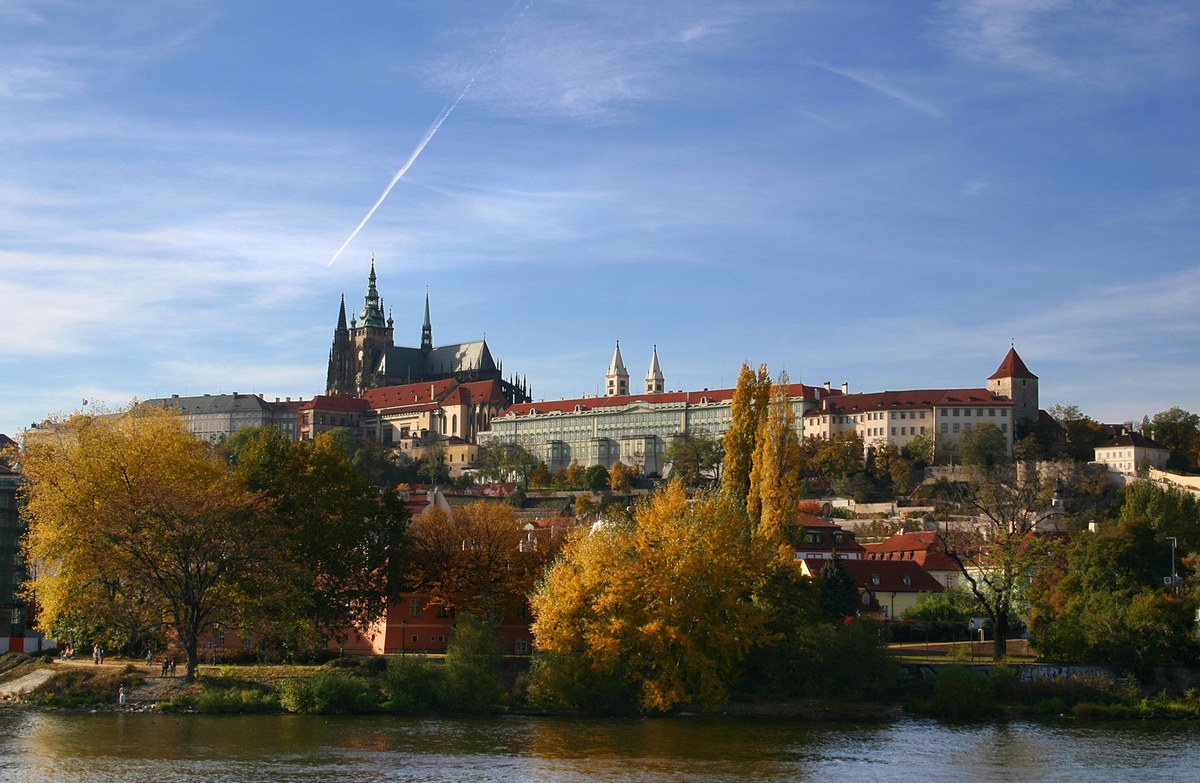
Day two: Prague Castle, Mala Strana and a leisurely walk
On the second day, I decided to go to Prague Castle. I took a long time getting ready in the morning, because, as is usually the case when traveling, I suddenly discovered a huge number of extremely important things: check the weather, see the route, charge my phone, look at the route again and, of course, drink coffee. Prague Castle I got to Prague Castle without any problems, although the climb made me reconsider my attitude to comfortable shoes. In everyday life, I sometimes think that beautiful shoes are more important than practical ones, but after a few hours of walking around Prague, you quickly remember that your feet have their own opinion and are able to express it quite convincingly. St. Vitus Cathedral The main point of this day for me was St. Vitus Cathedral. Even if you don't consider yourself a big fan of architecture, it's hard to pass it by indifferently. There's a huge space inside, stained glass windows, details, stone, and such an atmosphere that you automatically start talking quieter, even though no one asks you to. Small Country After Prague Castle, I went for a walk around the Small Country. This is where I finally understood why Prague is called one of the most beautiful cities in Europe. I liked just walking without a specific goal, looking at the colorful facades, courtyards, doors and windows, periodically stopping for a photo. At some point, I decided to trust my intuition again and turned off the usual route. After a while, I realized that I had absolutely no idea where I was. The map on my phone showed a beautiful blue dot that was confidently moving somewhere not where I was going. I had to stop, figure out the direction and admit the obvious: sometimes even the most carefully planned route loses out to ordinary attentiveness. The Waldstein Garden After that, I walked to the Waldstein Garden, rested for a while and slowly returned closer to the center. In the evening, I wanted to see Prague from the other side, so I went for a walk along the Vltava River. It was this evening that I remember the most. There were no mandatory attractions that needed to be urgently marked on the list. I was just walking along the river, looking at the city, listening to the conversations of people around me and periodically thinking that three days is still too short for Prague.
0
0
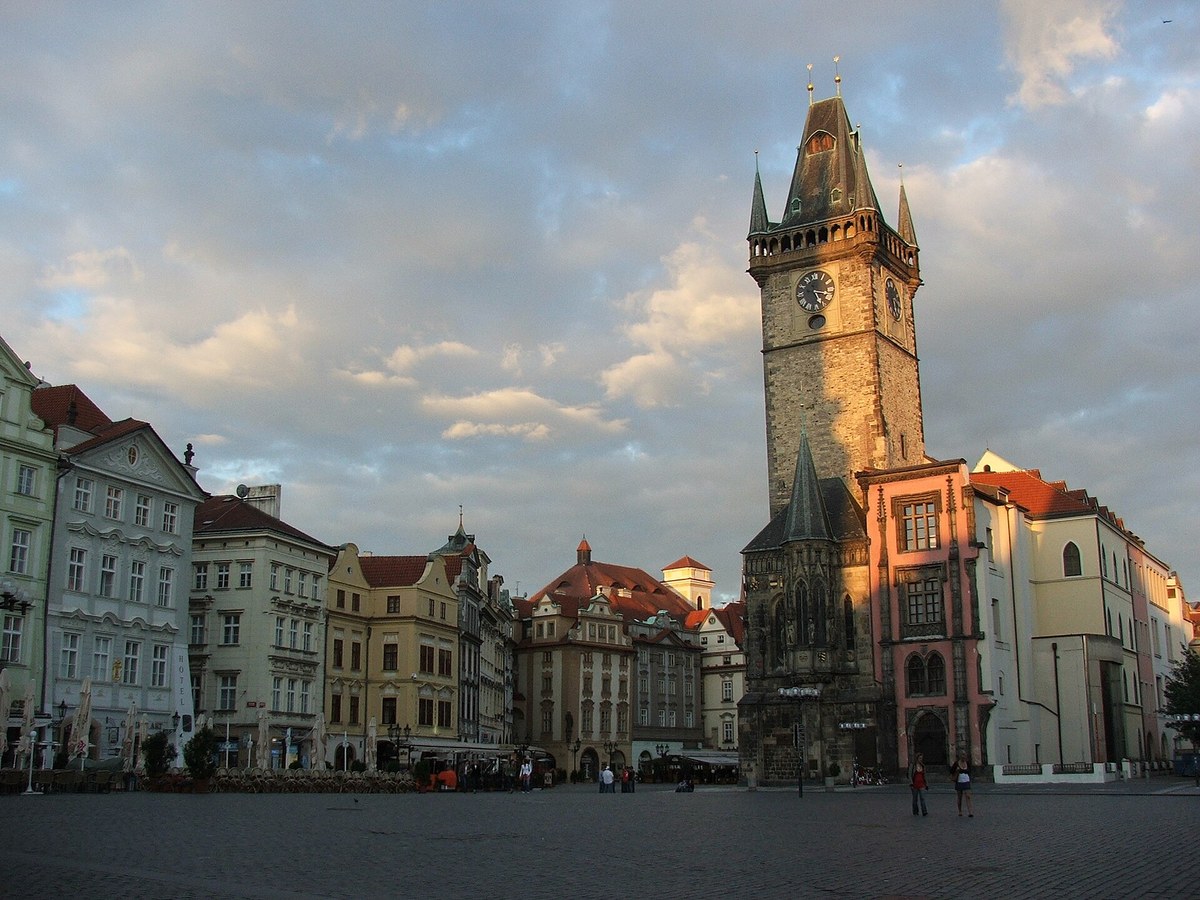
Day one: The Old town and the first acquaintance with Prague
I went to Prague with a rather dangerous confidence that in 3 days I would have time to see if not everything, then at least the most important things, and in the evening I would still have the strength to sit somewhere beautifully with a cup of coffee and talk about how well I did. Naive. By the end of the first day, I realized that Prague is the city where you can go out "literally for five minutes" and two hours later find yourself in an alley, standing in front of a beautiful house and completely not understanding how I got here. But that's why I loved her. I made up a route in advance, broke it down by day, saved the necessary places on my phone, and even had a rough idea of where I would have lunch. The plan looked very convincing until I arrived in Prague. After that, it quickly turned into a set of recommendations that I used according to the principle of "let's see according to the mood." In the end, it turned out even better than I had hoped, because the most pleasant moments of the trip happened just when I was slightly deviating from my own schedule. Prague Chimes On the first day, I decided not to overload with difficult routes and just went to get acquainted with the historical center. I started with the Old Town Square, because I wanted to immediately get to the very Prague that we all saw in the photos.: ancient facades, narrow streets, towers, tiled roofs, and the feeling that the scenery for a historical film had been forgotten to be removed after filming. Of course, I waited for the famous chimes on the square. And for some reason, I decided that something so impressive was about to happen that everyone around me would freeze with delight. In fact, a crowd of people with phones gathered around, including me, and after a few minutes we went on our way to our tourist business. But it's still worth looking at the Old Town Hall, especially if you go up and see the city from a height. After leaving the square, I purposely didn't open the map right away, but went for a walk along the nearest streets. It turned out to be one of the best decisions of the entire trip. In Prague, it is very easy to accidentally turn off a busy tourist route and find yourself on a quiet street with beautiful houses, small cafes and a completely different atmosphere. Then I went to the Charles Bridge. By this point, I had already managed to get a little tired, but as soon as I saw the Vltava River and the ancient towers of the bridge, the fatigue disappeared somewhere. However, there were so many people there that a romantic walk across the bridge sometimes turned into a small survival exercise: someone was taking pictures, someone was stopping in the middle of the road, someone was walking towards you, and you were trying not to hurt anyone and at the same time not to lose your phone. Charles Bridge But in the late afternoon, Prague became especially beautiful. The light gradually changed, the stone buildings took on a warm hue, it became calmer over the Vltava River, and I finally stopped trying to catch everything. I just walked around, looked at houses, went into small shops and periodically stopped for coffee. In the evening, I decided to have dinner somewhere near the center. There was also a small failure here: I chose the restaurant solely on the principle of "it looks pretty," and then I discovered that my body, after a day of walking, did not want a gastronomic discovery, but a huge portion of something hot. In the end, dinner turned out to be completely simple, but after it I felt like a person who really deserved a bed.
0
0
Mistakes I made during the trip
It seems that after several trips, I should have already learned how to ride without adventures, but for some reason, it is on trips that my common sense periodically takes vacations before me. I can choose comfortable shoes at home for three days, make a list of things, check the weather and save the necessary addresses, and then arrive in another city and discover that I forgot to charge my phone, did not take the adapter, or for some reason decided that it was a great idea to get to the hotel with a suitcase across half the city on foot. Therefore, today I decided to honestly collect my mistakes, so that at least my mistakes would be useful to someone. I was hoping too much for my phone. One of the first mistakes was that I was sure that the phone would solve absolutely all the problems. Cards, translator, tickets, reservations, banking application, photos, notes – it seemed that one charge was enough, and you could safely go to the other side of the world. In practice, for some reason, the phone runs out of battery precisely when you are standing in the middle of an unfamiliar area and trying to figure out where to go next. After that, I started saving my home address, important tickets, and routes offline in advance, and I also bought a powerbank and always carry it with me. Because the phrase "I'm going to look at the map now" sounds especially confident until the screen turns black. I took too many things. I usually start packing for a trip with an innocent thought.: "I'll take it just in case." Then the second thing appears "just in case," the third, the fourth, and an hour later I'm already trying to close the suitcase with all the weight of my own body. The funny thing is that half of the things end up traveling back and forth with me, never leaving the suitcase. I especially like to take clothes for all possible weather scenarios, as if I'm going not for a week, but to participate in an expedition. Now I try to look at things much more practically: several comfortable sets, shoes that can really be worn all day, and a minimum of things from the "suddenly useful" series. I underestimated the distances. Everything looks suspiciously close on the map. You look at the route and think, "Well, it's about twenty minutes on foot here." Forty minutes later, you're walking with the face of a man who's made a mistake but basically doesn't want to admit it. During my travels, I overestimated my hiking abilities several times and underestimated the size of the city. Now I look not only at the distance, but also at the terrain, the weather, the availability of transport and my own condition. Because a five–kilometer walk in the morning and the same five kilometers in the evening after museums, stairs and endless streets are, it turns out, two completely different walks. I didn't check the transport beforehand. Sometimes it seemed to me that public transport in any city is arranged in about the same way: boarded, paid, arrived. This is a very naive theory, especially when it comes to a city where several modes of transport have different payment rules, transfers and tickets. I once spent more time trying to figure out the system on the spot than I would have spent studying it at home. Now, before traveling, I at least roughly understand how the subway, buses, trains and fare payment work, and also save the name of the desired station so that I don't try to remember it from memory later. I only booked a place based on beautiful photos. That was my own mistake. The room looked great in the photos: bright interior, nice bed, cozy kitchen, and outside the window, apparently, almost paradise. In reality, it turned out that the photos were taken on the day when sunlight and a good angle decided to give the apartment a second life. Since then, I have been looking not only at photos, but also at reviews, location, transportation, the presence of a store nearby, a floor, an elevator, and especially carefully read the comments of people who have already lived there. Because a beautiful interior is nice, but when you have to carry your suitcase to the fifth floor without an elevator after ten hours of walking, the romance ends pretty quickly. I decided that I could do without booking. Sometimes I want to be that person who just comes somewhere and calmly gets inside. In practice, in popular places, this plan works about as well as trying to hail a taxi during heavy rain during rush hour. There were situations when I came to the sights, looked at the queue and realized that I had wasted my time completely. Now, if the place is really popular, I check in advance whether a reservation is needed, whether there is a certain entry time and whether it is possible to buy a ticket online. This does not deprive the journey of spontaneity, but sometimes it saves several hours of life. I started thinking about food too late. When you walk all day, museums, streets and beautiful views somehow seem much more important than food. Up to a certain point. And then suddenly it turns out that you're hungry, tired, and ready to settle for the first place you meet along the way. And here you can easily spend more money than planned, or just eat where you absolutely did not want to. Now I'm trying to mark a few normal places in advance near the area where I'm going to walk. Not in order to live according to the "12:30 – soup" schedule, but in order not to make gastronomic decisions in a state of mild despair at the moment of hunger. I was trying to see too much in one day. The Spanish Steps in Rome This is probably one of my most common mistakes. When you arrive in a new city, you want to see everything: the main square, the museum, the palace, the park, the market, the beautiful street, the observation deck, and in the evening you must find the very place that everyone is photographing. The result is not a trip, but a competition to collect attractions. You go back to your room, take off your shoes, and realize that you have to go out again tomorrow. Now I prefer to choose several places for the day and leave time just for a walk without a purpose. It is at such moments that the most pleasant memories usually appear. I didn't leave any time to spare. Previously, I could make up a route as if the whole day was happening in a vacuum, where transport was never delayed, queues did not exist, I never made a mistake at the subway door, and I was able to move with the precision of a Swiss watch. Of course, reality quickly explained to me who was in charge here. Now I try to reserve time for the road, random stops, photos, coffee, lost turns and other small incidents. Because you can't travel without them anyway, but you don't have to be nervous about every delay. I was trying to control everything. And I consider this mistake to be the most important one. Sometimes, before a trip, I made up such a detailed plan that all I had to do was print it out and give myself a traveler's outfit with a timetable. But trips rarely go strictly according to plan, and the more you try to control every little thing, the more annoyed you get when something goes wrong. Now I'm planning the basics: housing, transportation, a few important places, documents, and a budget. And then I leave room for accidents. Sometimes, just because I took a wrong turn, entered the wrong courtyard, or decided to change my route, I found the most cozy streets, small cafes, and places that didn't exist at all in the original plan. Still, I wouldn't undo any of these mistakes. To be honest, most of my travels are impossible to imagine without these little dips. Somewhere I was too tired, somewhere I overpaid, somewhere I forgot the right thing, somewhere I miscalculated the time, and somewhere I had no idea where I was going. But it was thanks to these situations that I gradually learned to travel more calmly and stopped perceiving every surprise as a disaster. There probably isn't a perfect trip at all. You can check the forecast, book accommodation, set routes and charge all possible devices as much as you want, but still one day you will find yourself in the middle of an unfamiliar city with a dead phone and you will stand with an expression on your face: "So... and what now?" And, if you are lucky, this particular story will later turn out to be one of those that a few years later You'll be telling your friends with a laugh for years.
1
0
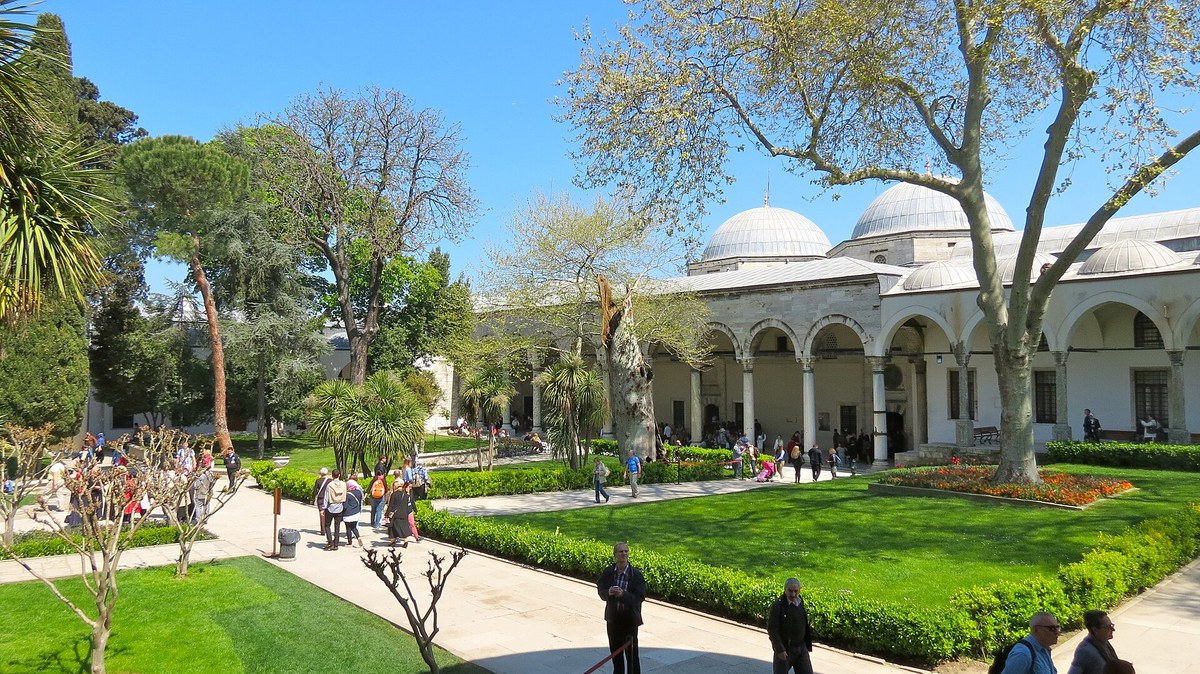
Topkapi in Turkey: a place I want to return to
There are places that you visit, take pictures of, tick off your mental list, and after a while you can't remember what color the walls were or exactly how you felt that day. But there are places that for some reason do not let go, and the Topkapi Palace in Istanbul has become for me exactly the kind of place where I return to mentally much more often than I expected after the trip. It seems that I have already seen everything, walked through the palace courtyards, looked into the luxurious rooms, admired the views of the Bosphorus, and even got so tired that at some point my legs began to hint at the need to stop the historical marathon, but the impression remained so strong that now I want to return there in a completely different way. When I first found myself at the entrance to the palace, for some reason it immediately seemed to me that I was not just in a museum, but in a separate small world that exists according to its own rules and is in no hurry to adapt to modern Istanbul. Outside the walls of Topkapi, a huge city is buzzing, cars are driving, people are in a hurry, phones are ringing, tourists are trying to look at the map at the same time and not lose each other, but inside the palace it all seems to remain somewhere far away. Probably, it was this contrast that hooked me the most, because just a few minutes ago you were in a modern city, and then you walk through the gates and find yourself among the palace courtyards, gardens, old walls and incredible views of the Bosphorus. I didn't expect Topkapi to be so big at all. Before the trip, of course, I imagined a palace, but in my head it was something much more compact, where you can safely walk for an hour, see everything, take beautiful photos and go on about your Istanbul business. I was so wrong, because Topkapi turned out to be a huge complex that you can walk around for quite a long time, gradually discovering new courtyards, buildings, terraces and rooms, and at some point I stopped realizing exactly how much I had seen. The funny thing is that the further I went, the more I wanted to see more, although an inner voice was already quite reasonably suggesting that I find a bench and at least sit for a while. I especially liked the feeling of space that arises in the palace courtyards, because here you don't feel like you're just being led from one museum hall to another. You move from one place to another, go out into an open area, see greenery, old walls, a piece of the sea, and then suddenly discover an absolutely stunning view of the Bosphorus, and all this makes you stay longer than you planned. I've generally noticed a strange habit when traveling: if I really like a place, I start photographing it from all possible angles, and then at home I find about twenty identical photos of the same tree on my phone, but not a single photo of how I looked at that moment. A harem that is impossible not to think about I was particularly impressed by the part of the palace associated with the harem, because it is here that history begins to be perceived in a completely different way. Before that, you can look at the palace premises as beautiful interiors, consider tiles, ornaments, doors and details, but gradually you begin to think about the people who once really lived behind these walls, and then Topkapi ceases to be just a beautiful historical place. The thought of how many destinies, intrigues, conversations, hopes and disappointments have remained here is especially strong on the imagination, although almost nothing remains of the people who once walked along these corridors today. Of course, after getting acquainted with the history of the Ottoman Empire, it is impossible not to remember Hurrem Sultan, and I also couldn't get past this topic, especially after I once watched a popular TV series about Sultan Suleiman. But in Topkapi, everything is perceived a little differently, because you no longer look at the screen and do not see the actors, but stand among real walls that are several centuries old, and this suddenly makes the story much closer and more real. I found myself thinking that one day I would like to return here without haste, walk through these rooms once more and no longer just look at the beauty of the interiors, but try to imagine what life was like for people for whom this place was once not a tourist attraction, but an ordinary home. View of the Bosphorus, for which you want to stop But if you ask me what moment in Topkapi I remember most often, I will most likely answer – views of the Bosphorus. There is something very special about this: you stand on the territory of the palace, the history of the Ottoman Empire, old walls and luxurious buildings surround you, and the water opens before your eyes, along which ferries run, and modern Istanbul lives its usual life. At this moment, you realize especially well how amazing the city itself is, because the past and present here do not just exist side by side, but literally overlap each other. I could have stood there and stared at the water for a long time if I hadn't remembered that I still have a whole program ahead of me and actually I didn't come to Istanbul to spend the whole day at one point overlooking the Bosphorus. But these are the moments I love most when traveling, when you suddenly stop keeping track of time and no longer think about how many attractions are left before the end of the day. You just stand there, look into the distance, and realize that this is exactly the feeling you'll remember at home much more often than the names of all the halls you've visited. Why do I want to go back That's probably why Topkapi has become a place for me to return to, and I'd really like to do it not on the first day of the trip, when I still have a huge list of required places in my head, but when I can afford to slow down a little. I would go through the gates again, walk through the palace courtyards, look into the Harem once more, and then I would definitely find a place with a view of the Bosphorus and just sit there without taking out my phone every two minutes. I think I could see the Topcaps much more deeply the second time, because the first visit is always a bit like trying to embrace the whole city at once – I want to see everything, remember everything and not miss anything. And, of course, I'm pretty sure that on my second visit I'll be walking around the palace again with the expression of someone who knows exactly where he's going, and ten minutes later I'll take out the map again and start figuring out exactly where I am. I guess this is already my personal travel tradition, because no matter how detailed the route is, sooner or later I still go somewhere wrong, but that's how the most interesting places are sometimes located. After all, a trip without small adventures would be too suspiciously ideal, and I prefer to return home not only with beautiful photos, but also with stories that are pleasant to remember later. Topkapi is not only a palace Now, when I think about Topkapi, I realize that I remember it not only because of the luxurious interiors, historical stories or famous names associated with the Ottoman Empire. For me, it became a place where history, architecture, nature and Istanbul met in an amazing way, which cannot be confused with any other city, especially when the Bosphorus opens in front of you and ferries continue to run somewhere below. That's probably why I don't just want to say that I "visited Topkapi," because it sounds like I ticked off and moved on, but I'm much closer to the idea that I was there once and now I want to see it again. I want to go back there without feeling like I'm late for something, without a long list of attractions, and without wanting to photograph every door, because now I know exactly what I want to feel. I want to walk through the palace courtyards again, see the familiar walls, feel this special Istanbul air and stay by the Bosphorus a little longer than the usual tourist route allows. And if one day I find myself in Istanbul again, I know for sure.: Topkapi will be one of the first places I will go, because some places we visit once, and some we want to return to again and again, even if it is impossible to fully explain why. The place I haven't finished watching Perhaps this is the main secret of traveling: sometimes we return home not because we have seen everything, but precisely because we understand that we have not seen everything. Topkapi is one of those places for me, because it is impossible to feel it completely in one visit, especially when there is so much history hidden behind beautiful walls, and Istanbul opens up behind the palace terraces, which in itself can make you stay for a few more days. That's why my return ticket from Istanbul took me home once, but for some reason I didn't put an end to it. And maybe that's why I want to go back there.
0
0
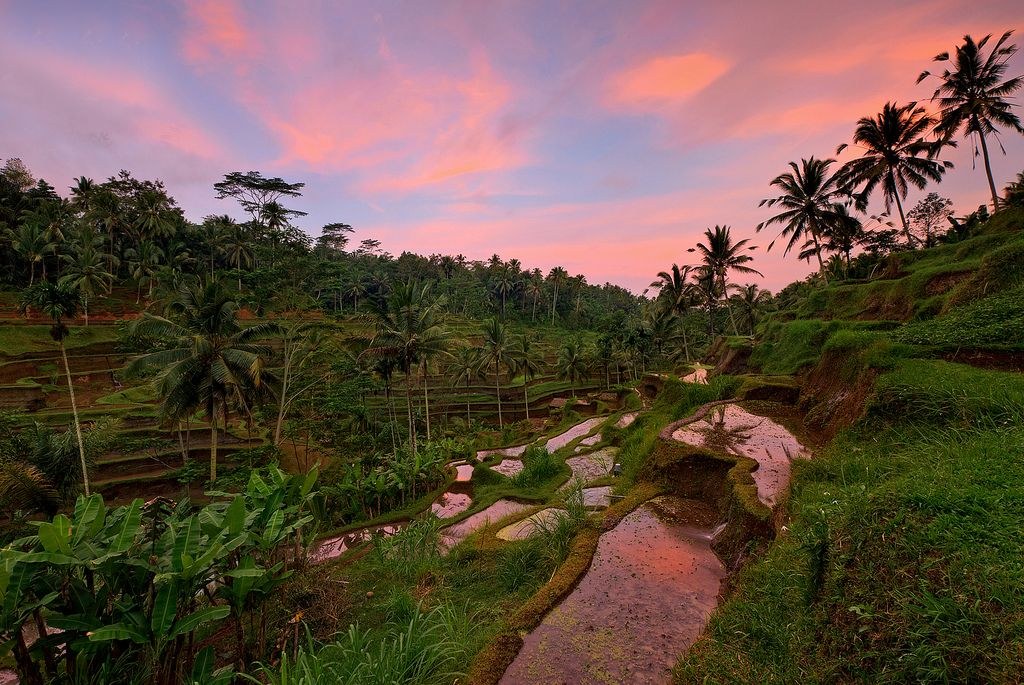
How we spent a week in Bali
My friend and I went to Bali with a very simple plan: to rest for a week, eat delicious food, swim, take pictures, and at least take our time for a few days. Everything looked perfect in my head: a villa with a pool, palm trees, sunsets, coconuts, and we were so beautiful, as if we had just come out of an advertisement for an expensive resort. Reality, of course, made its own adjustments in the first few hours, but that's why I remember this trip with a smile. The first day. We arrived and immediately realized that we were in Bali On the first day, we decided not to overload ourselves with excursions and just get used to it. After the trip, we checked into a guest house, dropped our suitcases and stood by the pool in silence for about ten minutes, because it was completely incomprehensible how one could live in such a place and why we hadn't done it sooner. However, half an hour later, the first household problem began: we couldn't figure out how the hot water in the shower turned on, and as a result, we stood in front of this mysterious device together, studying it as if it were a spaceship control panel. In the evening we went for a walk in Ubud. There were palm trees, small cafes, temples, the scent of incense, and endless mopeds that appeared literally out of nowhere. We tried to walk beautifully and relaxed, but after a few minutes we were already dodging traffic, laughing and saying to each other: "The main thing is not to lose each other." Day two. Ubud, rice fields and our great journey over breakfast The morning in Bali turned out to be exactly how I imagined it: the sun, the greenery, the humid air and the feeling that you're finally not late. We went to see the rice terraces and, of course, to take pictures literally every five minutes. At first, my friend patiently photographed me, then I photographed her, and then we both realized that half of the pictures were taken with our eyes closed because of the bright sun. After the walk, we decided to find a beautiful place for breakfast. Everything looked great in the photos: a tropical garden, wooden tables, fruits, coffee, and some incredibly beautiful bowls. We ordered about everything we saw on the menu, and then we found out that drinking coconut, which is so beautifully in the photo, is not as easy as it seems. In the end, breakfast ended with a small coconut shower, laughter, and a photo, which, of course, we won't show to anyone. Day three. A beach day that didn't go according to plan at all On the third day we decided to go to the ocean. We imagined ourselves lying on the beach with cocktails, but Bali quickly reminded us that nature lives by its own rules here. First there was the sun, then suddenly clouds came up, then it started to rain, and twenty minutes later the sun came out again. The funny thing was that we managed to hide from the rain, order drinks, discuss that the day was ruined, and go outside exactly at the moment when the rain stopped. In the end, we just took off our shoes and went for a walk along the ocean. Both of them had their hair blown out by the wind, and their dresses were a little wet, but the photos turned out to be much more vivid than all the perfect shots we tried to take this morning. In the evening we had dinner at a small restaurant near the beach. We tried local dishes, talked a lot, and at some point realized that we hadn't been in a hurry for hours. It was probably then that I felt a real vacation for the first time. Day four. A waterfall, wet sneakers, and a little heroism On the fourth day, we decided to add a little adventure to the program and went to the waterfall. When I saw the way to it, I immediately realized that the person who coined the word "easy walk" had obviously never been here. We went down cheerfully, but we were already climbing back up with the expression on the faces of people who suddenly rethought their love of nature. The waterfall was incredibly beautiful. The water was falling down among the greenery, everything was wet, noisy and somehow completely unreal. Of course, we took a closer look and ended up getting our shoes wet. They returned barefoot, carrying wet sneakers in their hands and laughing at how effectively this day began and what it turned into. But for some reason, it is precisely such moments that I remember best later. Day five. The day we decided to do nothing After four days of walking, we officially declared the fifth day a day of idleness. No waterfalls, temples, trails, or early climbs. Just a pool, fruits, coffee and lie down so that you can see a maximum of one palm tree. In the morning, we had a long breakfast, then moved to the pool and discussed everything for several hours. At one point, I said that I definitely needed to get up and go somewhere, because "we came to Bali," and my friend looked at me and replied: "We are already in Bali. Here he is. Stay down." And she was right. Then we went out for a walk nearby and bought fruits that I probably wouldn't even consider at home. For some reason, I want to try everything in Bali: mango, dragon fruit, passion fruit, coconuts and some other mysterious fruits whose names we don't even remember. Day six. Sunset, beautiful dresses and our last evening We decided to devote the sixth day to beautiful places and photos. We dressed up, took a long time choosing where to go, and then spent half the time trying to catch a good light. ""There's a special moment when traveling with a friend: one says, "Take a picture of me here," the other takes twenty pictures, after which the first one looks at them and says, "No, let's do it again." After ten minutes, the roles change. But in the evening we found ourselves in a beautiful place at sunset. The sky gradually turned golden, the palm trees darkened against the background of the sun, and for a few minutes it became surprisingly quiet around. We just stood next to each other and looked at the ocean, realizing that tomorrow we would have to pack our bags. In the evening we had our last dinner. We laughed a lot, recalled all our adventures during the week and came to the conclusion that half of the trip did not correspond to the original plan at all. And it seems that's why it turned out so good. Seventh day. Suitcases, the last coconuts, and "let's stay" The last morning is always kind of weird. It seems like you're still on vacation, but you're already mentally sorting through things, checking your passport and trying to figure out where all the free space in your suitcase has disappeared to. We were going for quite a long time, because for some reason there were a lot more things, although both swore that they hadn't bought anything extra. Before leaving, we went out to the pool again, had coffee and just sat in silence. Then, of course, the traditional phrase appeared: "Maybe we should stay another week?" We both understood that this was impossible, but for several minutes we discussed this wonderful, but completely unrealistic idea quite seriously. We were already going to the airport a little sad. In one week, we managed to get used to palm trees, the heat, the ocean, mopeds, rains, fruits and this strange feeling when no one is in a hurry. What I realized after this trip Bali for me turned out to be not only about beautiful beaches and Instagram photos. It turned out to be about the feeling of freedom, about the possibility of not knowing how the day will end in the morning, and about small adventures that cannot be planned in advance. And I also realized that traveling with a friend is a special pleasure. Because you can get lost together, get wet in the rain, ruin your perfect hairstyle with humidity, not deal with hot water and choose a restaurant for half an hour, and then say anyway: "God, it was so good." And if I were asked if I would go to Bali again, I wouldn't even think twice. But next time, we'll definitely take shoes that don't get wet, and we'll figure out the shower beforehand. And, of course, we'll leave a couple of days just to lie by the pool and do nothing. Because sometimes this is the most correct route.
0
0
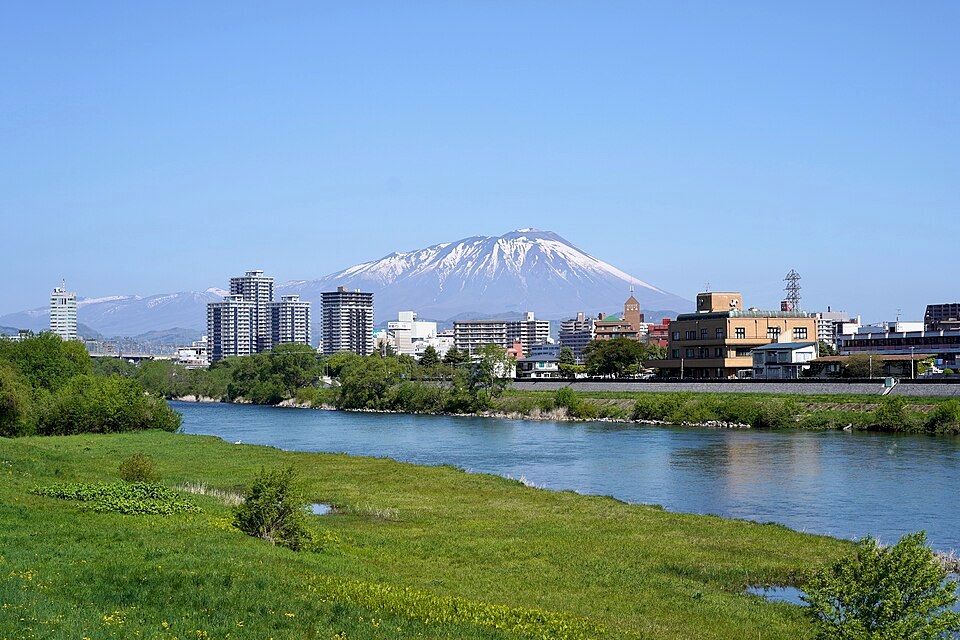
My first trip to Japan
After a couple of days of vacation, I was standing at Tokyo airport with my suitcase in one hand and my phone in the other, and I was already beginning to suspect that everything was not going according to plan. Japan greeted me not with sakura trees, Mount Fuji, or even some ancient temple, but with an automaton who spoke to me very enthusiastically in Japanese. I stared at him for a few seconds, then at the screen, then back at the machine, and finally decided that it was better to postpone the first contact with Japanese civilization for later. The first thing that surprised me was the silence Perhaps what struck me most in the first few hours was how peaceful Japan is, even where there are a lot of people around. There are dozens of passengers in the subway, everyone is going somewhere, someone is reading, someone is looking at the phone, someone even manages to get some sleep, but there is no usual feeling of fuss and noise. At first, I couldn't get used to it and kept catching myself thinking that now someone would definitely start talking loudly on the phone, sort things out, or at least tell a friend how his day had been. But nothing like that happened. After a few trips, I learned to keep quiet myself, although at first I did it more out of fear that I would accidentally violate some Japanese law on silence. And then I realized that I really like it: I can just sit by the window, look at the city and take my time. Japanese trains are a separate art form. The first time I saw a Japanese train, I just stood there for a while, looking at it. It was so clean, tidy and somehow incredibly organized that I even felt a little embarrassed to go in there with my suitcase. It seemed like an employee was about to appear and politely say: – Sorry, your suitcase is not aesthetic enough. But no one stopped me, and I went inside safely. The most amazing thing started later, when I looked at the scoreboard for the first time and realized that the train really arrived when it was written. Not """in about ten minutes," not ""it should be now," not "something is delayed," but exactly when promised. I looked at the clock, then at the train, and thought: How do they even do this? After several trips, Japanese precision became so familiar to me that I even began to miss it even before I left the country. A transition that looks like a scene from a movie And then, for the first time, I found myself at a Japanese pedestrian crossing, and it was a sight that I will definitely not forget. The light turned green, and suddenly people came from all sides. They were moving at the same time, calmly and completely confidently, and in the first seconds I was trying to figure out exactly where I needed to go so as not to end up in the middle of this human stream. At first, I carefully chose the direction myself, then I realized that I completely did not understand where my right was, where my left was, and why the person in front of me was going exactly where I was going to go a second ago. In the end, I just followed the crowd and decided that this was also part of the Japanese experience. Automatons that know more than me But I really fell in love with Japanese vending machines, because it seems that in this country a vending machine can do almost anything. A drink, please. Coffee, of course. The ticket is no problem. Something completely incomprehensible, the name of which I can't even read, is also welcome, but first try to figure out which button to press. One day, I stood in front of a ticket vending machine for quite a long time and tried to figure out what was required of me. There were hieroglyphs on the screen, some numbers and buttons next to it, and I felt like a person who had accidentally been put at the control panel of a spaceship. I pressed one button, the machine said something, after which I pressed another, and he said something again with an expression as if he was starting to lose patience. In the end, I bought a ticket, although I only found out the destination later. The most interesting thing is that I wasn't even sure who defeated whom in this situation – I was an automaton or an automaton was me. Meeting with advanced technology After a long walk, I returned to the hotel completely happy, very tired and dreaming only of a warm bath and a comfortable bed. I dropped my things, took off my shoes, and finally went into the bathroom, where a new encounter with Japanese technology awaited me. There were so many buttons on the control panel that I felt like a pilot of a small airplane. I pressed one and the water turned on, pressed the second and some kind of indicator light came on, and after the third, a completely unexpected sound came from the wall. I froze and just stood in the middle of the bathroom for a few seconds, trying to figure out exactly what I had just done. At that moment, it seemed to me that the Japanese bathroom had decided to test how well I was able to stay calm in a stressful situation. In the end, everything ended well, but after that incident, I began to treat each button with great respect and first read the instructions several times before pressing anything. I also came to Japan for the food. Of course, it's impossible to come to Japan and not taste the local cuisine, so one of the first days I went to a small cafe and opened the menu with great interest. The menu was great. And completely Japanese. I looked at it in much the same way as I would at the instructions for a spaceship, so I decided to use the most reliable tourist method – to choose a dish based on a photo. Everything looked very appetizing in the picture, and I confidently showed the waiter the right position. When the order arrived, I looked at the plate, then at the photo on the menu and realized that there was a slight difference between them. However, the taste turned out to be so good that after five minutes I didn't really care what I ordered. This is probably one of the main secrets of Japanese cuisine: even if you don't fully understand what lies in front of you, there's a good chance you'll like it anyway. It was the little things that surprised me in Japan Of course, I expected to see temples, neon streets, skyscrapers, sakura trees and everything that is usually imagined when thinking about Japan. But most of all, I was surprised by completely ordinary things that cannot be found in the tourist list of attractions. I was struck by the cleanliness of the streets, the tranquility of the people, their respect for other people's space and how neatly everyday life is arranged. I liked just walking down the street and noticing details that I probably wouldn't even have noticed at home. It was especially surprising how easily completely different eras get along here: next to an ultramodern building there may be a small old temple, and behind a noisy street with neon signs, suddenly there is a quiet alley with a tiny restaurant where several people are quietly having dinner at the counter. I went to Japan with the feeling that I would get to the country of the future, but I found myself in a country where the future somehow miraculously lives quite peacefully next to the past. And I realized the most important thing before I left. When it was time to leave, I caught myself thinking unexpectedly: I didn't want to say that I had already "seen Japan." Because it's impossible to see Japan in one trip. You can see Tokyo, taste sushi, ride a high-speed train, get lost near a station, get into a temple, select the right button in a vending machine several times, and even experience a small domestic disaster in a hotel bathroom, but the feeling of the country will still remain much more than all this. I wanted to walk through the same streets again, go to a small cafe again, get on the train again and look out the window, find myself again among the huge stream of people at the intersection and just watch how this amazing daily life works. I came to Japan with a question.: "What's so special about it?" And she was already leaving with a completely different one.: "When can I come back here?" And yes, next time I'll know exactly which button to press in a Japanese bathroom. Probably.
1
0
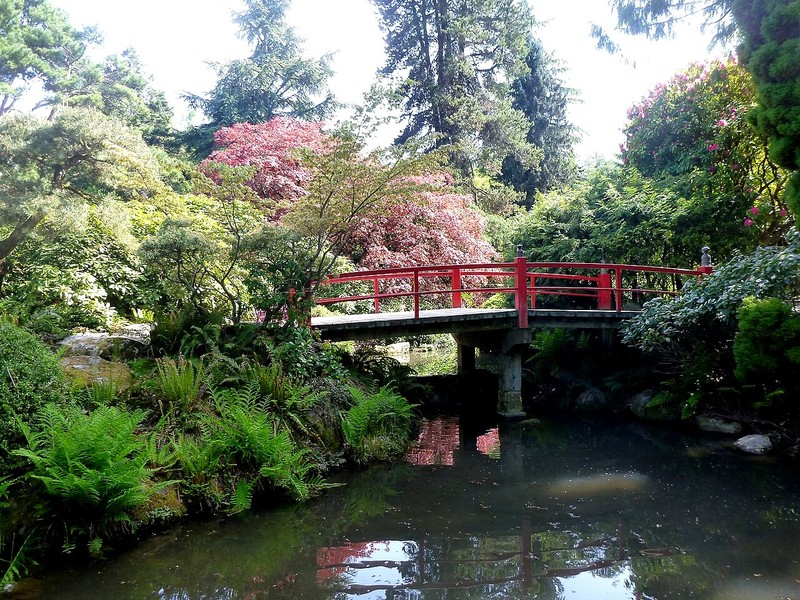
Kubota Garden
How beautiful!
Nothing saved yet
No trips yet
No scheduled stories
