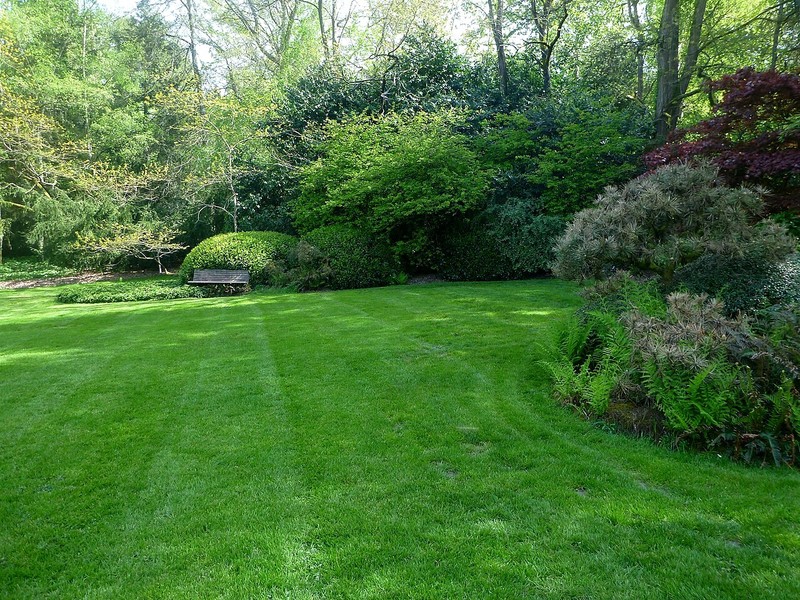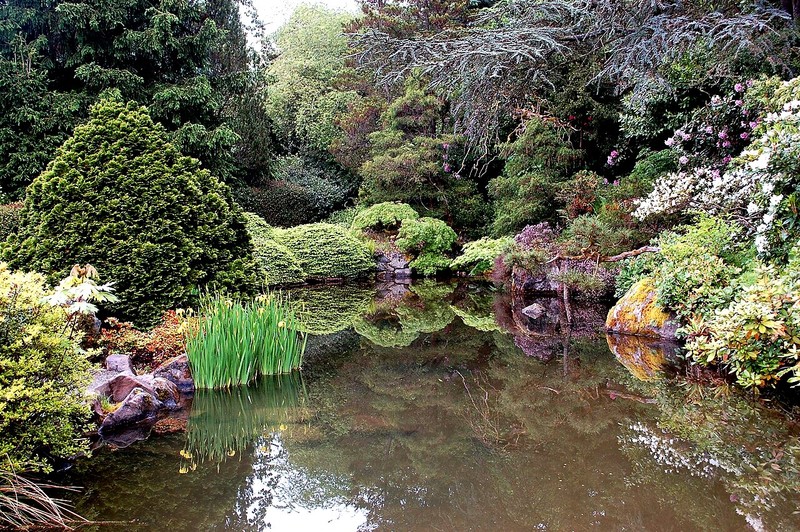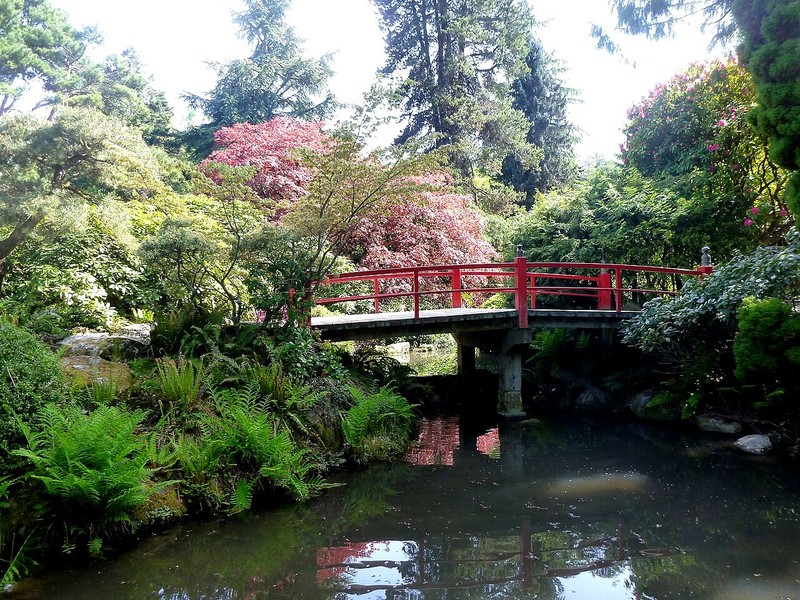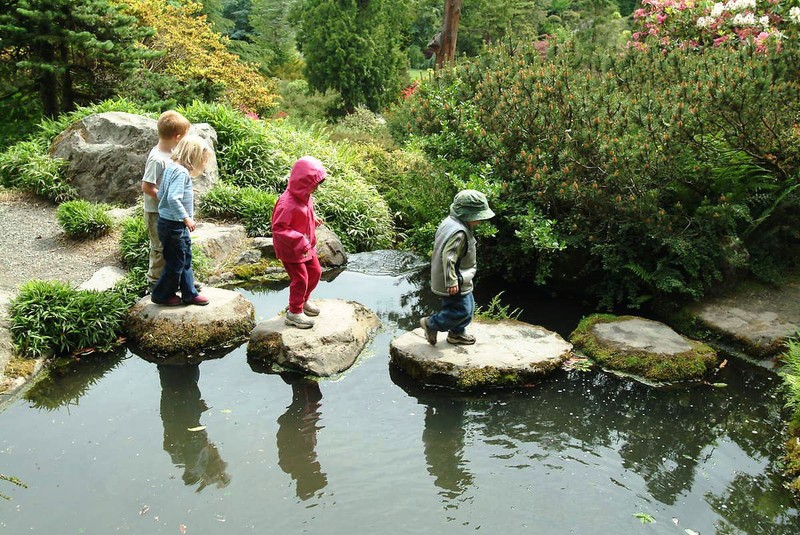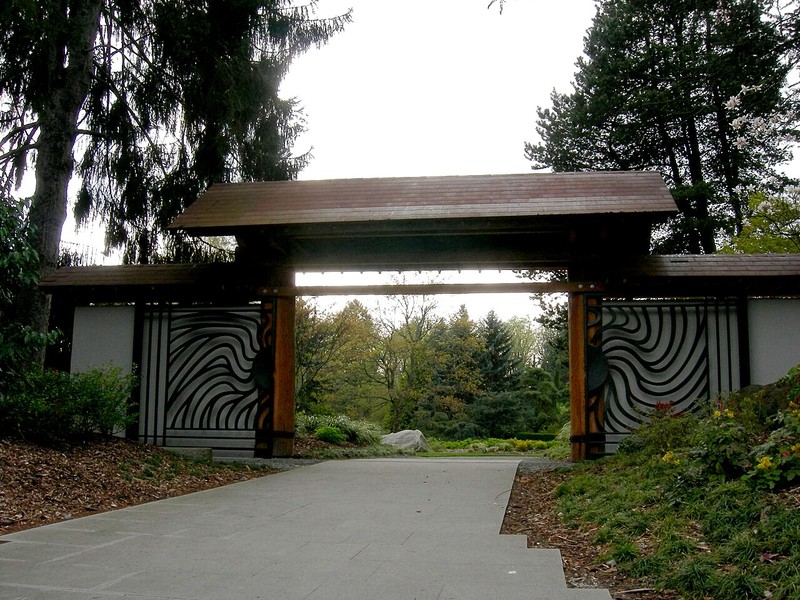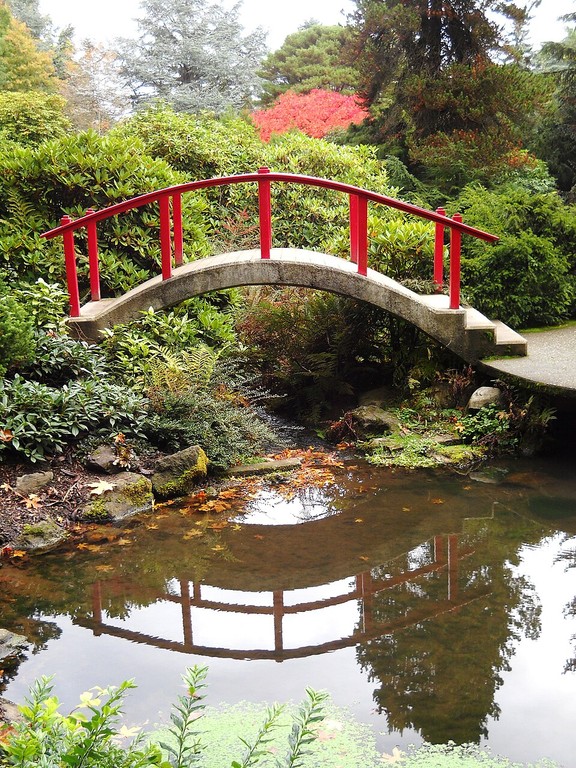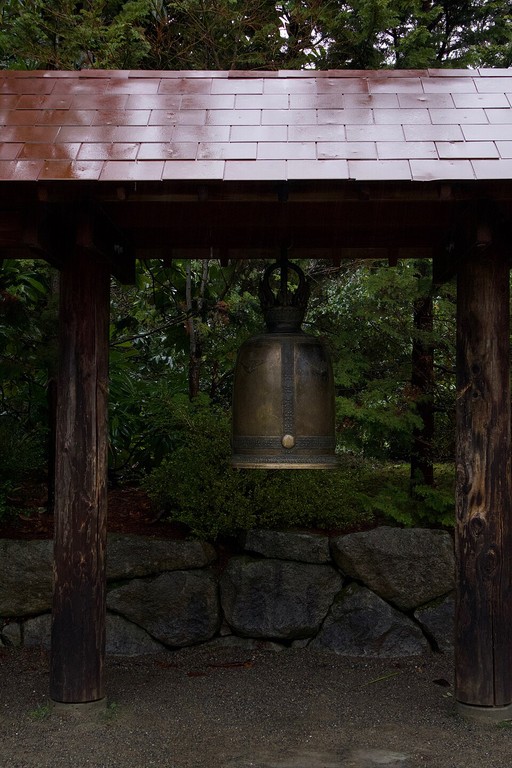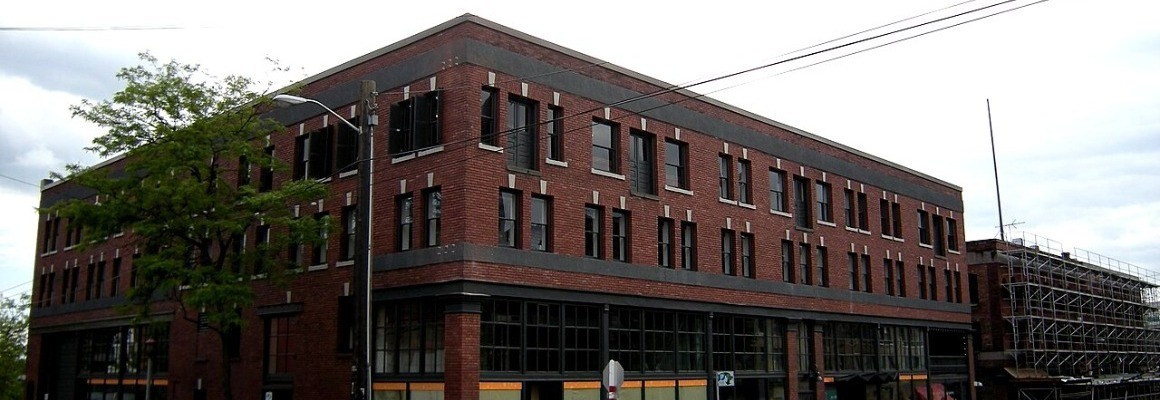

Kubota Garden is a public park with a Japanese garden in the Rainier Beach area. Its area is 20 acres, which is equivalent to 81,000 square meters. Visitors are given a map to better navigate the space and pay attention to the main attractions. It can be crowded on weekends and holidays.
History of creation
Fujitaro Kubota moved from Shikoku Island to the United States in 1907. In 1923, he opened his own business and registered Kubota Gardening Company. One of his successful projects is a garden in the Blodel Nature Reserve. His new home was Seattle, and he wanted to open a Kubota Garden that could remind him of Japan. To fulfill his dream, he acquired 5 acres of marshy land in 1927. A friend helped him in this case, they did not even hope that over time the Japanese garden would become one of the most popular attractions in Seattle.
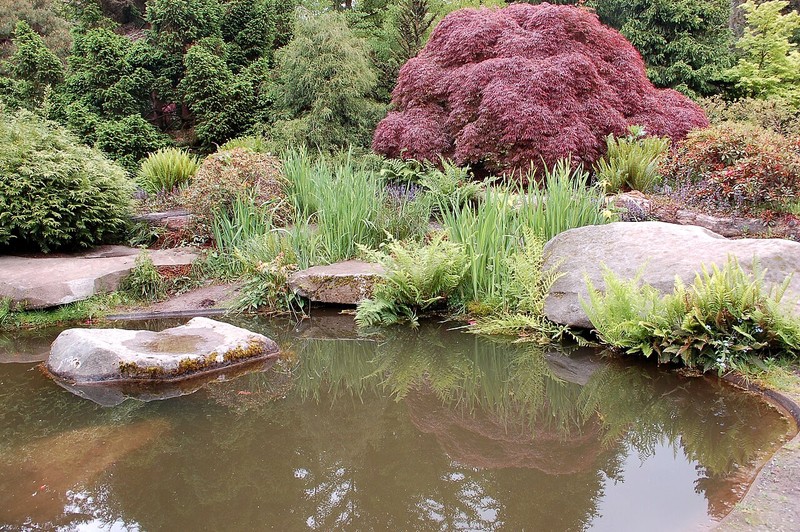
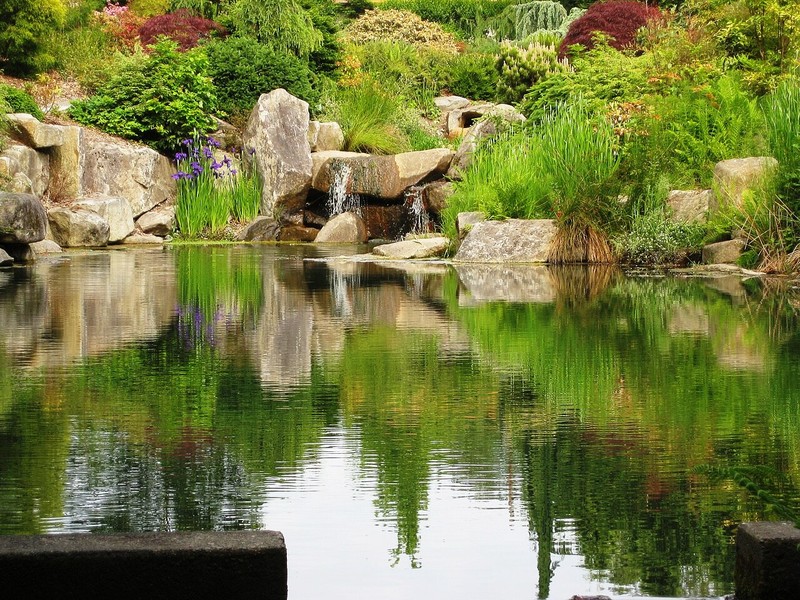
Kubota used traditional Japanese design techniques.: The garden is decorated with water features, bridges, and stone compositions. In 1930, the park's area was increased from 5 to 30 acres. Work on the construction of the site was suspended during the Second World War. Kubota and his family were sent to the Minidoka camp, which was located in Idaho. At the new location, Kubota was appointed head of construction work for a public park that included a Japanese garden. When the war ended, the emigrant, along with his sons Tuck and Tom, decided to continue working on Kubot's Garden in Seattle.
Short description
In 1981, the main 4 and a half acres of the Japanese garden were listed as historical attractions. The city bought the garden from the family of a Japanese immigrant in 1987, and it became a public place. In 2003, the Kubota Garden was added to the National Register of Historic Places. The Japanese Garden is open to the public all year round, and you can come here every day during daylight hours. Public tours are organized here on the 4th Saturday from April to October. By prior arrangement, you can arrange an excursion on any other day.
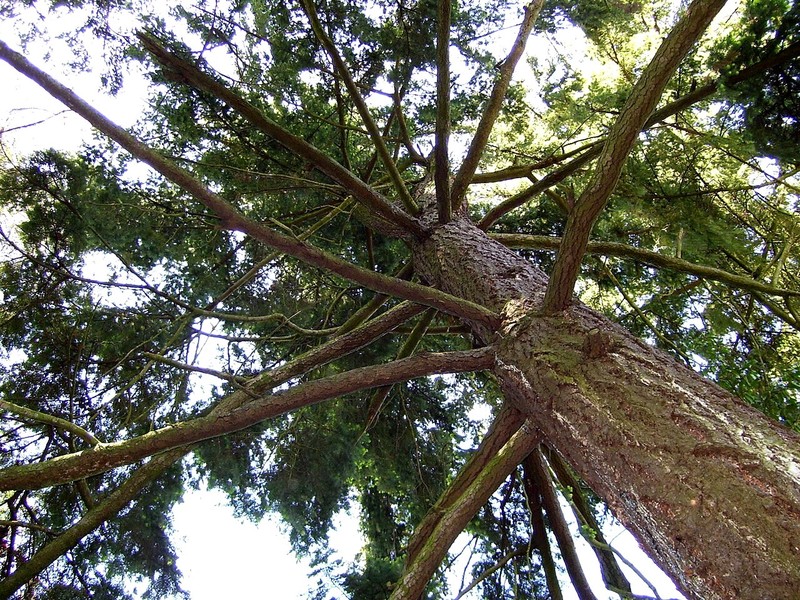
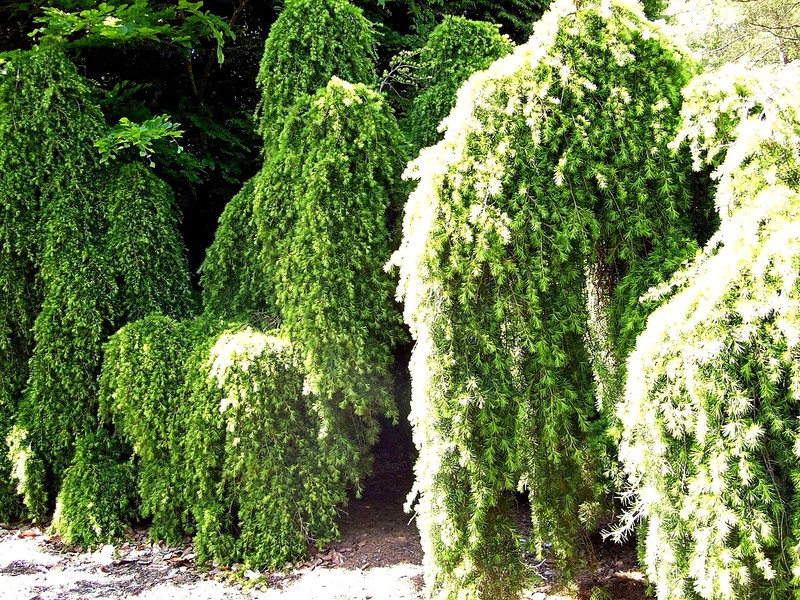
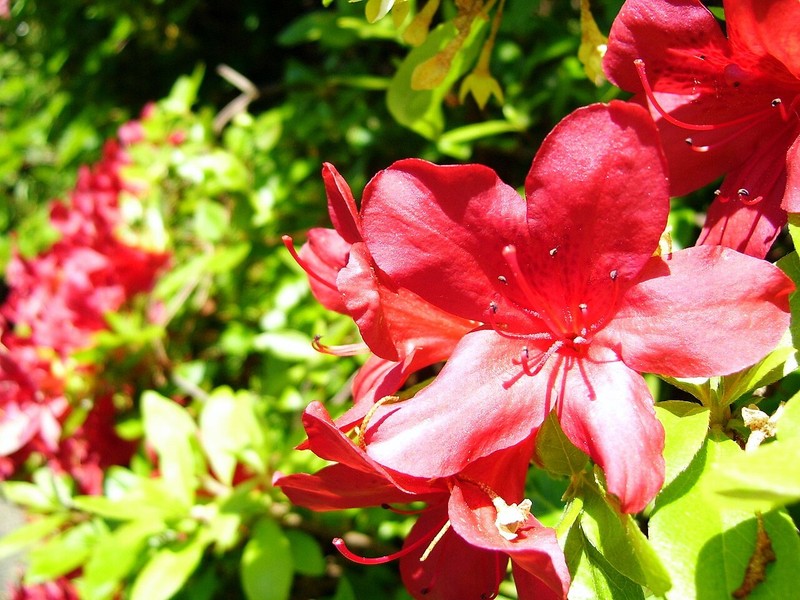
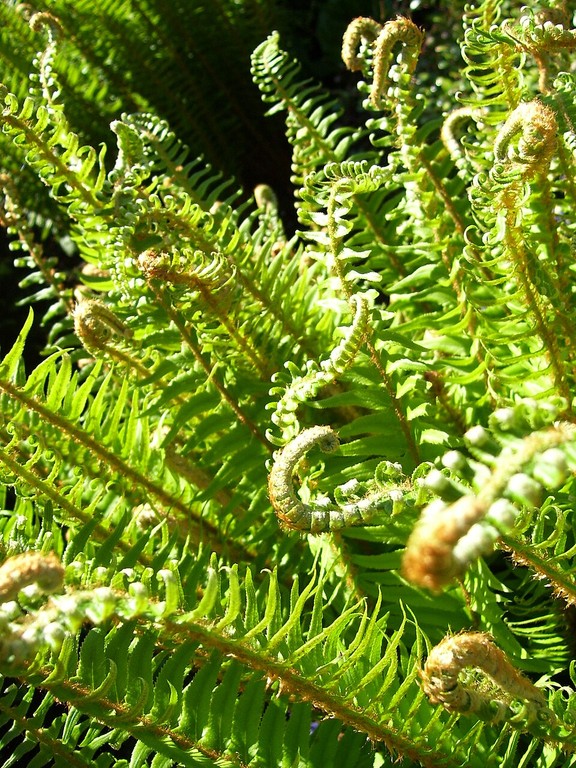
The main attractions of Kubota Garden include a bamboo grove, a terrace, a necklace of ponds, and a mountain slope. The walking garden named after Fujitaro's son, Tom Kubota, is particularly popular. On the walk you can see Japanese maple, Norwegian spruce, blue Atlas cedar and other plants and trees. People come here to escape from the hustle and bustle of the city, spend time in the company of family and friends and take atmospheric pictures to remember visiting a historical landmark. This place is recommended for tourists from other countries to visit. Kubota Garden can also be rented for events with a maximum number of 150 guests, including weddings and musical performances. Among the conditions are a ban on alcohol and the use of sound amplifiers.
How to get
There is free parking next to the park, where you can park your car while walking in the garden. You can also get here by bus No106. It is easy to order a taxi to Kubota Garden from anywhere in the city.
Gallery