

Mistakes I made during the trip
It seems that after several trips, I should have already learned how to ride without adventures, but for some reason, it is on trips that my common sense periodically takes vacations before me. I can choose comfortable shoes at home for three days, make a list of things, check the weather and save the necessary addresses, and then arrive in another city and discover that I forgot to charge my phone, did not take the adapter, or for some reason decided that it was a great idea to get to the hotel with a suitcase across half the city on foot. Therefore, today I decided to honestly collect my mistakes, so that at least my mistakes would be useful to someone.
I was hoping too much for my phone.
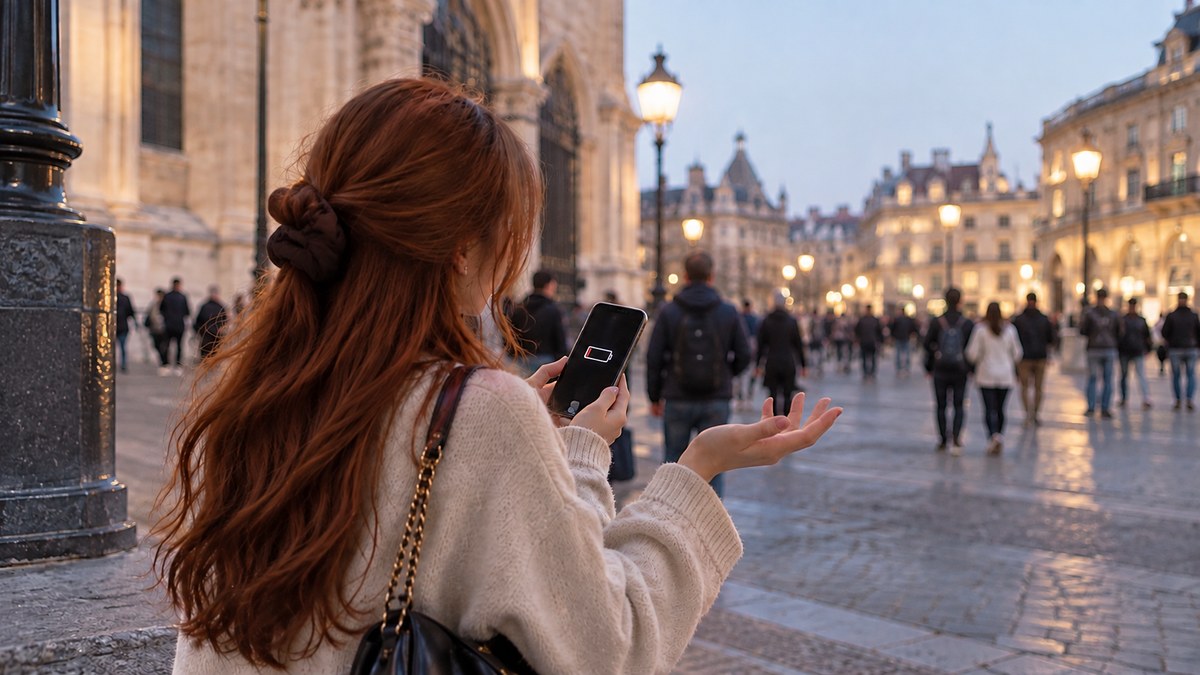
One of the first mistakes was that I was sure that the phone would solve absolutely all the problems. Cards, translator, tickets, reservations, banking application, photos, notes – it seemed that one charge was enough, and you could safely go to the other side of the world. In practice, for some reason, the phone runs out of battery precisely when you are standing in the middle of an unfamiliar area and trying to figure out where to go next.
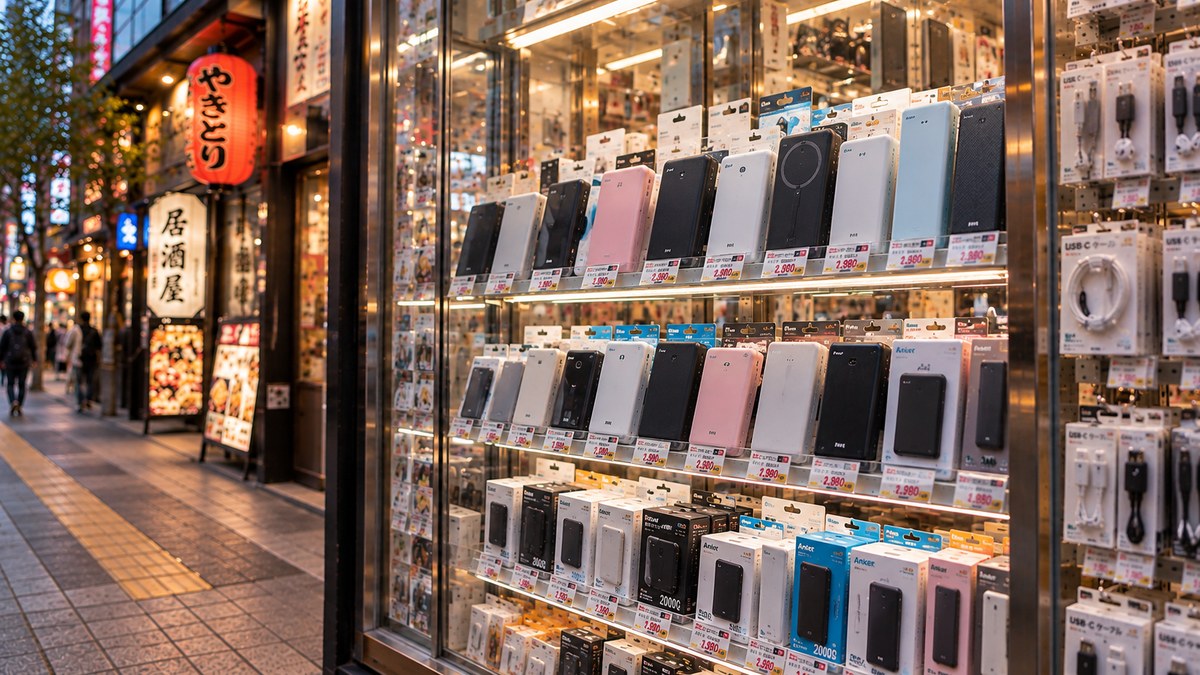
After that, I started saving my home address, important tickets, and routes offline in advance, and I also bought a powerbank and always carry it with me. Because the phrase "I'm going to look at the map now" sounds especially confident until the screen turns black.
I took too many things.

I usually start packing for a trip with an innocent thought.: "I'll take it just in case." Then the second thing appears "just in case," the third, the fourth, and an hour later I'm already trying to close the suitcase with all the weight of my own body. The funny thing is that half of the things end up traveling back and forth with me, never leaving the suitcase.
I especially like to take clothes for all possible weather scenarios, as if I'm going not for a week, but to participate in an expedition. Now I try to look at things much more practically: several comfortable sets, shoes that can really be worn all day, and a minimum of things from the "suddenly useful" series.
I underestimated the distances.
Everything looks suspiciously close on the map. You look at the route and think, "Well, it's about twenty minutes on foot here." Forty minutes later, you're walking with the face of a man who's made a mistake but basically doesn't want to admit it.
During my travels, I overestimated my hiking abilities several times and underestimated the size of the city. Now I look not only at the distance, but also at the terrain, the weather, the availability of transport and my own condition. Because a five–kilometer walk in the morning and the same five kilometers in the evening after museums, stairs and endless streets are, it turns out, two completely different walks.
I didn't check the transport beforehand.
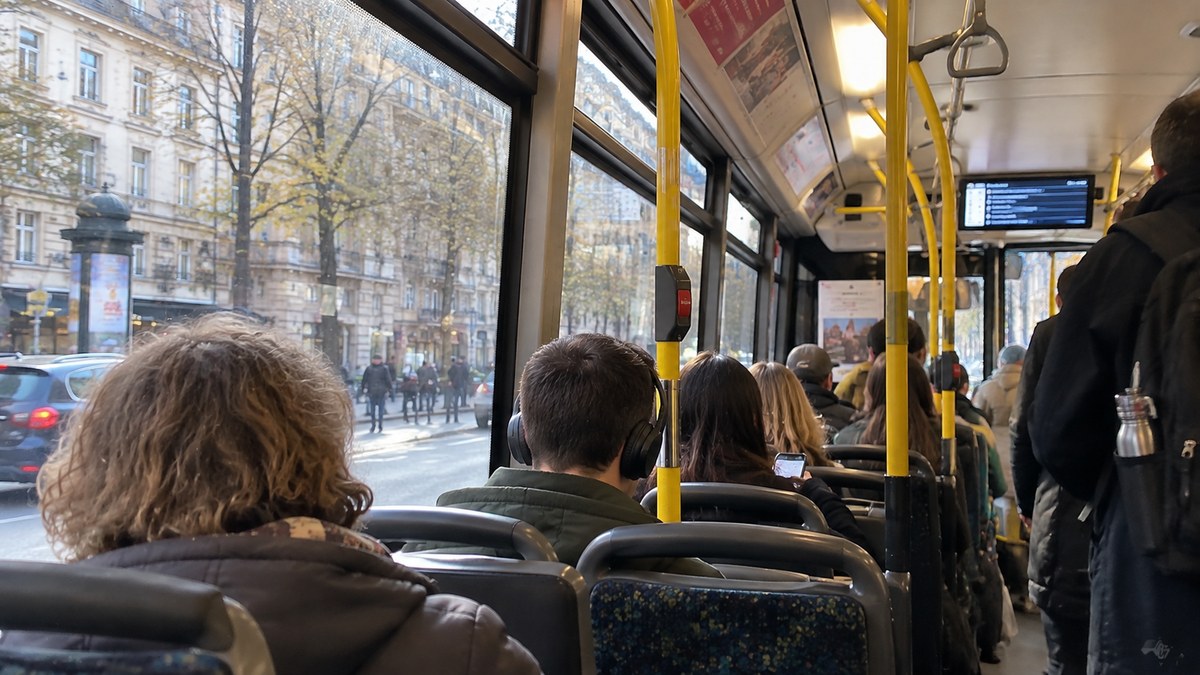
Sometimes it seemed to me that public transport in any city is arranged in about the same way: boarded, paid, arrived. This is a very naive theory, especially when it comes to a city where several modes of transport have different payment rules, transfers and tickets.
I once spent more time trying to figure out the system on the spot than I would have spent studying it at home. Now, before traveling, I at least roughly understand how the subway, buses, trains and fare payment work, and also save the name of the desired station so that I don't try to remember it from memory later.
I only booked a place based on beautiful photos.
That was my own mistake. The room looked great in the photos: bright interior, nice bed, cozy kitchen, and outside the window, apparently, almost paradise. In reality, it turned out that the photos were taken on the day when sunlight and a good angle decided to give the apartment a second life.
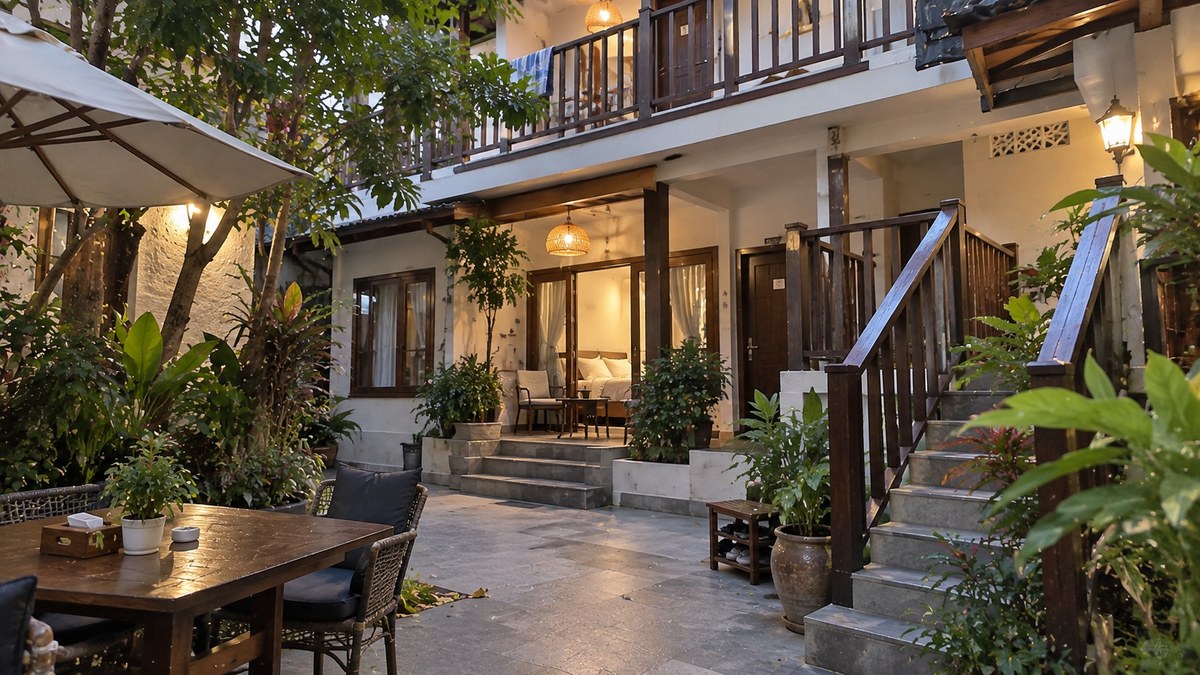
Since then, I have been looking not only at photos, but also at reviews, location, transportation, the presence of a store nearby, a floor, an elevator, and especially carefully read the comments of people who have already lived there. Because a beautiful interior is nice, but when you have to carry your suitcase to the fifth floor without an elevator after ten hours of walking, the romance ends pretty quickly.
I decided that I could do without booking.
Sometimes I want to be that person who just comes somewhere and calmly gets inside. In practice, in popular places, this plan works about as well as trying to hail a taxi during heavy rain during rush hour.
There were situations when I came to the sights, looked at the queue and realized that I had wasted my time completely. Now, if the place is really popular, I check in advance whether a reservation is needed, whether there is a certain entry time and whether it is possible to buy a ticket online. This does not deprive the journey of spontaneity, but sometimes it saves several hours of life.
I started thinking about food too late.
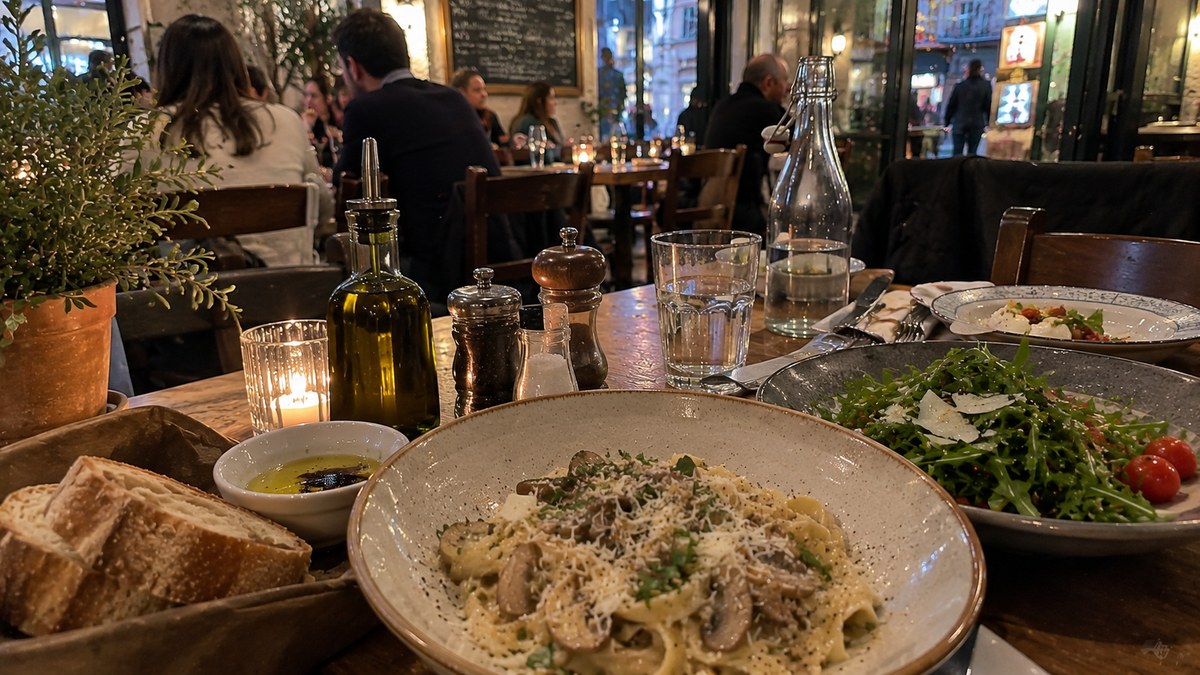
When you walk all day, museums, streets and beautiful views somehow seem much more important than food. Up to a certain point. And then suddenly it turns out that you're hungry, tired, and ready to settle for the first place you meet along the way.
And here you can easily spend more money than planned, or just eat where you absolutely did not want to. Now I'm trying to mark a few normal places in advance near the area where I'm going to walk. Not in order to live according to the "12:30 – soup" schedule, but in order not to make gastronomic decisions in a state of mild despair at the moment of hunger.
I was trying to see too much in one day.
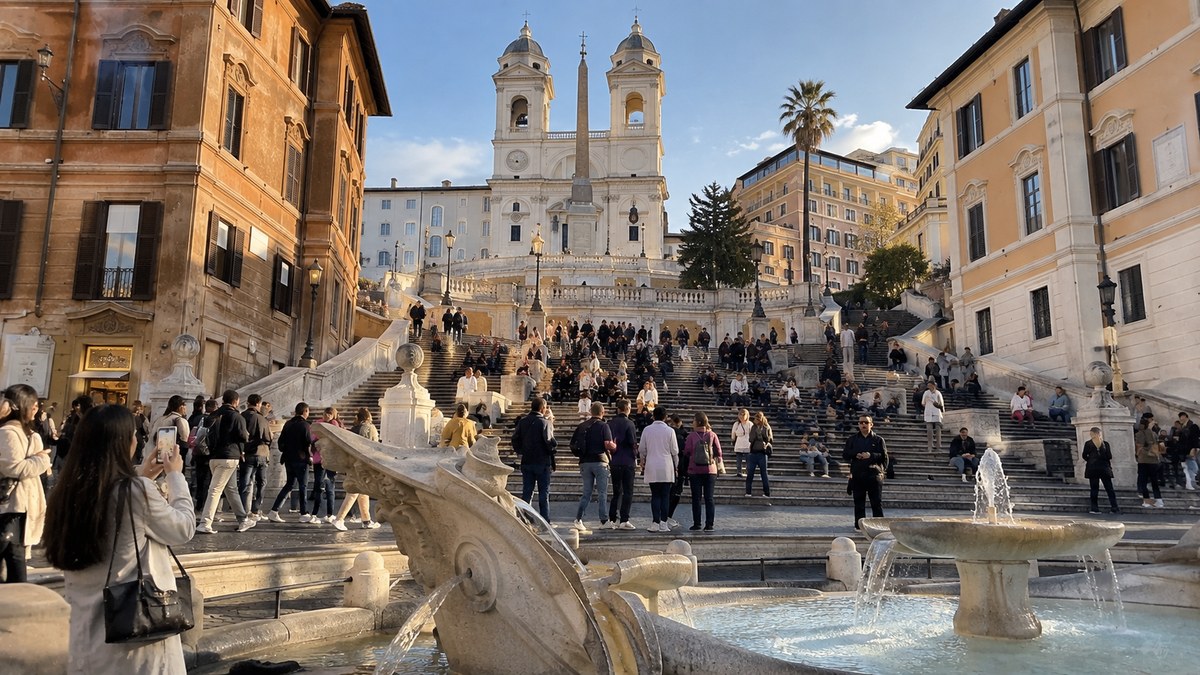
The Spanish Steps in Rome
This is probably one of my most common mistakes. When you arrive in a new city, you want to see everything: the main square, the museum, the palace, the park, the market, the beautiful street, the observation deck, and in the evening you must find the very place that everyone is photographing.
The result is not a trip, but a competition to collect attractions.
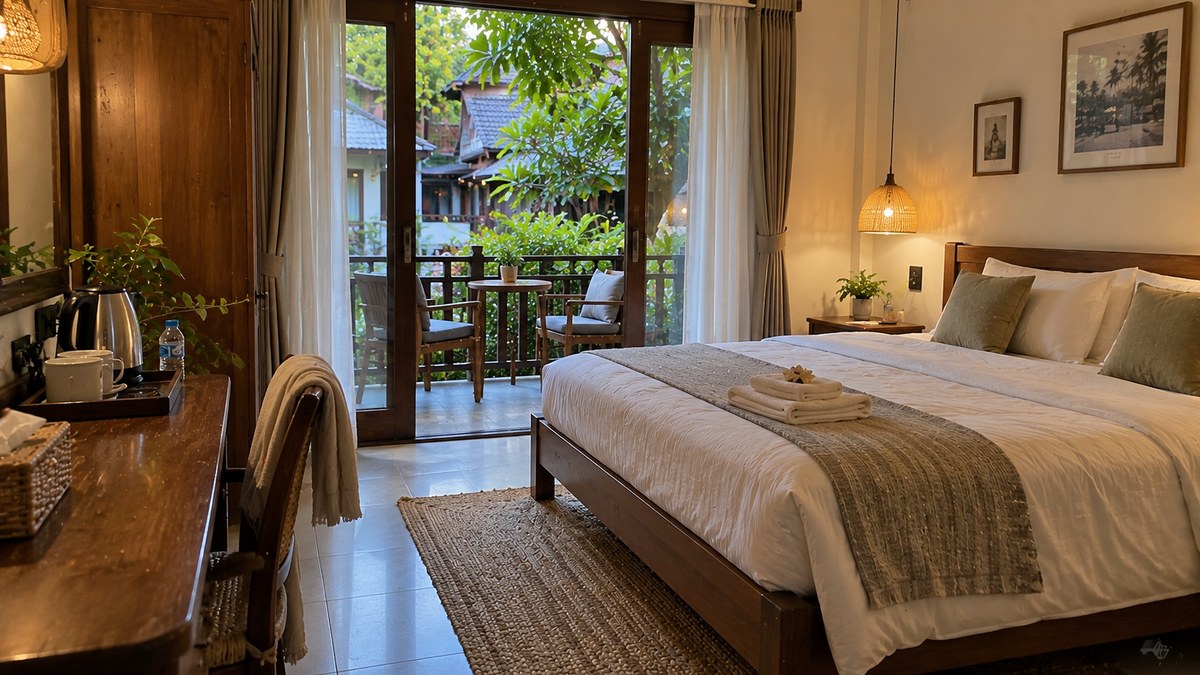
You go back to your room, take off your shoes, and realize that you have to go out again tomorrow. Now I prefer to choose several places for the day and leave time just for a walk without a purpose. It is at such moments that the most pleasant memories usually appear.
I didn't leave any time to spare.
Previously, I could make up a route as if the whole day was happening in a vacuum, where transport was never delayed, queues did not exist, I never made a mistake at the subway door, and I was able to move with the precision of a Swiss watch.
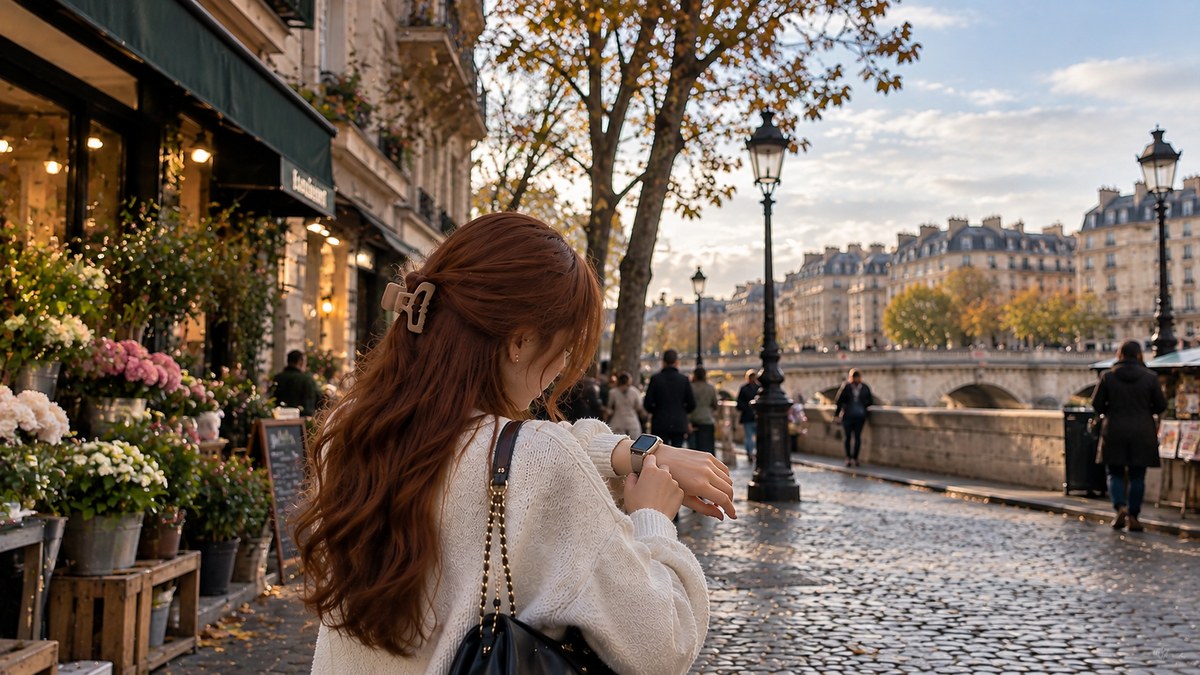
Of course, reality quickly explained to me who was in charge here. Now I try to reserve time for the road, random stops, photos, coffee, lost turns and other small incidents. Because you can't travel without them anyway, but you don't have to be nervous about every delay.
I was trying to control everything.
And I consider this mistake to be the most important one. Sometimes, before a trip, I made up such a detailed plan that all I had to do was print it out and give myself a traveler's outfit with a timetable. But trips rarely go strictly according to plan, and the more you try to control every little thing, the more annoyed you get when something goes wrong.
Now I'm planning the basics: housing, transportation, a few important places, documents, and a budget. And then I leave room for accidents. Sometimes, just because I took a wrong turn, entered the wrong courtyard, or decided to change my route, I found the most cozy streets, small cafes, and places that didn't exist at all in the original plan.
Still, I wouldn't undo any of these mistakes.
To be honest, most of my travels are impossible to imagine without these little dips. Somewhere I was too tired, somewhere I overpaid, somewhere I forgot the right thing, somewhere I miscalculated the time, and somewhere I had no idea where I was going. But it was thanks to these situations that I gradually learned to travel more calmly and stopped perceiving every surprise as a disaster.
There probably isn't a perfect trip at all. You can check the forecast, book accommodation, set routes and charge all possible devices as much as you want, but still one day you will find yourself in the middle of an unfamiliar city with a dead phone and you will stand with an expression on your face: "So... and what now?" And, if you are lucky, this particular story will later turn out to be one of those that a few years later You'll be telling your friends with a laugh for years.

Comments