


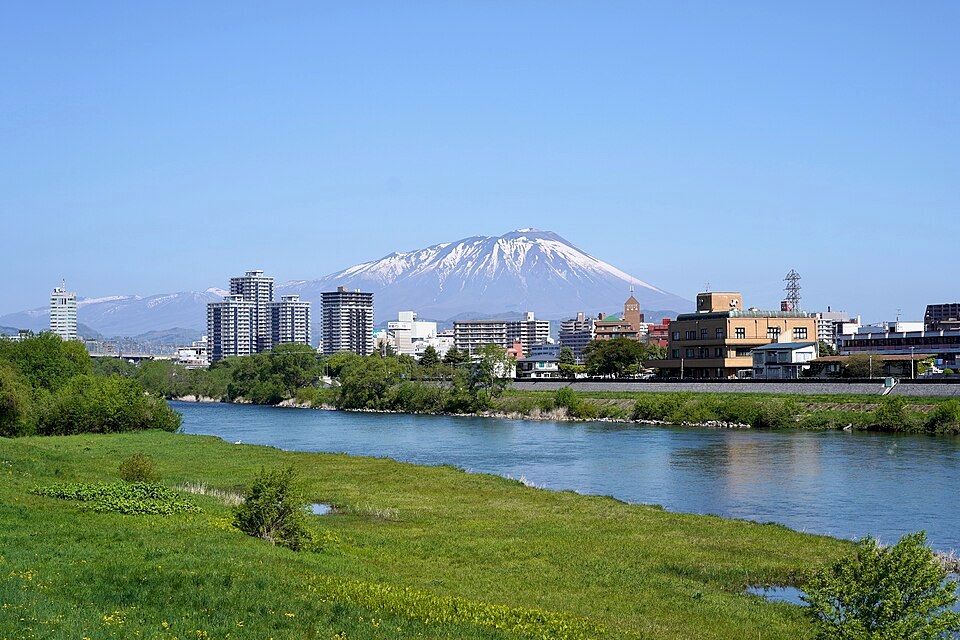
My first trip to Japan
After a couple of days of vacation, I was standing at Tokyo airport with my suitcase in one hand and my phone in the other, and I was already beginning to suspect that everything was not going according to plan.
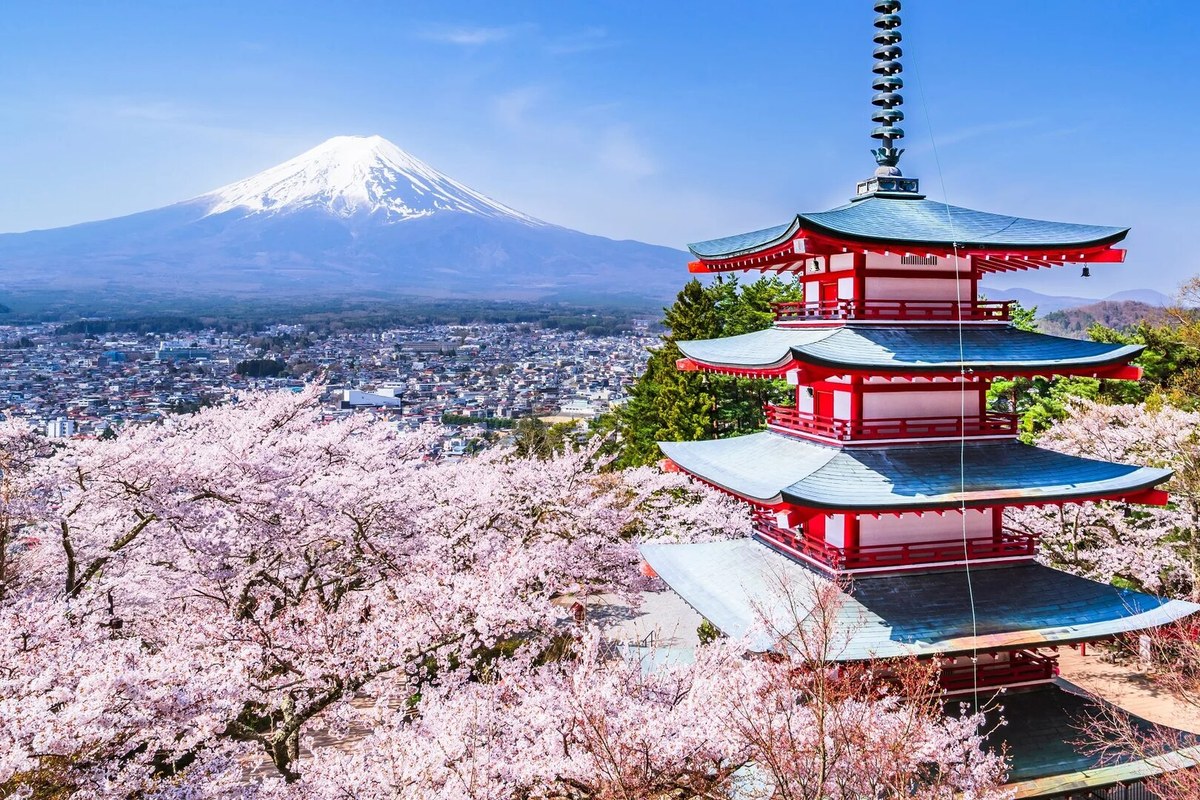
Japan greeted me not with sakura trees, Mount Fuji, or even some ancient temple, but with an automaton who spoke to me very enthusiastically in Japanese. I stared at him for a few seconds, then at the screen, then back at the machine, and finally decided that it was better to postpone the first contact with Japanese civilization for later.
The first thing that surprised me was the silence
Perhaps what struck me most in the first few hours was how peaceful Japan is, even where there are a lot of people around. There are dozens of passengers in the subway, everyone is going somewhere, someone is reading, someone is looking at the phone, someone even manages to get some sleep, but there is no usual feeling of fuss and noise.
At first, I couldn't get used to it and kept catching myself thinking that now someone would definitely start talking loudly on the phone, sort things out, or at least tell a friend how his day had been. But nothing like that happened.
After a few trips, I learned to keep quiet myself, although at first I did it more out of fear that I would accidentally violate some Japanese law on silence. And then I realized that I really like it: I can just sit by the window, look at the city and take my time.
Japanese trains are a separate art form.
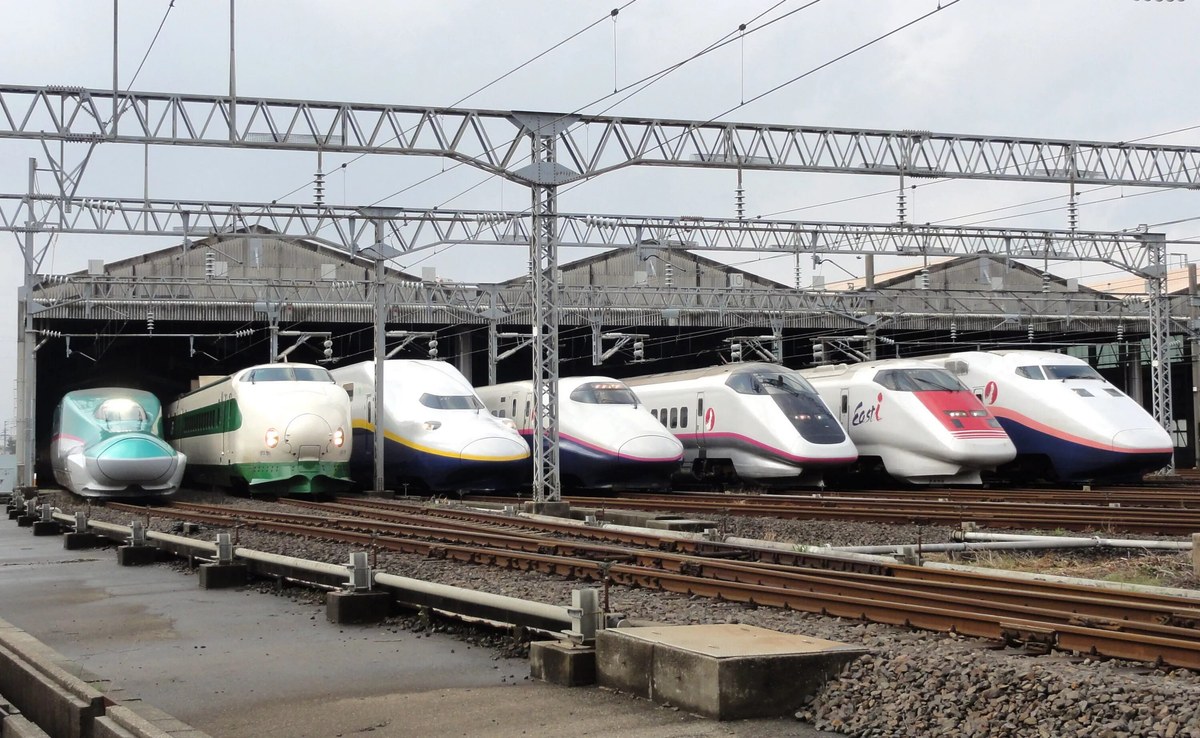
The first time I saw a Japanese train, I just stood there for a while, looking at it. It was so clean, tidy and somehow incredibly organized that I even felt a little embarrassed to go in there with my suitcase.
It seemed like an employee was about to appear and politely say:
– Sorry, your suitcase is not aesthetic enough.
But no one stopped me, and I went inside safely.
The most amazing thing started later, when I looked at the scoreboard for the first time and realized that the train really arrived when it was written. Not """in about ten minutes," not ""it should be now," not "something is delayed," but exactly when promised.
I looked at the clock, then at the train, and thought: How do they even do this?
After several trips, Japanese precision became so familiar to me that I even began to miss it even before I left the country.
A transition that looks like a scene from a movie
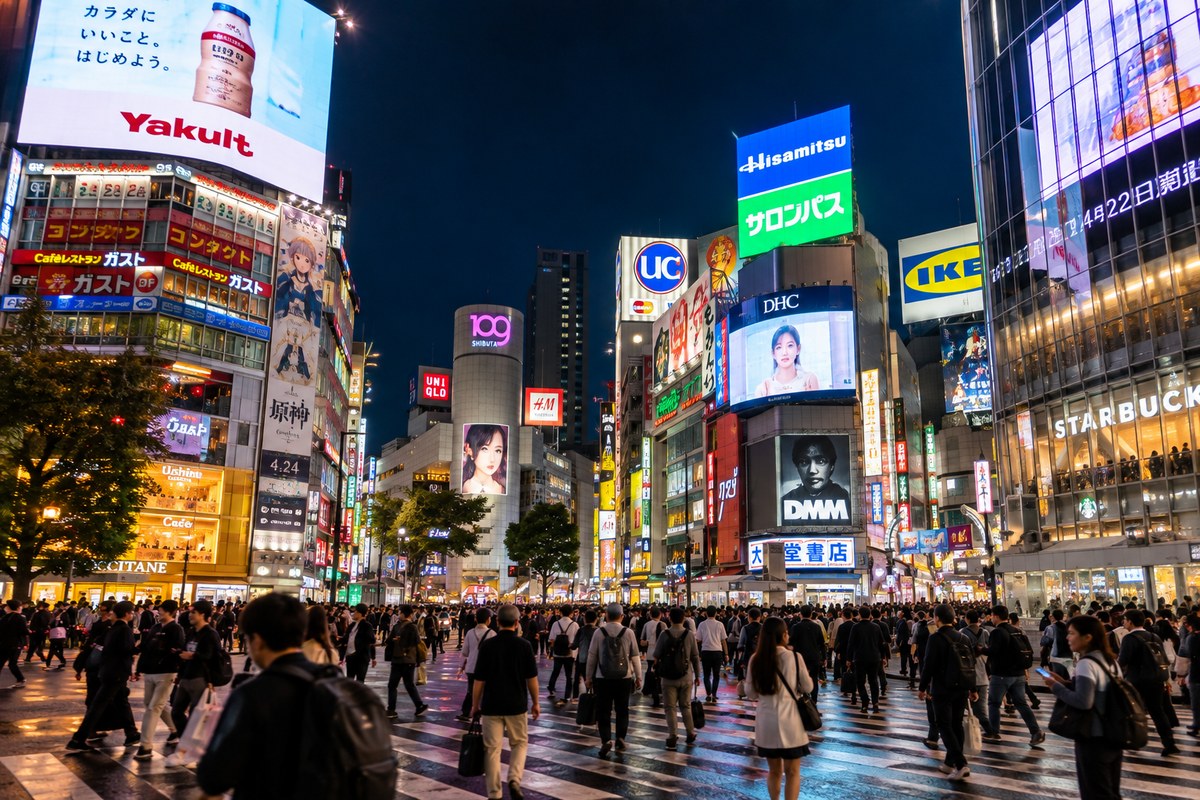
And then, for the first time, I found myself at a Japanese pedestrian crossing, and it was a sight that I will definitely not forget.
The light turned green, and suddenly people came from all sides. They were moving at the same time, calmly and completely confidently, and in the first seconds I was trying to figure out exactly where I needed to go so as not to end up in the middle of this human stream.
At first, I carefully chose the direction myself, then I realized that I completely did not understand where my right was, where my left was, and why the person in front of me was going exactly where I was going to go a second ago.
In the end, I just followed the crowd and decided that this was also part of the Japanese experience.
Automatons that know more than me
But I really fell in love with Japanese vending machines, because it seems that in this country a vending machine can do almost anything.
A drink, please. Coffee, of course. The ticket is no problem. Something completely incomprehensible, the name of which I can't even read, is also welcome, but first try to figure out which button to press.
One day, I stood in front of a ticket vending machine for quite a long time and tried to figure out what was required of me. There were hieroglyphs on the screen, some numbers and buttons next to it, and I felt like a person who had accidentally been put at the control panel of a spaceship.
I pressed one button, the machine said something, after which I pressed another, and he said something again with an expression as if he was starting to lose patience.
In the end, I bought a ticket, although I only found out the destination later.
The most interesting thing is that I wasn't even sure who defeated whom in this situation – I was an automaton or an automaton was me.
Meeting with advanced technology
After a long walk, I returned to the hotel completely happy, very tired and dreaming only of a warm bath and a comfortable bed. I dropped my things, took off my shoes, and finally went into the bathroom, where a new encounter with Japanese technology awaited me.
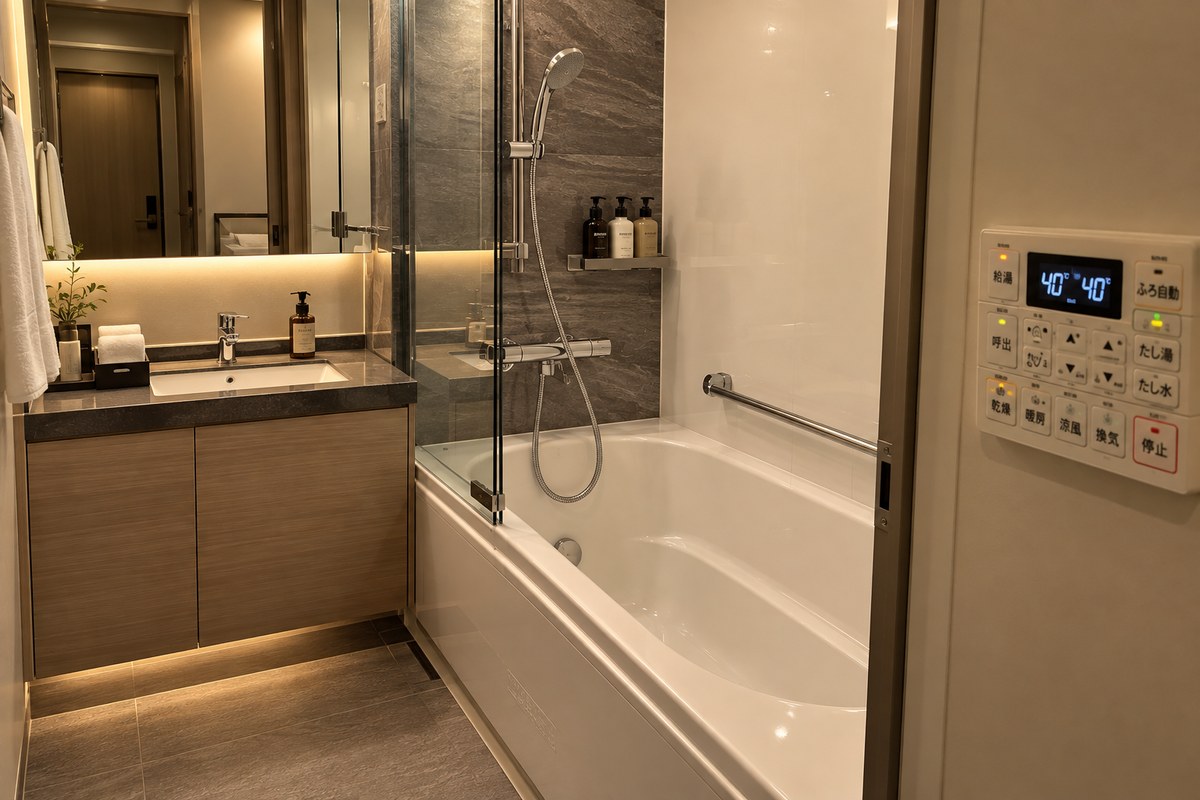
There were so many buttons on the control panel that I felt like a pilot of a small airplane. I pressed one and the water turned on, pressed the second and some kind of indicator light came on, and after the third, a completely unexpected sound came from the wall.
I froze and just stood in the middle of the bathroom for a few seconds, trying to figure out exactly what I had just done.
At that moment, it seemed to me that the Japanese bathroom had decided to test how well I was able to stay calm in a stressful situation.
In the end, everything ended well, but after that incident, I began to treat each button with great respect and first read the instructions several times before pressing anything.
I also came to Japan for the food.
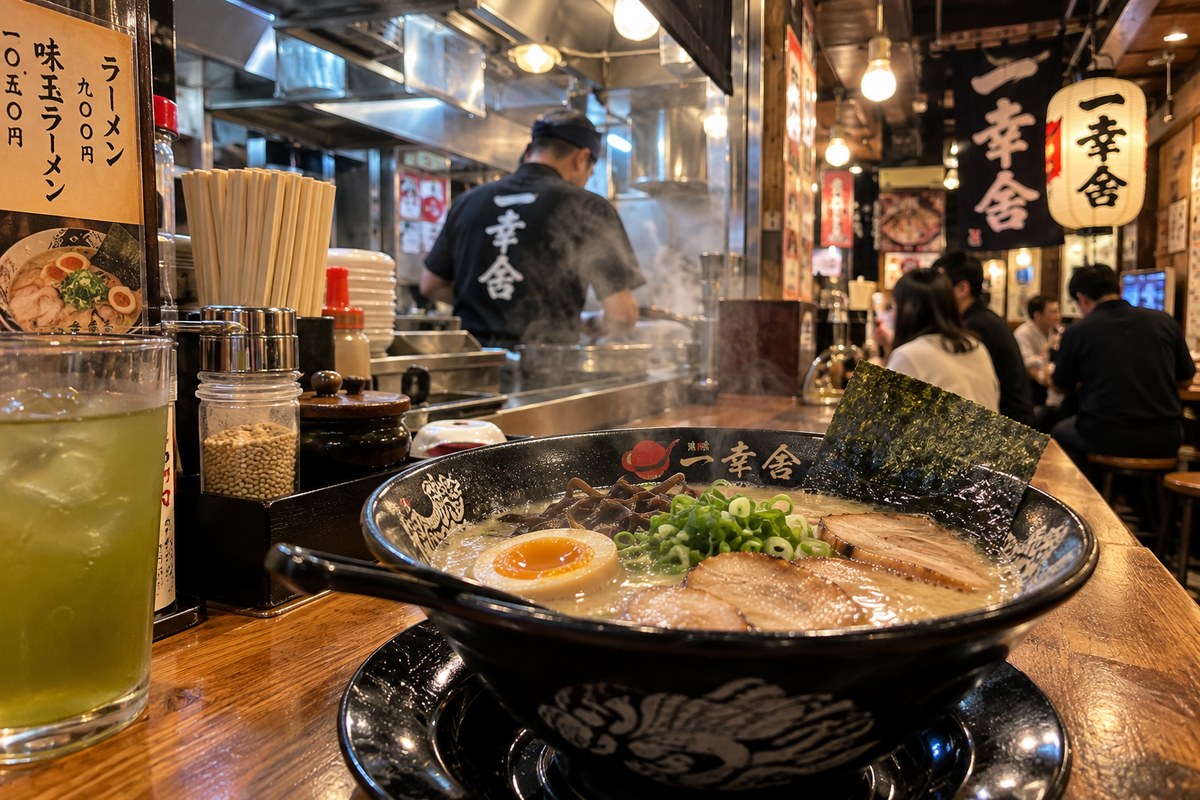
Of course, it's impossible to come to Japan and not taste the local cuisine, so one of the first days I went to a small cafe and opened the menu with great interest.
The menu was great.
And completely Japanese.
I looked at it in much the same way as I would at the instructions for a spaceship, so I decided to use the most reliable tourist method – to choose a dish based on a photo.
Everything looked very appetizing in the picture, and I confidently showed the waiter the right position.
When the order arrived, I looked at the plate, then at the photo on the menu and realized that there was a slight difference between them. However, the taste turned out to be so good that after five minutes I didn't really care what I ordered.
This is probably one of the main secrets of Japanese cuisine: even if you don't fully understand what lies in front of you, there's a good chance you'll like it anyway.
It was the little things that surprised me in Japan
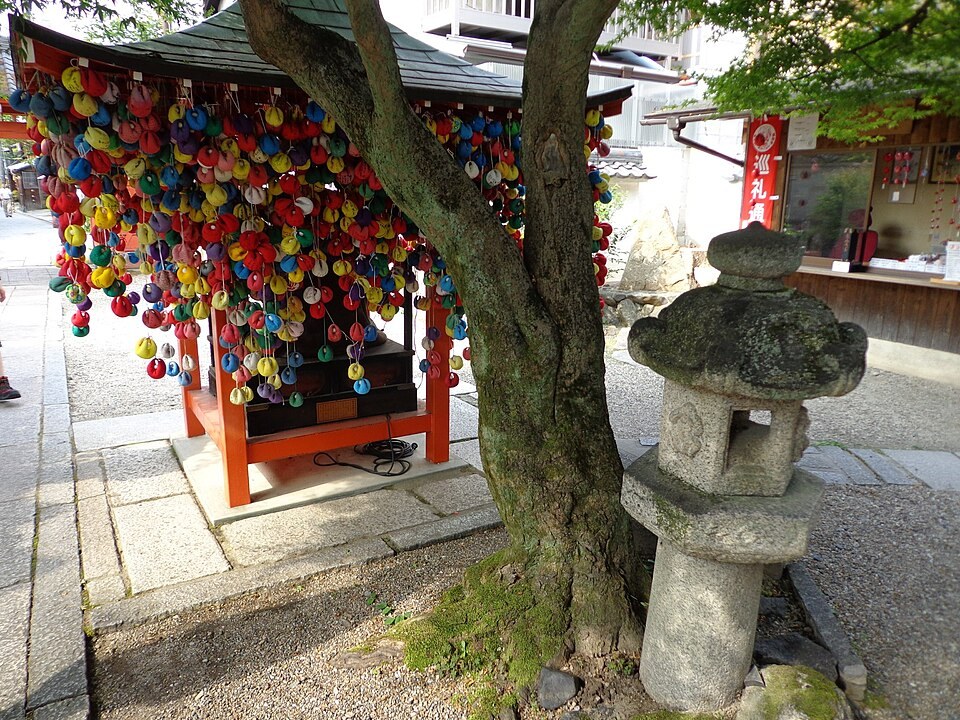
Of course, I expected to see temples, neon streets, skyscrapers, sakura trees and everything that is usually imagined when thinking about Japan. But most of all, I was surprised by completely ordinary things that cannot be found in the tourist list of attractions.
I was struck by the cleanliness of the streets, the tranquility of the people, their respect for other people's space and how neatly everyday life is arranged. I liked just walking down the street and noticing details that I probably wouldn't even have noticed at home.
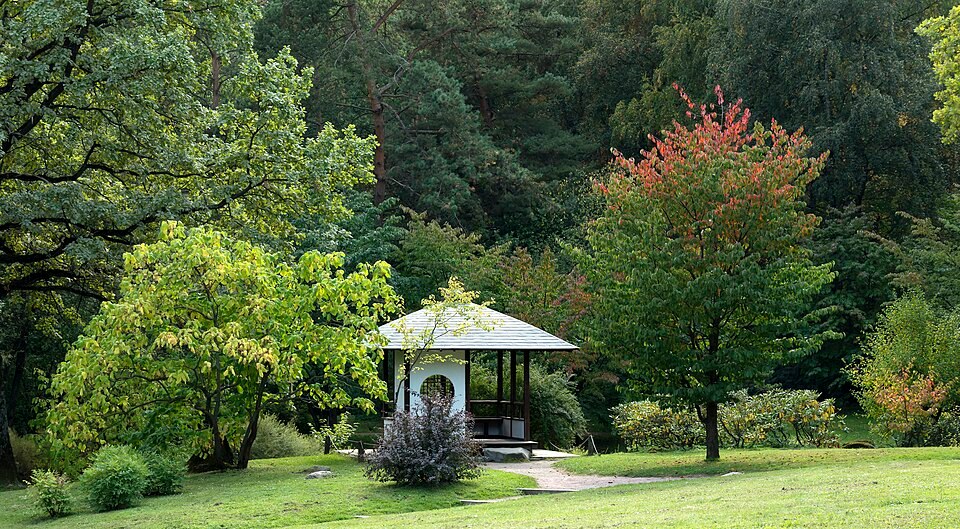
It was especially surprising how easily completely different eras get along here: next to an ultramodern building there may be a small old temple, and behind a noisy street with neon signs, suddenly there is a quiet alley with a tiny restaurant where several people are quietly having dinner at the counter.
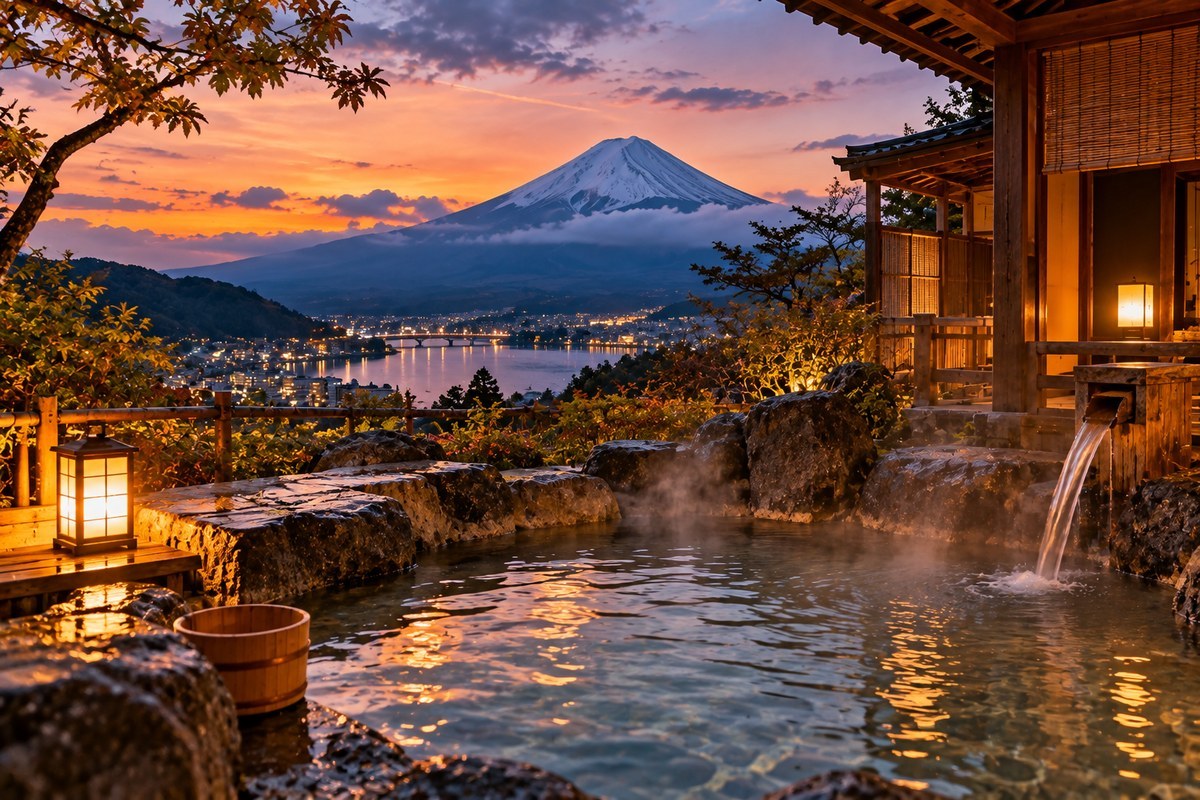
I went to Japan with the feeling that I would get to the country of the future, but I found myself in a country where the future somehow miraculously lives quite peacefully next to the past.
And I realized the most important thing before I left.
When it was time to leave, I caught myself thinking unexpectedly: I didn't want to say that I had already "seen Japan."
Because it's impossible to see Japan in one trip.
You can see Tokyo, taste sushi, ride a high-speed train, get lost near a station, get into a temple, select the right button in a vending machine several times, and even experience a small domestic disaster in a hotel bathroom, but the feeling of the country will still remain much more than all this.
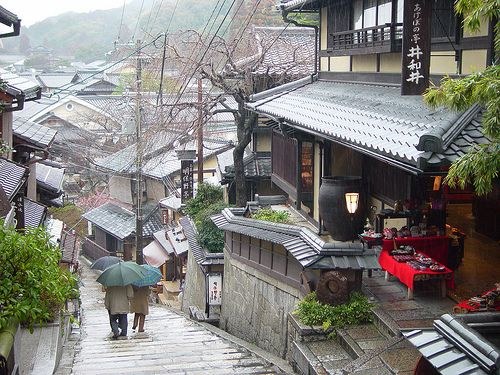
I wanted to walk through the same streets again, go to a small cafe again, get on the train again and look out the window, find myself again among the huge stream of people at the intersection and just watch how this amazing daily life works.
I came to Japan with a question.:
"What's so special about it?"
And she was already leaving with a completely different one.:
"When can I come back here?"
And yes, next time I'll know exactly which button to press in a Japanese bathroom.
Probably.

Comments