Traveler Stories — page 19

Jimmy Smith Photo Hunter
Mexico · September 27, 2026
I jumped into the cenote and realized why they are called magical

I jumped into the cenote and realized why they are called magical

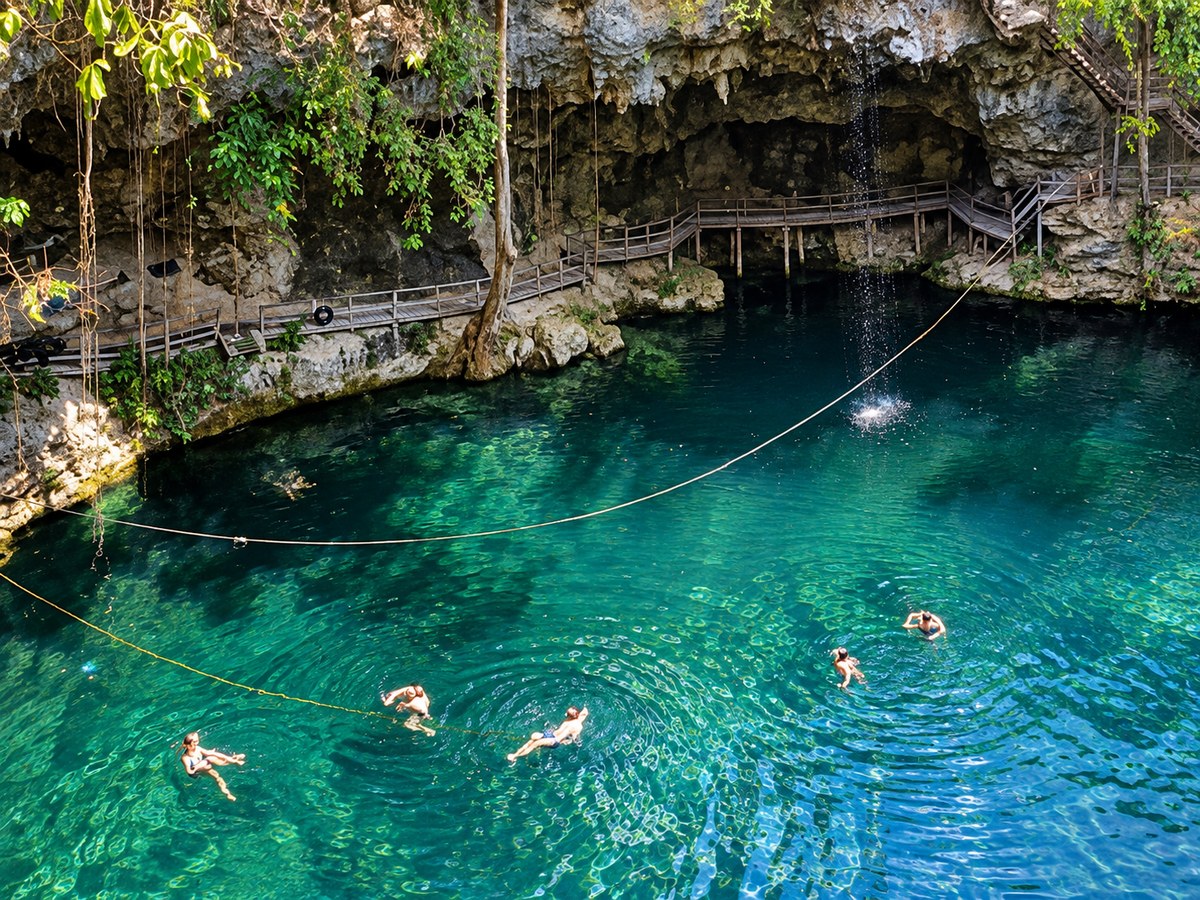
I wasn't going to jump into the water at all. After a few days of traveling in Yucatan, I just wanted to see something beautiful, relax a little and continue on the road. But when I arrived at Cenote X-Canché , the plans changed in just a few minutes. The road through the jungle The cenote is located near the archaeological complex of Ek Balam. From the entrance, you need to walk about 1.5 kilometers through the jungle . You can walk, rent a bike, or use local transportation. The road itself already created the right mood: there was dense greenery around, the heat was gradually receding into the shadows of the trees, and nothing was visible ahead. And then I heard water. A few more steps and a huge chasm opened up in front of me among the rocks. Below, about tens of meters below ground level, there was completely calm water. Cenote X-Canché is a semi-open cenote with a diameter of about 40 meters , surrounded by limestone walls and jungle. After the bright sun overhead, this place seemed almost unreal. I jumped anyway. A wooden staircase leads to the water. The lower I descended, the cooler the air became. It was hot upstairs, but here there was a completely different atmosphere - cool water, humid air, silence and the sounds of the jungle. I stood on the platform for a long time and looked down. It seemed that the easiest way to jump was until you came to the very edge. At the last moment, there was a completely normal human desire to turn around and go down the stairs. But I jumped anyway. The water turned out to be cool and so clear that at first it was difficult to understand its true depth. In some places, the water has a blue-green hue, and the sheer walls around it go up to the sunlight. After a few seconds, the fear completely disappeared, and all that remained was the feeling that I was in some kind of natural pool in the middle of the jungle. Why cenotes seem magical It was probably here that I finally realized where the feeling of mysticism around the cenotes of Yucatan came from. These are not just beautiful places to swim. The whole atmosphere makes you imagine what this forest looked like many centuries ago and why such water sources were of great importance to the Maya civilization. After bathing, I sat in the shade for a long time and didn't want to go anywhere. Nearby, you could relax in a hammock, eat local dishes or try other activities, such as zipline or rope descent. The most interesting thing is that X-Canché is only about 1.5 kilometers from Ek Balam. Therefore, these two places are ideally connected in one day: first the ancient Mayan city, then the descent into the cool cenote. When I left, it was hot and sunny upstairs again. But now I already knew that somewhere very close to the jungle there is this huge natural well with clear water. And it is precisely such places that are remembered much longer than the next attraction on the list.

Read more →
2 0
Alfred Donny Guide
September 27, 2026
Last days in Crete - Balos and the way home

Last days in Crete - Balos and the way home

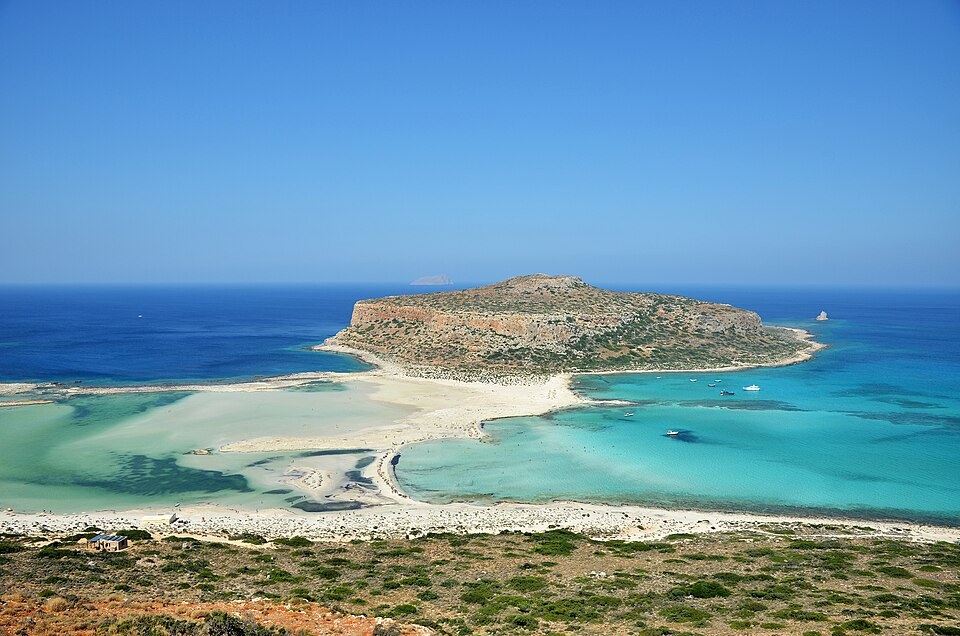
After Chania, Elafonisi, Rethymno and Knossos, I had my last days in Crete. I purposely didn't fill them with dozens of new points and decided to leave the most beautiful one for last - Balos Lagoon , and then just spend the last evening on the island without haste. Balos is the final point of the route In the morning, I set off towards Kissamos . The road gradually became more mountainous, fewer houses appeared around, and the usual urban landscapes were finally replaced by nature. The path itself was already perceived as part of the journey, because every turn opened up new views of the coast. Balos can be reached by car via a dirt road, after which it remains to walk or take a boat from the port of Kissamos. I chose the first option because I wanted to see the lagoon from above. It was for this kind of trip that it was worth all the effort. When Balos Lagoon finally appeared ahead, I just stopped for a few minutes. From a height, it looked completely unreal: light sand, shallow water in different shades of blue and green, small islands and mountains on the horizon. The official tourist portal of Greece calls Balos one of the most recognizable natural landscapes of Crete, and now I understand perfectly why. I went down to the water and spent several hours there. No plans, excursions, or attempts to get somewhere else -I just swam, sat on the shore, and looked out at the sea. After several days of constant travel, this was exactly the kind of rest I needed. Last night in Crete After returning to the city, I decided not to look for any special place and went back to a small Greek tavern . I ordered a few simple dishes that I had grown to love this week, took fresh bread and sat at the table for a long time, remembering the route. In seven days, I managed to see completely different Crete: old Chania, Elafonisi beach, Rethymno, Heraklion, ancient Knossos and Balos lagoon . At some point, it became clear that it was impossible to really see the island in one short trip. Each new area was distinguished by its nature, architecture and atmosphere, and between the famous attractions there were a huge number of places where I would like to return. Seven days was not enough The next morning, I packed up and went to the airport. Usually, at the end of a trip, you want to go home the most, but here it was a little different. I have already started building the following route in my head - mountain villages, the southern coast, new beaches and places that I did not have time to see this time. Crete turned out to be exactly the kind of island you want to return to. Not because I didn't have time to watch everything in seven days, but on the contrary, because I managed to understand how diverse it is. And if I ever find myself here again, I definitely won't try to see everything at once.

Read more →
1 0
Gilyana Guide
Bulgaria · September 27, 2026
A trip to Bulgaria that didn't go according to plan at all

A trip to Bulgaria that didn't go according to plan at all

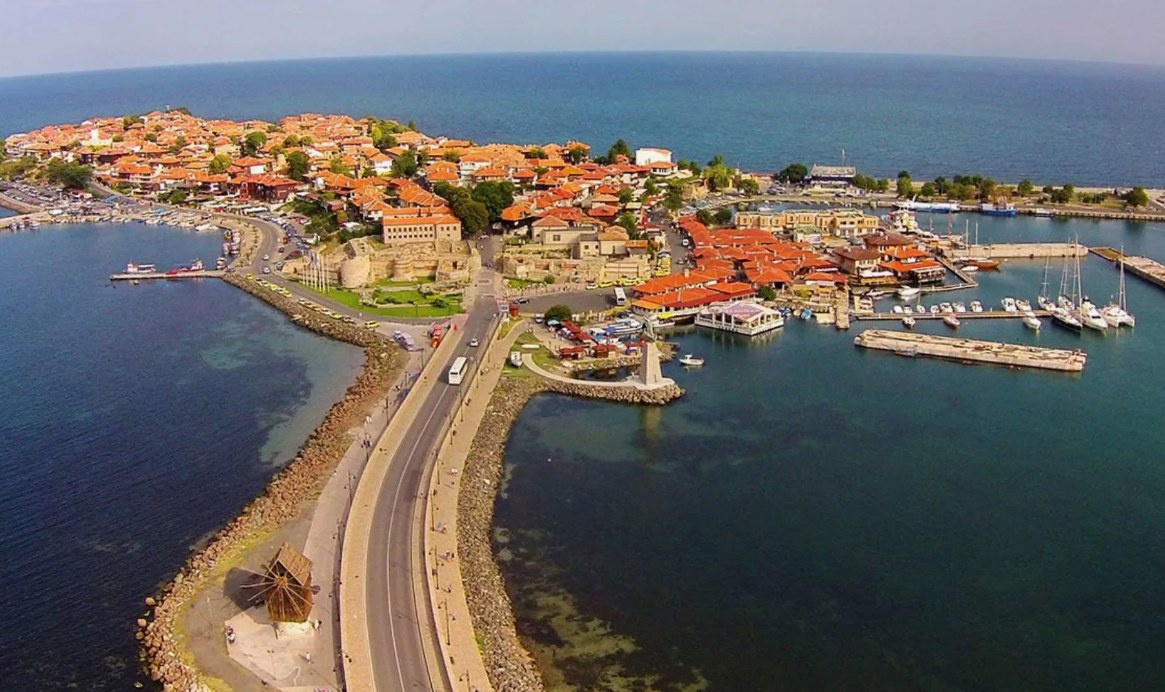
I went to the city of Nessebar with the feeling of a person who has finally decided to arrange a normal vacation without adventures, unexpected surprises and running around with a suitcase on unfamiliar streets. I booked my accommodation in advance, looked at photos of the Old Town, and roughly outlined where I would walk, where I would have breakfast, and on which days I would just lie by the sea, because after several trips I already knew perfectly well that if I didn't plan anything, there would definitely be some surprise, and if I planned everything down to the smallest detail, there would be more surprises more. At that time, of course, I still did not know how precisely this rule would work in Bulgaria. It all started on the way, when my transport was delayed, and then it turned out that next I needed to somehow sort out the transfer, which for some reason I hadn't thought about at all in advance. I was standing with my suitcase, my phone in one hand, and a map in the other, trying to pretend that I knew exactly where to go, even though I was actually ready to ask the first person who looked more confident than me. At that moment, I was still optimistic and convinced myself that small difficulties were even useful, because later there would be something to remember, although an inner voice was already rather sarcastically asking why I needed all this "journey for the soul" in the first place. Nessebar greeted me with rain When I finally got to Nessebar, the first thing I saw was the sea, the old houses and the sky in such a color, as if someone from above decided to turn off the sun on the day I arrived. A few minutes later, it began to rain, and not the beautiful rain that looks good in photographs, but a completely real one, capable of turning a neat traveler's hairstyle into an independent art project in five minutes. I hid under a small canopy and just stared at the wet streets for a while, trying to figure out why in the photos Nessebar looked like a place where a little Mediterranean fairy tale was sure to happen every day, while in my version of the fairy tale all the characters were running around with bags over their heads. I got to the apartment already wet and a little tired, and there the following surprise awaited me: the room turned out to be noticeably smaller than I imagined from the photos. In general, I believe that photographs of hotel rooms sometimes live a separate life and have absolutely nothing to do with reality, because in the picture the room may look like a small palace, but in real life you open the door and realize that it's better not to open the suitcase yet, otherwise it can't be put back together. I put my things down, changed my clothes, looked at myself in the mirror and decided that there would be no plans today, because my vacation was already actively planning me without my participation. A day that should have been ruined The road to the Old Town The next day, I woke up thinking that now everything would definitely get better and I would go sightseeing, but the weather decided to continue the experiment. The rain kept coming and going, heavy clouds hung over the sea, and my plans for a long walk through the Old Town looked less realistic, especially after I realized that I had left my umbrella in the room and didn't want to go back for it at all. At some point, I just gave up and went for a walk as is, because if you constantly wait for the perfect weather, you may one day discover that the entire vacation has passed between the door and the weather forecast. And that's when everything suddenly changed. I turned off the usual tourist street because I wanted to hide from the next rain, and found myself in a quiet alley where there were no crowds, no souvenir shops, no people trying to sell me another magnet with a view of Nessebar. There was a small cafe there that smelled of fresh pastries and coffee, and I went there solely because I was wet, cold, and ready to consider hot tea a full-fledged attraction. Sometimes the best route is the one that doesn't exist. I stayed in the cafe much longer than I had planned, and then I talked to a woman who worked there and knew the city very well. She told me where to go, where it's better to look at the sea, at what hours the Old Town becomes especially beautiful, and where you can have a quiet dinner without feeling like you're in a tourist pipeline. I wrote down a few places on my phone and suddenly found myself thinking that this was the first time during the whole trip when I wasn't in a hurry at all. After that, I just went for a walk without a route. Nessebar turned out to be completely different when I stopped trying to see it "correctly" and allowed myself to just turn off wherever I wanted, stop near the old stone walls, look at the sea and look into the small courtyards. I got lost several times, got caught in the rain again once, and then spent another ten minutes trying to figure out where I was on the map, even though there was such a small city around me that it seemed enough to just walk in any direction and sooner or later reach the sea again. And then my perfect dinner was lost. Koprivshchenskaya cavalry In the evening, I was going to have dinner at a place that I had found on the Internet in advance and had already mentally included in my list of "must-have vacation experiences." At that moment, I wanted nothing more than to try Koprivschenskaya kavarma. I've heard a lot about this dish, and I've already imagined eating lamb with onions, bell peppers, mushrooms, and other ingredients. However, the restaurant was closed that evening, and I stood in front of the door for a while with an expression on my face, as if I had personally come here solely to make sure that it really wasn't working. In the end, I had to look for something else, and I went to a small place nearby, where at first I was even a little upset that everything didn't turn out as planned. Baked pepper salad And then they brought me dinner. I ordered a baked pepper salad for the Koprivshchenskaya cavalry. On a full stomach, everything didn't seem so bad. Yes, it was raining again outside the window, and the lights were reflected on the wet stones of the Old Town, but I suddenly realized that I was completely fine. I was sitting there alone, without a perfect plan, without a nice pre-selected table, and without the feeling that I had to catch five more sights before 9 p.m., and for the first time in days, I was just enjoying being somewhere else. At that moment, I finally decided that my vacation didn't seem to be ruined–it just refused to match my scenario. Nessebar taught me not to argue with travel. After that, I stopped trying to get everything back to the original plan. If it was raining, I took a coffee and went for a walk around the Old Town, if it was sunny, I went to the sea, if some place turned out to be closed, I just looked for another one, and if I turned the wrong way again, I was no longer nervous and perceived it as part of the route. It turned out that traveling is much more enjoyable when you're not trying to make every day be perfect. The old mill When it was time to leave, I caught myself with a strange feeling: I had hardly visited where I was going to visit initially, but I saw much more of what I was not looking for at all. I remembered the old mill, the wet streets, the smell of coffee after the rain, the old stone houses, the sea under the gray sky, the occasional cafe, and the very evening when my carefully chosen restaurant was closed. And, probably, that's why Nessebar remained in my memory not as a perfect picture from a tourist brochure, but as a real trip in which everything went a little wrong, but it really turned out. Now that I think back on that trip, I even find it a little funny how much effort I put into preparing the perfect route. Because Nessebar quickly explained to me a simple thing: sometimes the best vacation starts at the very moment when you stop trying to control every step of it. And if one day I go there again, then, most likely, I will not plan anything in advance at all – although, knowing myself, I will at least book a place.


Read more →
2 0
Alfred Donny Guide
Greece · September 27, 2026
From Chania to Heraklion: Rethymno and Knossos

From Chania to Heraklion: Rethymno and Knossos

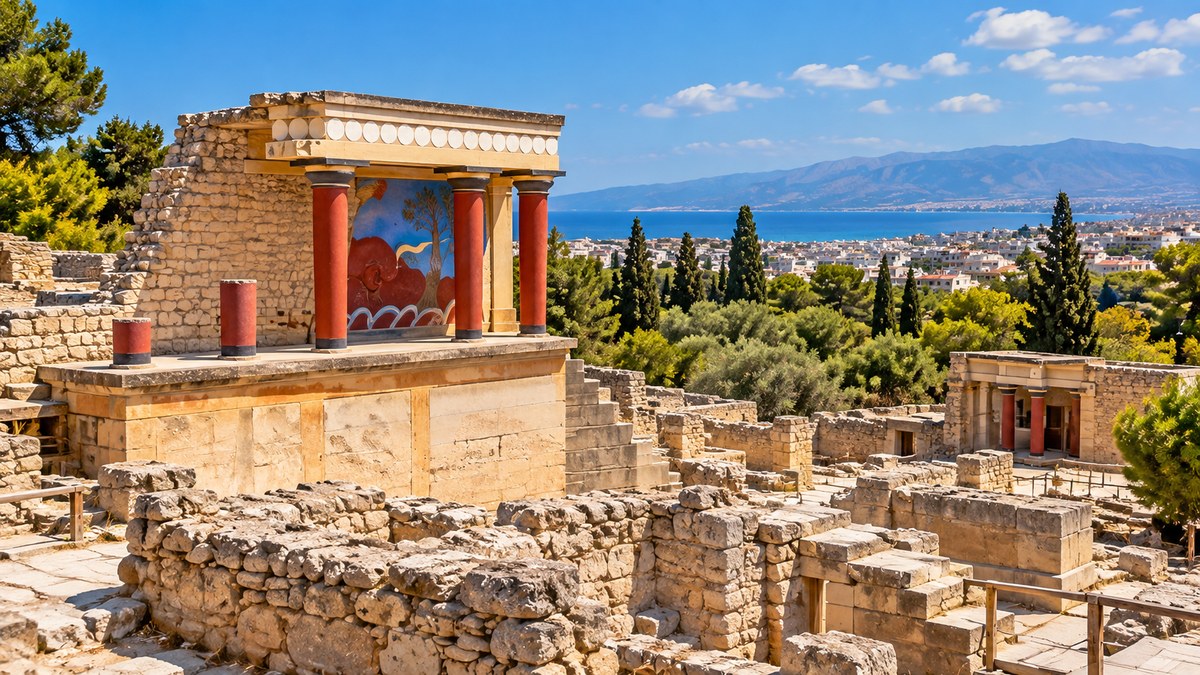
After the first three days in the west of Crete, it's time to move on. I left Chania and went east along the northern coast of the island. The plan for the next few days was completely different: fewer beaches, more old towns, fortresses and history. The main points were Rethymno, Heraklion and Knossos . Rethymno is a city where you want to stay. The first stop was Rethymno . After Chania, the city seemed to me a little quieter, but no less interesting. I left the car and just went for a walk through the old center, where narrow streets suddenly lead to a small square, then to an old house with balconies, then to a cozy tavern. I especially liked the combination of different eras. Nearby you can see Venetian buildings, Orthodox and Catholic churches, old Ottoman buildings , and the Fortezza fortress towers over the city. The historical center of Rethymno is considered one of the best preserved medieval cities in Greece. I went up to Fortezza , where I have a good view of the city and the sea. The fortress was built by the Venetians at the end of the XVI century, and today you can safely walk along its territory between the walls and bastions. After the walk, I returned to the embankment and had lunch in a small tavern. On this day, for the first time, I felt that Crete was no longer just an island with beautiful beaches for me. Literally every city tells its own story here. Heraklion is a completely different Crete The next day, I continued my journey to Heraklion . Everything was much more lively here: more cars, people, shops and city noise. After the small streets of Rethymno, the contrast was noticeable. I started my walk from the old port and reached the Kules fortress . It stands by the sea and once protected the entrance to the harbor. Then I just walked through the center, looking at the Venetian walls, squares and old buildings. Heraklion is interesting precisely because of the combination of modern life and traces of different eras. Knossos - meeting with the Minoan civilization But the main reason for stopping in Heraklion for me was not the city itself, but Knossos , which is very close by. The next day, I went there in the morning. Palaces, staircases, fragments of frescoes and intricate layout really bring to mind the legend of the Labyrinth and the Minotaur . Knossos was the center of the Minoan civilization and was located about 5 kilometers south of modern Heraklion. An archaeological complex has existed on this site for many centuries, and the palace itself was huge for its time - its area was about 20,000 square meters. What surprised me the most was not even the number of preserved ruins, but the thought of how developed this city was thousands of years ago. There were complex water supply and sewerage systems, large public spaces, living quarters and workshops. Then back to the sea After Rethymno, Heraklion and Knossos, I realized that the second part of the trip turned out to be completely different. The first days were about the sea, beaches and Chania , but now there are fortresses, ancient palaces and the history of Crete. But the last days of the trip were ahead, and I decided to end the trip the same way I started, by the water. The next point was to be Balos , one of the most famous beaches in Crete, and after that, my last evening on the island was waiting for me.

Read more →
2 0
Alfred Donny Guide
Greece · September 27, 2026
Crete. The first three days: Chania, the sea and first impressions

Crete. The first three days: Chania, the sea and first impressions

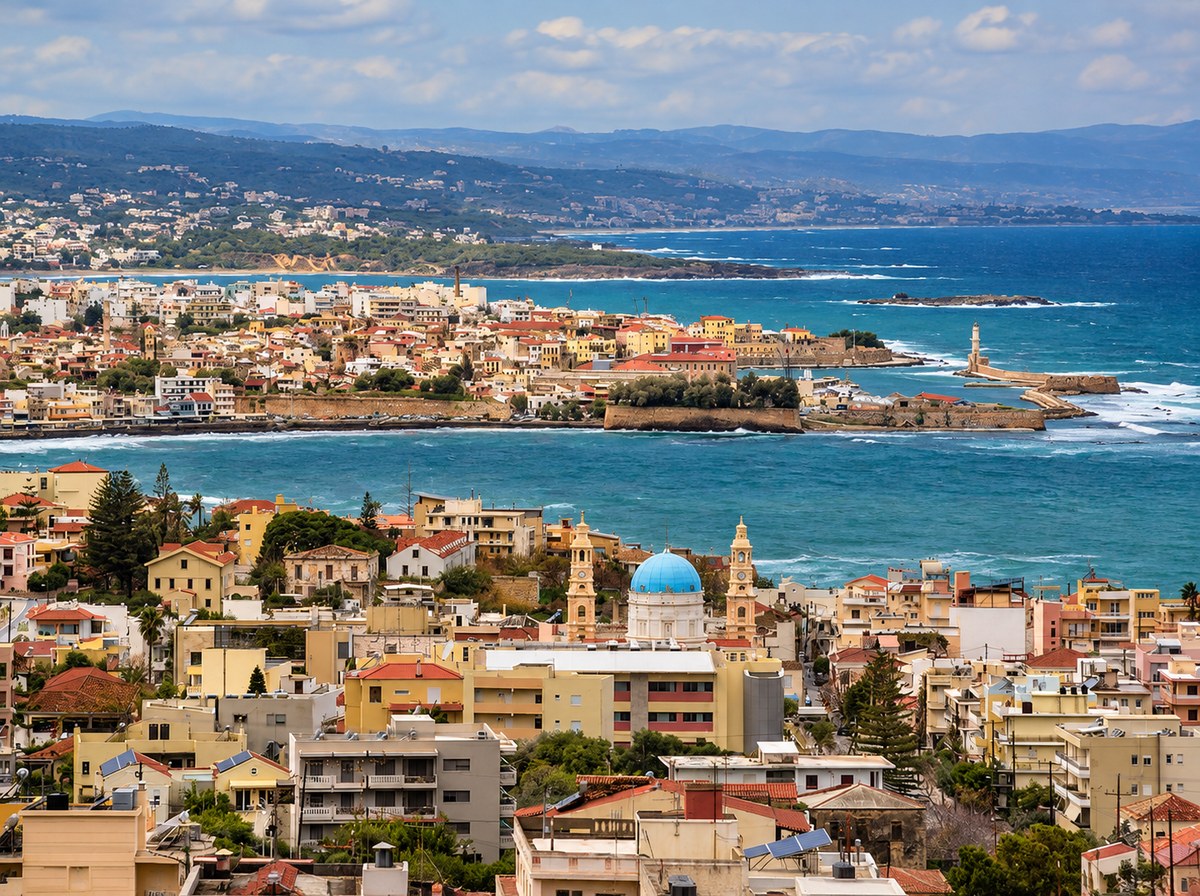
When I was planning seven days in Crete , at first I wanted to include as many places as possible in the itinerary. But in the early days it became clear that the island was too big and interesting to constantly rush. Therefore, I decided to spend the first three days in the west of Crete, staying in Chania and leaving enough time not only for sightseeing, but also for regular walks, the sea and local food. The first acquaintance with Chania After the trip, I went for a walk around the old town. Chania immediately liked the combination of Venetian buildings, narrow stone streets and the sea. I spent most of my time at the old harbor and the Egyptian lighthouse, and then I just went wherever I wanted. It was these walks that turned out to be more interesting here than a pre-compiled list of places. The historical center has preserved traces of different eras, including the Venetian and Ottoman, so you can see a completely different Greece around one corner. In the evening, I sat down at a small tavern and ordered some local dishes. Greek salad, zajiki, souvlaki and fresh bread turned out to be an excellent end to the first day. It was nice to just sit outside, look at people and realize that there was no need to rush anywhere for the next few days. The road to Elafonisi The next day, I decided to go to one of the most famous places in western Crete, Elafonisi beach . The road took a significant part of the day, but the trip itself turned out to be no less interesting than the final destination. Gradually, the urban landscapes were replaced by mountains, small settlements and open views of the coast. Elafonisi Beach Elafonisi really looks unusual. There are shallow waters, clear water and patches of sand with a characteristic pinkish tinge, which is associated with fragments of shells. The area has a conservation status, so I tried not to touch anything and just enjoy the scenery. The third day is without a clear plan After a busy trip to Elafonisi, I purposely left the third day almost free. I walked around Chania again, looked at the market, drank coffee and went to the coast. This particular day suddenly became one of the most enjoyable: without schedules, tickets, and mandatory points on the map. After three days, I realized the main thing - I don 't just want to take a quick look at Crete . Here you want to stay at least for a few days in one place, and then continue on your way. But ahead of me were Rethymno, Heraklion and a completely different side of the island.

Read more →
2 0
Vlad Discoverer
Iceland · September 27, 2026
The most memorable day of my trip to Iceland

The most memorable day of my trip to Iceland

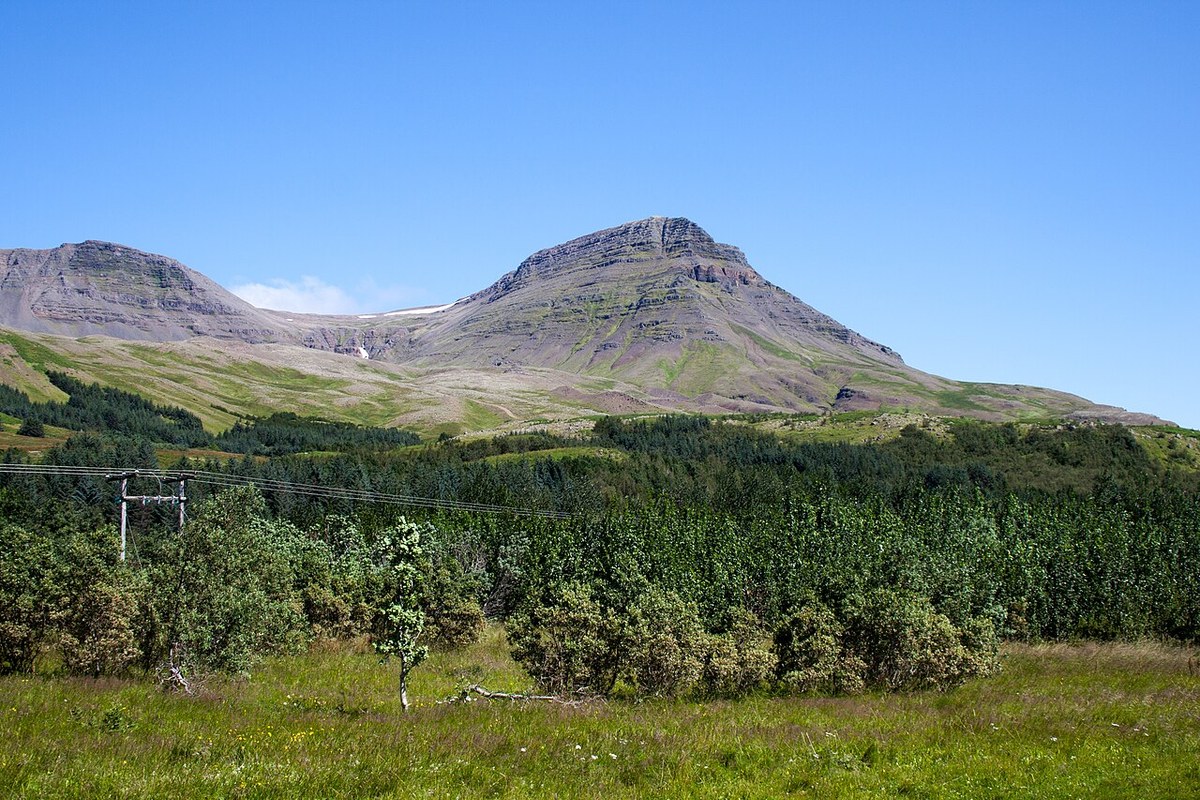
I went to Iceland for the beautiful views, waterfalls, volcanoes and the feeling that I had accidentally landed on another planet, although I bought a ticket quite officially and no one took my passport at the border. That day, we woke up quite early, had a quick breakfast and loaded into the car, because there was a long route ahead, and in Iceland the distances on the map for some reason look much more modest than they actually are. I didn't know at the time that this particular day would be the most memorable of my entire trip, and to be honest, if someone had told me that in the morning, I would have just shrugged and continued to search the navigator for the nearest gas station. View of the peak of Khvannadalshnukur From the very beginning, the weather was typically Icelandic, meaning the sun seemed to be there, the rain seemed to be there, the wind generally felt like the master of life, and you were standing in the middle of it all and trying to figure out which jacket to wear. I decided that a regular waterproof jacket would be enough, and after 20 minutes I realized that Iceland treats my decisions with some disdain. However, the mood was great, the road stretched between black lava fields, green slopes and mountains, and I photographed literally everything, including a single pillar, which, judging by the number of my photos, was supposed to be the main architectural monument of the country. I was most impressed by the view of Hvannadalshnukur Peak. I share a photo of a place where time stops, and I want to endlessly look into the distance. When did the navigator decide to add adventures After some time, the navigator suggested turning off the main road, and I, as a person who for some reason trusts technology very much, obediently turned around. The road was getting narrower, there were fewer and fewer cars around, and then there came a moment when I looked ahead and thought that the word "road" was being used quite boldly here. We drove on because it was already somehow inconvenient to return, although we had a perfectly good opportunity to turn around and pretend that nothing had happened. After a few kilometers, it started to rain, and not the kind of rain that beautifully drips onto the windshield and creates a traveling atmosphere, but a real Icelandic rain that clearly had personal complaints about my clothes. I turned on the wipers at maximum speed, tried to control the car with one hand, adjust the hood with the other, and with the third, which, unfortunately, I did not have, I just wanted to hold the coffee. It was at this moment that I finally realized that for some reason the photos from the travel booklets very rarely show this part of the trip. The waterfall that we found by chance And then the rain suddenly stopped as quickly as it had started, and the Gullfoss waterfall appeared between the mountains ahead. It wasn't Iceland's most famous waterfall, there were no buses with tourists parked near it, no one was selling magnets, and no one was trying to take a photo so as not to accidentally get into the frame of another person. We just stopped, got out of the car, and stood in silence for a few minutes, because sometimes words really get in the way. Gullfoss Waterfall I got closer and at some point realized that I was completely soaked, and it didn't matter at all whether I was wearing an expensive waterproof jacket or a supermarket bag. The wind was splashing water around, the ground was wet underfoot, my hair instantly returned to what stylists usually call "natural carelessness," and I was just laughing because I probably looked like a man who had just been fished out of the ocean. And that's when I thought for the first time that such moments remain in my memory. It's not a perfectly sunny day, not a photo of you standing beautifully and looking into the distance, but you're completely wet, the wind, the waterfall, and the feeling that there's nothing around but this vast northern nature. An Icelandic beach and a little struggle with the weather After the waterfall, we continued on our way and reached the black beach. I had seen photos of such places before, but in person everything turned out to be much bigger and more severe, especially when there was an ocean nearby, huge waves and a wind that was clearly not interested in my comfort. I decided to get closer to the water, because a traveler should take a photo near the ocean at least once in his life, even if this ocean is going to prove in a minute who is in charge here. Of course, I got too close. One wave turned out to be noticeably bolder than the others, and I had to retreat sharply across the wet sand, maintaining my dignity for about the first two seconds, and then finally losing it. It was a good thing there was almost no one around, because I didn't want to explain to strangers why an adult man was backing away from the wave with the expression of a man saving the national library. The most unexpected ending of the day In the evening, we got back in the car and decided to just keep driving until we found a place to stop and have a hot coffee. It was already getting dark outside, the rain started pounding on the glass again, and I sat looking at the endless road and suddenly realized that much more had happened in one day than I had planned to see in a few days of a regular sightseeing trip. We stopped at a small cafe, where I finally got a hot coffee, took off my wet jacket, and discovered that my phone had somehow survived the whole day better than me. I was sitting by the window, looking at the gray sky and thinking that in the morning I had absolutely no idea where exactly this road would lead us, and now for some reason I didn't want to change anything. Iceland has taught me one simple thing in general: the most memorable days rarely look perfect according to plan. Sometimes you need to take a wrong turn, get wet to your socks, lose the battle with the ocean wave, ruin your hair with the wind, and accidentally see a place that you didn't even want to remember at home. When I returned from a trip and was asked what I liked the most, for some reason I didn't name any famous waterfalls, volcanoes, or black beaches. I told you exactly about the day when we took a wrong turn, got caught in the rain, accidentally found a waterfall, got wet, almost lost to the ocean, and in the evening we drank coffee, looking out the window at the Icelandic bad weather. That's probably why this day was the most memorable of my entire trip. Because traveling is memorable not when everything goes perfectly, but when, years later, you tell a story and smile yourself even before you reach the end.

Read more →
1 0
Alfred Donny Guide
Greece · September 26, 2026
What I ate in Greece

What I ate in Greece

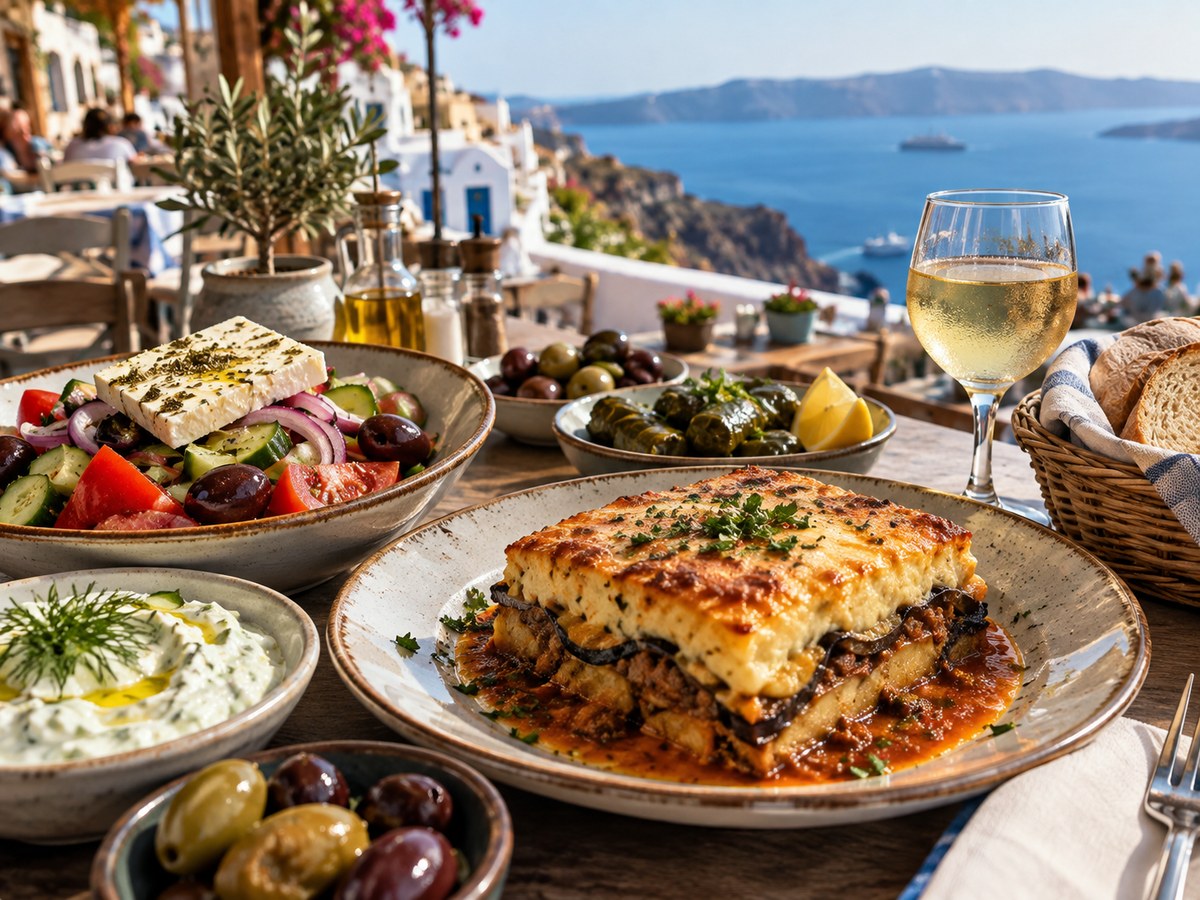
Before my trip to Greece, I thought that everything would be quite predictable with the local cuisine: Greek salad, moussaka, souvlaki and some seafood . As a result, it turned out that even familiar dishes are perceived quite differently here, especially when you eat them in a small tavern after a few hours of walking around the city. Souvlaki with side dish The first thing I ordered in Greece I started with the classic Greek salad . Tomatoes, cucumbers, onions, olives, feta, oregano and plenty of olive oil. At first glance, nothing unusual, but it is the freshness of the products here that makes it completely different. The official travel portal of Greece also calls choriatiki one of the most famous dishes of the country. Greek salad Zajiki, a thick sauce made from Greek yogurt, cucumber and garlic, appeared almost immediately with the salad. I wanted to add it to literally everything, especially meat and fresh bread. Souvlaki, which turned out to be better than expected Souvlaki was next. I ordered the meat on a skewer, and then tried the pitta version with tomatoes, onions and zajiki. This is exactly the case when the dish looks as simple as possible, but after a whole day of walking it turns out to be exactly what you need. Pita with filling In general, meat in Greece is often cooked very simply - grilled, a little spices, oregano, lemon and olive oil. At the same time, the taste is saturated. Seafood, vegetables, legumes and various cheeses are also widely represented in traditional Greek cuisine. Moussaka is a dish that I remember Of course, I couldn't leave without trying moussaka . Layers of eggplant and potatoes, minced meat with tomato sauce and delicate bechamel sauce on top. The dish turned out to be much more satisfying than I expected, so after it I didn't want to walk anymore, but just sit quietly on the terrace with coffee. What else have I tried? In different places I came across dolmadakia, fried squid, grilled octopus and various Greek pies . I especially liked that the menu changed a lot depending on the location. There are more seafood on the islands, and in other regions you can find more meat dishes and local pies. fried squid I also realized one important thing: Greek cuisine is not just a few famous dishes for tourists . Each region has its own products and recipes, and many dishes are based on olive oil, herbs, vegetables, cheese, fish and meat. As a result, I went to Greece with the idea of trying some classic dishes, and left with a long list of things I would like to try next time. Perhaps this is one of the best signs of good cuisine - when, after returning home, you begin to remember not only the places you saw, but also what you ate at every table during the trip .

Read more →
1 0
Alfred Donny Guide
Greece · September 26, 2026
I climbed the Acropolis early in the morning and realized why it was recommended.

I climbed the Acropolis early in the morning and realized why it was recommended.

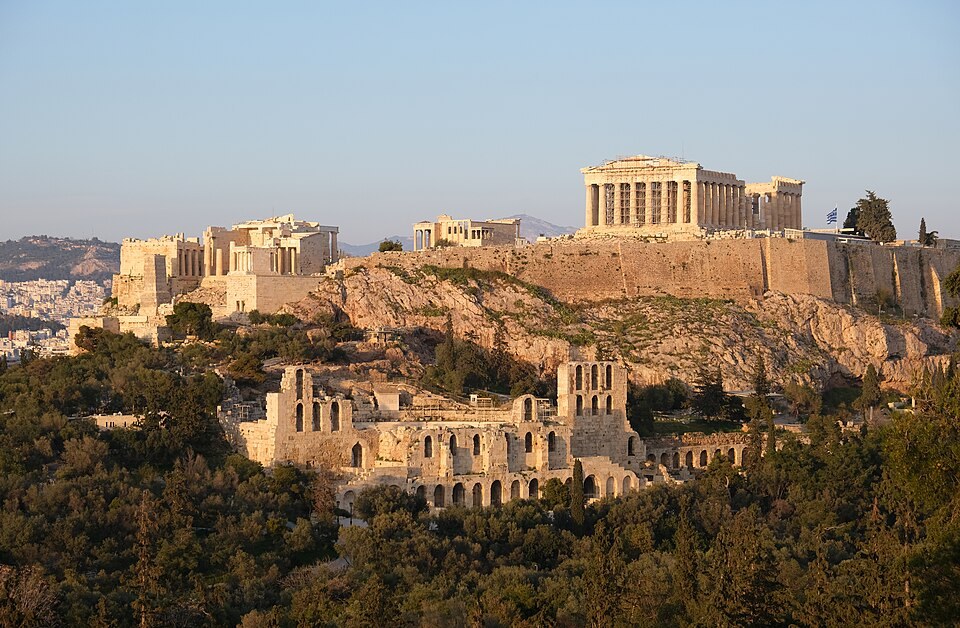
In Athens, I decided not to postpone the Acropolis until the middle of the day and set the alarm quite early. To be honest, getting up was the last thing I wanted, especially when the city was just beginning to light up outside, but after a few minutes after leaving, I realized that the decision was right. Athens in the morning without the crowds of tourists The streets around Plaka were almost empty. Cafes were just starting to open, rare passers-by were calmly going about their business, and there were practically no tourist groups. As they climbed, it became more and more noticeable how Athens was waking up: somewhere below there was the sound of cars, the sun was rising over the houses, and the ancient walls of the Acropolis were already visible ahead. When I got to the top, the first impression was completely different than I expected. Usually, photos of the Acropolis are associated with crowds of people, guides and constant movement, but in the early morning the space felt much calmer. You could stop near the Parthenon , examine the columns, the details of the stone and just stand for a few minutes looking at the city. View of Athens from the Acropolis I was particularly impressed by the view of the city. From a height, you can clearly understand the scale of Athens - white houses extend far in all directions, and traces of ancient history are constantly appearing among modern buildings. The Acropolis itself is located in the center of the historical part of the city and has remained the main symbol of Athens for centuries. The Parthenon , built in the 5th century BC, is one of the most famous monuments of ancient architecture and part of the UNESCO World Heritage Site. View of Athens from the Acropolis I wasn't in a hurry on purpose. I walked away from the main venues several times, looked at the city, took pictures and just watched the light change. At some point, I caught myself thinking that it was for the sake of such moments that it was sometimes worth getting up earlier than usual. Why do I recommend going to the Acropolis in the morning Gradually, there were more people. Groups of tourists appeared, it became more difficult to take a photo without people, and the calm atmosphere began to disappear. And it was then that I finally understood why they advise coming here in the morning. It wasn't just a matter of avoiding the crowd. In the early morning, the Acropolis is perceived in a completely different way. It doesn't feel like you just came to see a popular attraction and tick it off. There is time to stop, look around and imagine how many events took place here long before the appearance of modern Athens. If you find yourself in the city, I would also choose early morning. Even if you have to sacrifice a little sleep for this, a few hours of quiet walking around the Acropolis is really worth it.

Read more →
1 0
Vlad Discoverer
Italy · September 26, 2026
My most unusual acquaintance on a trip to Rome

My most unusual acquaintance on a trip to Rome

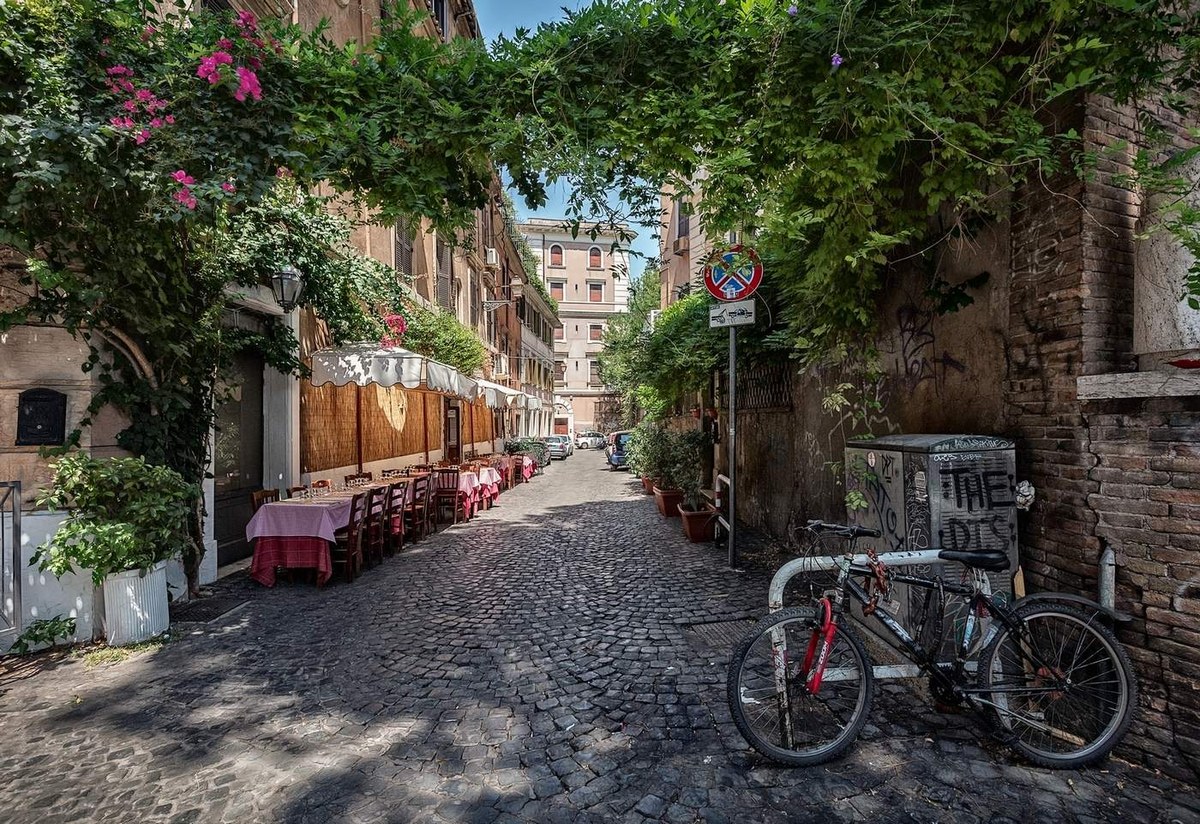
I arrived in Rome with a very simple plan: get a suitcase, drive to the hotel, throw my things on the bed and go for a walk around the city. I didn't plan any adventures, new acquaintances, or stories that I would like to tell someone later, because after a long flight, the only thing I wanted was a shower, coffee, and at least half an hour to sit quietly and stare at the ceiling. But Rome, as it turned out, decided to slightly adjust my program even before I had time to see the Colosseum. The suitcase that wasn't mine At Fiumicino Airport, I quickly found the right tape and stood waiting for my luggage, watching as people one by one picked up their suitcases and disappeared towards the exit. After a while, my suitcase appeared on the tape, at least I was quite sure of it, because it looked almost the same as mine: dark, large and with a small sticker on the side. I grabbed it, put it on the floor, and was about to leave when, for some reason, I decided to check the tag. And here my first Roman adventure awaited me, although I still had no idea how useful it would be. The name on the tag was completely foreign, and at that moment I realized that I had just left the airport with great confidence with someone else's things. The funny thing is that the suitcase really looked so much like mine that I even had time to mentally imagine opening it in a hotel and finding someone else's clothes, a pair of socks and, perhaps, a very personal story of some Italian tourist. I put someone else's suitcase back and waited for mine, but the tape gradually emptied, and my luggage was still missing. At first I thought he was just delayed, then I started hoping that he would be unloaded on the next belt, and after a few minutes I was already looking at the empty baggage conveyor with such an expression on my face, as if he had personally decided to ruin my first day in Italy. The second victim of my suitcase I went to the lost baggage counter, where I tried to explain to the airport employee that my suitcase hadn't arrived, although I wasn't even completely sure if it was really lost. At that moment, a girl turned out to be nearby, who was also holding a luggage tag in her hands and looked about as confused as me. She looked at me and asked if I had accidentally seen a large gray suitcase with a red ribbon. I replied that I had seen too many suitcases and now I didn't trust anyone at all, including my own. She laughed, and it was from that moment on that our acquaintance, which began with the lost luggage, stopped being just an attempt to sort out the problem. It turned out that her suitcase hadn't arrived either. Moreover, we arrived on the same flight and, as it turned out a few minutes later, our suitcases somehow went to the wrong place altogether. We were standing at the counter, trying to make sense of what was happening, translating the words of the airport staff to each other, and at some point we were laughing more than nervous. Rome didn't start according to plan at all After a while, they explained to us that the luggage had been found and was due to be delivered later, but no one could say exactly when this would happen. I looked at my watch, then at the girl, then back at my watch, and realized that my carefully thought-out plan for my first day in Rome could safely be thrown away along with my boarding pass. We talked and found out that both had arrived in Rome for the first time, both were going to walk around the city with almost no clear route and both were hungry. The latter circumstance turned out to be the most important, because after several hours of travel and nerves, I didn't want to talk about the cultural program at all, but I really wanted to find a normal pasta. We decided to get out of the airport first and go to the city, and then figure out what to do next. To be honest, now I don't understand why I agreed to go with a complete stranger, but at that moment it seemed absolutely natural. Maybe I didn't care anymore after I lost my suitcase, or maybe sometimes traveling just starts when you stop trying to control every little thing. The first walk in Rome In Rome, we just went for a walk without any particular plan. We talked, joked about our airport disaster, and tried several times to remember exactly where we had left the right street, even though it had only been ten minutes since we saw it. Then there was a small restaurant where we ordered pasta, which, after the airport adventure, seemed to me to be almost the best meal of my life. We were sitting at a table, discussing travel, work, cities that we wanted to see, and gradually I caught myself thinking that I had completely forgotten about my suitcase. But a few hours ago, I was ready to write a statement about the loss of luggage, accuse fate of personal hostility and spend the whole evening at the hotel in one set of clothes. Now I was sitting in Rome with a man I shouldn't have met at all, and I realized that the day was shaping up to be much more interesting than any pre-planned itinerary. How did it end In the evening, we were actually informed that the luggage had been found. We went back to get our things, picked up our suitcases, and it seemed like we should have said goodbye, because the problem was solved, and the chance acquaintance had come to a logical end. But for some reason we didn't say goodbye. The next day we met again, then again, and eventually we walked around Rome together for several days, although initially everyone came here completely alone. We saw the Colosseum, walked through the Roman Forum, reached the Trevi Fountain and were completely shamelessly mistaken several times, although everyone had a map in their phone. When it was time to leave, I suddenly realized one simple thing: if my suitcase had arrived on time, I probably would never have met her. I would get out of the airport, go to the hotel, take a shower, change clothes, and go for a walk along my pre-planned route, and this meeting just wouldn't happen. Now, when I think of Rome, the first thing I think about is not the Colosseum or even the Trevi Fountain. I remember an empty luggage belt, someone else's suitcase, which I almost took, and a complete stranger, with whom we first tried to find the lost luggage, and then quite accidentally found each other. This is probably one of the main attractions of traveling. You can spend months planning a route, booking a hotel, buying tickets, and making a list of places you definitely need to see, and then one lost suitcase completely changes your plans and gives you a memory that wasn't in any guidebook.

Read more →
0 0
richword Expert
Italy · September 25, 2026
Venice. The final point of our trip to Italy

Venice. The final point of our trip to Italy

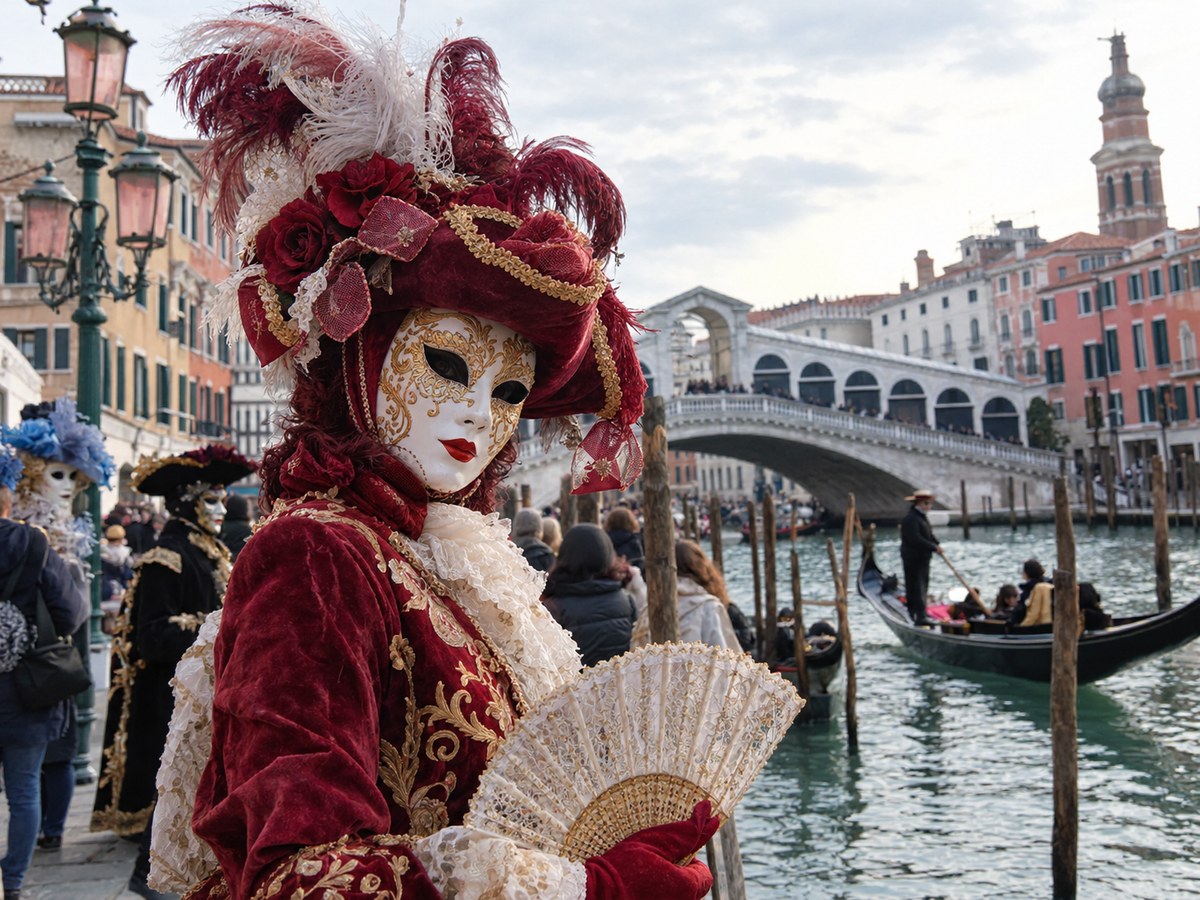
Venice was the main destination of our trip to Italy. Since the end of January, we have been gradually moving north - from Rome to Florence, then to Bologna and Verona, and now we have finally reached the city for which we had planned this trip at the beginning of February. The 2026 Venice Carnival took place from January 31 to February 17, and we were supposed to leave on February 9, so there wasn't much time left. First morning in Venice When we reached the canals, it immediately became clear that Venice was not at all like any of the previous cities on the route. It's almost impossible to just walk the usual way here - the streets turn into bridges, bridges lead to squares, and around the next bend a canal with boats and ancient facades reappears. But this time the city was special. Carnival was already approaching on the streets. People were photographing costumes and masks, performances were taking place in the squares, and among ordinary passers-by there were more and more people who seemed to come from another era. St. Mark's Square The first thing we did was go to St. Mark's Square. I've seen her many times in photographs, but the space feels completely different in person. On one side is the Basilica of San Marco, next to the bell tower, surrounded by ancient buildings, and tourists are constantly moving between them. During the carnival, the square also turns into a large stage. The 2026 program included performances, parades, and a mask contest. One of the central elements was the "Olympus - Alle origini del gioco" program, dedicated to mythology, gaming and sports in the year of the Milano Cortina Winter Olympic and Paralympic Games. But what I liked most was not even the specific event, but the people. You could just stand on the square and watch the carnival participants pass by. Some of the costumes looked very carefully thought out, and the masks were so unusual that I wanted to look at every detail. Carnival is not only on the square At first I thought that the main atmosphere would be only around San Marco, but it turned out that the carnival is gradually spreading throughout the city. Street performances, music, circus acts and theatrical performances took place on the streets and small squares. The official 2026 program included more than 350 street performers, about 80 companies, and about a thousand performances in various locations in Venice, Mestre, and the lagoon islands. That's why we stopped using the map on purpose and just started walking around. In one place we got to a small performance, ten minutes later we found ourselves near the canal, then we found a quiet courtyard where there were no tourists at all. Masks and Venice Of course, it was the masks that I was waiting for the most. On a typical day, Venice itself looks a bit theatrical, but during carnival this feeling increases several times. Carnival Venice 2026 It was especially interesting to see people in costumes not only at official events. Someone was just walking around the city and letting tourists take pictures of themselves, someone was standing by the canal, and someone was posing near ancient buildings. Sometimes it felt like you were inside a historical film. However, not all of Venice was noisy. It was worth moving a little away from the main tourist routes, and the carnival fuss practically disappeared. The narrow alleys became empty, only the sound of water could be heard, and from behind the houses there was sometimes a view of a small canal. Venice in the evening The city has changed especially much in the evening. During the day, costumes, people, and events took all the attention, and after sunset, Venice became a little mysterious again. We walked from San Marco to the Rialto Bridge, turned into unfamiliar alleys several times on purpose, and eventually found ourselves on an almost empty street. At such moments, I realized that carnival is only one part of the experience. If we had come here solely for masks and events, we would have missed Venice itself. Canals, bridges, old houses, water between buildings and a very special silence away from the center turned out to be no less interesting. Last day of the trip On February 9th, it was time to finish the trip. It was on this day that the so-called "fat week" of the carnival began, which lasted until February 17, so the city was just entering the busiest period of the holiday. We managed to see enough to understand the scale of what was happening, but it was still a bit of a pity to leave. As we were picking up our things and heading to the train station, I took another look back at the canals. In two weeks, we traveled through several completely different cities - from ancient Rome to Florence, Bologna and Verona, and ended the journey here, among the masks and canals of Venice. That's why I chose the end of January and the beginning of February for this trip. It was possible not just to see Italy, but to gradually move around the country towards a specific goal. And when Venice appears in front of you at the end of the route during the carnival, it seems that all the previous stops really led here.

Read more →
3 0
1…181920…22