


Huế: exploring the layout of the imperial city
Vietnamese Hue reveals itself gradually: behind the walls of the citadel there are gates, courtyards and the remains of imperial buildings. To avoid reducing your walk to a search for individual facades, try to imagine the city as a sequence of nested spaces.
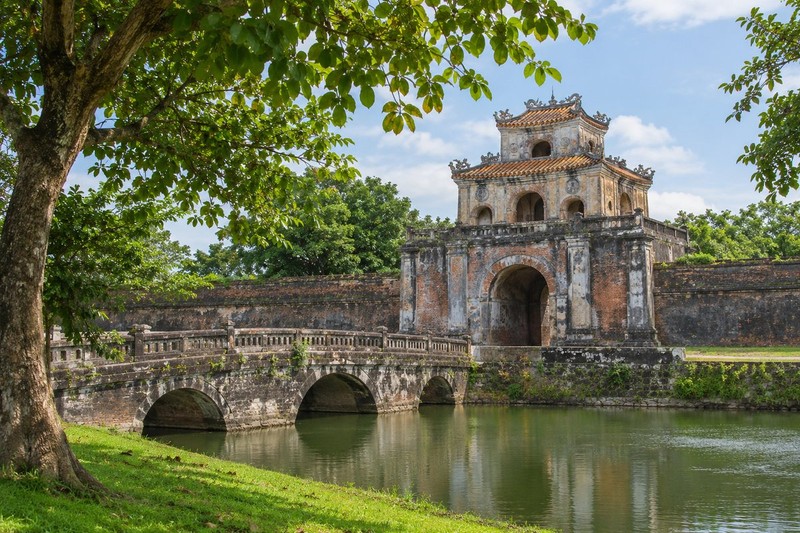
Former capital
In 1802, Hue became the capital of a unified Vietnam and remained a political and cultural center under the Nguyen Dynasty until 1945. The complex of monuments of the city and its surroundings is included in the UNESCO list.
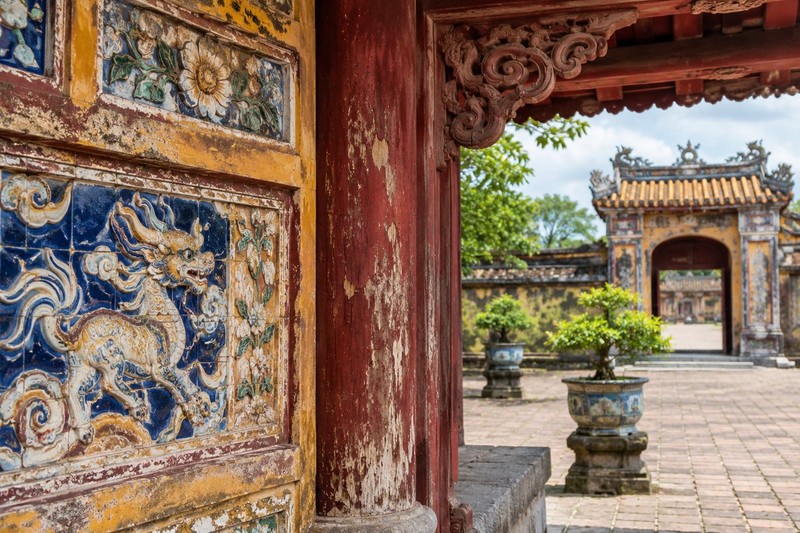
Walls, gates and river
The citadel and imperial city were planned taking into account the surrounding landscape. The fragrant river and nearby hills were part of this design. As you walk, pay attention to how gates and courtyards mark transitions between different parts of the complex.
Before the trip
Some buildings may be closed for restoration, so check availability and tickets in advance. Take water and protection from the sun or rain: a significant part of the route is open air. Museum materials or a local guide will be useful to get acquainted with the context.


Comments