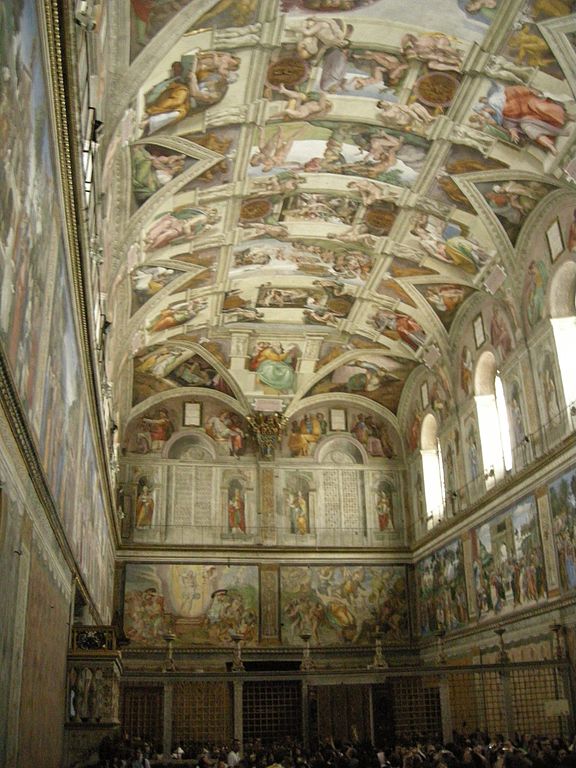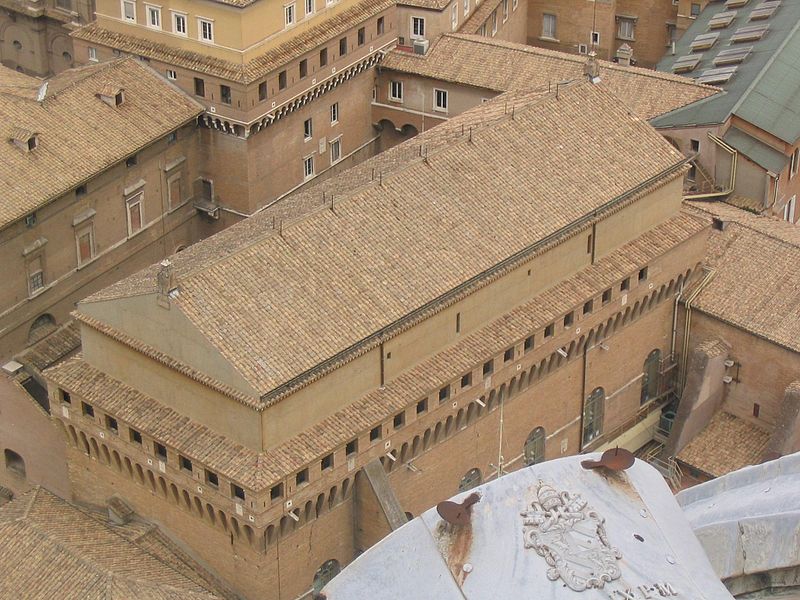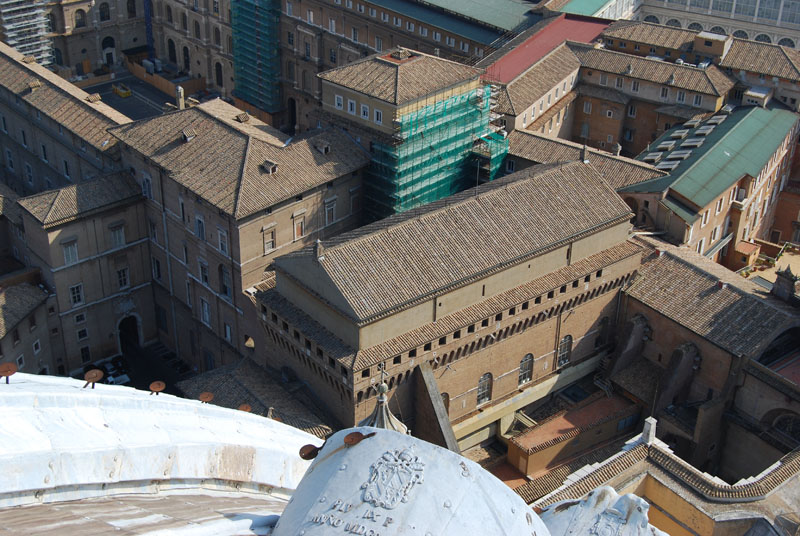

The Sistine Chapel is an excellent architectural monument, which has gained worldwide fame due to its elegant interior decoration. The chapel was built back in the XV century by decree of Sixtus LV, whose name it bears. The location of the Sistine Chapel is the Vatican City.
The construction took place under the supervision of architect J. De Dolci. At first glance, the Sistine Chapel has nothing special, but once you look inside, you can see the wonderful wall paintings that you just can't take your eyes off.
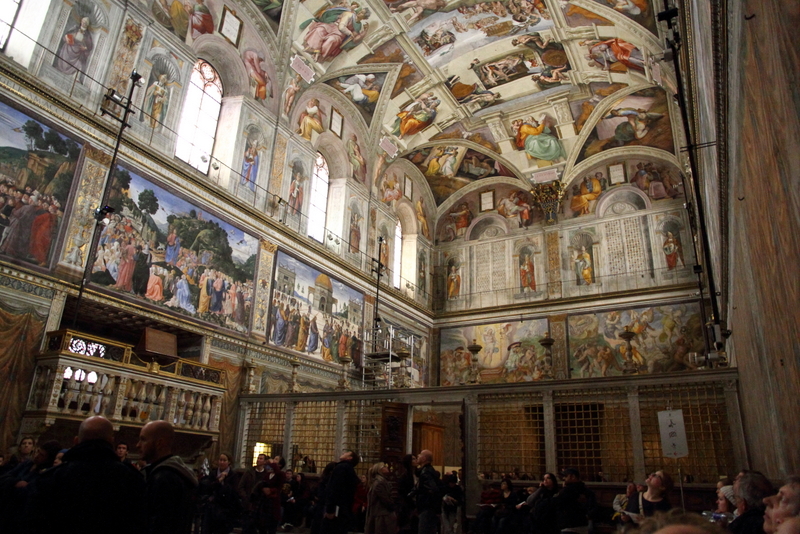
The Sistine Chapel has three rectangular floors measuring 40.93 x 13.41 meters, exactly such data belonged to the Temple of Solomon, which the Old Testament tells us about.
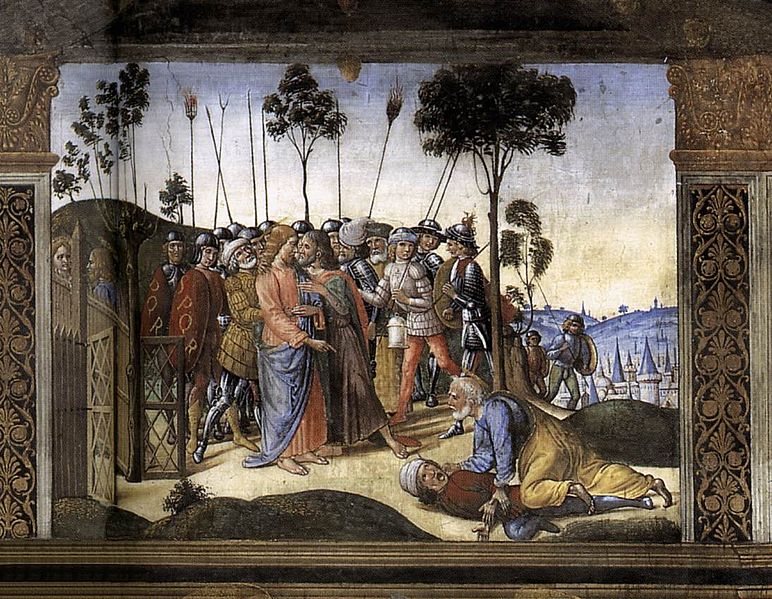
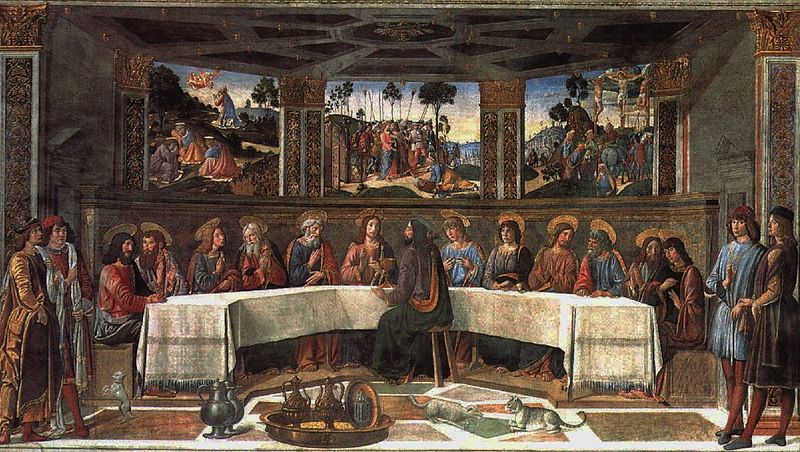
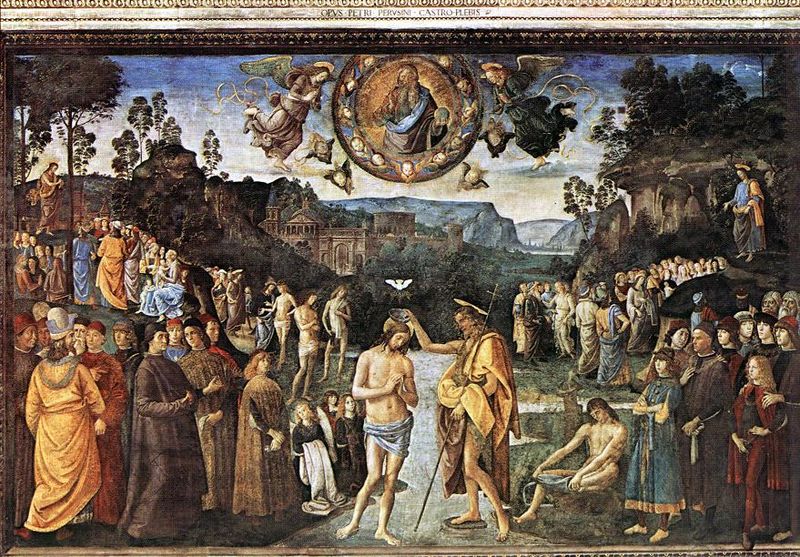
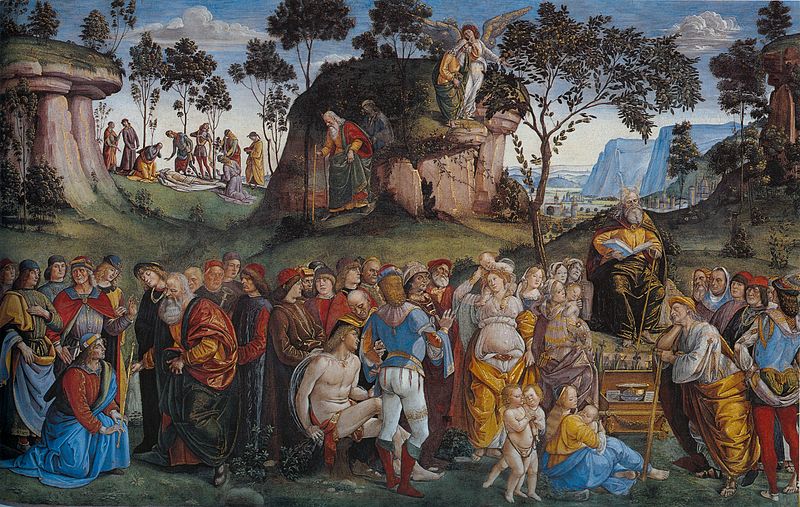
The building was planned according to the drawings of architect Pontelli, which were implemented by J. De Dolci. The murals on the interior walls of the room, which made this building famous in the Vatican, were painted by artists whose names are known all over the world, among them: Botticelli, Perugino, Ghirlandaio.
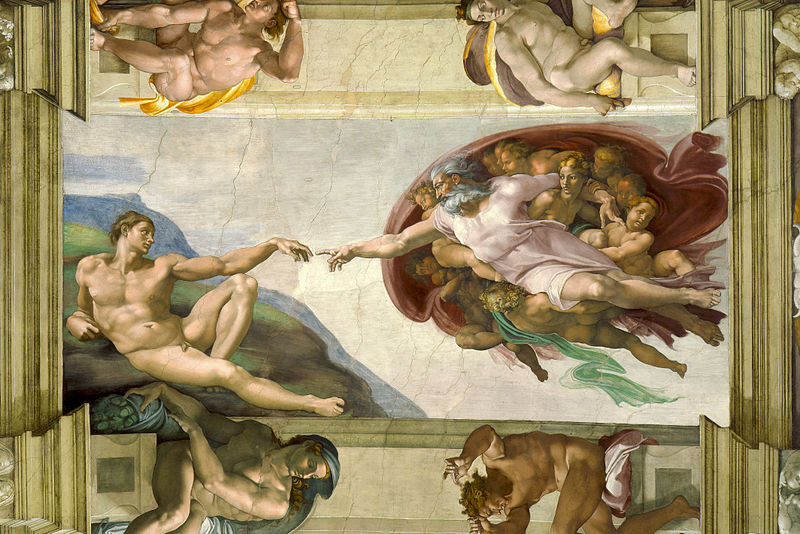
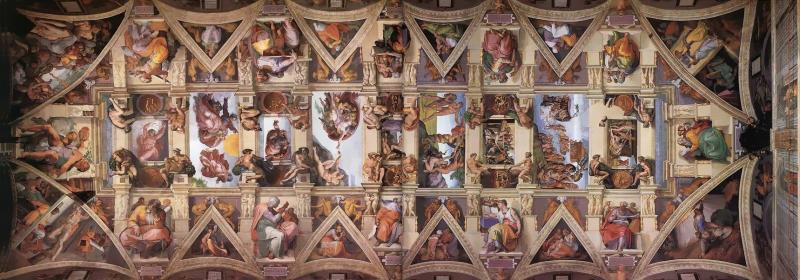
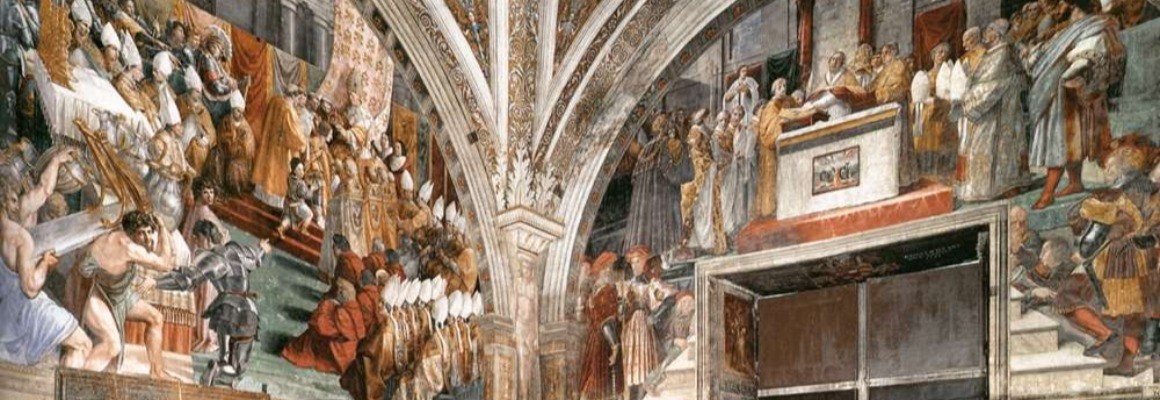
The frescoes on the walls of the Sistine Chapel are not just an artistic decoration, but whole storylines. It depicts paintings from the lives of Christ and Moses. Of course, the most significant work belongs to Michelangelo Buonarotti, which is conveniently located above the altar, as well as the ceiling. The creation of his talented hands includes the famous frescoes called the scene of Creation, as well as the Last Judgment.
There is usually a meeting of cardinals in the Sistine Chapel to decide on the next successor in case of the pope's death. The result of the meeting is usually announced by white smoke coming from the chimney that is located on the chapel.
Various divine services are also held in this building, attended by the Pope himself and other important people of the Catholic Church.
Entrance to the Sistine Chapel is subject to a charge, but it's worth what you can see outside its walls.
Gallery