


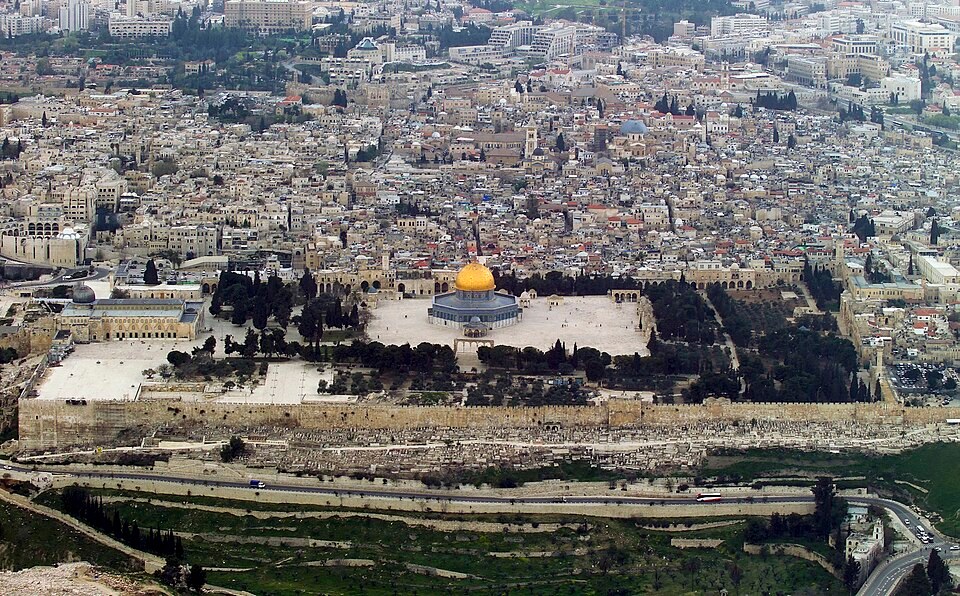
A place that has remained in my memory forever.
There are trips that leave beautiful photos, restaurant names, and a few funny stories that are pleasant to tell friends over a cup of tea. And there are trips after which you return home a little different person, because what you see makes you think about life, time and your own feelings. For me, Israel became such a journey, and the place that will forever remain in my memory is Jerusalem, a city where ancient history literally coexists with ordinary everyday life, and around one corner you can discover a place that you have previously read about only in books.
I had the idea of going a long time ago, but I kept postponing it for various reasons: sometimes the dates didn't fit, sometimes there were other destinations, and sometimes it seemed to me that I needed to prepare more thoroughly for such a trip. In the end, I decided that if I waited for the perfect moment, I risked growing old over the list of saved attractions without going anywhere. I bought tickets, booked accommodation, made up an approximate itinerary and, with a feeling of deep satisfaction, ticked off the first items of my plan, completely unaware that the real adventures would begin after arrival.
Israel greeted me with bright lights, noisy streets, and an amazing mix of familiar and unfamiliar, which I especially love when traveling. Here you can walk along a modern street, look at shop windows and coffee shops, and after a while find yourself among ancient stone walls, where each alley seems to keep its own history. I tried to absorb everything around me, but at the same time I solved the usual tourist tasks: where to buy water, how to get to the hotel, and why a suitcase that seemed quite compact at home suddenly acquired the size of a small refrigerator on Israeli streets.
The first acquaintance with Jerusalem
I went to Jerusalem with great curiosity, because this city cannot be perceived as an ordinary point on a tourist map. The stories and traditions of different nations are intertwined here, and shrines and monuments remind of events that have influenced the lives of millions of people over the centuries. I had read a lot of materials about the Old Town in advance, but I quickly realized that no articles could fully convey the feeling that arises when you see the old walls with your own eyes, walk through the narrow streets and hear a lot of different voices around.
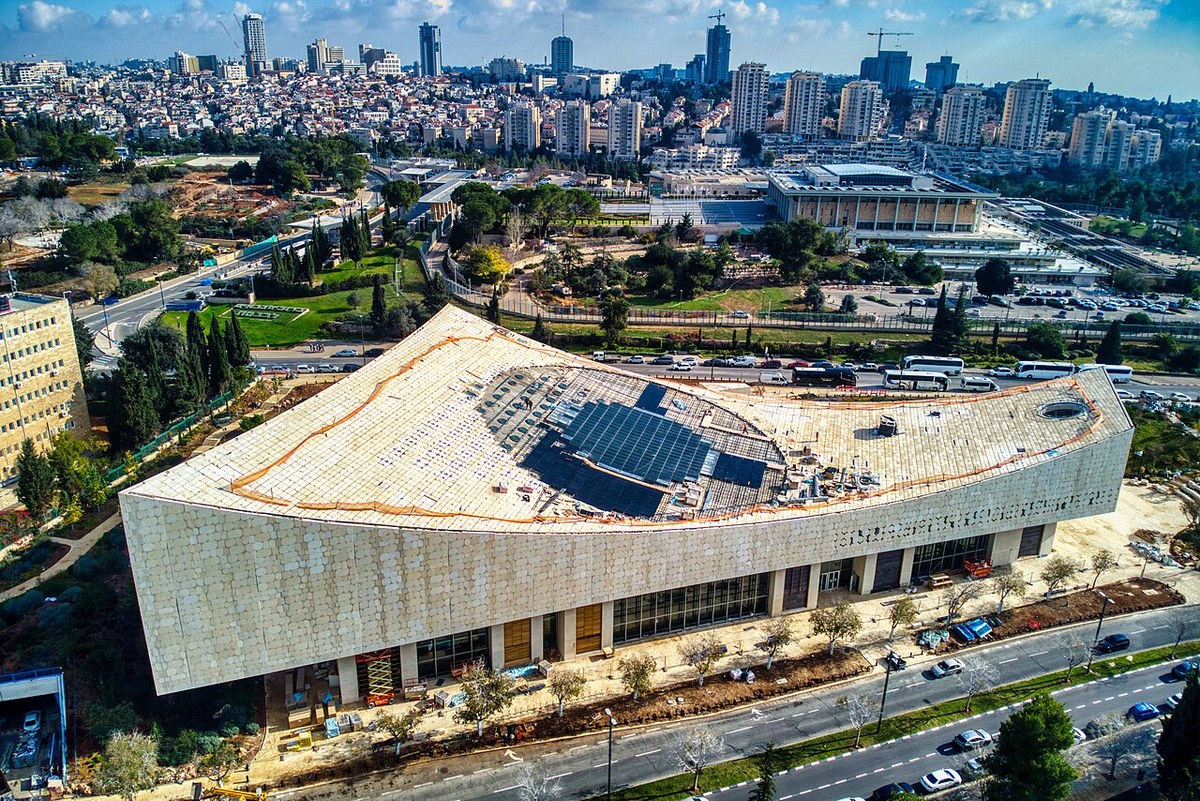
The National Library of Israel
Most of all, I was surprised by the very atmosphere of the city, in which antiquity does not look like something remote and museum-like. I was surprised how beautiful libraries can be. It must be interesting to work in this place. As a traveler, I was surprised at everything, and people were rushing about their business, merchants were laying out goods, the small shops smelled of spices and fresh pastries, and tourists were trying to figure out the directions, while photographing everything that caught their eye. I was no exception either, and several times I stopped in the middle of the street to take a picture, until I noticed that I was standing exactly where someone needed to pass, and stepped aside with a guilty smile.
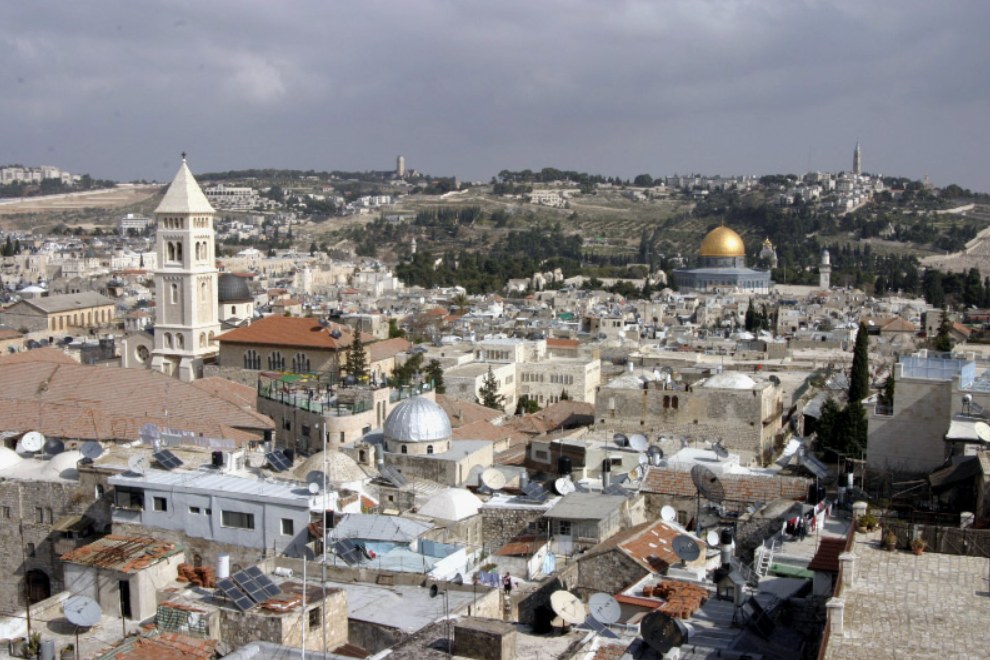
Old Town District
I especially remember the walk through the Old Town, where new details were revealed at every turn: stone arches, small courtyards, stairs, souvenir shops and doors that seemed to have seen more human stories than could be retold in a lifetime. I walked without much haste, trying not to limit myself to famous sights, and gradually began to understand why some cities leave such a strong impression. They don't just show off their beauty, but make you look more closely at the world around you and feel like you're part of something much bigger than another trip with a camera in your hands.
The Wailing Wall: a meeting I remember
One of the most important moments of my trip was a visit to the Western Wall in Jerusalem. Before the trip, I had seen her in photographs many times and read about the significance of this place for Judaism, but I still could not fully imagine how I would feel when I was there in person. As I approached the square in front of the ancient stones, I was struck not only by the wall itself and its history, but also by the special atmosphere created by the people who came here to pray, reflect and address their most intimate requests to God.
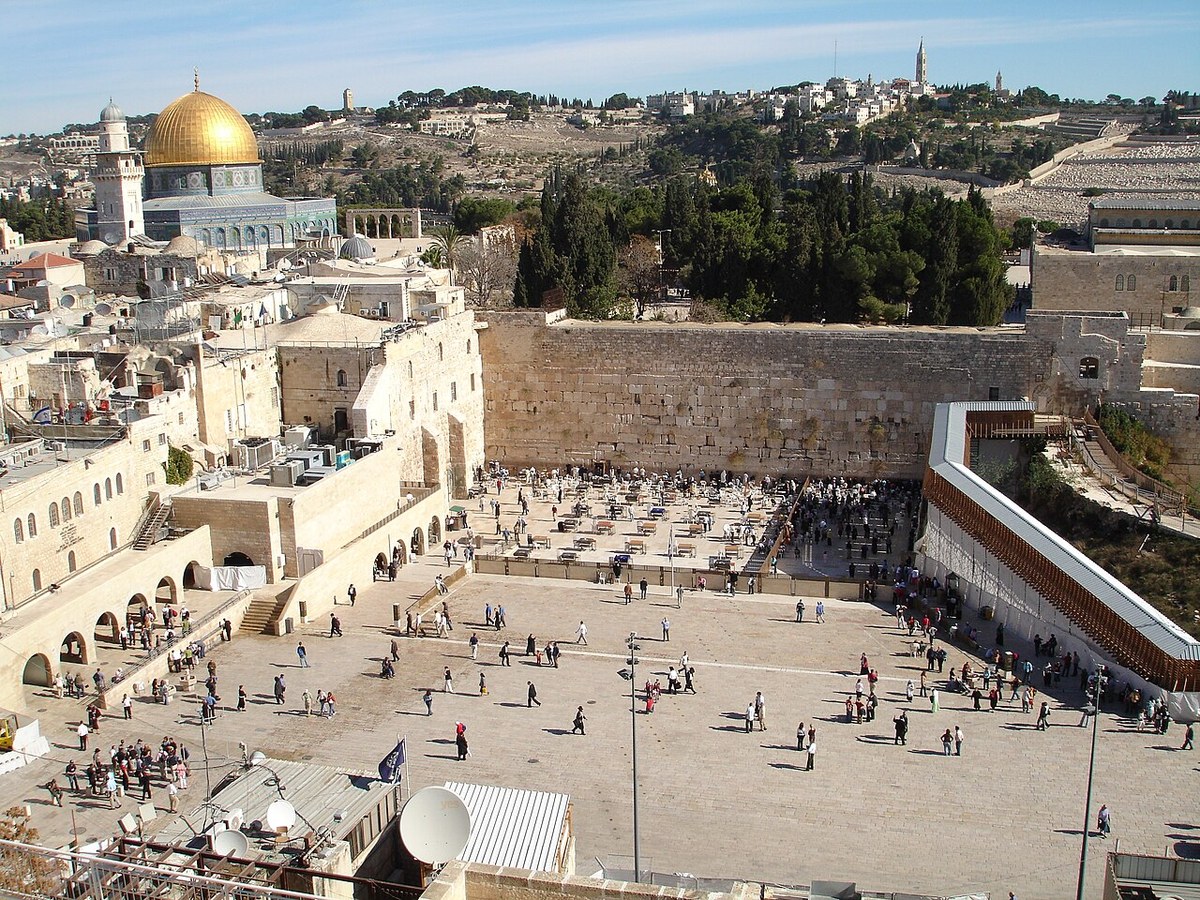
View of the Western Wall and the square
I stopped for a while, watching what was happening around me, and tried to put down my phone so as not to turn this moment into another series of photos. Some people were quietly reciting prayers, others were standing by the stones with their heads bowed, and someone was carefully placing a small note in the gap between the ancient blocks. There was something very personal about these simple actions, and I suddenly felt how differently people express their hopes, worries, and gratitude, even if their life stories are completely different from each other.
I also thought in advance about what I would like to ask for myself and my loved ones, although I usually don't consider myself a person who knows how to formulate desires correctly. In everyday life, we often ask fate for very specific things: so that everything works out at work, so that money does not run out before a month, and so that troubles avoid us, preferably without even looking in our direction. But here, for some reason, I wanted to think not about small worries, but about the health of loved ones, inner peace and the opportunity to notice good things more often while they are happening, and not after a few years, when only memories remain.
I will not claim that some extraordinary miracle happened to me at that moment, because it was a very personal encounter with a place whose significance cannot be measured equally for everyone. Rather, I felt that sometimes it's useful for a person to stop, put aside the usual hustle and bustle, and at least be alone with their thoughts for a while. I remember the Wailing Wall for this feeling of silence inside, which is especially amazing to feel in a big city, where someone is constantly walking, talking and hurrying around.
Before visiting, I tried to learn about the rules of behavior and chose modest clothes, because I understood that I was in a place sacred to many people. I wanted to show respect for other people's traditions and not act as if I had come to an ordinary observation deck. Later, I learned another important detail: on Shabbat and Jewish holidays, there are restrictions on the use of electronic devices, photographing and writing on the Wailing Wall Square, so travelers should familiarize themselves with the rules of visiting the official Wailing Wall website in advance.
A walk through the markets and small discoveries
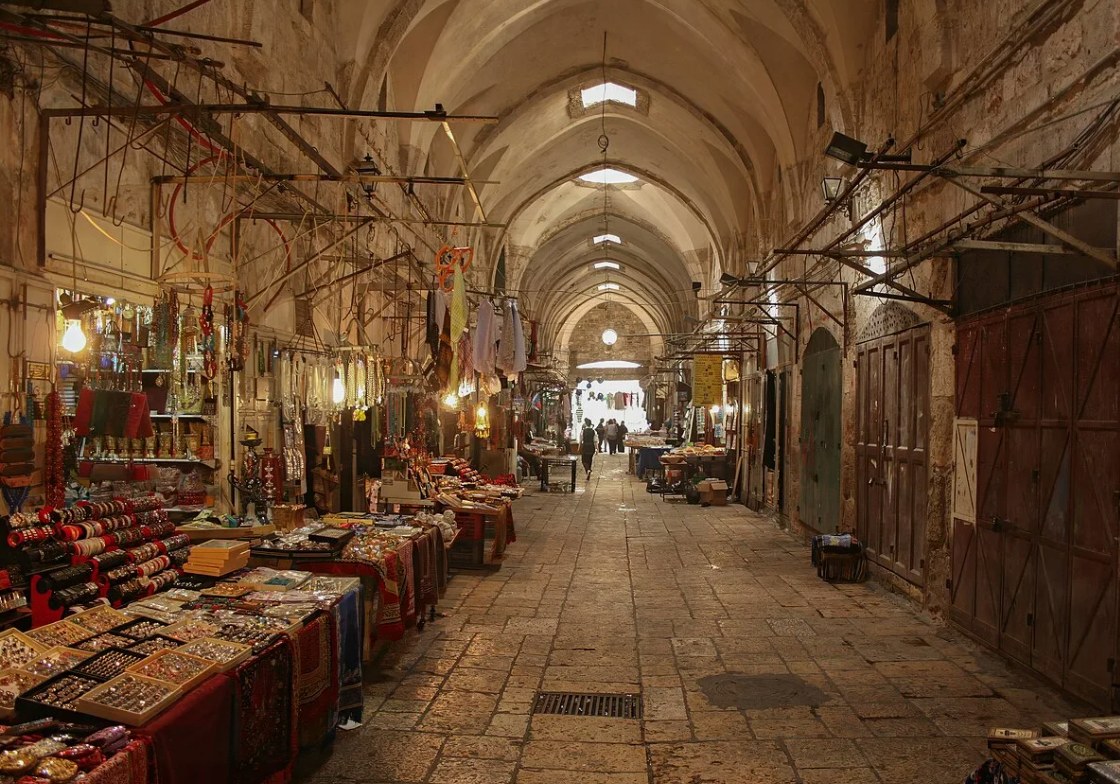
After such a rich experience, I wanted to switch a little and go for a walk along the streets, where life went on as usual. I looked into small shops, looked at souvenirs, tasted local treats and watched with interest how the city was changing from one quarter to another. The aromas of spices, coffee and pastries mixed in the air, merchants communicated with customers, and I gradually turned into the very tourist who was going to buy only water, but half an hour later he leaves the store with a bag of completely unnecessary things.
I was especially attracted to the small shops that sold ceramics, jewelry, and handmade items. I could look at the same thing for a long time, convincing myself that it would definitely find a use at home, although my life experience suggested that most of these purchases then lie in the closet for years. In the end, I did get a small souvenir that I really liked, and decided to consider it not a waste, but a tangible proof that sometimes I can make decisions faster than forty minutes.
At some point, I realized that I was much more tired than I expected, and decided to find a place where I could sit quietly and drink coffee. It turned out to be not as easy as I imagined in the morning, because I had already managed to walk a decent distance, take a wrong turn several times and spend too much time photographing beautiful doors. When I finally settled down at a table, put a bottle of water next to it and looked at the map, I discovered that I had walked much more in half a day than I had intended, and my legs clearly did not share the excitement about the cultural program.
But it's these little things that make traveling alive, because not only majestic monuments remain in memory, but also their own small victories over fatigue, navigation and the inexplicable desire to buy another ceramic plate. I was sitting in a cafe, watching passersby and thinking about how interesting Jerusalem is: it simultaneously makes you think about the eternal and reminds you of the most common things, like the need to eat on time and not forget to drink water on a hot day.
Shabbat: when the usual transportation suddenly disappears
If I were asked to name the most unexpected everyday lesson of this trip, I would not hesitate to tell you about Shabbat and public transport. Before the trip, of course, I heard that Israel has special travel arrangements on this day, but, as often happens, I read the information, nodded and decided that I would definitely provide for everything. I had a simple plan in my head: to take a walk, see the sights, and then calmly take a bus or train and go wherever I needed to go, because public transport in my mind was something so familiar that I hardly thought about its schedule.
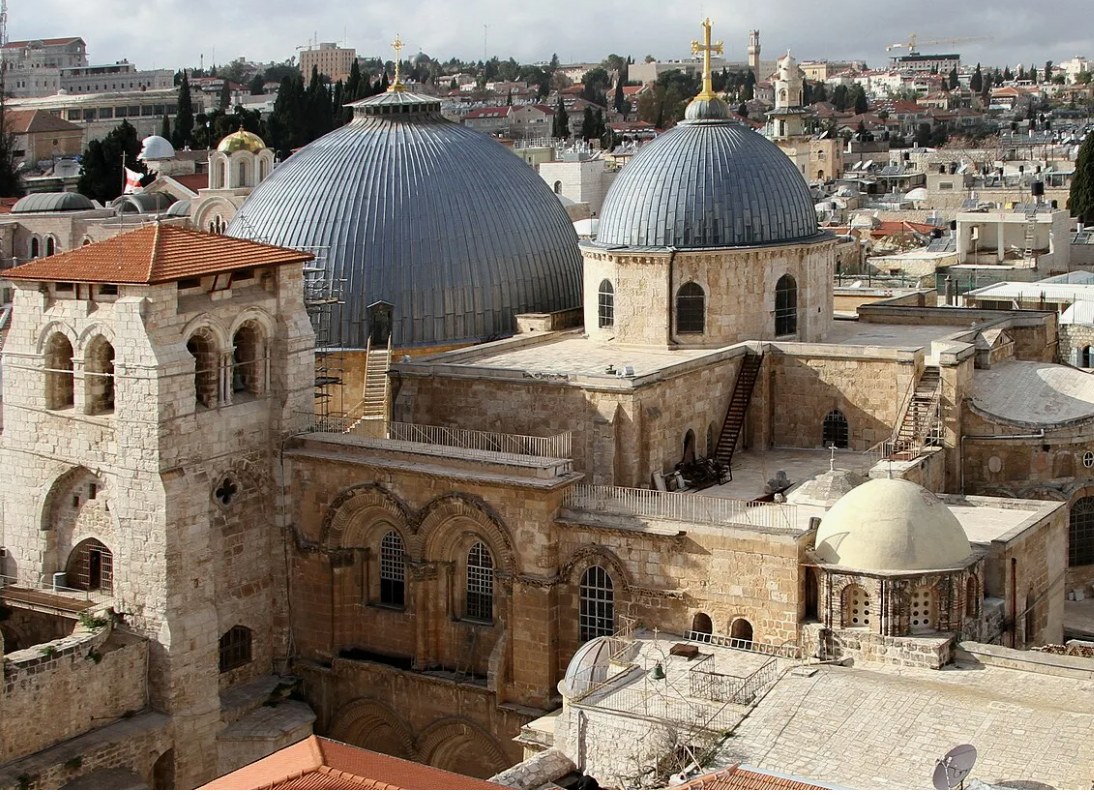
Church of the Holy Sepulchre
On Friday, I got carried away walking around Jerusalem, saw the Church of the Holy Sepulchre and completely lost track of time, because there were always new streets, interesting places and reasons to stay for a few more minutes. I decided that I would have time to return to the hotel, rest for a while and then continue my adventures, but towards evening I discovered that the usual routes were no longer working as I expected. In Israel, most regular bus and train routes stop operating before the start of Shabbat and resume after it ends on Saturday evening, although the specific schedule depends on the city, route, and time of year.
I opened the routes app and updated the search several times, as if more buses were suddenly going to appear on the screen. The application remained completely calm, and I gradually realized that my carefully planned plan was not so carefully drawn up, because it lacked one small but extremely important point – checking the schedule on the eve of the Sabbath. It was probably at this moment that, for the first time during my trip, I felt not like an experienced independent traveler, but like a person who came to another country and decided that the transport system must work according to the rules he was used to at home.
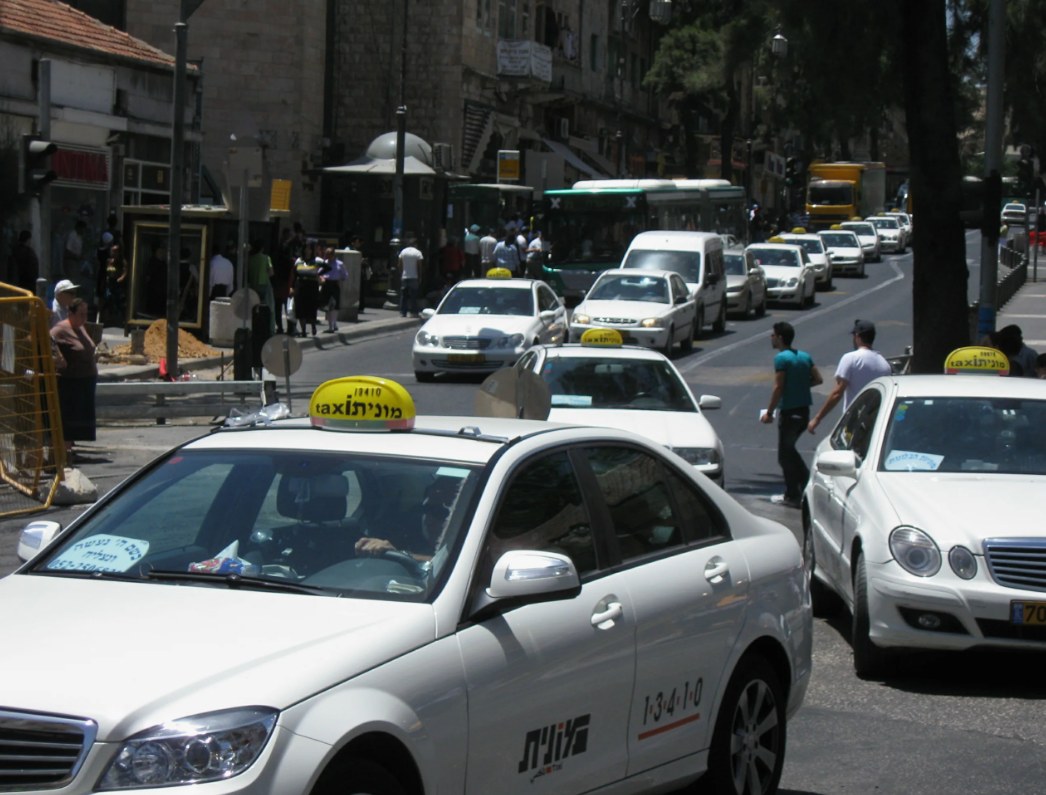
At first, I was a little confused, then I started looking for alternatives, and finally I remembered that when traveling there is an amazing tool called "ask people". I asked the hotel employee what transportation options were available at that time, and began to consider taking a taxi or walking part of the way. Depending on the city and route, separate private carriers, fixed-route taxis, or special weekend routes may operate on Shabbat, but you should not rely on them without first checking, especially if you need to get to another city.
The funny thing is that after the first minutes of anxiety, I gradually calmed down and decided not to turn the transport problem into an international tragedy. After all, I came to Israel not to set a record for the number of transfers, but to see the country, feel its atmosphere and learn something new, including about the daily life of local residents. As a result, I had to adjust my plans, spend more time on the road and admit that sometimes it's better to study the local rules in advance than to stand with a phone in the middle of the street and hope for a transport miracle.
This incident taught me an important thing: traveling to another country requires not only an interest in the sights, but also respect for local traditions and the rhythm of life. Shabbat is not just a day when it becomes more difficult for tourists to get from one point to another, but an important part of religious and social life that affects the work of many institutions and transport systems. If you are planning a trip to Israel, especially with travel between cities, it is better to check the schedule for Friday and Saturday in advance, leave a reserve of time and do not build a route as if buses are required to wait for you.
The evening that made me slow down
After all the adventures, I decided to devote the evening to a quiet walk, not trying to accommodate a few more attractions in the remaining time. I just wanted to walk through the streets, look at the city in the evening light and reflect a little on what I've seen in recent days. Jerusalem was surprisingly conducive to such reflections: it is impossible to completely forget about history here, but at the same time life goes on in the most ordinary ways – people meet with friends, buy food, return home and discuss their plans for tomorrow.
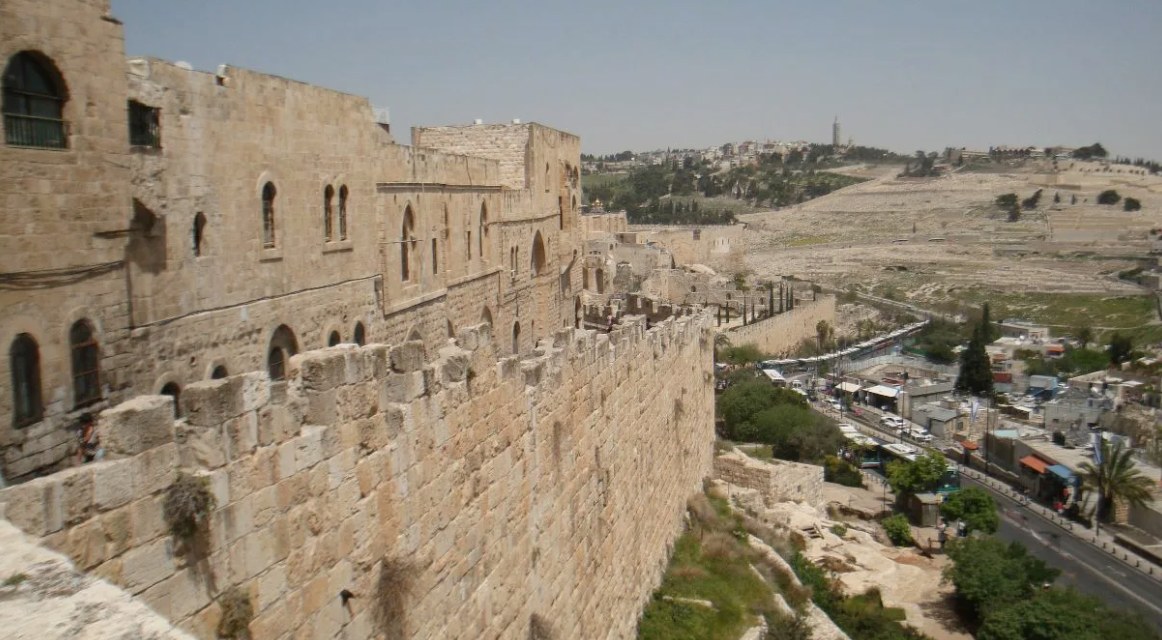
I stopped in a quiet place, where I could see the old stone buildings, and looked at them for a long time, trying to imagine how many generations of people had passed through these streets long before my arrival. It seemed amazing to me that I could come here from another country, spend a few days among unfamiliar streets and still find moments that would be understandable to almost everyone, regardless of their origin. The desire to be close to loved ones, the hope for the best, the need for peace and the desire to find our place in the world do not depend on what language we speak and which route we take home.
That evening, for the first time in a long time, I stopped constantly checking the time and messages, and instead just watched the world around me. I thought about the Wailing Wall, about the people I saw at the ancient stones, and about my own experiences, which suddenly turned out to be much more important than the list of planned attractions. I wanted to remember this state, because in everyday life we rarely allow ourselves to calmly stop and think about what really matters.
Why Israel has remained in my memory forever
When I returned home, the photos gradually went into folders, the souvenirs took their places, and my usual life was once again filled with things that somehow know how to appear faster than free time. But Israel kept coming back into my thoughts, sometimes quite unexpectedly: it was worth seeing a photo of the ancient walls, hearing a conversation about travel, or remembering my own attempts to figure out the transport schedule before Shabbat. I realized that this trip was memorable to me not only because of the historical sites, but also because it forced me to get out of the usual rhythm and look at many things a little differently.
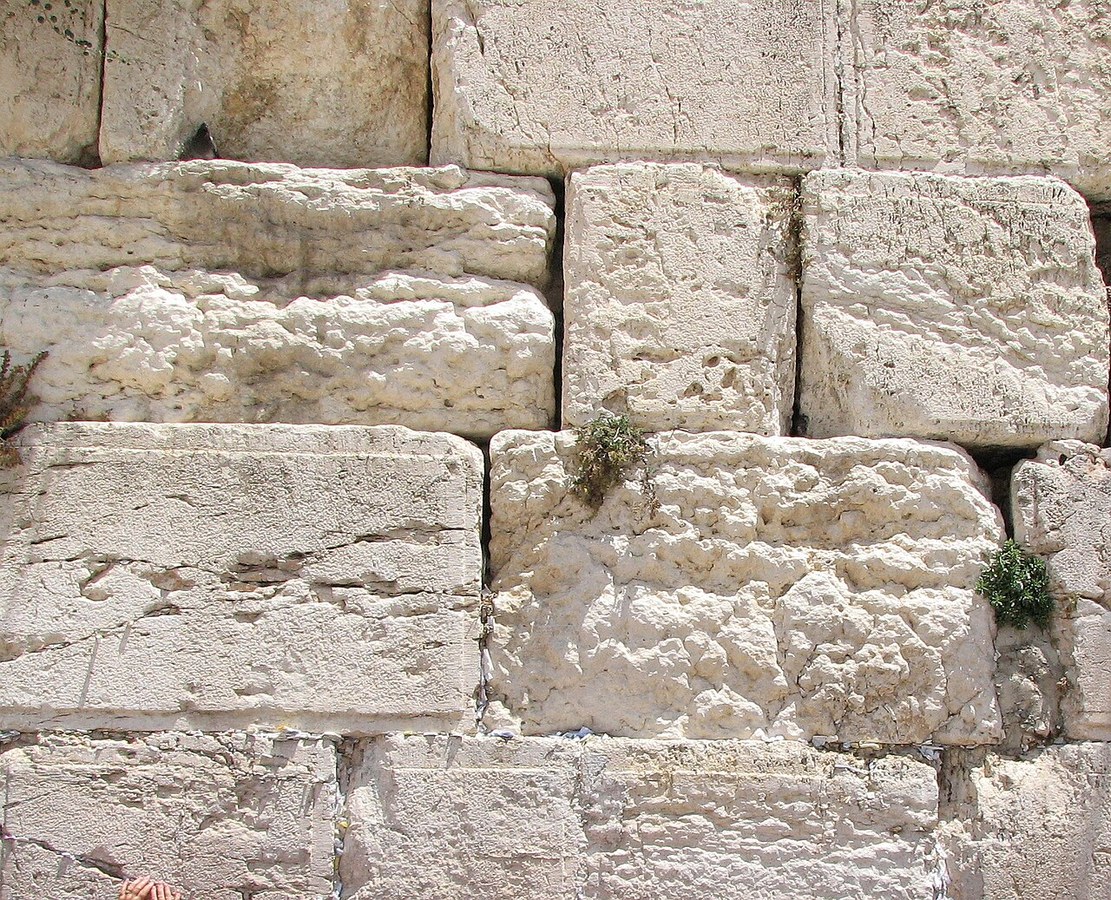
The Wailing Wall
Most of all, I remember the Wailing Wall, where I felt a special atmosphere of respect, silence and personal reflection. It was a place where I stopped thinking about how much more I would have time to see in a day, and for the first time in a long time I allowed myself to just be alone with my thoughts. But no less important was the completely mundane lesson with public transport, because it is precisely such situations that remind us that even the most experienced traveler cannot foresee everything, and the ability to calmly change plans is sometimes more important than the ideal route.
I don't want to claim that my life was turned upside down after this trip, or that I suddenly found answers to all the questions I've ever asked myself. Rather, Israel gave me a few moments that I think back to when I want to stop, look at my own life from the outside and remember how big and diverse the world is outside of the usual streets. And, perhaps, it is precisely such trips that are most valuable: they do not promise instant revelations, but leave small discoveries inside that gradually make sense.
A journey that I want to repeat
I do not know when I will be in Israel again, but now I know for sure that I will prepare for the next trip a little differently. I will check the bus and train schedules in advance, especially before the Sabbath, leave free time on the route and will not expect any transport to operate as usual, regardless of the day of the week. And, of course, I want to return to Jerusalem again, walk through the old streets, take a closer look at familiar places and once again feel that special atmosphere that impressed me so much.
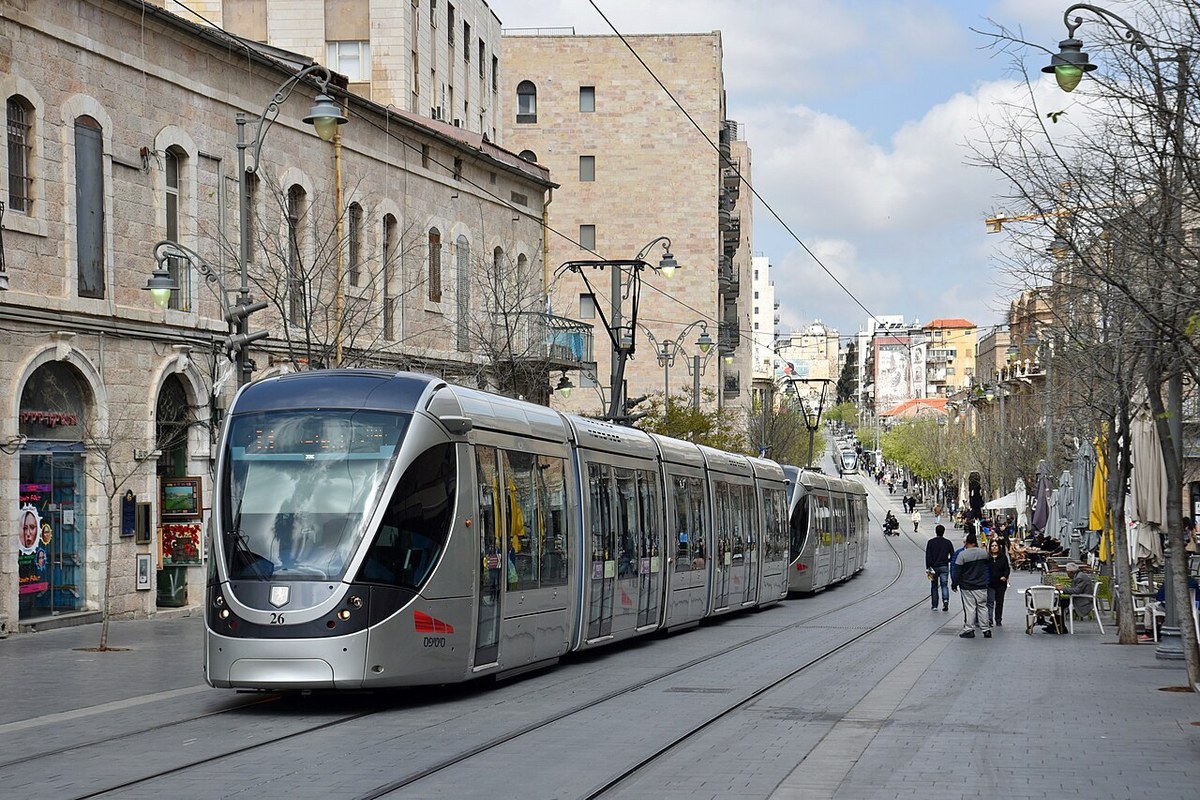
Light-rail tram
If someone asks me why Israel has remained in my memory forever, I probably won't be able to answer in one sentence. These are the ancient stones of Jerusalem, and the Western Wall, and rail trams, and noisy markets, and small cafes, and my own mistakes, which I now smile at, remembering the trip. This is a country where I simultaneously felt like a small part of a huge story and an ordinary traveler trying to get to the hotel on time before her plans changed again.
And now I know that the best trips don't necessarily go perfectly, without delays, unexpected turns, and everyday setbacks. Sometimes it's the moments that make us nervous at first that turn into our favorite stories after a while, and the places where we once stopped to think about life will forever remain a part of our memory. For me, Jerusalem became such a place – a city where I saw not only ancient history, but also a reminder of how important it is sometimes to slow down, listen to yourself and allow the journey to leave something more in your heart than beautiful photos.


Comments