Mosi-oa-Tunya National Park is a protected area in southern Zambia, near the town of Livingstone and the border with Zimbabwe. It stretches along the Zambezi River and is best known for containing the Zambian section of Victoria Falls. The landscape combines powerful river currents, basalt gorges, river islands, woodland and savanna inhabited by large African animals.
The name Mosi-oa-Tunya comes from the language of the Kololo people and means “The Smoke That Thunders.” It describes the clouds of spray rising above the waterfall and resembling smoke from a distance. The park covers about 66 square kilometres, making it one of Zambia’s smaller national parks, but its natural and tourism importance is much greater than its size suggests.
History and importance of the park
The national park was established in 1972 to protect wildlife, the Zambezi River, its islands, natural landscapes and Victoria Falls. It lies directly beside Livingstone, making it an example of a protected area located close to a town and tourism infrastructure.
Victoria Falls is important to both Zambia and neighbouring Zimbabwe. In 1989, the transboundary Mosi-oa-Tunya / Victoria Falls property was inscribed on the UNESCO World Heritage List. It includes protected areas on both sides of the river and is recognised for the waterfall’s exceptional beauty, geological processes and natural ecosystems.
Victoria Falls
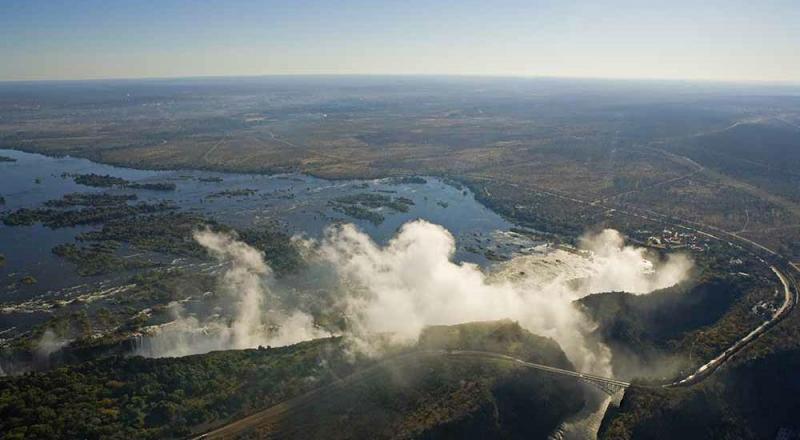
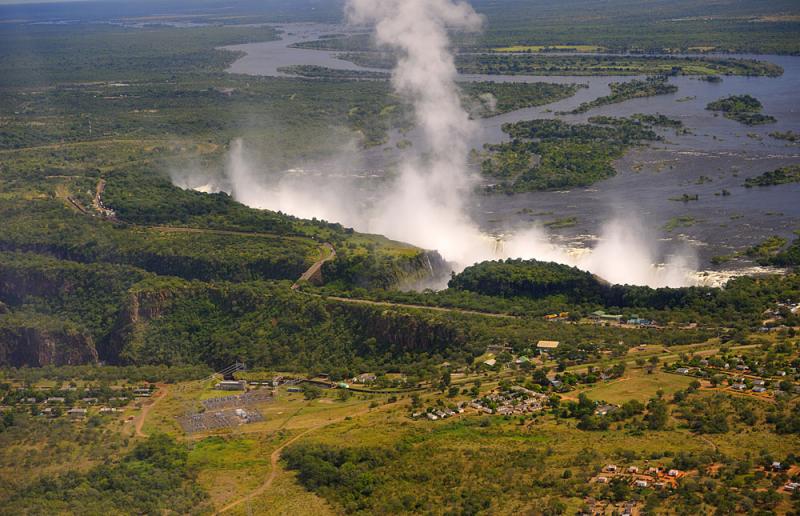
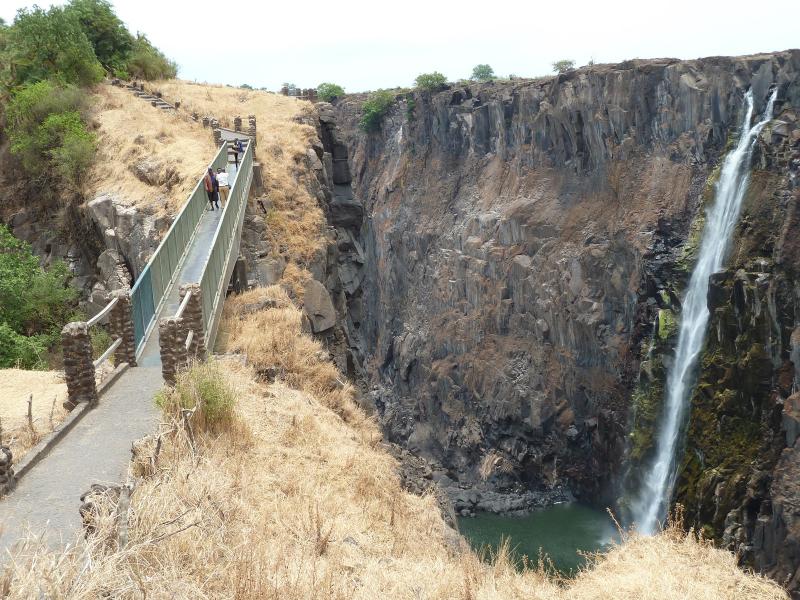
The park’s main attraction is Victoria Falls, where the Zambezi River plunges over a broad basalt ledge into a deep series of gorges. The falling water creates a thunderous roar, clouds of spray and rainbows. The waterfall is approximately 1.7 kilometres wide, with a maximum drop of about 108 metres.
The appearance of the falls changes greatly with the seasons. During periods of high water, the flow is especially powerful and spray rises above the gorge, soaking the surrounding forest. In the dry season, sections of the rock ledge become more visible and the flow decreases in places. The experience can therefore be very different depending on the time of year.
On the Zambian side, viewing paths provide different perspectives of the river, cliff edge and falling water. When the flow is strong, spray can soak clothing, while paths and rocks become slippery. Stay on marked routes and keep away from the edge of the gorge.
Gorges and geological heritage
The waterfall and surrounding gorges developed through the long-term action of the river on basalt rock. Water gradually deepened cracks and changed the course of the river, creating a series of deep, winding gorges below the present falls. Erosion continues today, slowly reshaping the rock faces and the Zambezi channel.
Basalt walls, river islands and steep slopes create one of southern Africa’s most striking landscapes. From above, the broad river can be seen suddenly dropping into a narrow rocky chasm. The area’s geological history is one of the reasons Victoria Falls is part of a UNESCO World Heritage property.
Wildlife
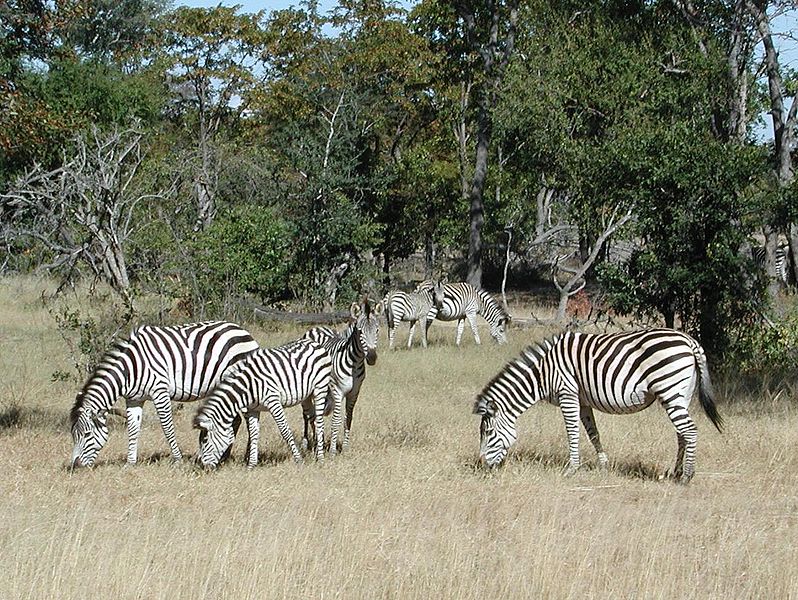
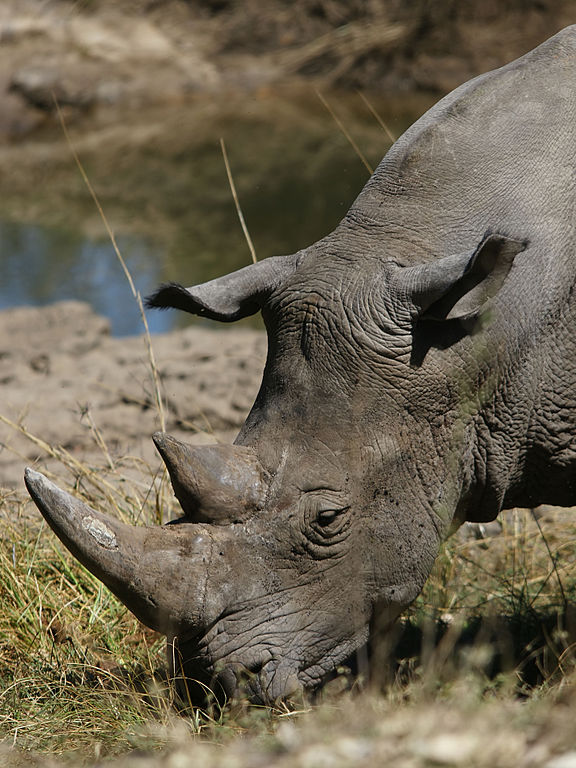
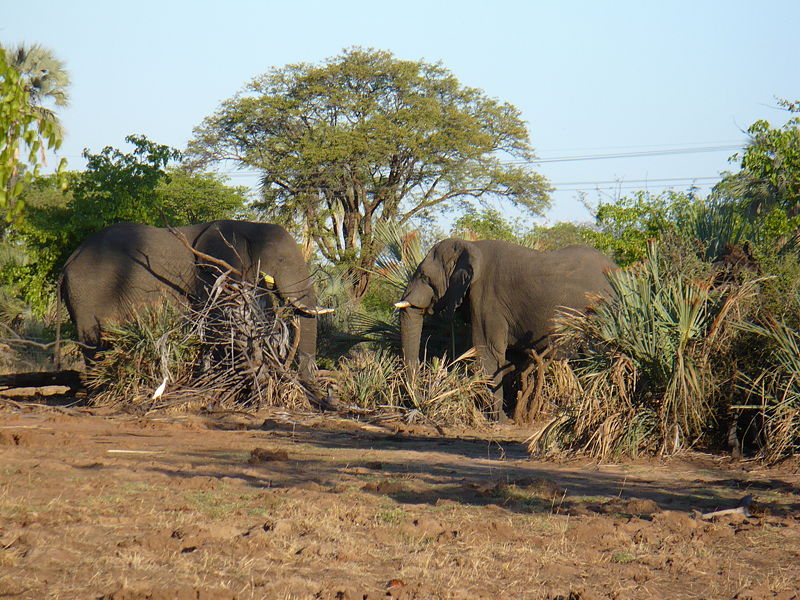
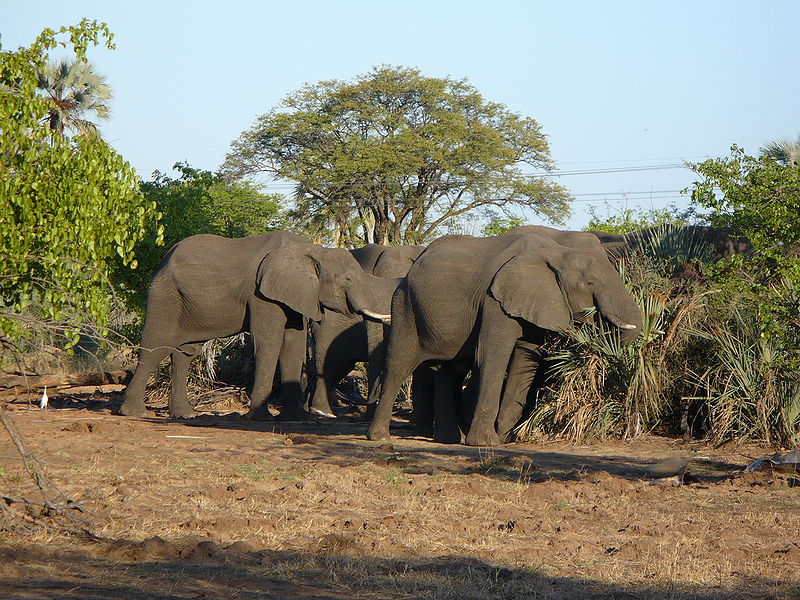
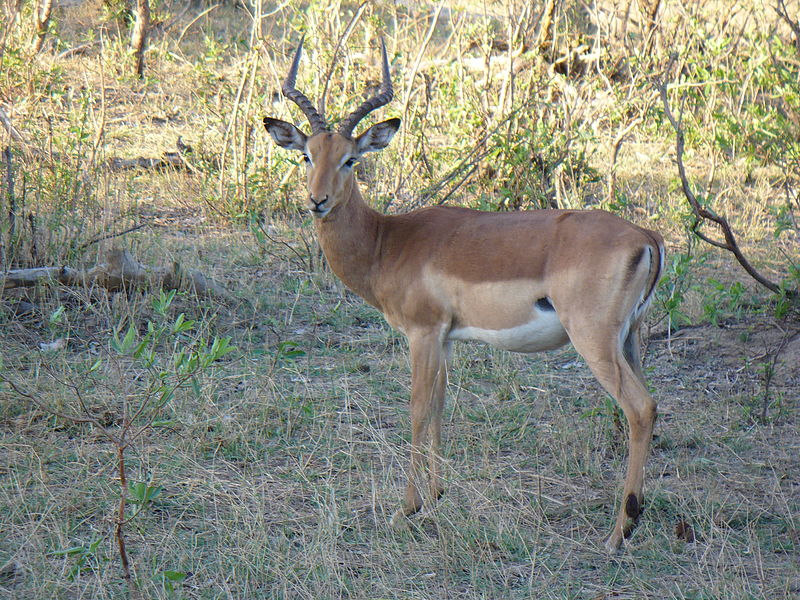
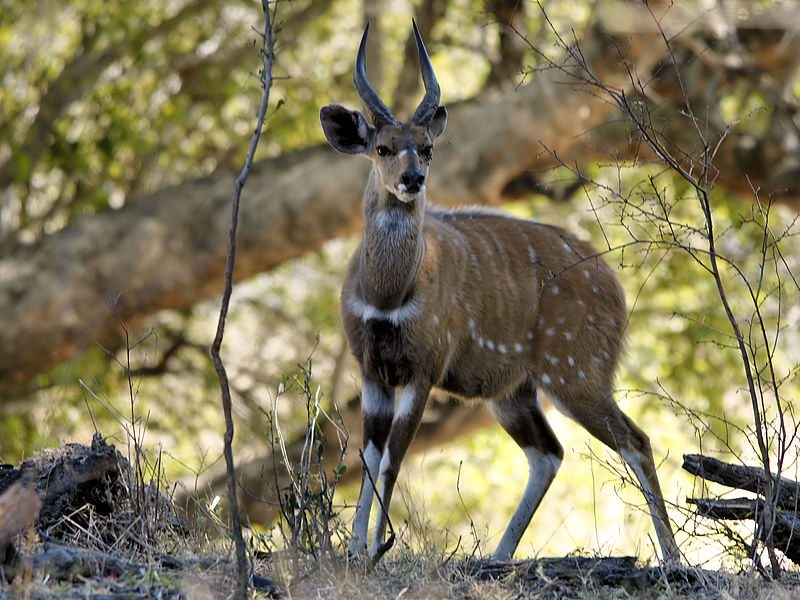
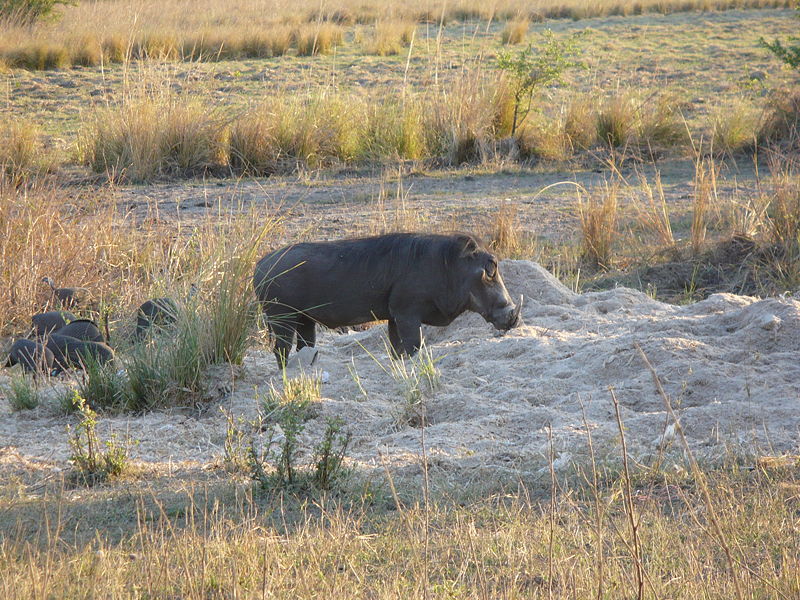
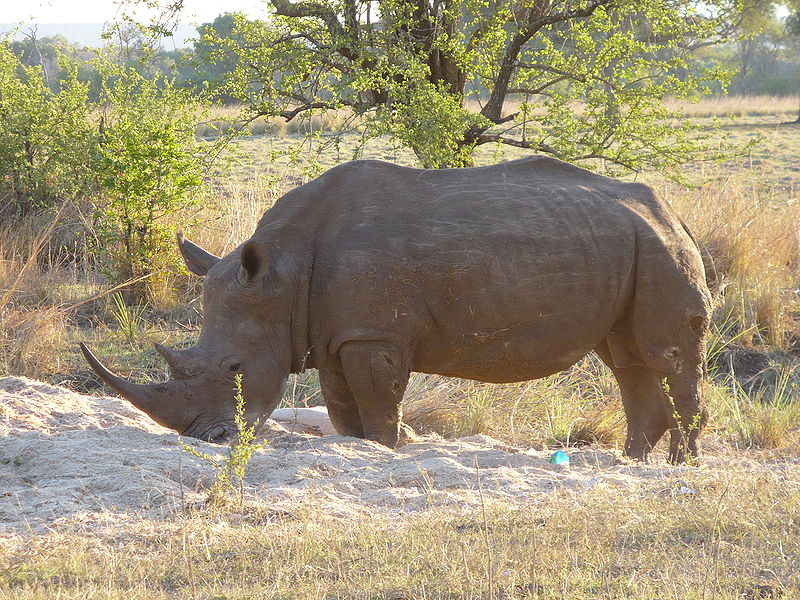
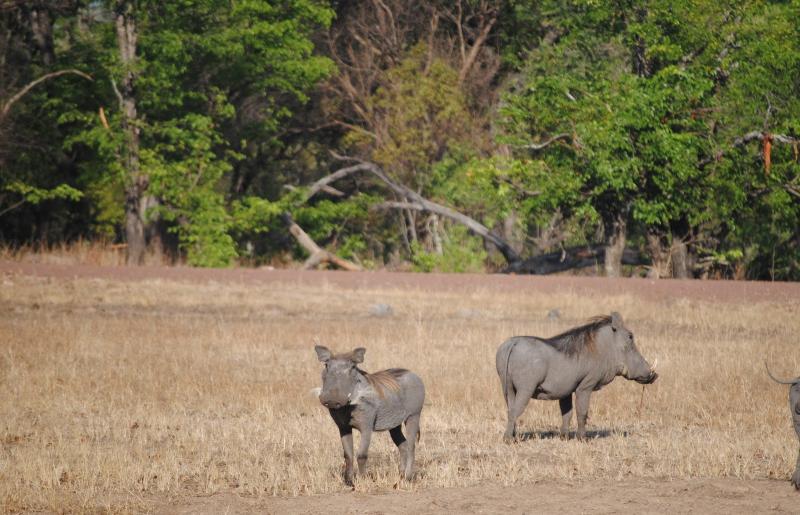
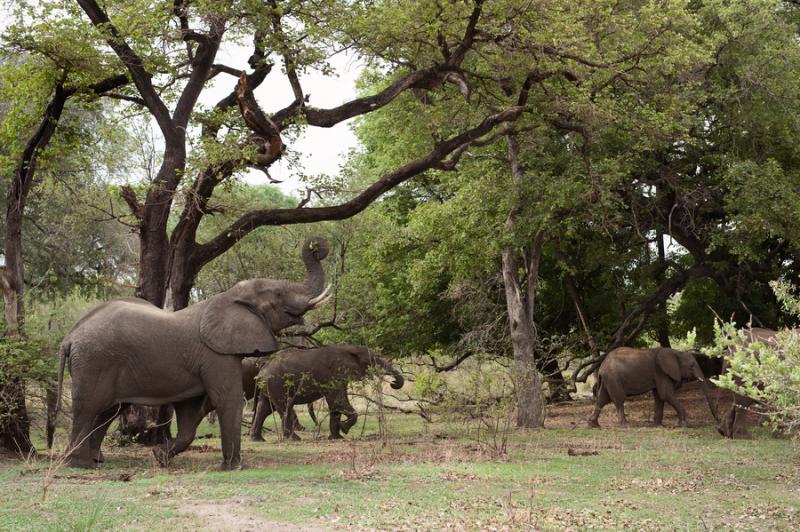
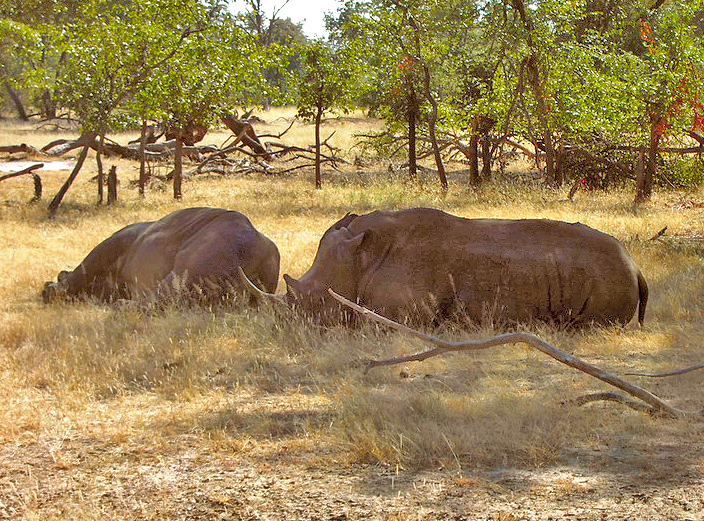
Mosi-oa-Tunya is known for opportunities to see wild animals close to Livingstone. Wildlife includes white rhinoceroses, elephants, buffalo, zebras, giraffes, impalas, baboons and other African species. Sightings depend on the season, the location and conditions on the day.
White rhino conservation is particularly important. The park is one of the few places in Zambia where these animals can be seen in a protected natural environment. Rhinos are monitored because poaching and small population numbers make conservation challenging. Visitors should keep their distance from large animals and follow ranger instructions.
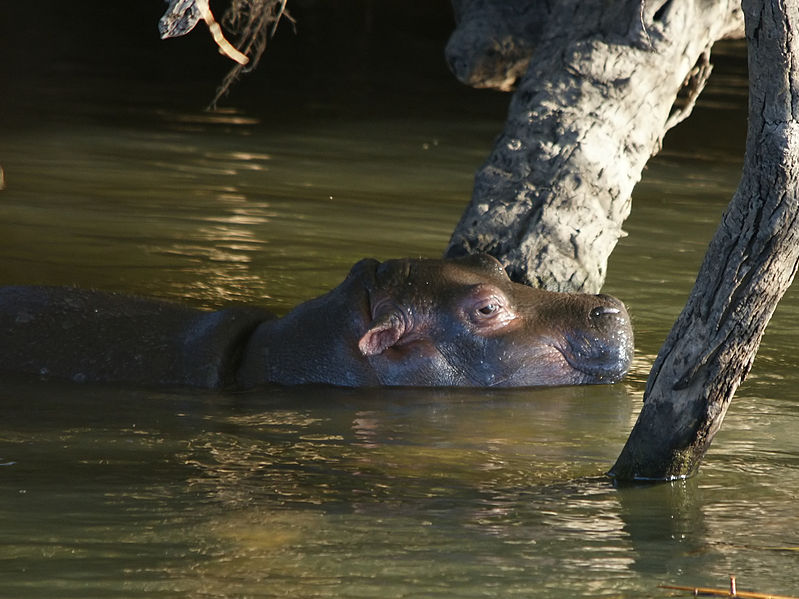
Safaris may also reveal elephants, zebras, giraffes and antelopes feeding in open areas. Animals sometimes gather near water, while monkeys and many bird species can be found in wooded habitats. However, this is not a zoo: animals roam freely, and sightings of a particular species cannot be guaranteed.
Vegetation and the river ecosystem
The park’s landscape ranges from open savanna to woodland along the Zambezi. The river and its islands provide important habitats, while the moist areas around the falls support distinctive vegetation. A humid forest grows in the spray zone, where its survival depends on constant moisture.
The Zambezi River is central to the local ecosystem. It provides water for wildlife, supports plant communities and connects natural habitats. Protecting water quality, riverbanks and the river’s natural flow is important for the entire waterfall landscape.
Safaris and activities
One of the main experiences in the park is a wildlife safari. Depending on the available programmes, visitors may join a vehicle-based excursion or a guided walk. An experienced guide helps visitors observe animals safely and understand their behaviour.
A visit to the park is often combined with a trip to Victoria Falls and other excursions from Livingstone. The region offers Zambezi outings, river cruises and adventure activities. Not all of these take place inside the national park, so check the location of each activity when planning an itinerary.
Binoculars, a camera with a zoom lens and comfortable footwear are useful for wildlife viewing. Stay on permitted routes, do not feed animals and never approach them for a photograph. Encounters with rhinos and elephants require particular caution, even when the animals appear calm.
Best time to visit
The best time depends on whether you prefer a powerful waterfall or clearer views of the rock ledges and wildlife. During high water, the falls are especially dramatic, with towering clouds of spray. However, the spray can make it difficult to see the entire waterfall from some viewpoints.
As the Zambezi level falls, visibility often improves. During the dry season, some sections of the waterfall may shrink considerably, but the basalt ledge and depth of the gorge become easier to appreciate. Conditions vary from year to year with rainfall and river levels, so check current conditions before travelling.
For safaris, the time of day also matters. Early morning and cooler hours can be more comfortable for wildlife viewing. On sunny days, bring drinking water, a hat and sun protection.
How to get there
The park is near Livingstone, one of the main tourism centres of southern Zambia. The town can be reached by air or road from other parts of the country. From Livingstone, visitors can travel to the falls and park entrances by car, taxi or organised tour.
Before setting out, check which section of the park is included in your visit. Routes to the waterfall and wildlife-viewing areas may have different entrances and visitor arrangements. Confirm opening hours, entrance fees, safari rules and whether specific excursions need to be booked in advance.
Safety rules
Mosi-oa-Tunya is a natural area with large wild animals, steep cliffs and strong river currents. Do not cross barriers, approach wildlife, swim in unauthorised places or explore dangerous riverbanks alone. During a safari, remain in the vehicle unless your guide explicitly permits you to leave it.
During periods of heavy spray, paths near the falls can be wet and slippery. Protect cameras and phones from water and wear shoes with good grip. Following the rules helps protect visitors and prevents unnecessary disturbance to wildlife.
Conservation and the park’s importance
The park protects more than the waterfall. Its conservation role includes the Zambezi River, islands, wildlife habitats, catchment areas and sites of natural and cultural heritage. Because the park borders a town, tourism facilities and nearby development need to take the vulnerability of the ecosystem into account.
Mosi-oa-Tunya brings together two important parts of Zambia’s natural heritage: a world-famous waterfall and opportunities to experience African wildlife. This combination of waterfalls, gorges and animals makes the park one of the most rewarding destinations in southern Africa.
Gallery