Rochester Castle
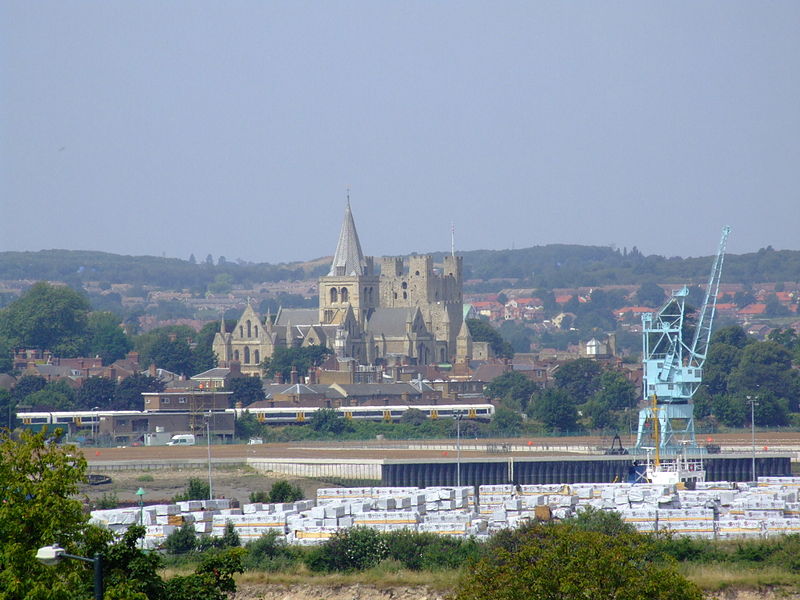
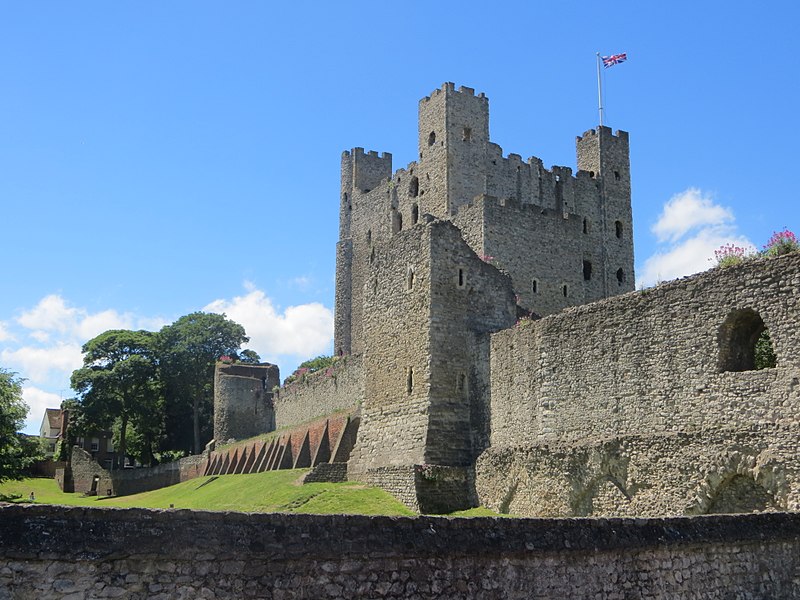
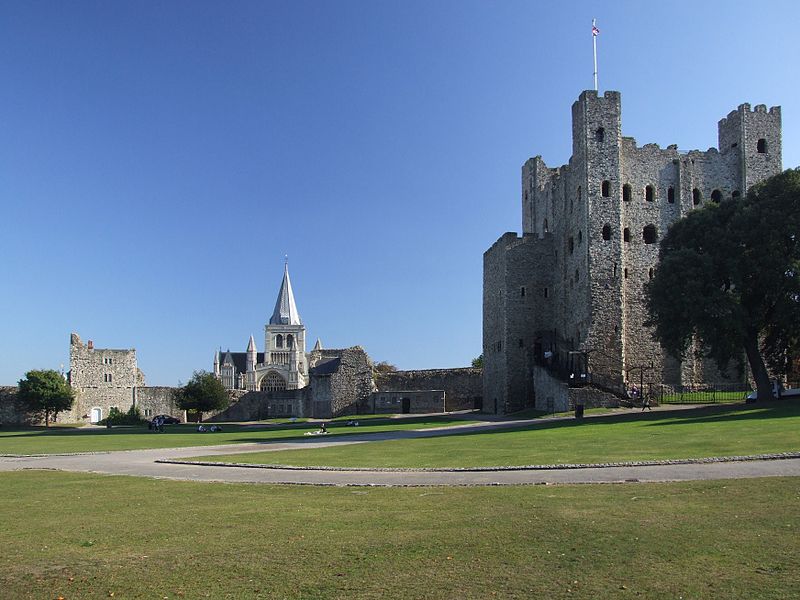
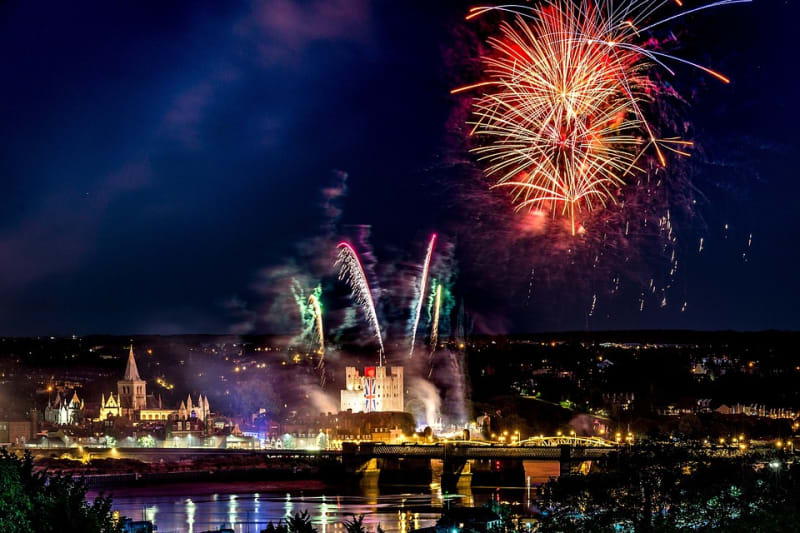
Located near the ancient Roman settlement, Rochester Castle towers over the city of the same name. The equally impressive Rochester Cathedral stands at the base of the castle, it is another architectural gem of this small but historically rich southeastern city.
Strategic importance
Rochester Castle itself was built on the site where the Romans originally settled in the city. This place was of tactical importance, as it was located at the junction of the River Medway and the famous Roman Watling Street, and it is not difficult to understand why the Normans decided to use it as a place for a fortress. Before the arrival of the Normans, castles in England were almost unheard of. Since that time, the need to hold territories began, which led to the construction of equally impressive fortifications throughout the country.
Castle construction
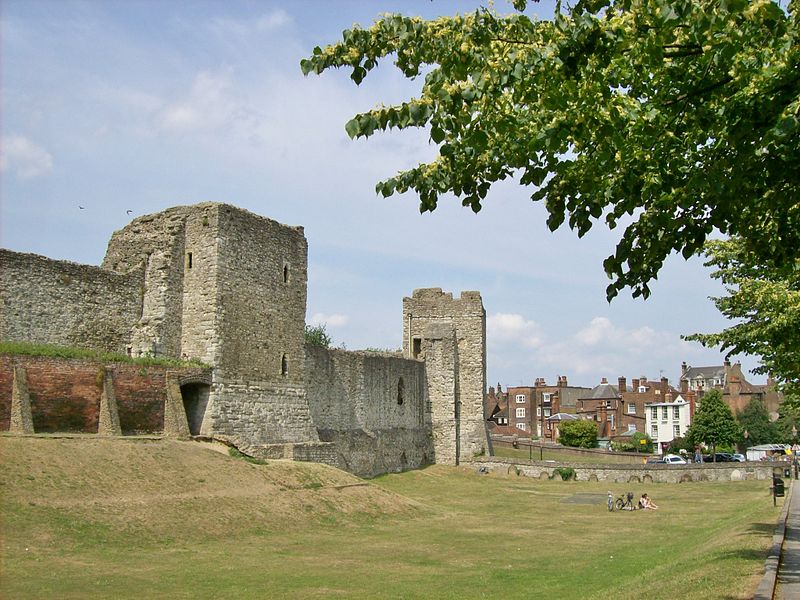
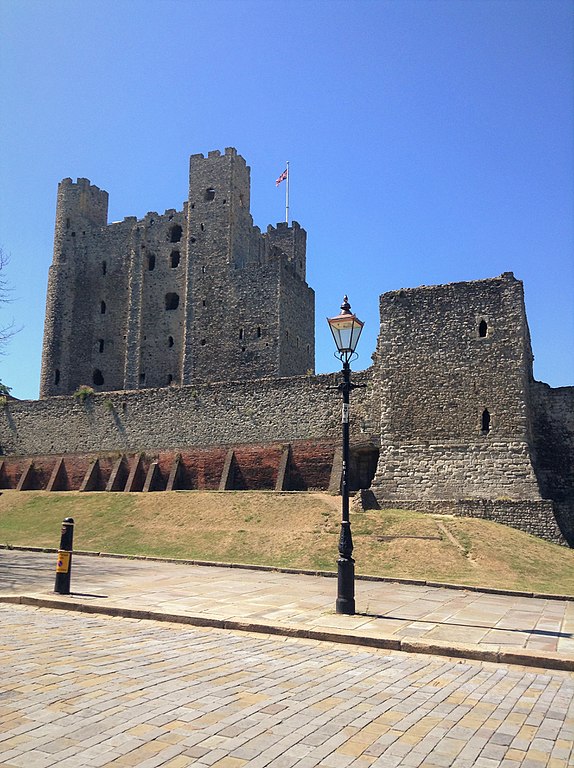
In 1087, Gundulf, Bishop of Rochester began the construction of the castle. One of William the Conqueror's greatest architects, he was also responsible for the Tower of London. Much of what you see remains of the walled perimeter from that time. William de Corbeil, Archbishop of Canterbury, also contributed to this grandiose castle construction project. Henry I granted him custody of the castle in 1127, and this responsibility continued until King John captured the castle in 1215.
The place of battles
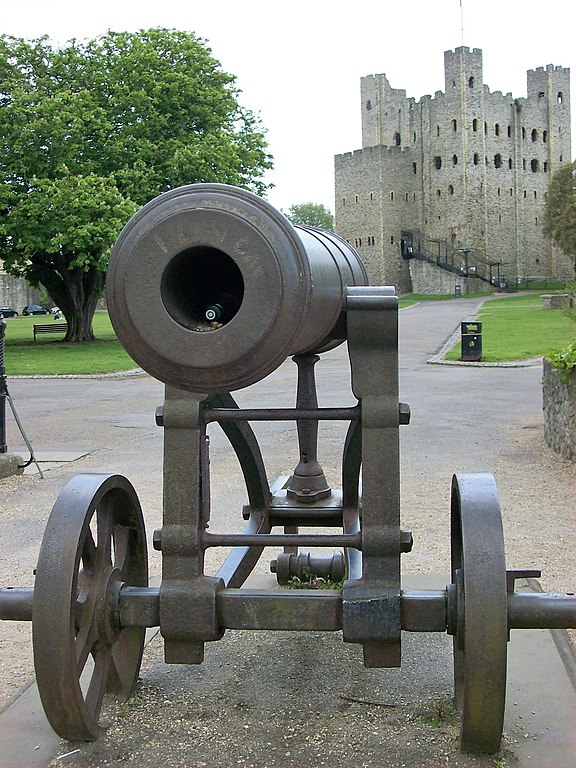
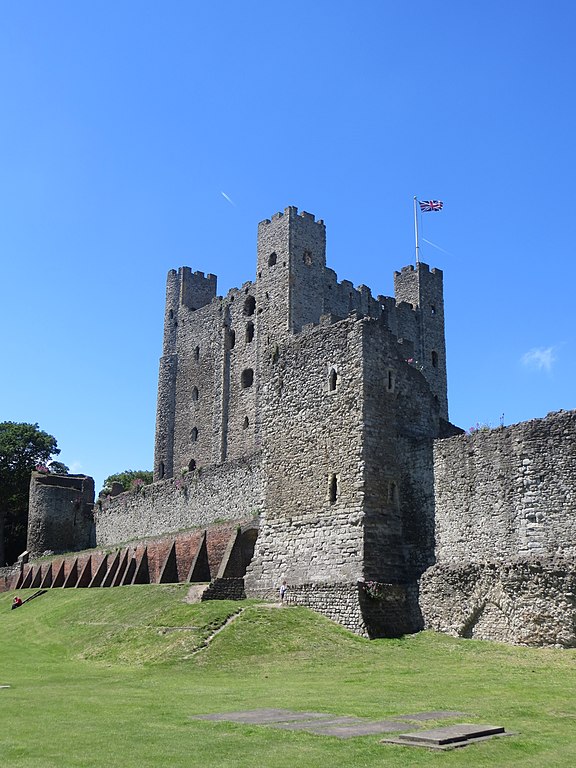
During the Barons' War of 1264, another battle took place at Rochester Castle, this time between Henry III and Simon de Montfort. The castle was shelled by rebel armies. Roger de Leybourne, the leader of the castle's defense, was forced to return to the fortress after twenty-four hours of fighting. Everything ended with the approach of the army under the command of the king. Repairs were required, which began only after 100 years.
Modern Greatness
Rochester Castle occupies an honorable place among Norman buildings and nowadays attracts tourists from everywhere. A special place is occupied by Rochester Cathedral, the second oldest cathedral in the country, a spiritual monument of Christian culture. From the side of the cathedral, the imposing castle building makes a grandiose impression.