Museum of Terror in Budapest
The Budapest Museum of Terror is located in the building of the former Hungarian State Security Administration. It is dedicated to the tragic periods of the country's totalitarian history. According to visitors, it is not recommended to come here with young children and highly impressionable adult citizens.
The history of the Budapest Museum of Terror
There are many iconic places in Budapest where you can go with the whole family or alone, but one attraction of the Hungarian capital stands out, and that is the Budapest Museum of Terror. It causes ambiguous feelings: someone finds pleasure even in the most terrible pages of the history of the Hungarian people, someone comes out with the most unpleasant feelings. An unusual landmark is located in the city center, on the famous Andrassy Avenue.
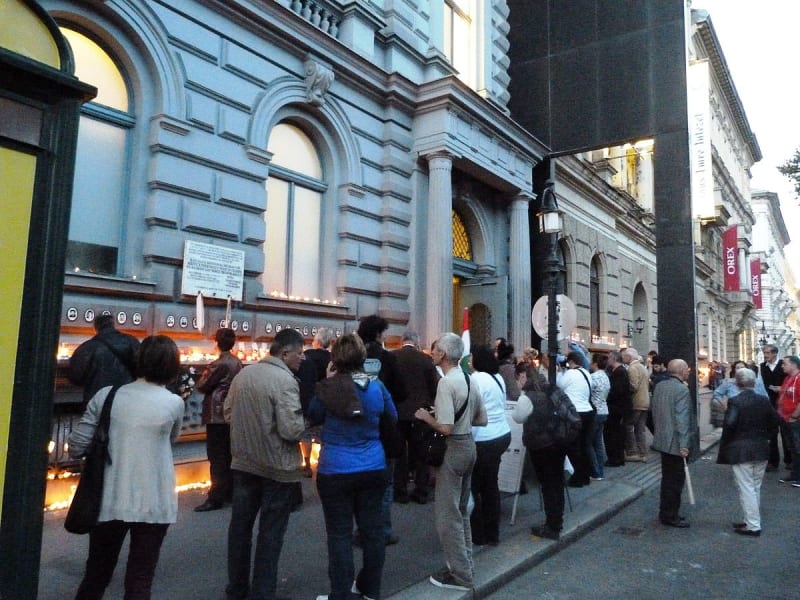
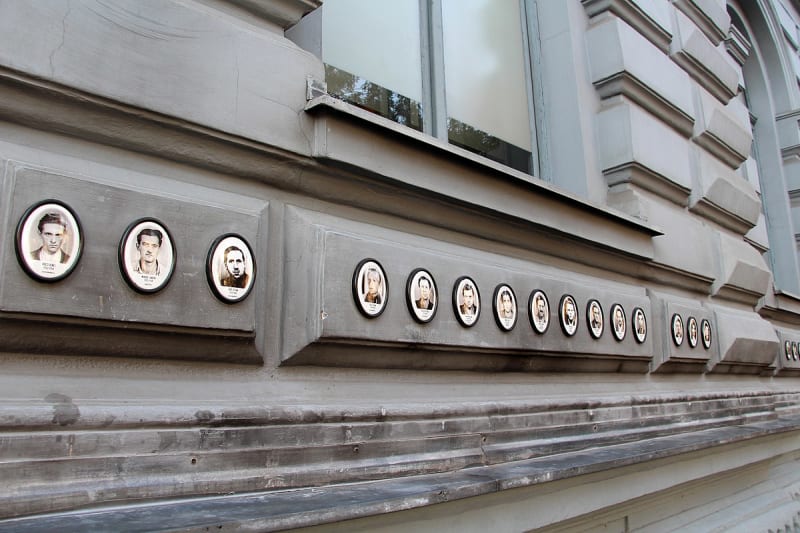
The building was built in 1880. It was originally conceived as an apartment building and at one time it was. The situation changed in the late 30s of the last century, when the far-right party began to seek great power. At first, the Nazis rented several apartments in a pretty mansion, then they were able to buy out the entire building, making it their headquarters. At that time, party leaders came up with the name "House of Loyalty" for it. By the end of 1937, the house became associated with fear: torture was carried out in the basements of the former light building. In 1944, the political police were stationed here. In 1945, the Communists came to power. The building was renamed the Hungarian National Security Administration. But it did not lose its significance: all those dissatisfied with the communist regime, including those falsely accused, continued to be tortured here. In the 50s, the reconstruction destroyed all traces of the crimes committed, the building was sold again, offices and entertainment clubs were located here. In 2002, the building was converted into a museum.
Description of the Budapest Museum of Terror
The building is easily recognizable by the gray walls of the cladding and the black stripes on the sides, the huge letters "Terror" mounted on the roof of the building horizontally to the ground. On a sunny day, this unusual decoration casts ominous shadows on the sidewalk, making both locals and tourists cringe.
The exposition of the Museum of Terror in Budapest occupies 2 floors and a basement, so an hour is enough for a quick review, but it will take more than one day to study all the documents in detail. However, repeated visits to the exhibition are very rare.
Unlike standard museums, the overview of this panopticon starts from the second floor. Visitors are invited to ride an elevator with transparent walls, and in the shaft itself there are photographs of thousands of people tortured for their views that do not coincide with the opinion of the ruling elite. According to rough estimates, 10% of the country's population fell victim to repression. This is followed by documents from the archives, personal belongings of prisoners and investigators. One of the rooms reproduces the official environment of the investigator's office.
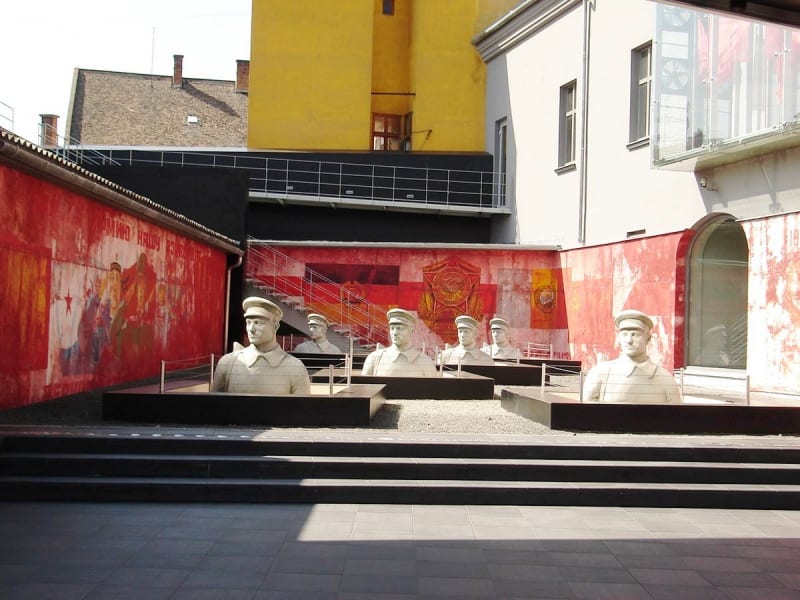
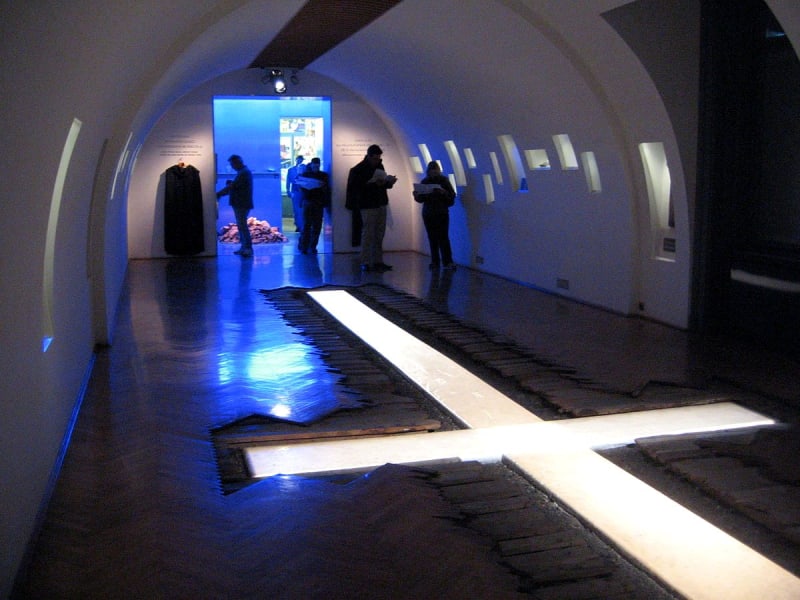
The ground floor of the Budapest Museum of Terror is devoted to the placement of posters of socialist realism and the re-creation of classic red corners. There are cells in the basement where the unfortunate were kept. One of them is so narrow that you could only stand in it, the second is almost completely filled with water, a real gallows is installed in the third, and the fourth, fifth, and sixth walls are covered with mats. They were intended for those who, having failed the tests, lost their minds.