Luxor Temple
Luxor Temple is located in Luxor city. The temple was founded by Pharaoh Amenhotep III (or Memnon is the Greek name). back in 1348-1349 BC, which is dedicated to the god Amon and his family.
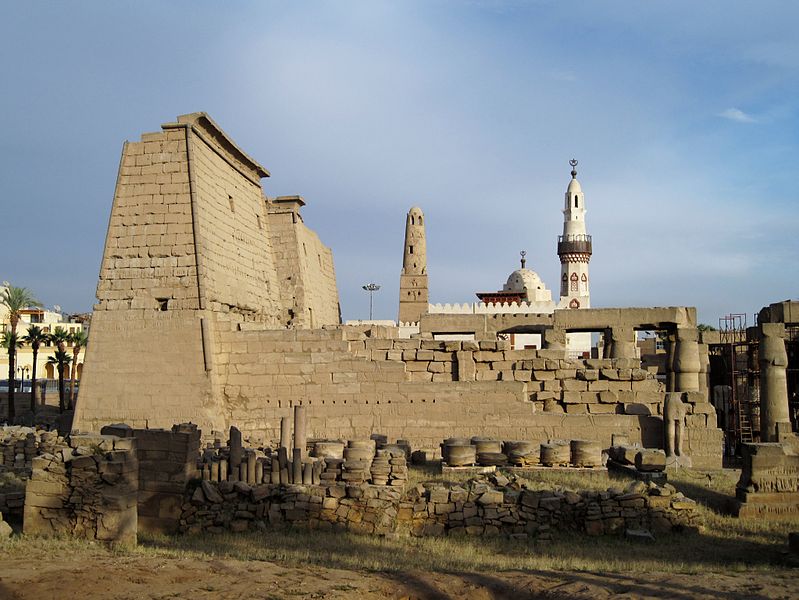
This one is huge The Luxor temple was hidden under the desert sand for a long time, and it was not until 1884 that the discovery appeared. But even in our time, there are all new elements of the temple, as recently a part of the famous alley with sphinxes was found, which leads to another Egyptian landmark - the village of Karnak.
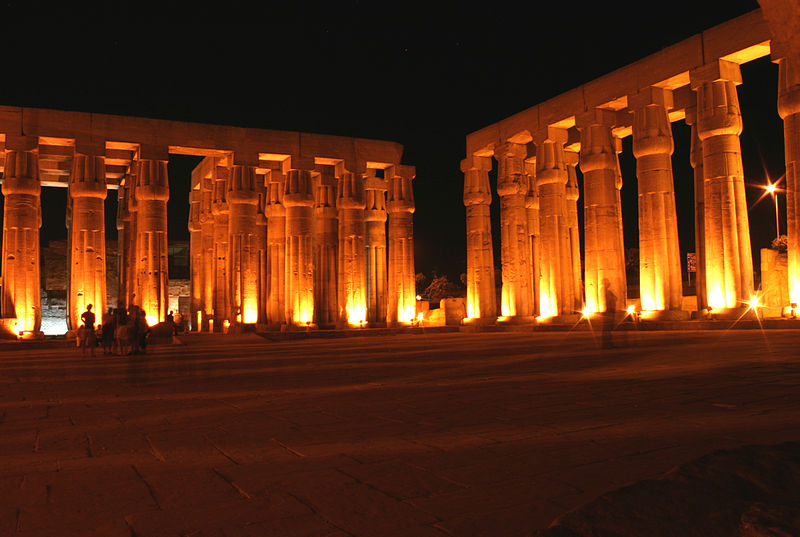
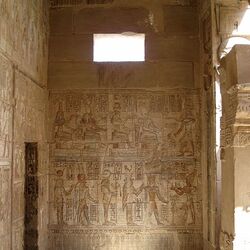
This is a huge dwelling of the Gods, having built which Amenhotep III immortalized himself forever. First, the innermost rooms (hypostyle hall, vestibule and sanctuary) were raised. The hall was accessible to many, but only the pharaoh could be further away, where the sanctuary was located, and during the war, when he was absent, the right also passed to the high priest. The Pharaoh's private chambers are decorated with wall paintings that emphasize the divine origin of the Pharaoh. The Holy of holies of the temple begins with a dark hallway, where Roman stucco is very interestingly represented. Then an inner courtyard was added, which is surrounded by large colonnades that resemble papyrus knots.
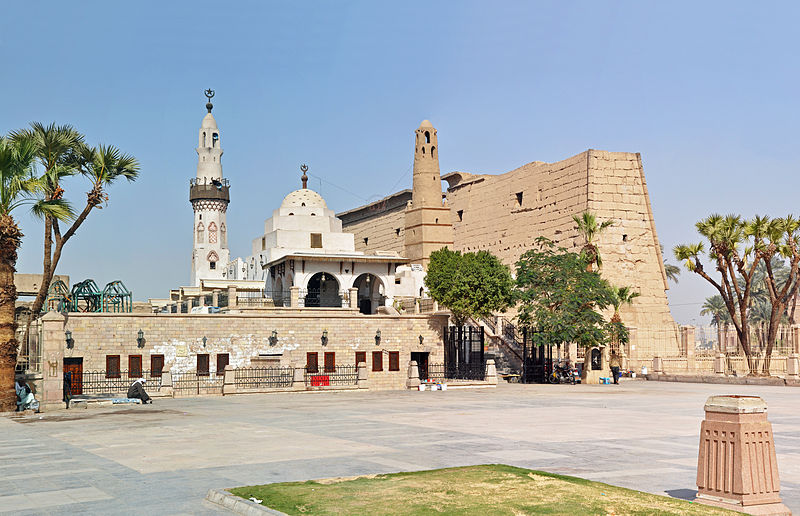
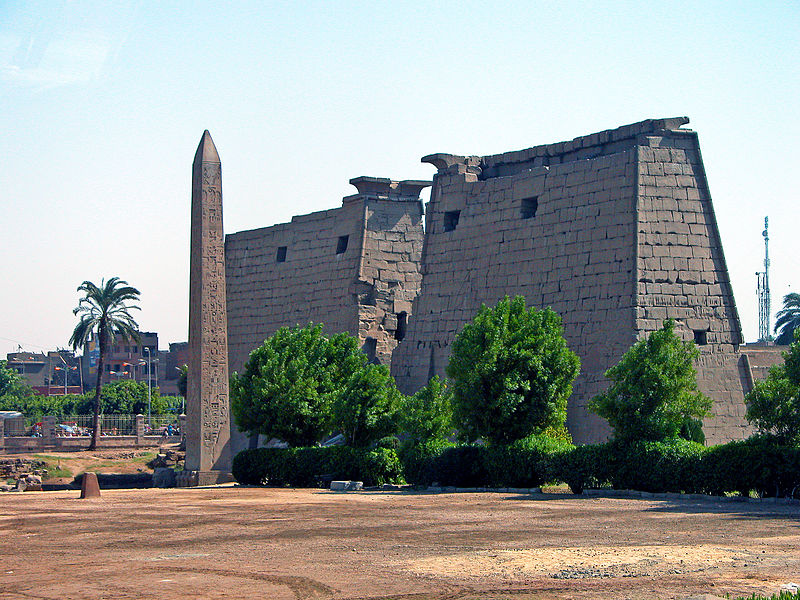
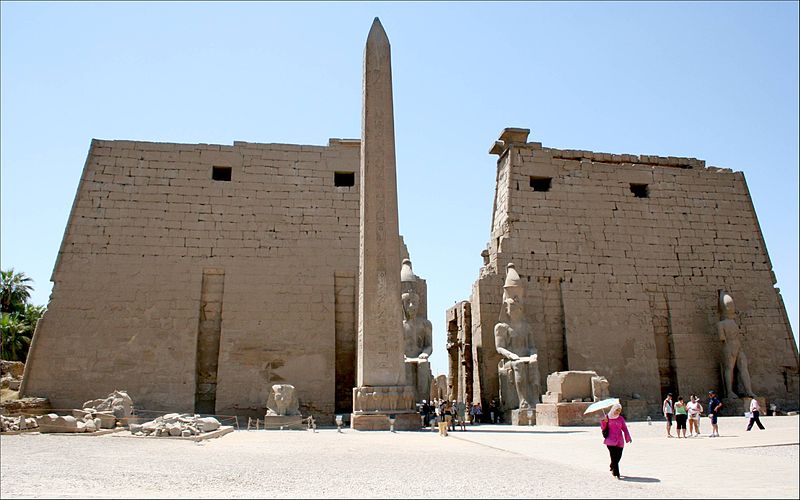
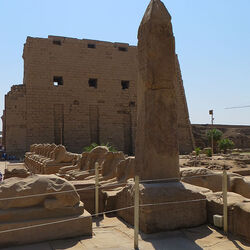
There is also a huge precessional colonnade, which consists of 19-meter columns in the form of blooming papyrus flowers. The entrance to the temple is located on its northern part, which is reached by an alley with sphinxes, built by Pharaoh Nectanebus. There are pylons at its entrance, as is usually seen in similar ancient Egyptian temples.In 1988, 21 statues were unveiled here, among which there are survivors. They can be seen in the Luxor Museum.
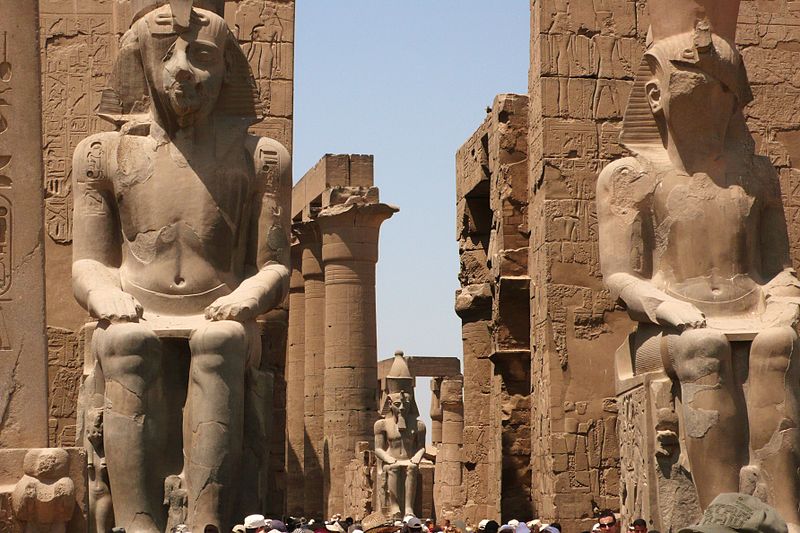
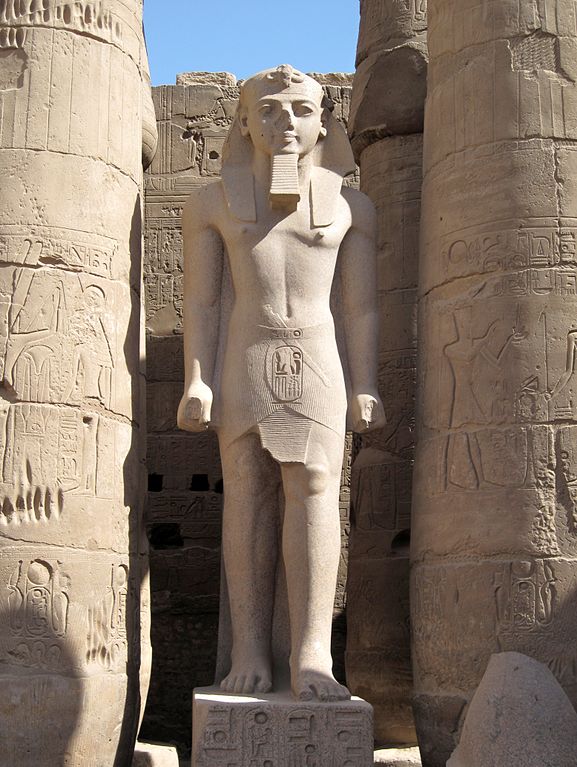
This house of deities has repeatedly changed its appearance, each of the pharaohs tried to add something, rebuild. During the reign of the famous Ramesses II, this temple was significantly expanded and acquired a new look. Following his decrees, entrance obelisks were erected here, and the walls were decorated with murals and reliefs. The whole Pharaoh's family is represented here. So to the left of the gate there are two figures that depict Ramesses II himself, not far to the right there is a pink–tinged sculpture that is well preserved - Nefertari's wife Merenmut. Also, their daughter, Princess Meritamon, was once here, as evidenced by the remains of the statue today.
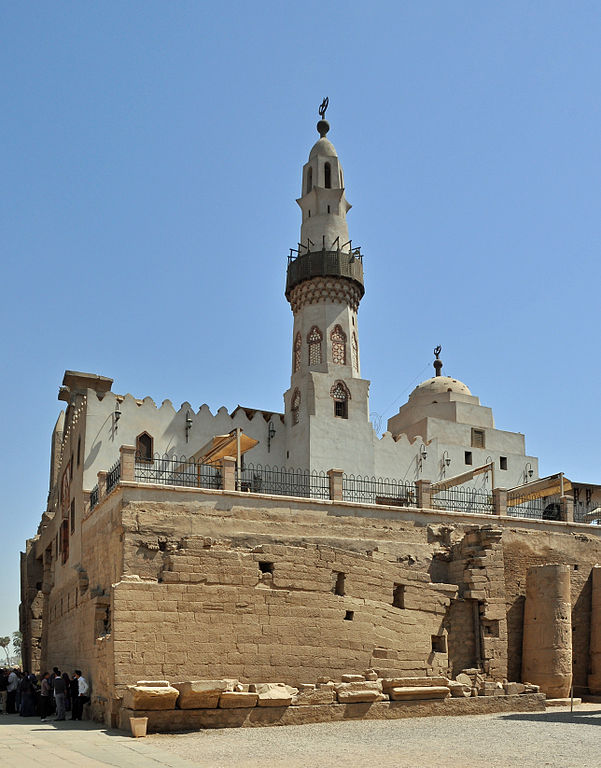
Many elements of this structure were removed by the French and British. For example, one of the two obelisks, which belongs to the Luxor Temple, is now installed on the Place de la Concorde in France. After visiting Egypt, it is simply impossible to avoid this temple. It became a sanctuary for the first Christians, as well as Egyptian Muslims. The Luxor Temple in the daytime and in the evening are two different sights. After spending enough time on this tour, you can hear the music of the centuries that the walls of this temple bring to us. The tourist complex is very developed here and in each hotel you can be provided with a magnificent tour to the temple, which will be accompanied by an accessible story about the life of the ancient Egyptians.