Galapagos Islands
Galapagos is an archipelago located in the Pacific Ocean, 1000 km from the mainland of Ecuador. The archipelago got its name in honor of the elephant turtles that live here in large numbers. Galapagos means land turtles in Spanish.
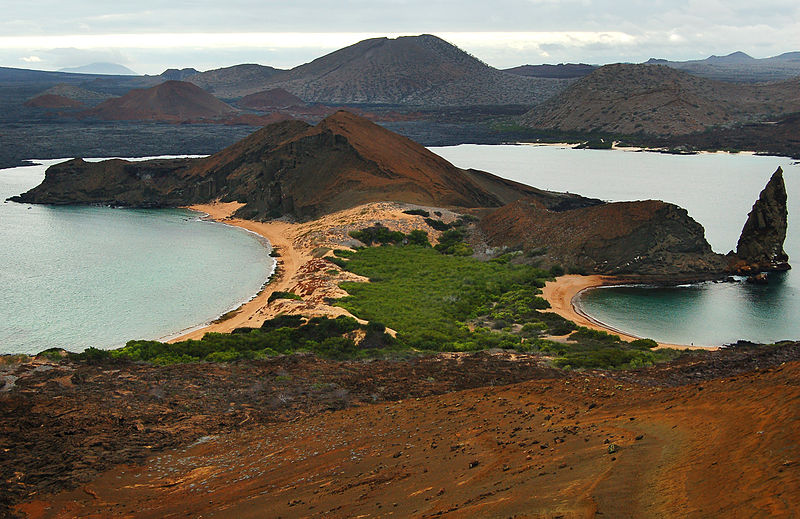
The Galapagos Islands include 16 islands and a huge number of small ones, and the total area of the islands is 8,010 km2. The Galapagos Islands were unwittingly discovered in 1535 by priest Thomas de Berlang when he wanted to sail to Peru from Panama, but lost his way. The diversity of the flora and fauna of the islands is amazing, and it is no coincidence that after exploring the islands, young Charles Darwin received the impetus to write "The Origin of Species by Natural Selection."
Travelers to the islands are attracted by a huge number of rare plants and animals. There are also many diving enthusiasts who are not afraid even of cold currents, which sometimes cause the water temperature to drop to 20 °C, although the islands are located almost at the equator. The abundance of sunlight leads to sunburn after just a couple of hours, so be sure to use creams and hats. There are almost always big waves on the islands, so you can often see surfers here. Although the Galapagos Islands are not very popular in this regard, many people like that no one prevents them from riding the waves.
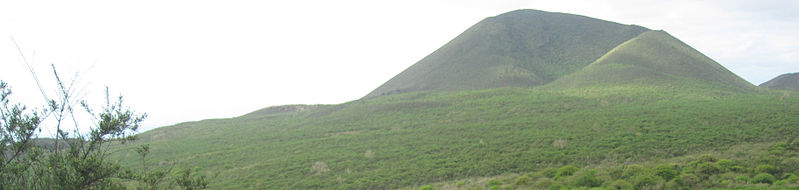
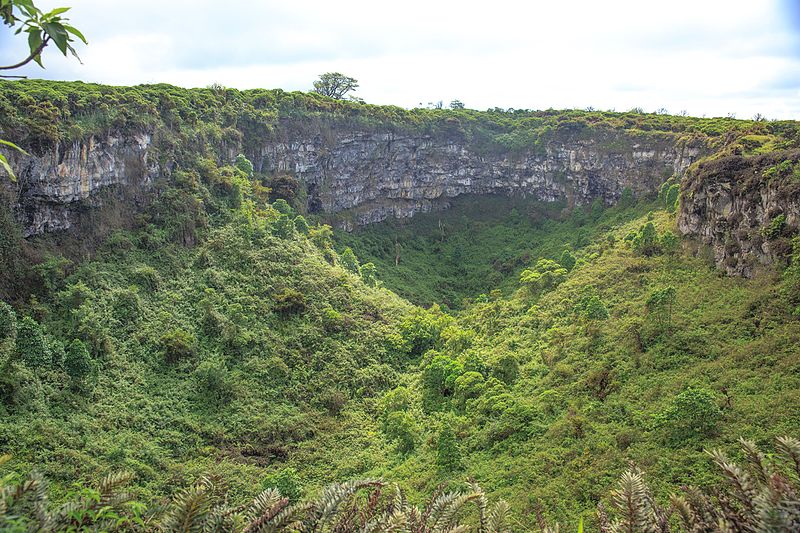
The first islands were formed 10 million years ago during volcanic eruptions, which still occur here. In 1959, the Ecuadorian leadership in the Galapagos created a national park covering the entire area of the islands. In 1978, the islands were included in the UNESCO World Heritage List, and in 1985 they were made a reserve of the world biosphere, protecting the islands and coastal waters of the archipelago. The total protected area is 70,000 km2 and is second only in size to the Great Barrier Reef.
Most of the plants and animals of the Galapagos are nowhere else to be found, but they are threatened by introduced species that displace and destroy native plants and animals. Of the plants, avocados, citruses, castor oil, cinchona and guava are considered the most harmful, which have spread throughout the islands and displaced native plants and trees on most large islands. During colonization, livestock, birds, ants, rats, and cats were brought to the islands. Rats eat defenseless little turtles, which is why they did not breed offspring on Pinson Island. Cats and dogs destroy the local birds helpless against them. Pigs, cows, and goats consume all the greenery, trampling down birds' nests at the same time. Since there are no predators in the Galapagos, the introduced species breed very quickly. For example, in 1959, fishermen brought 2 goats and a goat to Pinta Island, and 14 years later their population reached more than 30,000 individuals.
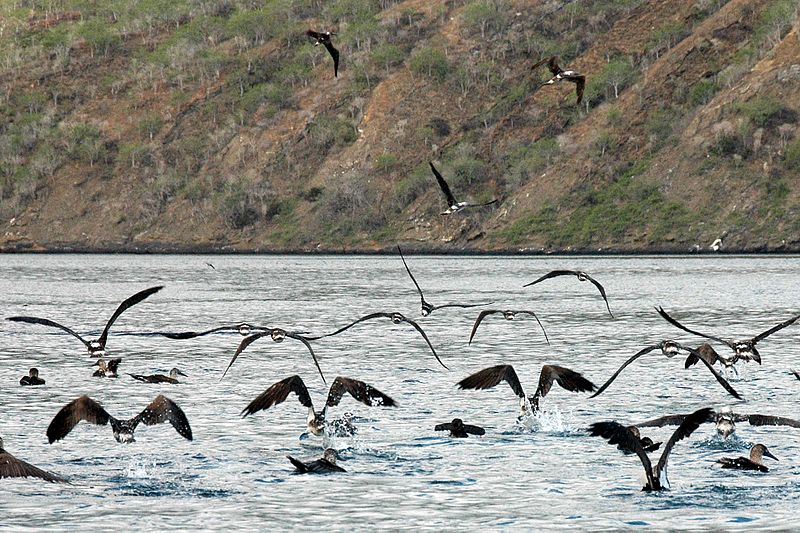
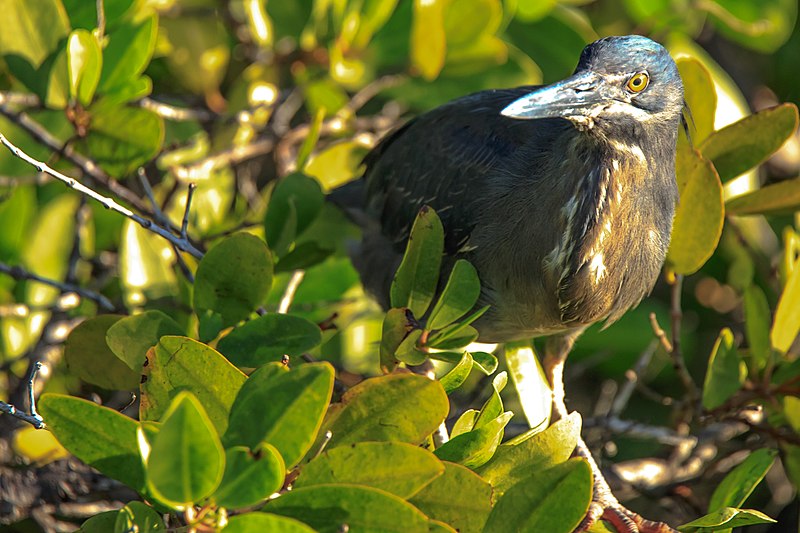
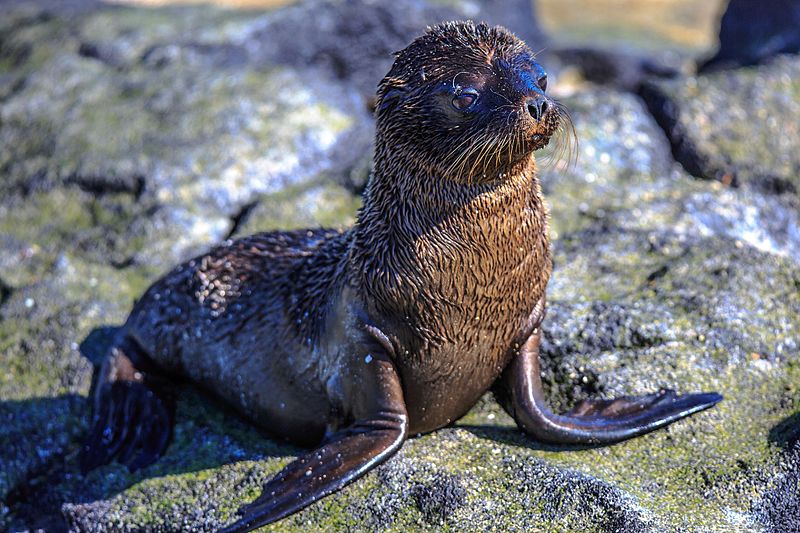
Of the animals on the Galapagos Islands, the most interesting are elephant turtles, blue-footed boobies, penguins, flightless cormorants, conolophs, marine iguanas, Galapagos buzzards, sea lions and many other species.