Summer Imperial Palace
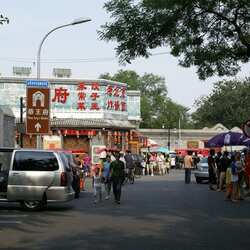
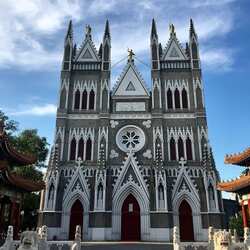
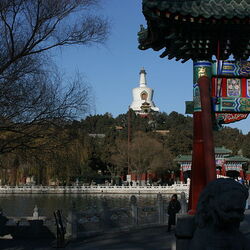
The Summer Imperial Palace is called the pearl of the capital of China, it is located in the northwest of Beijing in the Haidian district. The complex is a gem of palace and park art, embodying the best traditions of China. The territory of the palace is a wonderful combination of landscapes and attractions. The layout of the building is based on the legend of the three divine immortal islands.
History of the complex
The year 1750 is considered to be the beginning of the construction of the park ensemble. The Palace and Park Ensemble is the residence of the Qing Dynasty in Beijing, inspiring the emperor. It is known as the "Garden of Care for Peace in Old Age."
Over the centuries, the complex was destroyed during the wars. In 1914, after the restoration, the Imperial Summer Palace was opened to tourists. Currently, there are several theaters, a gallery, and lakes on the territory. Landscaped gardens, temples, halls harmoniously blend into the surrounding nature. This is the real embodiment of Chinese philosophy.
Main gate
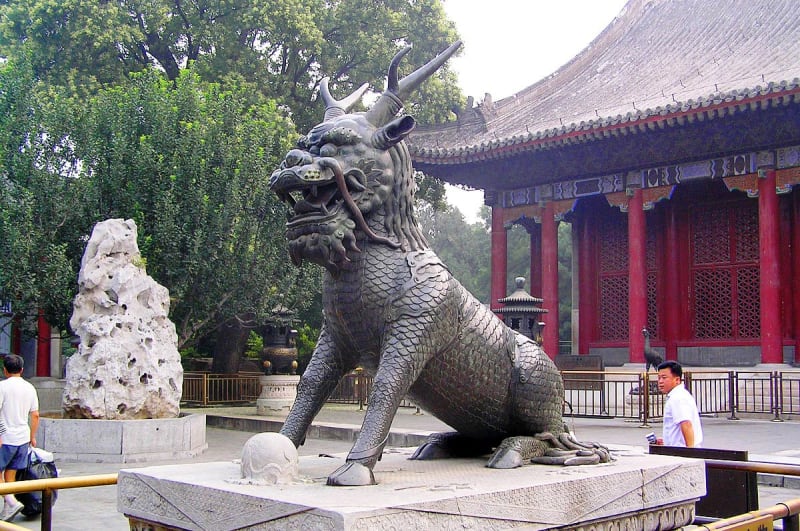
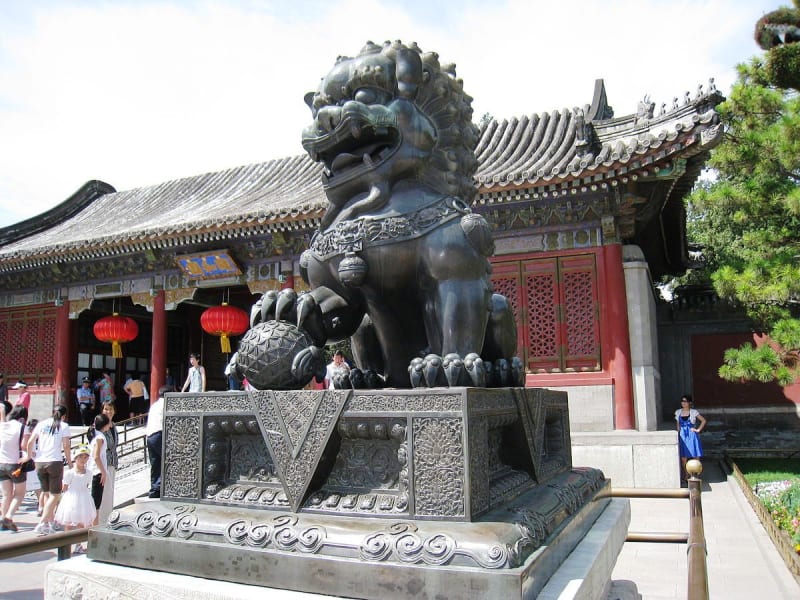
All visitors to the Imperial Summer Palace pass through the Zhenshoumen Gate and are greeted by two bronze lions. The orientation to the east indicates not strict orders. The second gate of the Summer Imperial Palace of Longevity offers a beautiful view of the main courtyard. Tall pine trees and an audience hall for receiving important guests.
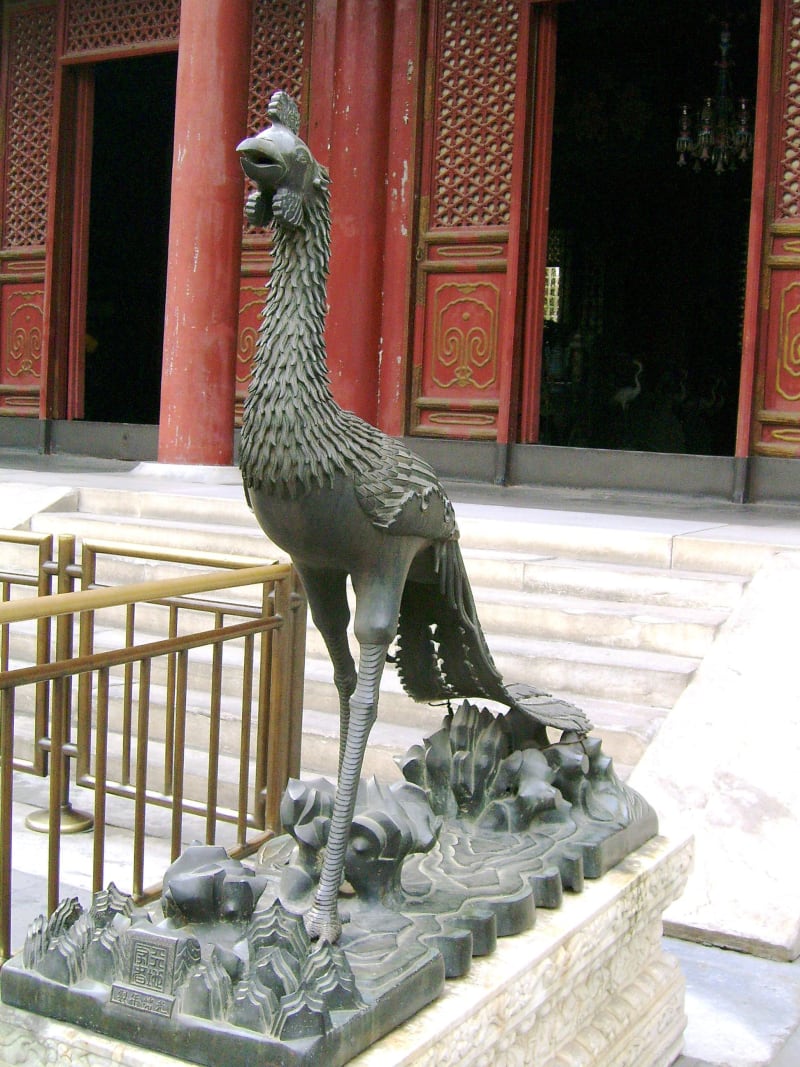
There are many stones throughout the palace and park complex. On the main axis behind the gate lies a 3-meter-high boulder resembling an abstract sculpture. Bronze figures of dragons and phoenixes served as a vessel for incense.
What can I see
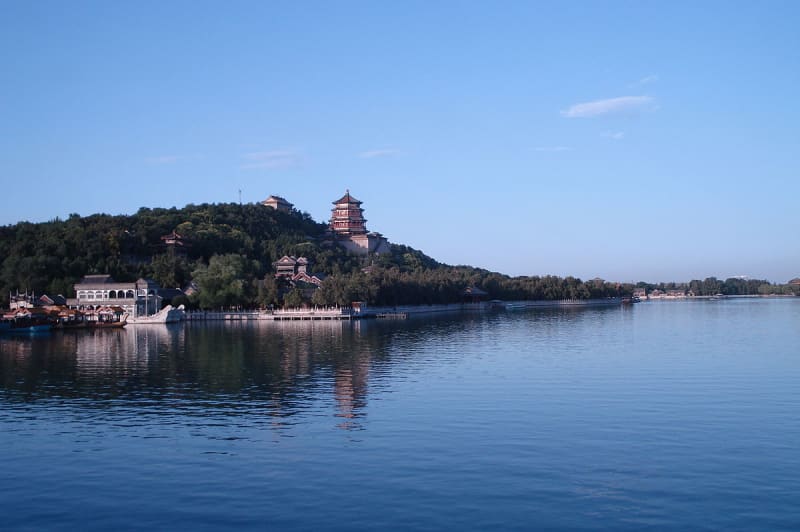
Kunming Lake occupies 75% of the territory of the Imperial Summer Palace, located in the center of the complex. The reservoir is located at the junction of hills and plains. There is an island on the lake, connected to the park area by a bridge. The picturesque structure is 0.15 km long, 8 meters wide and has 17 arches.
Next to the lake, you can see the Longevity Hill, which is part of the Yanshan Mountain. From the foot to the top of the hill there are buildings made in Chinese traditions. This is a Tibetan temple with nineteen buildings, the structures are arranged in such a way that they form a mandala of "four continents". On the other side of the mountain is the pristine nature.
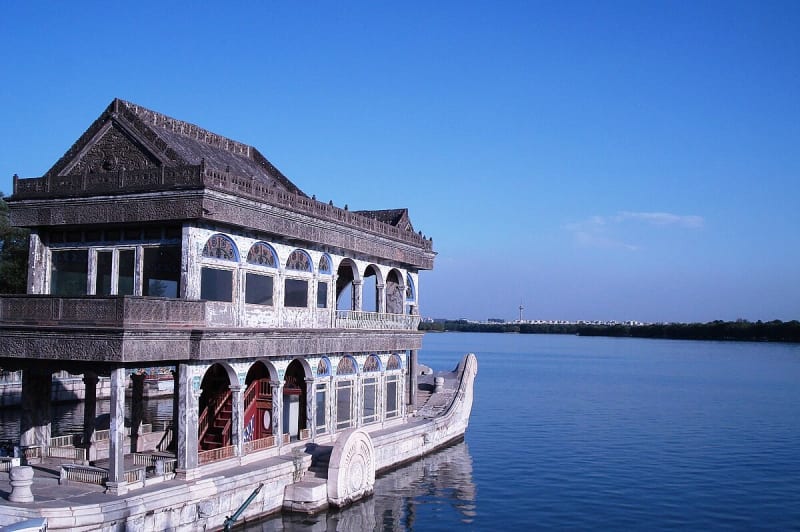
The stone boat is 96 meters long. The wooden ship was burned in 1860 during the war. The boat was restored in the form of a replica made of marble. Paddle wheels are borrowed from the Western style. Paiyukdian Palace is the culmination of the Imperial Summer Palace complex. Part of the building overlooks the lake "Hall of the Sky-high Heights". There are 12 garden stones in front of the palace, representing the animals of the Chinese calendar.
The Garden of Virtue and Harmony is located in the northern part of the audience hall of the two palace theaters. Performances of the Beijing Opera were staged here. The dimensions of the theater stage are 17 meters wide and 21 meters high. The structure consists of 3 tiers, folding hatches, lifting mechanisms. Troupes with famous actors of the Beijing Opera often perform here.
A long gallery connects the Hall of Joy and Longevity with the Hall of Stone Craftsmen (Shizhang). The length of the covered corridor is 0.728 kilometers. The walls are painted with famous landscapes, episodes from Chinese legends and myths. It will not be possible to walk around the entire palace and park territory in one day. You can come here many times and discover interesting places and attractions. Here you can retire to the shade of the garden, or listen to the beautiful Beijing Opera. The Imperial Summer Palace will not leave any tourists indifferent.