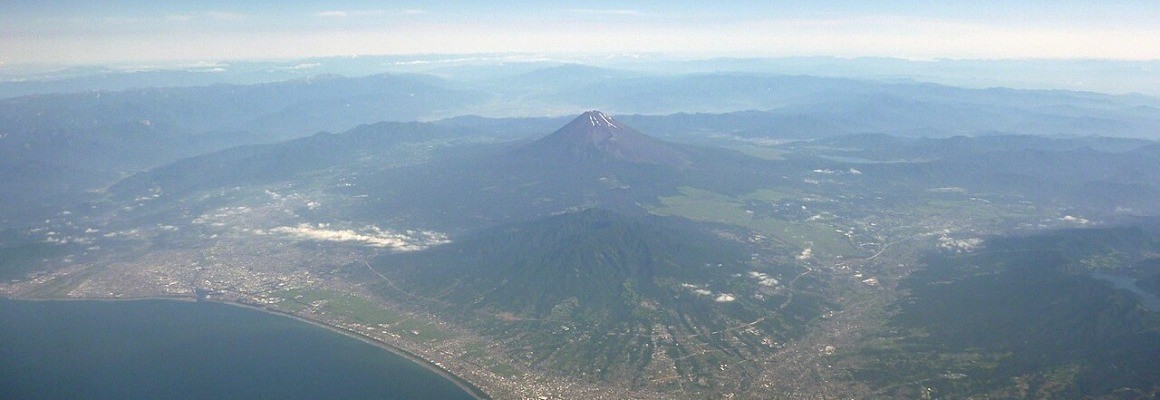
Aokigahara is a vast forest at the northwestern foot of Mount Fuji in Japan's Yamanashi Prefecture. It is also known as Jukai, meaning the Sea of Trees. Covering around 30 square kilometres, the forest is notable for its volcanic landscape, dense evergreen vegetation, moss-covered rocks and underground caves. Outside Japan, it is widely known as the Suicide Forest, but its natural history and hiking routes are just as important to understanding the area.
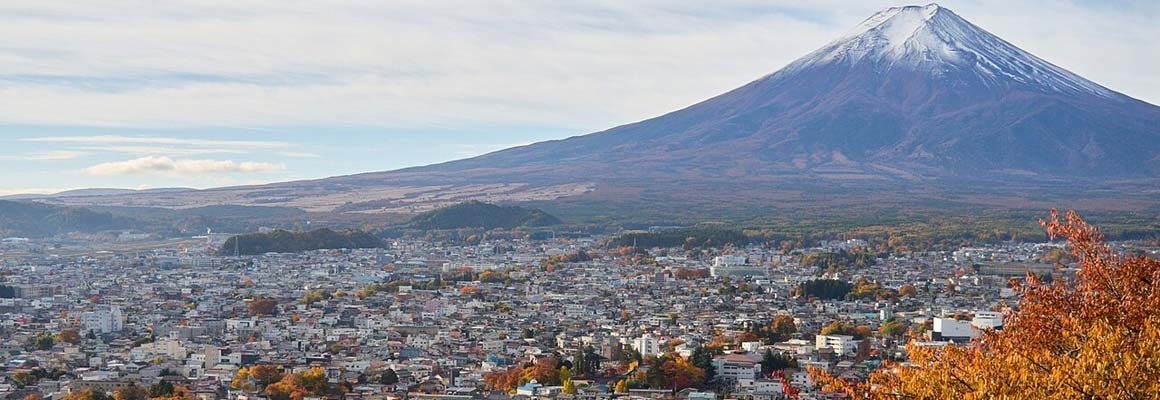
Aokigahara lies in the Mount Fuji and Fuji Five Lakes region, near Lake Saiko and the communities of Fujikawaguchiko and Narusawa. It is a large forest with designated walking routes rather than a single enclosed park with one entrance. Visitors can explore volcanic formations, visit tourist-accessible caves and discover the natural environment around Mount Fuji.
How Aokigahara Forest formed
The forest's landscape developed after a major eruption of Mount Fuji in 864, known in Japanese history as the Jogan eruption. Lava flowed across substantial areas of the volcano's northern foothills. As the lava cooled, vegetation gradually returned and a new forest developed on the volcanic ground. Aokigahara is therefore a relatively young forest, approximately 1,200 years old.
The soil layer is thin in many places, while the hardened lava is rough and porous. Tree roots often spread across the rock instead of growing deeply into the ground, weaving around stones and anchoring themselves in small patches of soil and moss. These intertwined roots, dark rocks and lush vegetation give Aokigahara its distinctive appearance.
The name Jukai, or Sea of Trees, describes the impression created by the dense forest canopy. Although some areas look similar, the landscape varies with terrain, moisture, light and the distribution of lava formations.
Plants and wildlife
Aokigahara is a young forest ecosystem growing on ancient lava flows. Its vegetation includes evergreen conifers such as Japanese hemlock and cypress, alongside broadleaf trees. Mosses and lichens grow on rocks, tree trunks and the forest floor, thriving in the damp environment.
The forest provides habitat for birds, small mammals, foxes, deer and other wildlife. Bats live in some of the lava caves. Animals are not always easy to spot through the dense vegetation, so visitors may notice the moss, rock formations and uneven terrain more readily than the wildlife itself.
The contrast between dark volcanic rock and bright green moss is one of the forest's most distinctive features. Humidity, filtered light and dense tree cover create its characteristic atmosphere. Aokigahara is not a lifeless or supernatural place, but a living ecosystem that deserves careful protection.
Why is Aokigahara so quiet?
The porous volcanic rock can absorb some sound, while dense vegetation changes how sound travels and limits visibility. On certain trails, especially when few other visitors are nearby, this can create a strong sense of solitude.
The unusual atmosphere has contributed to the forest's mystical reputation, but it has natural explanations rather than proving paranormal activity. Animals and plants thrive here, and visitors regularly use the designated trails.
Lava caves in Aokigahara
Volcanic activity created numerous lava tunnels and caves in the area. They formed as the outer part of a lava flow cooled while hotter rock continued moving inside. When the eruption ended, underground cavities and passages remained. Several of these caves are open to visitors and are among the area's most interesting attractions.
Narusawa Ice Cave
Narusawa Ice Cave is a well-known lava cave near Aokigahara. It has a cool microclimate and ice formations whose appearance varies with the season and conditions. The visitor route includes narrow sections and steps, so visitors should move carefully and follow staff instructions.
Fugaku Wind Cave
Fugaku Wind Cave also formed through volcanic activity near Mount Fuji. Its interior remains cool, and the cave was historically used as a natural refrigerator, including for storing silkworm cocoons. Today, it is equipped for tourist visits and offers a closer look at the structure of a lava cave.
West Lake Bat Cave
The West Lake Bat Cave, near Lake Saiko, is another volcanic cave in the area. Seeing bats is not guaranteed, and access may depend on current conditions. Check opening information before visiting. Cave interiors can be much colder than the outside air, and floors may be damp or slippery, so suitable footwear and warm clothing are recommended.
The caves differ in their layout and visiting conditions. Not every underground cavity is open to the public, so use only officially accessible sites. Follow safety instructions and check any seasonal restrictions before travelling.
Why is Aokigahara called the Suicide Forest?
Outside Japan, Aokigahara has become widely known as the Suicide Forest. This reputation is associated with real suicides, media coverage, literature and popular culture. As a result, the forest is often portrayed exclusively as a dark and dangerous place, even though that image does not reflect the full range of its natural and historical significance.
Japanese folklore includes stories about spirits and places associated with death. One familiar figure is the yurei, a ghost from Japanese tradition. Aokigahara has also been linked to the ubasute legend, a story about elderly relatives allegedly being abandoned in remote places during times of extreme hardship. Such stories belong to folklore and should not automatically be treated as documented events that occurred in this particular forest.
During the twentieth century, books, newspaper coverage and films helped strengthen the forest's reputation. Popular accounts often mix real events with legends and fiction, so sensational claims should be treated critically. Local organisations and public services also work on suicide prevention and the safety of people in the area. These tragedies should not be turned into entertainment.
Aokigahara in films and popular culture
The forest's reputation has inspired books, documentaries and feature films. One well-known example is the 2016 film The Forest. Such works often mix real features of the landscape with fiction, so a cinematic depiction should not be treated as a reliable guide or historical record.
Visitors who first heard of Aokigahara through stories about the Suicide Forest can also explore its geology, plant life, caves and walking routes. This broader perspective helps explain why the forest is an important natural destination in the Mount Fuji region.
Does a compass work in Aokigahara?
A common myth claims that compasses do not work in the forest because of the magnetic properties of volcanic rock. The rock can affect readings when a compass is held directly against the ground, but Yamanashi's official tourism guide explains that a compass behaves as expected at normal height.
The more practical risk is losing one's sense of direction among dense trees, similar-looking sections of forest, uneven lava and limited sightlines. Leaving a marked trail can make it much harder to find the way back. Follow signs and avoid exploring unfamiliar parts of the forest alone.
How to explore Aokigahara safely
Aokigahara can be visited using designated walking trails. Visitors do not need to venture deep into the forest without a guide to experience its moss, lava rocks and distinctive vegetation. An organised walk with a local guide is an option for those who want to learn more about the landscape.
Wear comfortable shoes with good grip, dress for the weather and carry water. Trails may include uneven rocks, exposed roots and slippery sections. Weather around Mount Fuji can change quickly, so check the forecast before setting out. If visiting caves, prepare for low temperatures, damp floors and possible accessibility restrictions.
Stay on marked paths, take rubbish away, avoid damaging plants and do not remove rocks or moss. These practices help protect a fragile ecosystem that developed on volcanic rock. If you encounter an emergency, contact local services or staff at a tourist facility.
How to get to Aokigahara
A common route is to travel to Kawaguchiko Station on the Fujikyu Railway Line and continue by local bus, taxi or car. Travel time depends on the part of the forest you want to visit. For trails near Lake Saiko, Saiko-komoriana is a useful stop to check for access to visitor facilities and the bat cave area.
From Tokyo, visitors commonly travel via Otsuki to Kawaguchiko or take a highway bus toward the Mount Fuji area. Journey times depend on transport, schedules and traffic. Check current bus timetables and trail access on official Yamanashi tourism websites before departure.
When to visit Aokigahara
Spring and summer bring vivid moss and dense greenery, autumn changes the colours of the foliage, and winter emphasises the stark volcanic landscape. Conditions on trails and inside caves can be more challenging in cold weather, so check the forecast and seasonal restrictions.
Before travelling, confirm cave opening hours, trail access, transport and equipment requirements. Not every part of the forest is a developed tourist attraction with a staffed entrance, and conditions at individual caves may change.
Places to visit near Aokigahara
A visit can be combined with Lake Saiko and other lakes at the foot of Mount Fuji. The surrounding region has viewpoints, visitor centres and other attractions connected with its volcanic landscape. Narusawa Ice Cave and Fugaku Wind Cave can be included in a separate itinerary after checking their opening information.
Aokigahara brings together the history of volcanic eruptions, a rich natural environment and Japanese cultural traditions. Visitors can discover not only a forest with a dark reputation, but also a living landscape of lava caves, mosses, trees and marked walking routes at the foot of Mount Fuji.
Gallery