Lake Titicaca
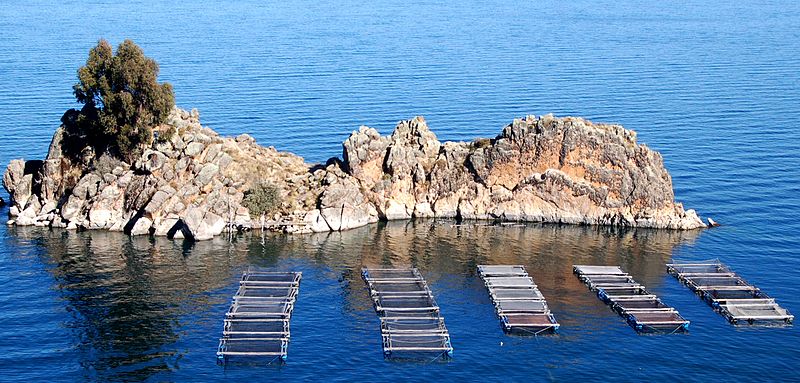
Lake Titicaca is located in the Andes Mountains at an altitude of about 4 km above sea level. Its location is the border of Bolivia and Peru, which determined that the territory of this reservoir belongs to these two states. This highest lake occupies the second largest area in South America and is about 8.3 thousand square kilometers. km. The maximum depth reaches 300 meters. The water temperature in the middle of the lake is 10-12 °C, and near the shores it drops below zero. Its salinity is 1%, so the lake is considered freshwater.
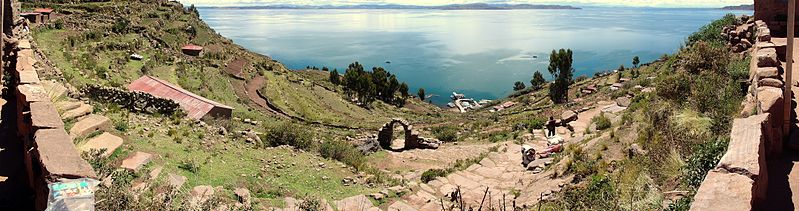
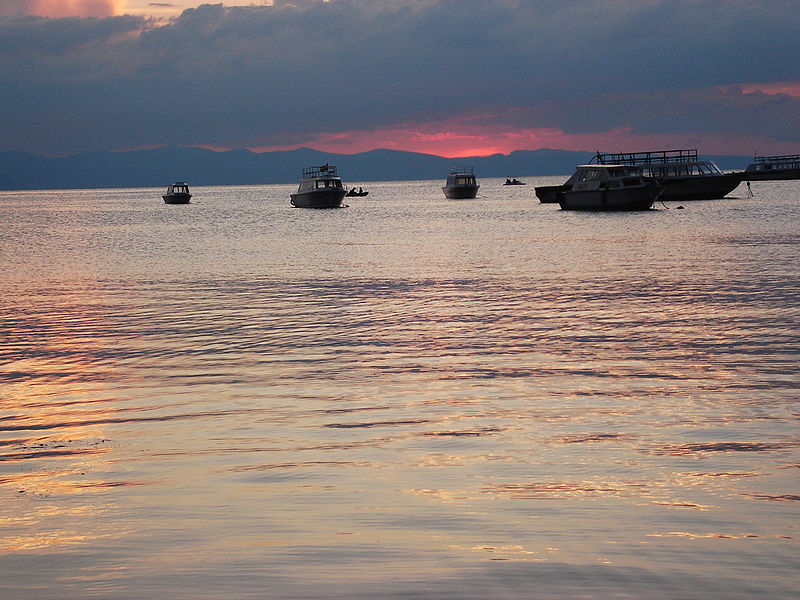
The water in Lake Titicaca comes from a combination of precipitation and meltwater from about three hundred rivers flowing from the surrounding glaciers. The lake itself is the source of the Desaguadero River. Depending on the weather conditions, the color of the water varies from light blue to dark gray. It is especially beautiful in azure blue color. A unique feature of the lake is the tides, which show similarities with the ocean.
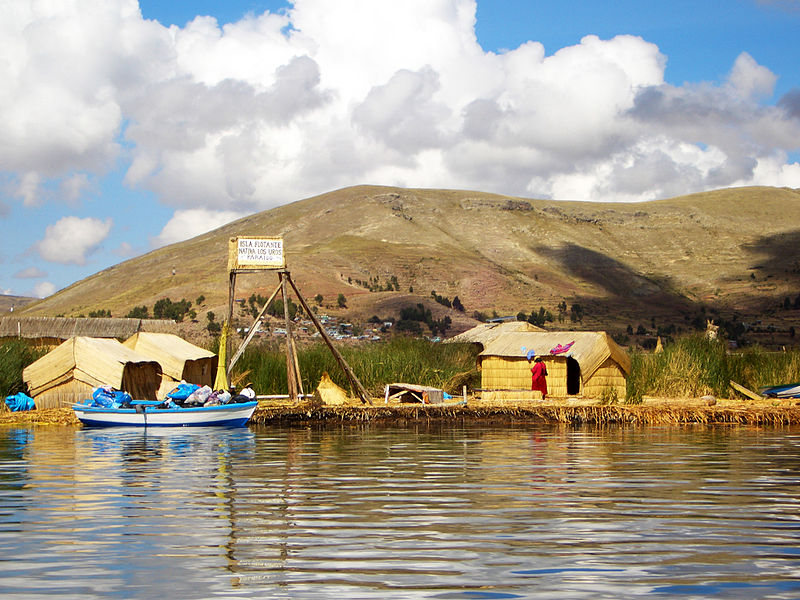
The coastline of Titicaca has created many islands and coves scattered throughout its surface. The floating islands, built from totora reeds, provide shelter to several hundred Uru Indians. The islands are held by ropes tied to the pillars. A lot of effort is being put into keeping the island afloat. Since the reed rots quickly, it is changed every three months. They have developed a "reed civilization" lifestyle. The rest of the residents moved ashore. The most important city on the coast is Puno.
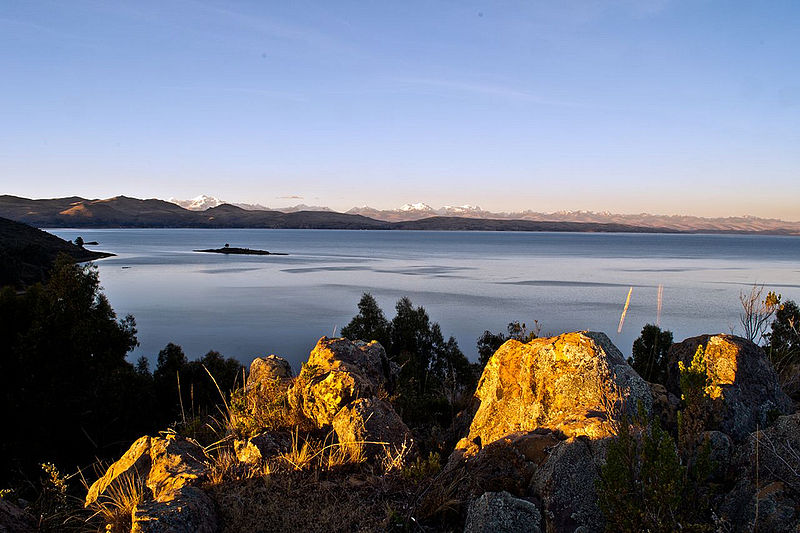
Titicaca, along with its floating islands, is a popular tourist attraction. They love to walk around the islands, feeling how the reed surface moves under their feet, and also to study the way of life of an ancient tribe.
The lake has the status of a national reserve, which is home to many different birds, fish, and mammals. There are sharks in the waters. There are many eucalyptus trees growing all over the neighborhood.
Titicaca is shrouded in many mysteries, mysteries, myths and legends. To this day, the history of the lake's origin is unknown. One of the versions of its name is the designation "stone cougar", as from a bird's-eye view you can see the resemblance to this animal.
The structures found at the bottom of the lake, such as the temple and terraces, are also unsolved. The finds suggest that an ancient city is under water.
Lake Titicaca is of great interest to archaeologists, scientists, and treasure seekers.