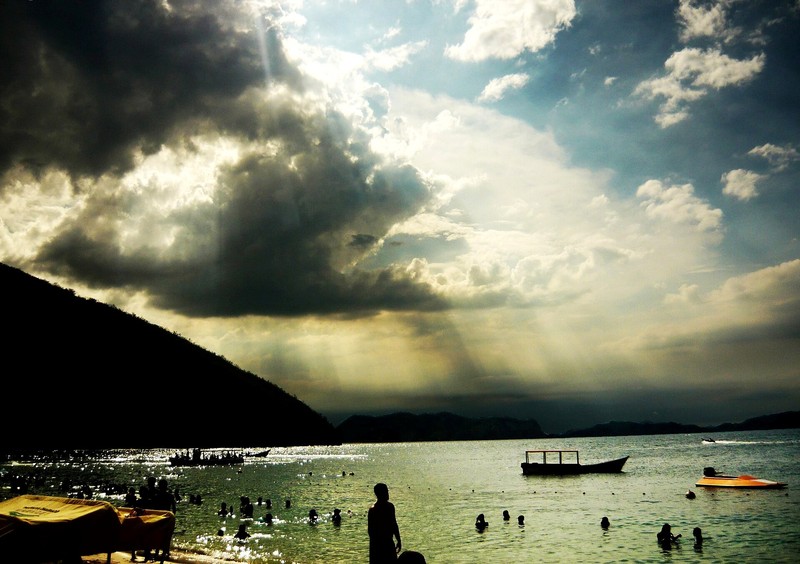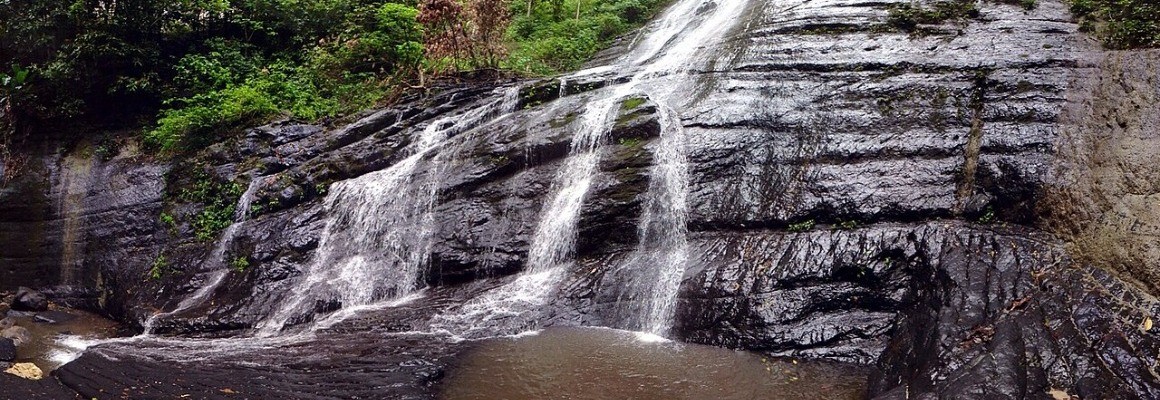

Mochima National Park is a protected natural area in northeastern Venezuela, where the mountain slopes of the Eastern Cordillera descend toward the Caribbean Sea. Located between the states of Sucre and Anzoátegui, the park combines marine, island, and mainland landscapes. It features scenic bays, rocky headlands, sandy beaches, small islands, coral reefs, and mangrove forests.
Mochima was declared a national park on December 19, 1973. Covering approximately 94,935 hectares, it protects a wide variety of coastal and marine ecosystems. It is one of Venezuela’s best-known nature destinations, attracting visitors interested in beach holidays, boat trips, diving, and wildlife watching.
Beaches of Mochima National Park
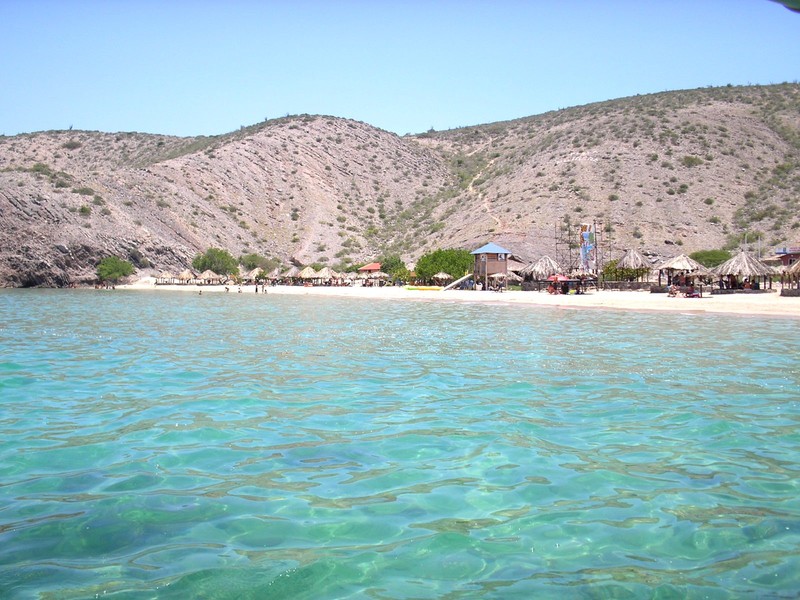
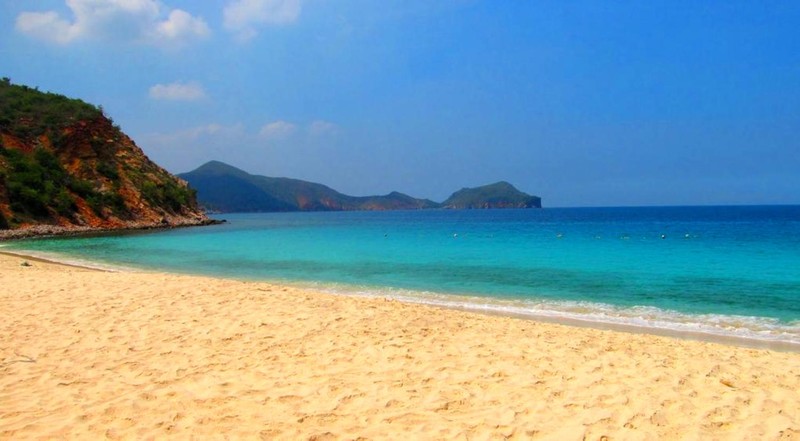
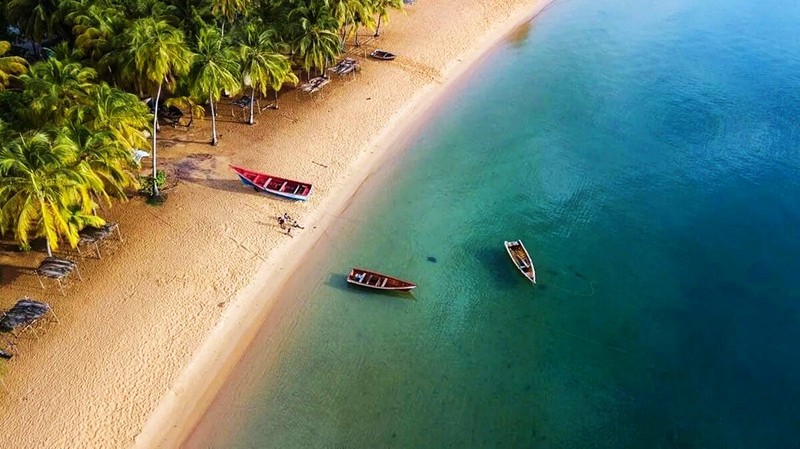
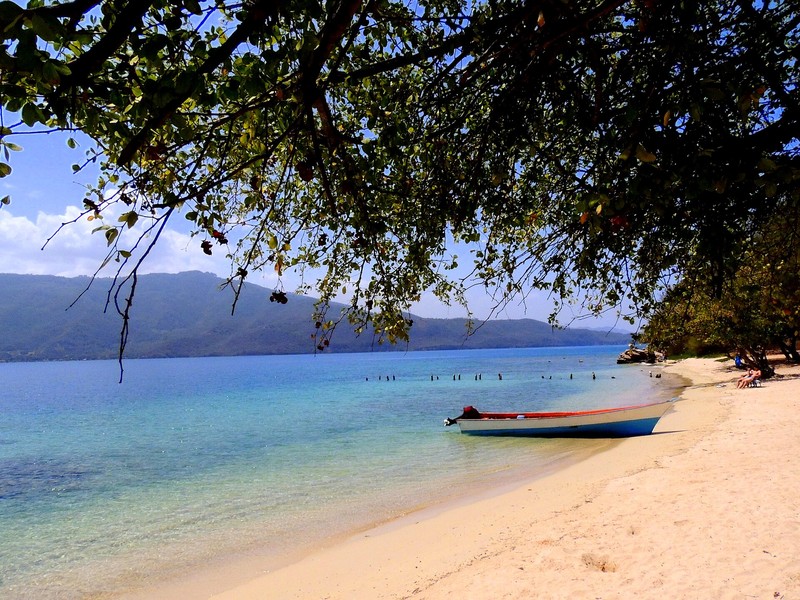
Mochima’s coastline offers a variety of beaches, from broad sandy stretches on the mainland to small secluded coves on the islands. One of the best-known spots is Playa Colorada, named for its distinctive reddish sand. The contrast between the warm tones of the shore and the blue sea makes it one of the region’s recognizable landscapes.
Playa Blanca is also popular for its light sand and clear water. Playa Arapito lies along the mainland coast as well. These places are suitable for swimming and relaxing by the sea, although water conditions and swimming safety depend on the weather, waves, and local circumstances.
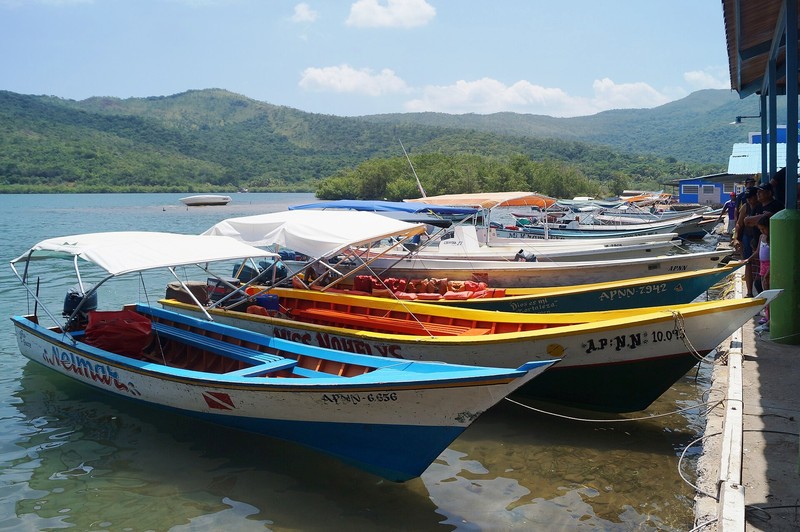
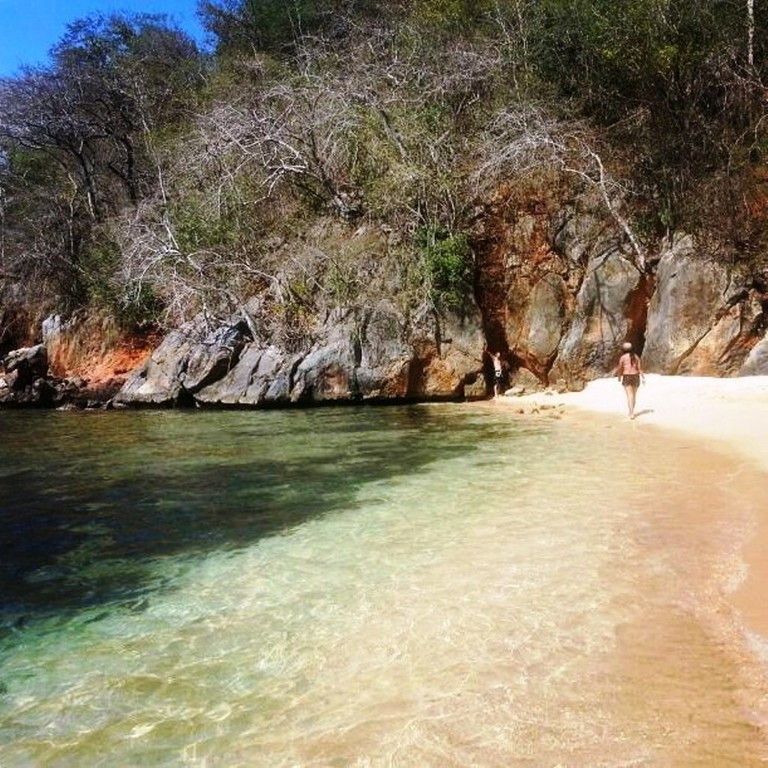
Many beaches in the island section of the park can only be reached by water. This allows visitors to explore small coves and sandy shores surrounded by rocks and vegetation. Before setting out, confirm the route, return time, and landing arrangements with the boat operator.
Islands and Bays of Mochima
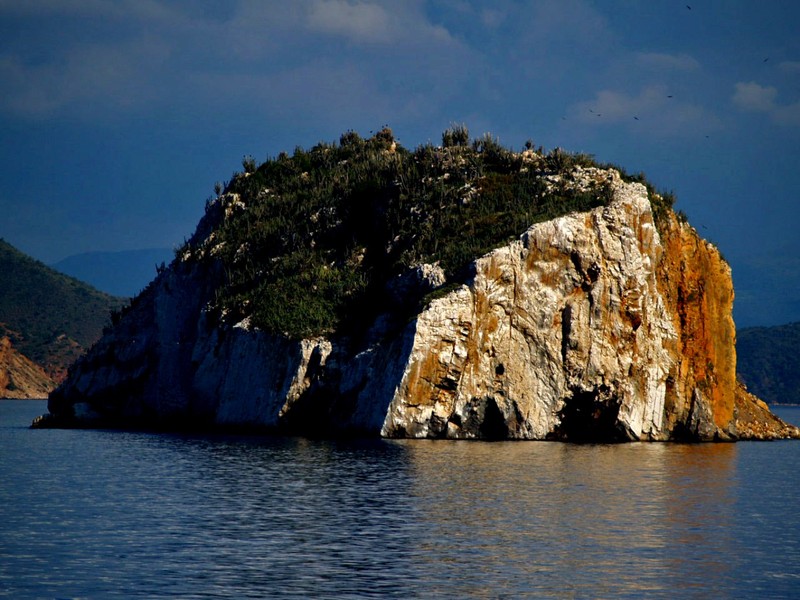
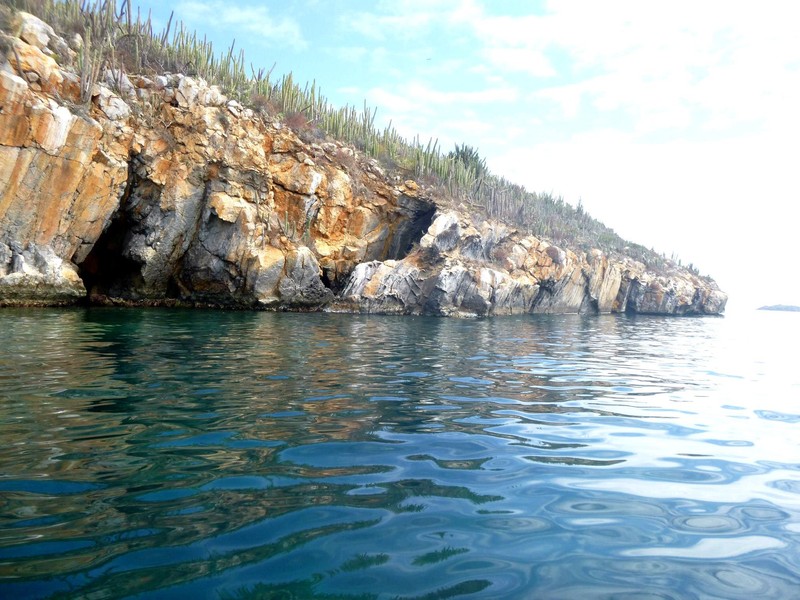
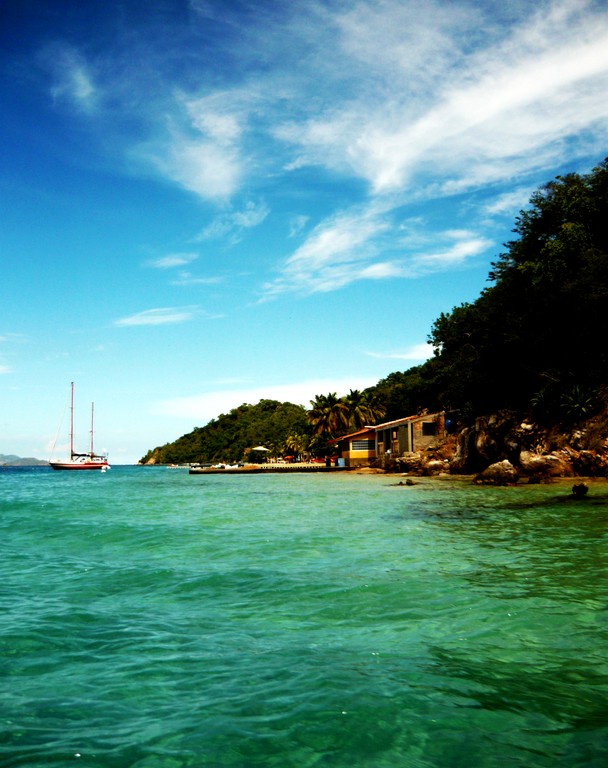
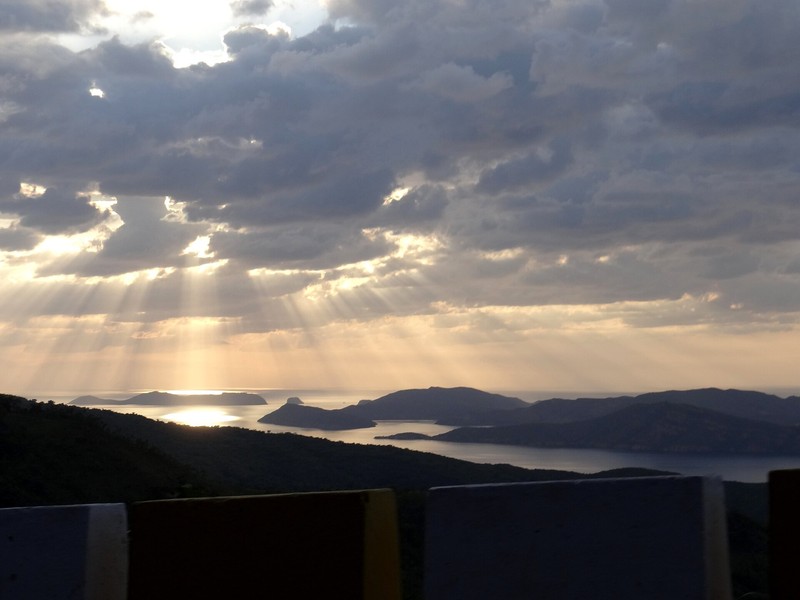
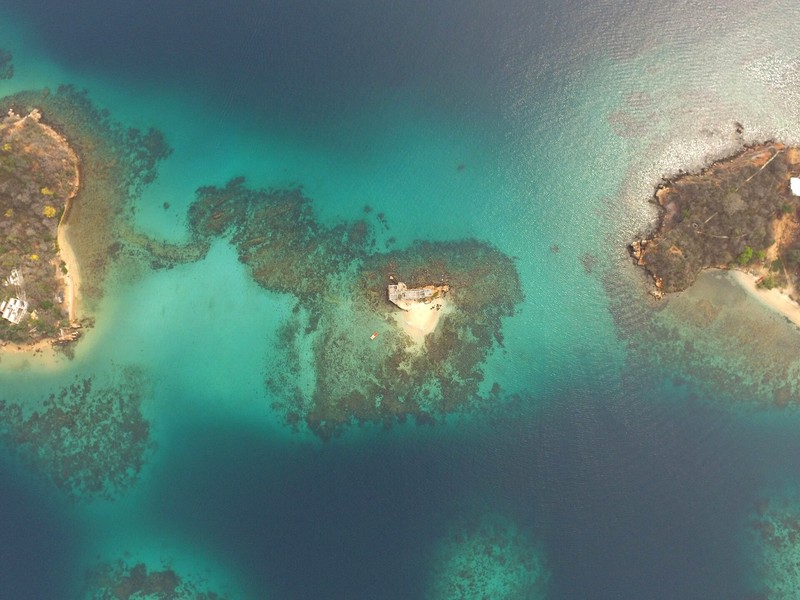
The island section of the park includes numerous islands and rocky islets, notably the Chimana, Caracas, and Arapo groups. The landscape features steep slopes, small coves, sandy shorelines, and places where vegetation grows close to the water. The combination of mountainous terrain and the Caribbean Sea gives Mochima its distinctive scenery.
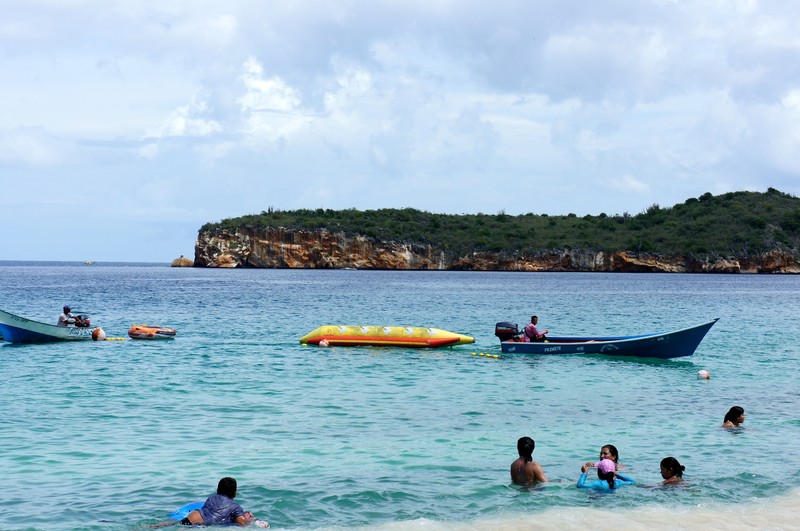
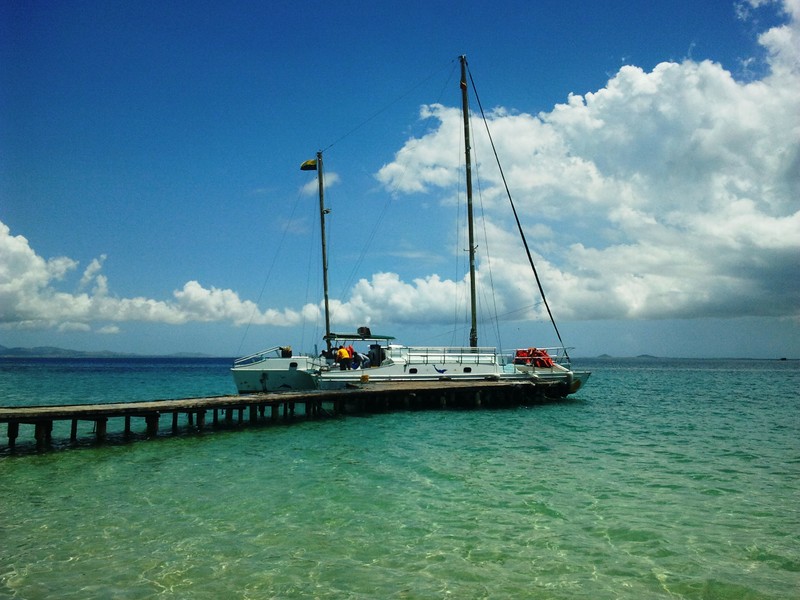
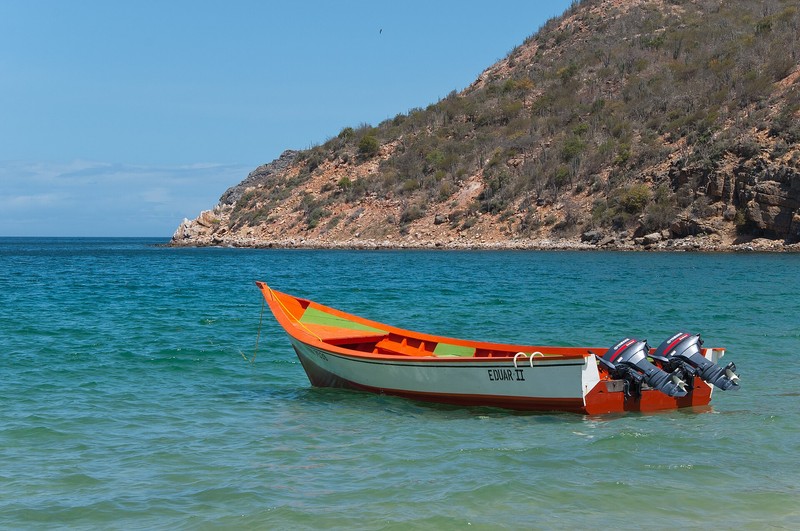
Boat trips commonly depart from Puerto La Cruz, Guanta, or the village of Mochima, depending on the route and the beach being visited. Along the way, travellers can enjoy coastal panoramas, rocky islands, and clear nearshore waters. Some excursions include stops for swimming and snorkeling.
For trips to more remote islets, agree in advance on the boat fare, trip duration, and return departure time. Not every beach has cafés, drinking water, toilets, or shade, so it is best to prepare essential supplies beforehand.
Coral Reefs and the Underwater World
Marine ecosystems are among Mochima’s most important natural assets. Coastal waters contain coral communities, underwater seagrass beds, and a variety of fish. Reefs provide habitat for many marine organisms and play an important role in maintaining regional biodiversity.
Snorkeling allows visitors to observe underwater life in shallow water, while scuba diving offers a closer look at marine landscapes. Choose a dive or snorkeling location according to the weather, visibility, currents, and advice from local professionals.
Corals are highly vulnerable to physical damage. Do not step on reefs, break off coral fragments, or collect marine animals as souvenirs. Responsible behaviour helps protect underwater ecosystems for future visitors.
Dolphins and Other Wildlife
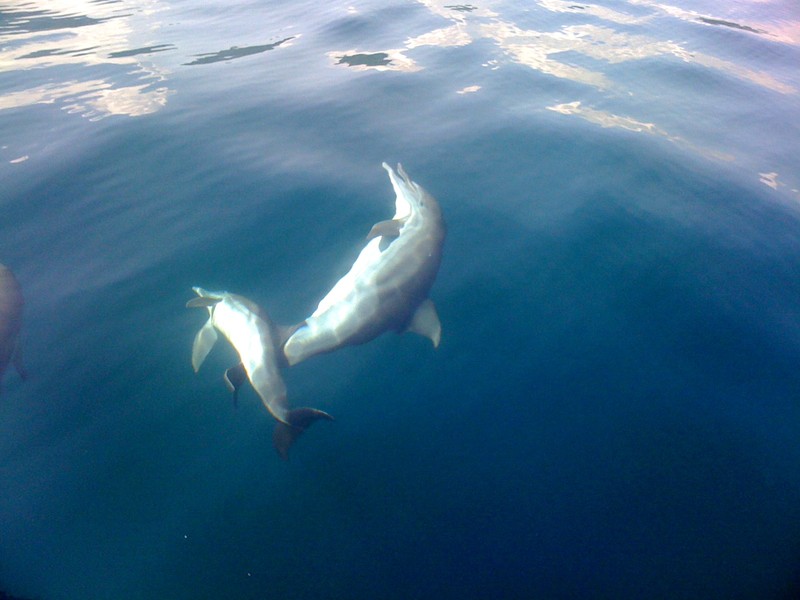
Mochima is known for its diverse marine wildlife. Dolphins can be found in the park’s waters, alongside sea turtles and many kinds of fish in coastal ecosystems. Dolphins sometimes appear near boats, but sightings depend on natural conditions and cannot be guaranteed.
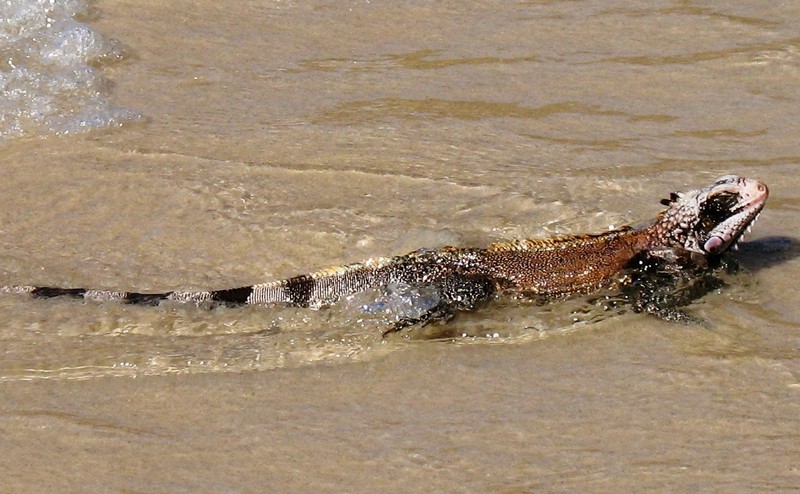
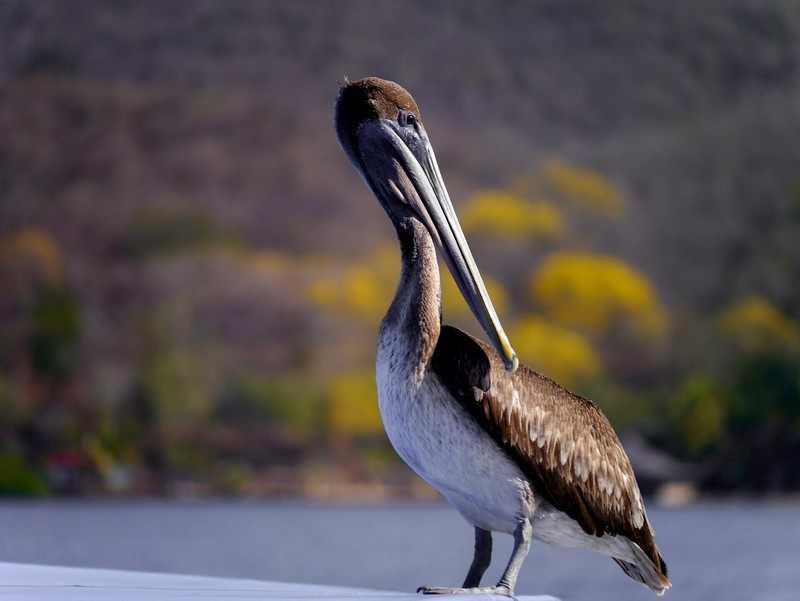
Pelicans, frigatebirds, gulls, and other seabirds can be seen along the coast and on the islets. Iguanas, lizards, and other local wildlife adapted to both dry and wetter areas also live on land. The variety of habitats supports different groups of animals.
When watching dolphins and other wildlife, do not chase, feed, or disturb them. Avoid throwing plastic, food waste, or other harmful items into the sea.
Mangroves and Vegetation
Mangrove forests occupy some sheltered coastal areas and shallow bays. Their roots provide shelter for young fish and invertebrates, while the vegetation helps stabilize the shoreline. These areas are important for marine ecosystems and coastal biodiversity.
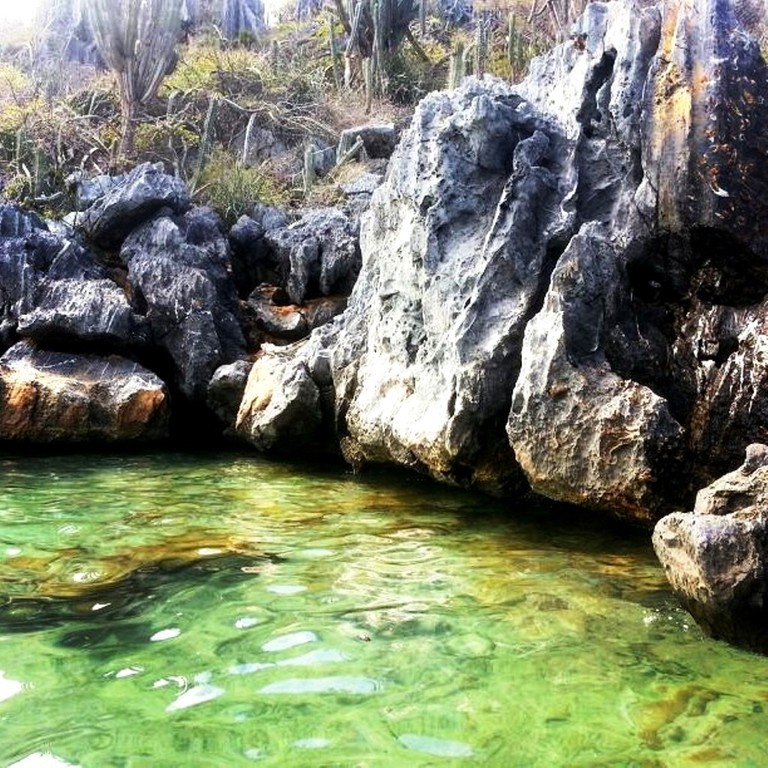
Vegetation in Mochima changes with elevation and moisture. Cacti and other drought-resistant plants grow in drier areas, while wetter mountain locations support denser vegetation, ferns, and orchids. The contrast is especially noticeable where mountain slopes approach the sea.
Explore natural areas only along permitted routes. Do not break or dig up plants, and never leave rubbish in mangroves or other sensitive habitats.
Fishing Communities and Local Culture
Communities in and around the park have close ties to the sea and traditional fishing. Coastal settlements preserve local customs, fishing practices, and the cuisine of eastern Venezuela. A visit to Mochima offers a chance to experience not only nature but also everyday life in the region.
Local cooking makes extensive use of fresh fish and seafood. Common dishes include fish-filled empanadas, fried green plantains known as tostones, and hearty soups such as sancocho. Coastal eateries offer opportunities to sample dishes prepared according to local recipes.
Regional cultural traditions include festivals associated with religious observances and the maritime life of local communities. If your visit coincides with a local celebration or procession, respect participants and ask permission before taking photographs.
Things to Do in the Park
Most activities in Mochima revolve around the sea. Visitors come for swimming, boat excursions, snorkeling, scuba diving, sailing, and birdwatching. In sheltered bays and suitable conditions, it may be possible to explore the coast by small boat or kayak where such activities are permitted.
Beaches with convenient access are suitable for a relaxing day, while nature lovers may prefer trips to islands, rocky coves, and mangrove areas. Before booking a boat excursion, find out how much time is allowed at each stop and whether equipment, meals, or other services are included.
How to Get to Mochima National Park
The park lies between Puerto La Cruz and Cumaná, near Guanta and other settlements along Venezuela’s eastern coast. Mainland beaches can be reached by road, while many islands require a boat transfer. The exact route depends on the section of the park being visited.
Before travelling, check road conditions, access to piers, and the availability of organized boat services. Travel time depends on the starting point, traffic, and route. For island beaches, arrange return transport in advance, especially if there is no regular transport service at the chosen location.
Best Time to Visit Mochima
The region generally has a drier period from January to May and a wetter season mainly from June to December. The drier months are often convenient for beach holidays and boat trips, although actual conditions depend on the weather on the day.
Before heading out to sea, consider the wind, waves, and advice from boat operators. Popular beaches can be busier on weekends and holidays. For a quieter experience, arrange an early departure and choose a less-visited route in advance.
Travel Tips
Bring drinking water, sunscreen, a hat, a towel, and footwear suitable for sandy or rocky shores. Facilities on small islands may be limited, so check in advance where food and water are available, whether there is shade, and whether toilets are provided.
Do not leave rubbish, damage corals or mangroves, collect marine animals, or disregard park rules. Choose responsible boat operators who do not chase dolphins and follow safety procedures. Mochima is especially valuable for its combination of mountains, islands, beaches, and rich underwater life, and preserving this natural environment depends on visitors treating it with care.
Gallery