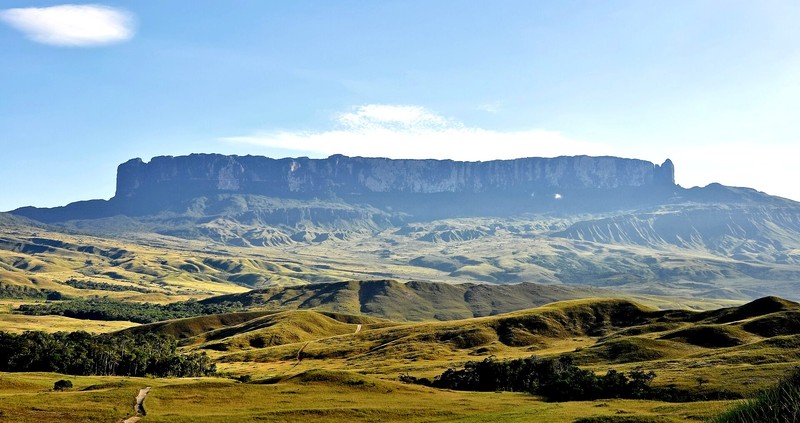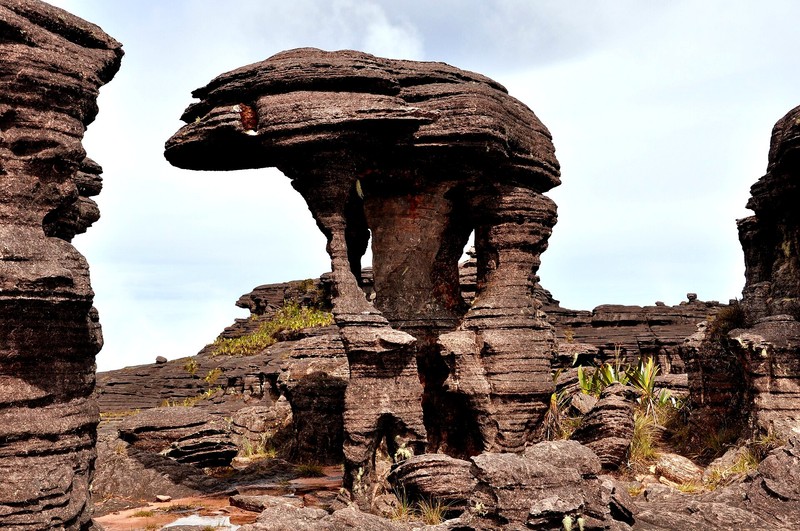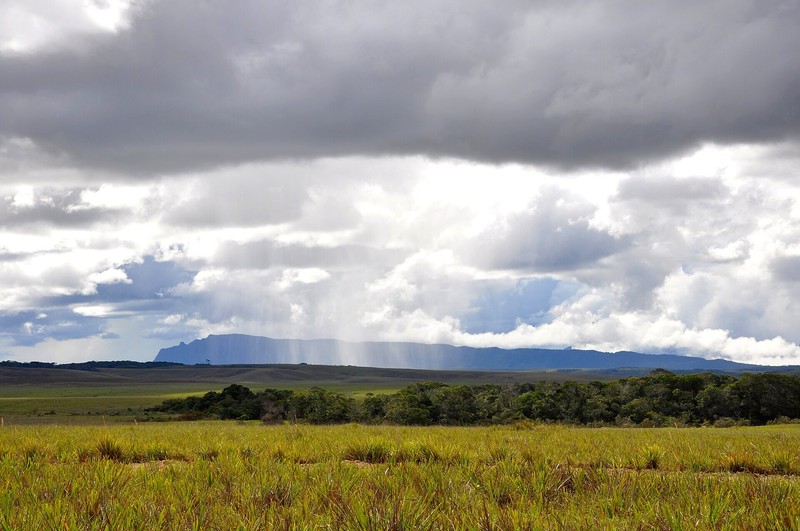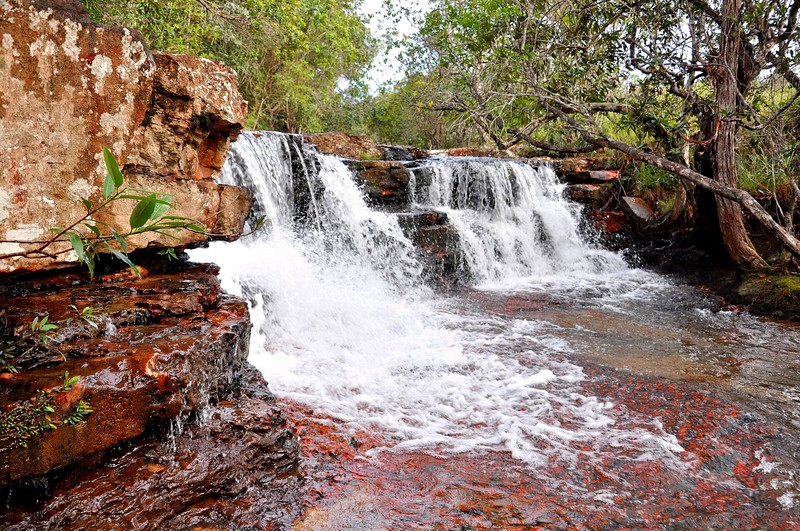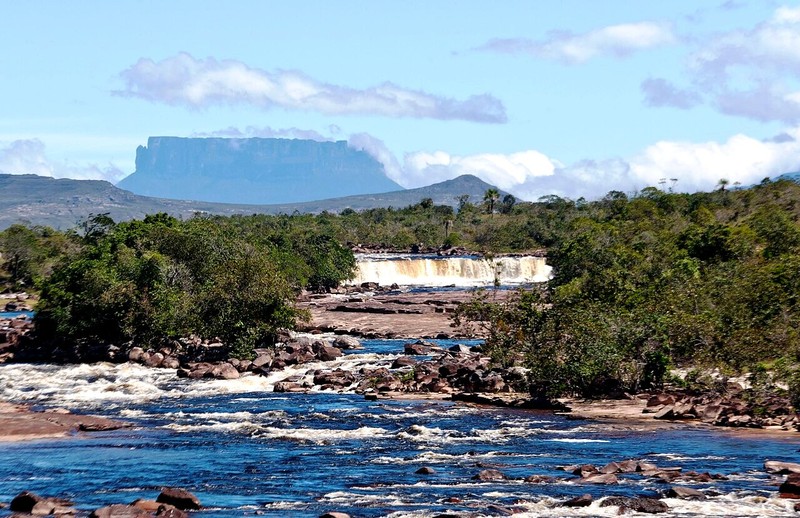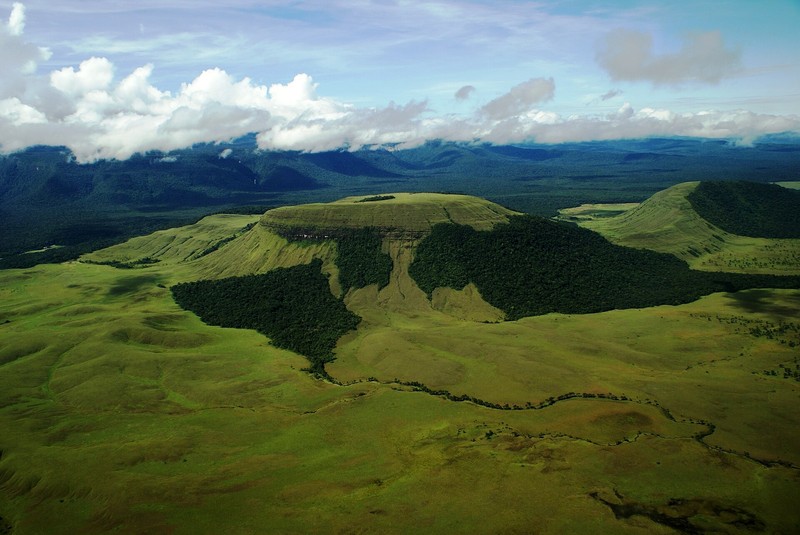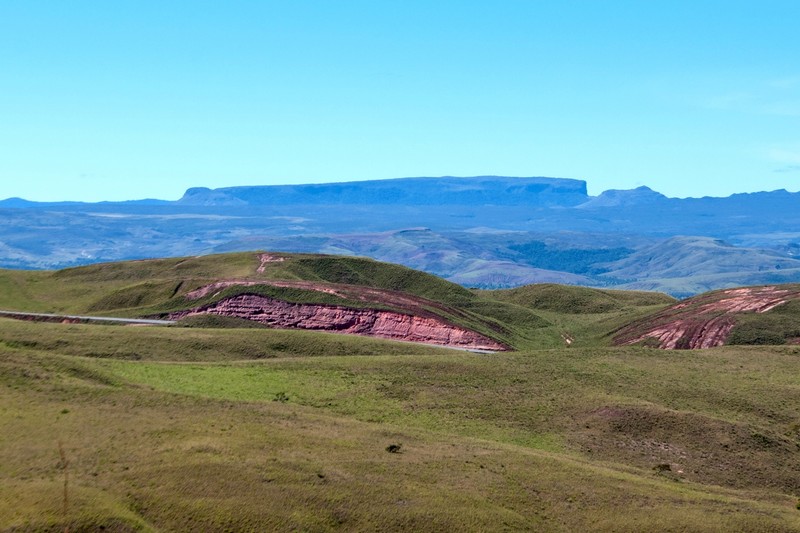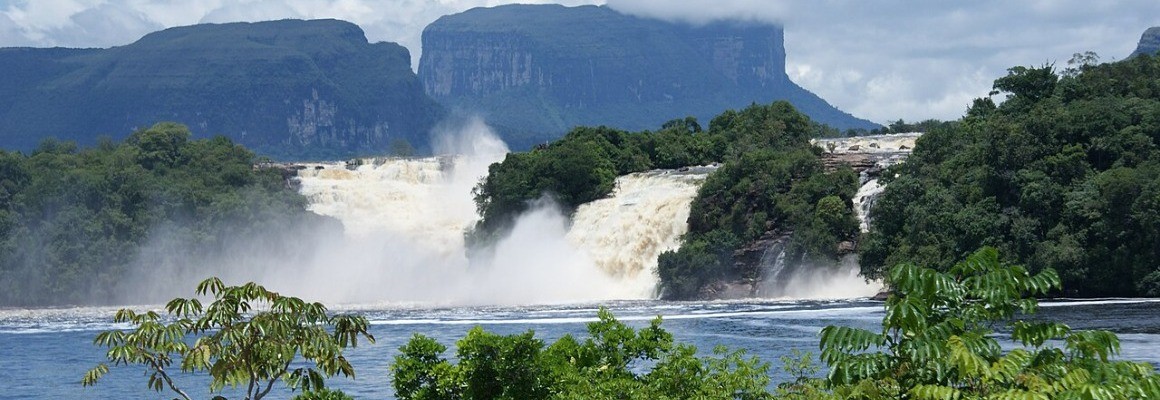

Gran Sabana is a vast natural region in southeastern Venezuela, in Bolívar State, known for its expansive savannas, waterfalls, rivers, and impressive flat-topped mountains called tepuis. The region forms part of Canaima National Park, which was inscribed on the UNESCO World Heritage List in 1994. Gran Sabana is one of South America's most distinctive landscapes, where open grasslands meet humid forests, rocky summits, and cascading water.
Nature and landscapes of Gran Sabana
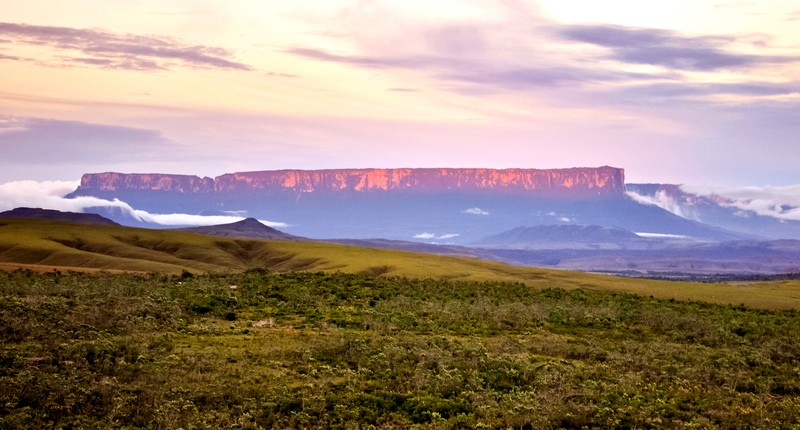
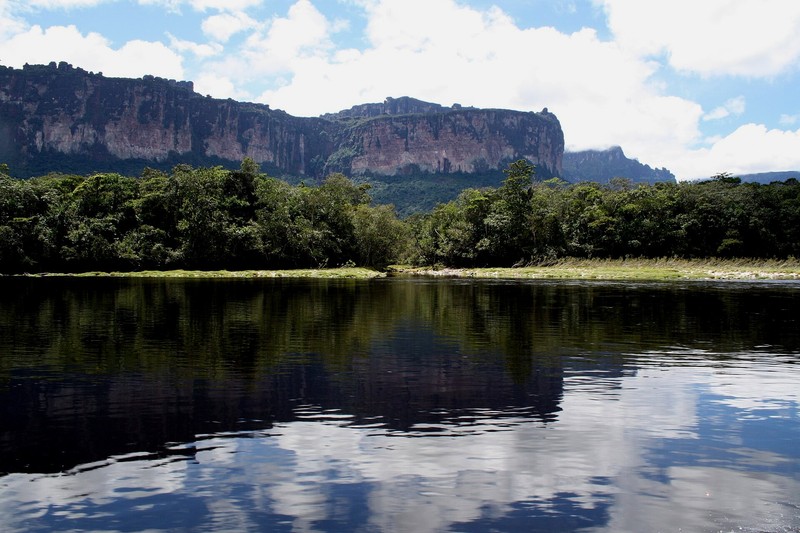
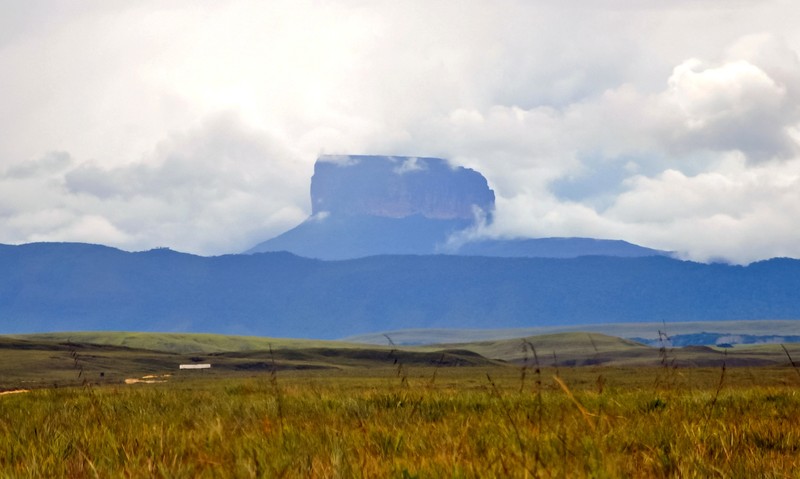
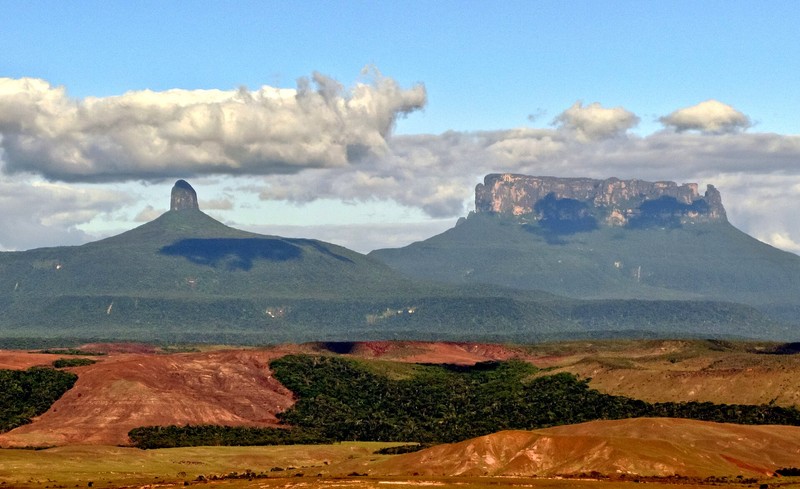
The region's defining feature is the contrast between broad savannas and isolated mountains with flat summits known as tepuis. These ancient formations consist mainly of sandstone and quartzite and developed over immense geological periods. Steep cliffs rise above the plains, while rivers and waterfalls descend from their slopes and ledges.
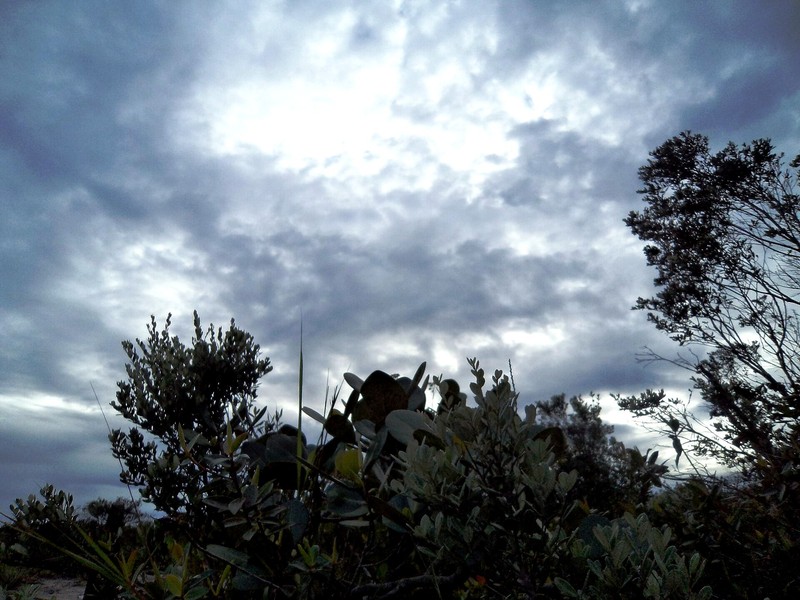
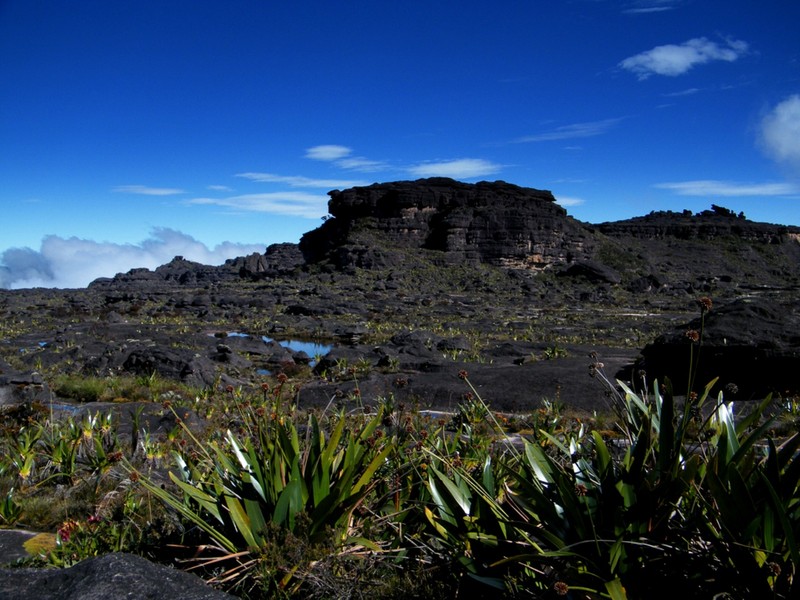
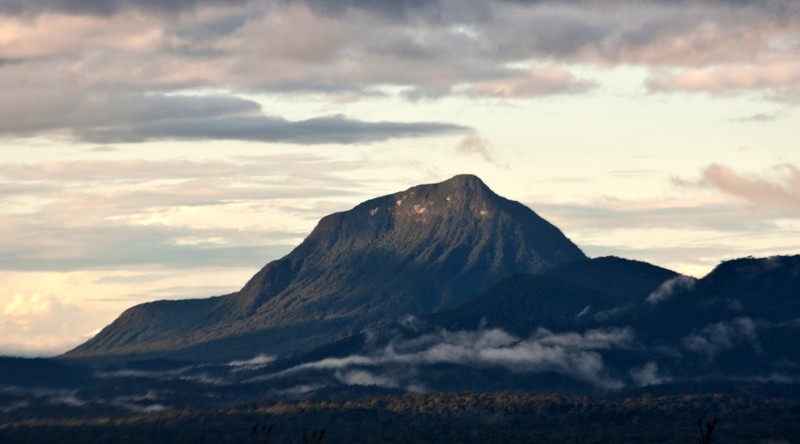
The landscape includes open grasslands, scrub, gallery forests along rivers, humid mountain forests, and unusual plant communities on rocky summits. The isolation of the tepuis has helped many endemic species evolve, some of which occur nowhere else. The region is of great interest to geologists, botanists, and wildlife enthusiasts.
Tepuis: ancient table mountains
Tepuis are the signature feature of Gran Sabana and Canaima National Park. Their flat summits resemble enormous stone plateaus surrounded by near-vertical walls. The best-known mountains include Roraima and Kukenán. Their high cliffs are often wrapped in clouds, and their summits provide distinctive conditions for plants and animals.
Mount Roraima lies near the meeting point of the borders of Venezuela, Brazil, and Guyana. Its summit reaches approximately 2,810 metres above sea level. A multi-day trek to the Roraima plateau crosses savannas, forested areas, and rocky slopes. It requires good physical fitness, experienced guides, and advance planning.
Waterfalls and rivers
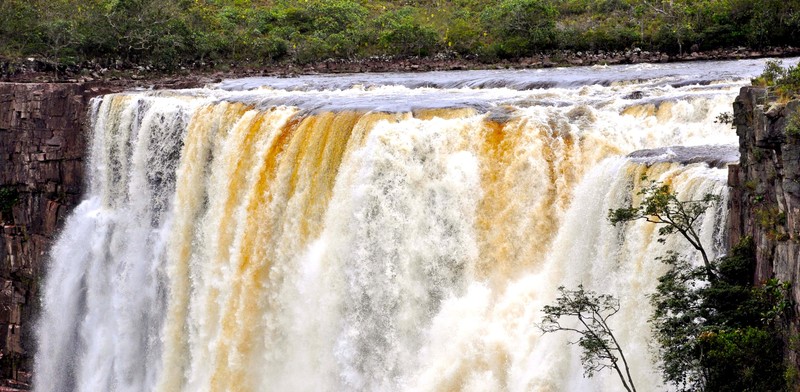
Water is one of the defining elements of Gran Sabana's scenery. Rivers cross the plains, forming rapids and small cascades, while waterfalls, natural pools, and resting places can be found near the tepuis. Depending on the route, visitors may see waterfalls and river cascades along the road through the region.
Gran Sabana forms part of the extensive Caroní River watershed. Its tributaries feed the water systems of southeastern Venezuela. Water levels and waterfall flows change with the season and rainfall, so the same locations can look very different at different times of year.
Plant and animal life
Gran Sabana contains a wide variety of habitats. Grasses and low shrubs dominate the savannas, denser forests grow along rivers, and humid tepui slopes support ferns, orchids, and other plants adapted to cool, wet conditions. Some mountain summits host species that evolved in relative isolation.
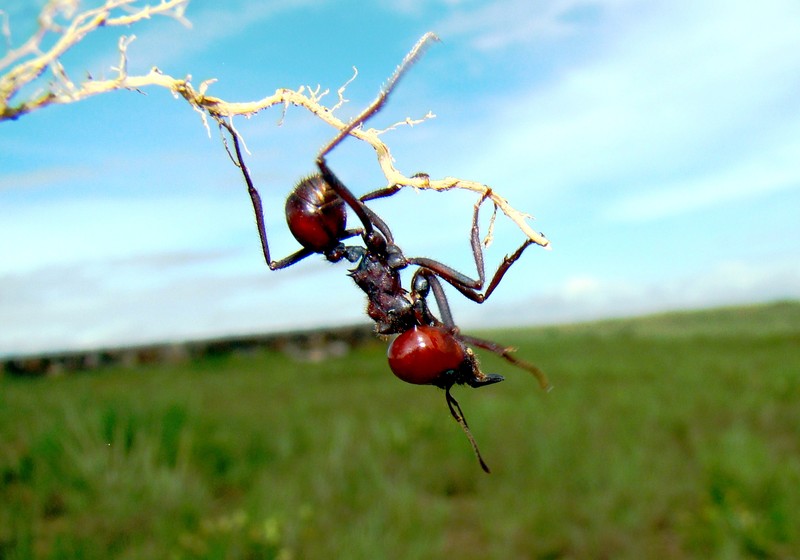
The region is home to many birds, amphibians, reptiles, and mammals. In more wooded areas, signs of large animals, including jaguars and tapirs, may be found, although sightings are never guaranteed. Many species are sensitive to habitat disturbance, so wildlife should be observed from a distance without disturbing it.
The Pemón people and cultural heritage
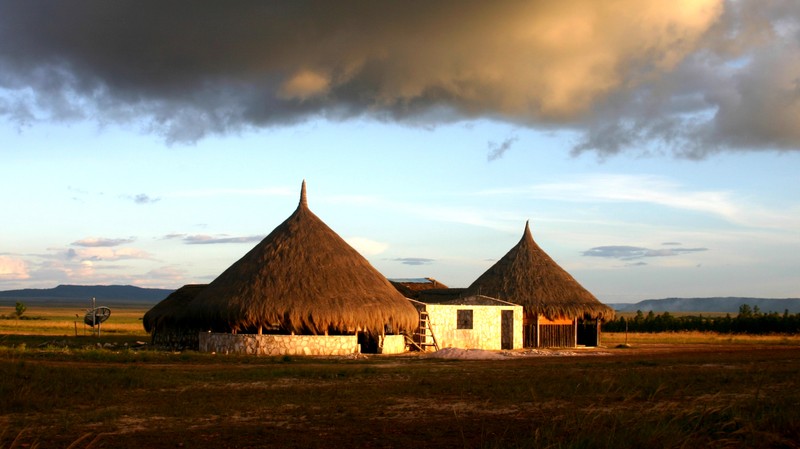
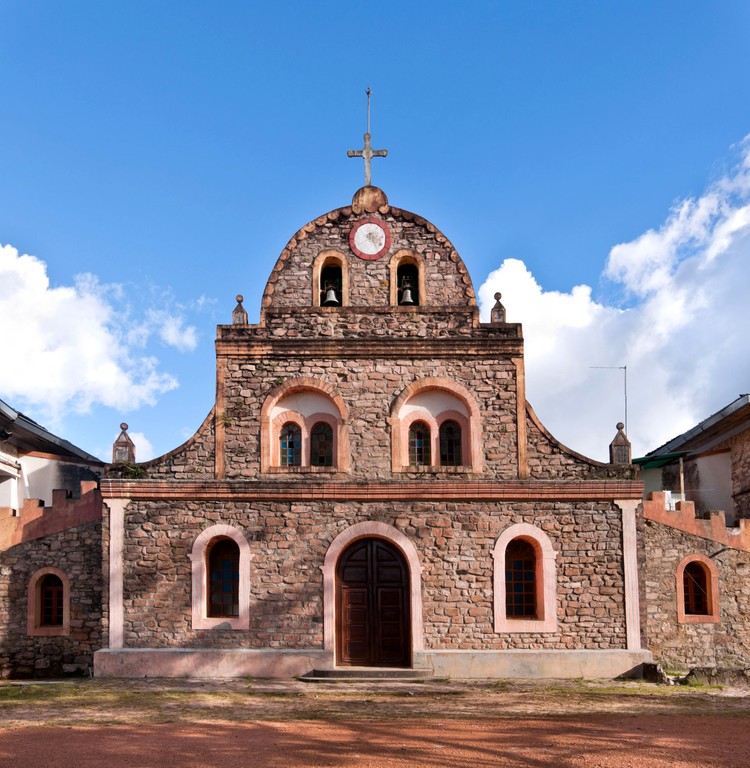
Gran Sabana is the traditional homeland of the Indigenous Pemón people, whose culture and history are closely connected to the savannas, rivers, and tepuis. These mountains hold spiritual significance for local communities and feature prominently in oral traditions. Pemón settlements are found throughout the region, and local guides help visitors learn about its natural and cultural heritage.
Visitors should respect local customs, ask permission before photographing people or private property, and use qualified guides for hikes and trips to remote areas. Supporting local communities helps preserve traditions and encourages more responsible tourism.
What to see in Gran Sabana
Among the region's best-known natural landmarks are Mount Roraima, Mount Kukenán, waterfalls, river rapids, and the broad savannas along the Troncal 10 highway. Visitors also explore viewpoints, small settlements, and natural areas where open grasslands transition into forested slopes.
Gran Sabana is the eastern sector of Canaima National Park. When planning an itinerary, account for the distances between attractions: many sites are far apart, and reaching certain tepuis requires several days of hiking. Some locations are not accessible by an ordinary car, particularly after heavy rain.
When to visit
Gran Sabana is warm throughout the year, but rainfall varies considerably by season. A relatively drier period usually falls from the end of the year into early spring. During the rainy season, rivers and waterfalls may be fuller, while roads and trails can become more difficult to navigate. Conditions vary by location and elevation.
Before travelling, check the weather forecast, road conditions, and requirements for entering protected areas. A trek to Roraima requires advance arrangements for guides, overnight stays, and supplies. It is also important to remember that high elevations can be cool and damp.
How to reach Gran Sabana
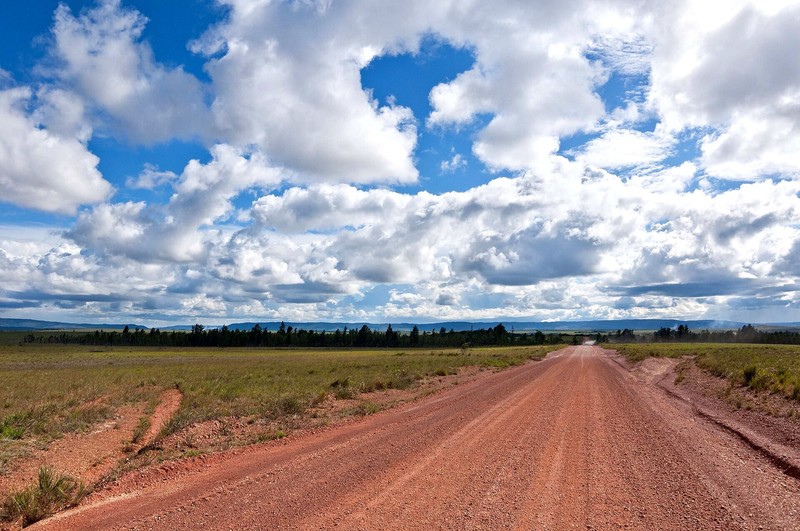
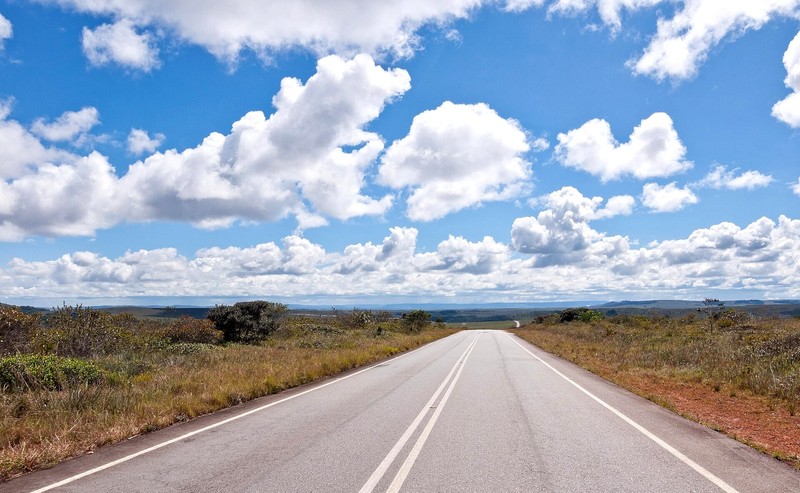
The main road route follows Troncal 10 south through Bolívar State toward Santa Elena de Uairén and the Brazilian border. Along the way, travellers can see savannas, rivers, and tepuis. Some attractions lie far from the main highway, so a four-wheel-drive vehicle or organised excursion may be necessary.
Santa Elena de Uairén is one of the main starting points for exploring the region and trekking to Roraima. Travel time depends on the starting point, road conditions, and chosen route. Check current road information and access restrictions near the border before setting out.
Travel tips
Bring sturdy footwear, lightweight clothing, sun protection, insect repellent, and a rain jacket. Mountain weather can change quickly, even on warm days. Avoid swimming in unfamiliar places with strong currents, stay away from cliff edges, and do not attempt remote routes without adequate preparation.
Gran Sabana is a fragile natural environment. Take all rubbish with you, avoid damaging plants, do not light fires outside permitted areas, and leave stones and other natural objects where they are. Respect for ecosystems and Pemón culture helps preserve this unique region for future generations.
Gallery