Canaima National Park is a vast protected area in southeastern Venezuela, known for its table-top tepui mountains, tropical forests, savannas and numerous waterfalls. It is home to Angel Falls, one of the world's most remarkable natural landmarks. The park's distinctive landscapes and ecosystems earned it UNESCO World Heritage status in 1994.
Where the park is located
The park lies in Bolívar State on the Guiana Highlands, near Venezuela's borders with Brazil and Guyana. It covers approximately 30,000 square kilometres and includes mountain formations, rivers, waterfalls, humid forests and open grasslands.
The ancient tepuis
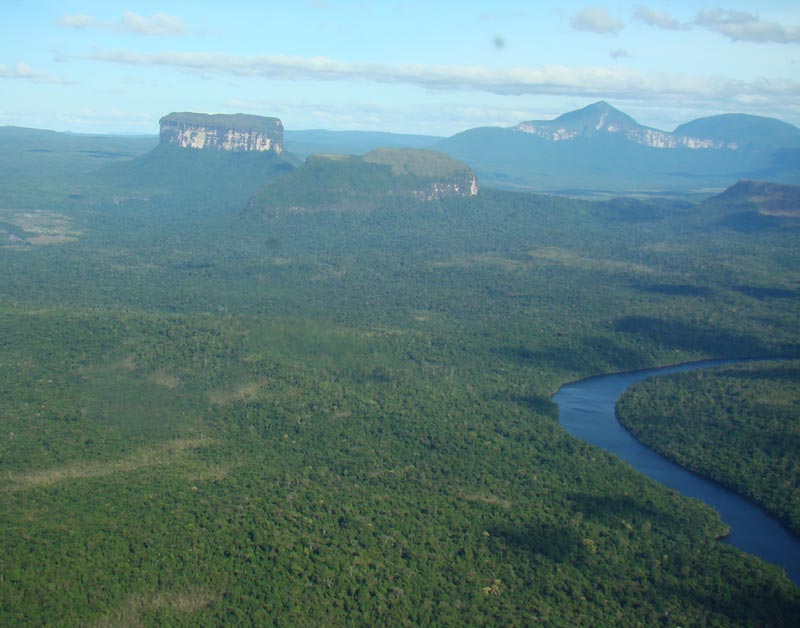
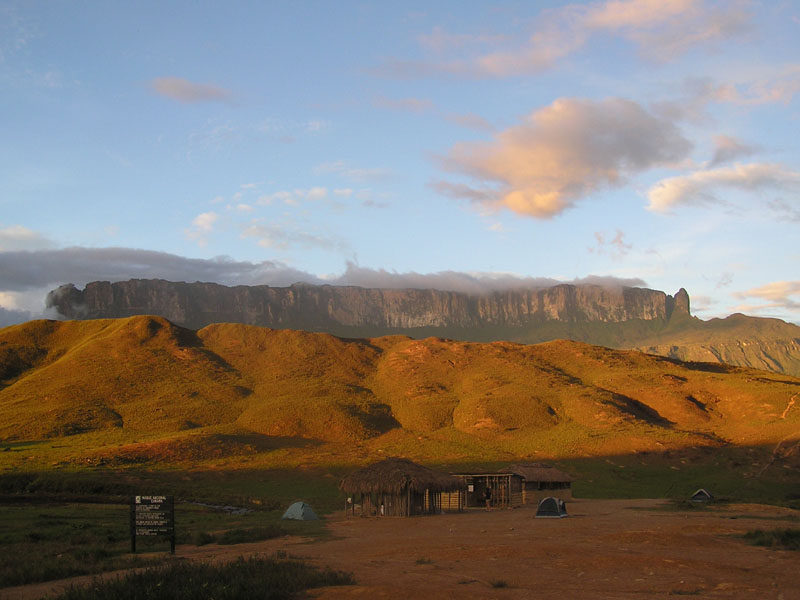
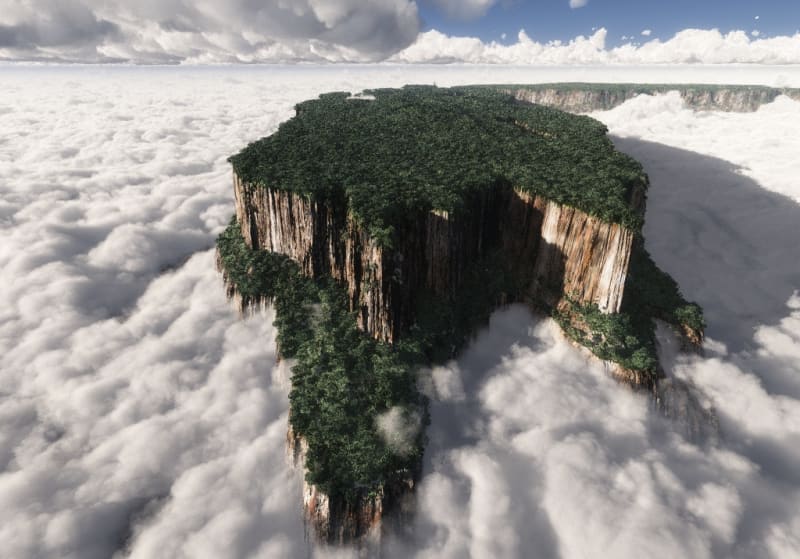
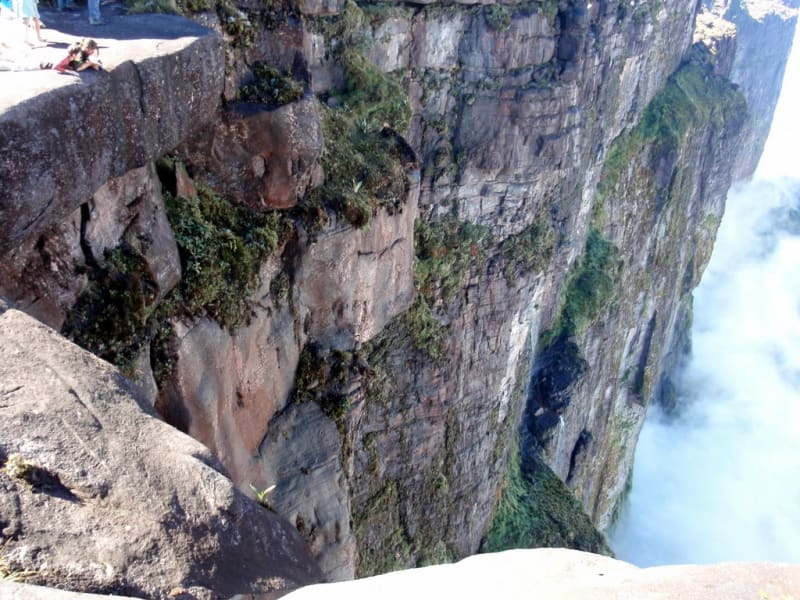
Canaima's defining features are tepuis, ancient table mountains with flat summits and steep cliffs. They rise above the surrounding forests and savannas, creating dramatic landscapes. Their isolated summits support distinctive ecological communities.
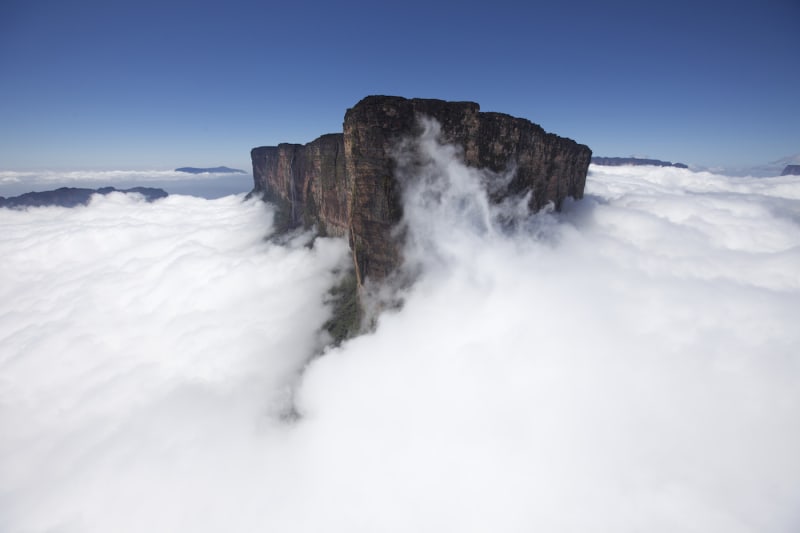
Mount Roraima is one of the region's best-known tepuis. Its flat summit and sheer rock walls attract hikers and researchers. Treks to the tepuis require preparation and are best undertaken with experienced local guides.
Angel Falls
Angel Falls, also known as Salto Ángel, is the park's most famous attraction. The water plunges from Auyán-tepui from a total height of about 979 metres. The falling stream can turn into mist before reaching the lower parts of the gorge.
Visits are usually arranged as guided excursions. Depending on the itinerary, the journey may include a flight to Canaima, a motorboat trip along the river and a walk through the forest. Access depends on weather conditions and river levels.
Canaima Lagoon and waterfalls
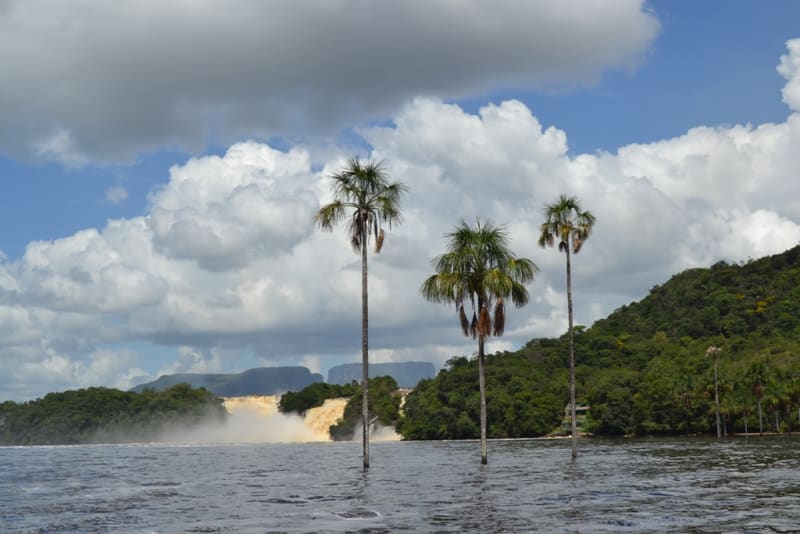
Canaima Lagoon is surrounded by tropical vegetation and waterfalls. Some rivers and pools have a reddish tint caused by naturally occurring organic matter. Dark water, green banks and bright cascades create the distinctive scenery of this part of the park.
Nearby waterfalls can be reached by boat or on foot with a guide. These excursions offer close views of the rivers and tropical forest.
Wildlife and ecosystems
The park includes savannas, forests, river valleys and high plateaus. Its wildlife includes a variety of birds, reptiles, amphibians and mammals. Tepui summits support plants adapted to the special conditions of isolated mountain ecosystems.
Visitors should avoid leaving litter, stay on permitted routes and follow conservation rules throughout the protected area.
The Pemon people and local traditions
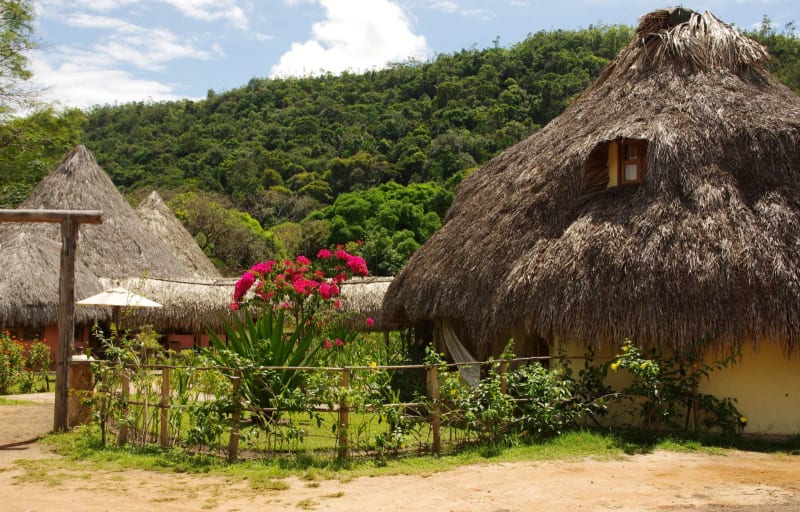
Canaima has deep historical connections with the Indigenous Pemon people, who live in this part of Venezuela. Local guides share knowledge of the landscape, explain cultural traditions and lead excursions along rivers and forest trails.
When visiting settlements, respect residents' privacy and ask about photography rules in advance.
When to visit
Canaima has a tropical climate, so travel conditions depend on rainfall and river levels. Waterfalls may be fuller during wetter periods, although heavy rain can make travel more difficult. Check seasonal conditions with tour operators before setting out, as access to individual sites can change.
How to get to the park
Visitors generally reach the region on domestic flights to Canaima or other accessible destinations. Further travel is often by boat and on foot. Because infrastructure is limited in remote areas, transport, accommodation and guiding arrangements should be organised in advance.
Travel tips
Bring lightweight clothing, comfortable footwear with good grip, rain protection, insect repellent and a waterproof case for electronic equipment. Mobile coverage and other familiar conveniences are not available everywhere.
Canaima National Park is an outstanding destination for travellers interested in dramatic mountains, waterfalls and the ecosystems of the Guiana Highlands. Its tepuis, lagoons and Angel Falls make it one of Venezuela's most recognisable natural regions.
Gallery