The ruins of Quirigua are an ancient Maya archaeological complex in the Motagua River valley, in Guatemala’s Izabal department. The site is known for monumental stone stelae, intricate sculptures and hieroglyphic inscriptions that record rulers and important events. Quirigua was inscribed on the UNESCO World Heritage List in 1981.
History of the ancient city
Quirigua was inhabited as early as the 2nd century AD. The city stood in the strategically important Motagua Valley, along trade routes connecting the interior of Mesoamerica with the Caribbean coast. Jade, obsidian and other valuable materials were transported along the river, making control of the area economically and politically significant.
Quirigua reached its peak during the 8th century. Under K’ak’ Tiliw Chan Yopaat, the city strengthened its independence and gained regional influence. In 738, its forces defeated the ruler of nearby Copán, an important Maya centre in present-day Honduras. This victory changed the regional political balance and became one of the best-known episodes in Quirigua’s history.
In the following decades, large monuments were erected to commemorate rulers and significant dates. By the end of the Classic Period, around the 9th century, the city’s political importance had declined. Its surviving structures and monuments reveal its development and role in Maya history.
The stone stelae of Quirigua
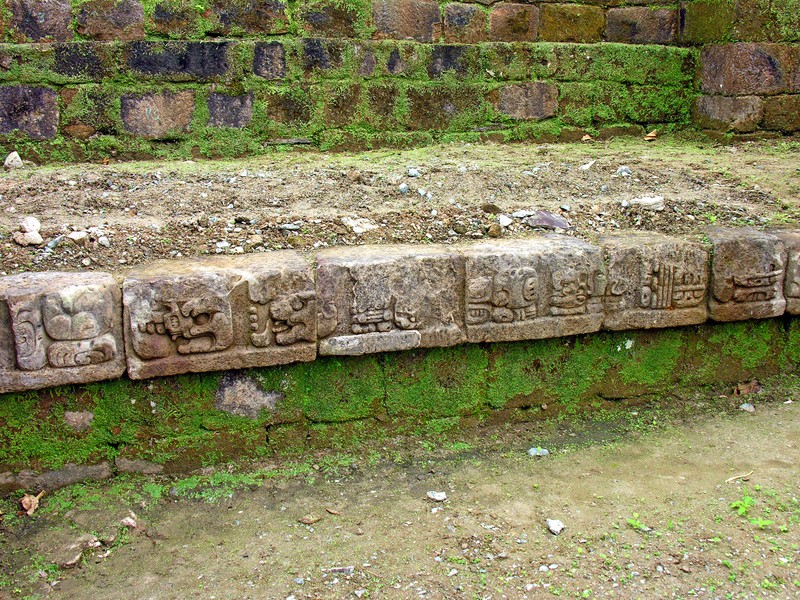
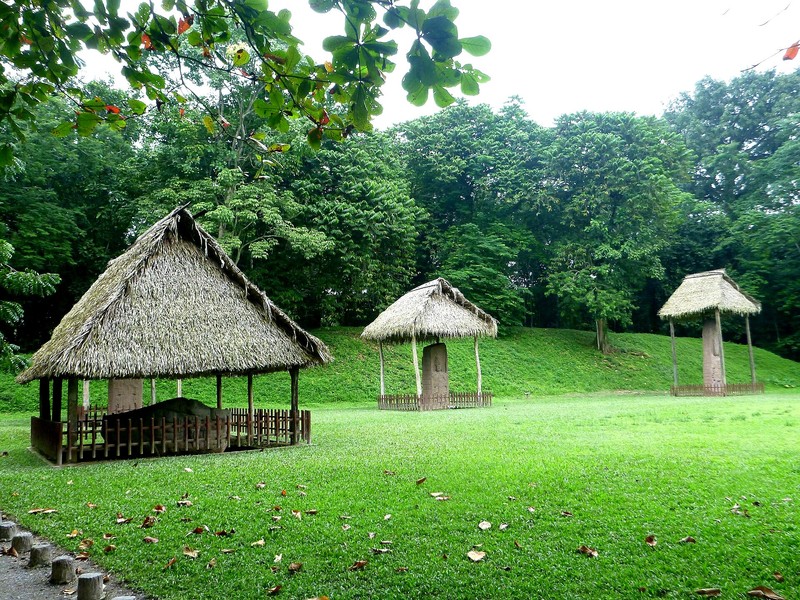
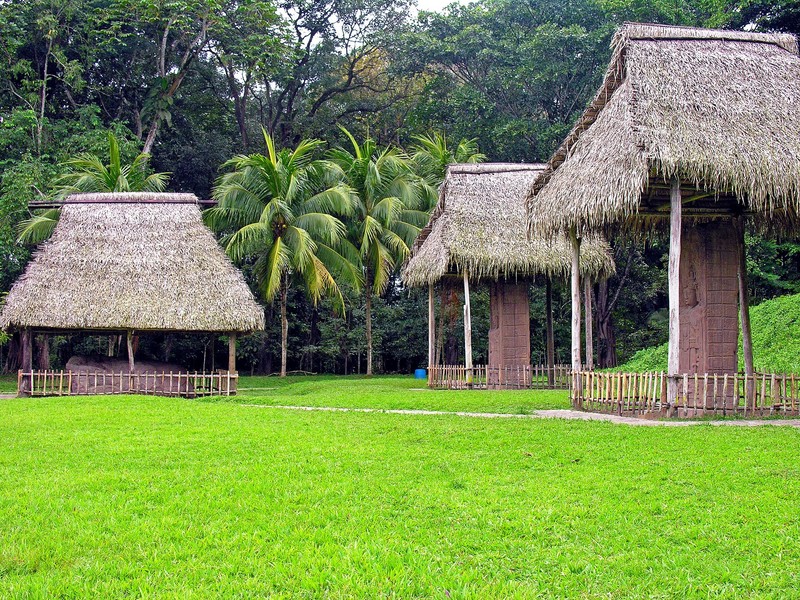
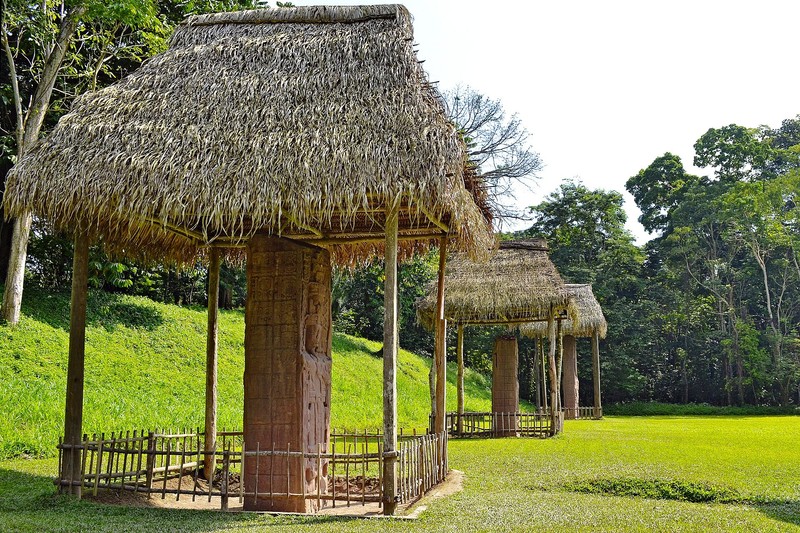
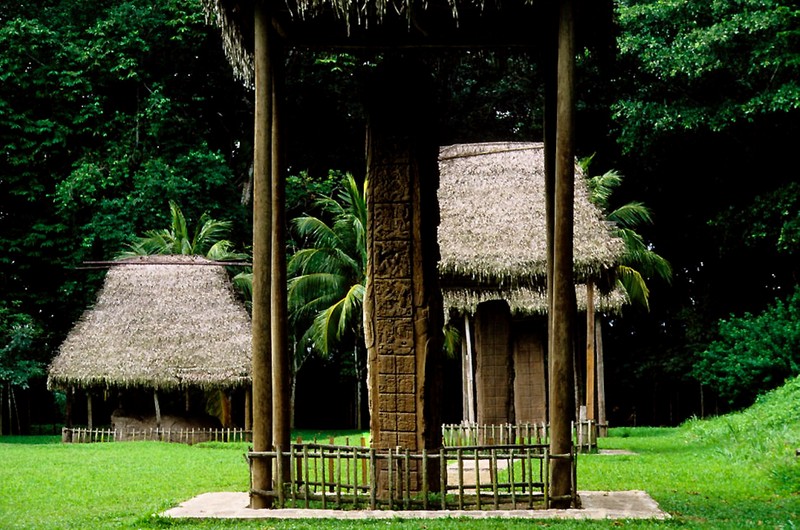
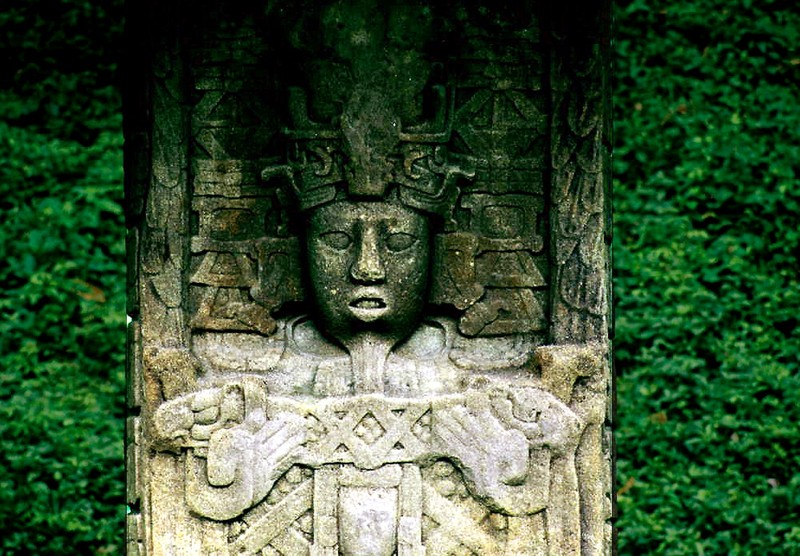
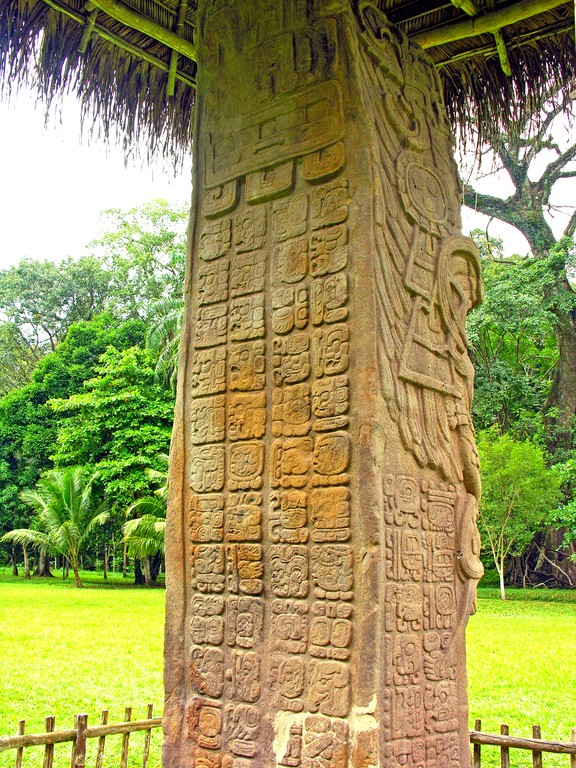
The site’s defining features are tall sandstone monoliths known as stelae. Their surfaces display carved rulers, calendar dates and hieroglyphic texts describing ceremonies, political events, mythology and important moments in royal reigns. They are considered outstanding works of Classic Maya art.
Stela E, erected in 771, is especially famous. It stands about 10.6 metres tall and is estimated to weigh around 65 tonnes. It is one of the tallest freestanding stone stelae in the Maya world. Its scale and detailed carving demonstrate the exceptional skill of ancient sculptors who worked without metal tools.
Zoomorphic sculptures
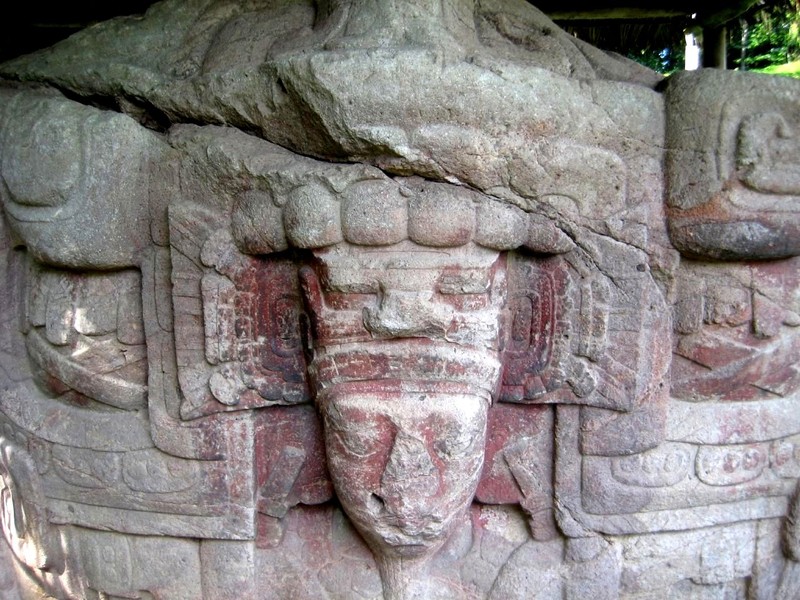
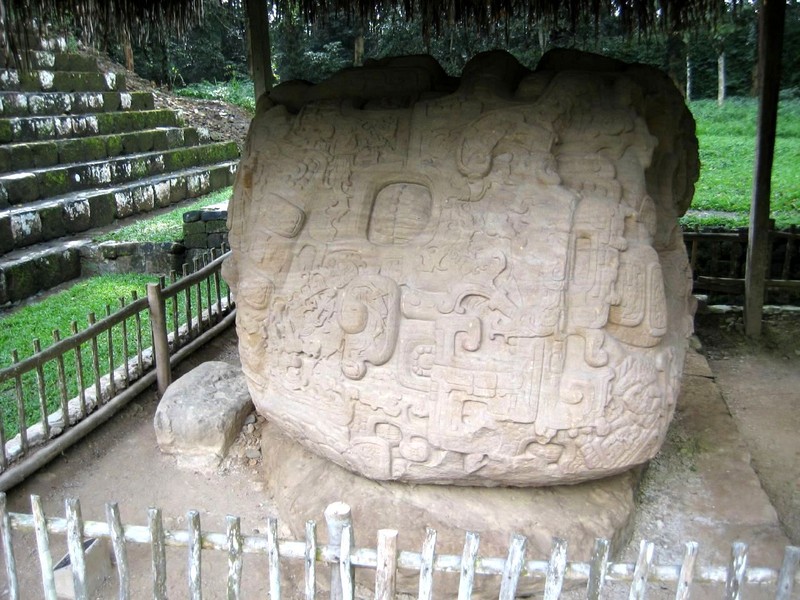
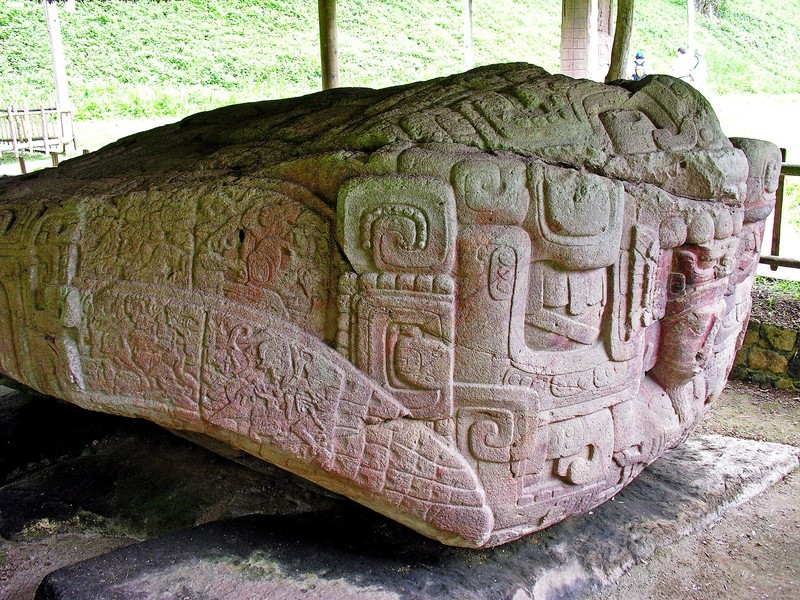
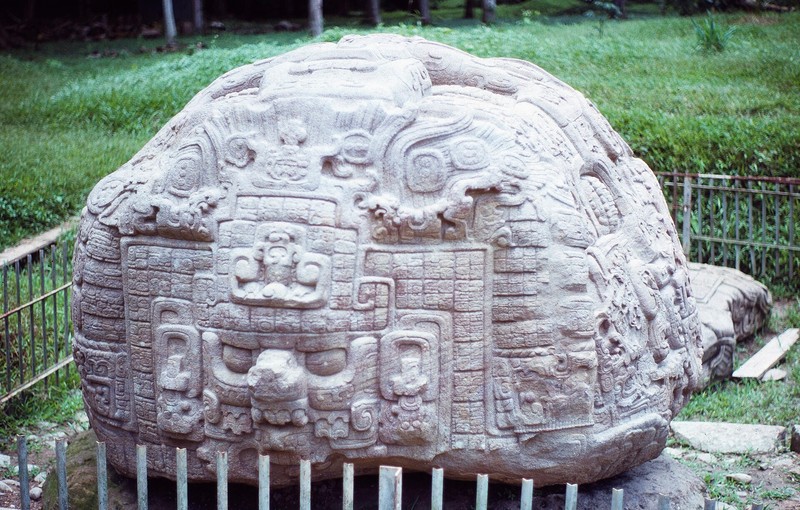
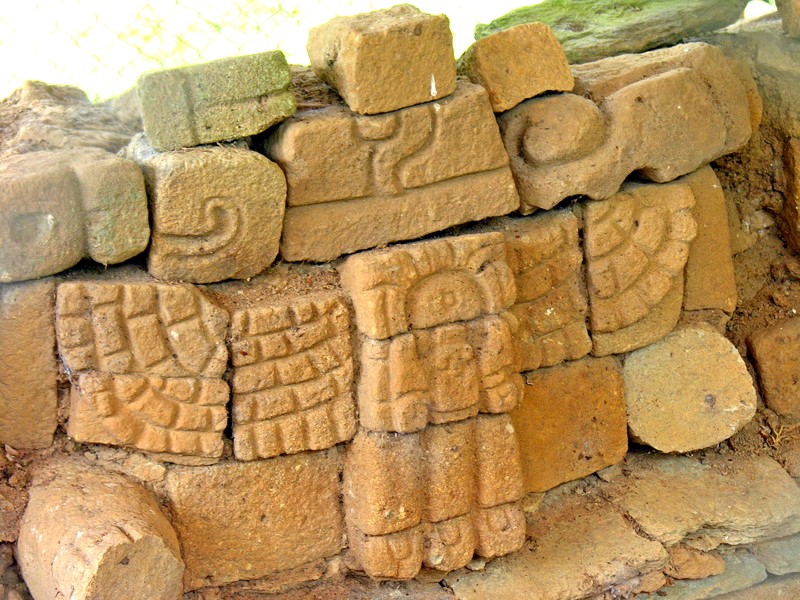
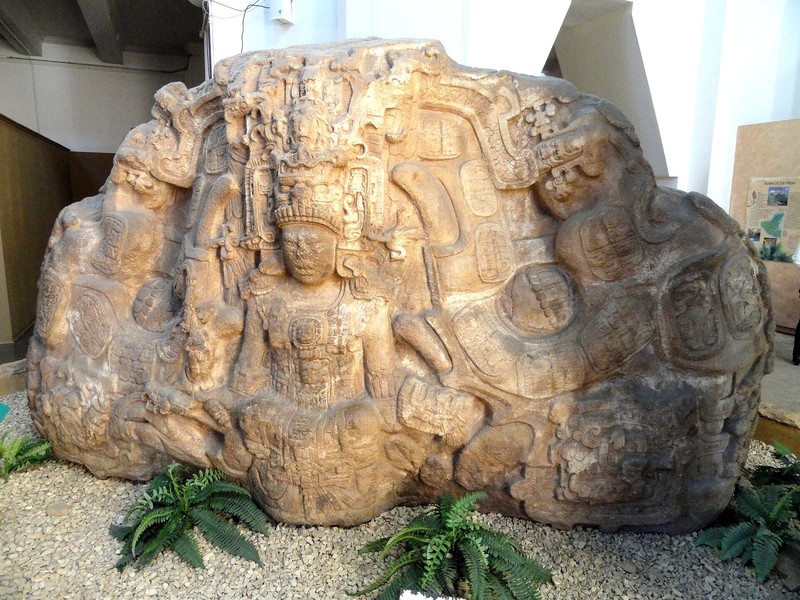
Quirigua also preserves large zoomorphic monuments: massive stone carvings combining animal features, mythical beings and symbolic imagery. Their surfaces are covered with elaborate reliefs and hieroglyphs. These works are associated with Maya religious beliefs, royal power and ritual ceremonies.
The carving is remarkably detailed, with figures, patterns and individual signs still visible on the stone. The sculptures are valuable to researchers because they combine artistic imagery with historical information.
The Great Plaza and architectural complex
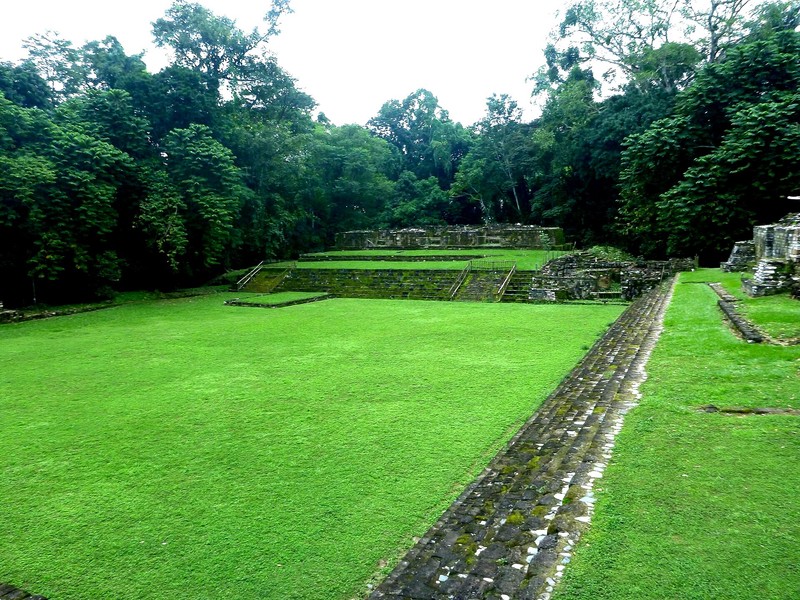
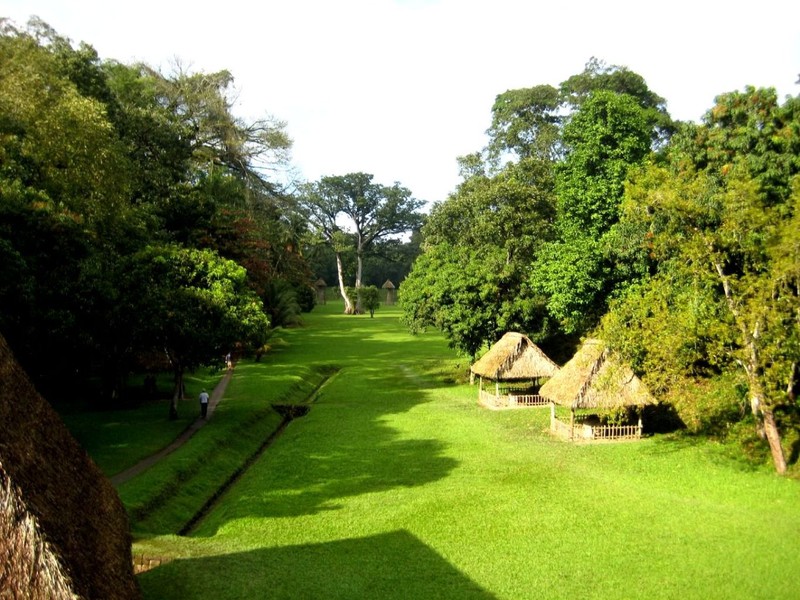
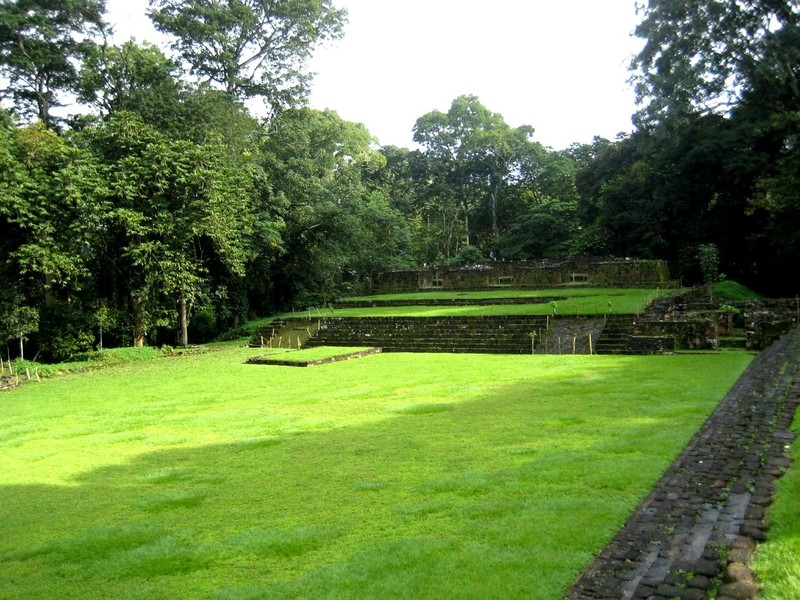
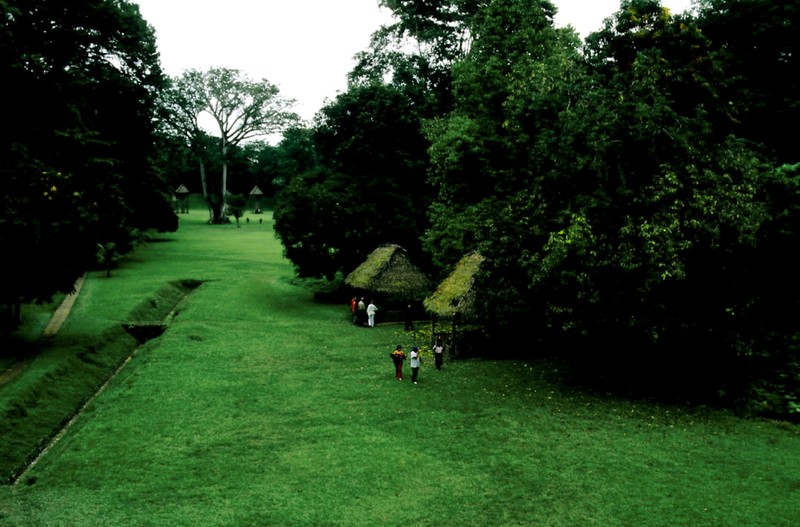
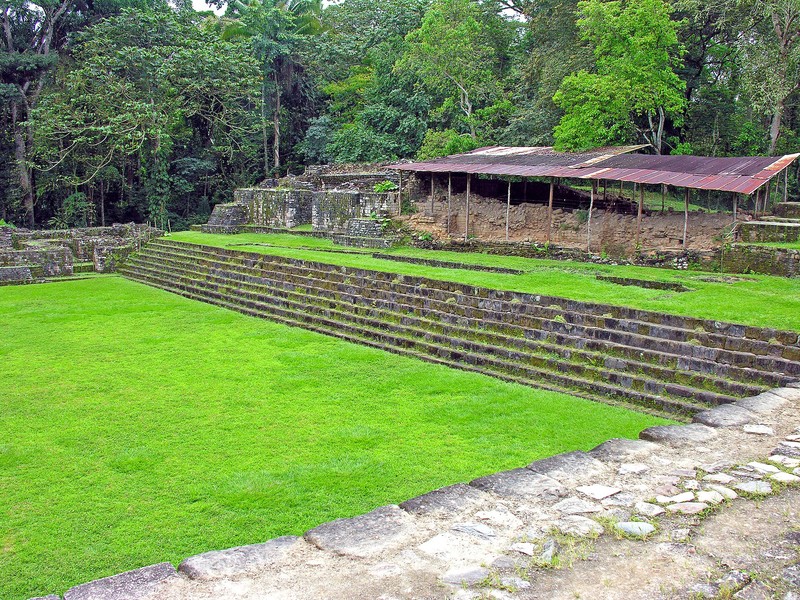
The centre of the ancient city is the Great Plaza, a broad open space surrounded by monumental structures. The archaeological area also includes the Ceremonial Plaza, the Plaza of the Temple, the Acropolis and other groups of buildings associated with civic, administrative and religious life.
Unlike some other Maya cities, Quirigua is known primarily for its stone monuments rather than towering pyramids. Its open layout allows visitors to view the stelae and sculptures from different angles and examine their carved details.
Nature in the archaeological park
The archaeological site covers about 34 hectares and preserves a patch of humid subtropical forest in the Motagua Valley. Ceiba, cedar, mahogany and other tropical trees grow here. The forest provides habitat for small mammals, armadillos, bats, reptiles, amphibians and a variety of resident and migratory birds.
The combination of ancient monuments and tropical vegetation creates a peaceful setting for a walk. Visitors should remain on marked paths, avoid touching or damaging the stone structures and take their rubbish with them.
UNESCO World Heritage
Quirigua Archaeological Park and Ruins became a UNESCO World Heritage Site in 1981. Its international recognition reflects the outstanding artistic quality of its monuments and their importance for understanding Maya history. The stelae and sculptures preserve evidence of political life, calendrical systems, religious ceremonies and relationships between ancient cities.
In 2016, Quirigua’s sculptural heritage was also recognised through UNESCO’s Memory of the World Programme, highlighting the monuments’ value as historical records.
How to get to Quirigua
The archaeological park lies near the settlement of Quirigua, close to the town of Los Amates in Izabal. It can be reached via the CA-9 highway, also known as the Atlantic Highway. A visit can be combined with a trip through eastern Guatemala, including Río Dulce and the Caribbean coast.
Visiting hours
A few hours are generally enough to see the main stelae, zoomorphic sculptures and plazas. Allow time to study the reliefs and hieroglyphs at a relaxed pace. According to published information from Guatemala’s Ministry of Culture, the park is generally open daily from 8:00 a.m. to 4:00 p.m.; check the current schedule and admission fee before travelling.
Gallery