Portmeirion village
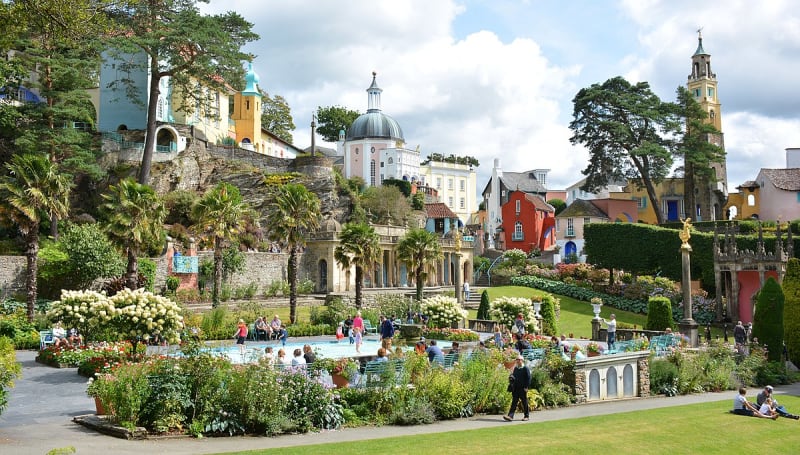
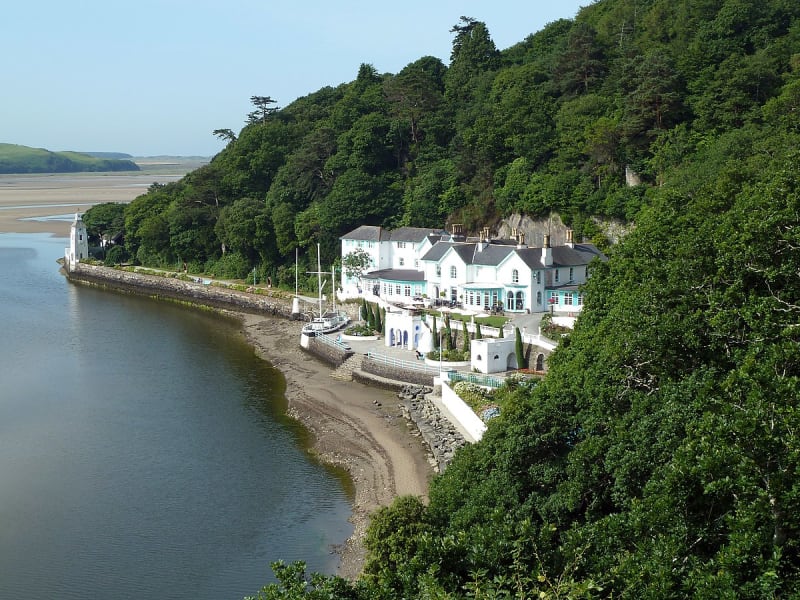
Portmeirion Village is a combination of a fantastic village and unusual gardens, created by Sir Bertram Clough Williams-Ellis, a famous Welsh architect. He began construction in 1927 on his private peninsula on the west coast of Snowdonia, incorporating it into the architecture of the wooded hillside and beach. Clough Williams-Ellis wanted to show that the development of a naturally beautiful site does not necessarily lead to its pollution. He bought the Portmeirion site in 1925 for just 20,000 pounds. This place was a desolate wilderness, but Clough had drawn up a plan for an entire town.
Own village
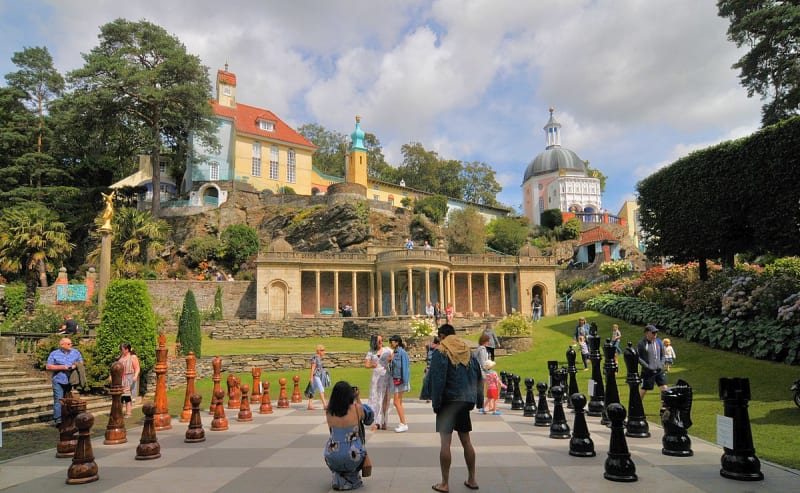
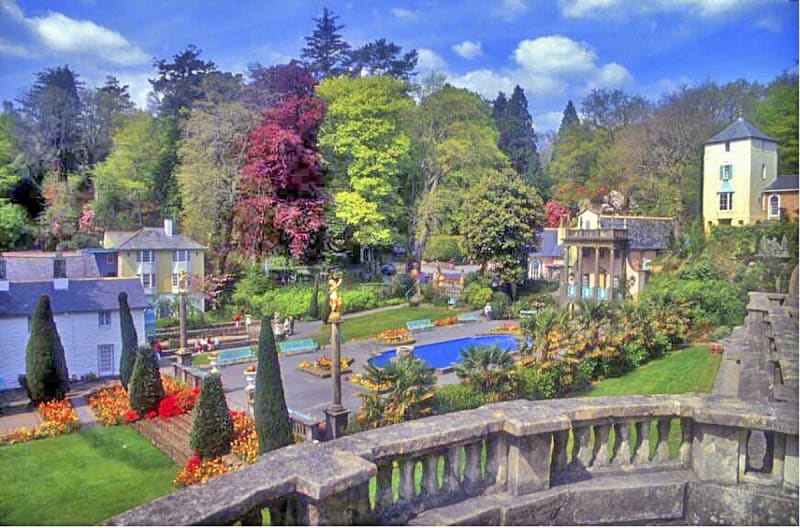
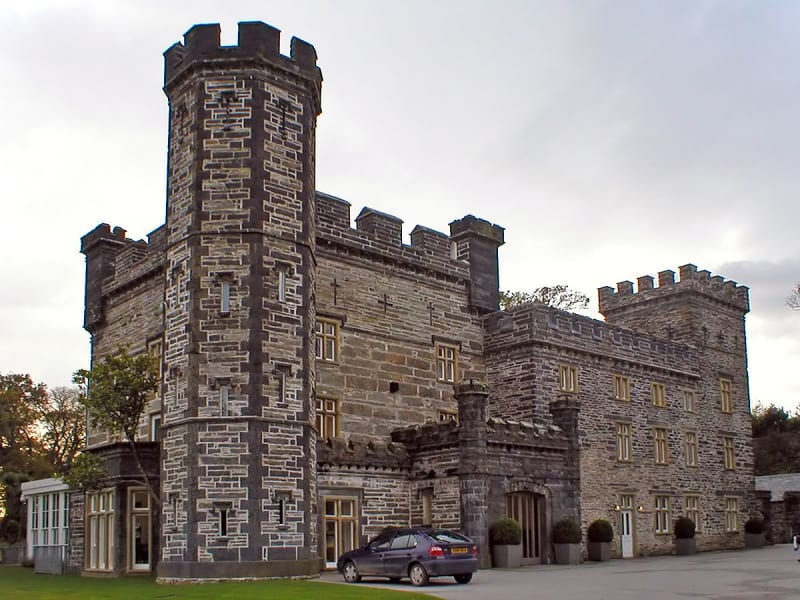
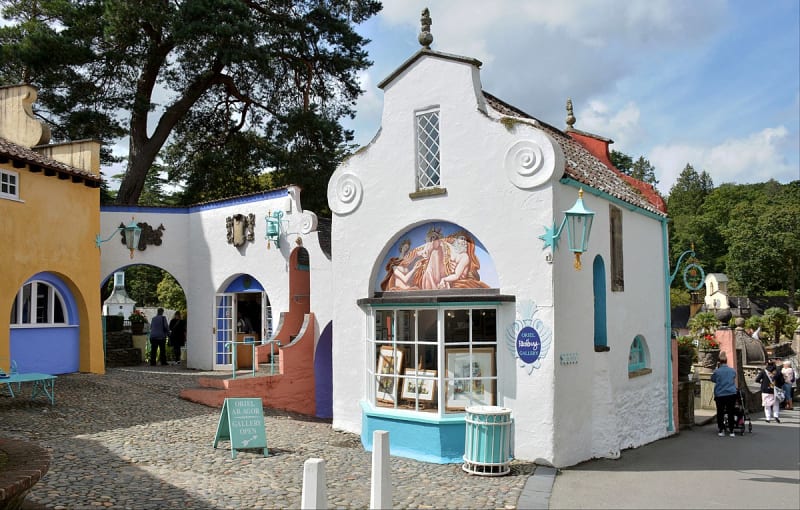
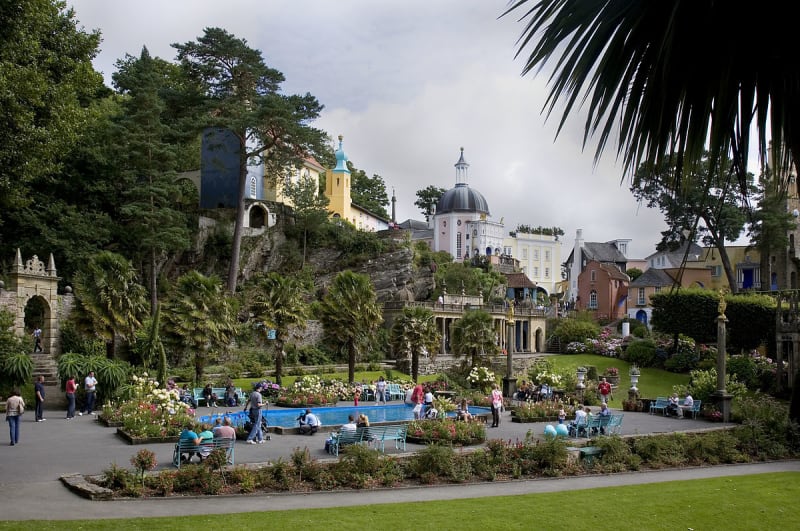
An amazing number of buildings in the village of Portmeirion were built in two stages. In 1925-1939, buildings were planned on this site, and distinctive arts and crafts buildings were erected in key locations around it. Then, from 1954 to 1976, the rest of the area was built up with neoclassical and Palladian buildings to contrast with the earlier style. Some buildings were saved from demolition and delivered in parts to Portmeirion. So many buildings were saved in this way that Clough called the village of Portmeirion "home to fallen buildings." He created a fabulous village with elements of Italian and Gothic design, set in 85 acres of beautiful forest gardens overlooking the harbor.
A fighter for nature
Clough was a charming and eccentric character, a fighter for the preservation of natural heritage. He also served as president of the Campaign for the Protection of Rural Areas in Wales for 20 years and was one of the founders of the Council for the Protection of Rural Areas in England. He influenced the campaign for the creation of national parks in England and Wales and actually delineated the boundaries of the Snowdonia National Park.
A popular place
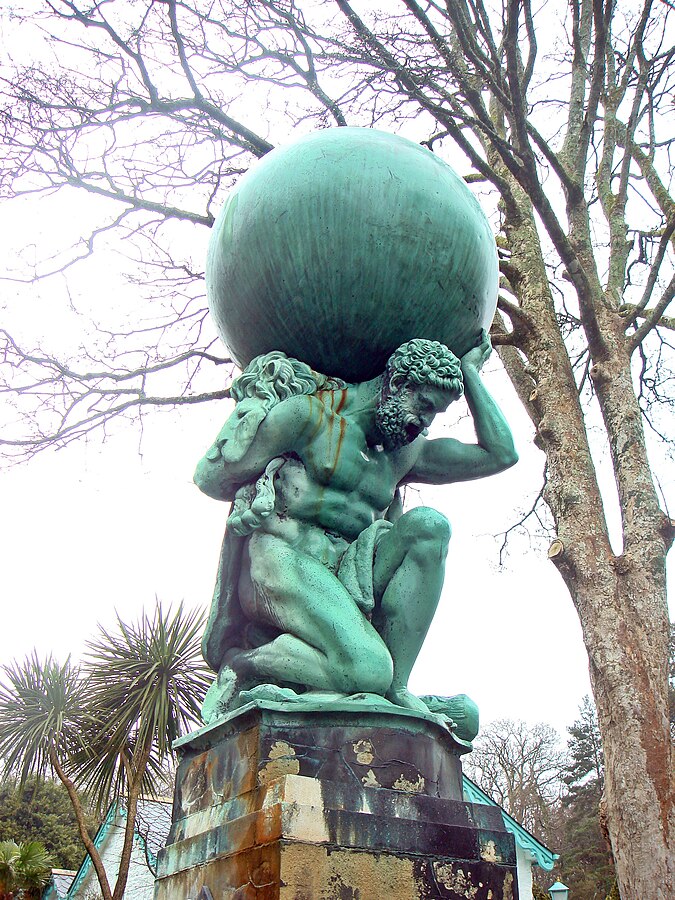
The village of Portmeirion is surrounded by forest gardens, with walks along the coastline and through the forest, with tall pines, plane trees, redwoods and fir trees. The Edwardian Garden features lush gardens with colorful seasons of rhododendron, azaleas, and camellias. In the center of the village of Portmeirion there is a Central Square with a Gothic pavilion at one end.
It became known as the setting for the 1960s TV series The Prisoner starring Patrick McGuane. All 17 episodes of the series were filmed in the village of Portmeirion. There is an audio-visual presentation about the development of the village, and cottages are rented out as holiday homes. The village sells the world-famous Portmeirion ceramics, created by the daughter of Sir Williams-Ellis.