Mount Snowdon
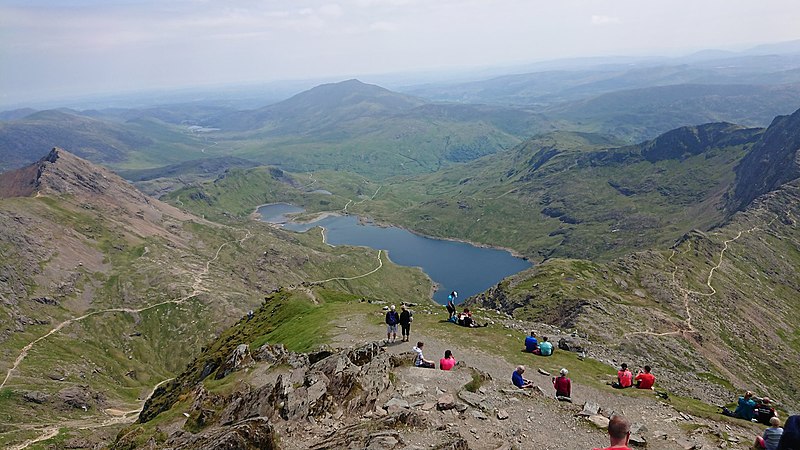
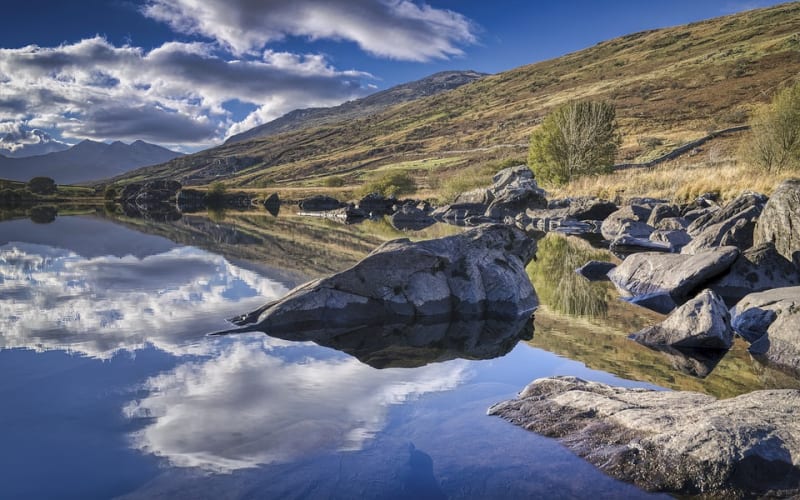
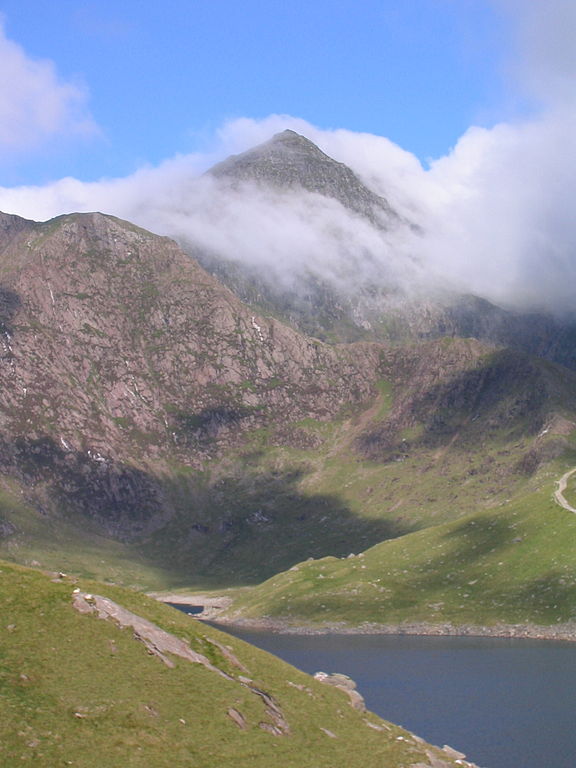
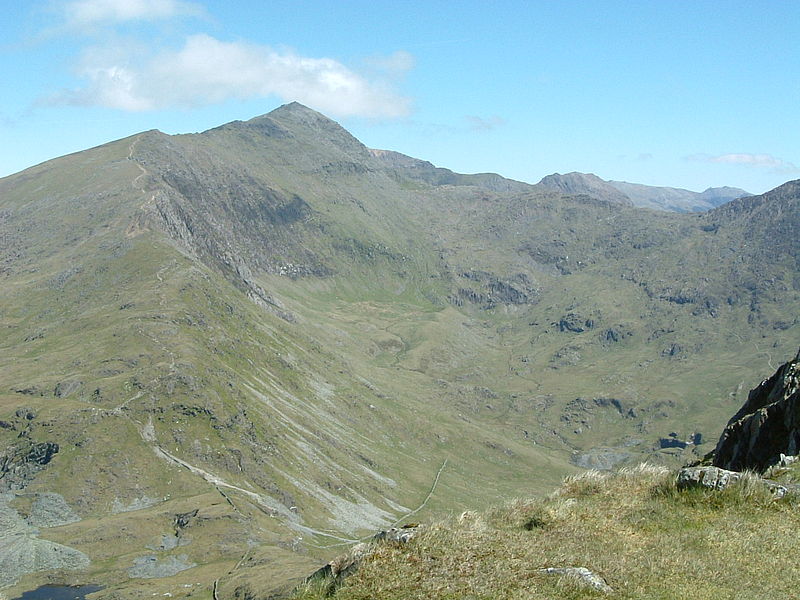
Mount Snowdon, also known as Yr Wyddfa, stands 1,085 meters above sea level and is the highest mountain in Wales and the highest point in the British Isles outside the Scottish Highlands. Yr Wyddfa translates from Welsh as the Great Tomb or the Great Throne. The English name comes from the Saxon "Snow Dun", which means a snowy hill.
The Lily Zone
Snowdon's Lily is an elegant arctic, alpine plant with beautiful white flowers and grass-like leaves. Edward Lwyd discovered this flower in Wales, and a genus of plants was named after him. The plant is regularly recorded as growing high in the mountains of Snowdonia, but has not been found anywhere else in the UK. This rare flower is under protection, and plucking it is strictly prohibited by law.
Snowdonia National Park
Snowdonia National Park is home to many interesting wildlife that are often difficult to see anywhere else. Wild goats, otters, ferrets, crows, peregrine falcons, ospreys, merlins, and red kites are known to call this region home, and they can be seen throughout the year. The park even has its own beetle, known in other countries as the rainbow beetle. Snowdonia is also home to over 1,000 beetles.
Coin poles
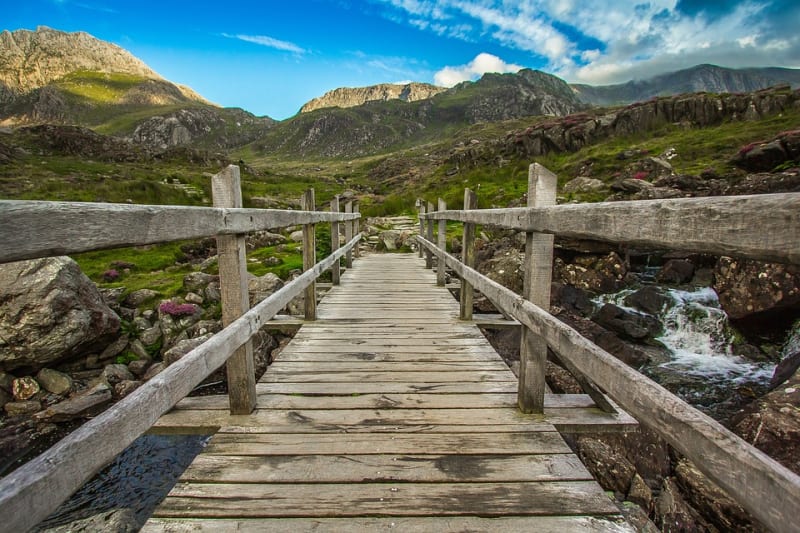
The old fence post on the Pig Trail, which became part of the landscape of Mount Snowdon, collapsed a few years ago, but was quickly repaired. Climbers and walkers put coins in several fence posts on the mountain, and they became known as "penny posts." Near the lake, they can often be seen on the sidewalks. The famous pole is located on the Llanberis Trail near Clogwyn Station and was once part of a fence erected in the late 1970s to protect the footpath from erosion. In several districts, money is often deposited in old tree stumps. Locals believe that this will help kill the roots of the tree.
Everest Training
Thomas Johnson was the first to climb to the top of Snowdon in 1639, and since then hundreds of famous personalities have climbed to the top. In the early 1950s, the team that successfully conquered Mount Everest for the first time trained on Snowdon. The routes leading from Pen-y-Pass were considered similar to those leading to the Everest base camp. The team trained on these slopes with the equipment necessary for the Everest highlands. The expedition often stayed at the Pen-y-Gwrid Hotel, and memories of their trip can still be seen in the bar.