Pembrokeshire coast
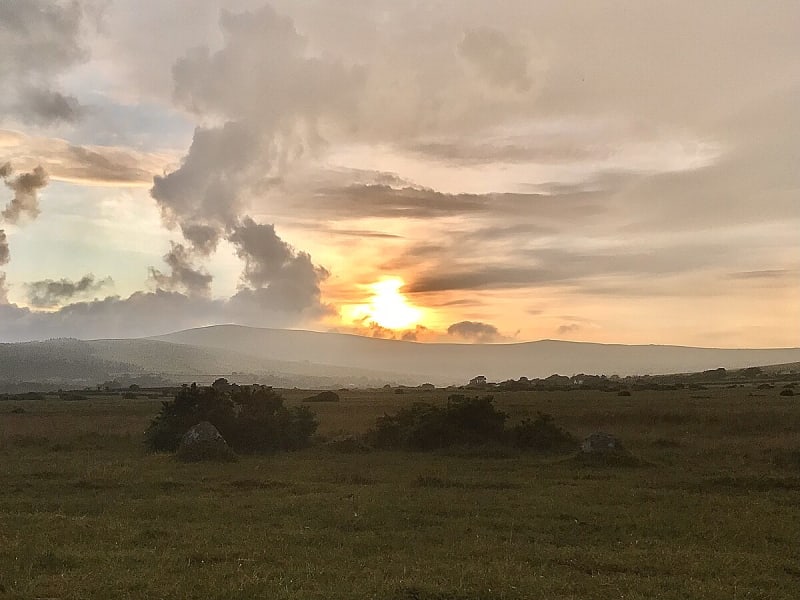
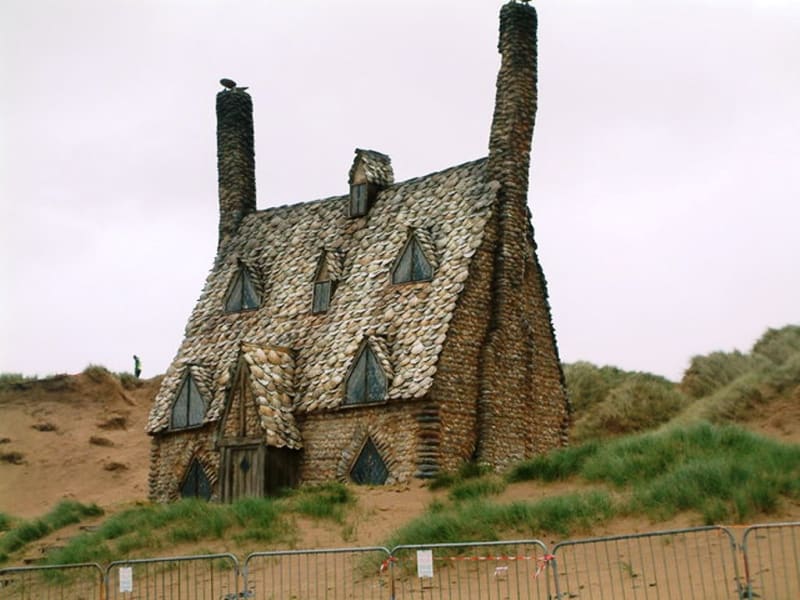
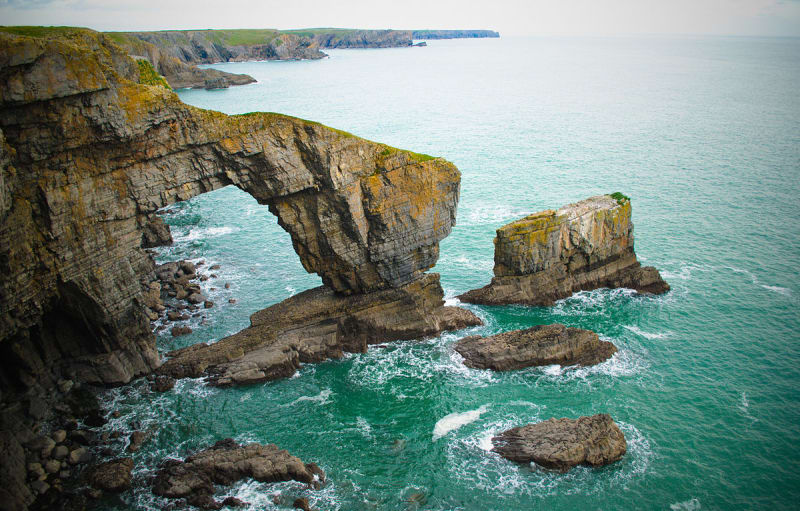
The Pembrokeshire Coast is a national park consisting of plateaus overlooking the sea cliffs. A great place for bird watching on the islands of Grasholm, Skomer and Skokholm, and Ramsey Island is known for its large seal population. This coastal paradise is not only home to some of the most exquisite scenery in Wales, but also offers many amazing adventures.
Private coast
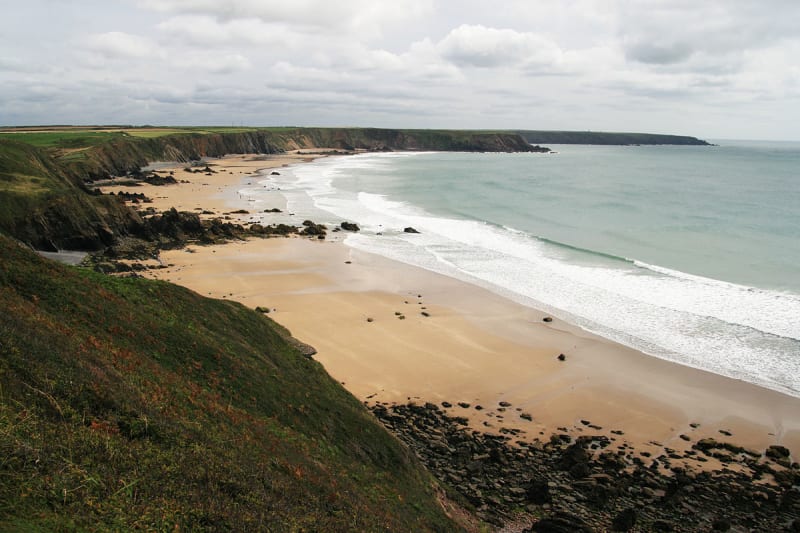
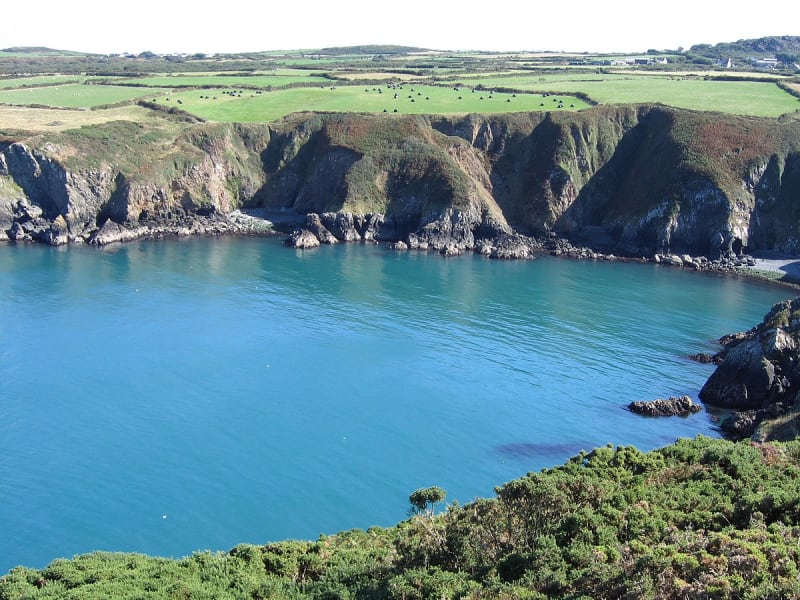
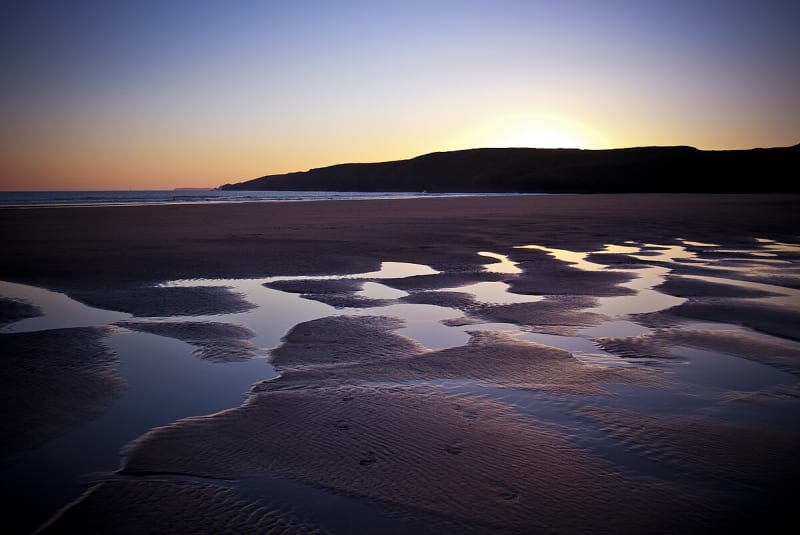
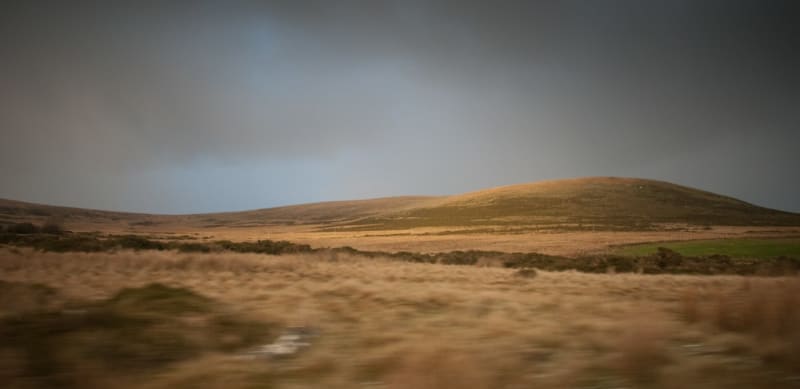
The impressive 420 km coastline includes a variety of landscapes from rocky outcrops and grassy headlands to golden beaches and hidden coves. More than 98% of the Pembrokeshire Coast Park is privately owned. Most of the land belongs to the County Council and the National Trust, both of which work closely with the park administration to carry out conservation work to ensure the protection of the area.
Creation and life in the park
The Pembrokeshire Coast National Park on the coast of Pembrokeshire was so named in 1952 and has since become one of the most popular in the whole of Great Britain, known for its spectacular coastal landscapes, quaint towns and picturesque villages. The National Park Authority, the governing body that takes care of the park, was established later in 1996 to ensure the protection of the territory. The park has been gaining popularity and now has a population of more than 22,500 residents, most of whom live in St. Davids or Tenby, the two most developed areas of the park. The rest of the population lives in small towns and villages along this stunning coastline.
Pembrokeshire Coast Trek
The Pembrokeshire Coast Route is considered to be the first national route in Wales. Opened in 1970, the trail runs almost entirely within the Pembrokeshire Coast National Park. The usual route is from Poppit in the north to Amroth on the south coast.
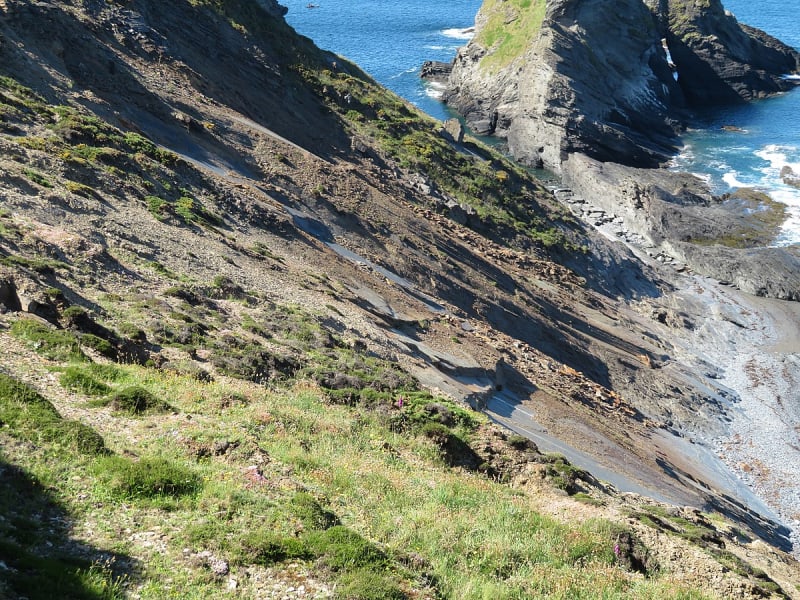
In addition to the magnificent coastal scenery, the trail includes at least 17 sites of Scientific Interest (SSSI), two nature reserves and the only marine reserve in Wales. In spring, wonderful expanses of wildflowers open on the cliff tops. The cliffs at Pull Granantara, near Seibwr Bay, are particularly notable for their impressive folds of sandstone and mudstone. A variety of birds nest along the cliffs of the Pembrokeshire coast, and grey seals can often be seen below.