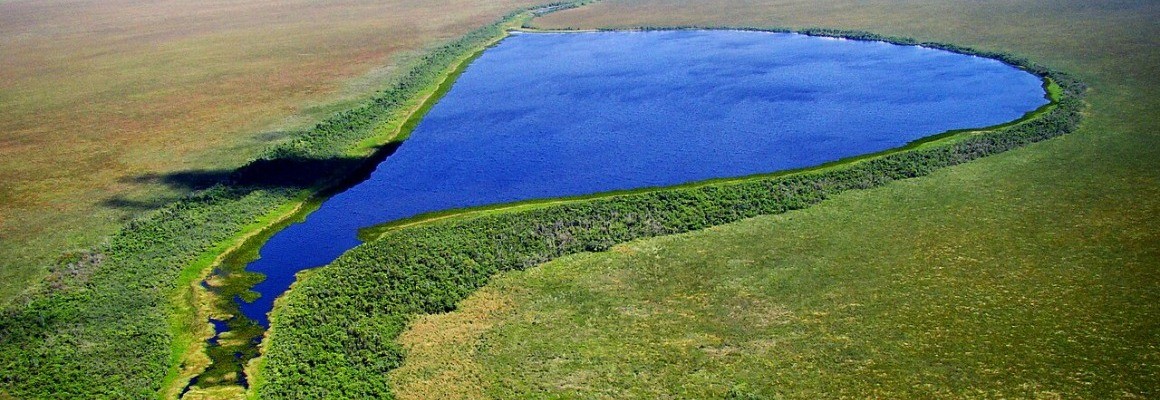
Itatiaia National Park is a protected natural area in southeastern Brazil, on the border between the states of Rio de Janeiro and Minas Gerais. Established in 1937, it is considered Brazil’s first national park. Itatiaia is known for mountain scenery, waterfalls, rocky peaks, tropical forests and a rich variety of plant and animal life.
The park lies within the Serra da Mantiqueira mountain range. Its landscapes range from humid forests and rivers in the lower area to cool high-altitude plateaus, exposed rocks and grasslands at higher elevations. This variety makes Itatiaia an appealing destination for hiking, birdwatching and exploring Brazil’s mountain environments.
History of the national park
Itatiaia National Park was established on 14 June 1937. Its creation marked an important milestone in nature conservation in Brazil. The park was created to protect the region’s distinctive mountain ecosystems, vegetation and wildlife.
Today, the area is important for ecological research, conservation and nature tourism. Visitors can explore its landscapes along designated routes, while park staff and specialists work to protect the natural heritage and promote responsible behaviour in the environment.
Mountains and high-altitude scenery
The best-known part of Itatiaia is its high plateau, with unusual rock formations and sweeping views. It is home to Pico das Agulhas Negras, one of Brazil’s most famous mountain peaks and the highest point in the state of Rio de Janeiro. The summit rises to approximately 2,790 metres. Its name means “Black Needles” and refers to its distinctive sharp rock formations.
The upper part of the park features mountain grasslands, rocky slopes, low-growing vegetation and open plateaus. These landscapes differ from the familiar image of tropical Brazil: instead of dense jungle, visitors may encounter cool summits, mist and rugged rock formations. Weather at altitude can change quickly, so be prepared for wind and falling temperatures even during warmer months.
Waterfalls and natural pools
The lower part of the park is known for its rivers, waterfalls and natural pools. One popular destination is Lago Azul, a clear natural pool reached by a walking trail. It is a pleasant place to rest among forest vegetation and observe the surroundings.
Other well-known features include Véu de Noiva and Itaporani waterfalls, as well as natural pools in the Maromba area. Waterfalls are often more powerful after rainfall. However, swimming is not permitted everywhere, and trail and water conditions depend on the weather. Check current rules and restrictions before visiting.
Two areas to explore
Itatiaia is commonly divided into a lower area and an upper area, each offering different landscapes and experiences. The lower area is suitable for exploring forests, waterfalls, natural pools and shorter walking trails. It also contains a visitor centre and several accessible natural attractions.
The upper area attracts hikers, climbers and visitors seeking mountain panoramas. Trails lead to summits and unusual rock formations. Some hikes require advance registration, a specific ticket or an authorised guide. Requirements vary by route, so check the latest information before travelling.
Flora and fauna
Because of its range of elevations, Itatiaia supports several types of vegetation. Humid Atlantic Forest dominates the lower areas, with trees, ferns, vines and epiphytes. At higher elevations, forests gradually give way to mountain grasslands and vegetation adapted to wind, cooler temperatures and rocky soils.
The park is also known for its bird diversity, making it a rewarding destination for birdwatching. Forests and mountain habitats support a variety of mammals, reptiles, amphibians and invertebrates. Wildlife sightings are never guaranteed and depend on the time of day, season and level of disturbance. Observe animals from a distance and never feed or deliberately attract them.
Hiking and outdoor activities
Itatiaia offers trails of different difficulty levels, from short walks to pools and viewpoints to demanding mountain hikes. In the lower area, popular outings include walks to Lago Azul and nearby waterfalls. The upper area has routes to rocky peaks and high plateaus that require good physical fitness.
Notable mountain destinations include Pedra do Altar, which offers panoramic views of the surrounding ranges, and Pedra do Sino, whose route is longer and more challenging. The park also has multi-day crossings linking different areas. Such trips require advance planning for overnight stays, food, water and transport.
Before setting out, assess your fitness, check the forecast and confirm that your chosen trail is open. Mist can reduce visibility quickly at altitude, while rain makes rocks slippery. Challenging routes require suitable footwear, warm clothing, enough water and compliance with park regulations.
When to visit Itatiaia
The park can be visited throughout the year, but conditions depend on the season and the area you plan to explore. Drier months, particularly during late autumn and winter in the Southern Hemisphere, often provide favourable conditions for mountain hiking. High elevations can be cold during this period, especially at night and early in the morning.
During rainy periods, waterfalls become fuller and the forests look especially lush, but rainfall can make trails difficult and lead to temporary closures. Visitors to the upper area should consider the possibility of strong winds, mist and sudden temperature changes. Check the forecast and official park notices before travelling.
How to get to the national park
Itatiaia National Park lies between Rio de Janeiro and São Paulo, near the Presidente Dutra highway connecting the two cities. The lower area can be reached from the municipality of Itatiaia in Rio de Janeiro state. Access to the upper area usually involves taking highway BR-354 to Garganta do Registro and then continuing along the road to the Marcão station.
Routes and journey times vary depending on the entrance you choose. Public transport may not provide convenient access to every trailhead, so many visitors travel by car, taxi or organised excursion. Check road conditions, entrance opening times and booking requirements before departure.
Practical information
Opening hours and visiting conditions differ between the lower area, the upper plateau and the Visconde de Mauá area. Some trails, mountain shelters, campsites and multi-day crossings may have visitor limits and advance booking requirements. Current information about tickets, routes and access is available on the park’s official website.
Bring comfortable footwear, drinking water, snacks, sun and rain protection, and warm clothing for high-altitude routes. Pets are not allowed inside the national park. Stay on authorised trails, take all rubbish with you and do not collect plants. Itatiaia National Park offers a chance to experience Brazil’s contrasting landscapes, from humid forests and waterfalls to rugged high mountain summits.
Gallery