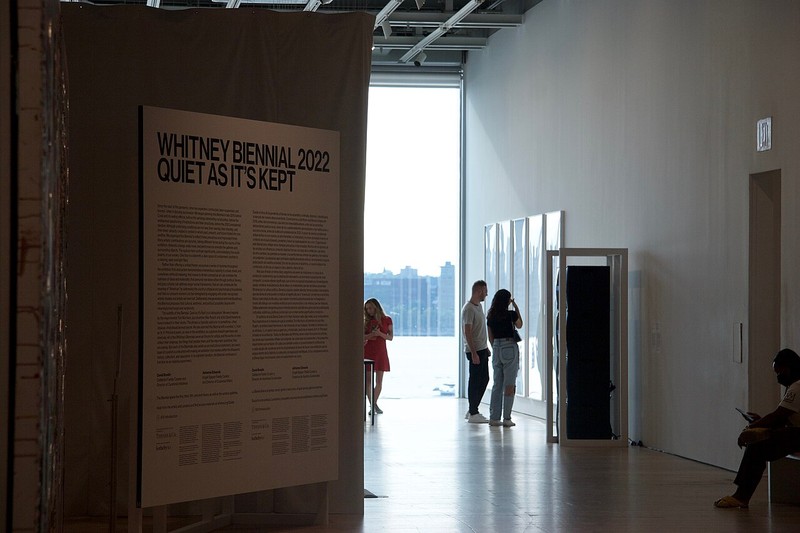

The Whitney Museum specializes in collecting U.S. art from the 20th and 21st centuries. Once every 2 years, an exhibition for emerging artists is held here to support talented creative professionals and demonstrate to visitors a fresh look at painting, graphics or watercolor.
History of creation
Sculptor, collector and philanthropist Gertrude Vanderbilt Whitney founded the museum so that residents and visitors of the United States could study the art of local artists. She donated approximately 700 works of art from her collection. The opening took place in 1931, when the non-profit organization occupied 3 apartment buildings on West Eighth Street in Greenwich Village.
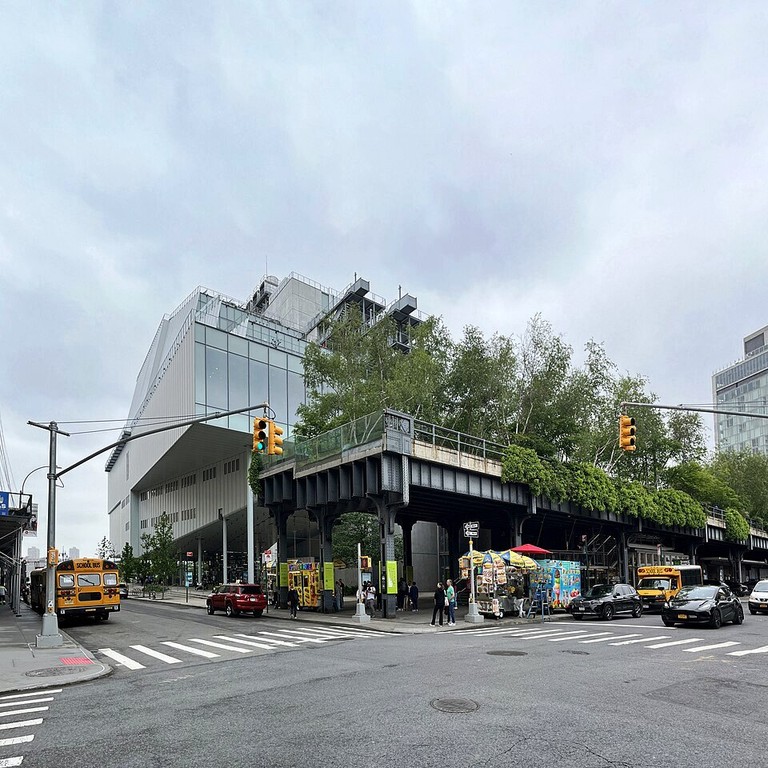
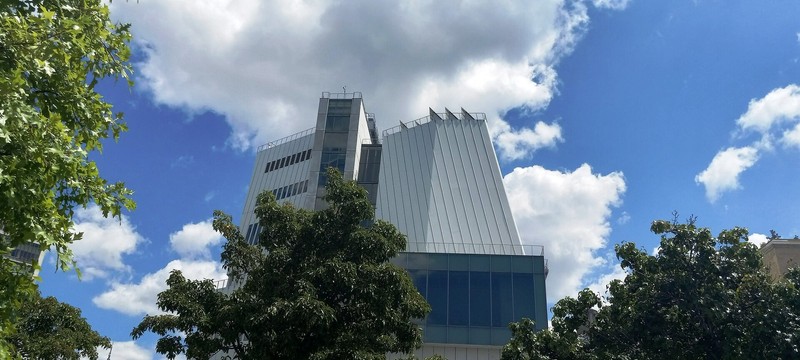
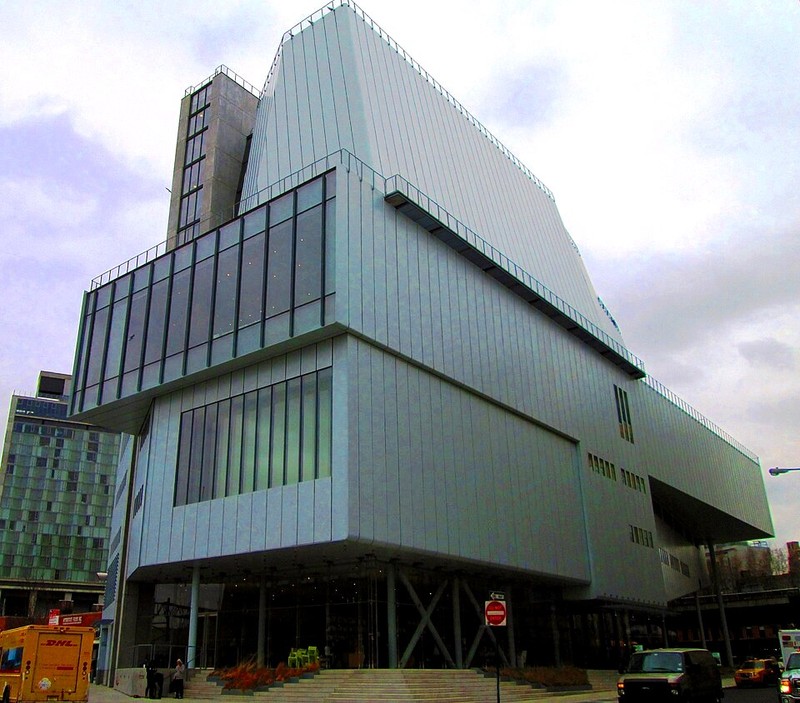
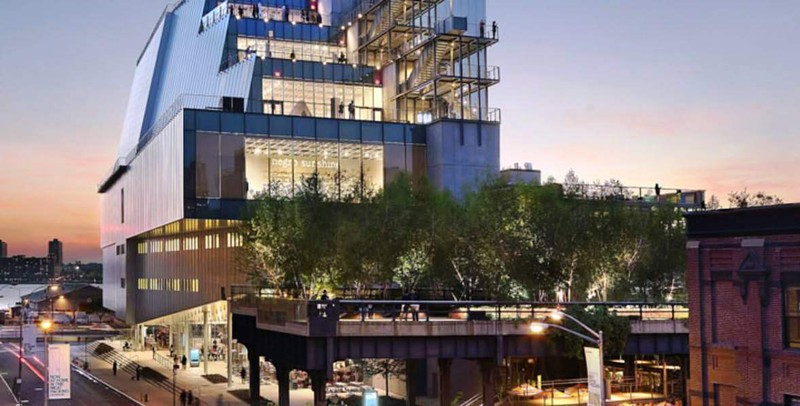
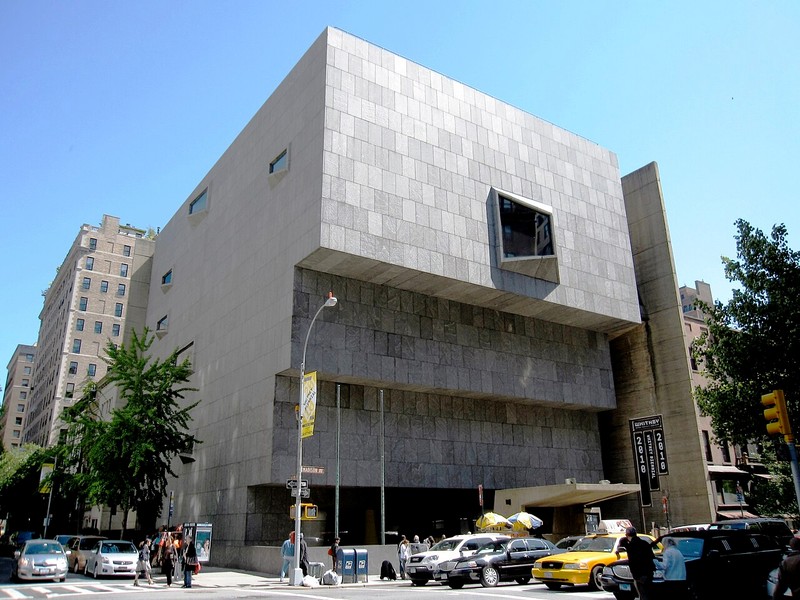
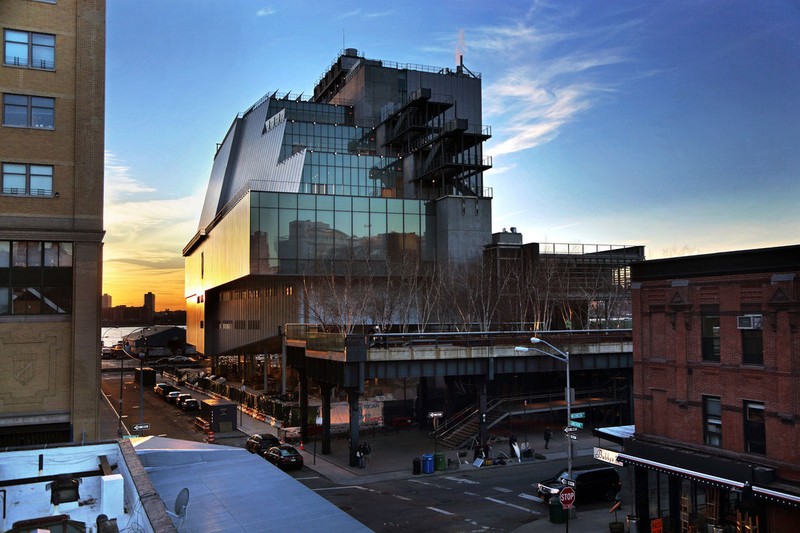
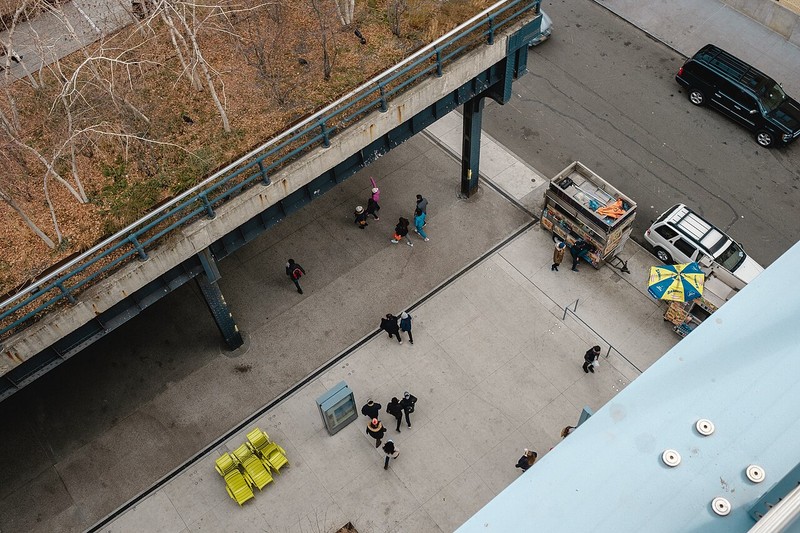
Until 2015, the Whitney Museum operated on 75th Street, Madison Avenue, in a building designed and built by architects Marcel Breuer and Hamilton Smith. The "Metropolitan Museum" was opened in this building. In 2015, the collection of American art was moved to a building designed by architect Renzo Piano. Since then, the landmark has been located at the intersection of Gainsworth and Washington Streets in Manhattan.
Short description
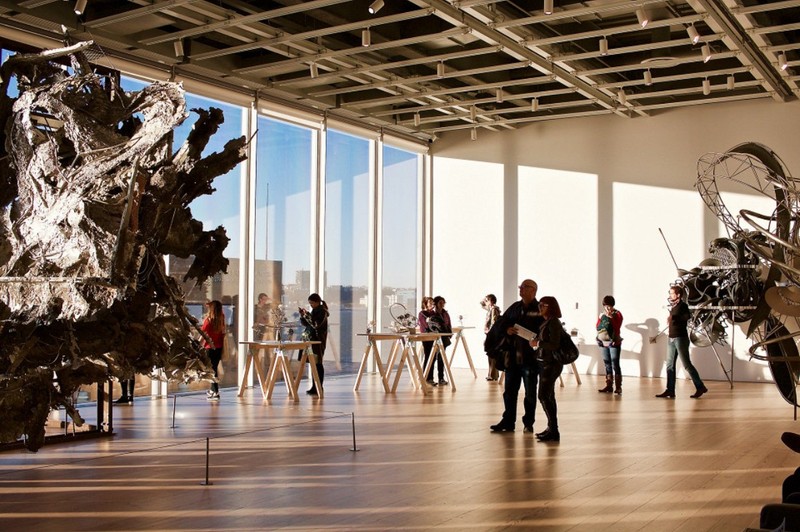
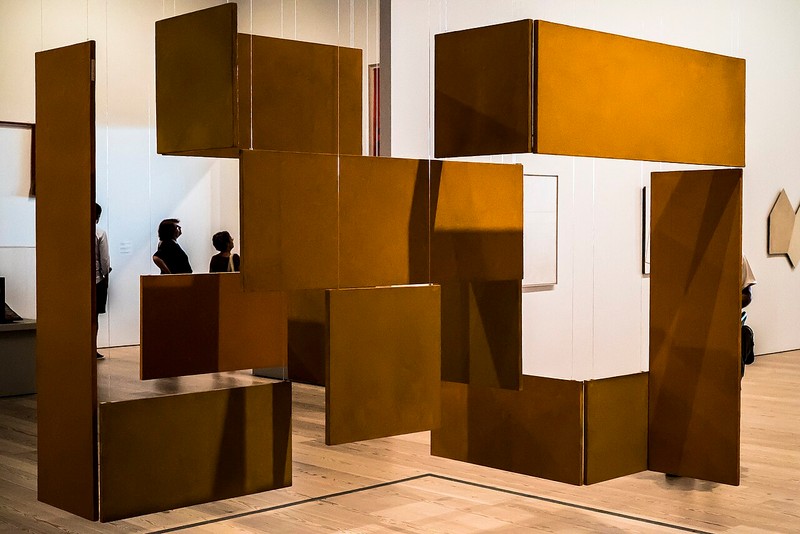
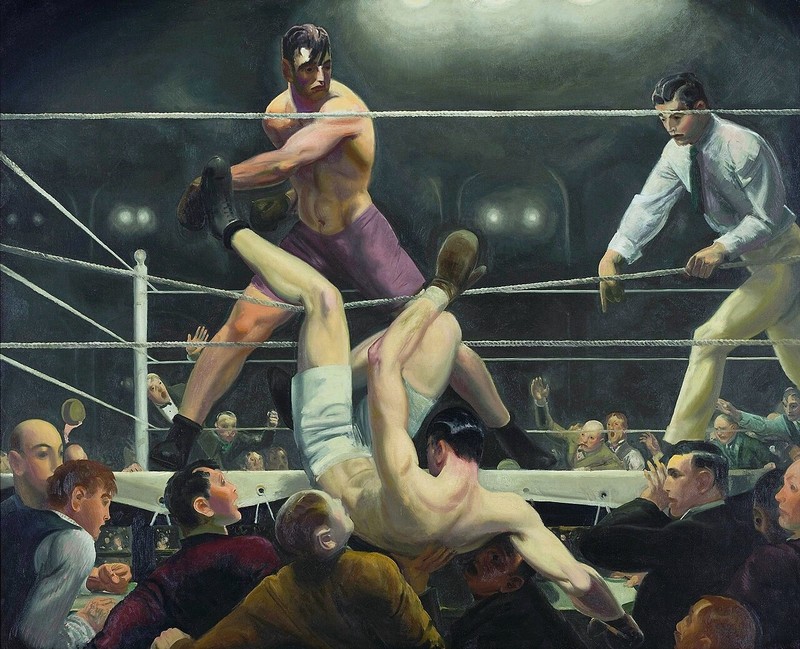
The Whitney Museum's permanent collection has been created by more than 3,500 artists in various styles from the late 19th century to the present. It consists of approximately 25,000 drawings, paintings, prints, sculptures, photographs, and films. In this place, you can see the works of artists who are currently working in the United States.
The Whitney Museum Library houses the works and archival materials of the Edward and Josephine Hopper family of artists, as well as the research collection of the surrealist Arshile Gorki. In 1968, educator and writer Ron Clark launched the Whitney Independent Learning Program, helping artists, critics, and curators get started. The course is taught by invited and hired artists and art historians.
What can I see
The trend of abstract expressionism, which originated in the USA, began to spread around the world with paintings by Jackson Pollock and Willem de Kooning. Jasper Johns, Roy Lichtenstein, Andy Warhol and other pop art masters followed the new movement. The newspapers wrote that the world capital of fine art had moved from Paris to New York. Abstract expressionism and pop art have become popular outside the United States.
Also, a special place in the Whitney Museum is occupied by the works of the Pennsylvania-born artist and sculptor Alexander Calder. He has his own recognizable style, and worked as an engineer before devoting his life to art. After 1926, he lived in Paris for 7 years, communicating with Pete Mondrian and Joan Miro, from whom he learned to use the simplicity of forms in paintings. Calder began experimenting with techniques and constructed moving installations that made him famous all over the world.
How to get
There is public transport in the area: you can take the subway along the A, C, E, L lines and get off at the "14th Street/8th Avenue" station. The Whitney Museum is about a 10-minute walk away. If you take the bus on the M11, M14D-SBS line, you should get off at "9th Avenue and Gansevoort Street" and walk 2 minutes. It is not uncommon for people to come here by taxi or their own/rented car.
Gallery