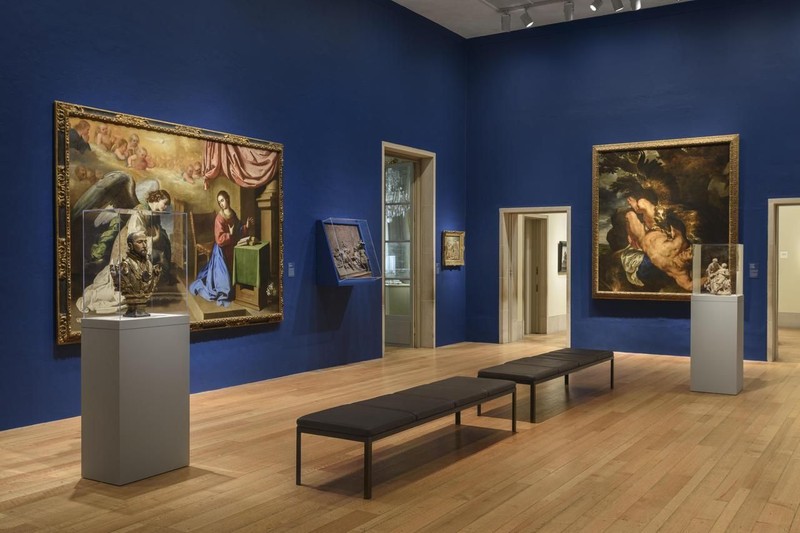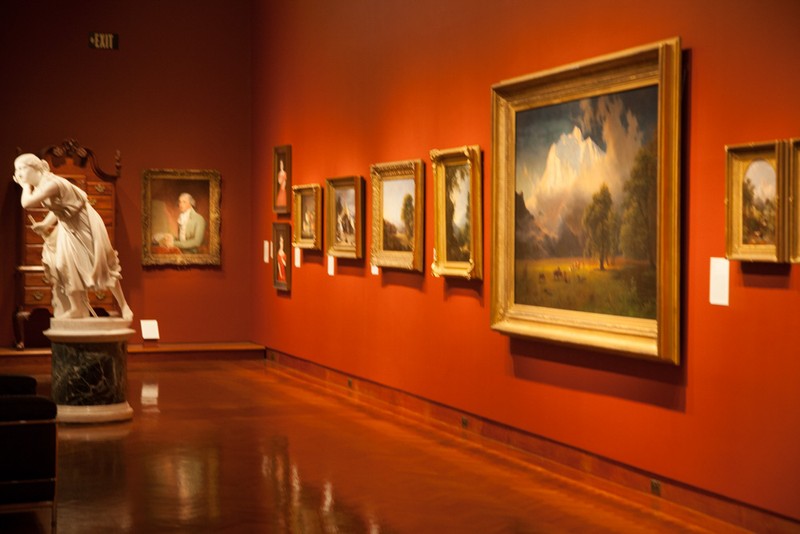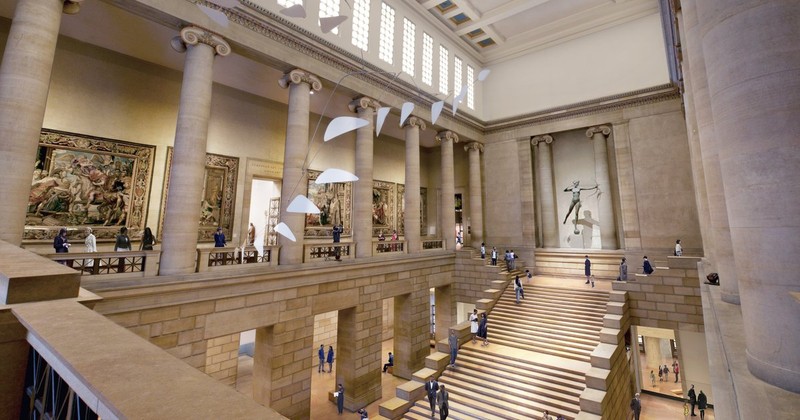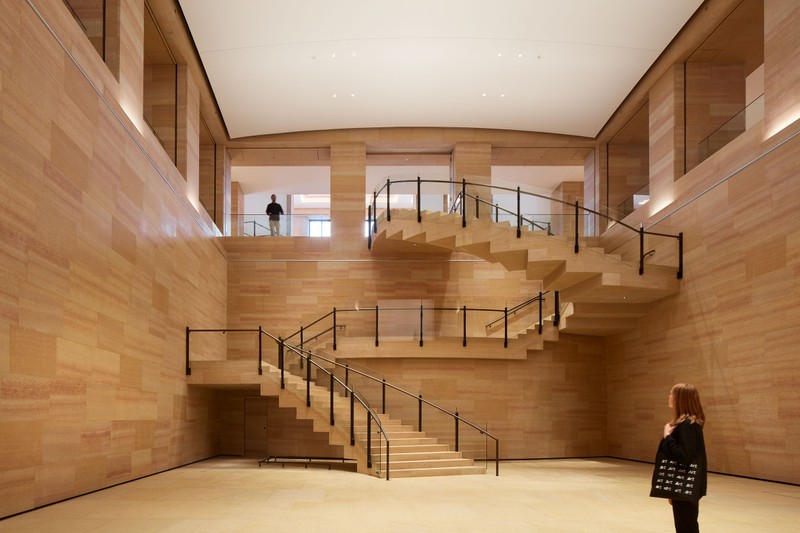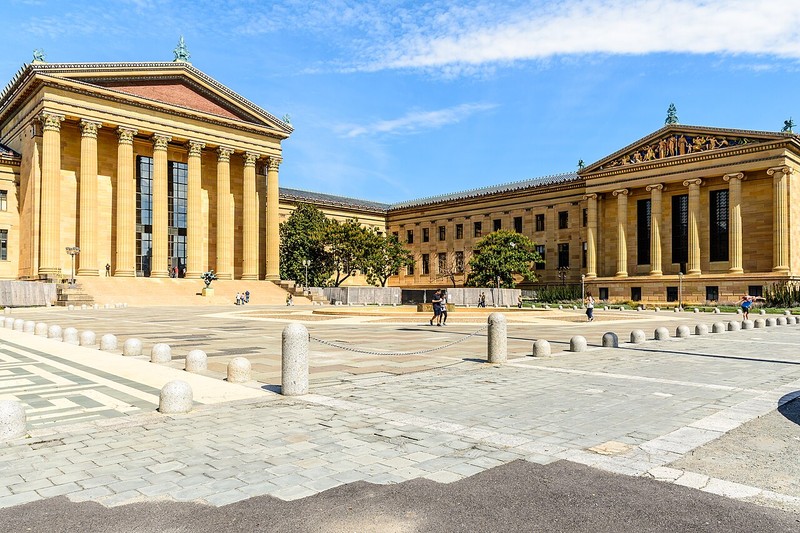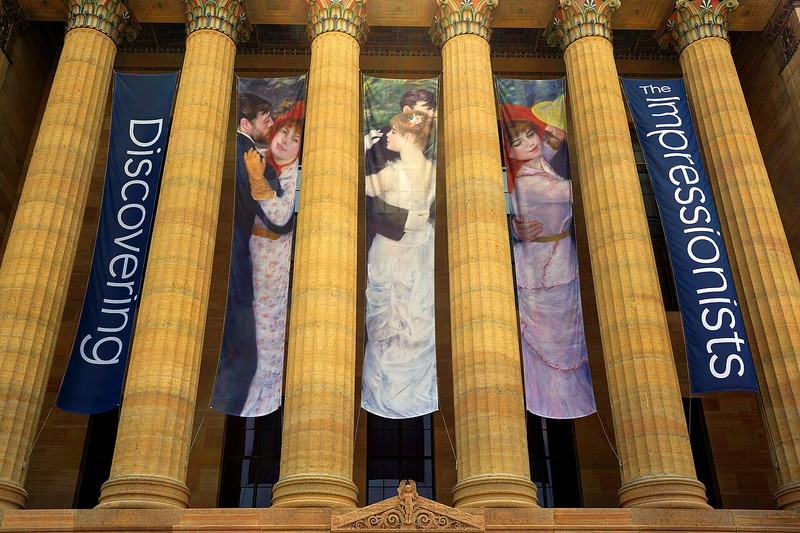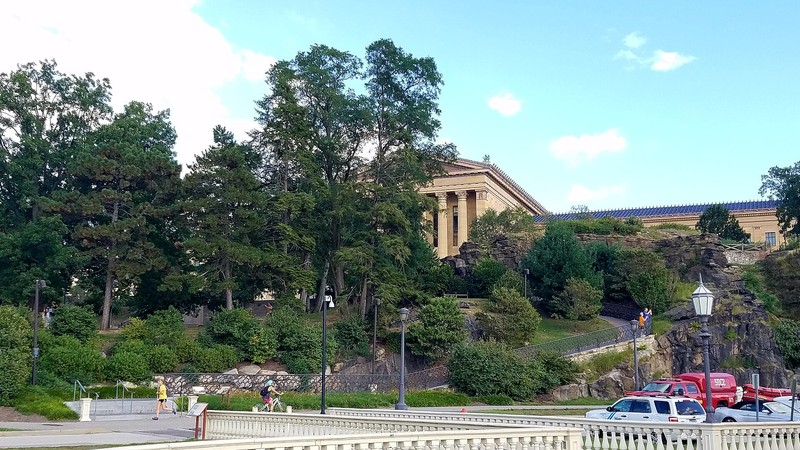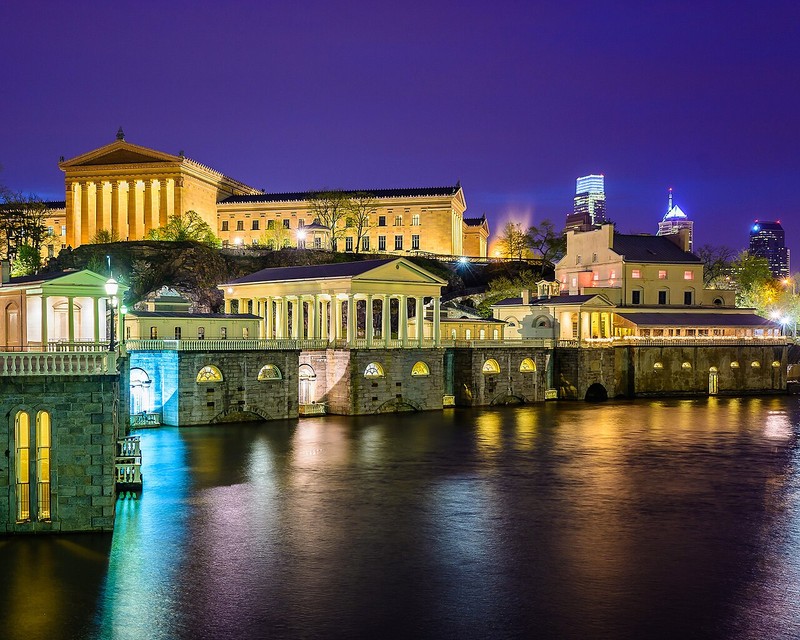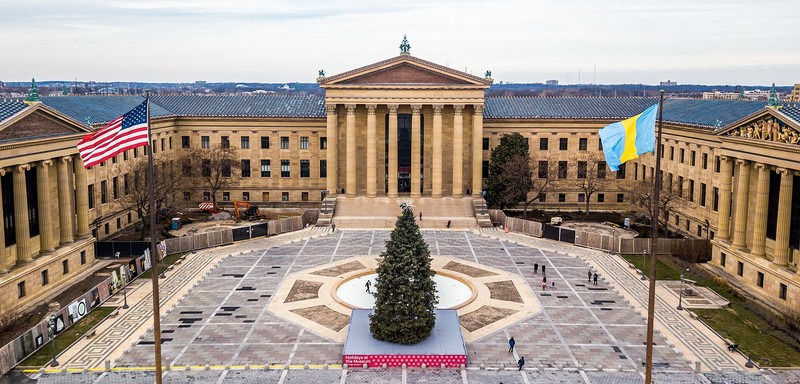

The Philadelphia Museum of Art holds a collection of fine art from antiquity to the present. He has several branches, including the Auguste Rodin Museum, which displays more than 100 sculptures and personal belongings of one of the founders of Impressionism in sculpture, the Perelman Building with a collection of drawings, prints, textiles, ceramics and furniture, as well as Colonial-era houses in Fairmount Park.
History of creation
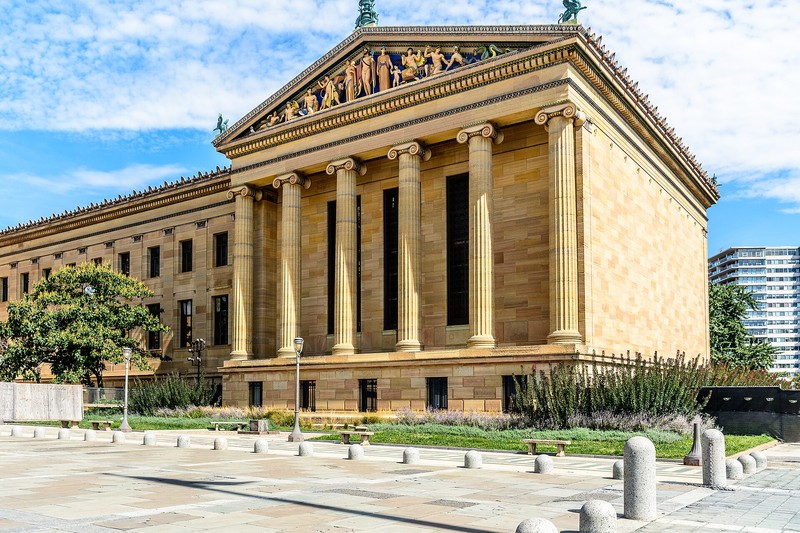
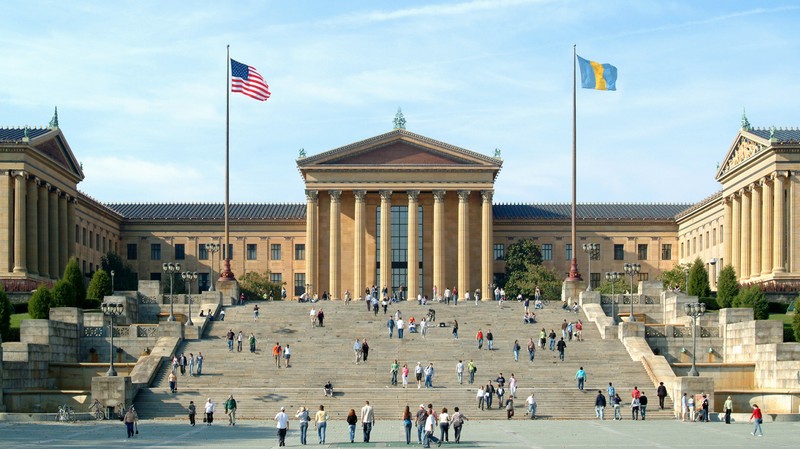
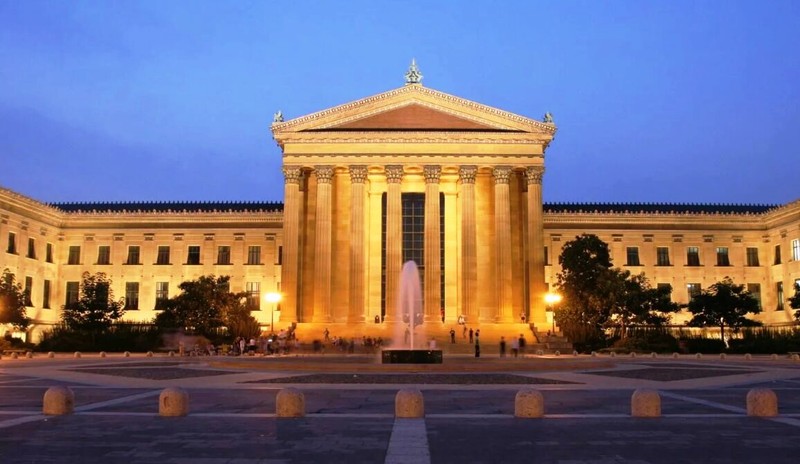
The Philadelphia Museum of Art, one of the largest institutions in the United States, was founded in 1876. The opening ceremony of the facility is timed to coincide with the organization of the World Exhibition. Initially, until 1938, the institution was positioned as the Pennsylvania Museum of Art. In 1919, construction began on a new building on Fairmount. The archival data indicates that the Masonic movement participated in the laying of the Philadelphia Museum of Art building and the financing of its launch. After the facility opened in 1928, the society began to call the building the "great Greek garage" because of the Greek portico and the scale of the facility.
Short description
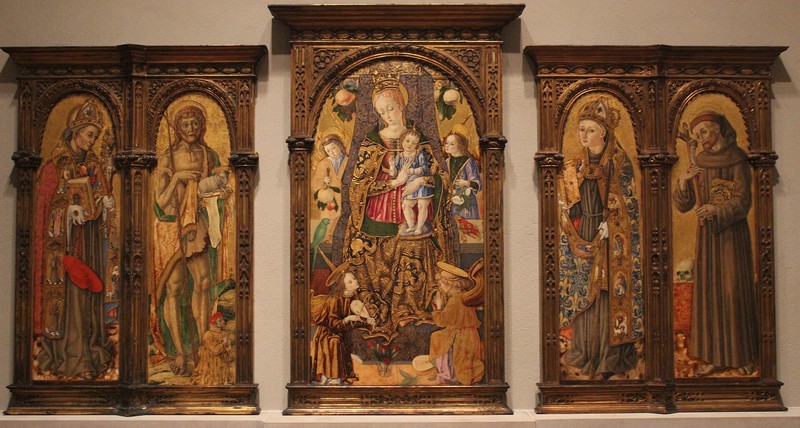
The Philadelphia Museum of Art houses approximately 300,000 exhibits, which are among the largest collections of paintings, sculptures, photographs, decorative objects, not only American, but also European, as well as Asian art. At least 25 exhibitions are held here every year. There are also visiting exhibitions organized jointly with other museums in the USA and other countries.
The works of the Dutch artist Vincent Van Gogh, a prominent representative of post-Impressionism, are particularly popular among visitors to the Philadelphia Museum of Art. Many visitors stop at the masterpieces he created. On Fridays after 17.00, as part of the "Art after 5" program, the museum hosts parties with live music, electro or jazz.
What can I see
- "The Gross Clinic" (Thomas Eakins, 1875)
The American painter portrayed Dr. Samuel David Gross during classes at Jefferson Medical College. Medicine was not yet as developed as it was in the 21st century, but surgical operations were already being performed at that time. Students closely observe the work, but not everyone can openly observe the process due to the complexity of the work and the type of blood.
- "Sunflowers" (Vincent Van Gogh, 1889)
The artist created a series of paintings depicting sunflowers. This is one of the artist's most recognizable paintings, painted during the period when he lived in France – in Arles and Paris. When he found out that Paul Gauguin was going to visit him, he decided to meet a colleague with an image of flowers symbolizing joy, loyalty and devotion on the wall of the Yellow House in which he lived.
- "The Three Musicians" (Pablo Picasso, 1921)
This is the common name of 2 paintings on a similar theme by the Spanish artist. The work is considered an example of Cubism, which Picasso helped develop in the 20th century. The canvas is decorated with 3 figures: Harlequin, Pierrot and monk. It is believed that the author portrayed himself and his friends: the poets Guillaume Apollinaire, as well as Max Jacob, who took vows and entered a monastery.
- "The Big Bathers" (Paul Cezanne, 1898-1905)
One of a series of paintings by a French artist depicting women bathing in a pond. The faces and the details of the hairstyles look blurred on purpose, because the author wanted to show the pristine beauty, the connection of people with nature. The painting differs from the others in its tension, symmetrical layout, embedding the figures in a triangular structure formed from the river and the surrounding trees.
- "The Magic of Fish" (Paul Klee, 1925)
The surreal masterpiece by the Swiss-German artist unites the terrestrial, celestial, and underwater worlds in a dark space. We see fish, a clock tower, a man, and celestial bodies. A strip drawn diagonally running towards the tower looks like the outline of a curtain that hides secrets. Klee used a limited palette, which gave the painting an atmosphere of mystery. At first, the canvas was multicolored, then he covered it with dark pigment and began scratching the surface to reveal colorful elements.
How to get
The Philadelphia Museum of Art is located in the city center, buses No7, 32, 38, 43, 49 pass by it, the nearest metro stations are Spring Garden Station and Fairmount Station – BSL. You can book a taxi or rent a car to explore the sights of the city.
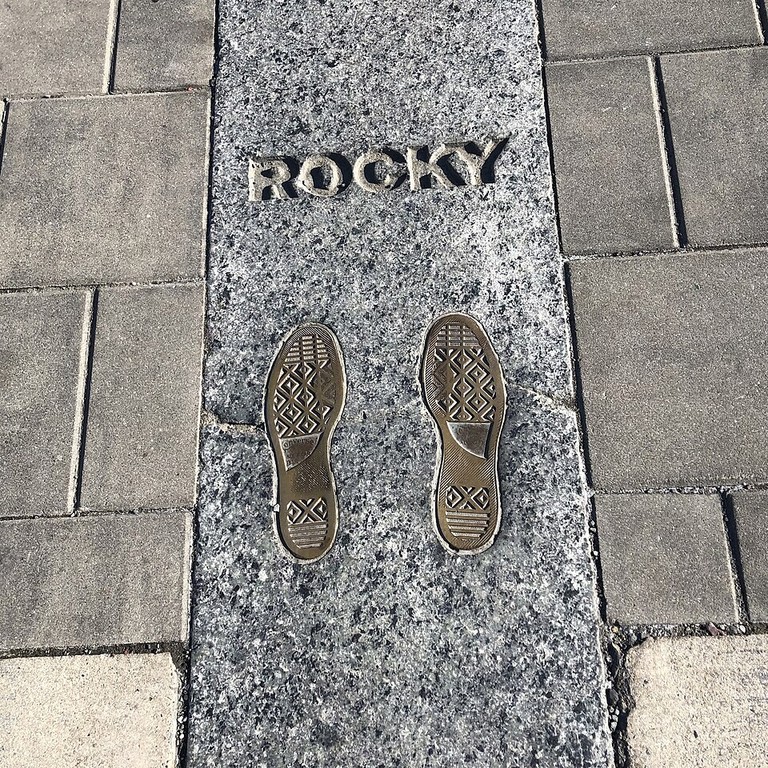
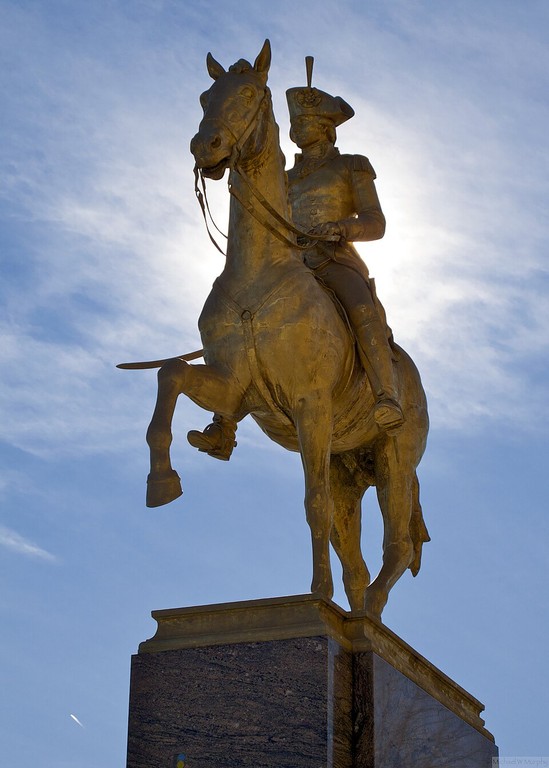
There is a monument to Rocky Balboa next to the entrance to the museum, because in all the films about the boxer starring Sylvester Stallone, the staircase of the institution appears. There is a square in front of the art center, in the middle of which there is a monument to George Washington, the first popularly elected president of the United States. Cultural events are often held here.
Gallery