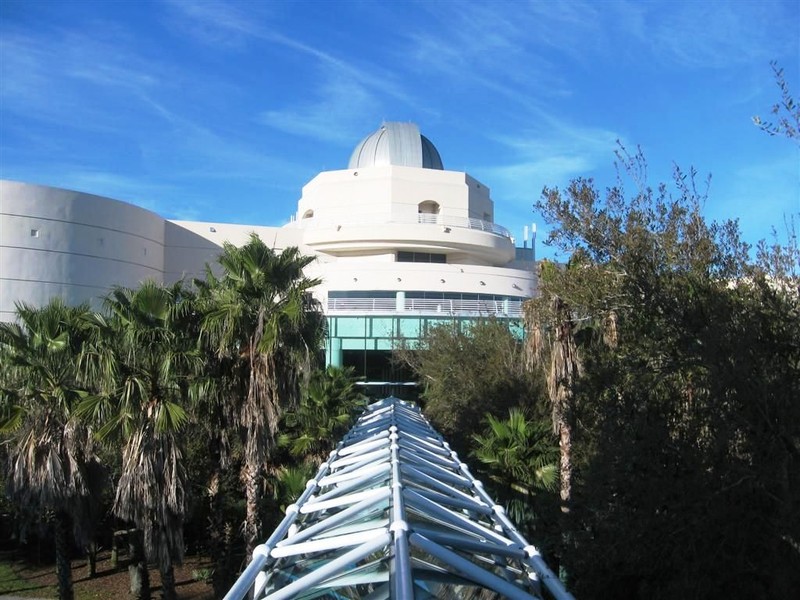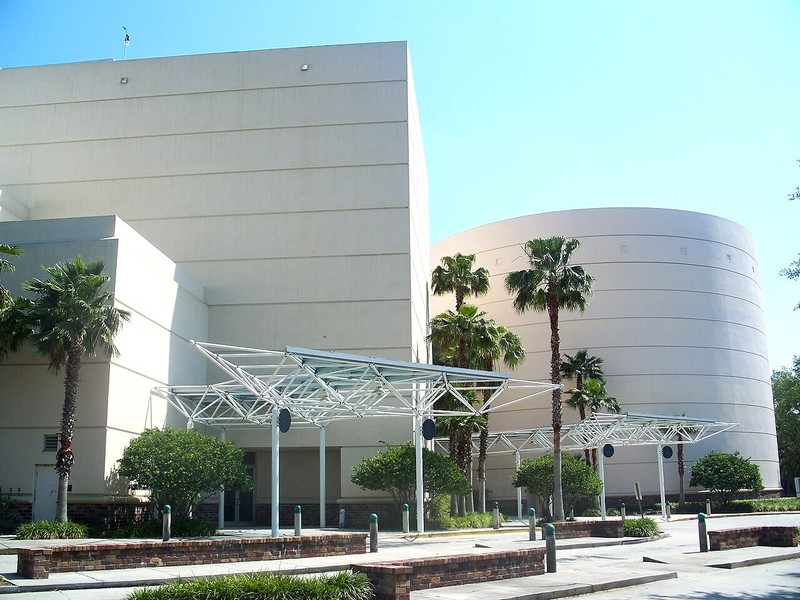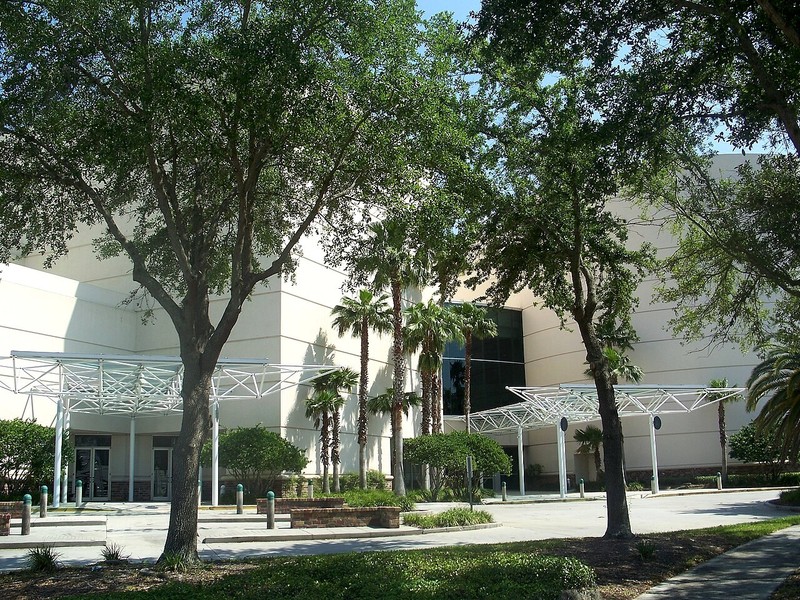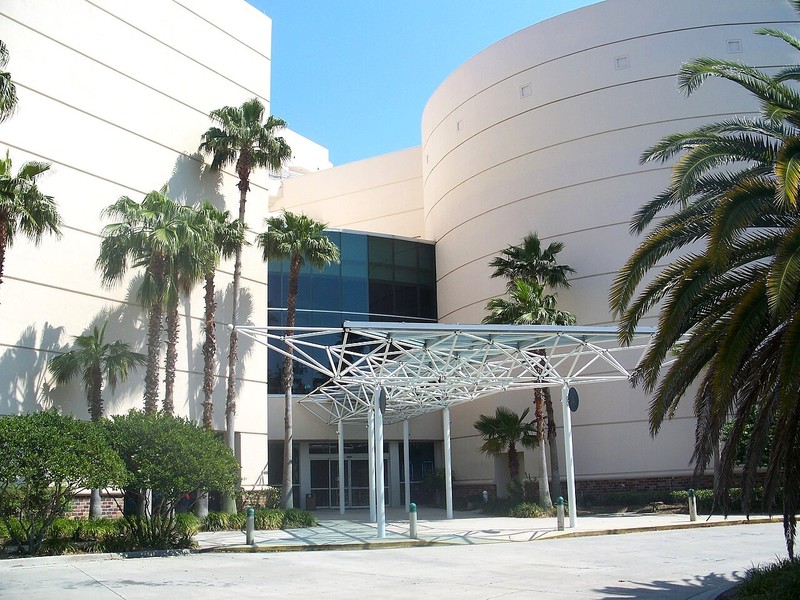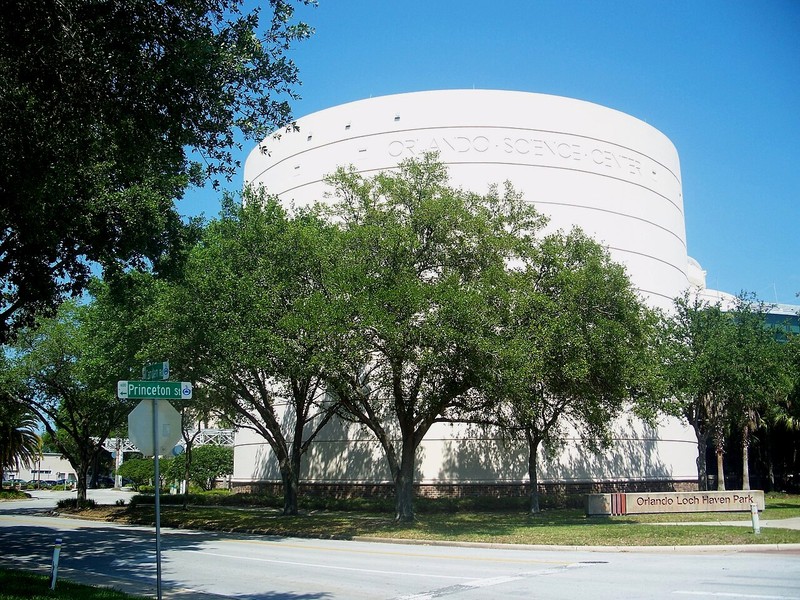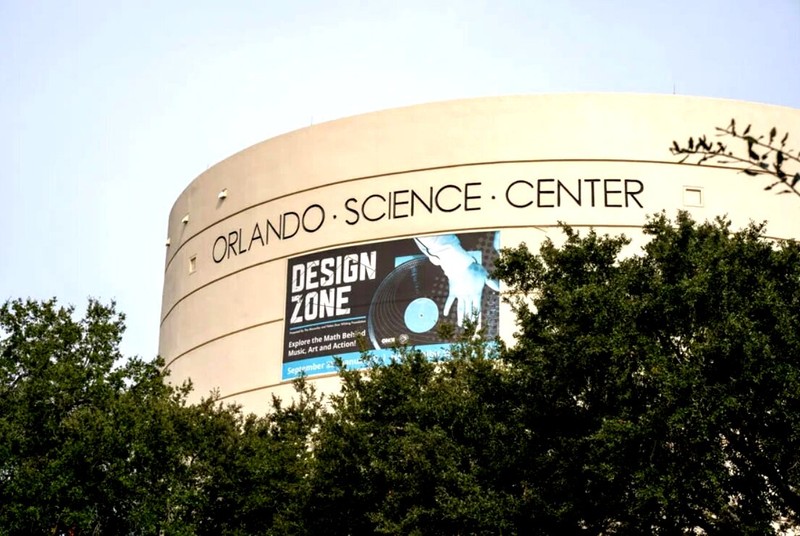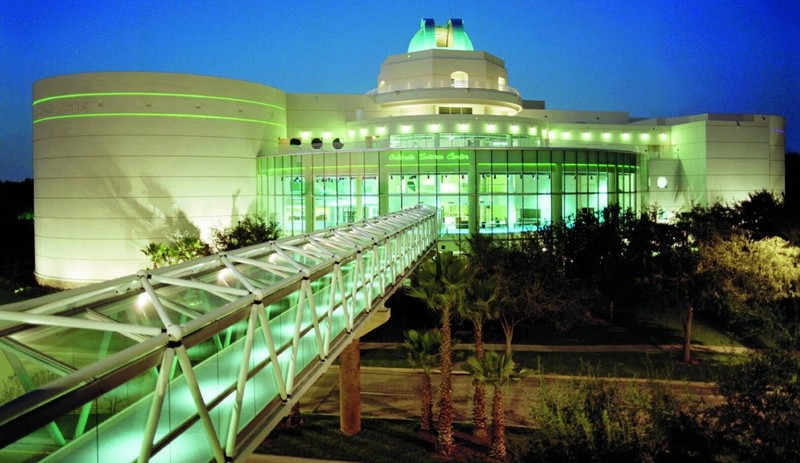

The Orlando Science Center is one of the private museums in Florida. This place is popular both among residents of the state and among travelers from other countries. In addition to exhibitions, events are organized here, and educational films can be watched in 2 cinemas.
History
The Orlando Science Center was founded in 1955 with the aim of popularizing science and providing opportunities for technology education. In such an environment, it is easy to instill a love of learning in children. Often, after visiting a landmark, students become more interested in science and enthusiastically complete their homework.
At first, the center was positioned as an anthropological museum, where artifacts related to Florida and the Caribbean were kept. In the 1970s, the board of directors voted to change the line of business so that the facility would become a scientific and technical center. In 1973, he was named astronaut John Young. The institution has had its current name since 1984. A year later, a large-scale expansion took place, as a result of which the hall of physical sciences, the corner of curiosity, and the hall of traveling exhibitions were opened. By the way, the comedy "Ernest Saves Christmas" was filmed in the new building.
Description
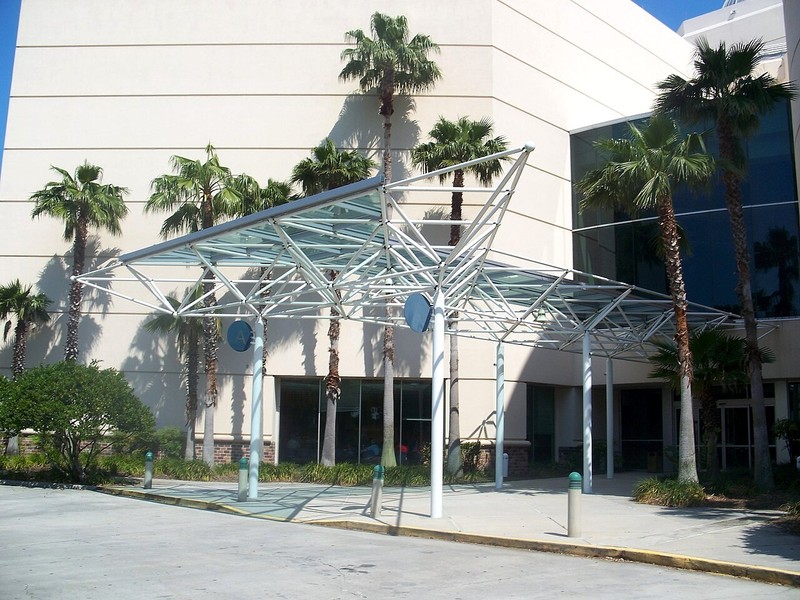
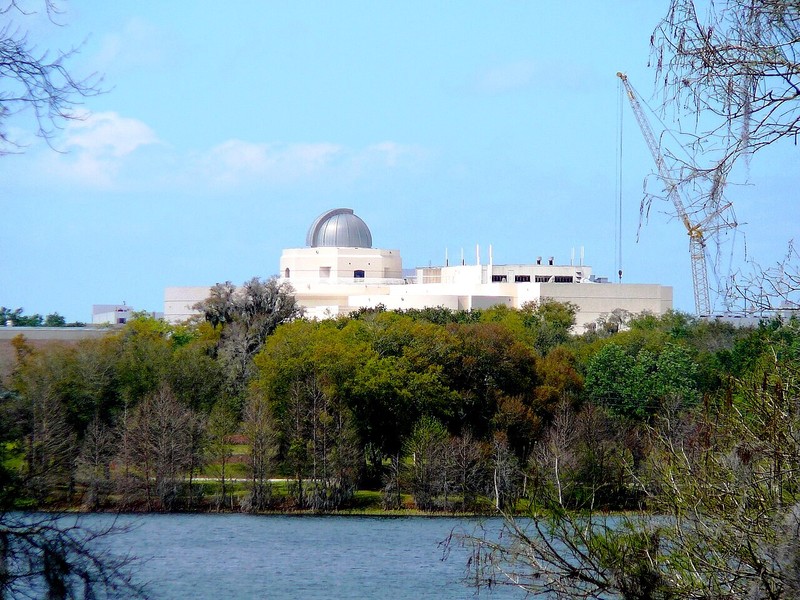
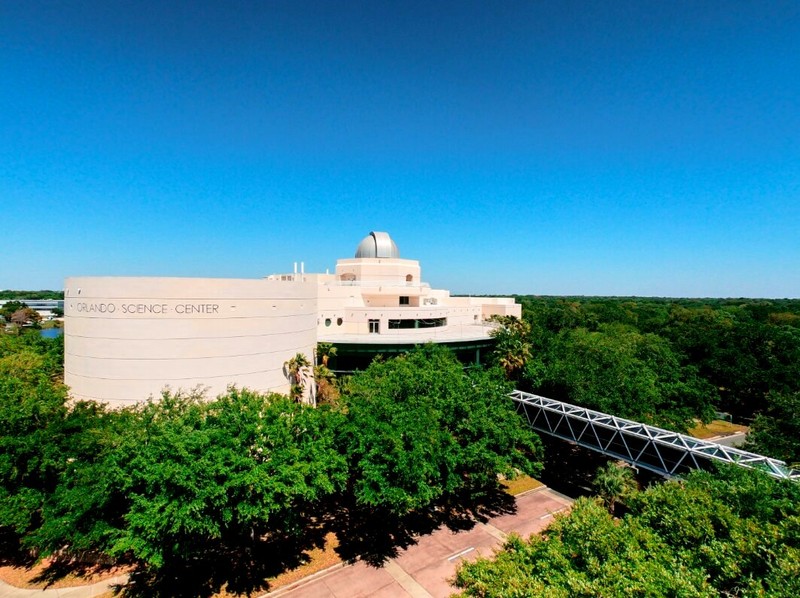
The Orlando Science Center was closed in 1996, but on February 1, 1997, the landmark was opened in a new building that covers an area of 19,200 square meters. This is almost 6 times more than it was in the old place.
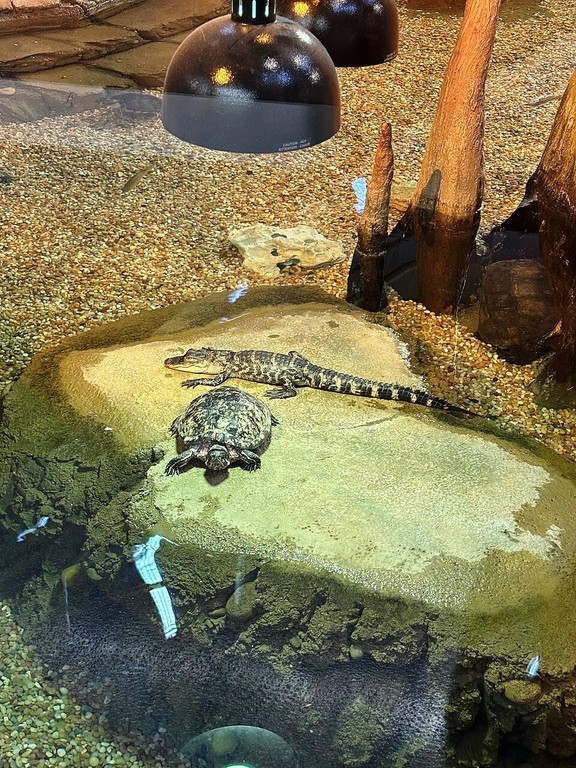
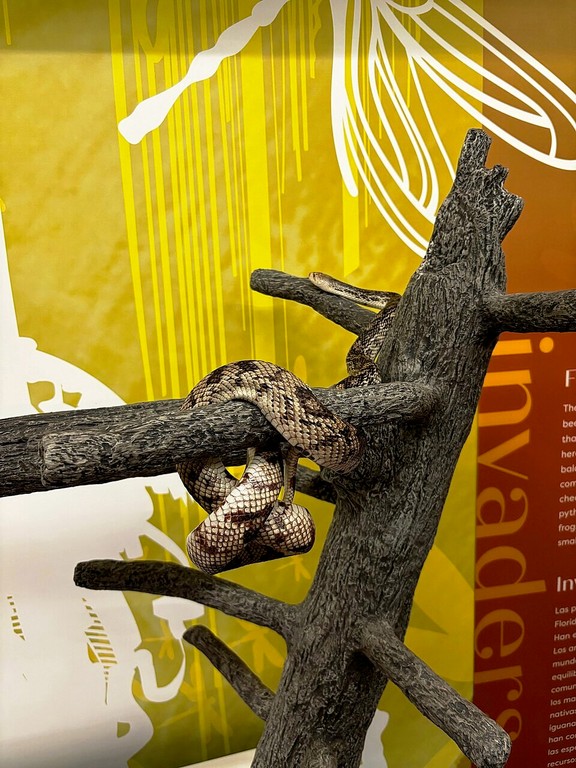
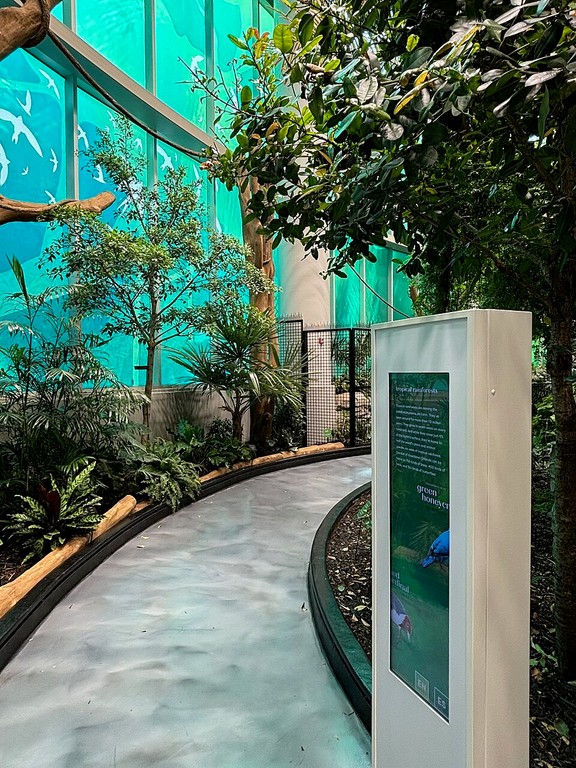
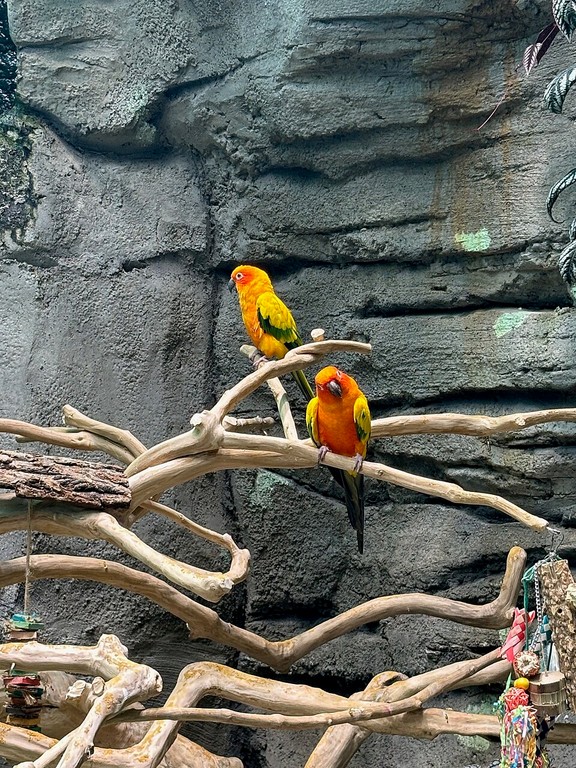
- An exhibition hall is open on the ground floor, demonstrating the features of the ecosystem of Central Florida. Plants and animals living on coral reefs and cypress swamps are collected here. Visitors can see how living and inanimate objects interact with each other.
- The second floor is occupied by the kinetic zone, where scientific concepts are described through tactile sensations and interactive tasks that make you feel like a designer of your own devices and their developer.
- On the third floor of the Orlando Science Center, there is a dedicated space for creativity, research, and sharing experiences. There is also a gallery of the Orlando Science Center. The curriculum in mathematics, engineering, technology, and natural sciences is integrated into the arts.
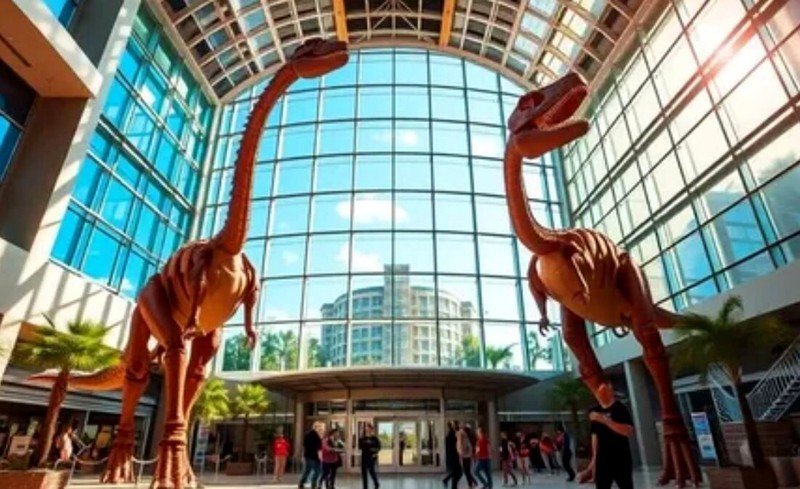
- The fourth floor is often crowded, and visitors like to take their time exploring replicas of dinosaurs and prehistoric marine life. You can see real fossilized dinosaur eggs, compare extinct reptiles with modern reptiles.
- The center also has the largest public refractor telescope in the state. There are other telescopes that can be used to observe the stars. The Crosby Observatory is open to visitors on the first and third Saturdays of each month.
What else can I watch
At the Dr. Phillips CineDome, various films are shown on a huge 8,000-square-foot screen, which is equivalent to just over 743 square meters. The hall is designed for 300 spectators, the cinema is projected through a "fisheye" lens, so it seems that the image surrounds the visitors and goes beyond the peripheral vision.
The digital Adventure Theater, which has joined the National Geographic project, has access to the world's largest film library. You can watch Hollywood movies in 2D or 3D format.
Every year, events are held that allow you to learn information about the fields of design, games, medical technology, and look at art from the point of view of science. The Orlando Science Center can also be rented for private events, meetings, and even weddings.
How to get
Buses 23, 25 and 51 stop near the landmark. The nearest metro station is Lynx Central SunRail, which is a short walk from Orlando Science Center. You can order a taxi or use carsharing services.
Gallery