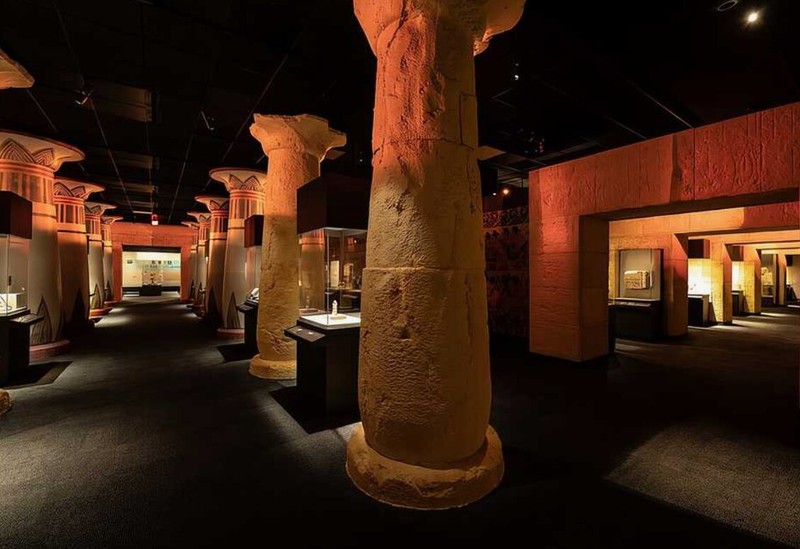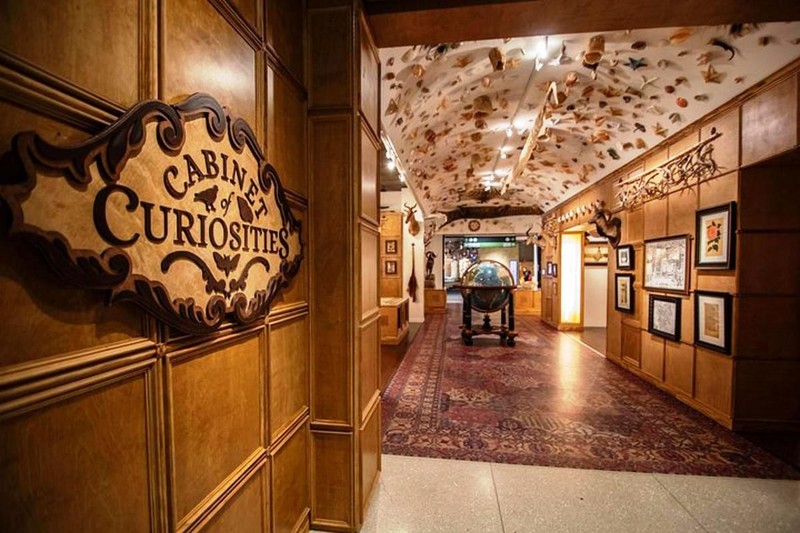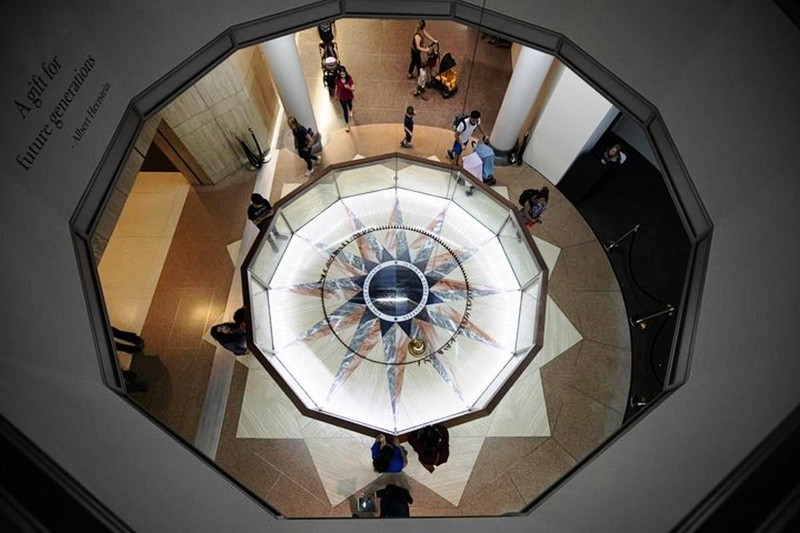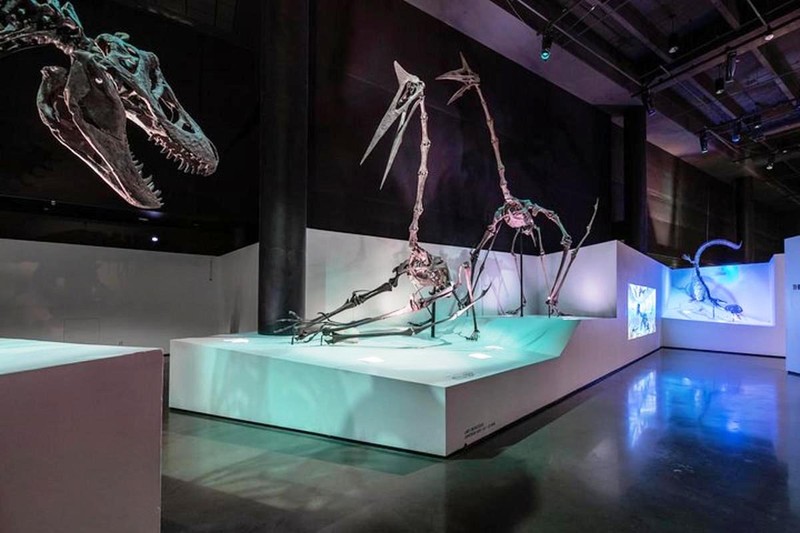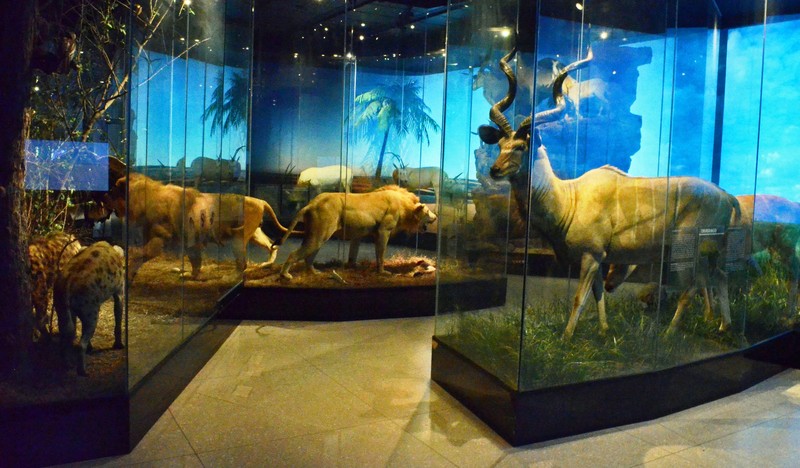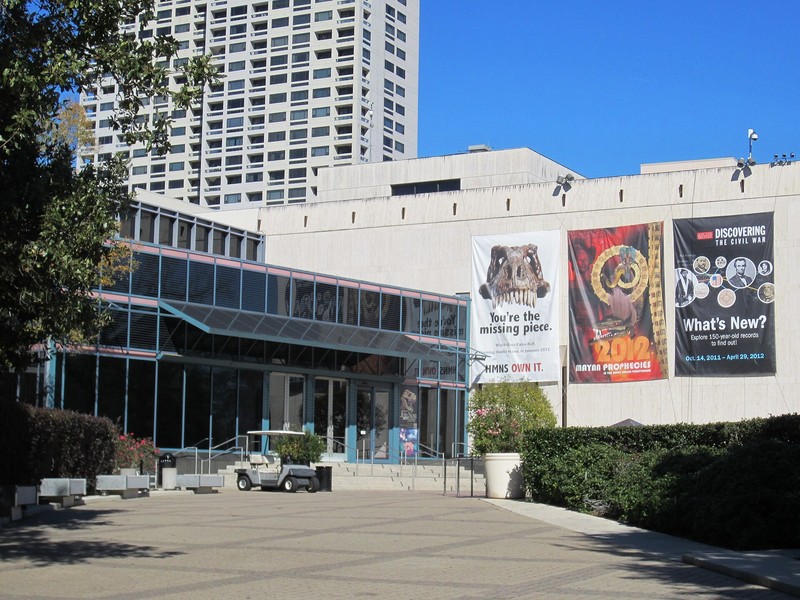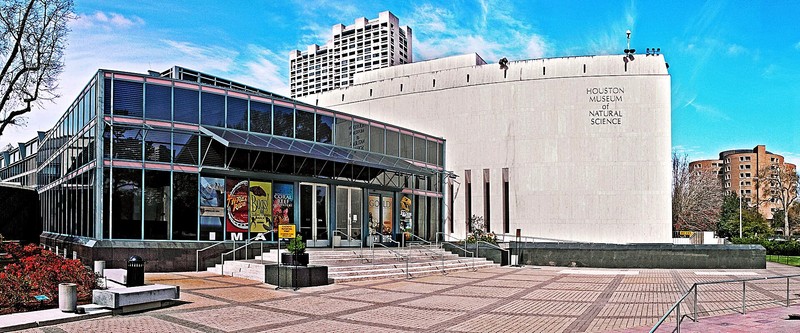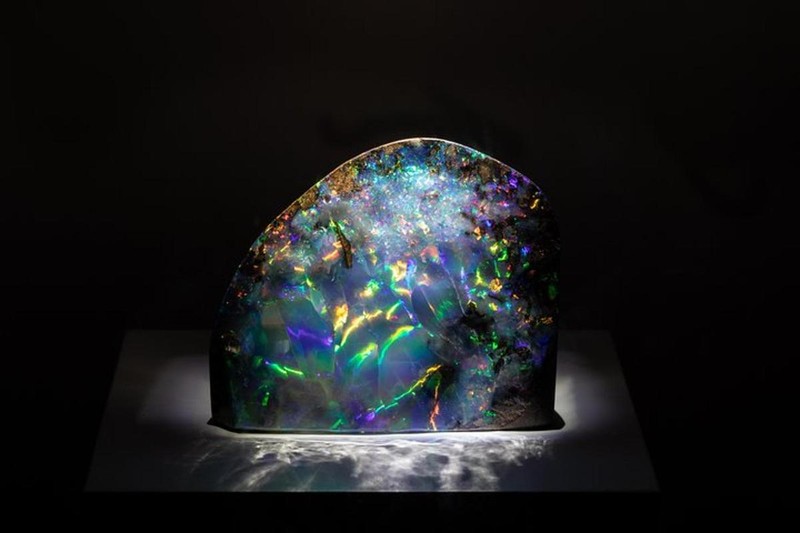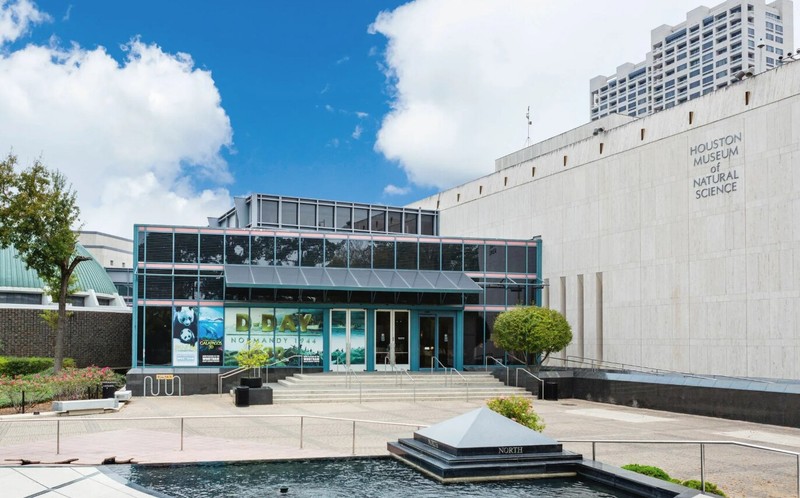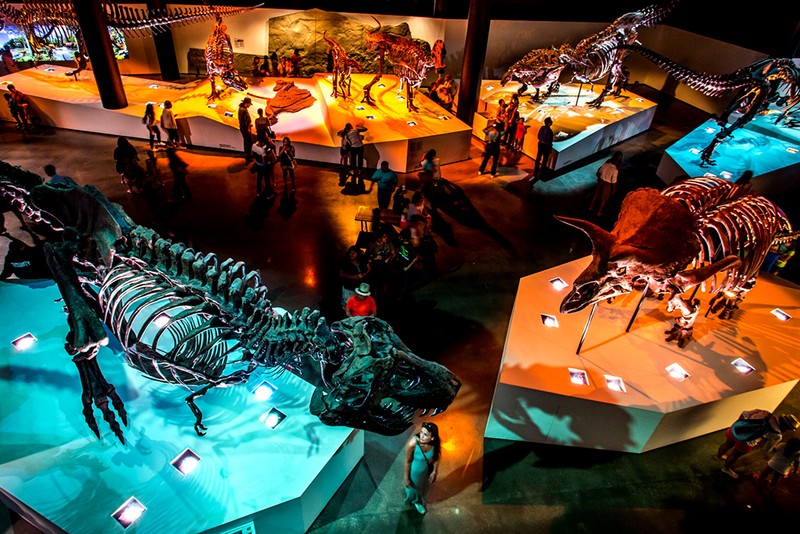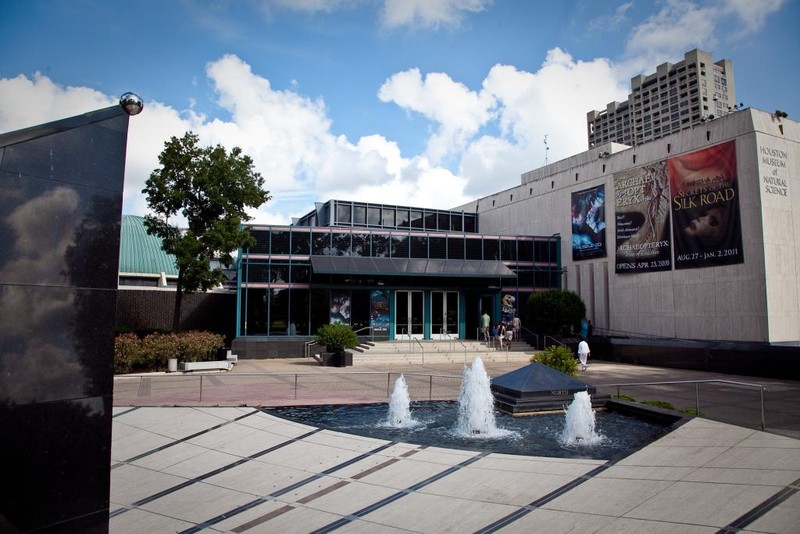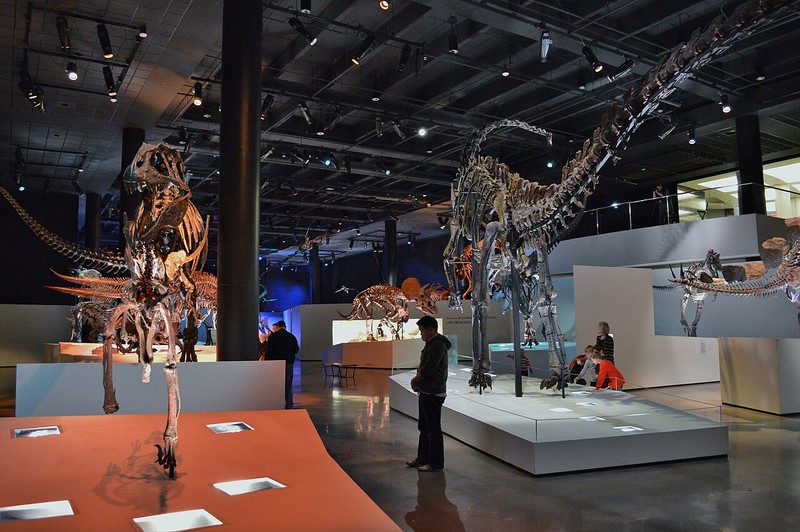

The Houston Museum of Natural Sciences is one of the best natural science cultural institutions in the United States. There are thousands of exhibits describing history, zoology, mineralogy and paleontology. Among them are skeletons of dinosaurs, mummies from Egypt, 2000-carat blue topaz, stuffed animals. On average, the attraction is visited by 2 million people per year.
History of creation
The Houston Museum and Scientific Community founded the Houston Museum of Natural Sciences in 1909. The main collection of exhibits was purchased in the period 1914-1930. It includes the collection of naturalist and conservationist Henry Philemon Attwater and the stones and minerals of collector John Milsaps, which the institution received as a gift.
At first, the exhibition items were kept in the Houston City Council, then the museum moved to the Central Library. In 1929, the exhibits were moved to the site of the local zoo. In 1960, the facility became known as the Houston Museum of Natural Sciences. The number of items in the collections has increased, and there is a need for a new move. In 1964, the construction of a building for the museum complex began in Hermann Park, also known as Hermann Park, and the work took 5 years.
Short description
The Houston Museum of Natural Sciences has developed regularly. By 1980, the permanent collection consisted of dinosaurs, space, biological, and geological exhibitions. There was also a special section dedicated to oil production and refining. In the late 80s, a cinema and the George Observatory appeared, which operated outside the museum complex.
In 1990, it was recorded that the number of visitors exceeded the 1 million mark. At that time, it was obvious that the public's interest was increasing, and representatives of the Trustee Fund took the initiative to modernize and expand the Houston Museum of Natural Sciences. From 1991-1994, new halls were opened, and then the butterfly center appeared, attracting the attention of visitors of different genders and ages. There is also a planetarium, and from 2007 to 2009, the new Woodlands Mall site was used, where visitors participated in the excavation of dinosaur bones. A branch of the institution in Sugar Land was soon opened. Over time, the dinosaur collection has increased, and today there are 60 exhibits, including 3 tyrannosaurs. Temporary exhibitions are periodically organized in this place, which feature rare exhibits collected from the best museums from around the world.
How to get
The Houston Museum of Natural Sciences is open at the northern edge of Herman Park. Buses and trams of the METRORail system stop nearby. The nearest station is "Museum District", from which it is a few minutes walk to the destination. You can order a taxi or take a rented car. There is a parking lot next to the facility, but it is usually difficult to find an empty place on weekends.
Gallery