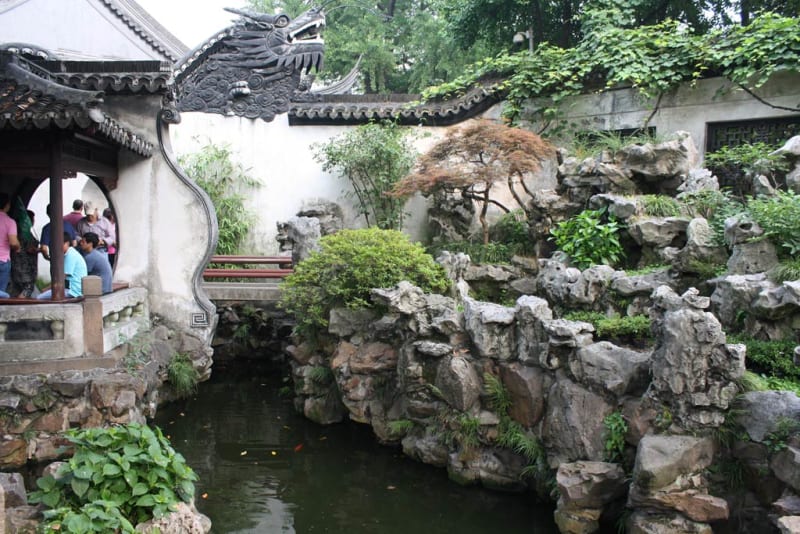
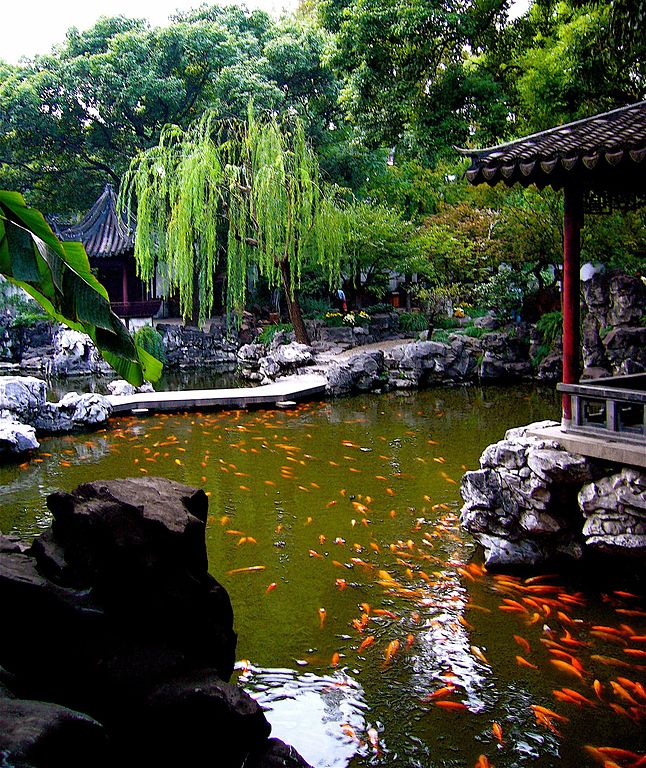
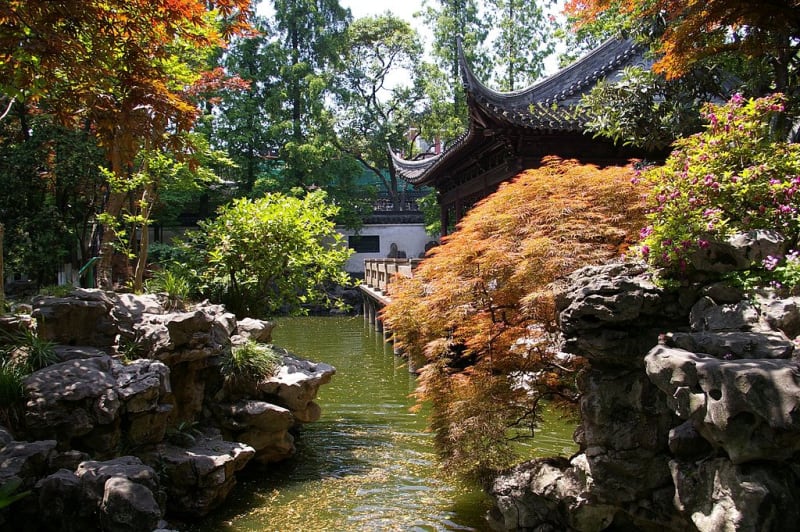
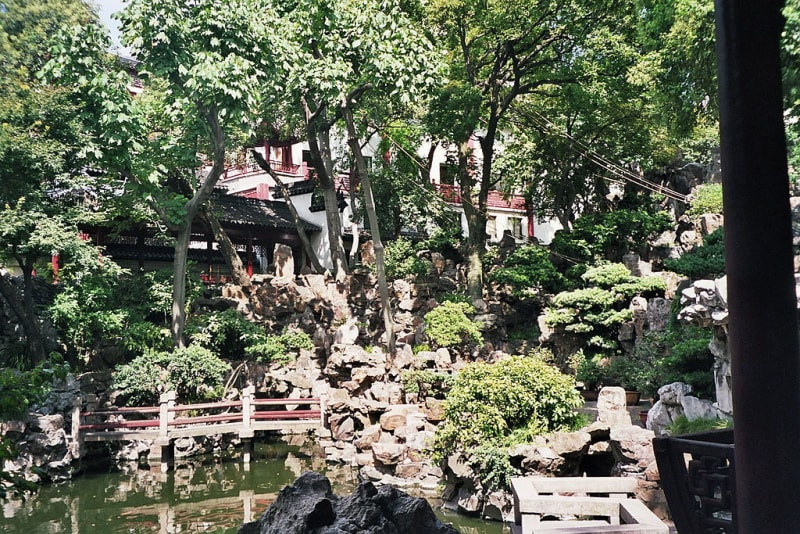
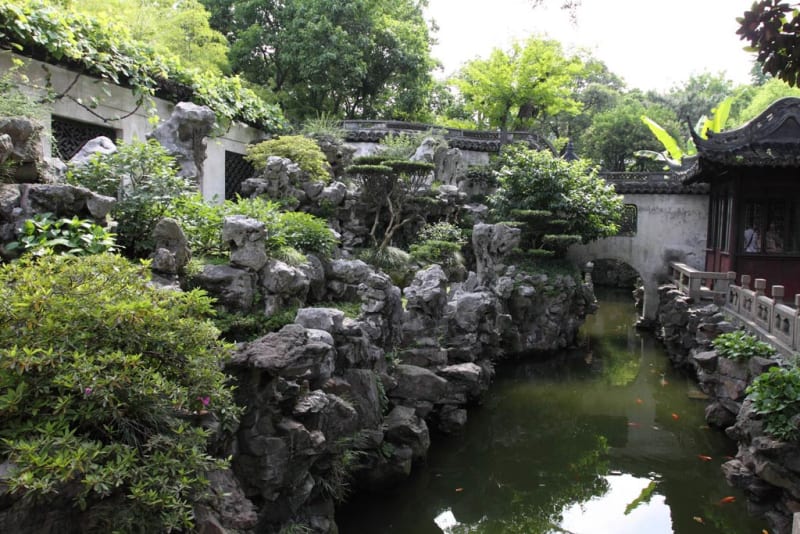
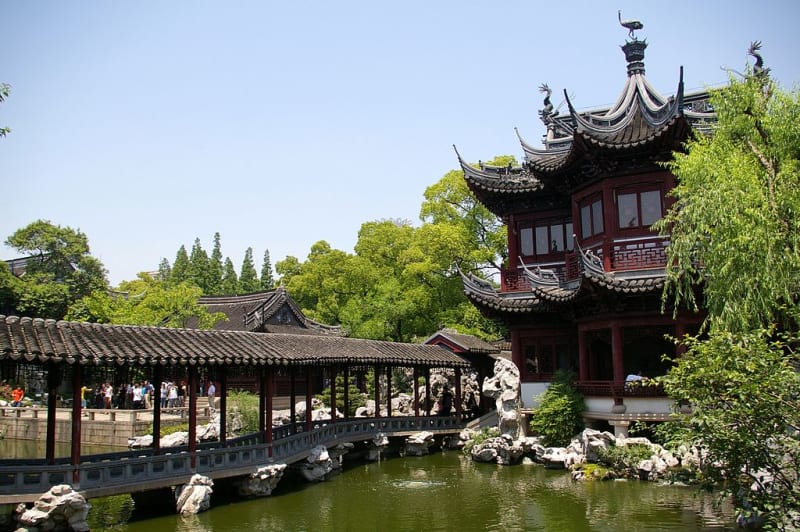
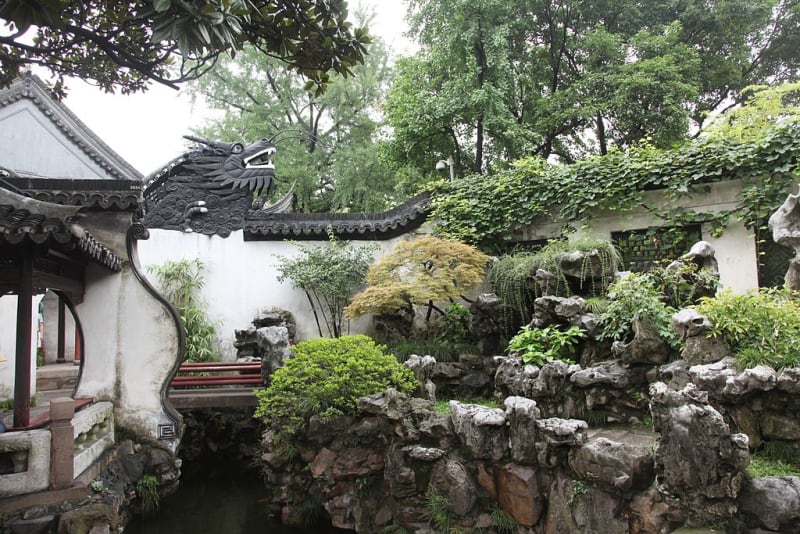
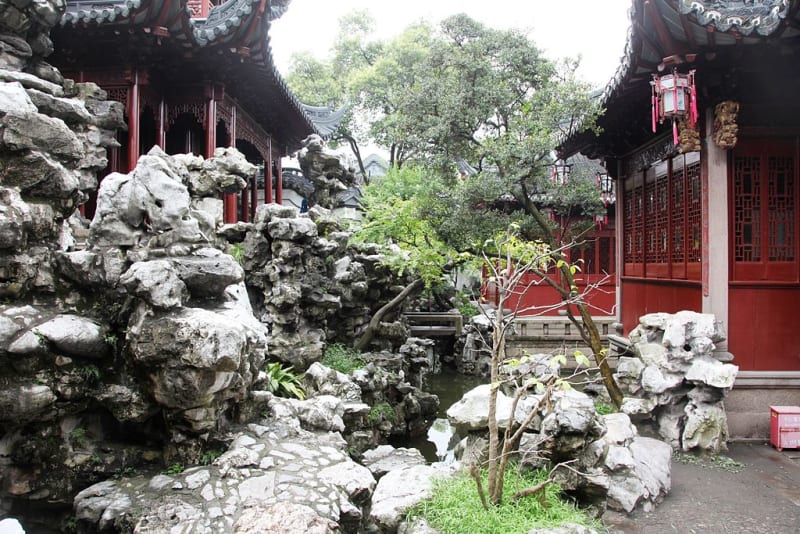
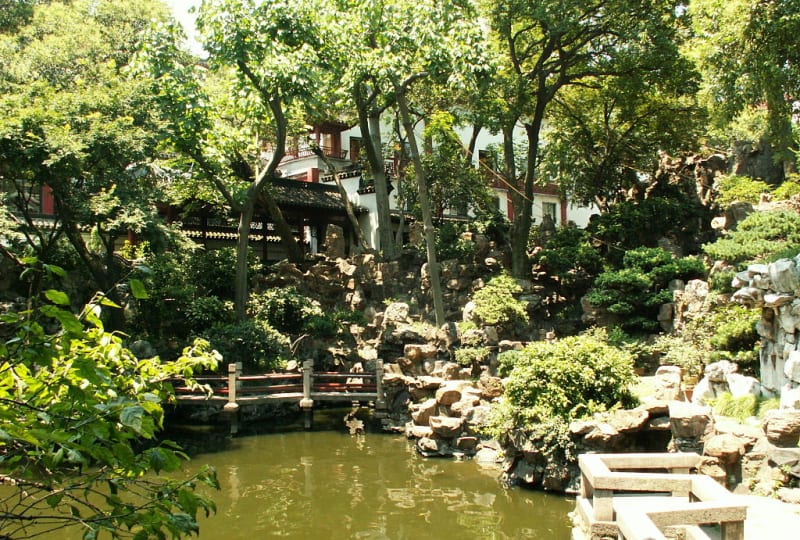
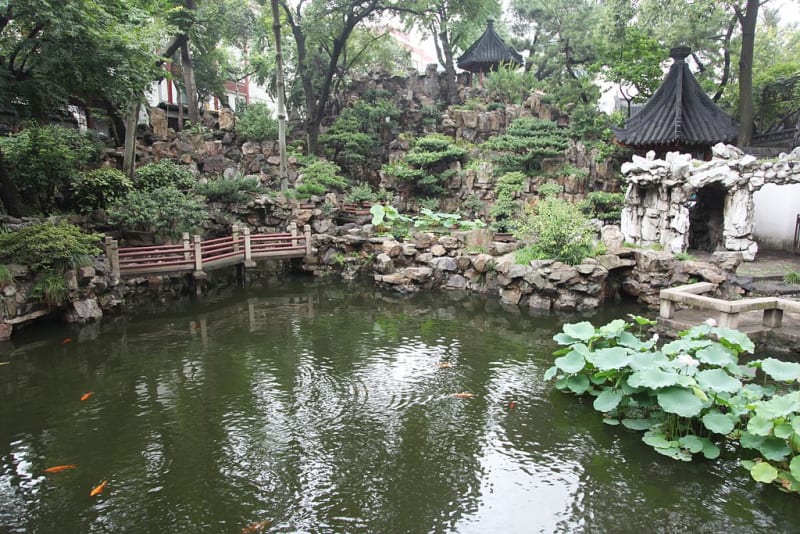
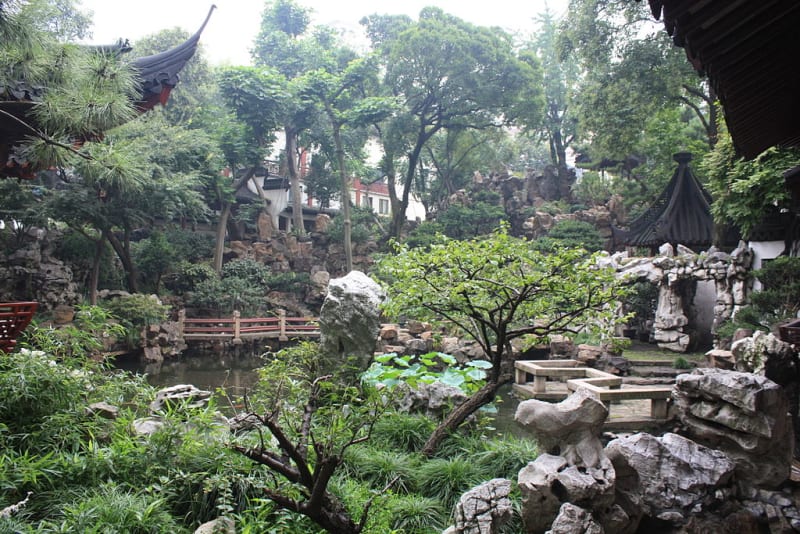
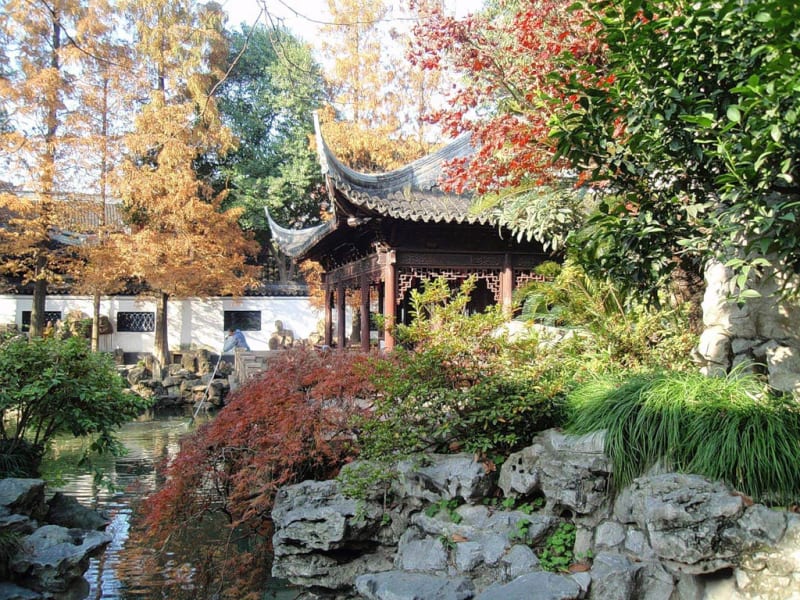
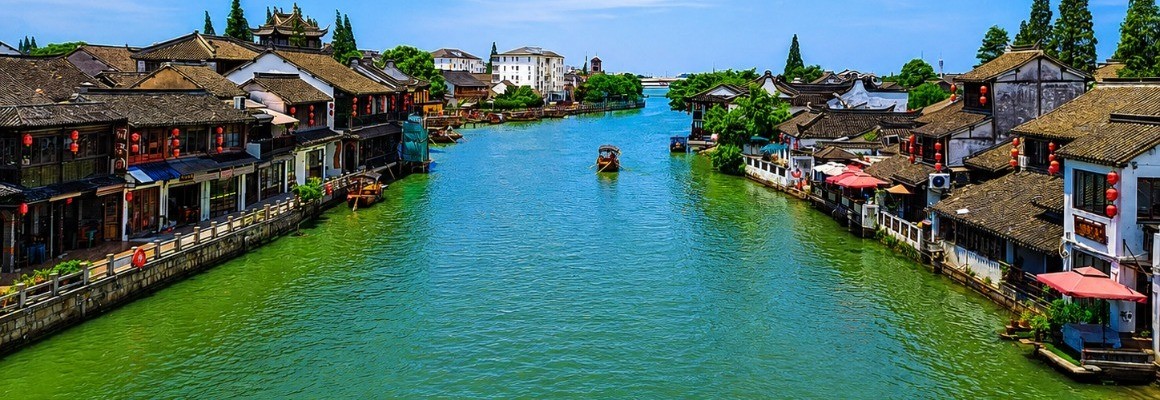
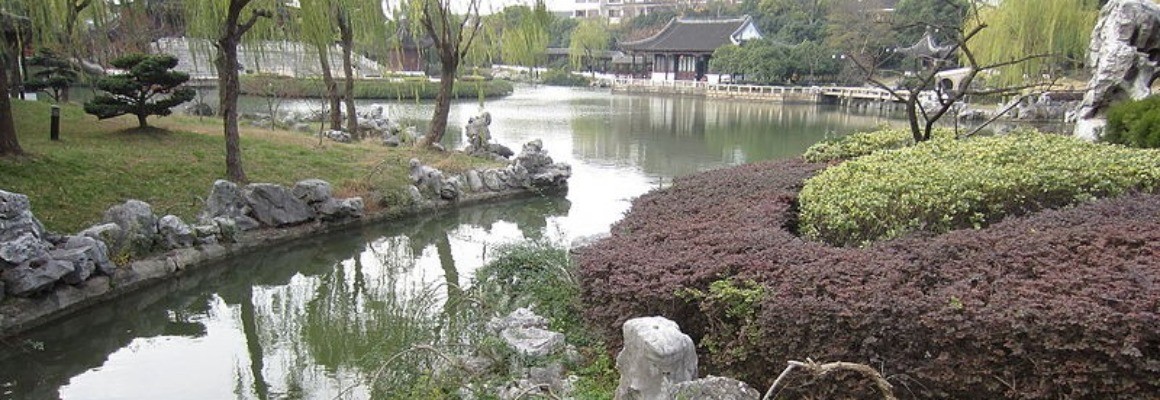
Yu Garden is a historic Chinese garden in the old centre of Shanghai, China. It is known for traditional architecture, winding paths, ponds, rockeries, bridges, and pavilions with curved roofs. Amid the busy streets of modern Shanghai, Yu Garden preserves the atmosphere of a classical Chinese garden, where water, stones, plants, and buildings form a harmonious landscape.
The garden is located in Huangpu District, next to the City God Temple and the lively Yuyuan shopping quarter. It is one of Shanghai's best-known historical attractions and an important example of traditional Chinese garden art. The grounds contain many scenic corners that reveal themselves gradually as visitors explore.
History of Yu Garden
The garden's history began in 1559, during the Ming Dynasty. Its construction was initiated by Pan Yunduan, an official who wanted to create a beautiful, peaceful retreat for his elderly father, Pan En. Building work continued for nearly two decades and required considerable resources. By the late 16th century, the garden had become one of the region's outstanding private gardens.
The name Yu Garden is associated with peace, well-being, and pleasure, as well as the wish to bring happiness to older family members. Originally, it belonged to the Pan family, and its layout was designed primarily for private relaxation, contemplation of nature, and gatherings in small pavilions.
After the founder's death, the family gradually lost its former wealth and the garden fell into decline. In the 18th century, local merchants and wealthy families pooled their resources to restore it. Over the following centuries, the grounds experienced periods of damage and reconstruction. After extensive restoration, the garden reopened to the public in 1961. Today it is protected as an important historic site.
Architecture of a classical Chinese garden
Yu Garden follows the garden traditions of the Jiangnan region, known for elegant compositions of water, rocks, plants, and small architectural structures. It does not feel like a conventional park with broad avenues. Narrow paths, walls, arches, and galleries form a sequence of intimate spaces, each revealing a different view.
Pavilions with curved roofs, carved windows, decorative walls, and covered walkways offer views from different angles. Architectural details often feature traditional patterns and animal motifs. The bends in the paths and walls conceal parts of the garden, making it seem more intricate and spacious than it really is.
An important principle of Chinese garden art is to create a miniature version of the natural world. A rockery may resemble a mountain range, a pond a lake, and a small pavilion a secluded refuge in nature. Yu Garden demonstrates how careful composition can create a varied landscape within a relatively compact area.
Rockeries and the Great Rockery
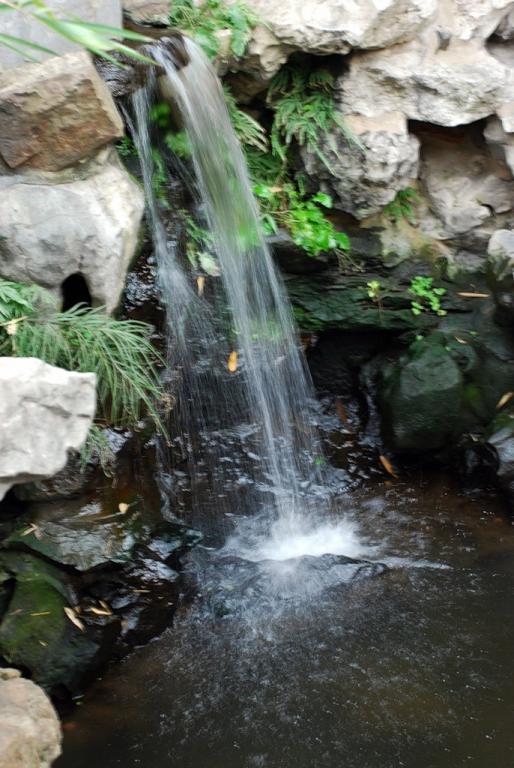
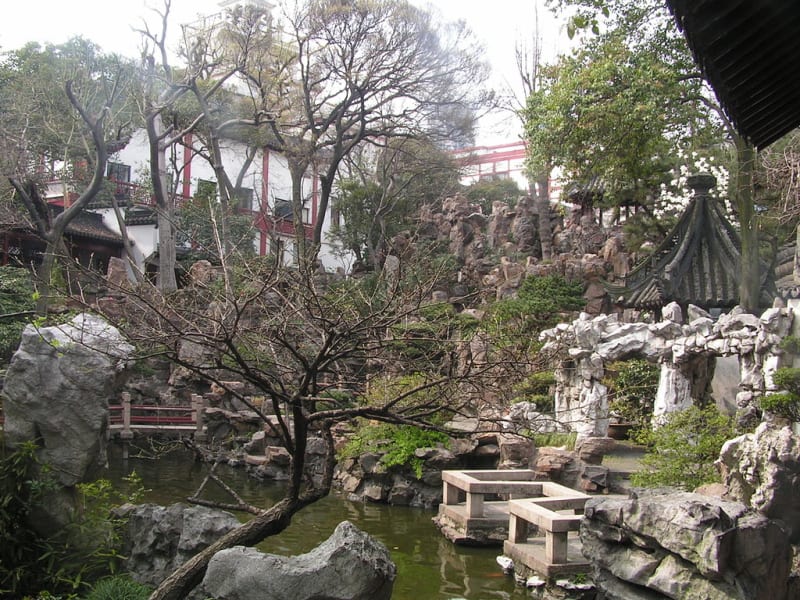
Artificial rockeries are among the garden's defining features. Stones of different shapes and textures are arranged to evoke mountains, cliffs, and natural caves. Paths and steps run between the rocks, while plants soften the rugged outlines of the stone surfaces.
The Great Rockery is one of Yu Garden's best-known landmarks. It dates to the Ming Dynasty and resembles a miniature mountain range. Visitors can climb to an elevated viewpoint and look over parts of the garden. Such structures were valued in traditional Chinese gardens as representations of grand natural landscapes within a limited space.
Another celebrated feature is the Exquisite Jade Rock. This porous limestone boulder is about 3.3 metres tall and has numerous openings and natural cavities. It is considered one of the garden's symbols. According to a well-known legend, the stone was intended for an imperial garden, although its origin remains part of local lore.
Ponds, bridges, and pavilions
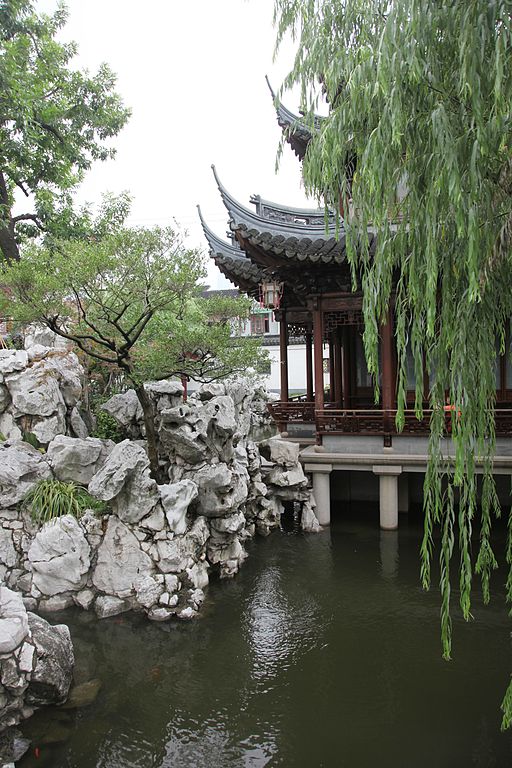
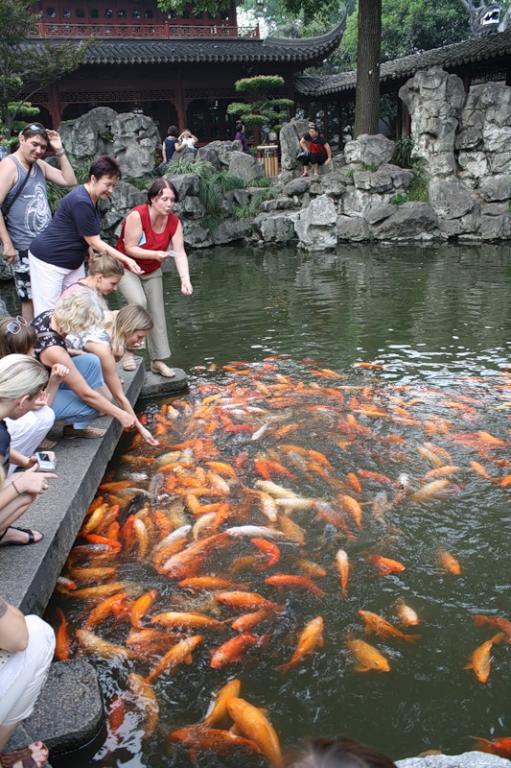
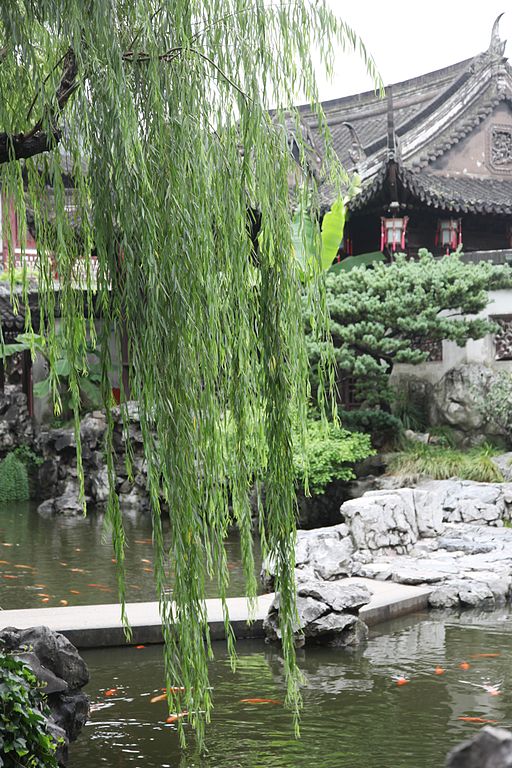
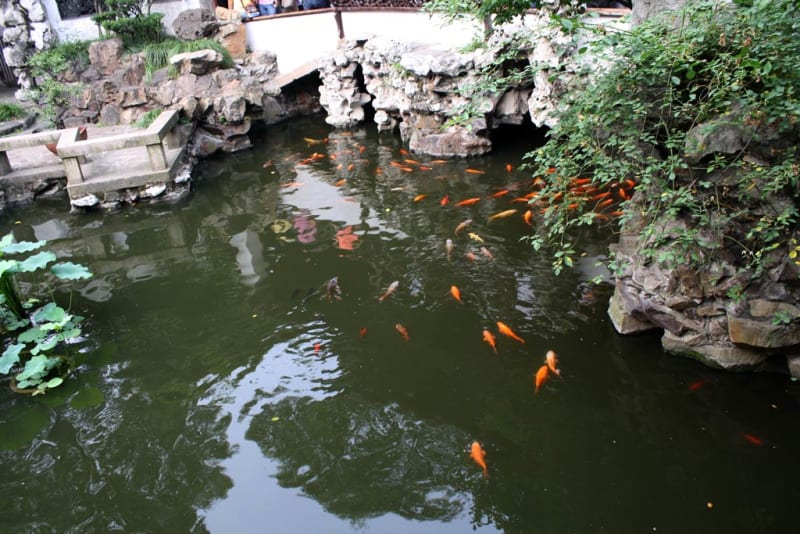
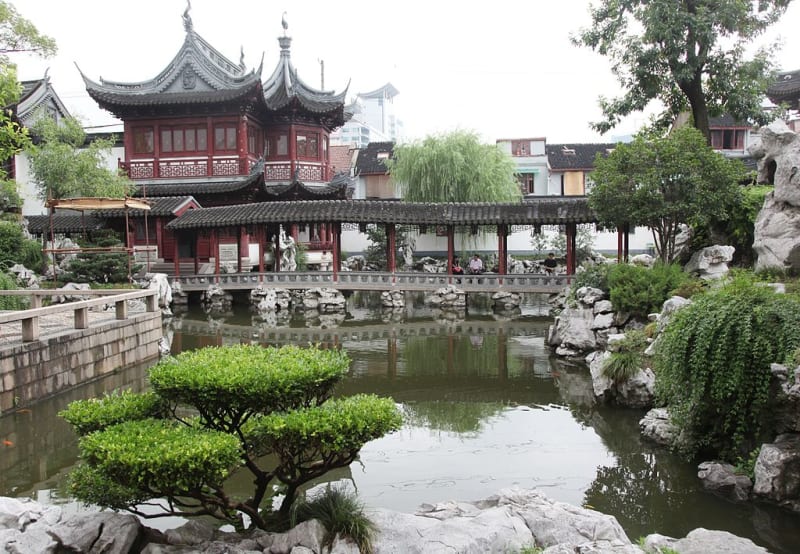
Water is central to Yu Garden's composition. Ponds reflect pavilion roofs, trees, and stone structures, changing with the weather and light. Small buildings and galleries stand beside the water, offering places to admire the scenery and find interesting photographic angles.
Curved bridges and stone passages connect different parts of the garden and also serve as decorative features. They guide visitors, reveal new perspectives, and emphasise the relationship between water and architecture. Traditional roofs with raised corners create striking silhouettes against the trees and sky.
The garden contains several historic halls and pavilions, each with its own layout and decorative details. Their names and functions reflect the history of the garden's owners and the traditions of Chinese landscape design. During a visit, look beyond the larger structures to notice window lattices, ornaments, stone steps, and shaped walls.
The garden and the City God Temple
Yu Garden stands next to Shanghai's City God Temple, a traditional religious complex associated with local beliefs and folk festivals. Historically, the temple and garden developed in close connection with the surrounding commercial streets. Over time, the area became a district where cultural landmarks stand alongside shops, restaurants, and traditional craft stores.
The nearby Yuyuan shopping quarter is known for souvenirs, handicrafts, and Shanghai cuisine. It is important to distinguish the historic garden from the surrounding commercial district: the garden requires a separate admission ticket, while many streets in the shopping area can be explored without entering the paid grounds.
Festivals and the Lantern Festival
The Yuyuan area becomes particularly lively during traditional Chinese celebrations. One of its best-known events is the Lantern Festival, associated with the Chinese New Year season. Streets and squares are decorated with illuminated displays, and traditional motifs become part of the festive atmosphere.
The Nine-Turn Bridge near Huxinting Teahouse is one of the area's most recognisable sights. During festival events, the bridge and nearby spaces may be decorated with lanterns, creating popular photo opportunities. Exact dates, decorations, and access arrangements change from year to year, so check the event programme before travelling.
How to get to Yu Garden
The garden is located at 168 Fuyou Road, Huangpu District, Shanghai, China. One of the easiest ways to reach it is by metro. Yuyuan Garden Station is served by Lines 10 and 14, and the garden can be reached on foot through the shopping quarter. Taxis and city buses are also options.
The garden has entrances on Fuyou Road and Yuyuan Old Street. Before visiting, confirm which entrance is available for your ticket type. Opening hours and visitor rules may change according to the season, public holidays, or special events.
Visitor tips
Allow around one to one and a half hours to explore the garden. If you also plan to visit the City God Temple, the shopping quarter, and local teahouses, set aside half a day for the area. Weekends and holidays can be crowded, so arriving near opening time may make for a more relaxed visit.
Wear comfortable shoes suitable for stone paths and steps. Some passages are narrow, and popular viewpoints can become crowded quickly. Photographic highlights include pavilion reflections in the ponds, carved windows, rockeries, and the roofs of traditional buildings.
Check current schedules and ticket arrangements through official sources before your visit. The garden is usually closed on Mondays, although exceptions may apply on public holidays. Do not confuse the garden's opening hours with those of the surrounding shopping district, which may remain busy after the historic grounds close.
Why visit Yu Garden
Yu Garden offers an opportunity to discover classical Chinese garden design without leaving central Shanghai. The site combines Ming Dynasty history, traditional architecture, artificial mountains, ponds, and intricate decorative details. A walk through the garden reveals how Chinese designers created varied landscapes within a limited area.
Its location beside the City God Temple and the historic shopping quarter makes Yu Garden easy to include in a route through old Shanghai. It is especially appealing to visitors interested in Chinese history, architecture, landscape design, traditional festivals, and everyday urban culture.
Gallery