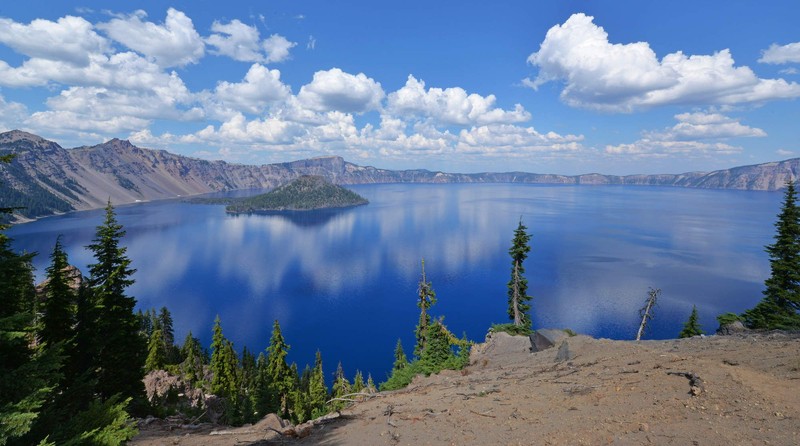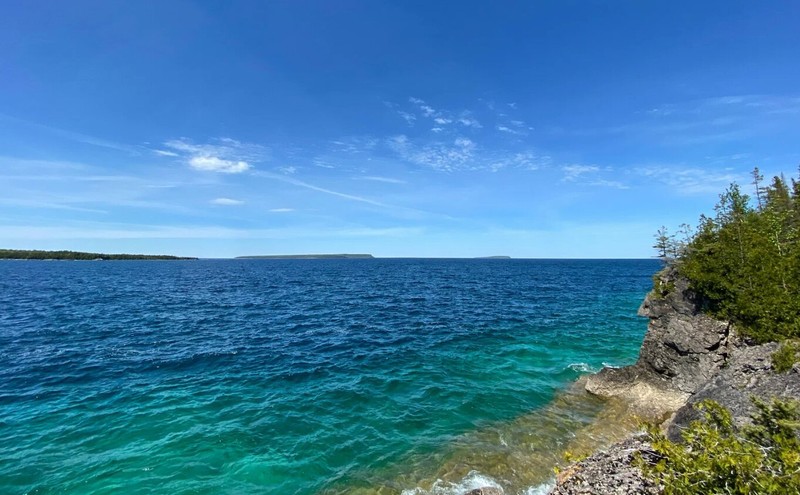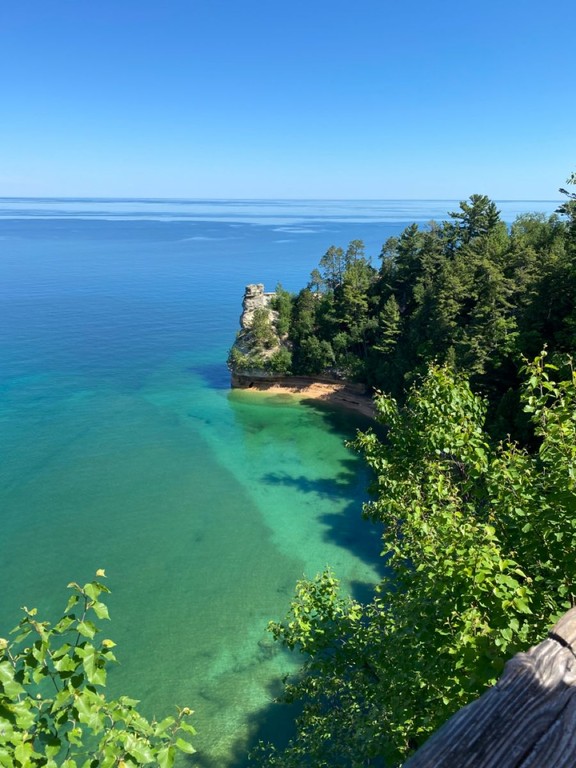

The Great Lakes are a group of 5 freshwater bodies in North America bordering Canada. They are connected by rivers and straits. According to statistics, this is the largest association of freshwater lakes in the whole world. The total area is almost 244.5 thousand square kilometers.
Short description
The group of reservoirs includes Lake Superior, Huron, Erie, Michigan, and Ontario. The total volume of the Great Lakes reaches almost 23 thousand cubic kilometers. This is 84% of the water reserves in North America. The formation of the group began more than 10-12 thousand years ago since the retreat of the Laurentian ice sheet.
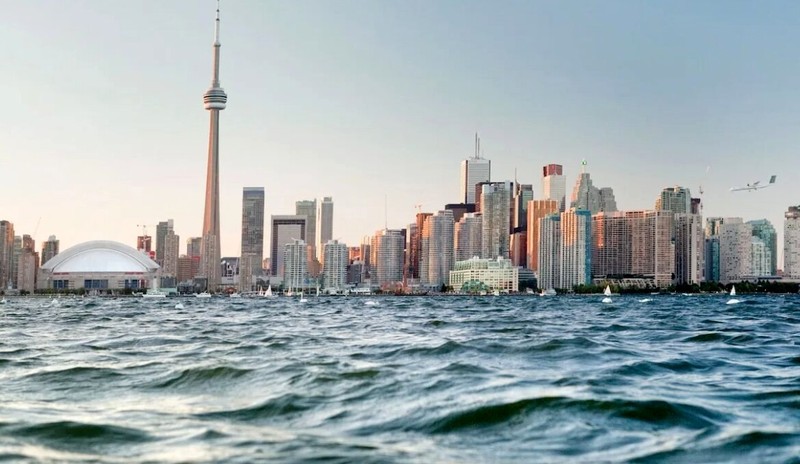
The largest lake is Ontario, which covers almost 83 thousand square kilometers. It is located on the Canadian side and partly in Minnesota in North America. You can fish in all the lakes. Sturgeon, trout and other fish swim here. In total, over 170 different species live here. Nearby are Toronto, Chicago, Michigan and other coastal cities. Shipping for passenger or cargo transportation is booming.
Features of the Great Lakes
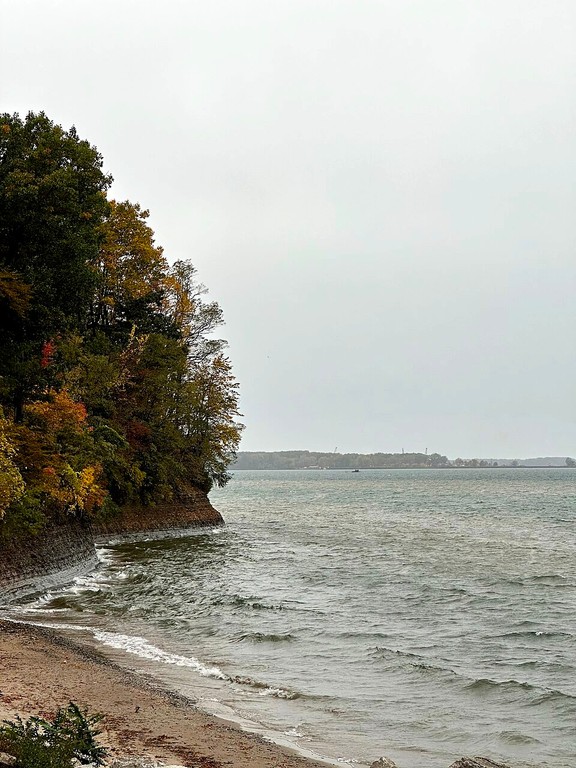
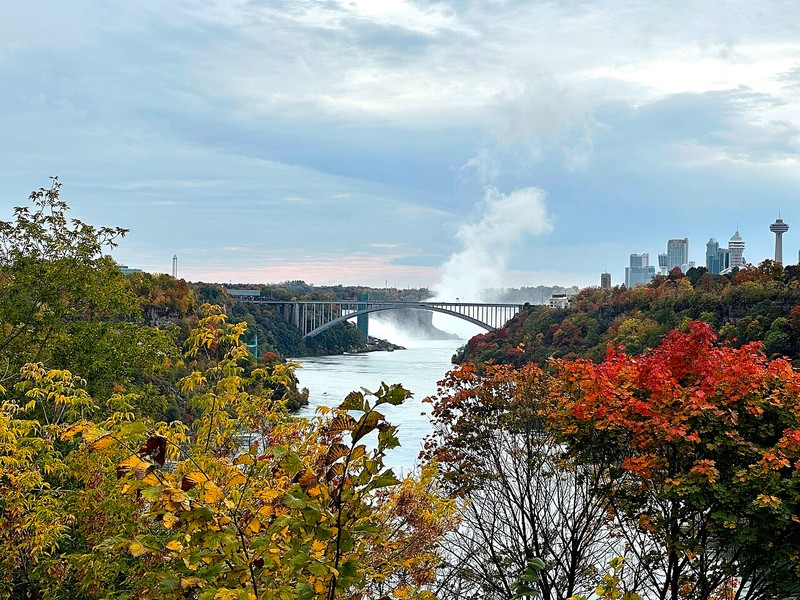
It's best to come in the fall. Locals call this period the "Indian summer." The climate is moderately humid. The weather changes frequently. There are almost 35,000 islands scattered across the Great Lakes. The coastline is approximately 18,000 kilometers long.
The American and Canadian governments are funding research and projects that will help improve the environmental condition. The problem is that people used to often dump waste into the Great Lakes, but then such actions were banned by law. However, the negative consequences of the harmful influence of destructive habits on the part of local residents could not remain without a trace.
Interesting facts
The Great Lakes system is a large network of canals, rivers, and shipping routes. They provide water and jobs to tens of millions of people. Hydrologists have noticed that storms often occur in this area. For this reason, over the past 2 centuries, more than 600 ships have died in the waters of the five.
During the Second World War, pilots used the lakes to practice takeoffs and landings on American aircraft carriers. According to official data, 18,000 pilots participated in such training. But at the same time, more than 300 planes were sunk. Due to various reasons and circumstances, not all tests were completed successfully.
Mysticism
Some Americans believe that mystical phenomena reign in the Great Lakes, which are difficult to explain from the point of view of elementary logic. Science is powerless here. For example, during clear, windless weather, giant waves can rise, which hit the shores with crushing force. The Indians called the phenomenon the "three sisters" who can take ships to their kingdom. They destroy everything in their path. By the way, in history, indeed, some ships have disappeared without a trace. There is a point of view that this is the machinations of a giant sturgeon that no one has seen. Scientists say that this can be explained by the fact that the bottom of the top five is experiencing sharp fluctuations. But no tremors have been recorded at seismic stations that could confirm the scientific theory. The natural phenomenon, despite all the progressiveness of the 21st century, has not been investigated.
21% of the world's freshwater surface is concentrated here. They are called freshwater mirrors, pearls of the Earth, the treasure of the planet, the decoration of the whole continent and the cradle of Indian tribes. People dedicate poems, songs, write books, and make films to the big five. These are important shipping and recreational facilities.
How to get
The fastest mode of transport is an airplane, there are flights to cities on the shores of the Great Lakes: Chicago (Lake Michigan), Milwaukee (Michigan), Buffalo or Rochester (Ontario), Traverse City (Michigan). After arrival, you need a local transfer to the shore. You can get from New York to Chicago by train, Greyhound, Flixbus run routes between major cities in the region and to the lakes. You can take a taxi or rent a car.
Gallery