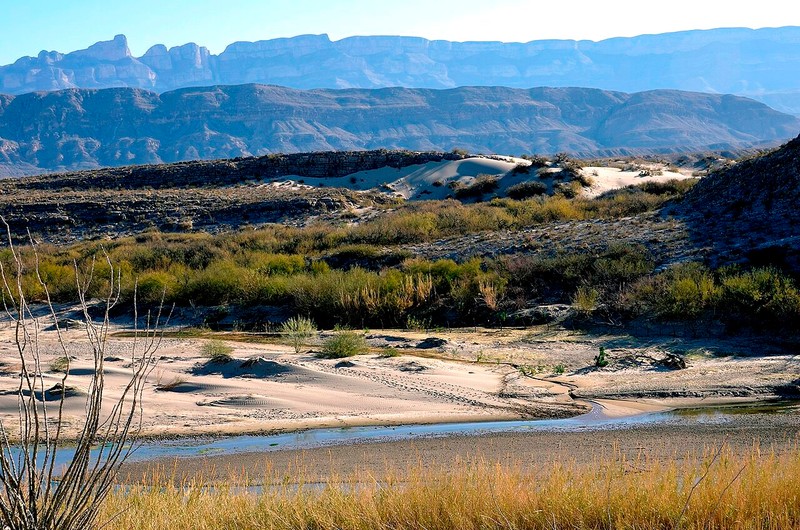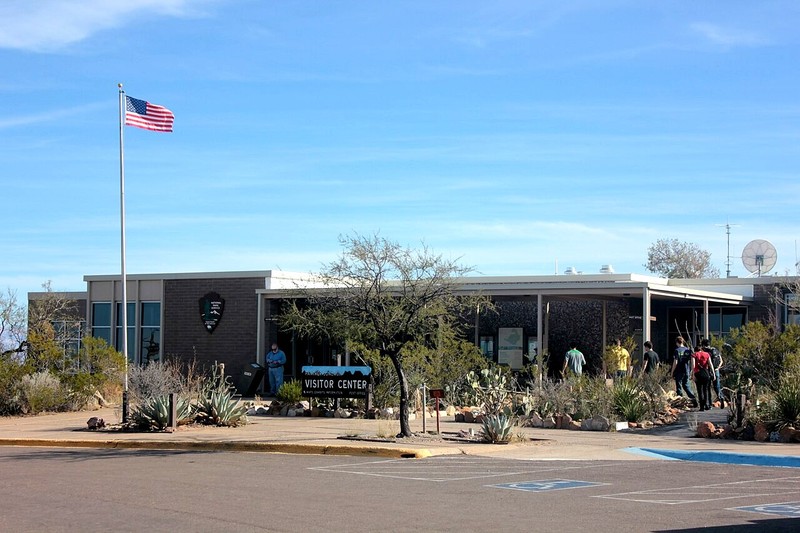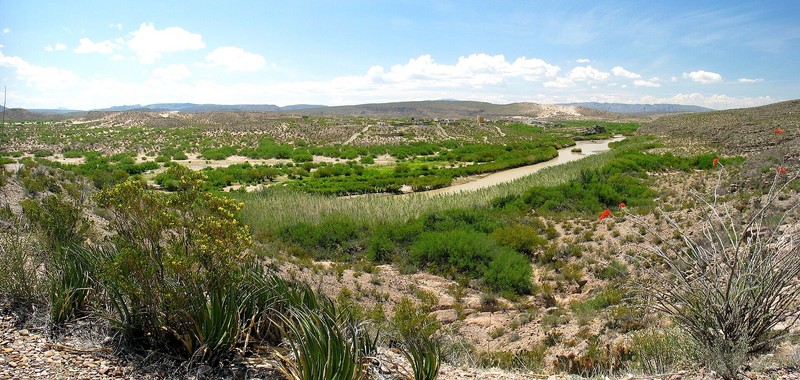

Big Bend Park has been declared a U.S. National Park in southwest Texas. It is located on the border with Mexico, separated by the Rio Grande River. A trail for short hikes, camping sites, and viewing platforms with scenic views have been equipped for visitors.
History of creation
Big Bend Park was named after the left turn of the Rio Grande riverbed, which runs through the Texas desert, creating a natural border with another state in North America. The park was founded in 1944, the idea of creation belongs to local residents and travelers who dreamed of preserving the natural beauty in this area. In 1933, the state adopted a project to create a state park, which was originally called "Texas Canyons." But in the same year, the name was changed to "Big Band".
Two years later, Congress passed a law allowing the purchase of land for a national park. So, in 1942, the state allocated $1.5 million from the budget to buy 600,000 acres of land from private owners, and the state park received national status. By 2001, its area was 801,163 acres, which is equivalent to 3,242,194,498.18 square meters. In honor of the 75th anniversary in 2017, Big Bend Park was upgraded by adapting the use of light. An inventory of all lighting fixtures was carried out, excess lamps and devices that had failed were removed. This made it easier to visit it without creating the effect of light pollution. The next renovation is scheduled for 2026.
Short description
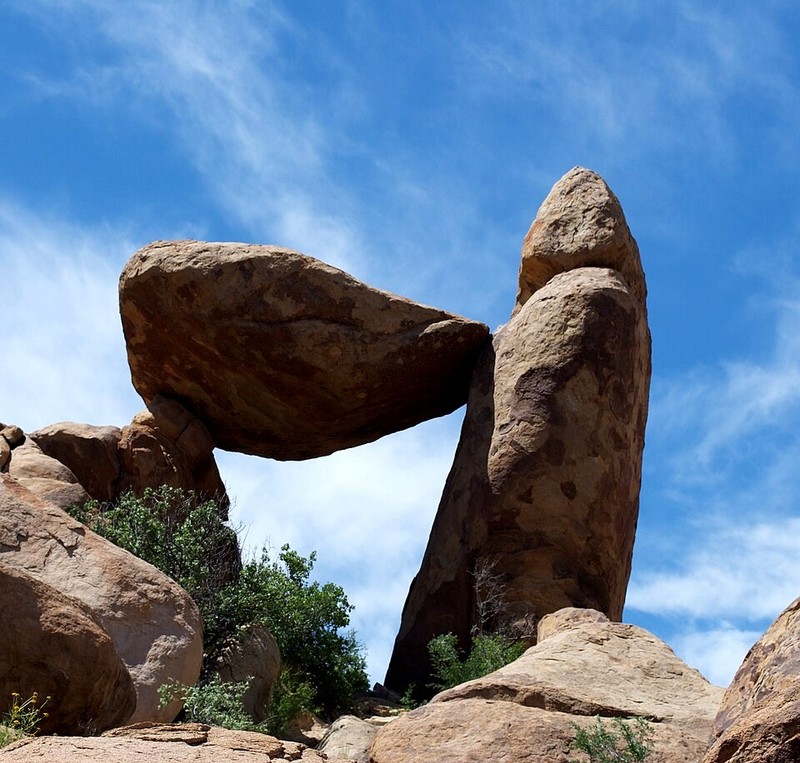
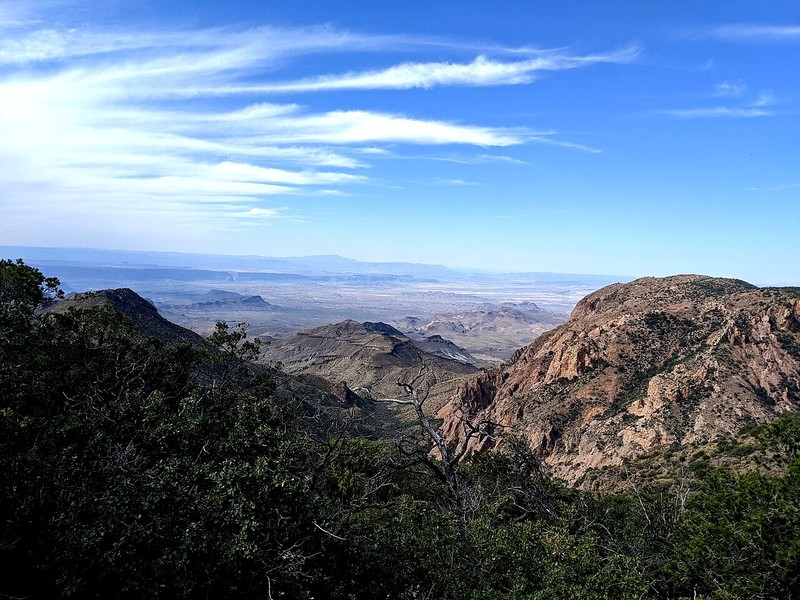
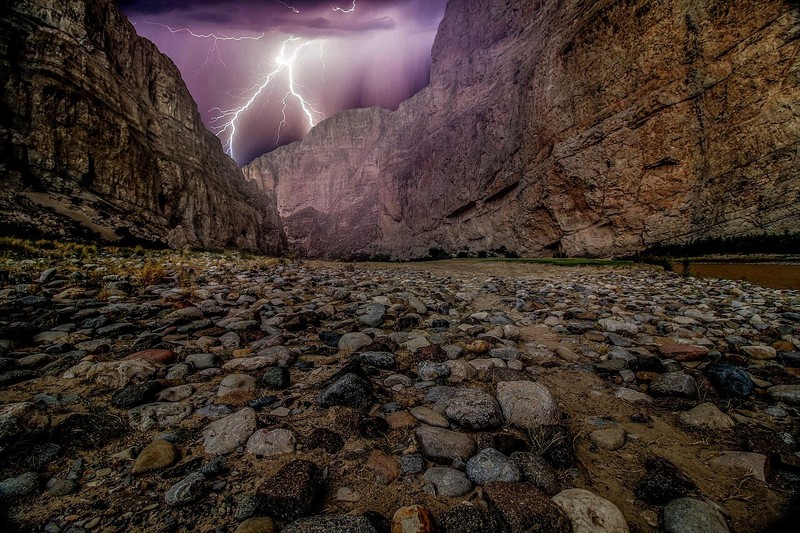
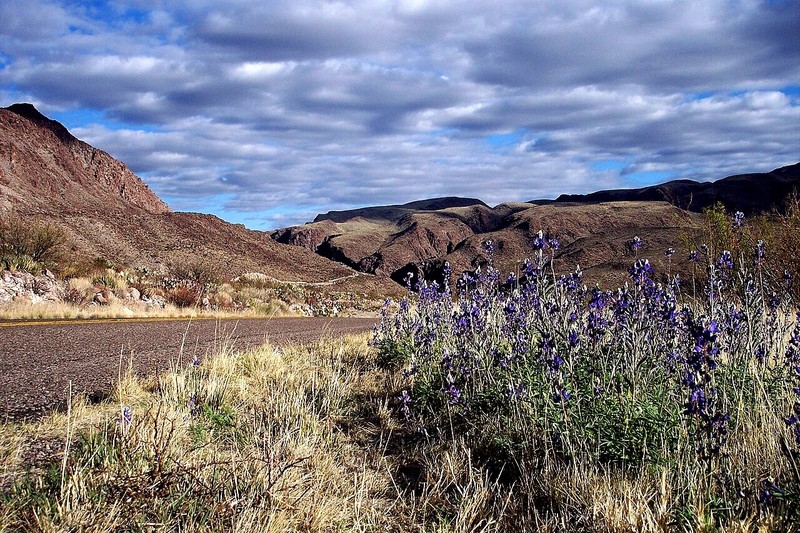
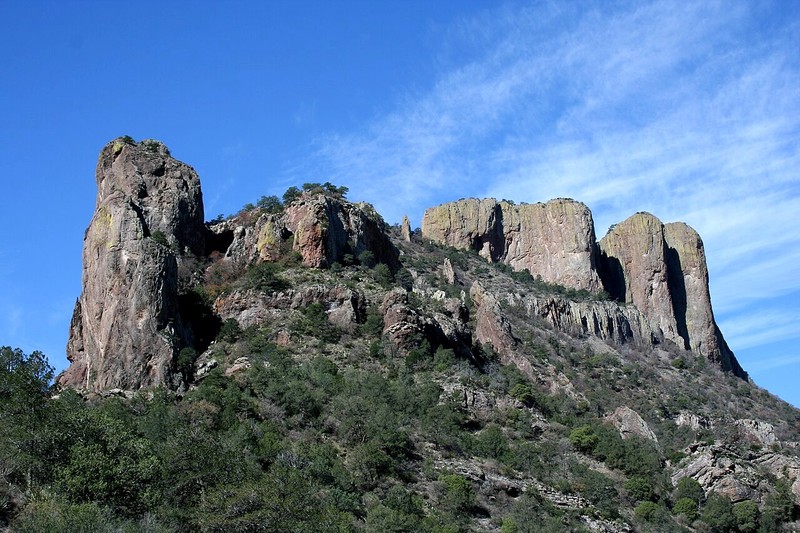
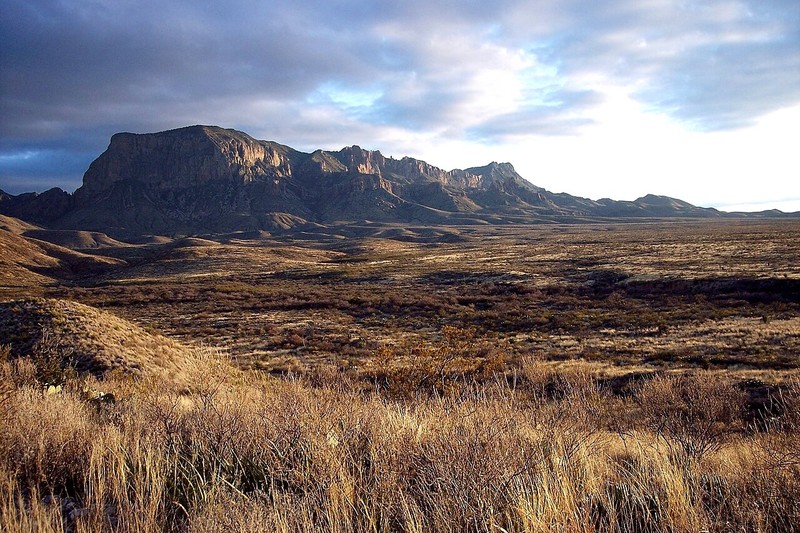
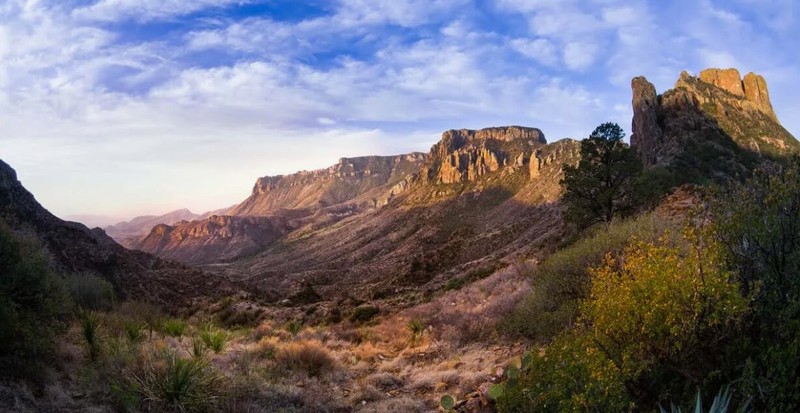
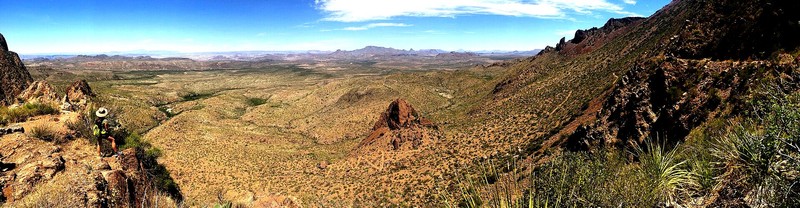
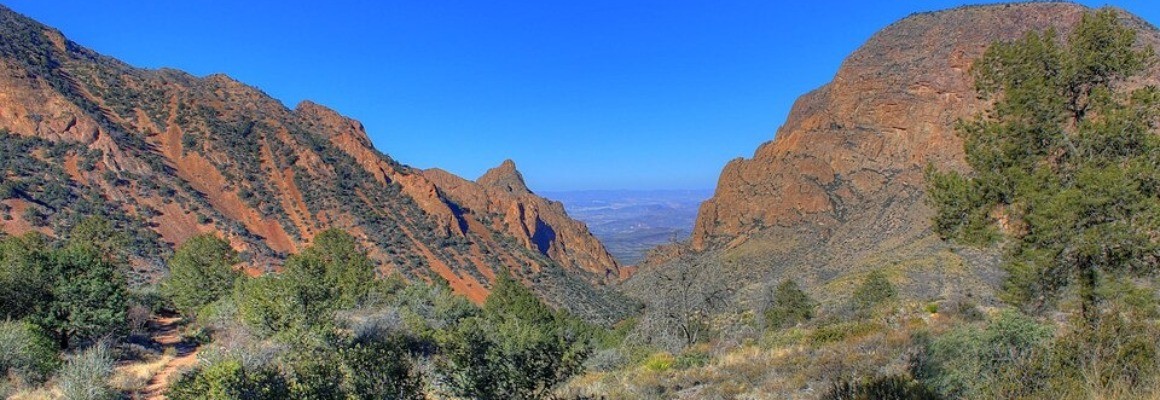
Big Bend Park has 380 kilometers of hiking trails, of which 110 kilometers are designed for off-road vehicles. The night sky is considered one of the most stellar in the United States, so amateur astronomers often come here. The park area includes a desert, a river, canyons and Mount Chisos with a height of 2,387 meters. This is an example of how several landscapes and natural areas can be combined with each other. The flora and fauna are diverse, due to the presence of 3 ecosystems.
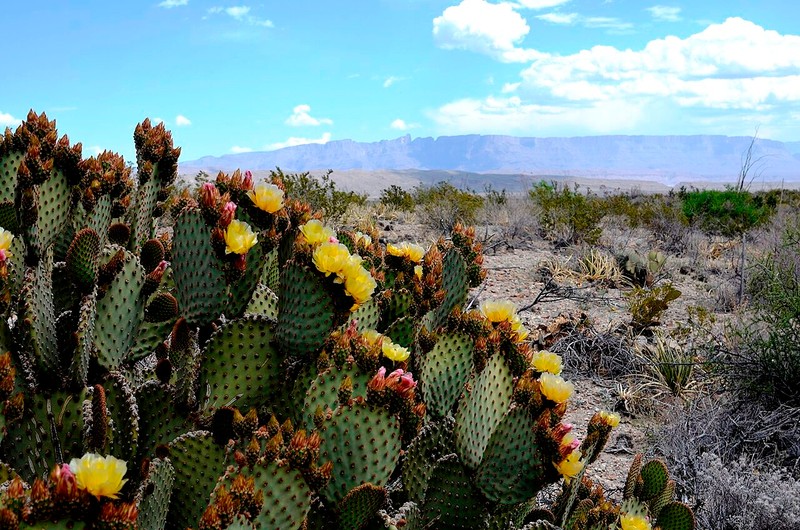
There are more than 1,200 plant species in Big Bend Park, which include:
- cacti;
- agaves;
- yucca;
- willows;
- pine trees;
- orchids;
- juniper trees;
- Mexican horse chestnut.
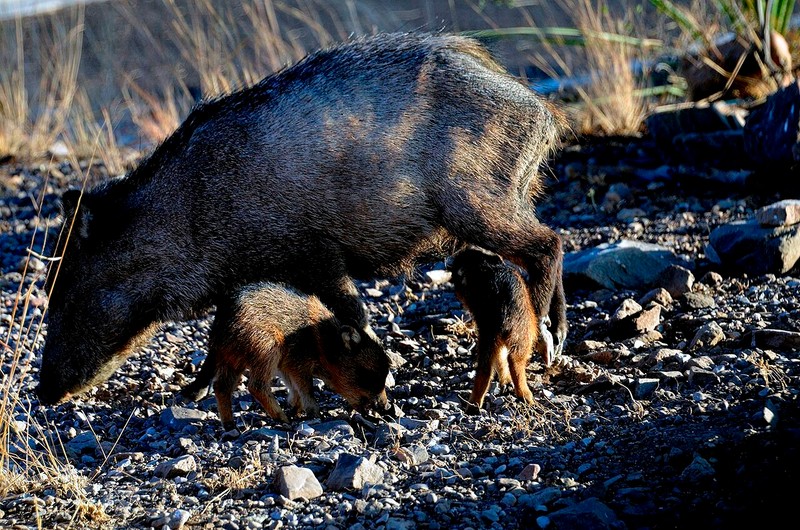
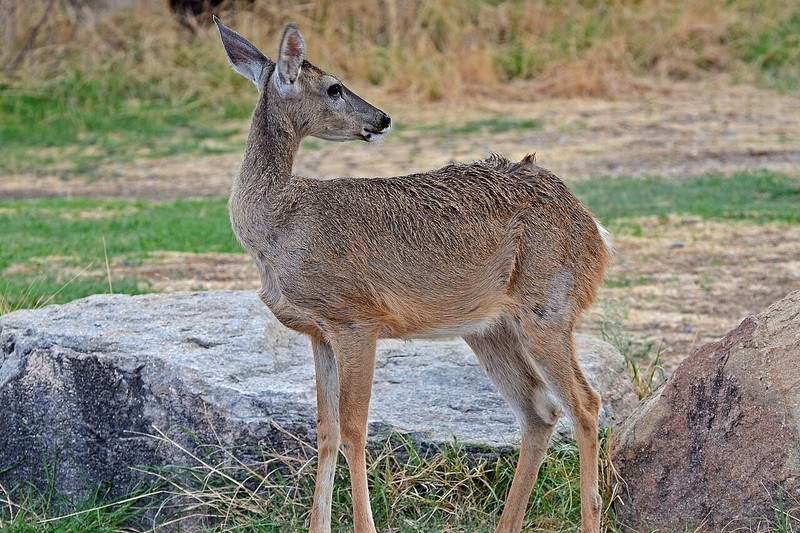
This place has become home to more than 450 species of birds, including the colima sparrow, the Mexican duck, the grey hawk, the black eagle, and the green kingfisher. It is home to the Texas horned lizard, large earless lizard, rattlesnakes and other reptiles, as well as 75 species of mammals: black bear, gray fox, squirrels, audiades, nutria and others. Speaking of geological features, dinosaur bones and marine fossils were discovered during the excavations.
How to get
Public transport does not work here, and Big Bend Park can be reached by taxi, private or rented car. The path to the park passes through Route 118 or 385, Highway 170 Ranch Road.
When planning a trip, you should take into account the extreme climate with hot days in late spring and summer. Winters are usually mild, but sometimes sub-zero temperatures are set. Visitors can ride mountain bikes, kayak, hike, go fishing, barbecue, visit a cafe.
Gallery