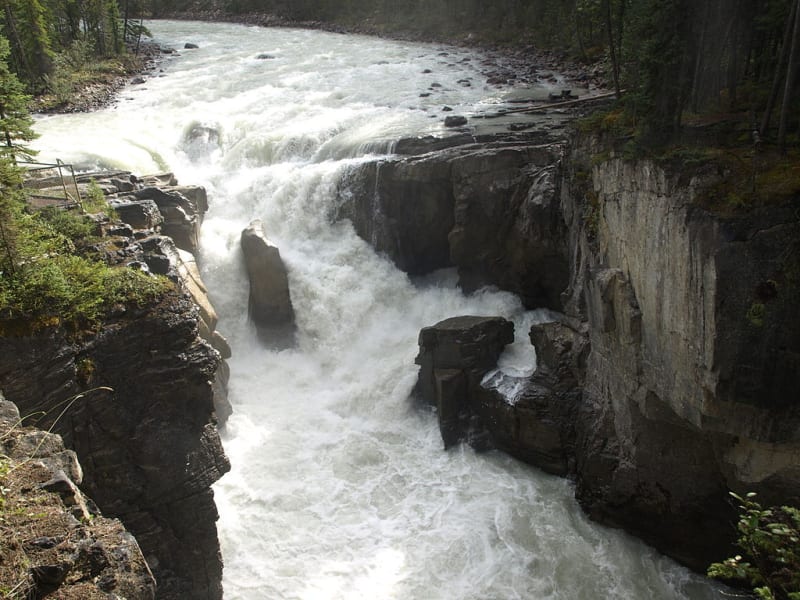
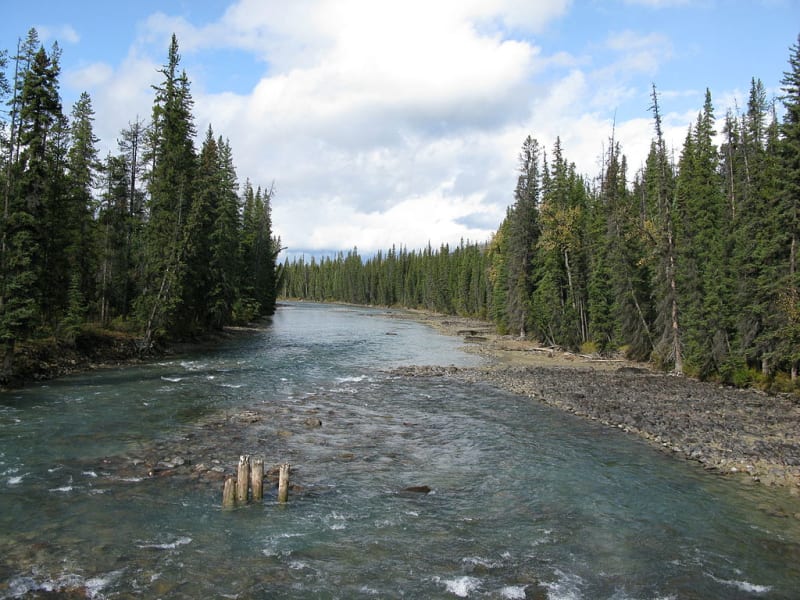
Jasper National Park is located in Alberta, western Canada, among the ranges of the Canadian Rockies. Covering more than 11,000 km², it is the largest national park in the Canadian Rockies. Its landscapes include glaciers, turquoise lakes, waterfalls, evergreen forests and broad mountain valleys.
Jasper forms part of the Canadian Rocky Mountain Parks UNESCO World Heritage Site. The park protects habitats for bears, elk, deer, mountain goats and many bird species. It is also known for its dark-sky preserve, where visitors can admire stars far from intense artificial lighting.
History of the national park
Protection of the region began in the early twentieth century. A forest park was established here in 1907, and the area became a national park in 1930. The name is associated with Jasper Hawes, who managed a North West Company trading post in the region in the early nineteenth century.
Indigenous peoples used these lands long before European traders arrived. Mountain valleys, rivers and forests supported travel, hunting, gathering and cultural traditions. Conservation today also recognizes Indigenous communities' historical and continuing connections to the area.
Maligne Lake
Maligne Lake is one of Jasper's best-known attractions. Surrounded by high peaks and forests, it has deep blue and turquoise water that changes with the light and the season. Its scenery makes it a favourite destination for photographers and travellers.
Boat excursions are available on the lake, and its shores provide places to relax and access hiking routes. Views of the surrounding mountains and Spirit Island are especially popular. Check the availability of tours and access conditions before travelling.
Maligne Canyon
Maligne Canyon was carved by a river cutting through limestone over a long period. The result is a deep, narrow gorge with steep walls, waterfalls and bridges overlooking the water below. It is one of the area's best-known geological features.
Before the 2024 wildfire, the canyon was a popular destination for walks along maintained trails. The fire severely affected surrounding slopes and vegetation. According to Parks Canada, Maligne Canyon remains closed for the 2026 season while safety assessments and rehabilitation planning continue. Check official updates and do not enter closed areas.
Athabasca Falls and Sunwapta Falls
Athabasca Falls lies on the Athabasca River, where powerful water rushes through a narrow rocky gorge. Although it is not among the region's tallest waterfalls, its force and surrounding rock formations are impressive. Short walking paths lead to viewpoints.
Sunwapta Falls is another scenic waterfall, known for water surging through a rocky channel. Both waterfalls are convenient stops on a drive through the park. Stay behind barriers and avoid wet rocks, where strong currents can make conditions dangerous.
Athabasca Glacier and the Icefields Parkway
One of the region's most scenic roads is the Icefields Parkway, or Highway 93, which connects the Lake Louise area with Jasper. Along the route, visitors can enjoy views of mountain peaks, glacial valleys, rivers and waterfalls.
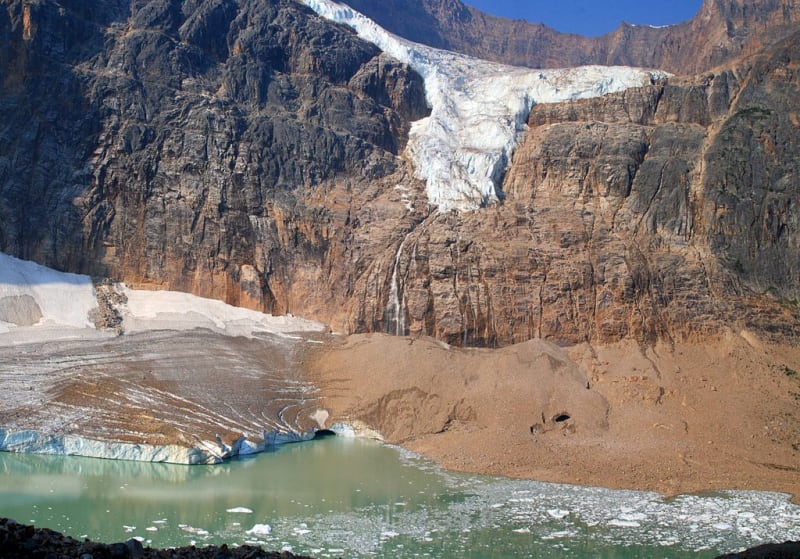
Athabasca Glacier is part of the Columbia Icefield and is one of the most accessible glaciers to observe in the region. It has been retreating as the climate changes. Visit glacier areas only on permitted routes and heed warnings about crevasses, cold water and unstable ice.
Pyramid Lake and Patricia Lake
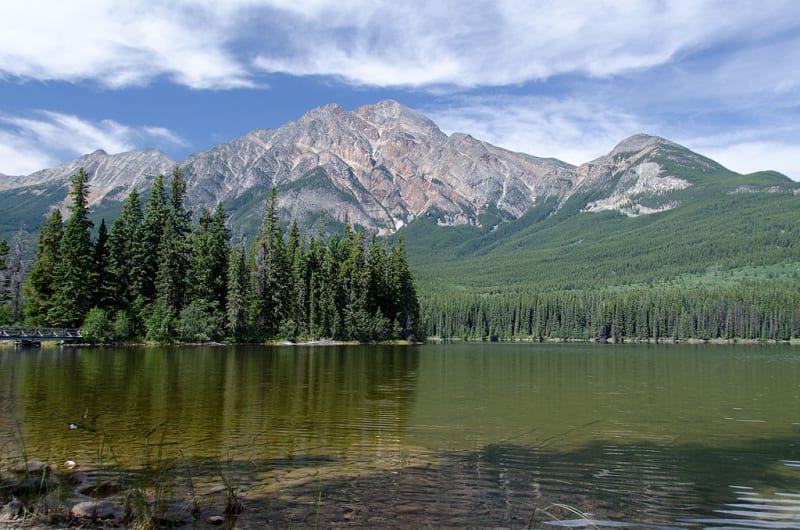
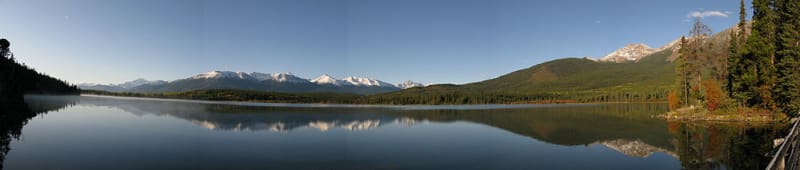
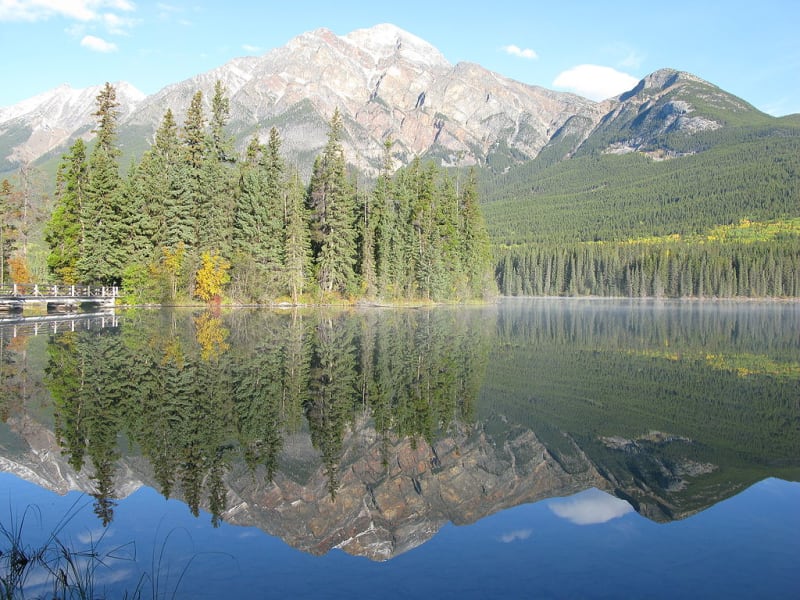
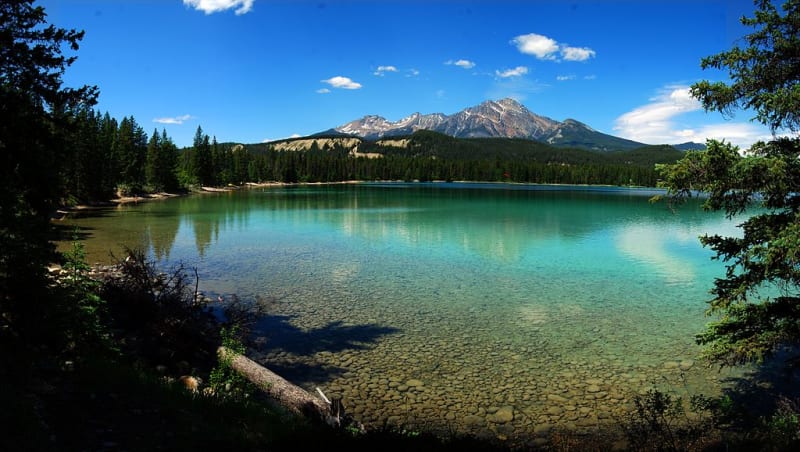
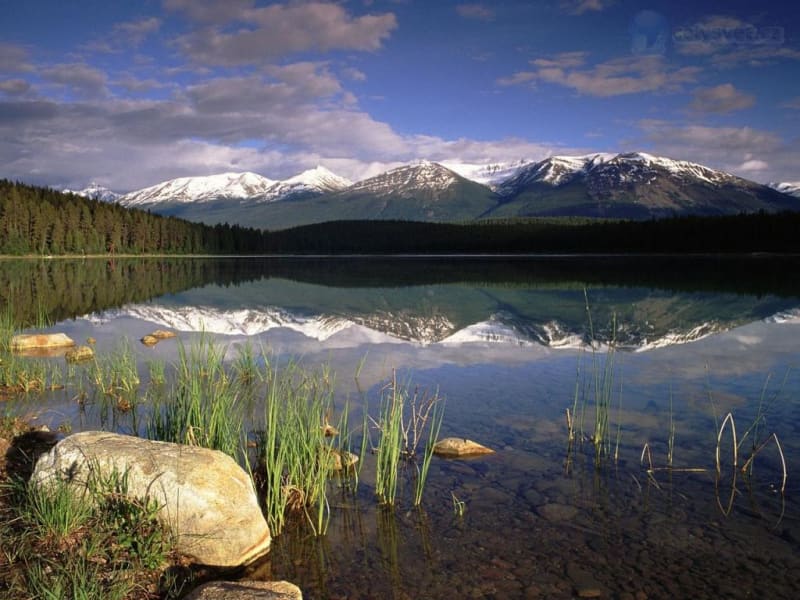
Pyramid Lake, near the town of Jasper, takes its name from Pyramid Mountain, which rises above its shore. Visitors can walk beside the water, photograph mountain reflections and enjoy the scenery. The lake is accessible by road from town and is popular during warmer months.
Nearby Patricia Lake offers a quieter atmosphere and scenic views of forests and mountains. Both lakes are suitable for short outings without a long hike. Check road conditions, parking and access to recreation areas before visiting.
The town of Jasper
The small town of Jasper lies within the national park and serves as the main base for visitors. It offers hotels, restaurants, shops, a visitor information centre and tour services. From town, travellers can easily reach lakes, waterfalls, viewpoints and hiking trails.
The town and surrounding area were severely affected by the wildfire in July 2024. Recovery efforts have included rebuilding infrastructure, removing hazardous trees and repairing visitor facilities. By 2026, many trails and visitor areas had reopened, although work continues. Consult the official map of open and closed areas before travelling.
Wildlife
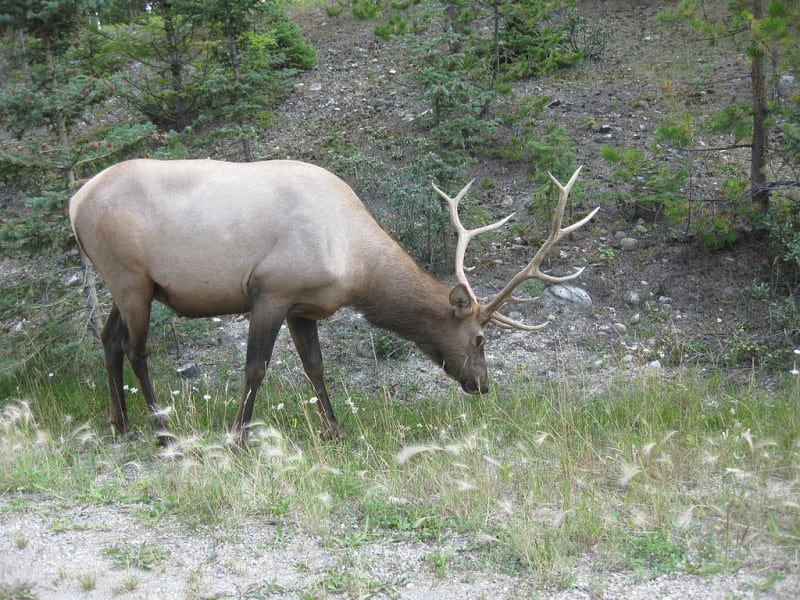
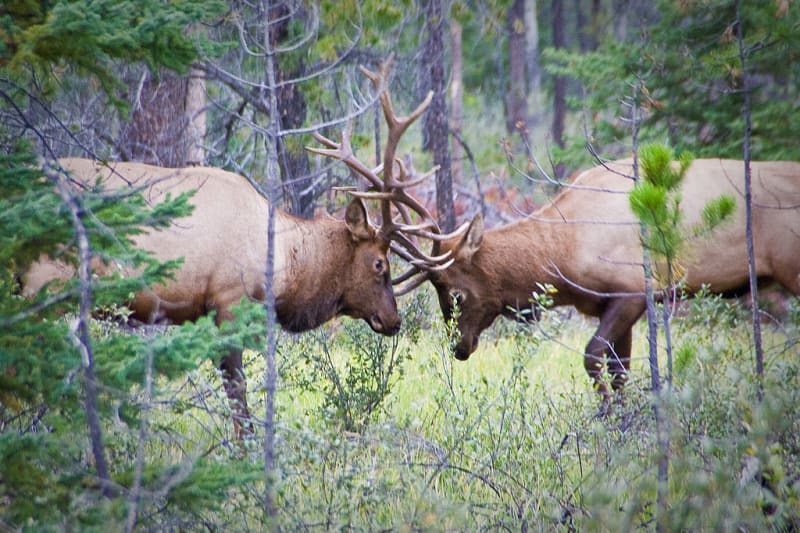
Jasper is home to grizzly bears, black bears, wolves, cougars, elk, deer, bighorn sheep and mountain goats. Many bird species live in its forests and around waterways. Wildlife sightings depend on the time of day, season and location.
These animals live in their natural environment and must be observed from a safe distance. Never feed wildlife, approach animals for photographs or leave food unattended. Review Parks Canada safety advice before setting out, especially in bear habitat.
Hiking and outdoor activities
Jasper offers trails of varying difficulty, from short lakeside walks to multi-day hikes through mountain valleys. In warmer months, visitors can also enjoy cycling, camping, birdwatching and photography. In winter, skiing, snowboarding and snowshoeing are popular activities.
Choose routes according to distance, elevation gain, weather forecasts and fitness level. Mountain conditions can change rapidly, and avalanche danger or sudden cold spells may occur. Check official warnings before heading out.
Dark-sky preserve
Jasper is known as a major dark-sky preserve. Reduced light pollution makes it possible to observe stars, constellations and the Milky Way when weather conditions are favourable. Away from town lights, the night sky is one of the park's natural attractions.
Choose a safe, permitted viewing location, bring warm clothing and check the forecast. Autumn and winter offer longer nights, but temperatures can be very low.
When to visit
Summer is ideal for most hiking trails, lake visits and drives along the Icefields Parkway. It is also the busiest season, so parking lots and popular visitor sites can fill quickly. In spring, high-elevation trails may still be snow-covered, while autumn brings seasonal changes in colour.
Winter offers snowy scenery and opportunities for snow sports, but some roads and trails may close. Recovery work following the 2024 wildfire also affects access to certain places. Check official updates on closures, weather, road conditions and trail access before travelling.
How to get to Jasper National Park
The town of Jasper can be reached by car along Highway 16, also known as the Yellowhead Highway, or via the scenic Icefields Parkway on Highway 93 when it is seasonally accessible. Major airports are located in Edmonton and Calgary, with onward travel by car, bus or organised shuttle.
Visitors must follow Parks Canada regulations and account for applicable fees. Before driving the Icefields Parkway, check road conditions, fuel availability and which stops are open. Mobile coverage may be limited in remote areas.
Travel tips
- Check the official map of open and closed areas before your trip.
- Confirm access to Maligne Canyon, Edith Cavell Road and other wildfire-affected locations.
- Book accommodation and campsites in advance during busy periods.
- Bring water, warm layers and footwear suitable for mountain trails.
- Keep a safe distance from wildlife and store food properly.
- Plan fuel stops and check the forecast before travelling on remote roads.
Jasper National Park combines dramatic mountains, glaciers, waterfalls, lakes and abundant wildlife. It is ideal for short visits to famous landmarks as well as longer journeys through the Canadian Rockies. Careful planning and attention to current conditions help make a visit both safe and rewarding.
Gallery