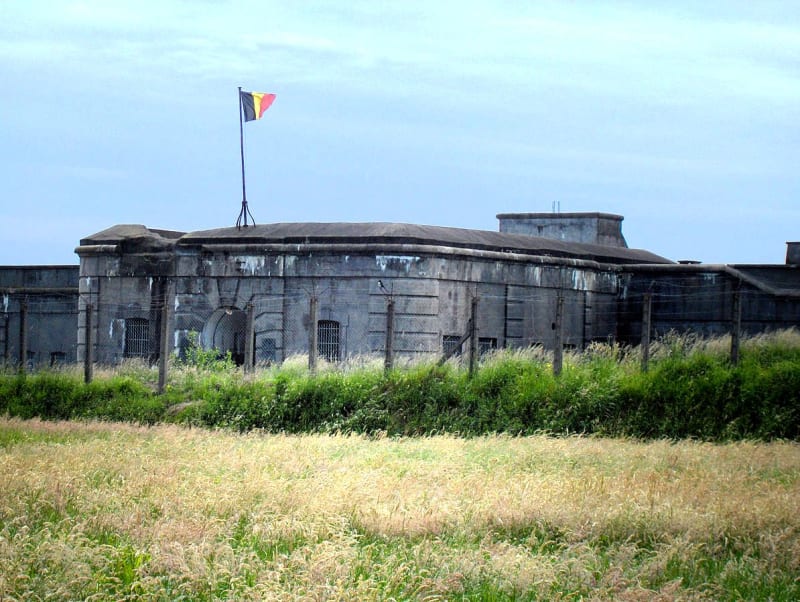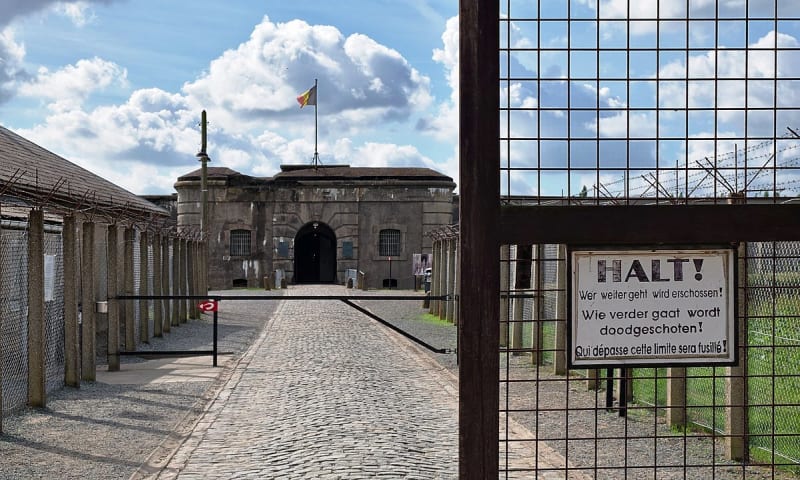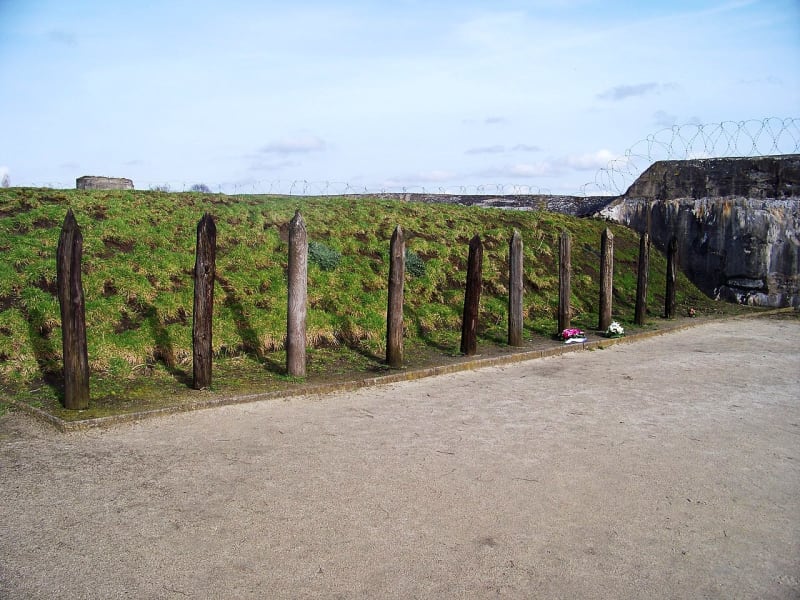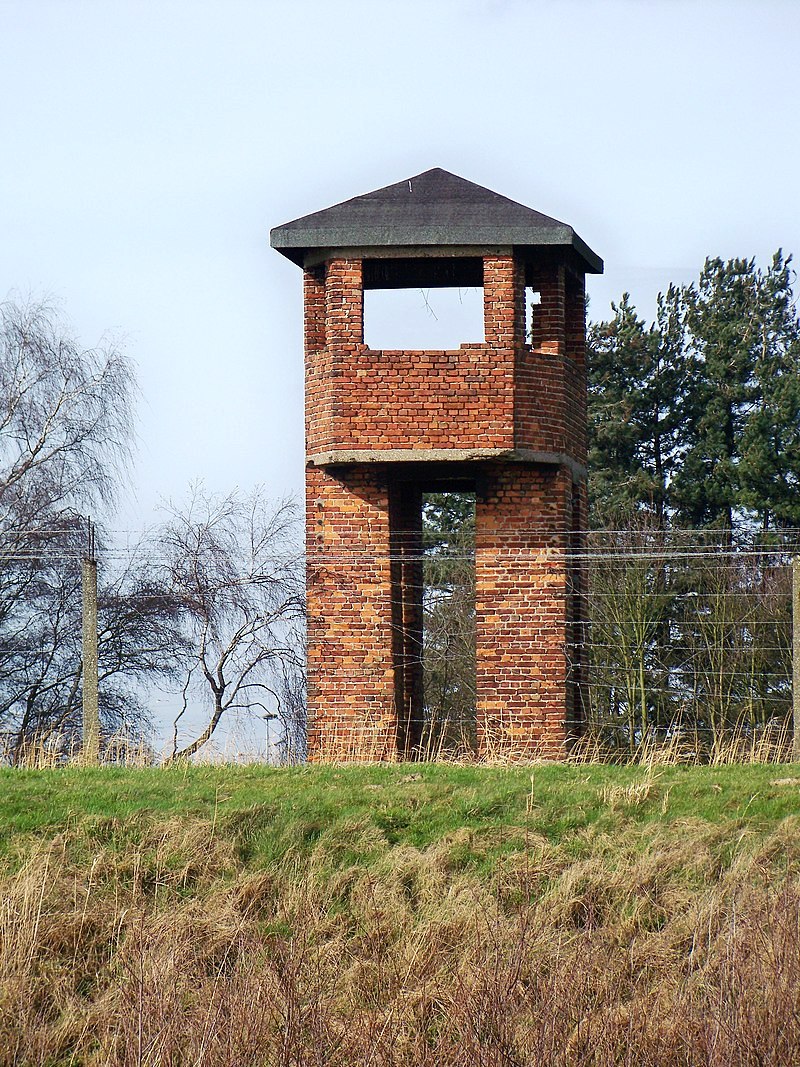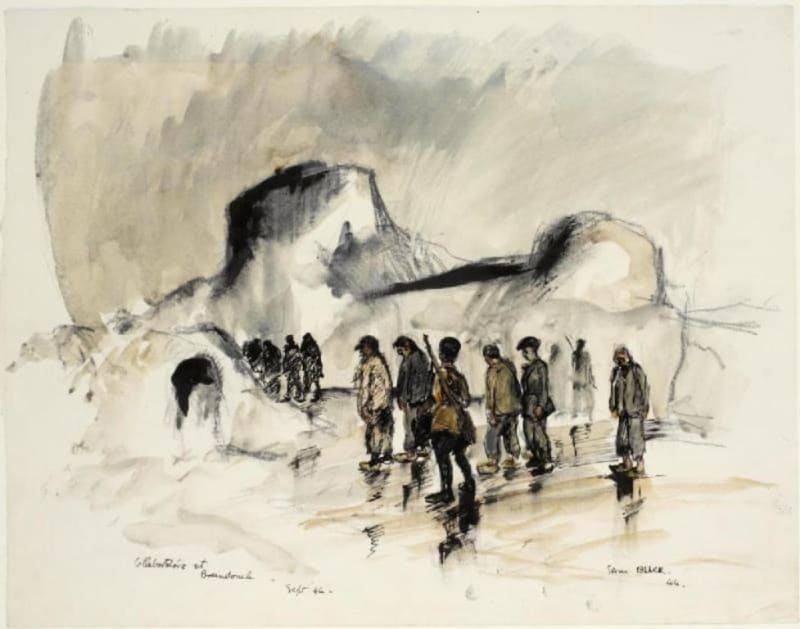

Fort Breendonk is one of the concentration camps that existed during the war. The facility was created by the Belgian army, and today it serves as a constant reminder of how inhumane people can be to each other. The museum is open all year round from 9:30 to 17:30, except for locals, tourists come here.
Description
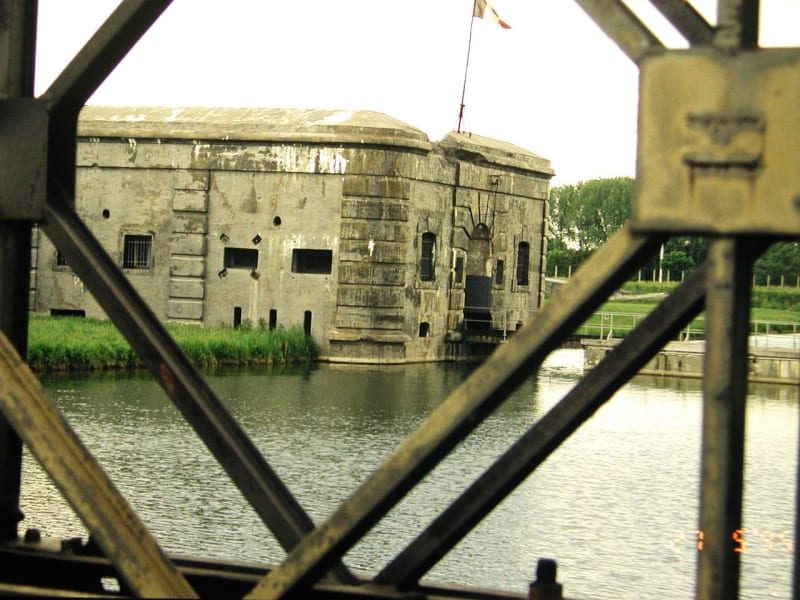
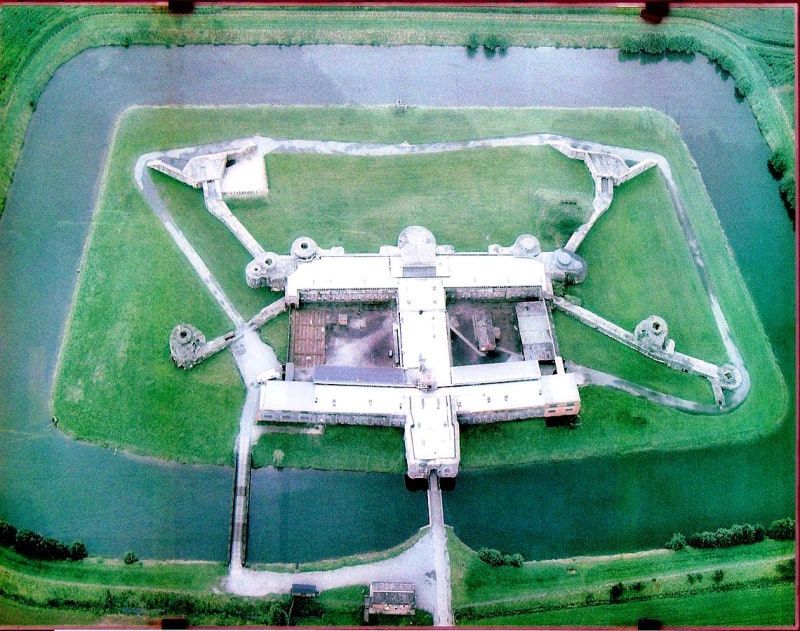
On August 19, 1947, Fort Breendonk was declared a national monument, it houses a museum in memory of the victims of the concentration camp. The museum has a large collection of photographs at its disposal. The building was built 20 kilometers from Antwerp in 1906, its task was to defend the city from the Germans. At the beginning of the 20th century, the fortification no longer had such a significant advantage, therefore, in the First World War, it was quickly occupied by the enemies.
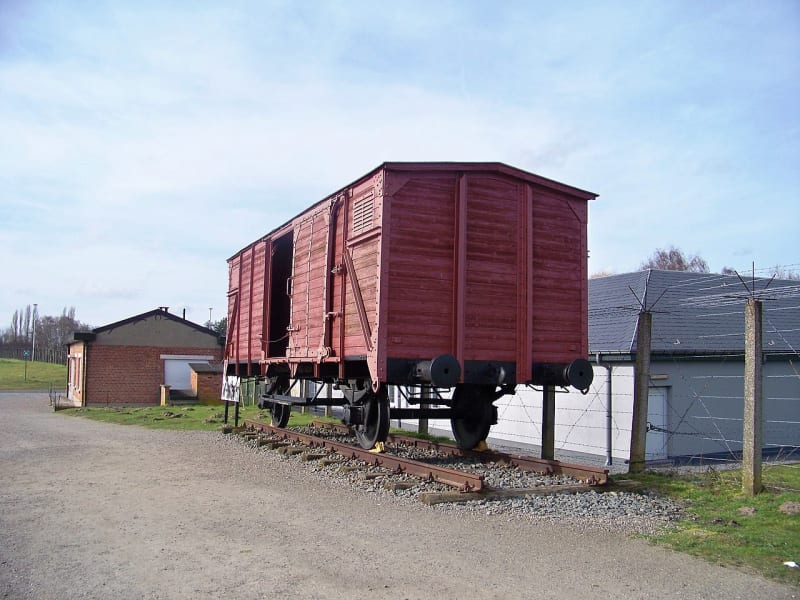
In front of the tanks, the walls of the fort surrendered quickly enough, and Antwerp was occupied in 1940. But the fortification was appreciated by the staff of the Gestapo-the political police of Nazi Germany, so the fate of Fort Breendok was decided. Those who were criminals, according to the Nazi army, were brought here. The motives for the arrest could be almost any. Separate barracks were built to house Jews, where they did not stay for long, then they were sent to Auschwitz and Buchenwald. The treatment of prisoners was terrible, beatings, unlike in other camps there were no gas chambers.
History
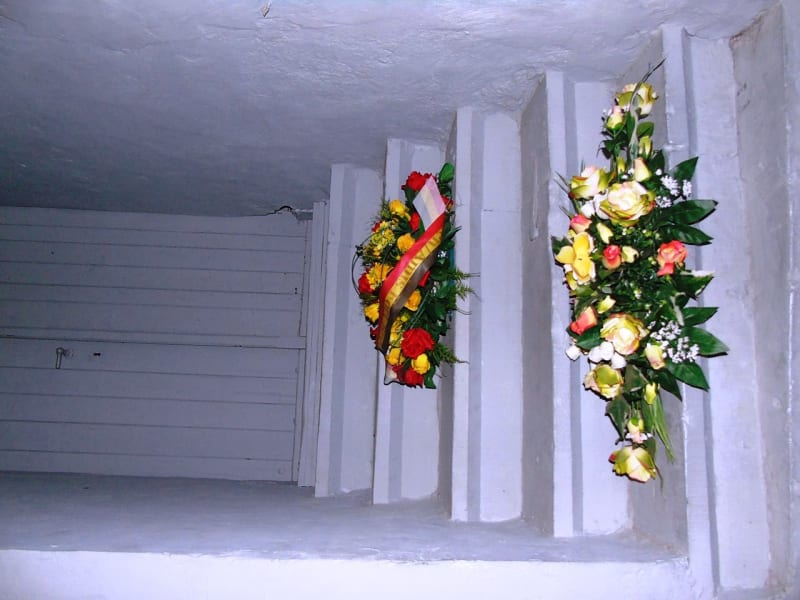
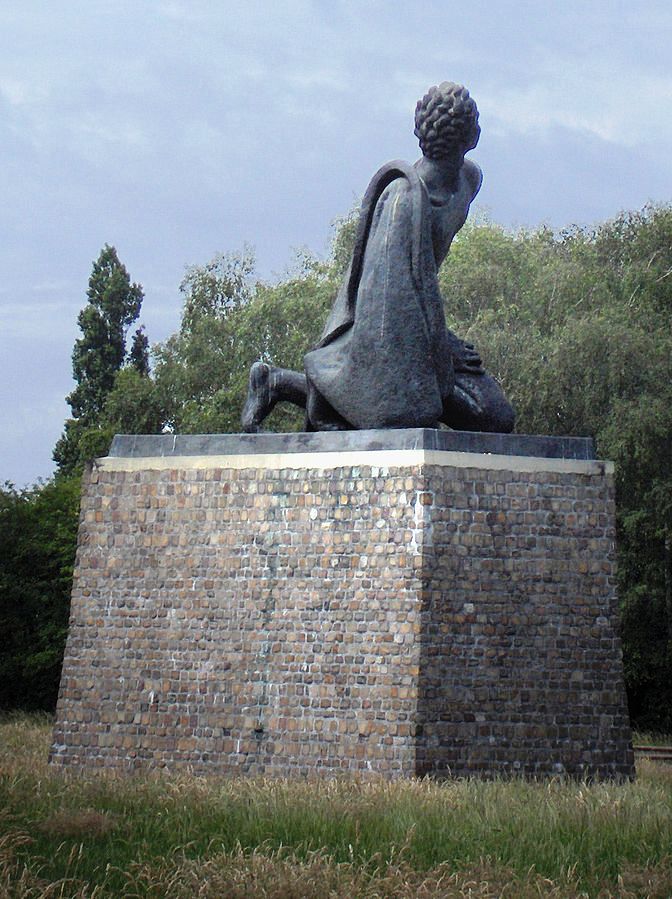
According to the surviving archival data, there were about 3,500 prisoners at Fort Breendonk. Some of them met their deaths in this place. Four hundred names are carved on the walls of the fort in memory of the dead. In 1944, Belgium was liberated. The prisoners of the fort were released, and the fortress itself became a place of detention for traitorous collaborators and those who remained loyal to the nationalist ideology. Later, everyone was transferred from here and convicted. The head of the concentration camp, Philip Schmitt, was sentenced to death.
Museum
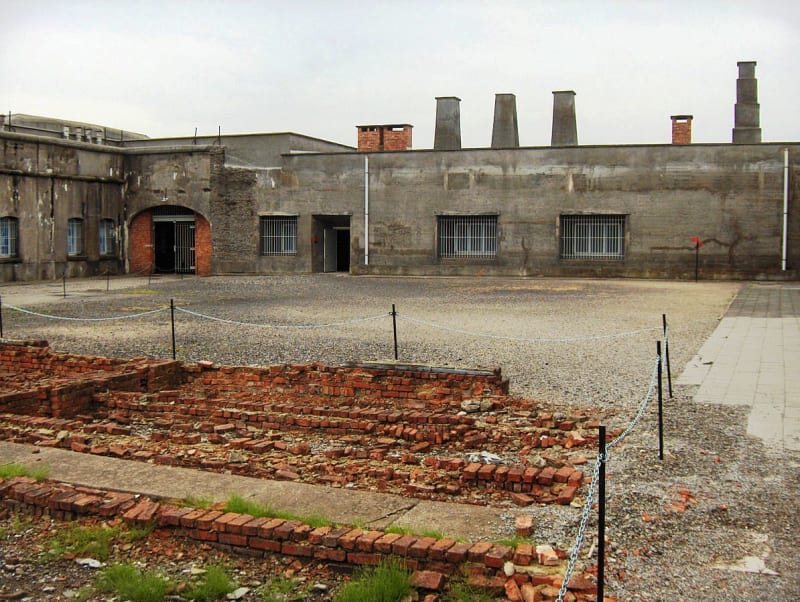
Already in 1947, the national museum of concentration camp victims was opened in Fort Breendonk. Everything here has remained untouched since those times - furniture, a bus stop, household items of prisoners, barbed wire and bars. Numerous corridors, locked doors, a lot of symbols of that time. There are mannequins in the uniforms of German soldiers in glass cases. Almost all rooms are available for inspection, even a huge bathroom.
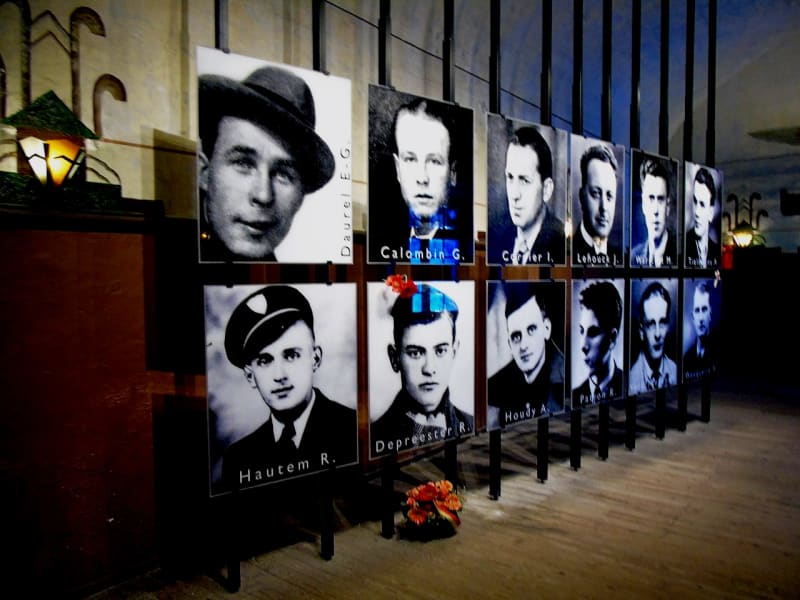
The museum has a large collection of photographs from that time, they invariably make a strong impression on the guests. They depict scenes of camp life, portraits of prisoners, and photos of Nazi officers and soldiers. Visiting Fort Breendonk most often leaves a feeling of sorrow and injustice. You can get to it from the city by regular bus or by train from the central station, but then you will have to change trains and get to the museum by bus.
Gallery