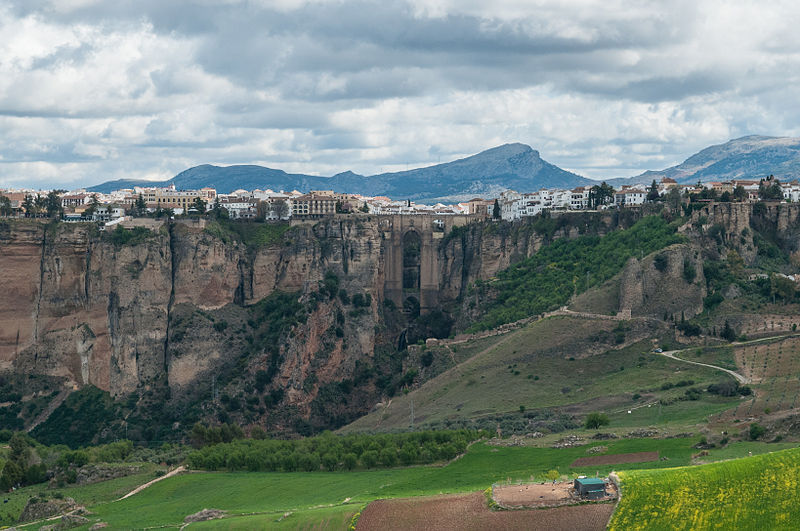
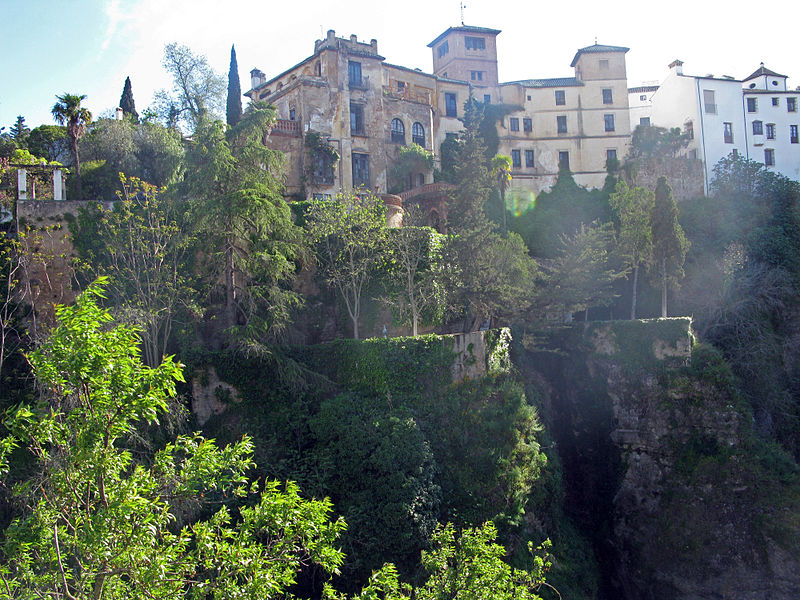
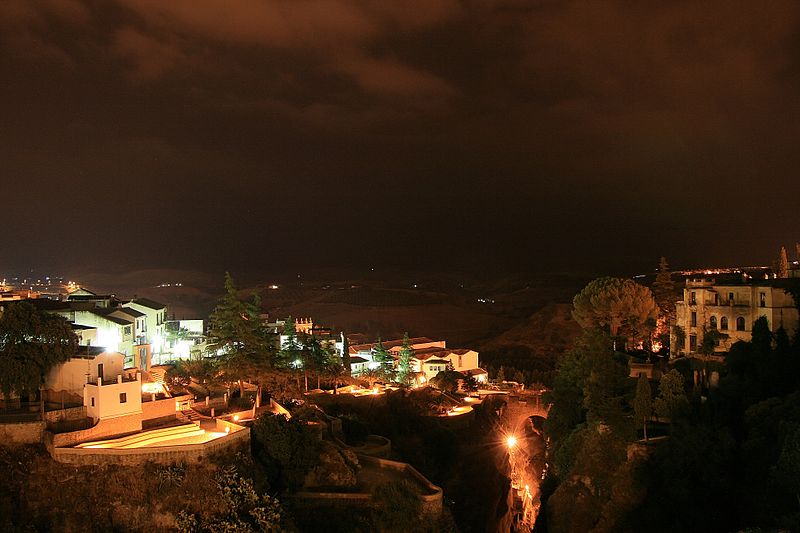
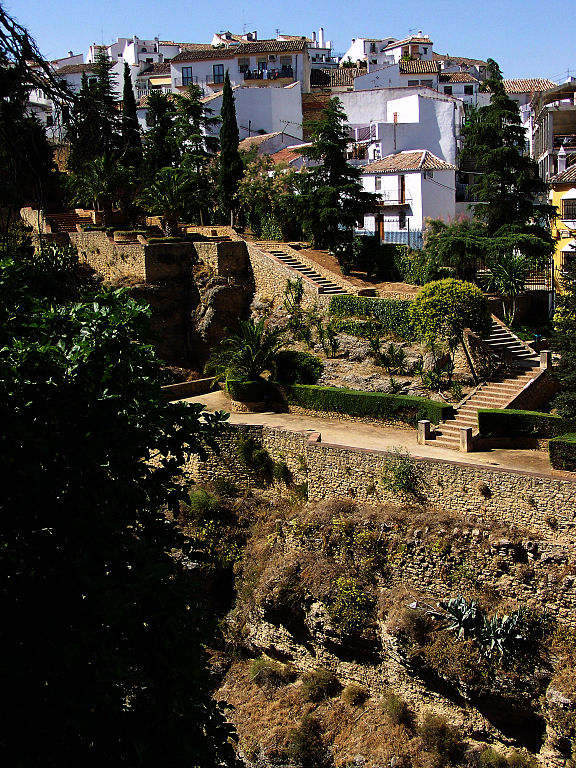
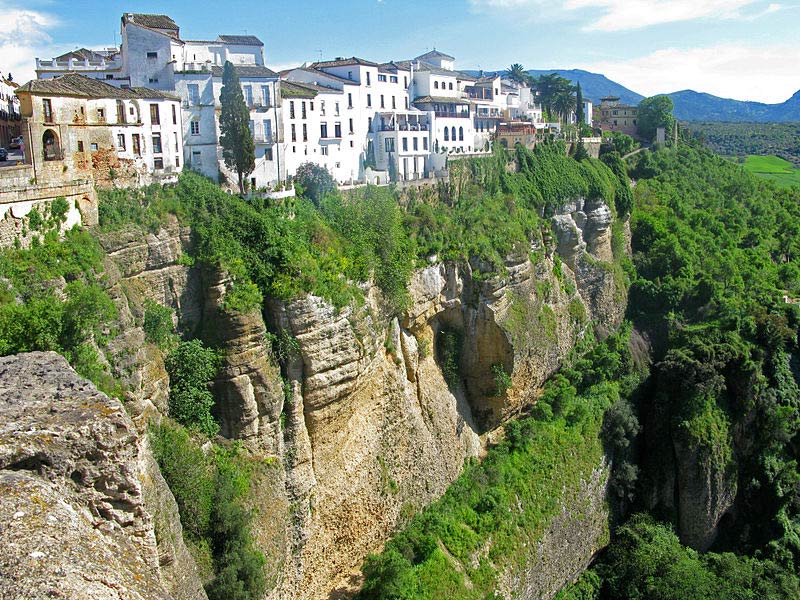
Ronda is a historic town in Málaga Province, in Andalusia in southern Spain. Set among the mountains of the Serranía de Ronda, it is famous for its dramatic position above the deep El Tajo gorge. The Guadalevín River cuts through the rocky valley, dividing the town into two parts connected by the celebrated Puente Nuevo, or New Bridge. Its stone arches and buildings perched above the ravine create one of Andalusia’s most recognisable landscapes.
History of Ronda
The area around Ronda was inhabited in prehistoric times, as archaeological discoveries and cave paintings in La Pileta Cave demonstrate. In antiquity, the Roman town of Acinipo stood nearby, leaving archaeological remains that include a theatre. Ronda itself later became the principal urban centre of the area.
The town developed significantly under Muslim rule in the Iberian Peninsula. During the Middle Ages, it became a fortified settlement with narrow streets, defensive walls and gates. In 1485, Ronda was conquered by the Catholic Monarchs, Isabella of Castile and Ferdinand of Aragon. The following centuries brought new squares, churches and buildings, while Moorish influences continued to shape local architecture.
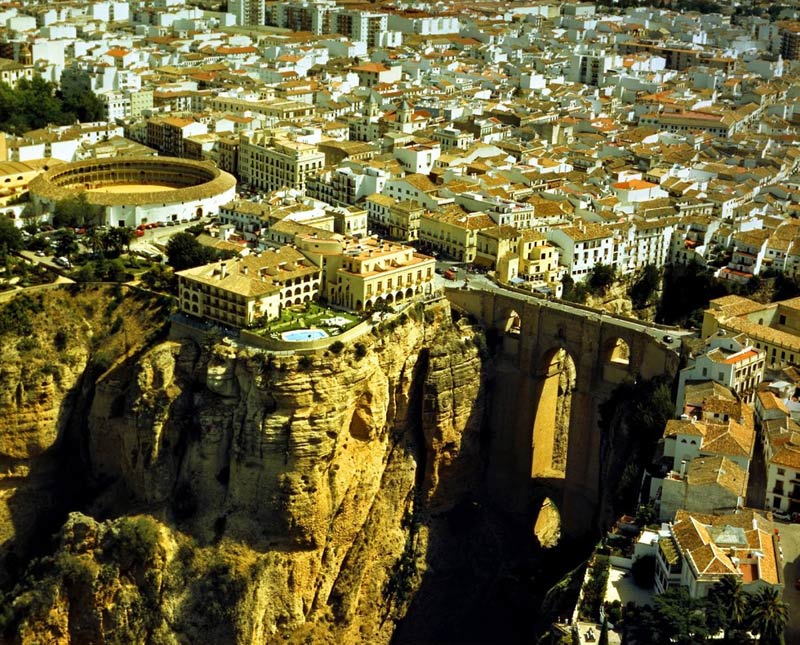
Ronda experienced considerable growth in the eighteenth century, when two of its best-known landmarks were built: the New Bridge and the bullring. In the nineteenth century, foreign travellers, writers and artists were drawn to its mountain scenery and historic streets. The town gradually became one of Andalusia’s best-known destinations.
El Tajo Gorge
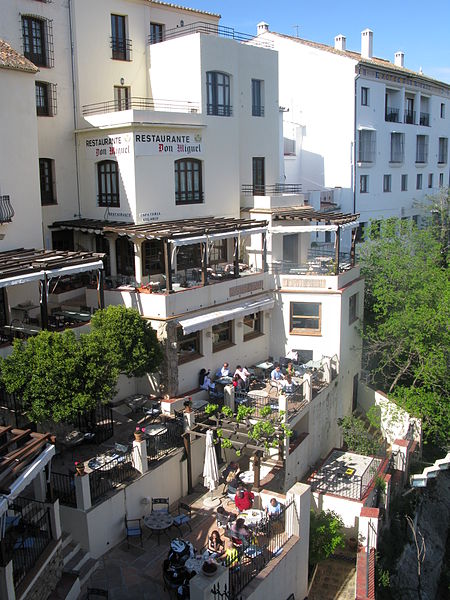
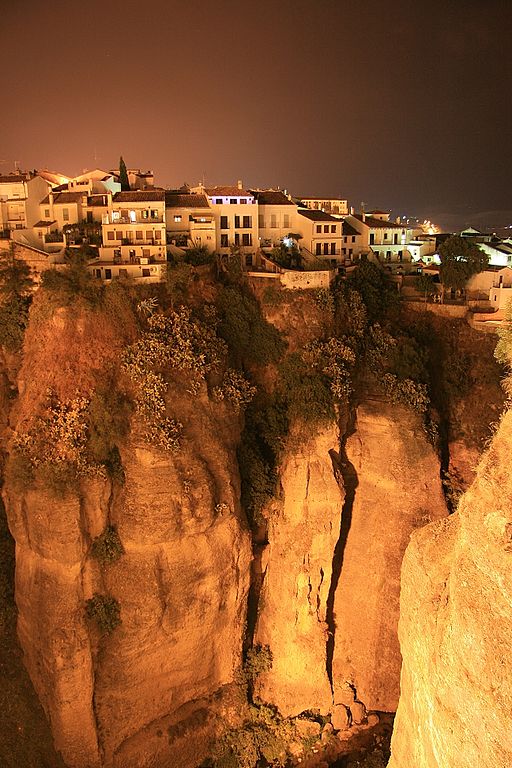
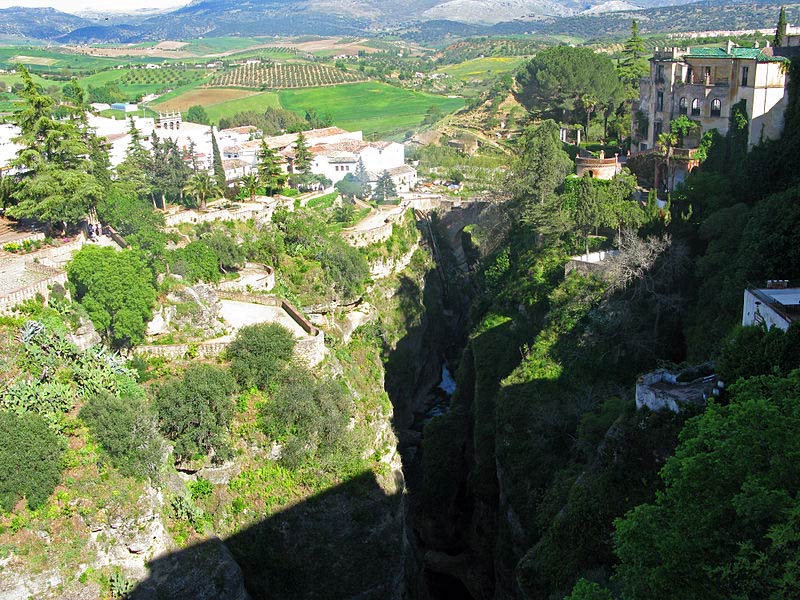
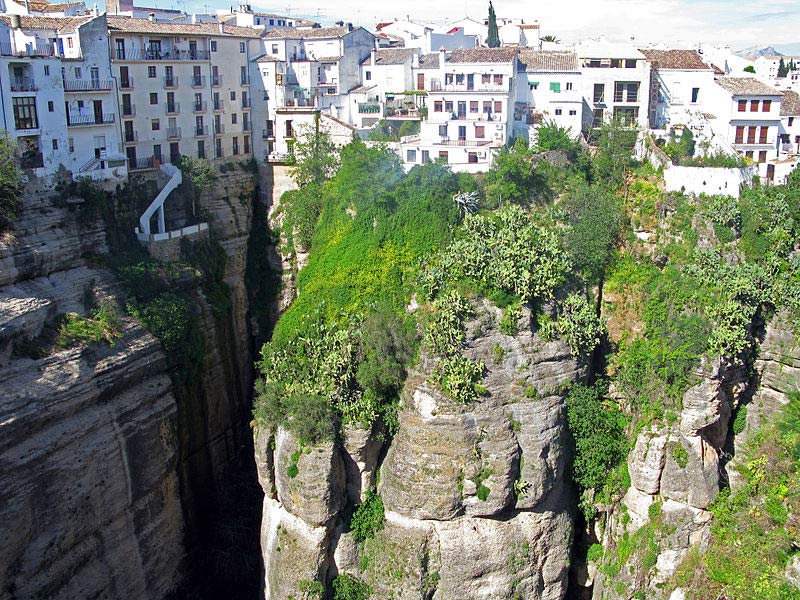
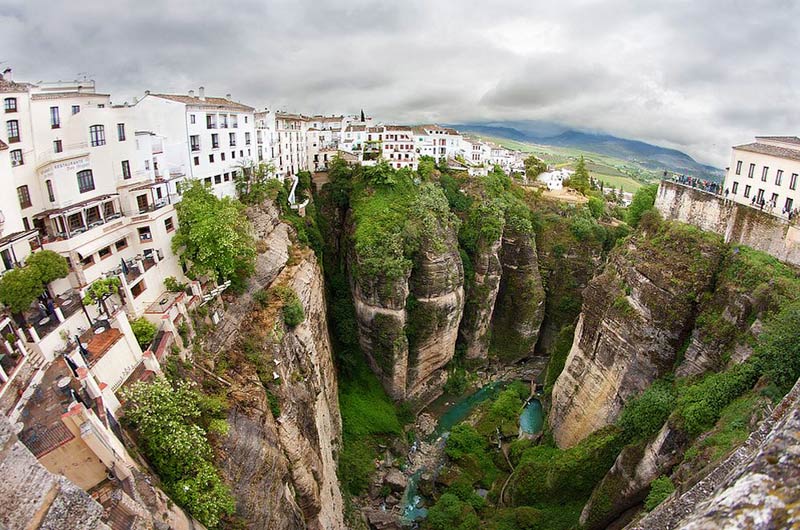
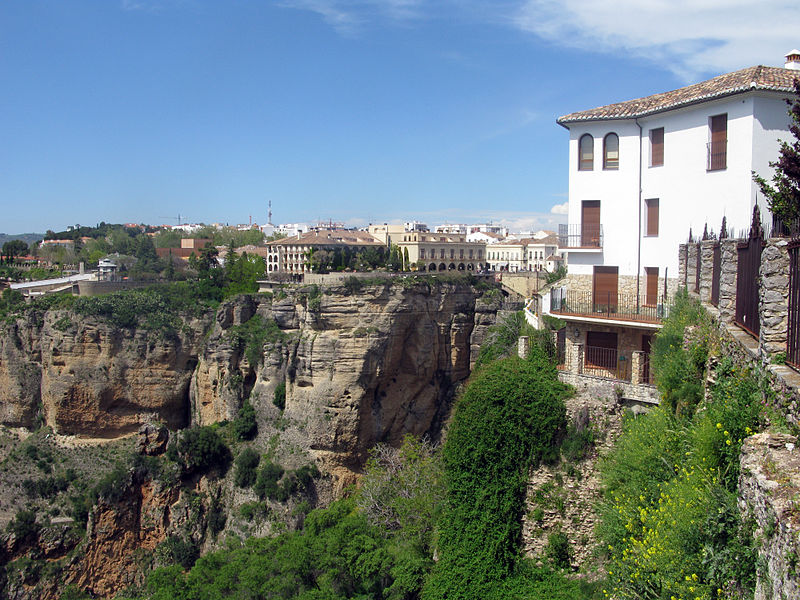
El Tajo is Ronda’s defining natural feature. The gorge is more than 100 metres deep, with steep rocky walls cutting through the town centre. The Guadalevín River flows below. The gorge separates the historic La Ciudad quarter from the newer El Mercadillo district. Viewpoints offer panoramas of cliffs, riverbanks, gardens and houses standing close to the edge of the ravine.
Puente Nuevo
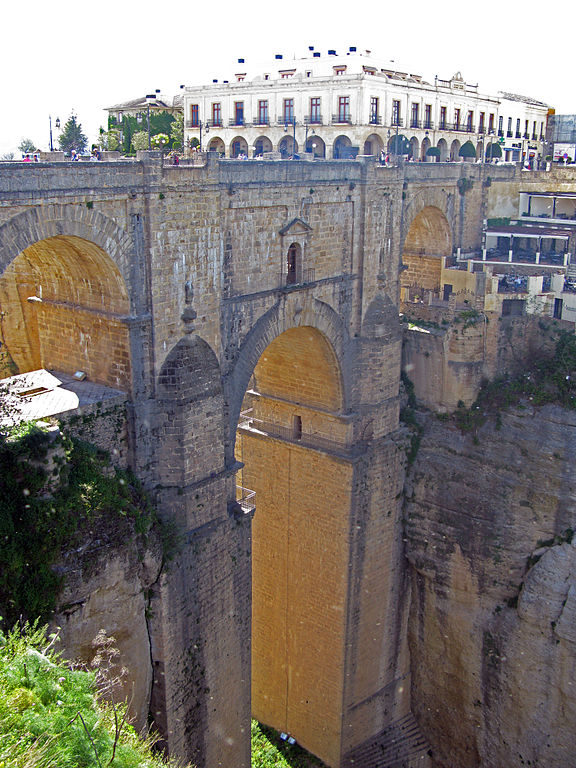
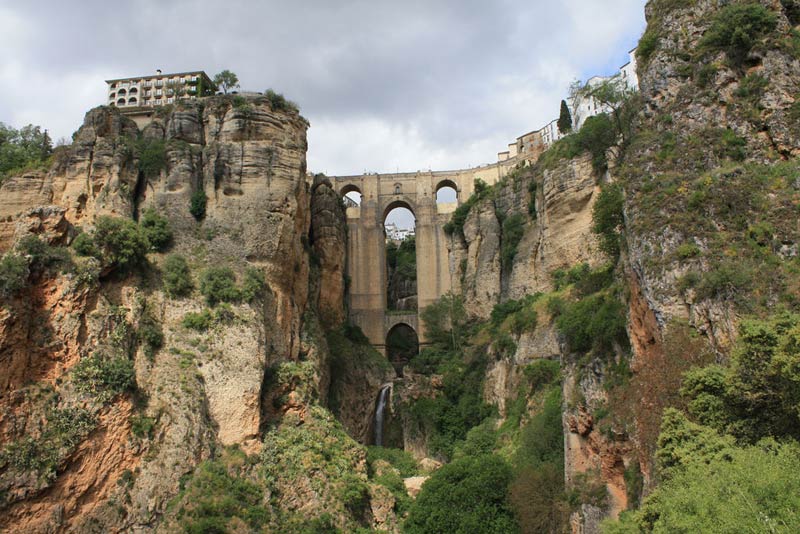
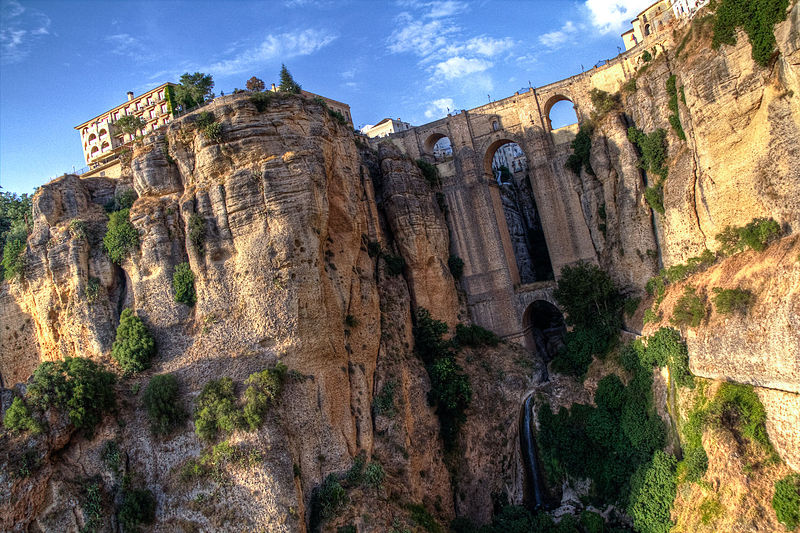
The New Bridge is Ronda’s most famous architectural landmark. It crosses El Tajo and connects the old and newer parts of town. The structure is about 98 metres high and appears to continue the natural rock walls of the gorge. An early bridge project was completed in the 1730s but collapsed in 1741. Construction of the present bridge began in 1751 and ended in 1793. The work is associated with architect José Martín de Aldehuela, and stone was quarried from the gorge itself.
The bridge transformed transport between the two districts and helped the town expand. Today, it can be admired from several viewpoints, and an interpretation centre inside the structure explores its construction and surrounding landscape.
The Old Town and Moorish Heritage
The historic quarter lies south of the gorge. Its narrow streets, small squares, courtyards and old buildings preserve the atmosphere of a medieval town. Moorish influences blend with Gothic, Renaissance and later Spanish styles. The Mondragón Palace is one of the area’s major landmarks, with courtyards, Mudéjar decoration and gardens. It now houses the municipal archaeological museum.
The Church of Santa María la Mayor stands on the site of a former Muslim religious building. Its architecture reflects several phases of reconstruction. Walking through the surrounding streets reveals traditional façades, wrought-iron balconies and quiet squares away from the busiest tourist areas.
City Walls and Almocábar Gate
In the Middle Ages, Ronda was surrounded by defensive walls, sections of which survive today. Almocábar Gate was one of the main entrances to the old town. Its name derives from an Arabic word associated with a cemetery. Other remains can be seen near the Cijara Gate and the walls of the Albacara area. These fortifications show how the town used its mountainous terrain for defence.
Arab Baths
Ronda’s Arab Baths date mainly from the thirteenth and fourteenth centuries. They were an important part of urban life, serving as places for washing, relaxation and social interaction. The remains include rooms with stone columns, arched ceilings and roof openings that provided light and ventilation. Their layout recalls Roman baths, with spaces designed for different temperatures.
Bullring
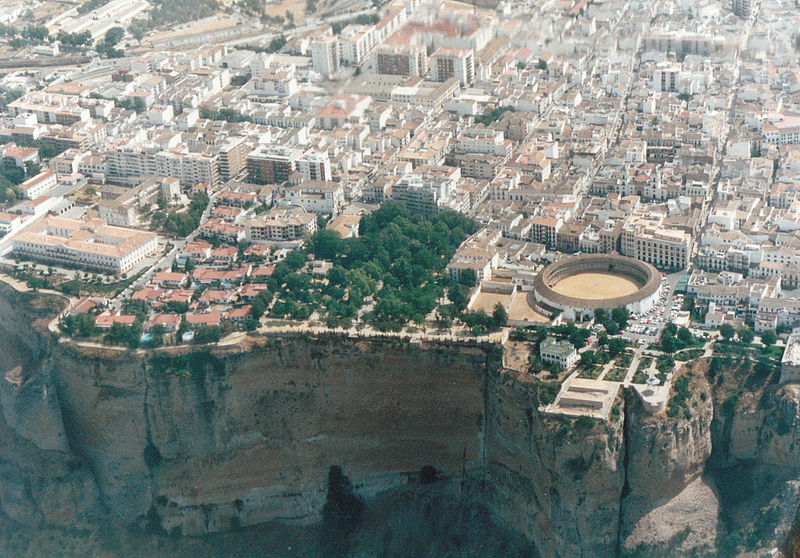
The Plaza de Toros de Ronda is one of Spain’s best-known historic bullrings. It was completed in 1785 and is associated with the Royal Cavalry Order of Ronda. The arena occupies an important place in the history of Spanish bullfighting. Today, it functions as a historic monument and museum exploring the building and the tradition. Bullfighting remains controversial, so the site can also be viewed as part of wider discussions about Spanish culture and heritage.
Palaces, Churches and Squares
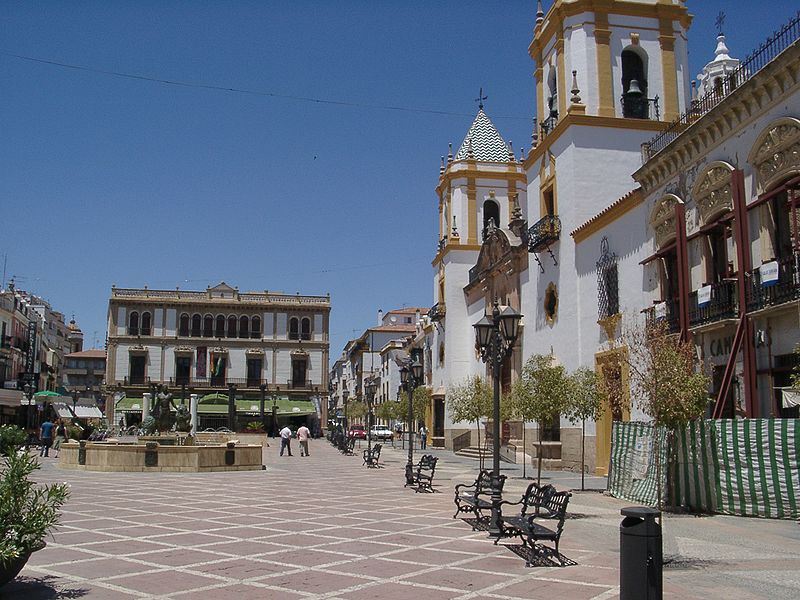
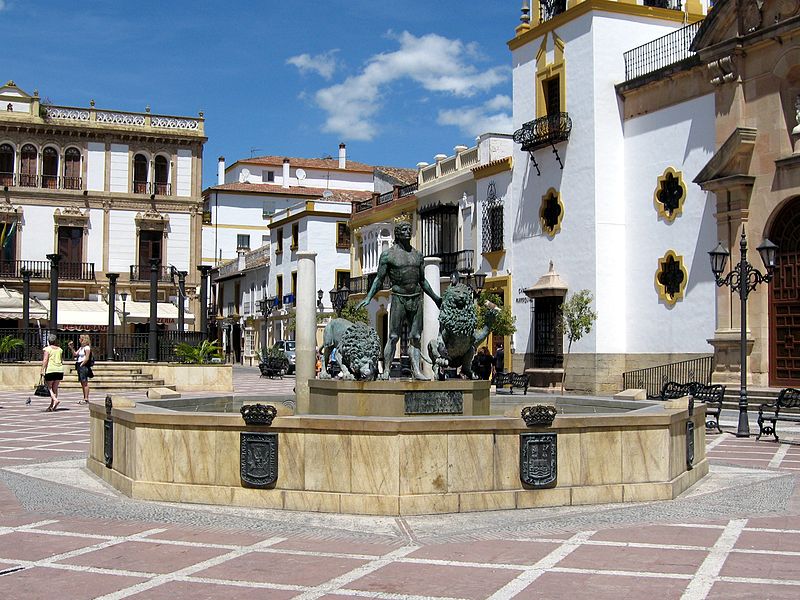
Ronda preserves many other historic buildings. The Palace of the Marquis of Salvatierra is known for its decorated façade, while the House of the Moorish King complex is associated with the town’s water system and gardens on the gorge slope. Alameda del Tajo park offers shaded walks and panoramic views of the surrounding mountains and valley.
Nature and Surroundings
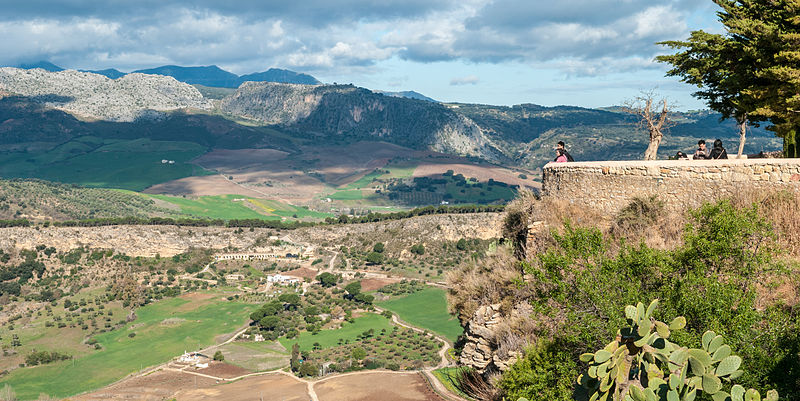
Ronda lies in the mountainous Serranía de Ronda, a region of hills, valleys, olive groves, vineyards and traditional white villages. Nearby, visitors can explore the archaeological site of Acinipo, with the remains of a Roman town and theatre, or La Pileta Cave, known for prehistoric rock art. The surrounding countryside provides a quieter complement to the town’s busiest viewpoints.
Climate and Best Time to Visit
Ronda has a Mediterranean climate, but its elevation usually makes it cooler than the coast around Málaga. Spring and autumn are often the most comfortable seasons for walking and sightseeing. Summer brings many visitors to the New Bridge and popular viewpoints, so early mornings and late afternoons are good times to explore. Winter is quieter but can be cool and rainy.
How to Get There
Ronda is roughly 100 kilometres from Málaga. It can be reached by train, bus or car. The mountain roads offer beautiful scenery, although some sections are winding. Most major attractions are relatively close together, making the historic centre convenient to explore on foot.
Practical Tips
Wear comfortable shoes with good grip. Take care near the gorge and never cross barriers for photographs. In summer, bring water, a hat and sun protection. Check opening times before visiting museums and historic interiors. For quieter views of the New Bridge, arrive early in the morning.
Why Visit Ronda
Ronda combines dramatic scenery with Roman remains, the legacy of Muslim Andalusia and the history of Christian Spain. The New Bridge and El Tajo gorge define its skyline, while the old quarter, baths, palaces, walls and bullring reveal its cultural variety. Ronda works well as a day trip or as a base for a longer exploration of the mountains of Andalusia.
Gallery