
The Swiss National Park is a remarkable natural area in eastern Switzerland, in the canton of Graubünden. Set among Alpine mountain ranges, deep valleys, coniferous forests and high-altitude meadows in the Engadine region, it was established on 1 August 1914 and is considered the oldest national park in the Alps. Its defining feature is strict nature protection: human intervention is kept to a minimum so that forests, wildlife and vegetation can develop through natural processes.
History of the National Park
At the beginning of the 20th century, Swiss scientists and conservationists sought ways to protect Alpine landscapes from excessive exploitation. They wanted to create an area where ecosystems could be observed as they evolved without constant human interference. In 1909, conservation pioneers arranged to lease the Cluozza Valley from the municipality of Zernez. This became one of the first steps towards establishing the future park.
The Swiss National Park was officially founded on 1 August 1914. Its creation was an important milestone for European conservation: the area was intended not only to protect animals and plants but also to support scientific research. The park boundaries changed over time. In 2000, the Macun lake district was added, expanding the protected area.
Landscape and Terrain
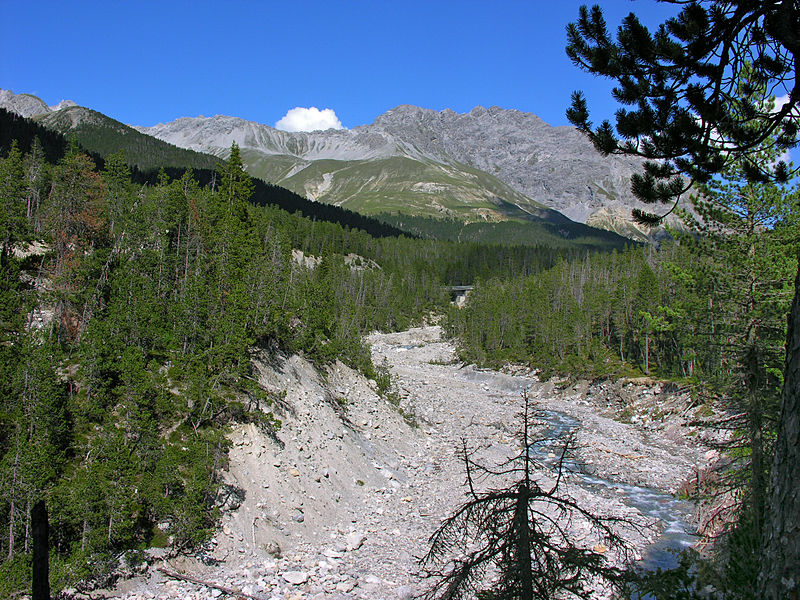
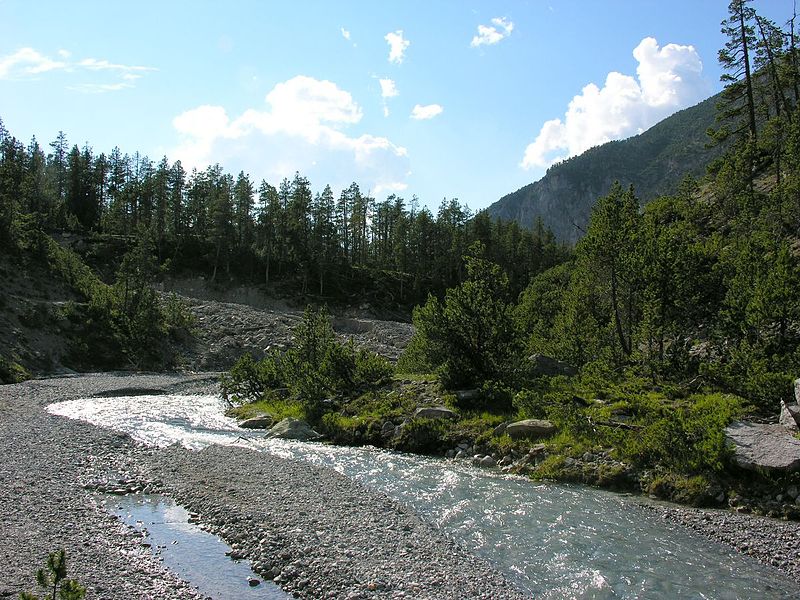
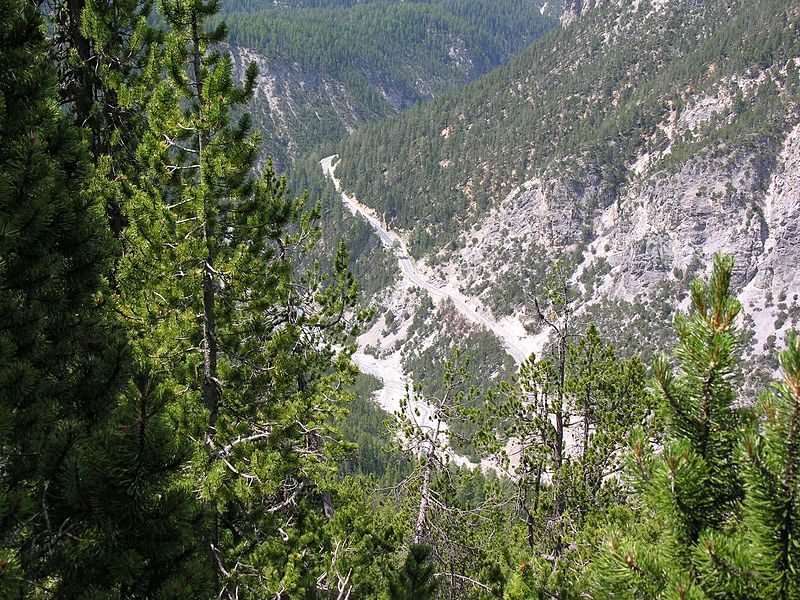
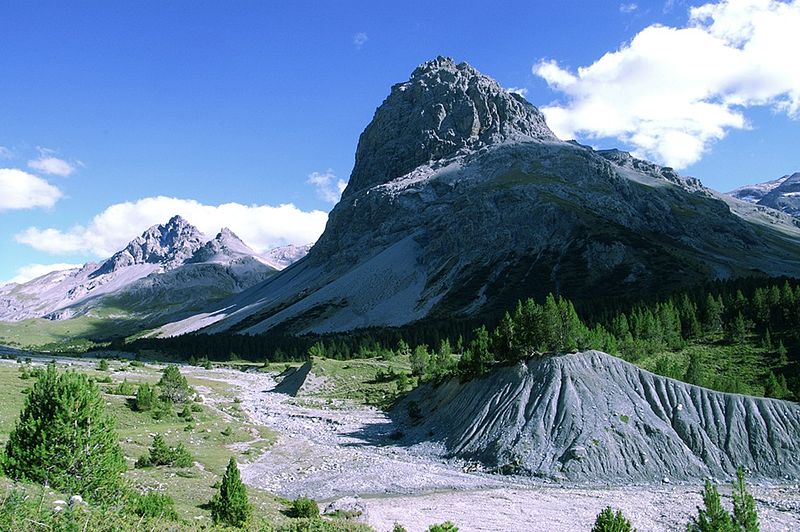
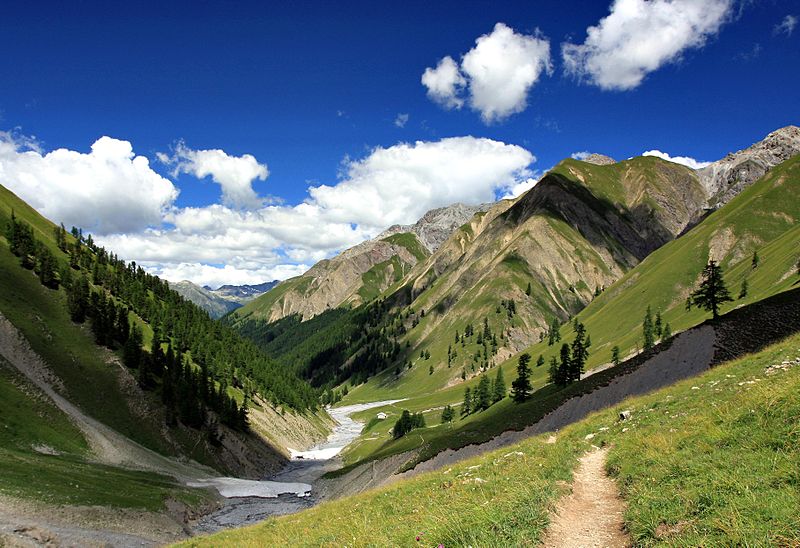
The park covers approximately 170.3 square kilometres. It encompasses mountain areas of the Engadine and valleys near the Italian border. Elevations range from around 1,400 metres to more than 3,100 metres above sea level. These differences create a wide variety of habitats, from mountain forests to rocky slopes, Alpine meadows and high peaks.
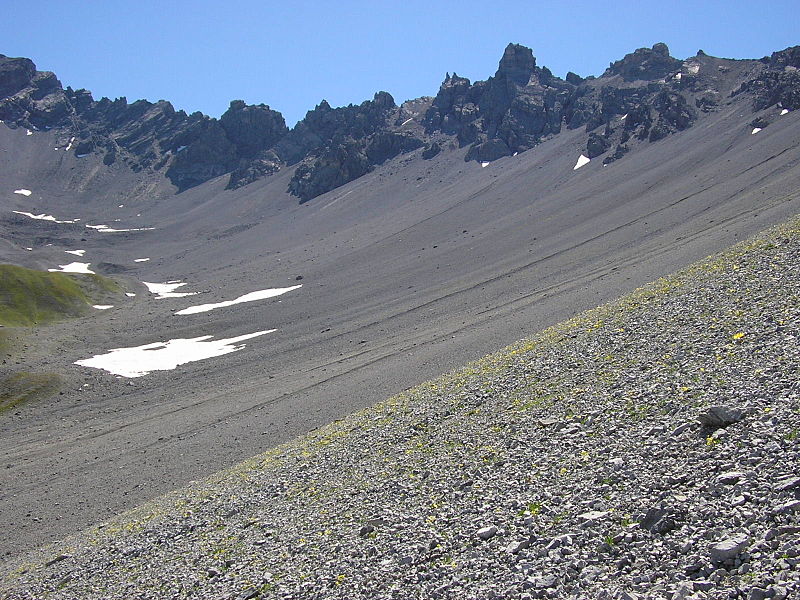
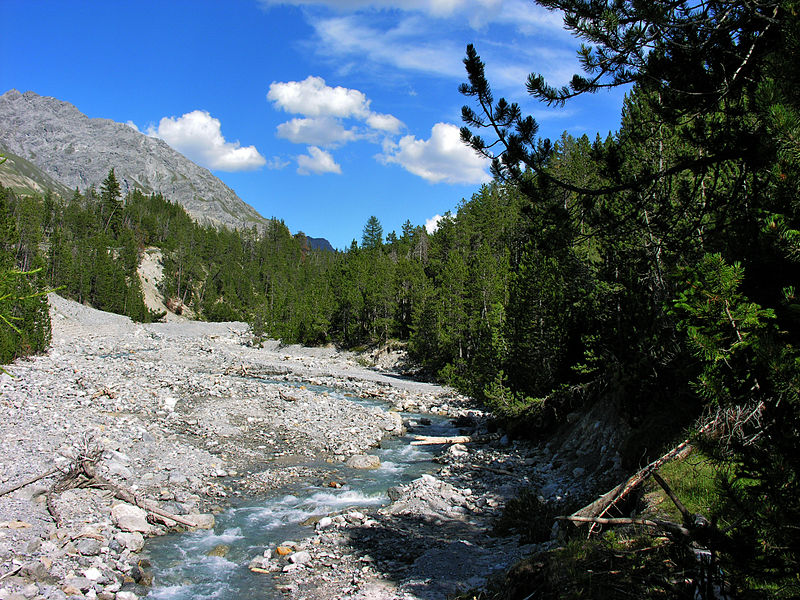
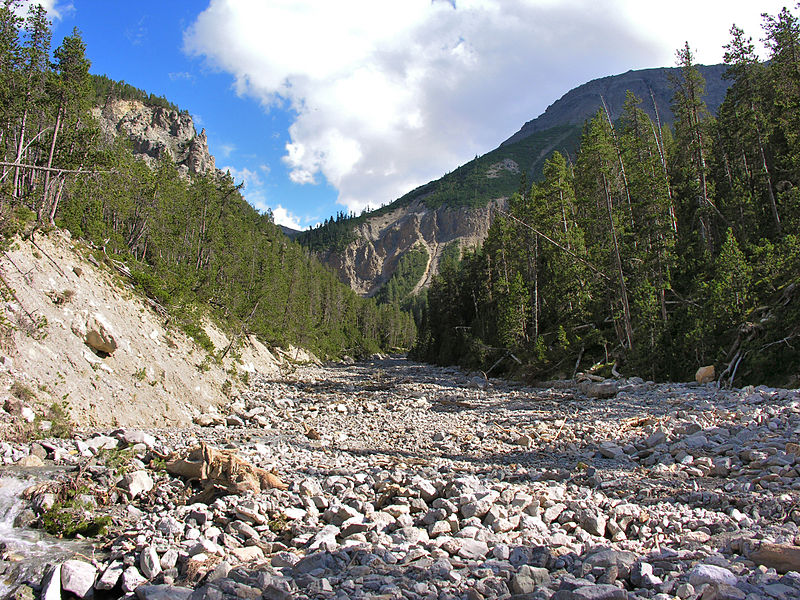
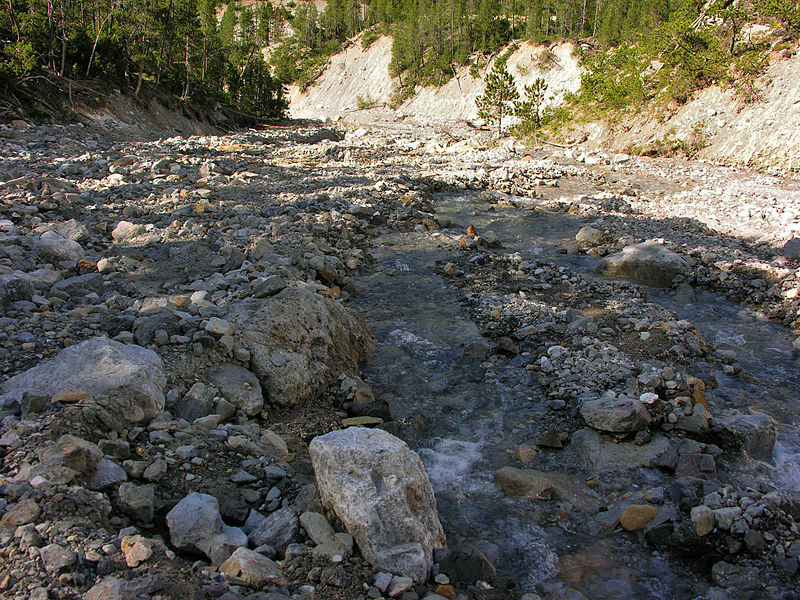
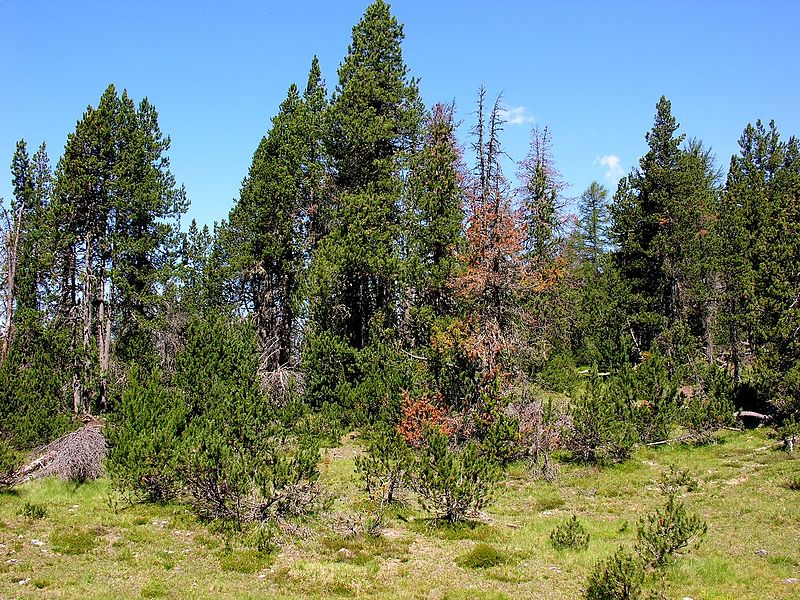
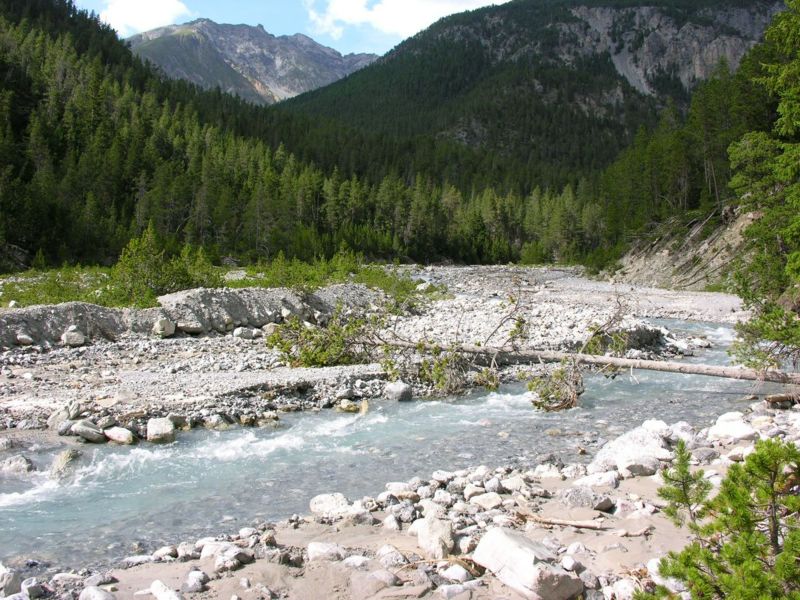
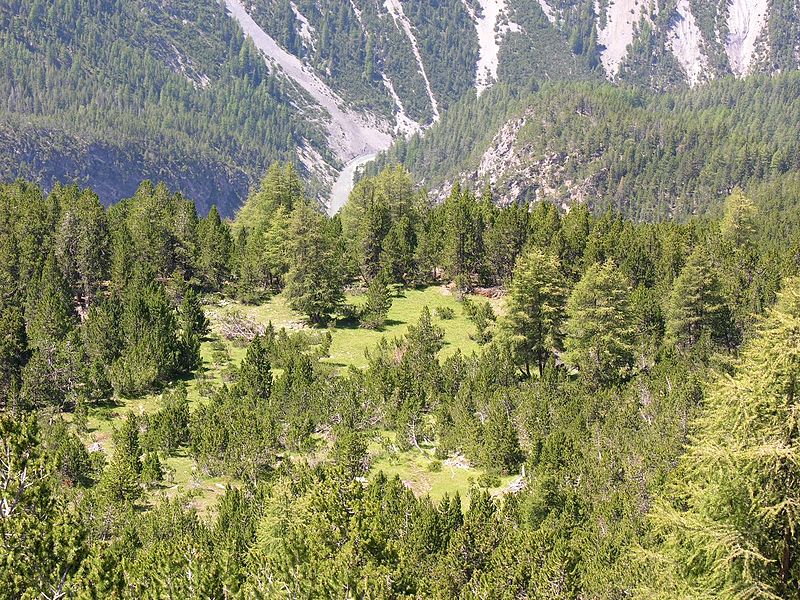
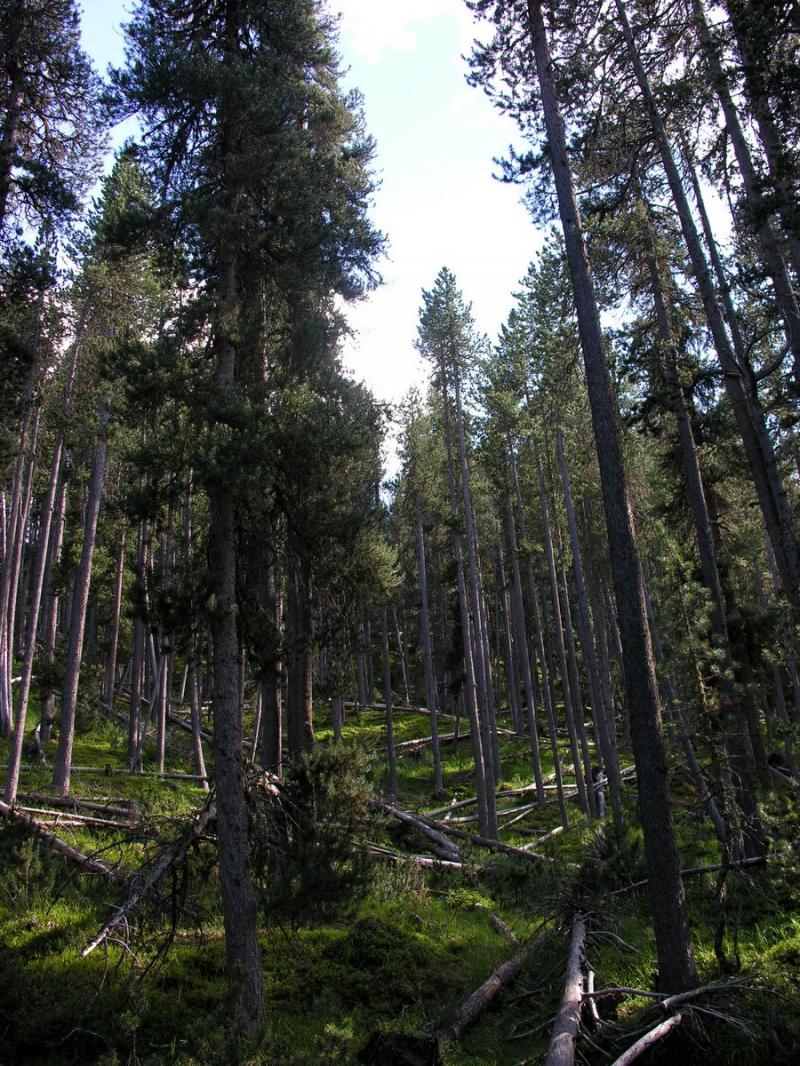
Coniferous forests occupy a substantial part of the landscape, with mountain pines and larches among the characteristic trees. Above the tree line are Alpine pastures and meadows covered with low-growing plants adapted to cold temperatures, strong winds and short summers. Higher up, scree slopes, bare rock and areas with little vegetation become more common. These harsh environments are also essential parts of the park's natural system.
Wildlife
The Swiss National Park provides refuge for many animals typical of the Alps. Alpine ibex and chamois can be seen on mountain slopes, while red deer inhabit forests and open areas. The animals live in an environment where hunting is prohibited and human interference is strictly limited.
Golden eagles and bearded vultures can sometimes be spotted soaring above the cliffs. The bearded vulture is particularly unusual because it feeds mainly on bones. Marmots, foxes and numerous smaller animals also live in the park. Wildlife watching requires patience and quiet observation. Binoculars are useful, and visitors should never approach or feed wild animals.
Vegetation and Natural Processes
The park protects not only individual species but the entire natural environment. Fallen trees are not removed simply to make the forest look tidy, and the effects of avalanches and rockfalls are not always cleared away. These processes create new habitats, influence soils and allow scientists to study how Alpine ecosystems develop over time.
During the warmer months, mountain flowers bloom in the meadows, including species adapted to a short growing season. Mosses, lichens and shrubs grow in forests and among rocks. The landscape changes with the season, elevation and weather, so even a familiar trail can look different from one month to the next.
Hiking Trails
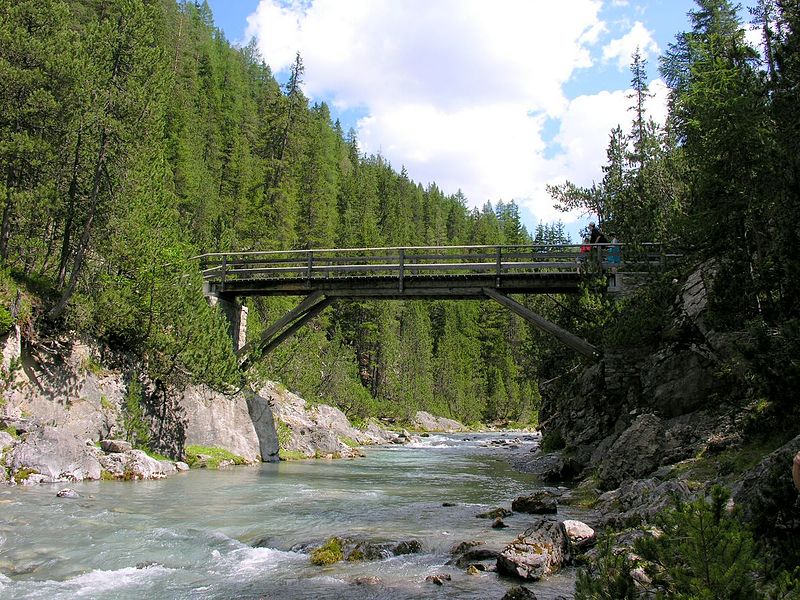
The park has around 100 kilometres of marked hiking trails. Routes pass through coniferous forests, open valleys, mountain meadows and viewpoints overlooking Alpine peaks. Some walks are suitable for a relatively gentle outing, while others require good fitness, sturdy footwear and experience in mountain terrain.
The Val Cluozza valley is a popular area for hiking, known for its forests and mountain scenery. Several trailheads are located along the road over the Ofen Pass, including around Il Fuorn. Before setting out, check trail conditions, the weather forecast and the expected walking time. Even in summer, mountain weather can change quickly, bringing cold temperatures, strong winds or thunderstorms.
Visitor Regulations
The Swiss National Park has a very strict conservation regime. Visitors must remain on marked trails and may not collect plants, mushrooms, stones or other natural objects. Disturbing wildlife, leaving litter, lighting fires, swimming in park waters and camping outside permitted accommodation are prohibited. Dogs are not allowed anywhere inside the park, even on a lead, and cycling and drone use are also forbidden.
Visits are permitted only during daylight hours. The park closes to visitors in winter, when hiking routes are inaccessible. Overnight stays inside the park are possible only at designated accommodation, such as Chamanna Cluozza mountain hut or Hotel Il Fuorn, when open for the season. Ordinary camping within the park is prohibited.
The National Park Centre in Zernez
A good place to begin exploring the region is the National Park Centre in Zernez. Its exhibitions introduce the history of the protected area, local wildlife, plants, geology and scientific research. They help visitors understand why the park is so strictly protected and how natural processes shape Alpine landscapes.
Zernez is also a convenient starting point for reaching different park entrances. The region can be reached by public transport, with local buses and walking routes providing further access. It is advisable to choose a trail in advance and check transport connections, especially outside the main season.
Best Time to Visit
The main hiking season falls in the warmer months, when mountain trails are accessible and Alpine meadows come to life. Summer is suitable for wildlife observation and longer hikes, while early autumn attracts visitors with golden larches and a quieter atmosphere. Exact dates depend on weather conditions and the state of high-altitude trails.
The Swiss National Park is ideal for travellers who want to experience the Alps without extensive development or intensive human activity. Rather than trying to cover as many routes as possible, visitors can slow down and observe their surroundings. The park offers a rare opportunity to see how wilderness evolves when people remain guests rather than masters of the landscape.
Gallery