Ordesa y Monte Perdido National Park lies in the Pyrenees in northern Aragon, Spain, within Huesca Province. It is known for its high limestone peaks, deep canyons, waterfalls, forests and alpine meadows. The park’s central landmark is Monte Perdido, rising to 3,348 metres and forming one of the best-known mountain massifs in the Pyrenees. Established in 1918, the park forms part of the transboundary UNESCO World Heritage property Pyrénées–Mont Perdu.
The four valleys of the national park
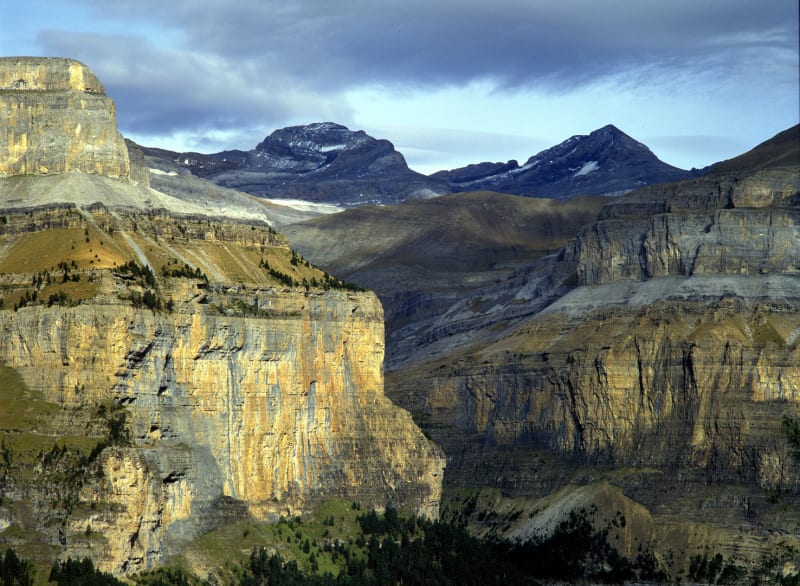
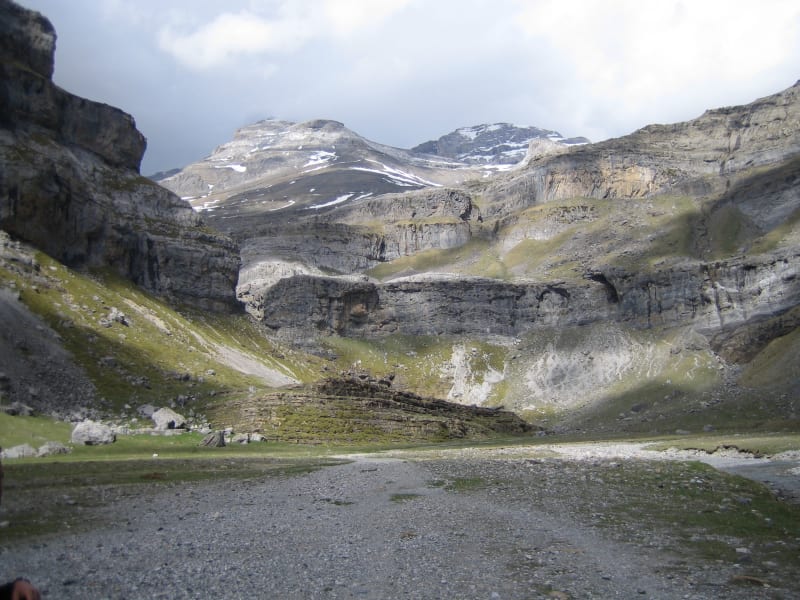
The landscape is shaped by four main valleys: Ordesa, Añisclo, Escuaín and Pineta. Each has its own terrain and vegetation. Ordesa Valley is known for green slopes, sheer cliffs and waterfalls. Añisclo is a deep gorge carved by the Bellós River. Escuaín features rocky canyons and limestone formations, while Pineta Valley opens beneath towering mountain walls and glacial cirques.
Monte Perdido
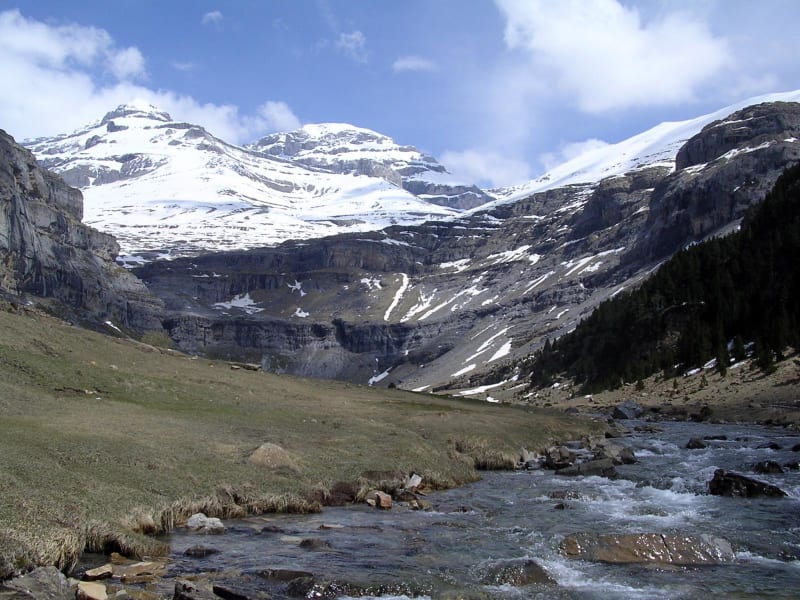
Monte Perdido rises to 3,348 metres above sea level and forms the central summit of the surrounding massif. It is one of the highest limestone massifs in Western Europe. Its summit, rocky ridges and karst plateaus were shaped by long geological processes and the action of water and glaciers. At high elevations, rocky areas feature cracks and sinkholes through which water disappears underground. Climbing the mountain requires strong fitness, experience and careful attention to weather conditions.
Waterfalls and canyons
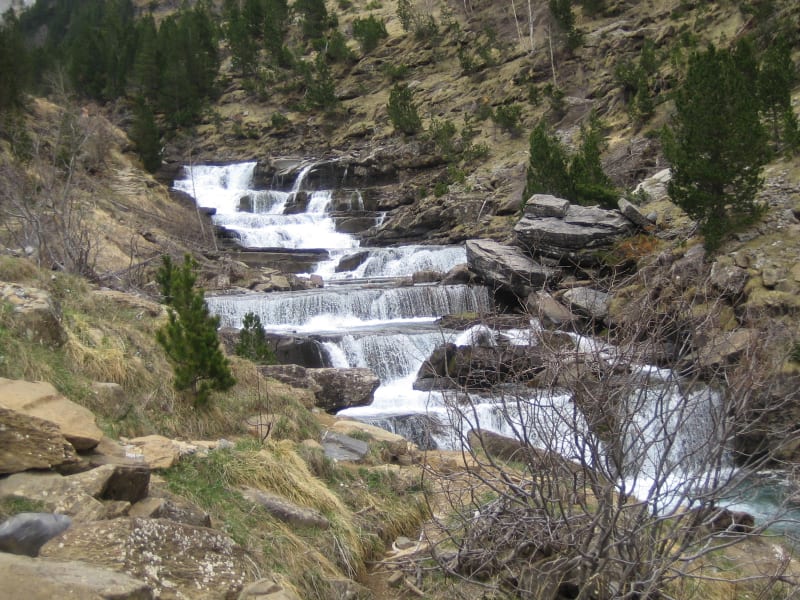
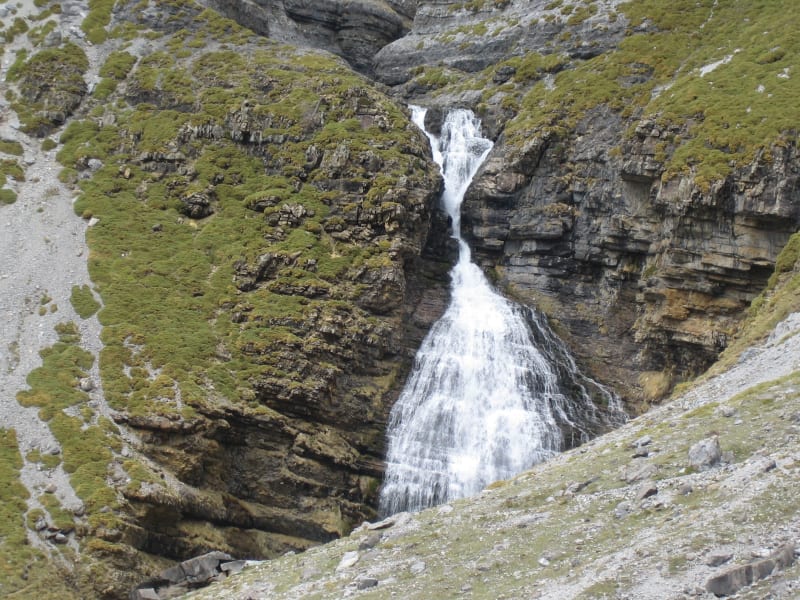
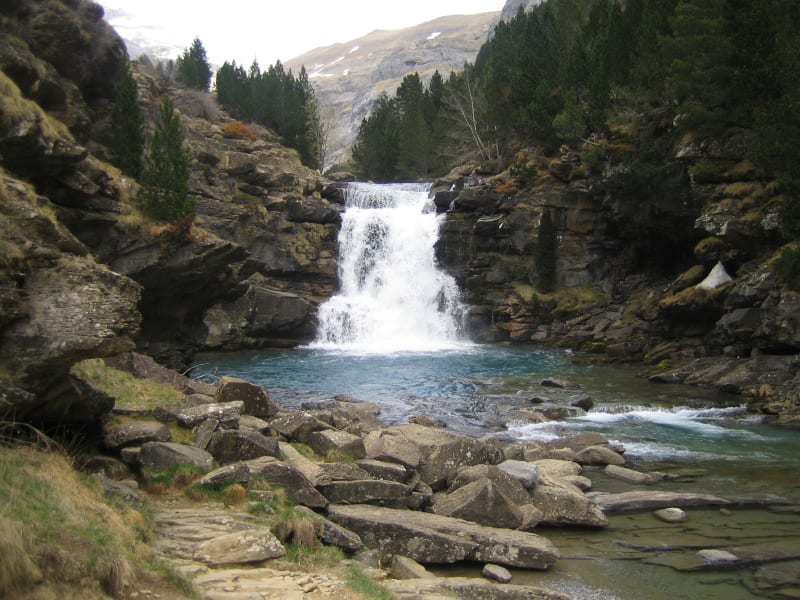
Water plays a central role in shaping the landscapes of Ordesa y Monte Perdido. Rivers and streams cut through narrow gorges, creating cascades and waterfalls, while limestone cliffs form dramatic walls. Ordesa Valley is home to Cola de Caballo, whose name means “horse’s tail.” The waterfall lies at the end of a popular walking route through the valley. In the Pineta area, powerful streams descend from the mountain slopes, especially after snowmelt and during rainy periods.
Forests and wildlife
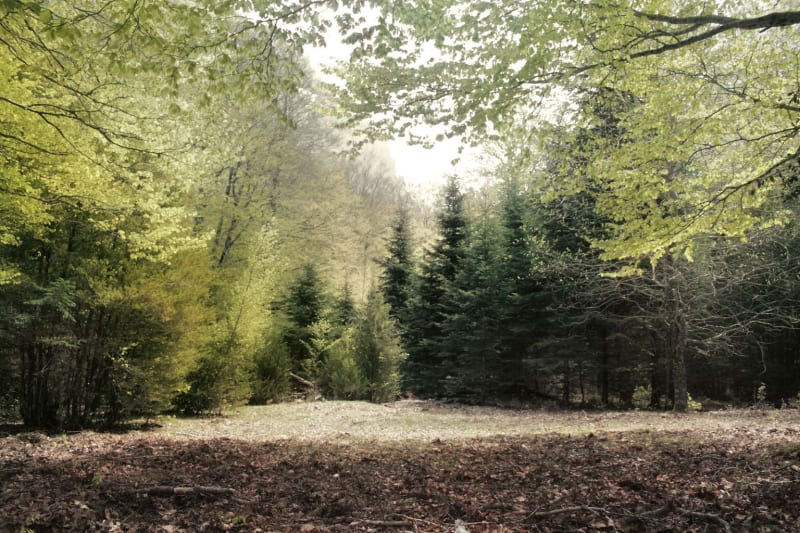
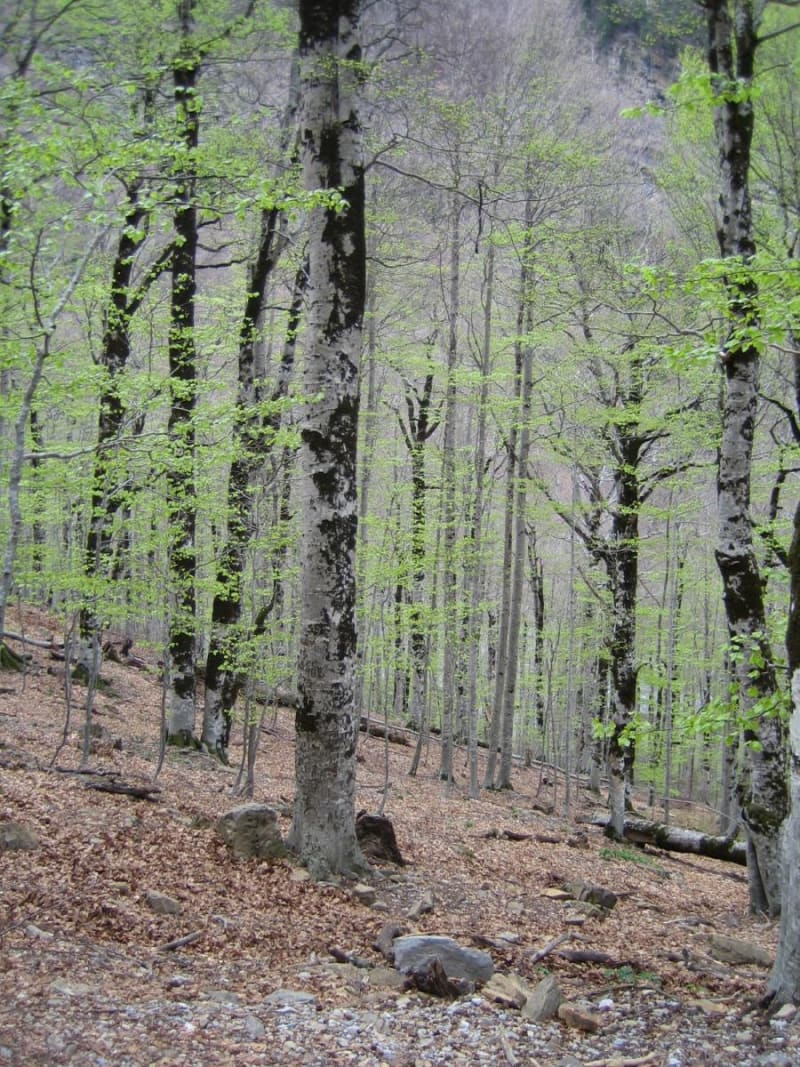
Vegetation changes with altitude and local climate. Pine, fir and beech trees grow in the valleys, while higher areas feature mountain meadows and alpine plants. In spring and summer, a variety of mountain flowers bloom across the grasslands. Wildlife includes Pyrenean chamois, roe deer and many bird species. One particularly notable bird is the bearded vulture, a large raptor known for its unusual bone-eating behaviour. The range of elevations and habitats supports a rich diversity of life.
Hiking routes and visiting the park
The national park offers trails of different lengths and difficulty levels. One of the best-known routes follows Ordesa Valley to Cola de Caballo waterfall, passing wooded slopes, towering cliffs and cascades. Visitors can explore other parts of the park in Pineta Valley or Añisclo Canyon. Before travelling, check trail conditions, the weather and access rules, as vehicle access and entry to certain areas may be regulated during some seasons. Mountain hikes require suitable footwear, sufficient water and preparation for rapidly changing weather.
Ordesa y Monte Perdido combines dramatic mountain scenery with a rich natural heritage. Its deep gorges, waterfalls, ancient forests and high alpine landscapes offer a distinctive view of the Pyrenees. The area is valuable to travellers and to those interested in the geology and ecology of mountain environments, as well as the traditional use of high-altitude pastures.
Gallery