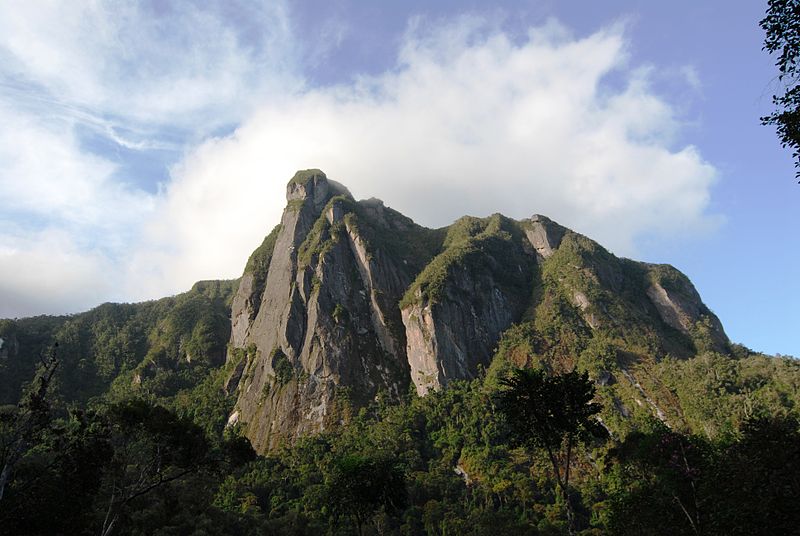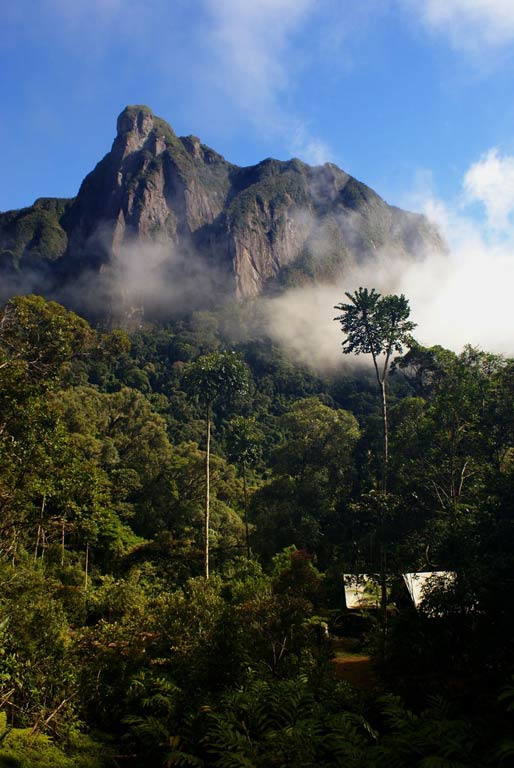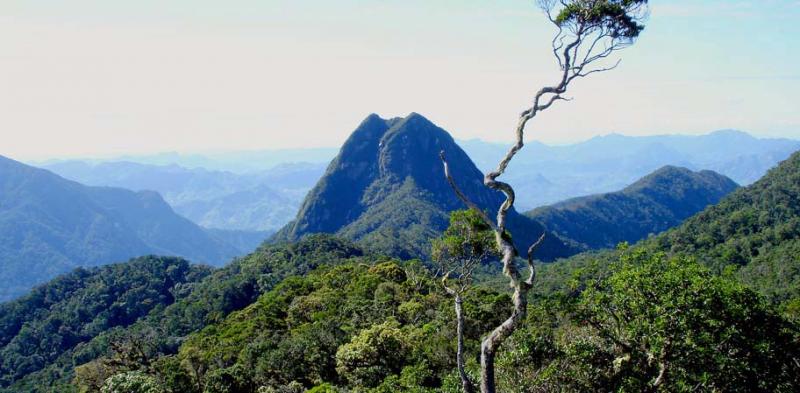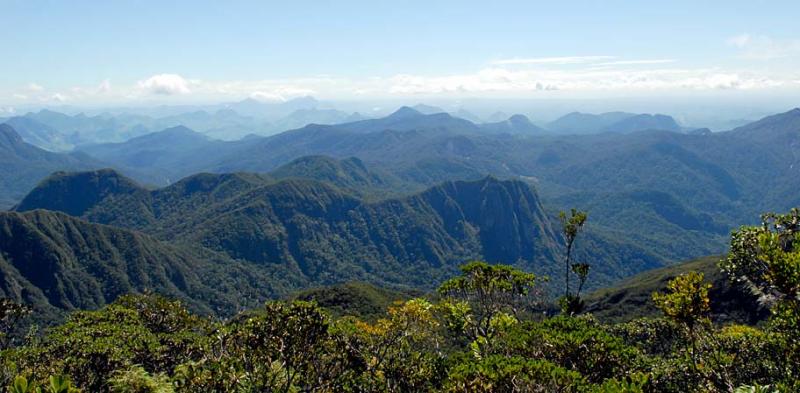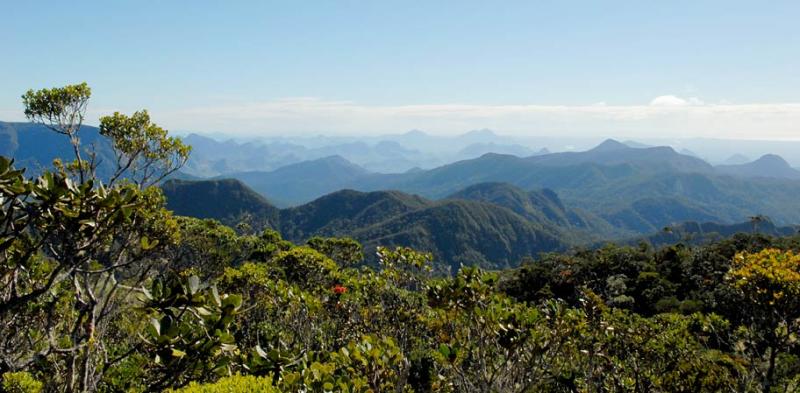

Marojejy National Park lies in northeastern Madagascar, between the towns of Andapa and Sambava. It protects the Marojejy Massif, where lush tropical rainforests climb steep mountain slopes toward rugged rocky peaks. The park is renowned for its exceptional biodiversity, including many plants and animals found nowhere else in the world.
The protected area covers about 55,885 hectares. In 2007, Marojejy became part of the UNESCO World Heritage property known as the Rainforests of the Atsinanana, which includes several outstanding natural areas in eastern Madagascar.
Mountains and landscapes
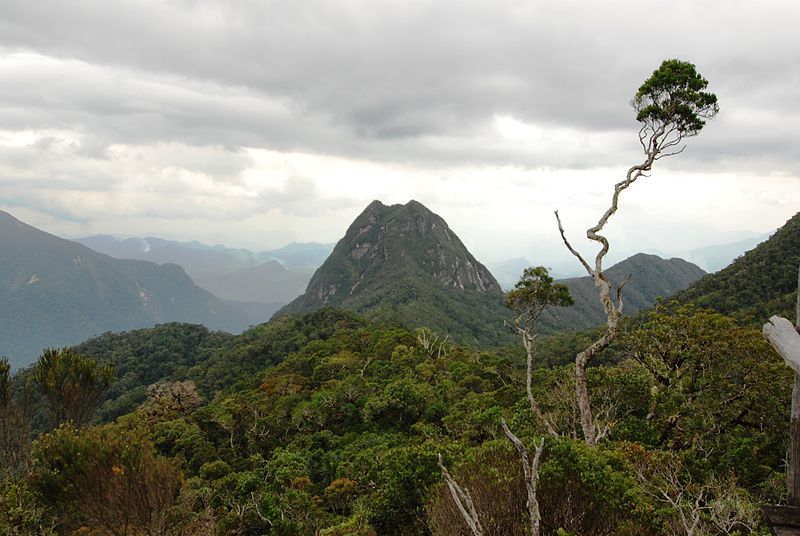
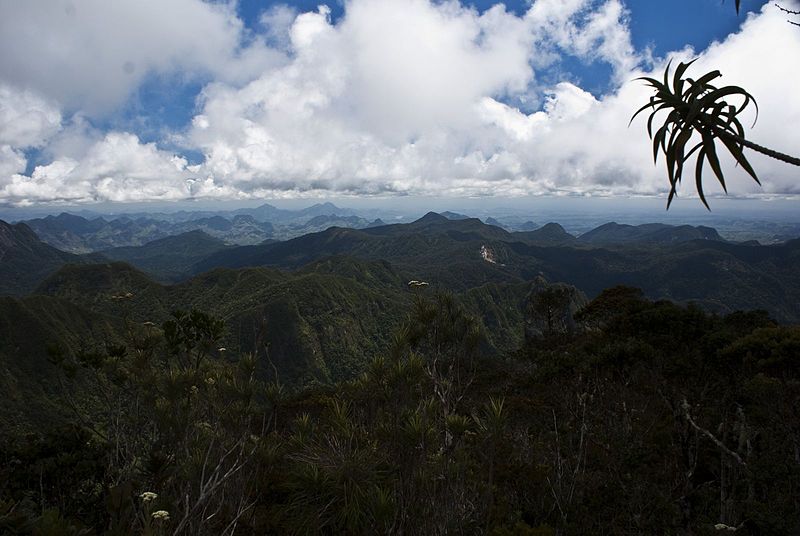
One of Marojejy's defining features is the rapid change in habitats with elevation. Lowland areas support humid evergreen rainforest with tall trees, lianas, ferns and dense undergrowth. Higher slopes hold moss-covered montane forests rich in epiphytes. Above about 1,800 metres, the forest gives way to low shrubs and high-altitude vegetation.
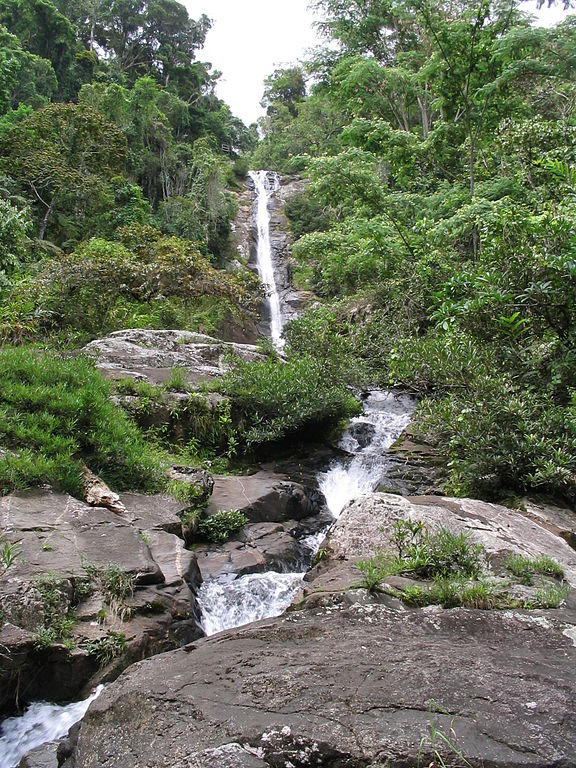
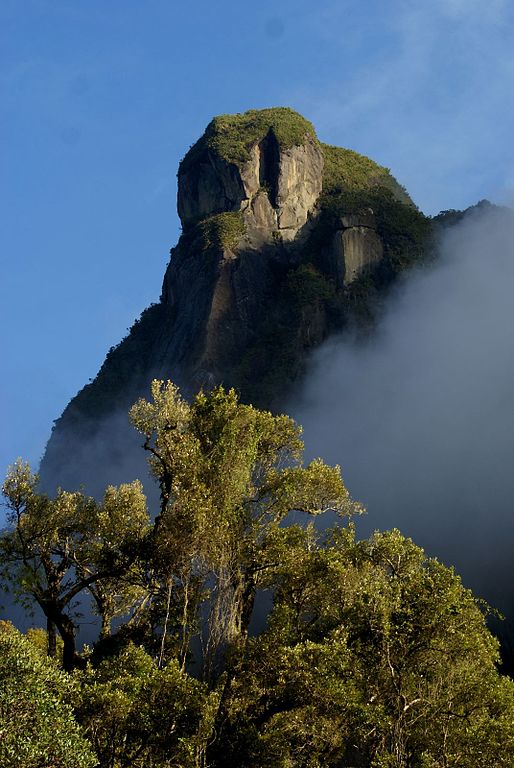
Marojejy Peak rises to approximately 2,132 metres. The landscape includes steep slopes, deep valleys, streams and towering rock faces. Frequent rainfall and humid air create ideal conditions for specialised plants and animals, while each elevation supports a different ecological community.
Rare lemurs
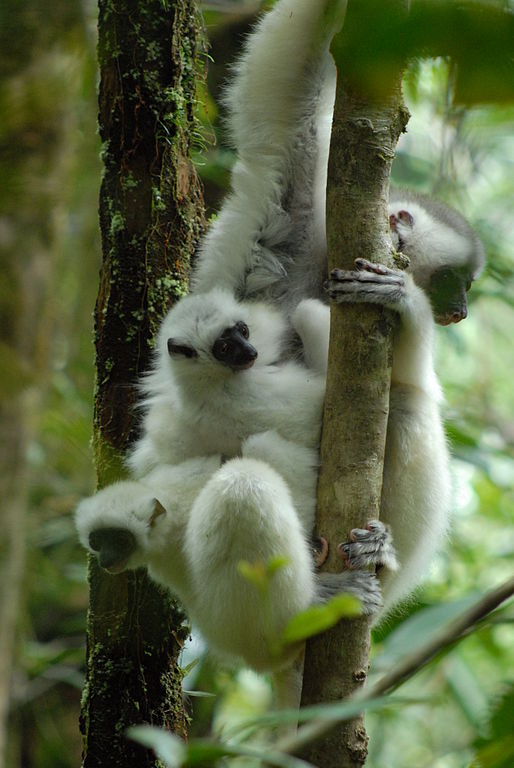
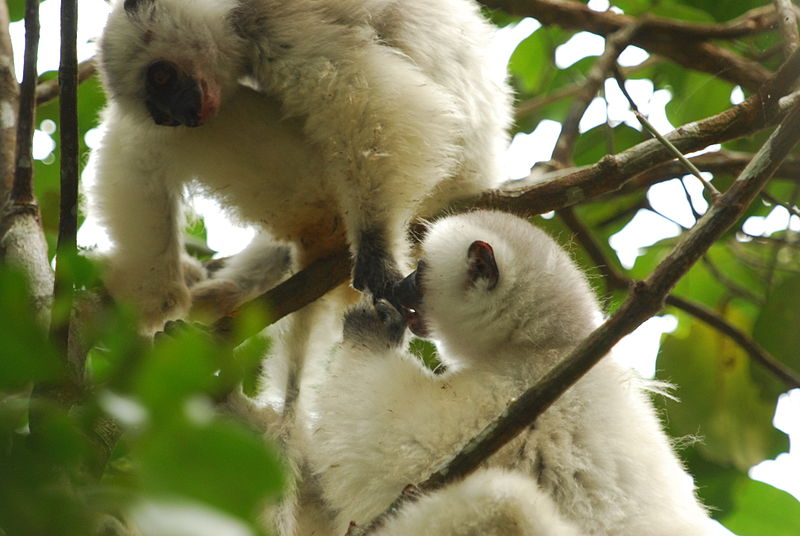
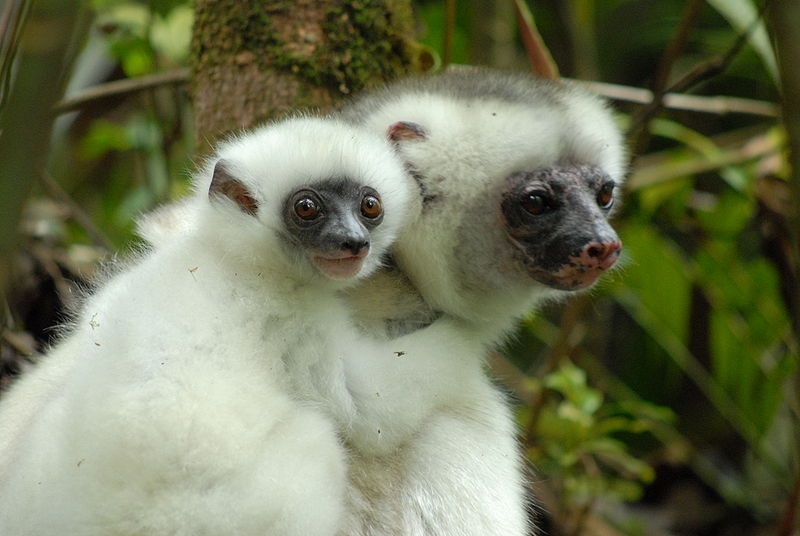
Lemurs are among the park's most celebrated inhabitants. Marojejy is an important refuge for the silky sifaka, also known locally as the simpona. This striking lemur has long white fur, a dark face and expressive eyes. It is critically endangered and survives in the wild only in a limited part of northeastern Madagascar.
About 12 lemur species have been recorded in the park. They include both day-active and nocturnal animals living at different elevations. Spotting them takes patience: many are cautious, and thick vegetation makes wildlife observation challenging.
Birds, reptiles and plants
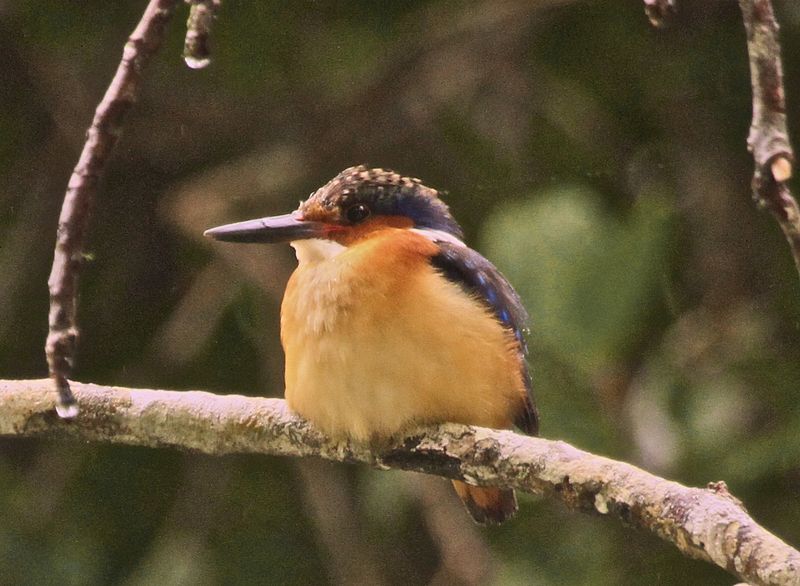
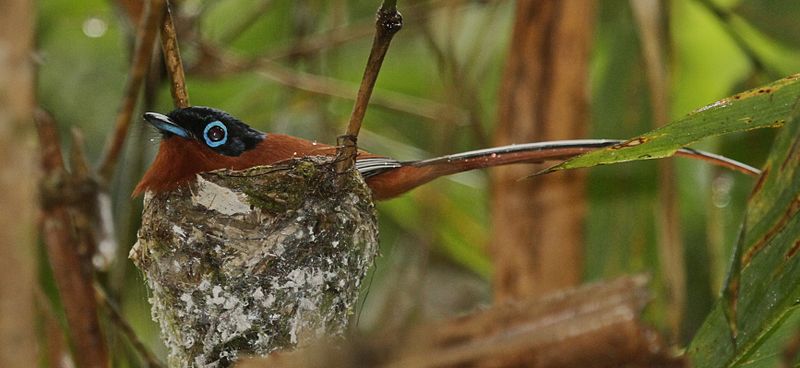
Marojejy is one of Madagascar's outstanding destinations for forest birdlife. Its notable species include the helmet vanga, recognised by its large bluish bill. Endemic pigeons, couas and other forest birds also inhabit the park's varied habitats.
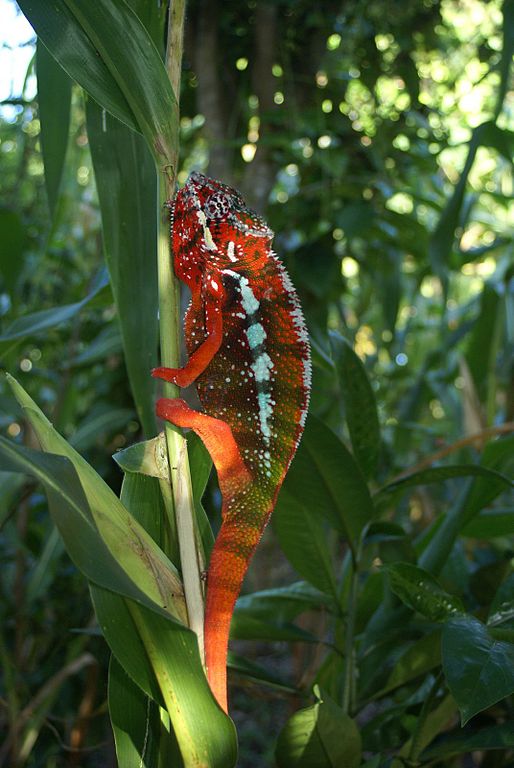
Reptiles and amphibians are particularly diverse. Chameleons, geckos and brightly coloured frogs live among the vegetation and leaf litter. The forests contain hundreds of fern, palm and orchid species. Researchers continue to document species that are new to science or previously unrecorded in the area.
Hiking and visitor trails
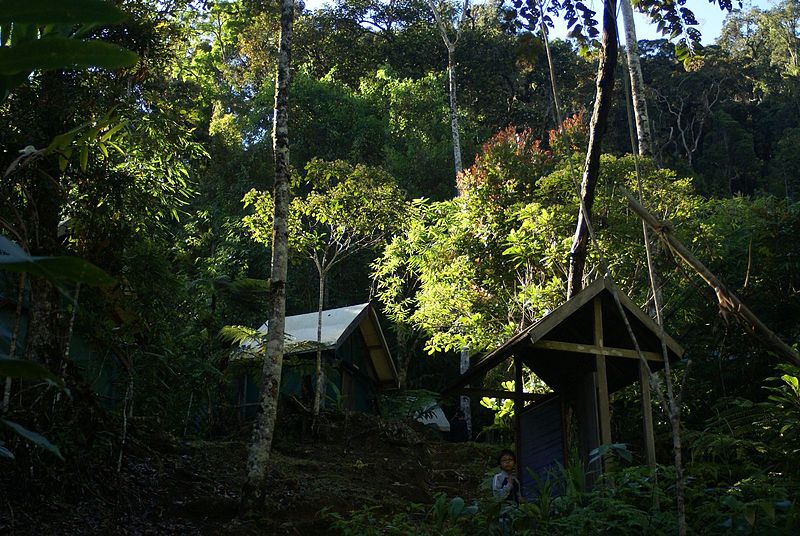
The park attracts hikers, wildlife enthusiasts and travellers seeking remote natural landscapes. The main trail begins near the village of Manantenina and leads through the rainforest into the mountains. Camps along the route allow visitors to stay overnight. Depending on time and fitness, travellers can choose a shorter forest walk or a multi-day trek toward the highlands and summit.
Hiking requires good physical fitness. Trails can be steep, muddy and slippery, while mountain weather changes quickly. Visitors should arrange local guiding where required and check current access rules, trail conditions and campsite availability before setting out.
Best time to visit
The park has a tropical climate, but temperature and humidity vary with altitude. Heavy rain can make trails especially slippery during the wetter season. Many hikers prefer relatively drier months, although conditions vary from year to year. Rain protection and warm layers are useful even when the weather begins clear.
Conservation
Marojejy's ecosystems face pressure from forest clearing, agricultural expansion, hunting and illegal resource extraction. Forest loss threatens species that depend on small, specialised habitats. Protecting the park helps preserve the homes of lemurs, rare birds, amphibians and unique plants.
Marojejy National Park offers a remarkable view of Madagascar's natural heritage. Its dramatic mountains, cloud forests and rare endemic wildlife make it an important conservation area and a rewarding destination for travellers prepared to explore the island's wilder side.
Gallery