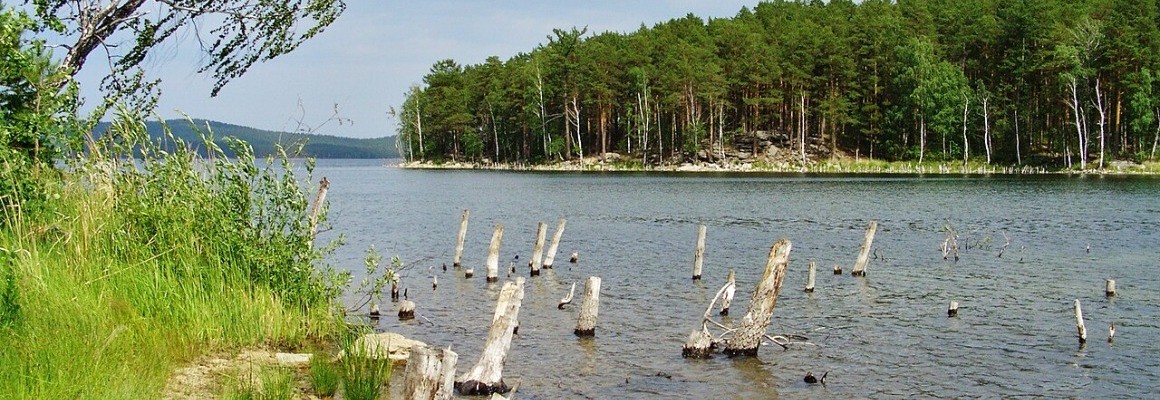
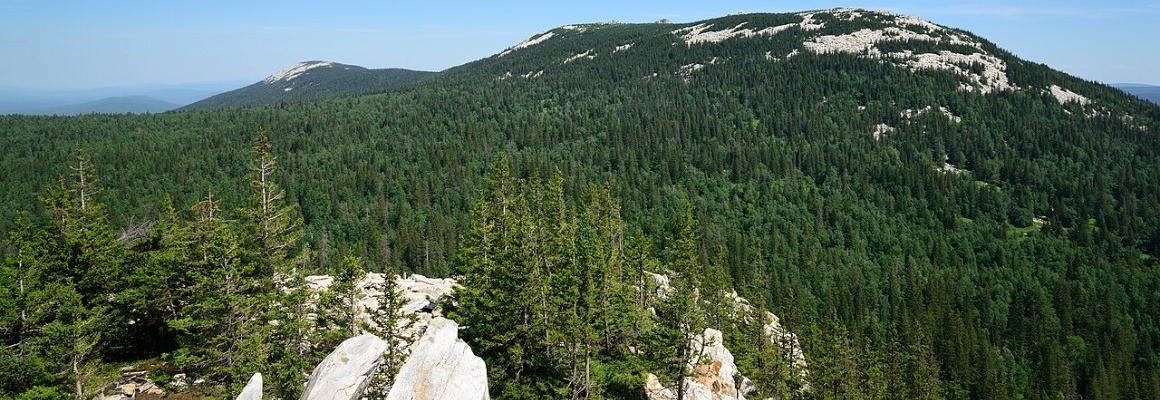
Taganay National Park lies in the Southern Urals, in Russia’s Chelyabinsk Region, near the city of Zlatoust. Established on March 5, 1991, the park protects distinctive mountain landscapes, forests, rivers, and rare plant and animal species. Its area is approximately 56,800 hectares.
Mountains and natural landmarks
Taganay is known for its mountain ridges, rocky summits, deep valleys, and extensive forests. Notable places include Two-Headed Hill, Mount Kruglitsa, the Bolshoy Taganay Ridge, and the Otlíknoi Ridge, a dramatic rock formation whose name is associated with echoes. The higher viewpoints offer sweeping views of neighboring mountains, coniferous forests, and Southern Ural valleys.
One of the park’s most unusual natural features is the Great Stone River. This broad belt of enormous boulders stretches between mountain slopes. Formed by ancient natural processes, the rocky field resembles a riverbed filled with stones instead of water.
Forests, rivers, and wildlife
The park contains dark coniferous forests, birch stands, mountain meadows, and rocky high-altitude areas. Spruce, fir, pine, and birch grow here, while vegetation and scenery change with elevation and local conditions.
Elk, roe deer, foxes, hares, and other mammals inhabit the forests. Birds include species associated with taiga and mountain environments. Taganay’s natural habitats play an important role in conserving the biodiversity of the Southern Urals.
Hiking and outdoor activities
Taganay attracts hikers, mountain enthusiasts, and visitors interested in ecotourism. Routes range from short walks near the park’s central visitor area to multi-day treks across mountain ridges. Popular destinations include Black Rock, Two-Headed Hill, the Great Stone River, and other natural landmarks.
Before setting out, assess the difficulty of your route, check the weather forecast, and bring suitable footwear, clothing, drinking water, and navigation equipment. Mountain weather can change quickly, while fog and rain may make orientation difficult. Visitors are encouraged to register their hikes with the relevant services and consult the park’s official website for current visiting rules.
When to visit Taganay
Summer is suitable for longer hikes, wildlife observation, and exploring mountain trails. In autumn, the forests turn shades of gold and red, while winter brings snowy scenery and opportunities for cold-weather walks. During spring and rainy periods, some trails can become particularly wet and difficult to cross.
Taganay National Park combines the rugged beauty of the Ural Mountains with unusual rock formations and rich forest ecosystems. It is one of the notable natural destinations of the Southern Urals, offering opportunities to discover mountain landscapes and enjoy outdoor activities.
Gallery