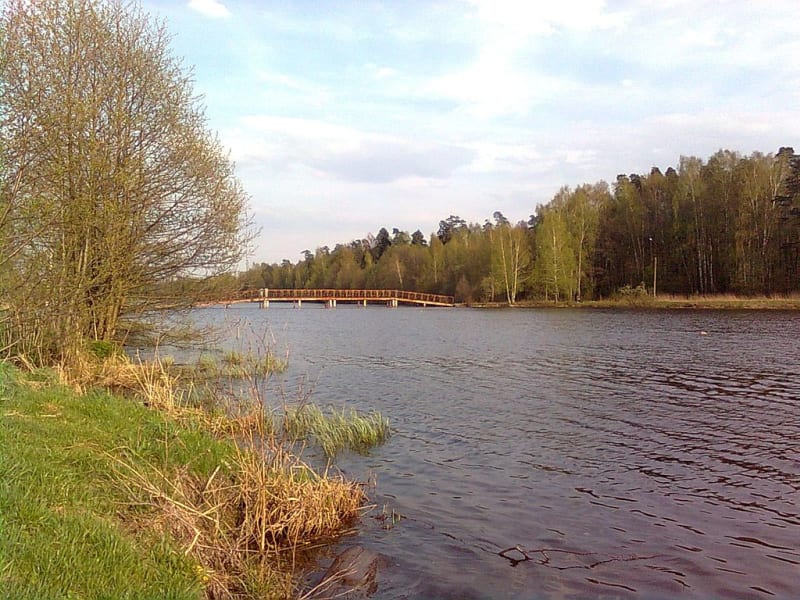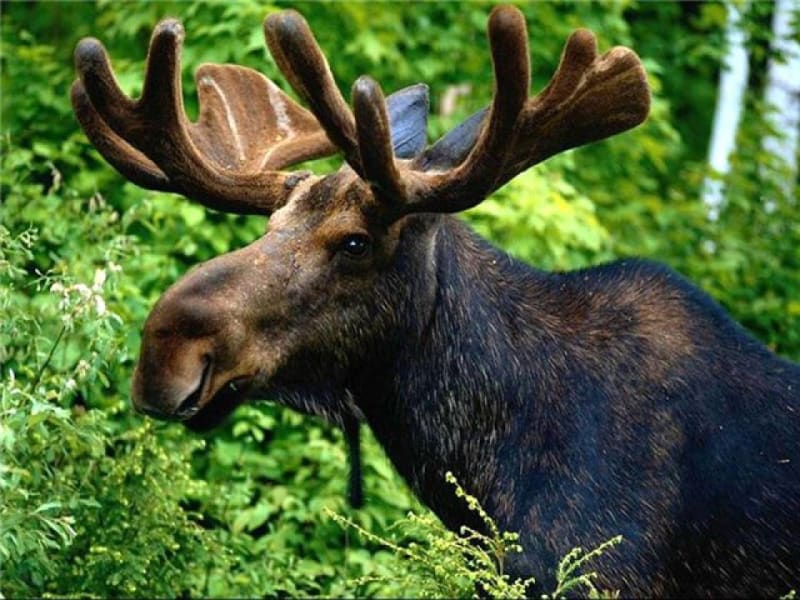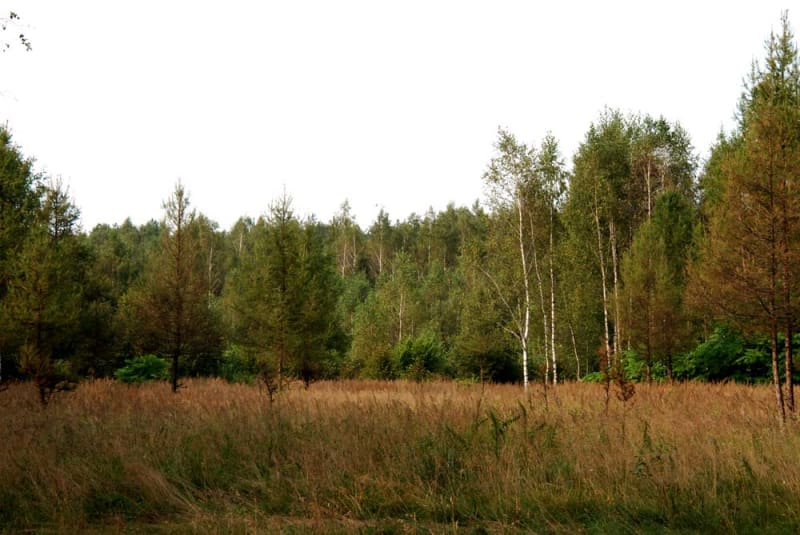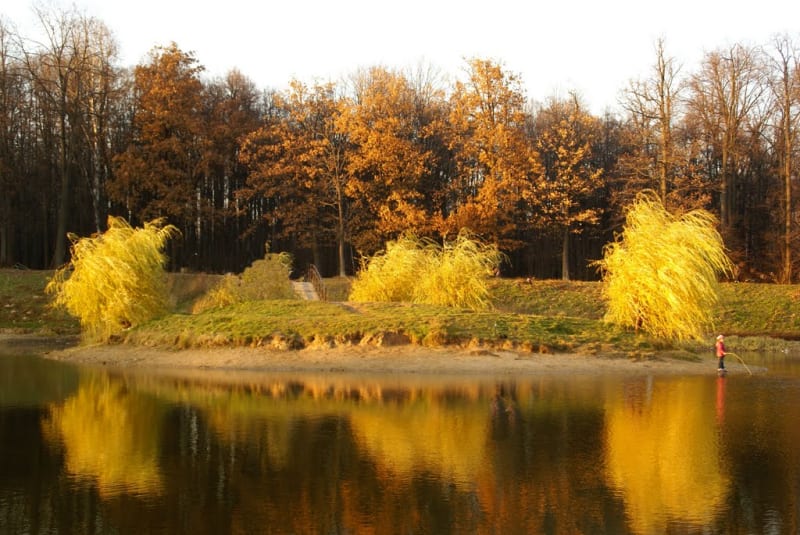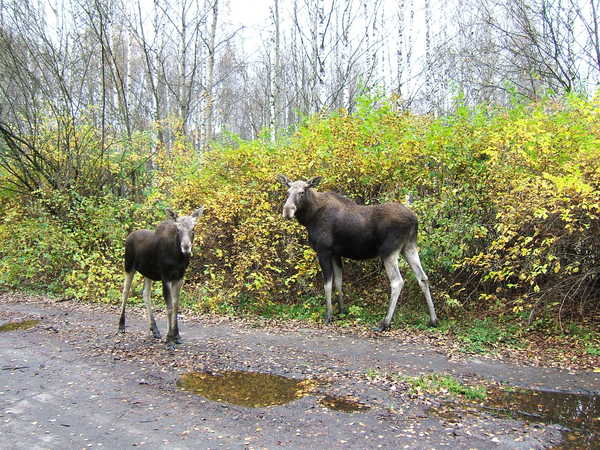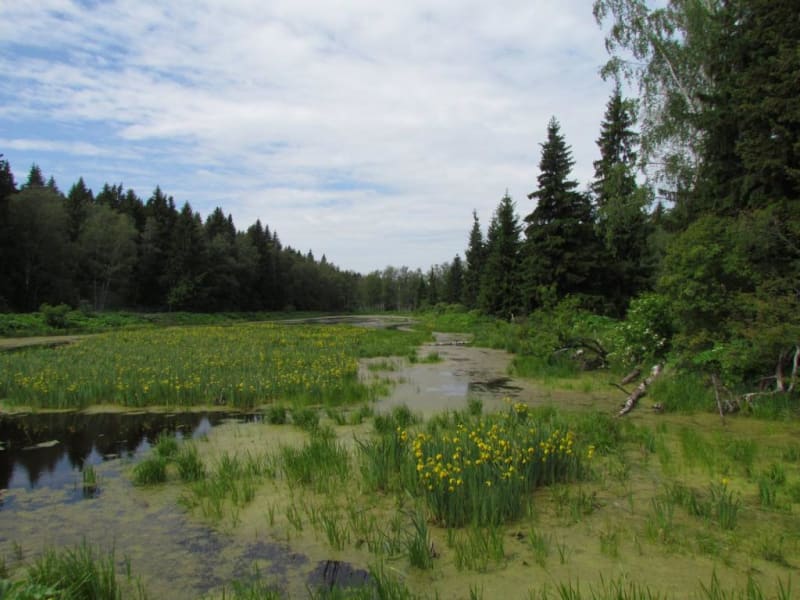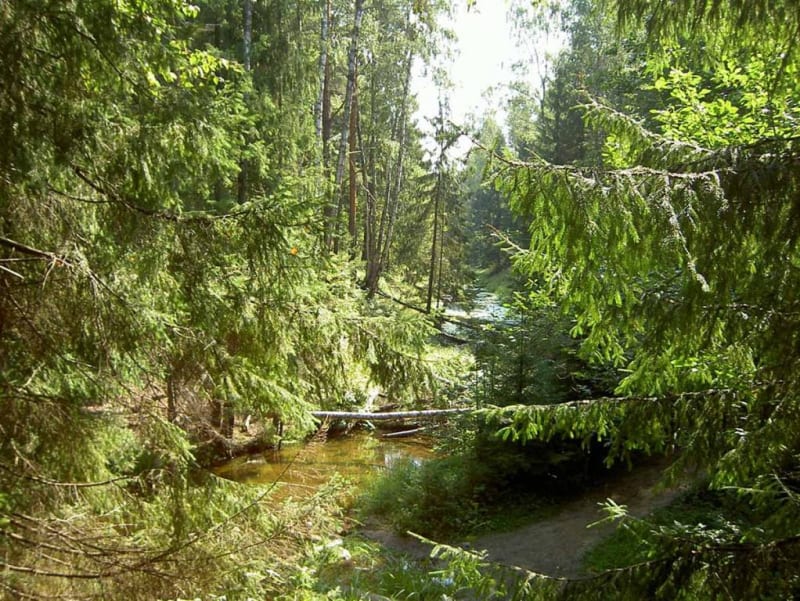

Losiny Ostrov National Park is a large protected natural area in Moscow and Moscow Oblast, Russia. It lies northeast of central Moscow and extends into the surrounding region. Covering approximately 125 square kilometres, the park preserves pine forests, birch groves, oak woods, wetlands, river valleys and ponds. Its best-known symbol is the elk, or moose.
History of the park
The history of Losiny Ostrov is closely connected with the development of Moscow and the traditions of royal hunting. The name of the area has been recorded since the fifteenth century, when the land was used as hunting grounds. In 1804, the forest was placed under state forestry administration, beginning a period of systematic forest management and protection.
Forest surveys were carried out in the 1840s. Despite the expansion of Moscow and nearby settlements, a substantial part of the woodland survived. On 24 August 1983, Losiny Ostrov was designated a national park, helping protect valuable ecosystems and wildlife habitats close to a major metropolitan area.
Forests, wetlands and rivers
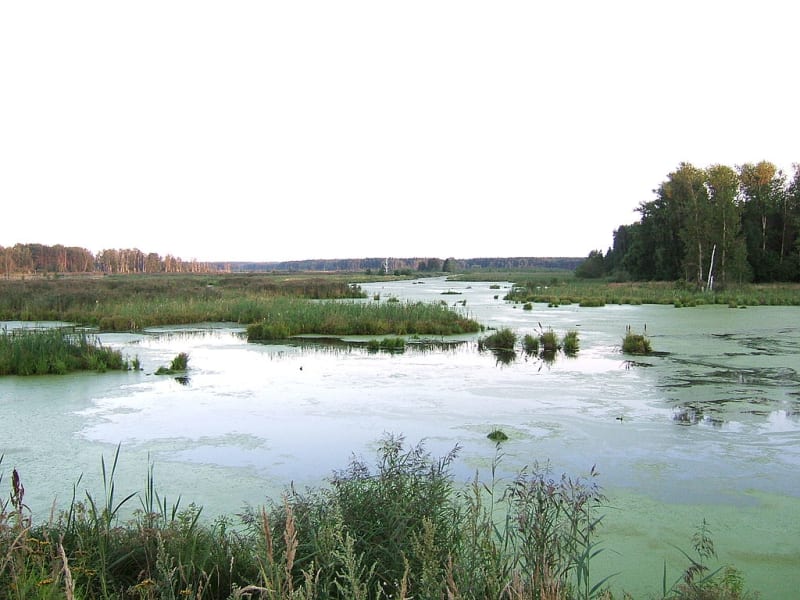
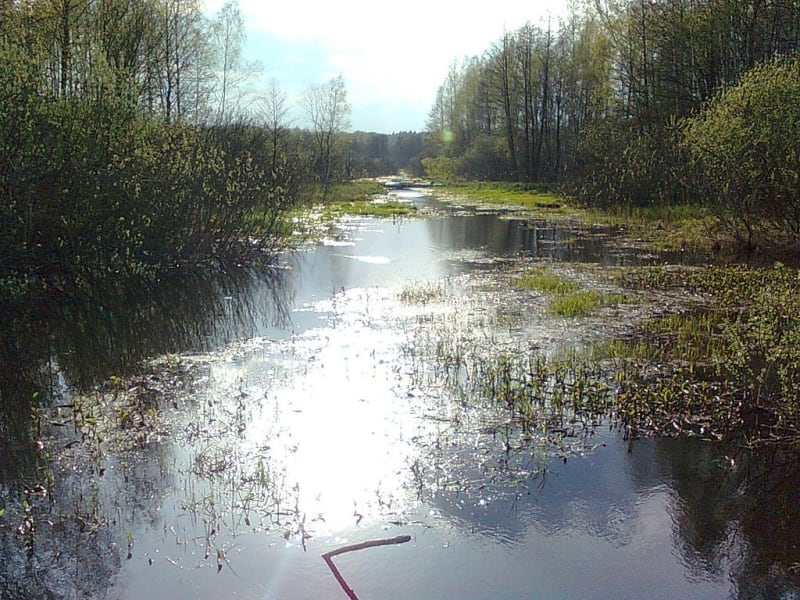
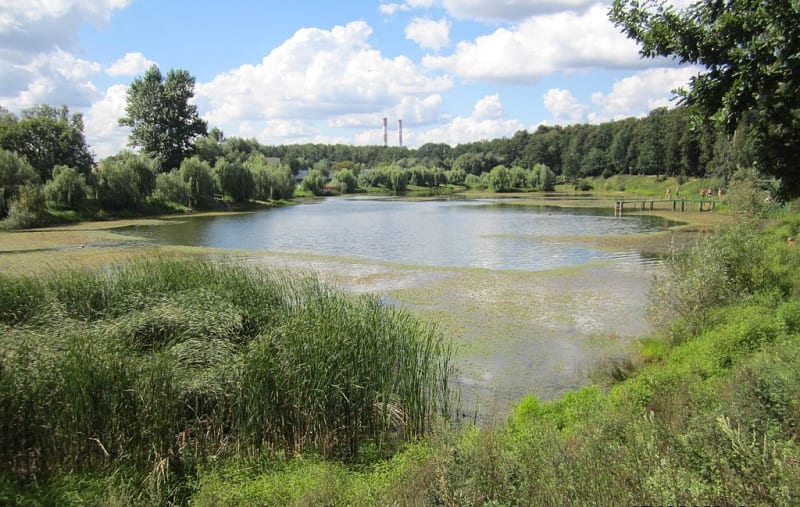
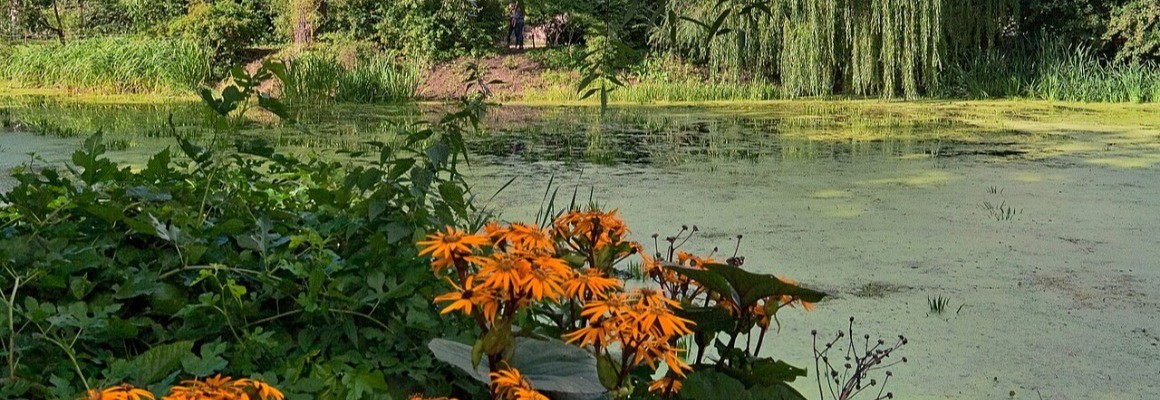
Woodland covers most of the park. Its habitats include pine stands, spruce groves, birch woods, lime trees and oak forests. Some areas retain old trees, while forest clearings support grasses and shrubs. The Upper Yauza wetland complex is particularly valuable, with marshy lowlands, wet meadows, ponds and peatlands. The Yauza River rises in this area before flowing through Moscow.
The park is remarkable because natural landscapes survive close to dense urban development. In many places, visitors can enjoy a quiet woodland atmosphere even though residential districts and roads are not far away.
Wildlife
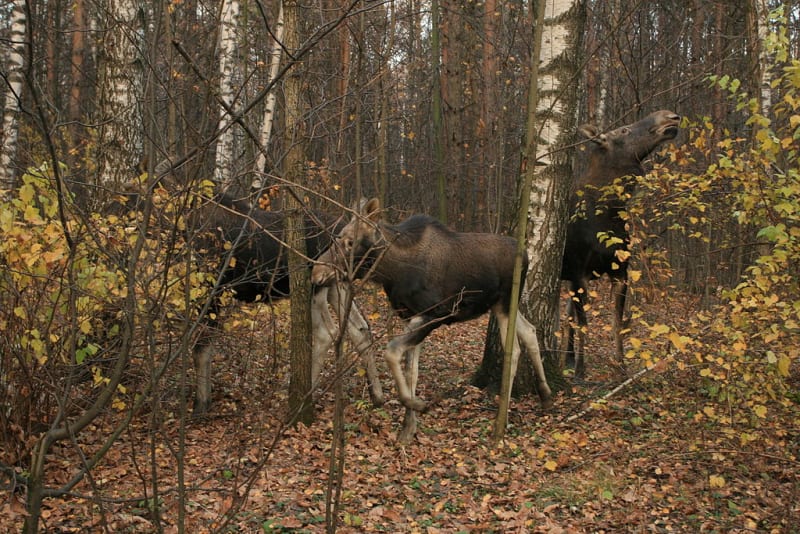
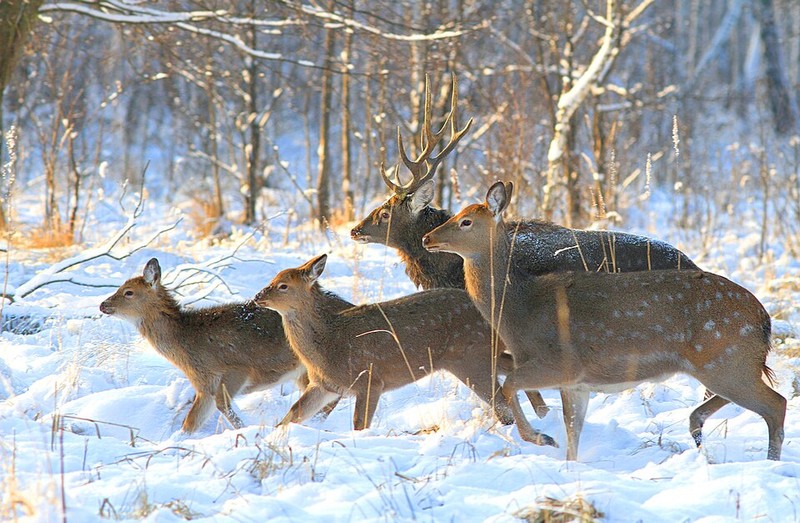
The elk is the park's best-known animal. Foxes, hares, squirrels, martens, wild boar and beavers also occur here. The Moscow Oblast section supports additional mammals, including fallow deer. Wetlands and ponds provide habitat for amphibians and waterbirds.
More than 170 bird species have been recorded in the park. These include songbirds, woodpeckers, birds of prey and waterfowl. Some nest locally, while others stop during seasonal migrations. Wildlife encounters are possible but never guaranteed. Visitors should not approach, feed or disturb wild animals.
Plants and biodiversity
The park's flora includes around 800 species of vascular plants. Alongside common woodland species, there are plants adapted to wet meadows, marshes and waterside habitats. Forests, wetlands and open clearings form an interconnected ecosystem that supports biodiversity, retains moisture and helps moderate the local urban climate.
Proximity to a major city also creates pressures from roads, noise, pollution and visitor activity. Protecting the forest and following park rules are therefore essential.
Environmental centres and trails
Losiny Ostrov offers nature trails and environmental education programmes. Notable facilities include the Elk Biological Station, an arboretum and the Tsar's Hunt environmental centre. At the biological station, visitors can learn about local animals and wildlife research. The arboretum introduces a range of trees and shrubs, while educational displays explain the area's history and conservation work.
Walking paths, nature-observation routes and rest areas are available in different parts of the park. Some excursions and ecological facilities require advance booking and a guided visit. Access conditions vary by location, so visitors should check current information before setting out.
Places to explore
The park is extensive, so it is useful to choose an entrance and route in advance. Visitors can walk through pine woods, explore wetland landscapes or visit organised nature centres. The nearby cities of Mytishchi, Korolyov and Balashikha, as well as several Moscow districts, provide starting points for exploring different sections.
Those interested in history can look for old forest clearings and traces of traditional forestry. Nature lovers may prefer quiet walks, birdwatching and landscape photography. It is important to remember that Losiny Ostrov is a protected natural area, not simply an urban entertainment park.
Best time to visit
The park can be visited throughout the year. Spring brings fresh foliage, early flowers and increased bird activity. Summer is ideal for shaded walks, autumn offers colourful leaves and seasonal fungi, and winter reveals peaceful woodland scenery.
Some trails become wet or muddy after rain, so comfortable walking shoes are recommended. Before visiting an environmental centre, check its opening schedule and whether advance booking is required.
Visitor rules
To protect the natural environment, stay on marked trails, take litter away, avoid lighting fires in prohibited areas and do not damage plants. Do not disturb or feed wildlife. Losiny Ostrov National Park is a rare example of a large forest landscape surviving within one of Europe's major urban regions. Its forests, wetlands, wildlife and historical heritage offer an opportunity to experience the nature of central Russia close to Moscow.
Gallery