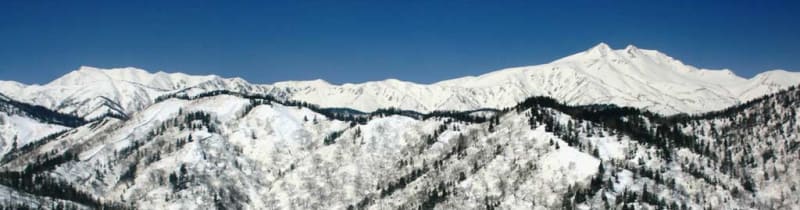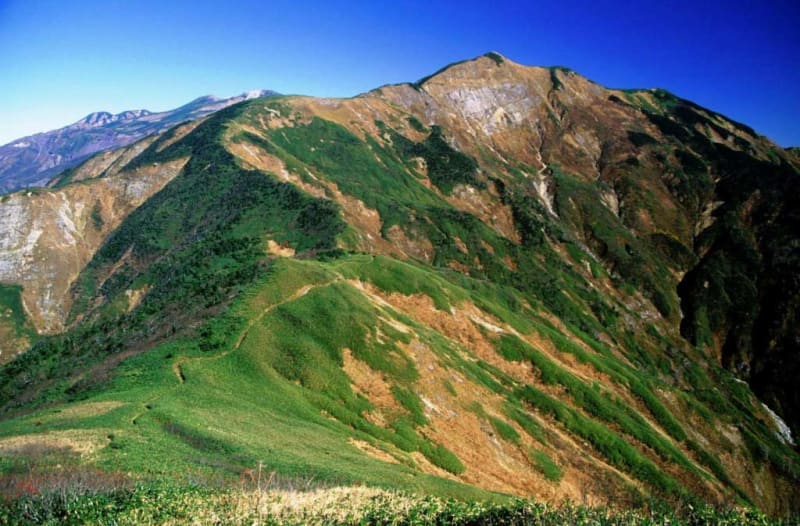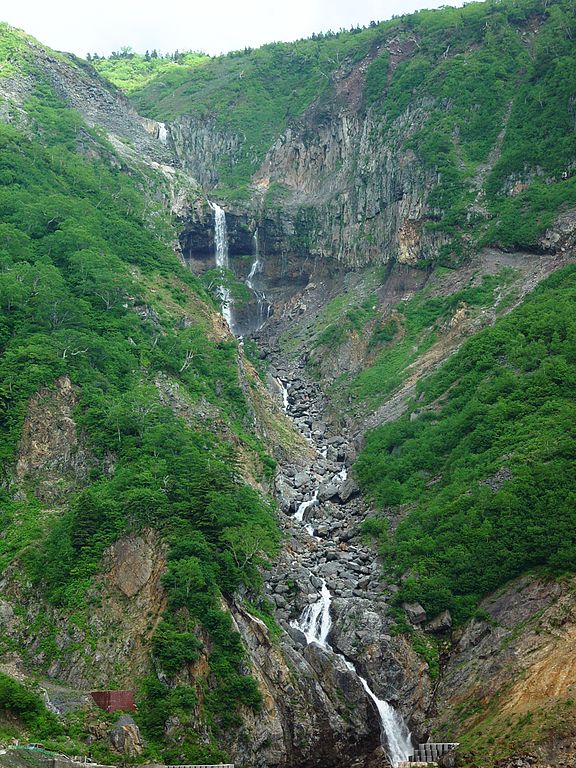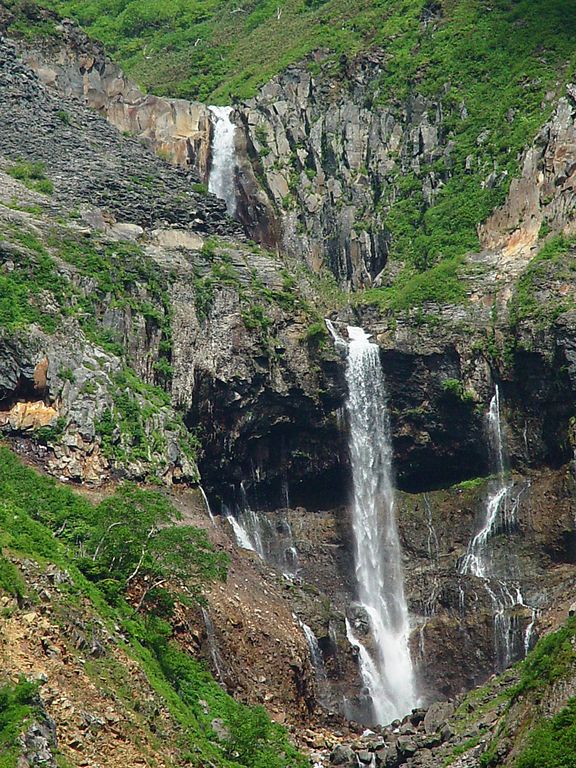

Hakusan National Park lies in central Japan, in the western part of Honshu. It covers mountainous areas across Ishikawa, Fukui, Gifu and Toyama prefectures and spans approximately 499 square kilometers. Its landscapes include high peaks, volcanic lakes, waterfalls, dense forests and alpine meadows.
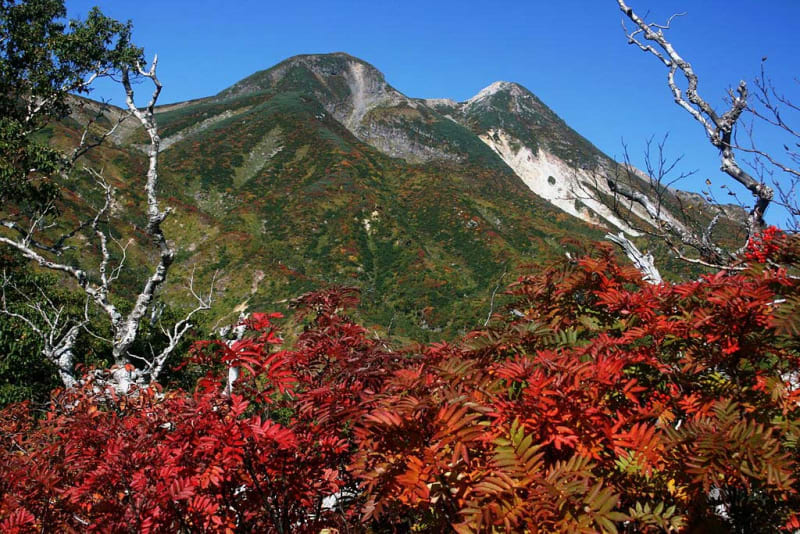
The park's principal landmark is Mount Hakusan, whose name means “White Mountain.” Along with Mount Fuji and Mount Tateyama, it is regarded as one of Japan's three most sacred mountains. Pilgrims have visited the area for centuries, and mountain shrines and historic trails preserve its long spiritual traditions.
Mount Hakusan and its peaks
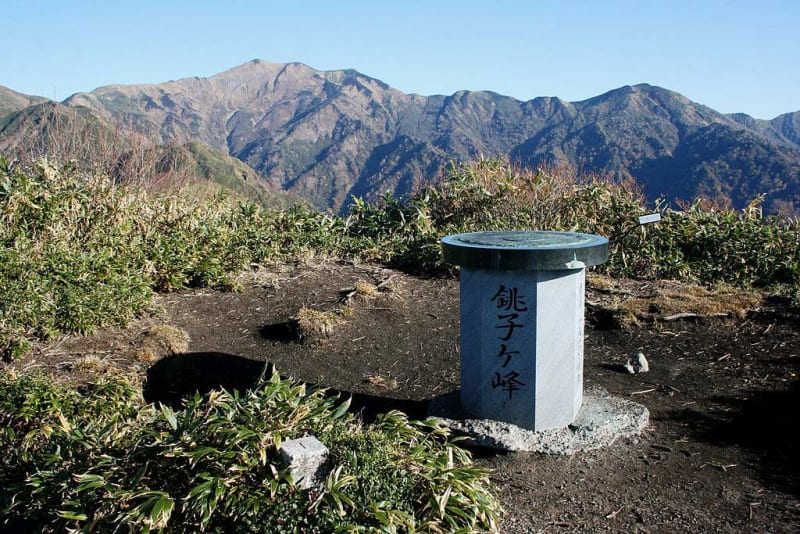
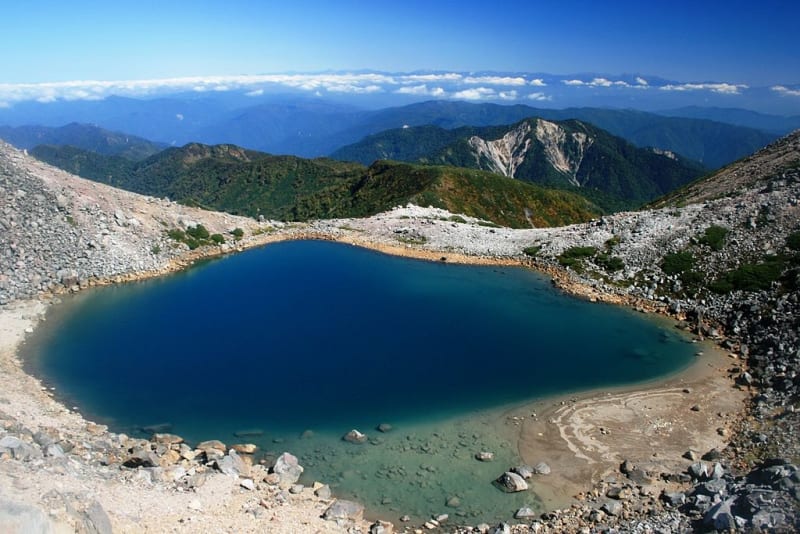
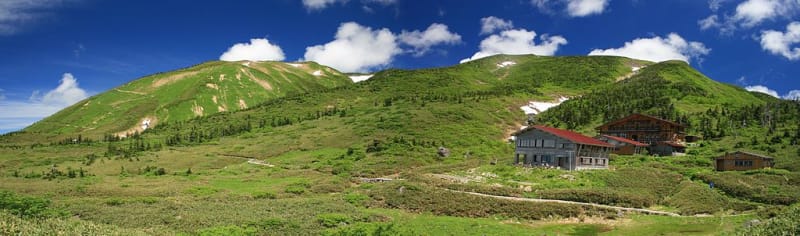
The highest summit is Gozengamine, reaching 2,702 meters. Nearby are Onanjimine at 2,684 meters and Kengamine at 2,677 meters. The mountain has a volcanic origin, and craters and small lakes can be found near its summit. Senjagaike, one of these crater lakes, can remain frozen even during warmer months.
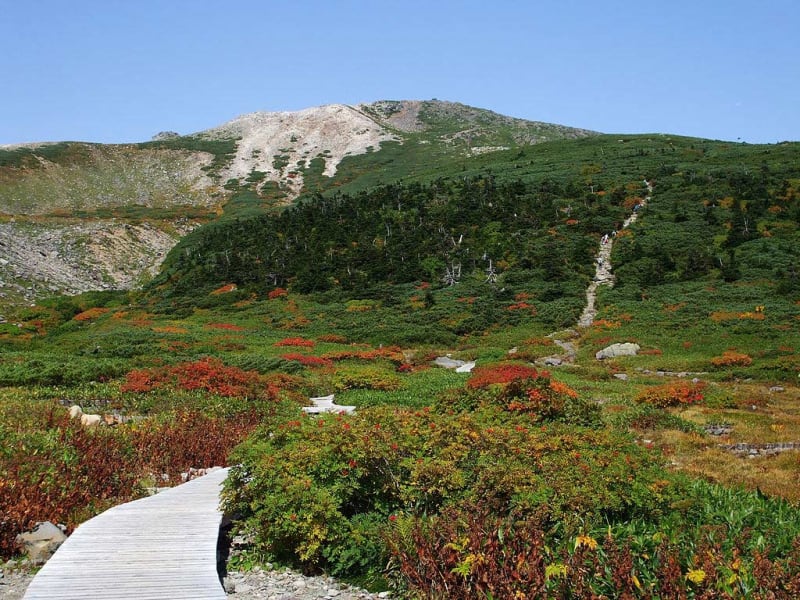
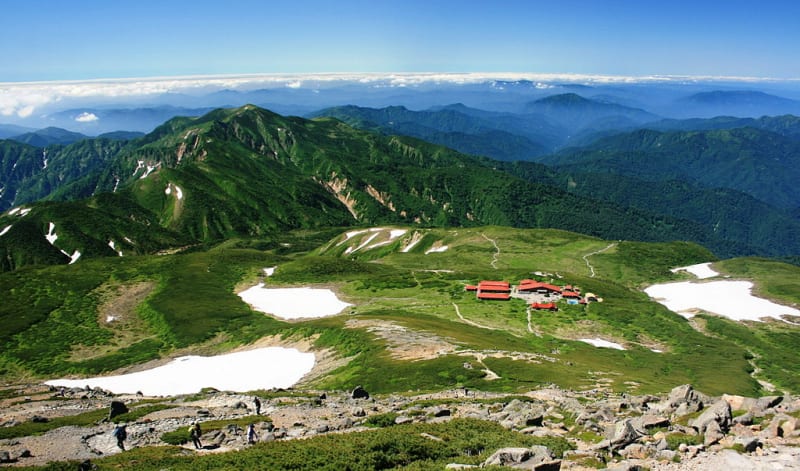
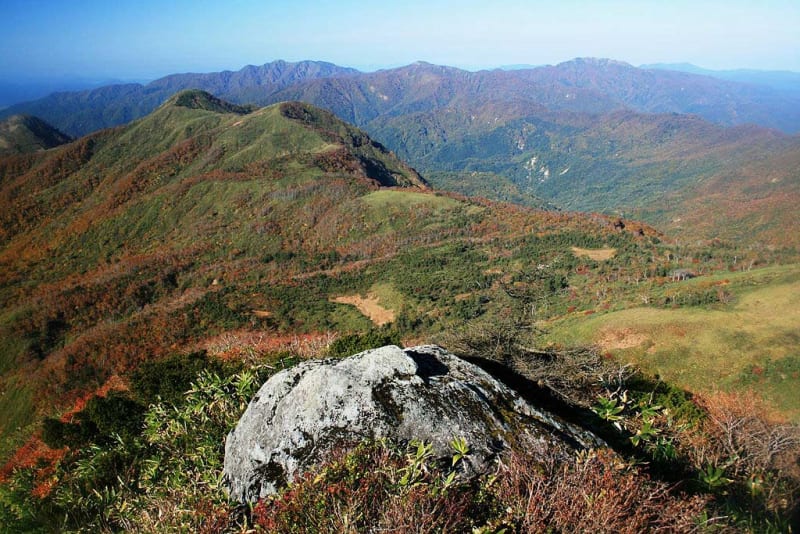
Climbing Mount Hakusan offers expansive views of mountain ridges and volcanic plateaus. On clear days, hikers may see distant ranges and the Sea of Japan. Routes vary in length and difficulty, so visitors should choose an itinerary that matches their experience and check the weather before setting out.
Alpine flowers and forests
Hakusan is renowned for its diverse alpine flora. During summer, mountain slopes and meadows bloom with plants adapted to a short, cool growing season. Japanese beech forests dominate lower elevations, while Maries' fir and Erman's birch grow higher up. At greater elevations, dwarf pine and other alpine vegetation appear, creating distinct ecological zones.
Waterfalls, lakes and mountain valleys
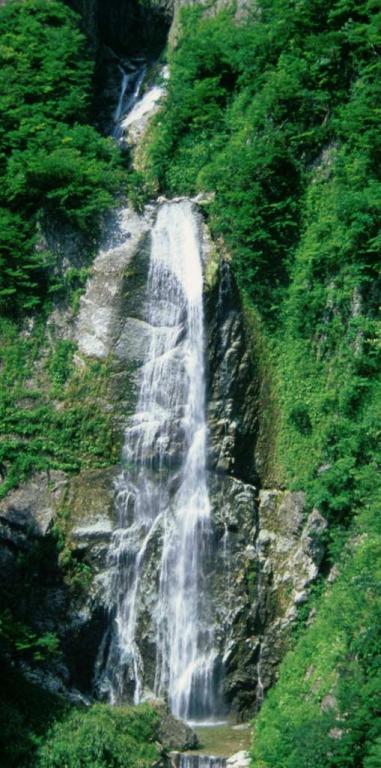
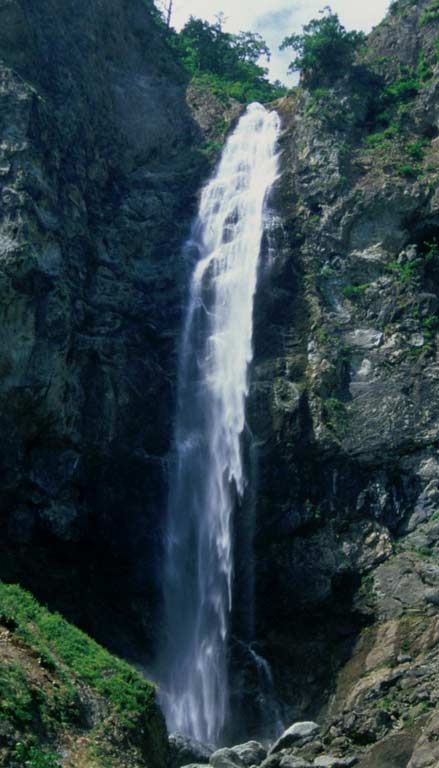
The park contains waterfalls, mountain streams and lakes shaped by volcanic and other geological processes. Highlights include Hyakuyojo Falls, which plunges over a high rock face, and Lake Hakusui, surrounded by forested slopes. In autumn, the lake's surroundings turn shades of red, orange and gold. Heavy winter snowfall also feeds the rivers and forest ecosystems as it melts.
Wildlife
Japanese black bears, Japanese serows and many bird species, including golden eagles, inhabit the park. The changes in elevation support a variety of habitats, from humid forests to exposed alpine terrain. Hikers should check local bear advisories, remain on marked trails and never approach wild animals.
Best time to visit
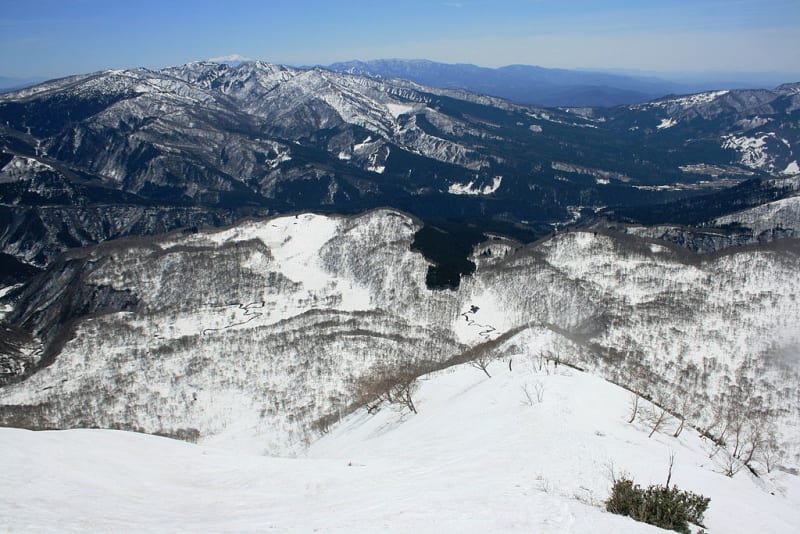
The main hiking season generally runs from July to mid-October, depending on weather and trail conditions. July is especially attractive for alpine flowers, while September and October bring autumn foliage. Winters are snowy and severe, making high-altitude climbs suitable only for properly equipped and experienced visitors. Some roads and trails close during the cold season.
How to get there
Kanazawa is a convenient transport hub and can be reached by high-speed train from Tokyo. Buses connect the city with some areas of the park, although public transport is limited in remote locations. Renting a car makes it easier to visit several natural attractions. Before travelling, check transport schedules, trail conditions and seasonal road restrictions.
Hakusan National Park combines dramatic mountain scenery, rare alpine plants, rich wildlife and centuries of spiritual heritage. It is an excellent destination for hiking, nature observation and discovering the traditions of Japan's sacred mountains.
Gallery