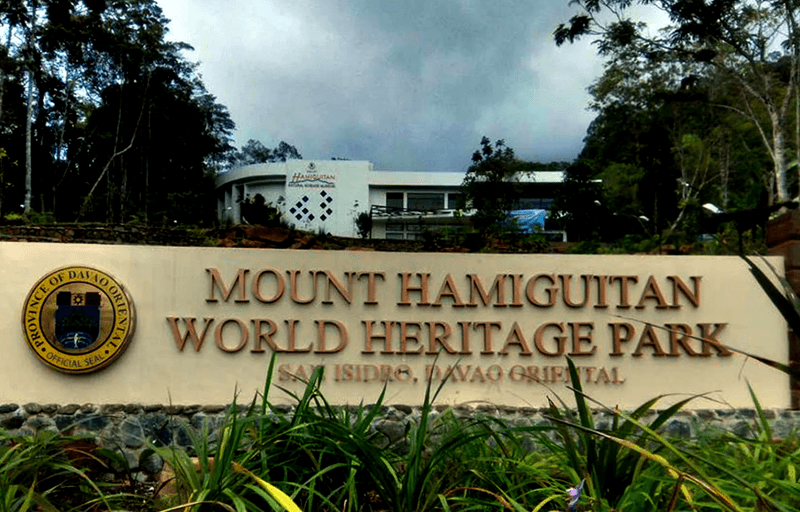
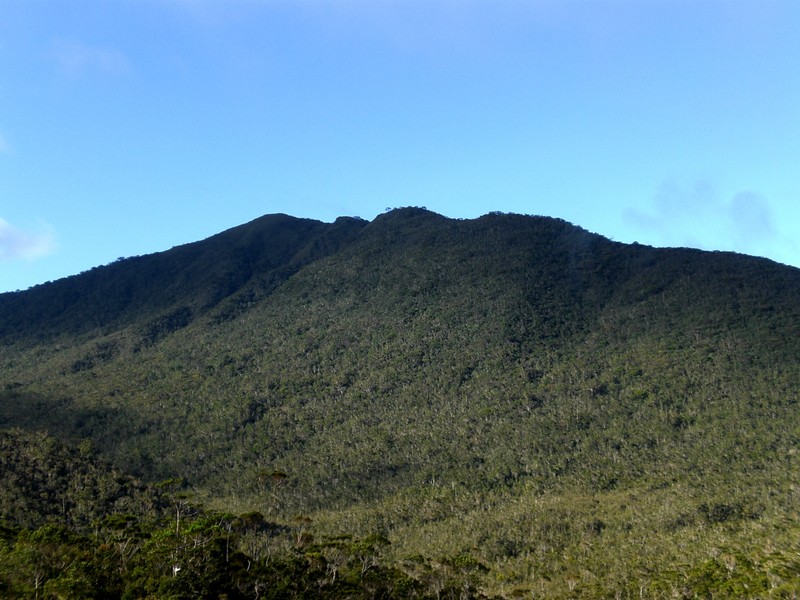
Mount Hamiguitan Range Wildlife Sanctuary is one of the Philippines’ most important protected natural areas. It lies in southeastern Mindanao, in the province of Davao Oriental. The mountain range preserves a remarkable variety of tropical ecosystems, rare plants and animals, and an unusual pygmy forest that resembles a miniature natural garden. In 2014, the sanctuary was inscribed on the UNESCO World Heritage List because of its exceptional biodiversity and its importance for threatened species.
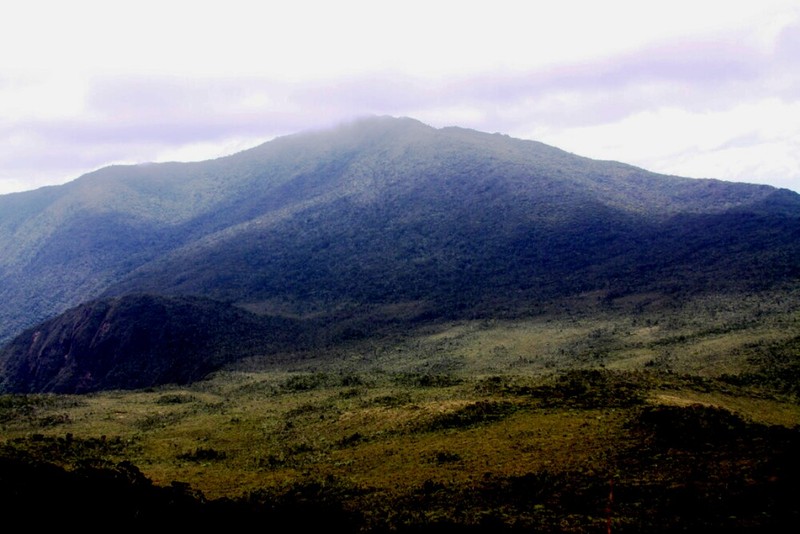
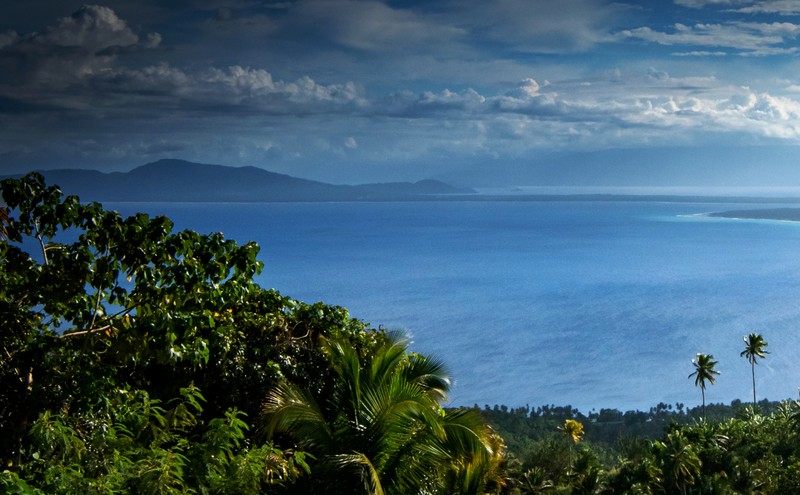
The ridge runs north to south along the Pujada Peninsula and forms part of the Eastern Mindanao Biodiversity Corridor. Elevations within the protected property range from approximately 75 to 1,637 metres above sea level. Differences in altitude, soil, moisture and temperature support several forest types and aquatic habitats. This environmental variety makes Hamiguitan especially valuable to researchers and conservationists.
The pygmy forest: Hamiguitan’s natural highlight
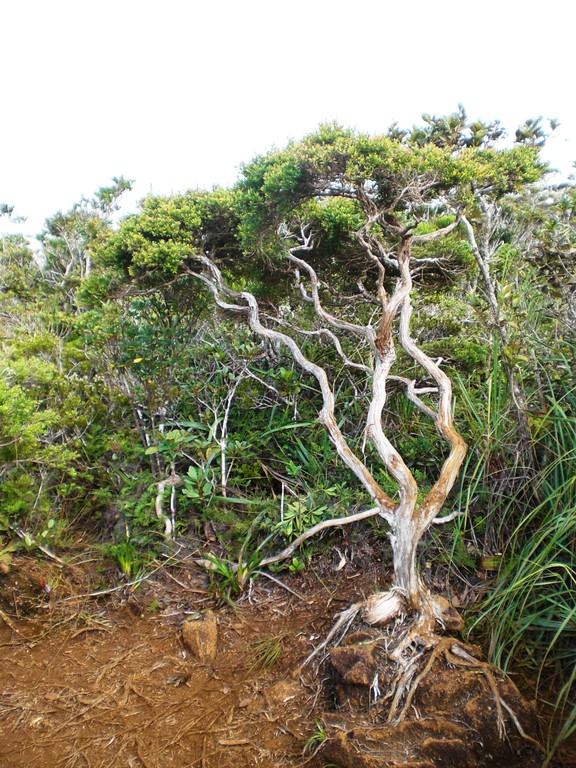
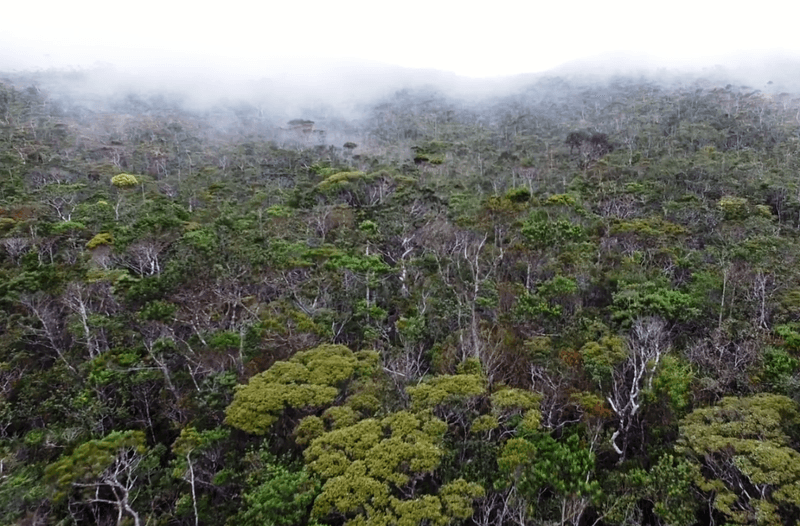
The sanctuary’s best-known feature is its pygmy, or bonsai, forest. It developed under challenging conditions for plant growth, including on ultramafic soils with an unusual chemical composition. Even mature trees may remain short, with twisted trunks, tangled branches and surfaces covered in mosses and lichens. The result is the impression of an ancient forest in miniature, quite different from familiar tropical jungle.
The pygmy forest illustrates how strongly environmental conditions can shape plant growth. Stunted trees, thick moss and unusual trunk shapes form a distinct ecosystem that supports specialised species. It is one of Mindanao’s most remarkable natural features and a symbol of the ecological uniqueness of the Hamiguitan range.
Five types of forest ecosystem
Several natural zones succeed one another across the sanctuary. Lower areas include modified landscapes and remnants of dipterocarp forest, typical of tropical Southeast Asia. Higher slopes support montane forests with tall trees, vines and epiphytes. As elevation increases, mosses, lichens and plants adapted to cooler, wetter conditions become more prominent.
The protected area includes agroecosystems, dipterocarp forest, montane forest, mossy forest and mossy-pygmy forest. Each vegetation type supports its own communities of plants and animals. Lower forests contain members of the dipterocarp family, many of which are threatened. Higher zones feature plants adapted to persistent moisture, including mosses, lichens and epiphytes growing on tree trunks and branches.
Rare plants and endemic species
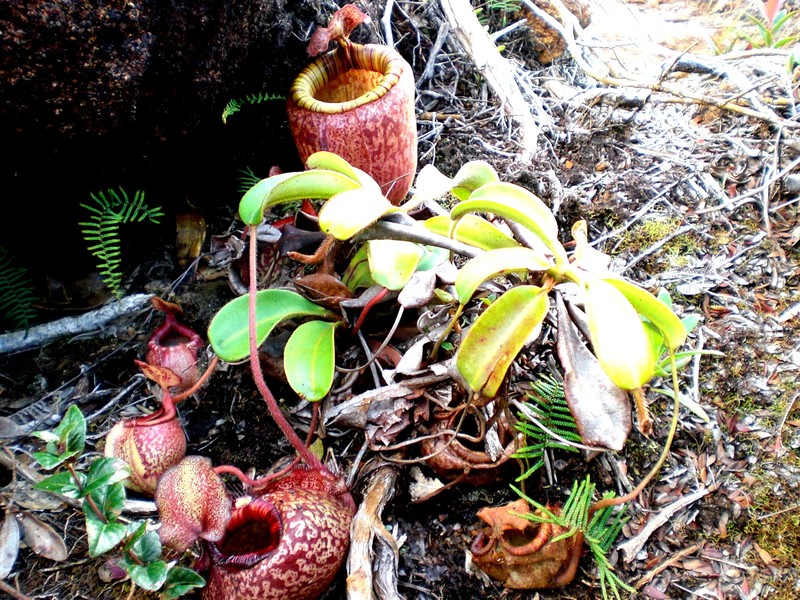
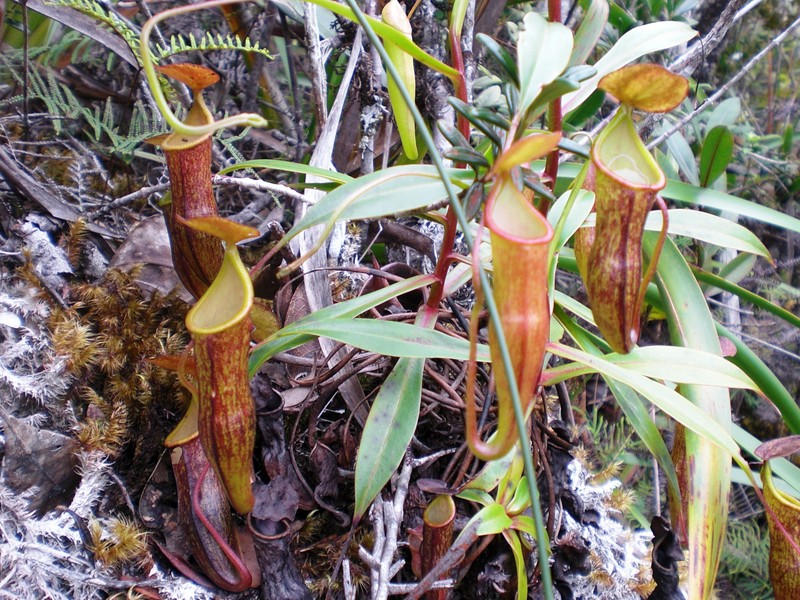
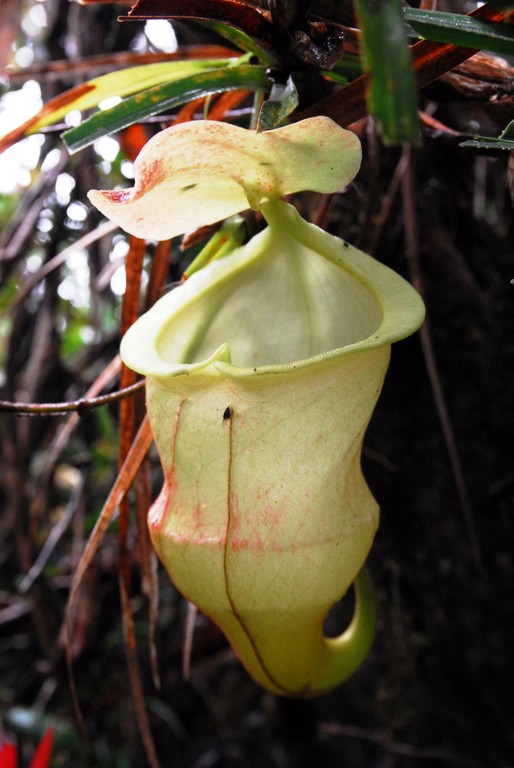
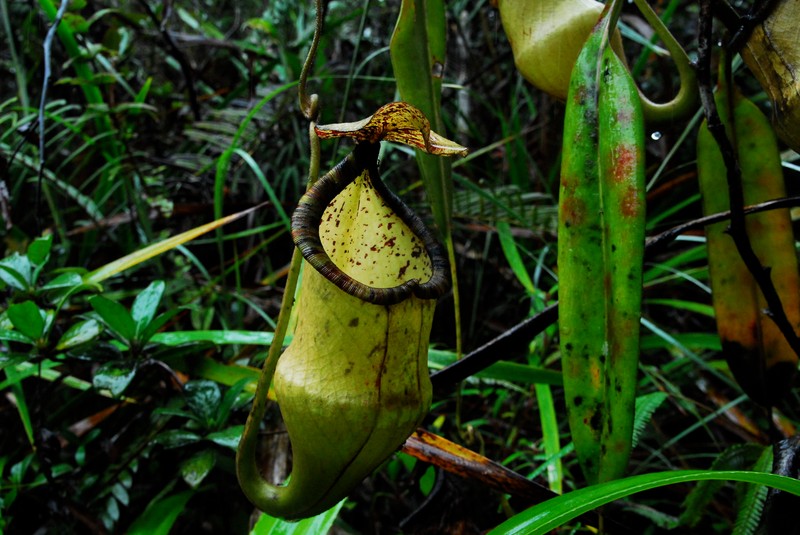
Hamiguitan is known for its high level of endemism. Some species occur only in the Philippines, only on Mindanao, or solely within this mountain range. One of the most notable plants is Nepenthes hamiguitanensis, a carnivorous pitcher plant endemic to Hamiguitan. Its natural distribution is associated with the distinctive conditions of the local mountain habitats.
The forests also contain rare orchids, trees and other tropical plants. Some species face extinction because of habitat loss and other environmental pressures. Protecting the sanctuary helps preserve not only individual rare species but also the ecological communities on which their survival depends.
Wildlife of the sanctuary
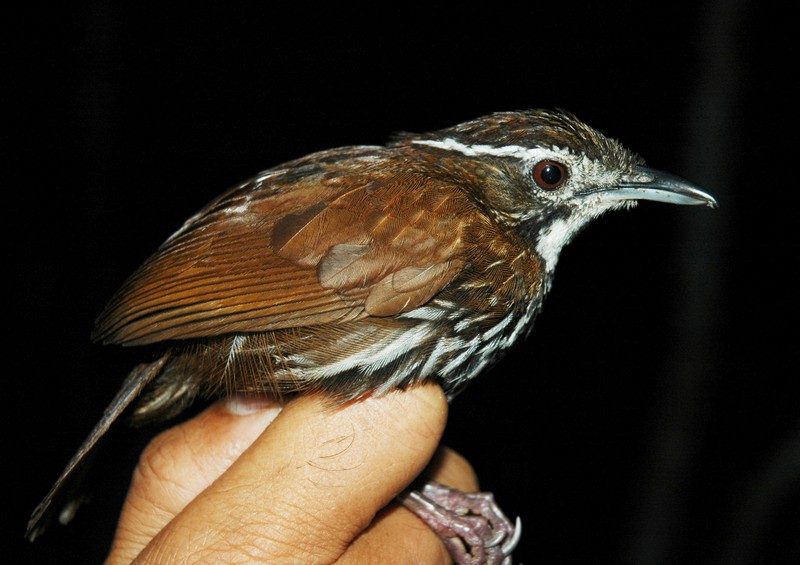
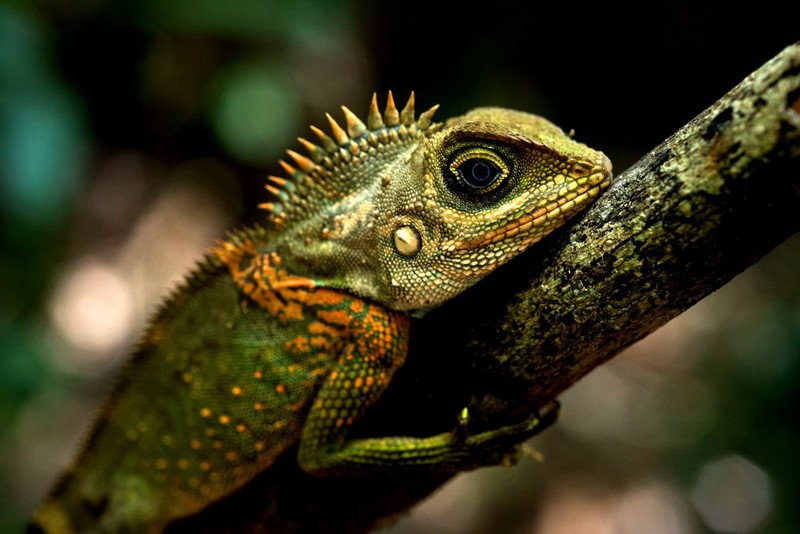
The range of elevations and forest habitats provides homes for many animals. Its best-known residents include the Philippine eagle, one of the country’s rarest and most recognisable birds of prey, and the Philippine cockatoo, which is threatened with extinction. The sanctuary also protects rare mammals, amphibians, reptiles and birds, many with limited distributions.
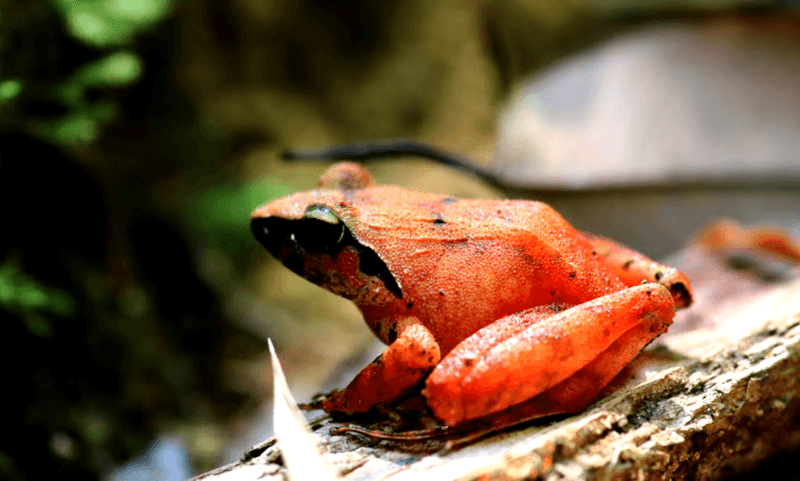
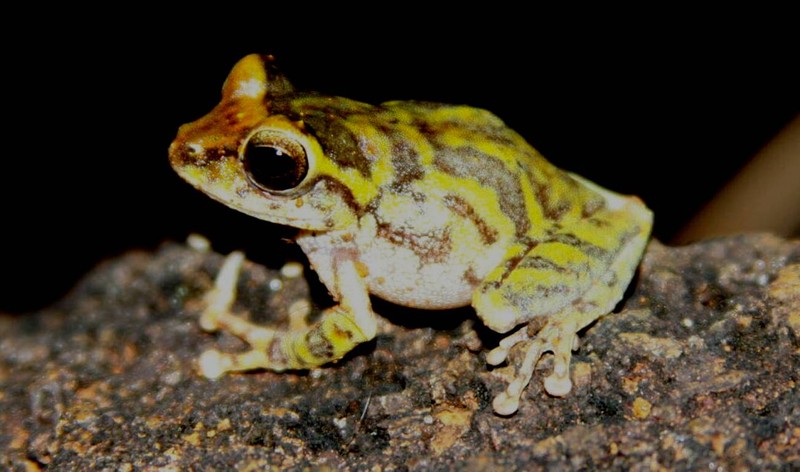
Endemic species adapted to the conditions of humid mountain forests are especially important. Recorded wildlife includes the Philippine pygmy fruit bat, the Philippine warty pig and rare tree frogs. The sanctuary’s scientific value depends not only on the number of species it supports but also on the fact that some plants and animals are known only from this area. Maintaining forest cover is therefore essential to ecological balance.
UNESCO World Heritage status
The sanctuary’s inscription on the UNESCO World Heritage List in 2014 confirmed its international conservation importance. Recognition was based on its exceptional concentration of endemic and threatened species and the preservation of several mountain ecosystems. The property covers approximately 16,923 hectares, with a surrounding buffer zone of about 9,729 hectares.
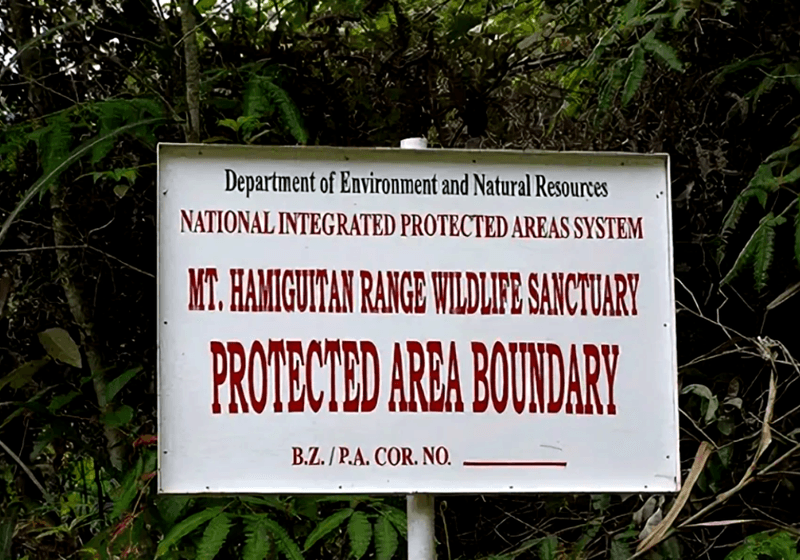
The sanctuary is protected under the Philippines’ conservation framework. Management includes patrols, ecosystem monitoring, scientific research and the regulation of tourism. Potential threats include illegal collection of wildlife, mining, infrastructure development and climate change. Species that depend on particular elevations or very limited natural ranges are especially vulnerable.
Visiting the sanctuary
The area attracts nature enthusiasts, ecotourists, birdwatchers and hikers. However, it is primarily a biodiversity conservation area rather than an ordinary tourist park. Access to some sections may be restricted, and mountain routes generally require coordination with local conservation authorities and compliance with current rules. Before travelling, visitors should check which routes are open, whether permits are required, whether a guide is available and what restrictions apply.
The terrain is steep and difficult in places, while the humid tropical climate can change trail conditions quickly. Visitors should assess their fitness, wear suitable footwear, carry water and rain protection, remain on authorised trails and avoid disturbing wildlife. Collecting plants, removing natural objects and leaving litter are unacceptable.
Why learn about Mount Hamiguitan?
Mount Hamiguitan Range Wildlife Sanctuary demonstrates the remarkable diversity of Philippine nature and shows how very different forest ecosystems can coexist within a relatively compact area. Its pygmy bonsai forest, endemic plants, rare birds and scientifically important habitats make it unique on a global scale. Hamiguitan matters not only as a destination for nature travel but also as a living natural laboratory that helps scientists understand evolution, species adaptation and the need to conserve tropical forests.
Gallery