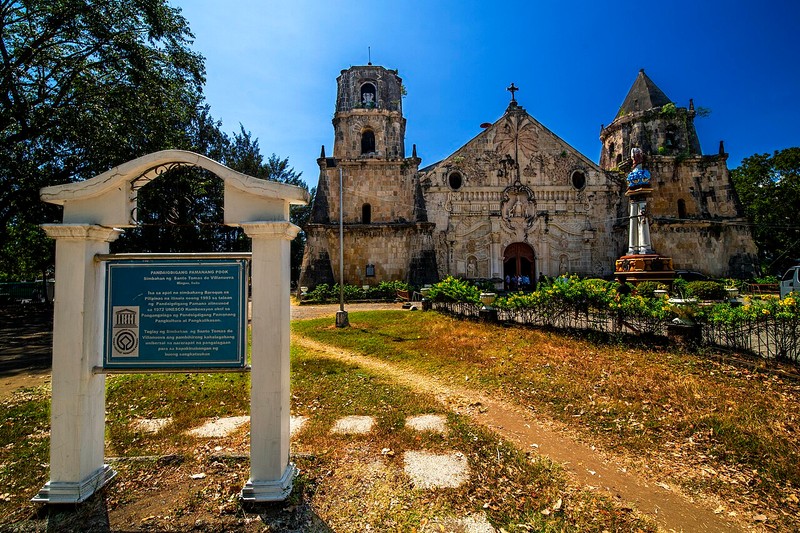
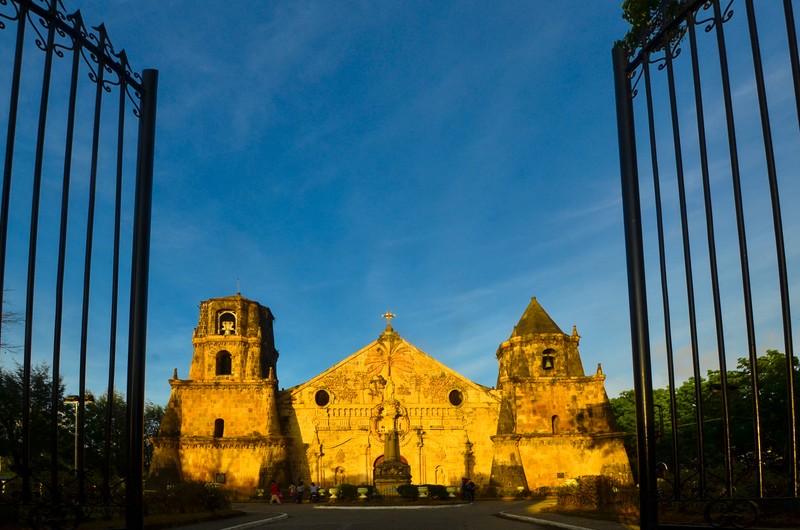
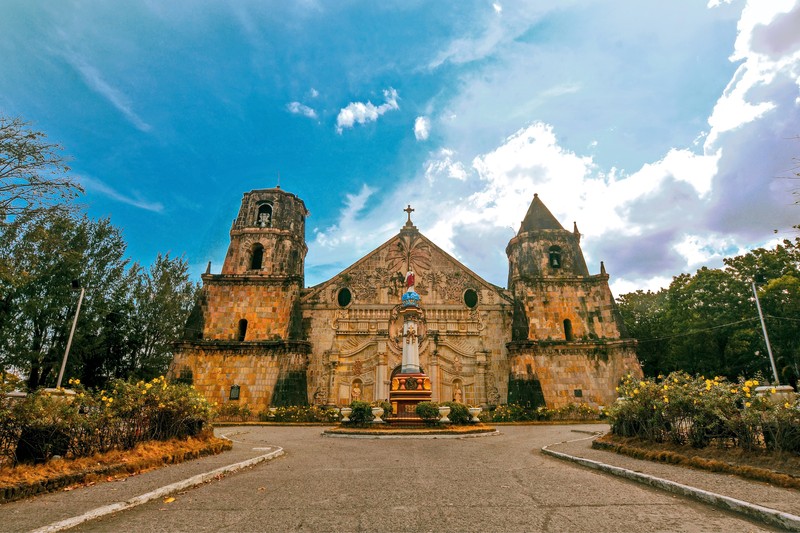
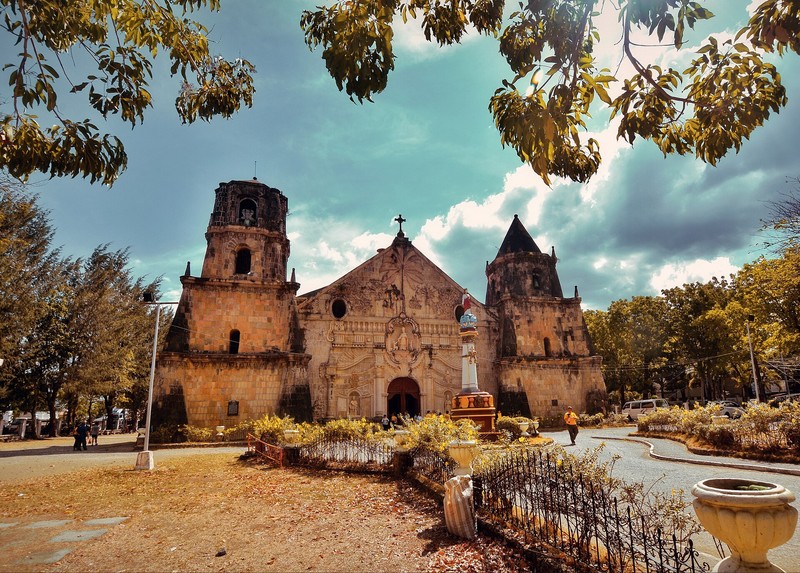
Miag-ao Church, officially the Santo Tomás de Villanueva Parish Church, is one of the best-known historic landmarks on the Philippine island of Panay. Located in the municipality of Miag-ao in Iloilo province, it is an outstanding example of Philippine Baroque architecture, blending European church design with local artistic traditions and natural motifs.
History of Miag-ao Church
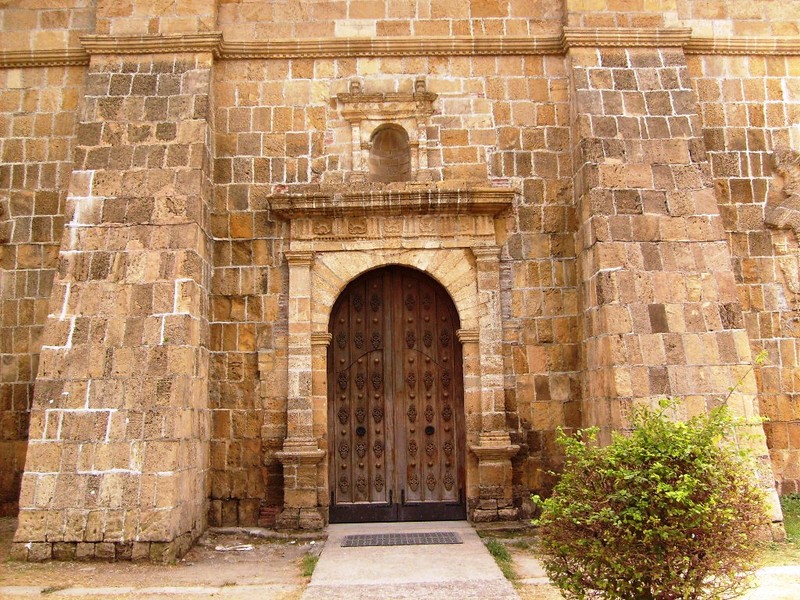
The parish of Miag-ao was established in the first half of the 18th century. Earlier church buildings were damaged during coastal raids, including attacks in 1741 and 1754. The settlement was subsequently moved to a higher, more defensible location. Construction of the present church began in December 1786 and was completed in 1797. Local sandstone was used to build the structure.
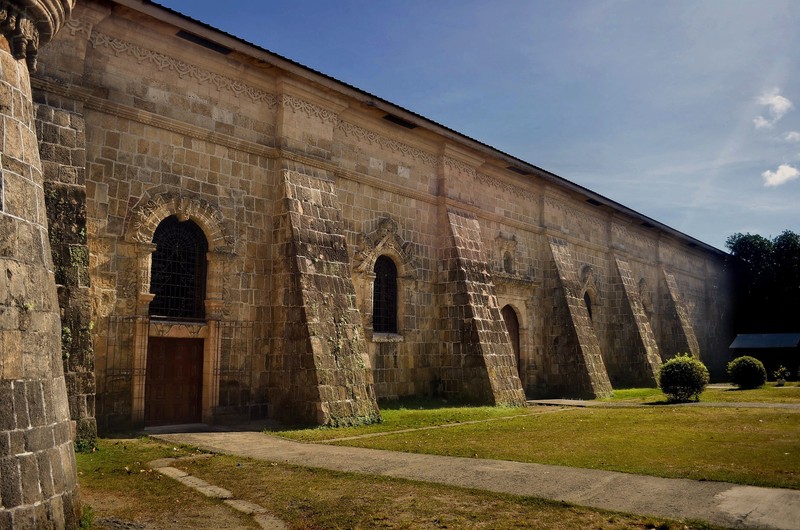
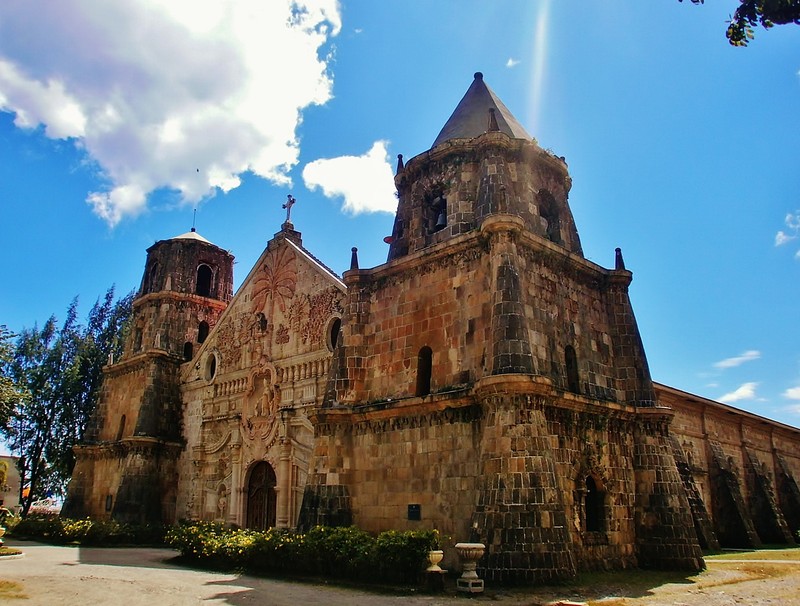
The church was intended not only for worship but also to provide protection for the community during attacks. Its thick walls, substantial supports and elevated position reflect the dangers faced by coastal settlements. The building later suffered fires and damage during conflicts around the turn of the 20th century.
The carved façade
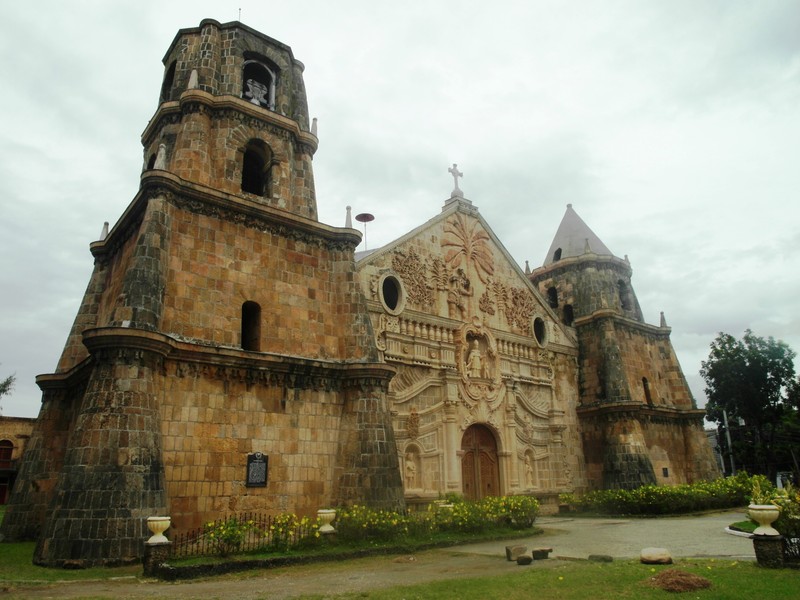
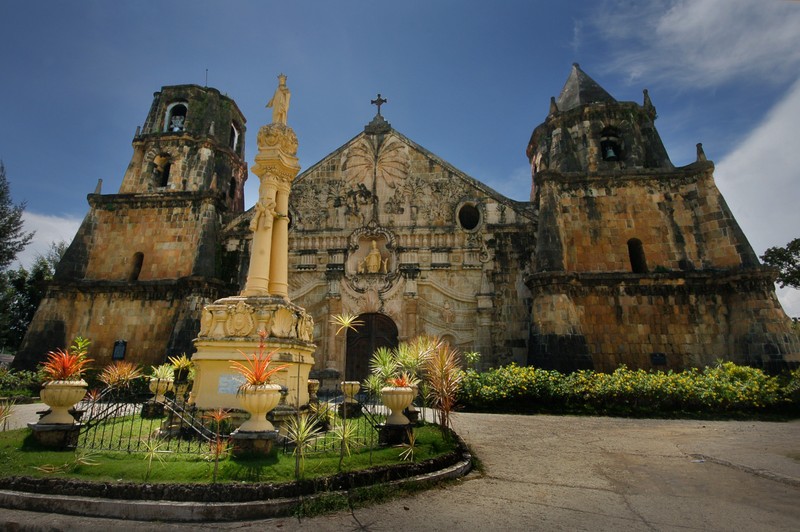
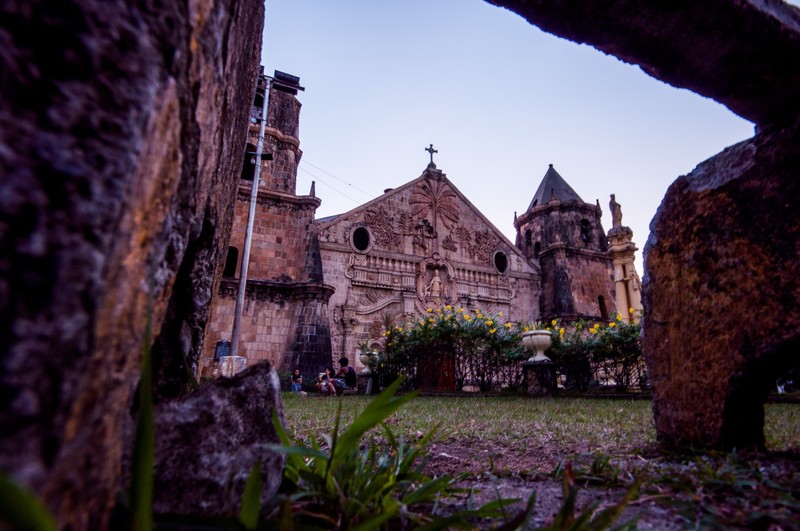
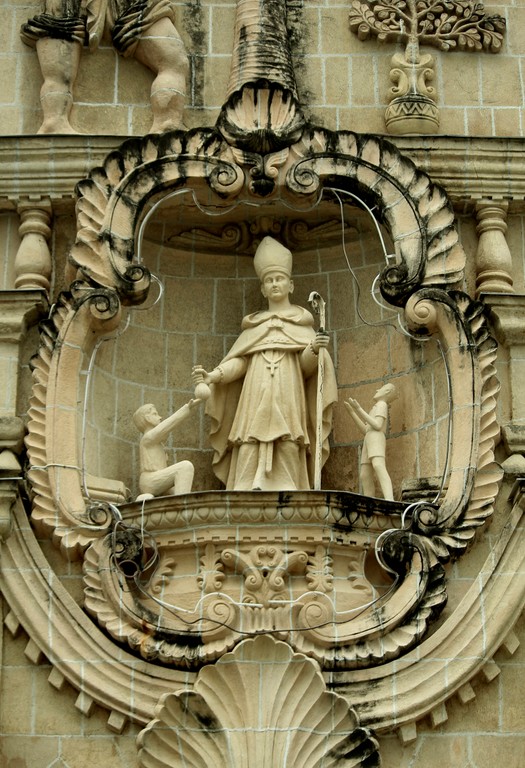
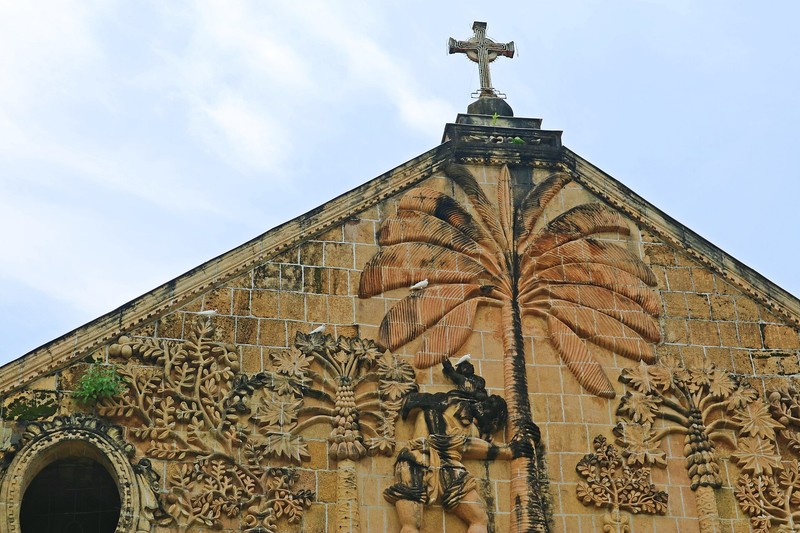
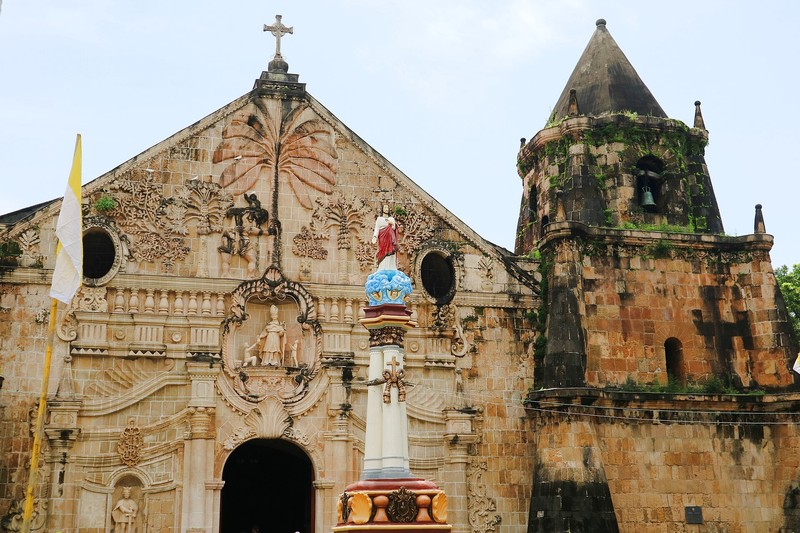
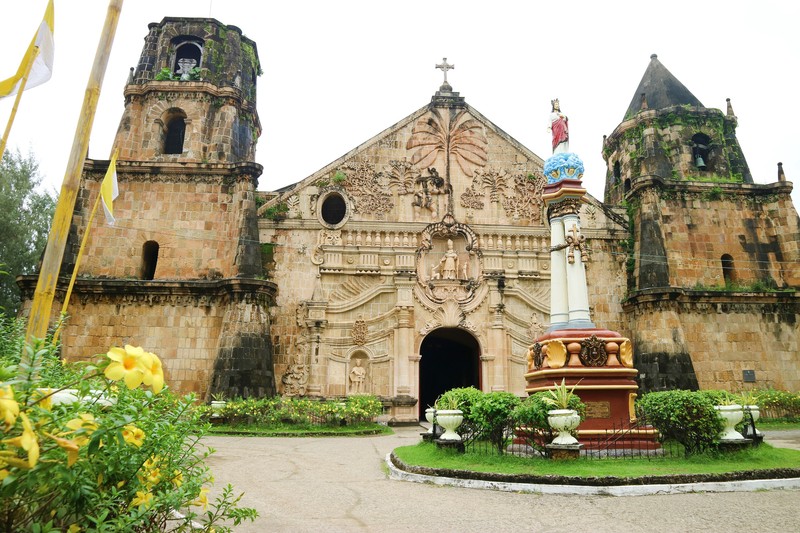
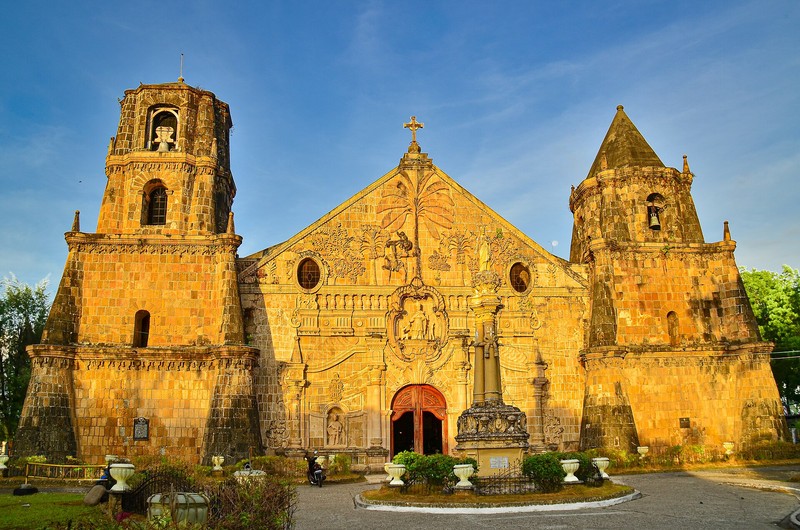
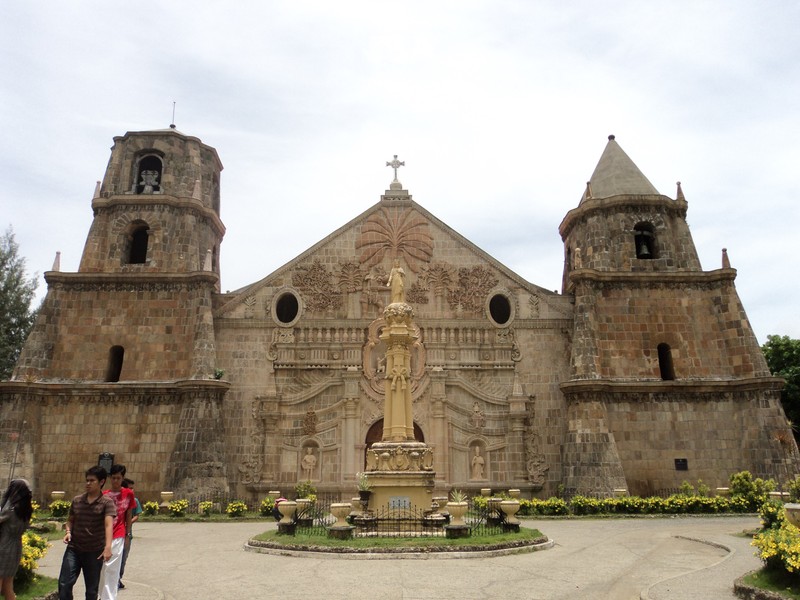
The church is especially famous for its richly carved stone façade. At its centre is Saint Christopher carrying the Christ Child. The relief is surrounded by plants and other imagery drawn from the local environment, including a coconut palm. Christian symbolism is combined with references to everyday life and the natural world of the Philippines.
Rather than simply reproducing European Baroque decoration, local craftsmen adapted it to their own visual language. The sandstone carvings make the façade a striking expression of cultural exchange and local creativity.
Fortress-like architecture and UNESCO heritage
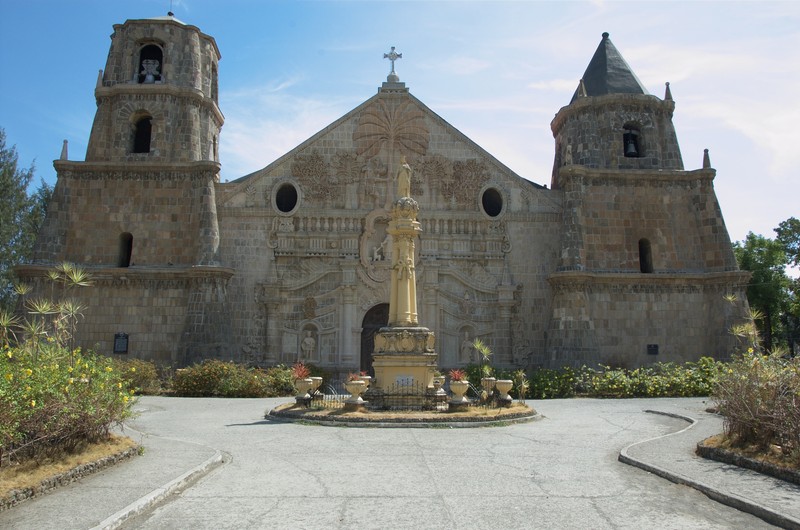
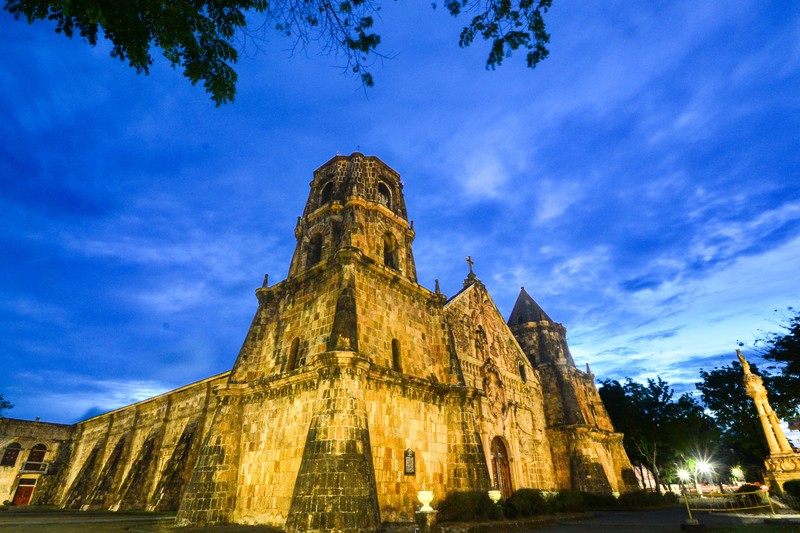
The church has a massive profile, thick walls and two bell towers flanking the façade. Its design reflects both religious needs and the desire to protect the community. Builders also had to consider the Philippines’ exposure to earthquakes, typhoons and fires.
Miag-ao Church forms part of the UNESCO World Heritage property known as the Baroque Churches of the Philippines, inscribed in 1993. The group includes four churches that demonstrate how European religious architecture was adapted to local materials, climate and cultural traditions.
What to see during a visit
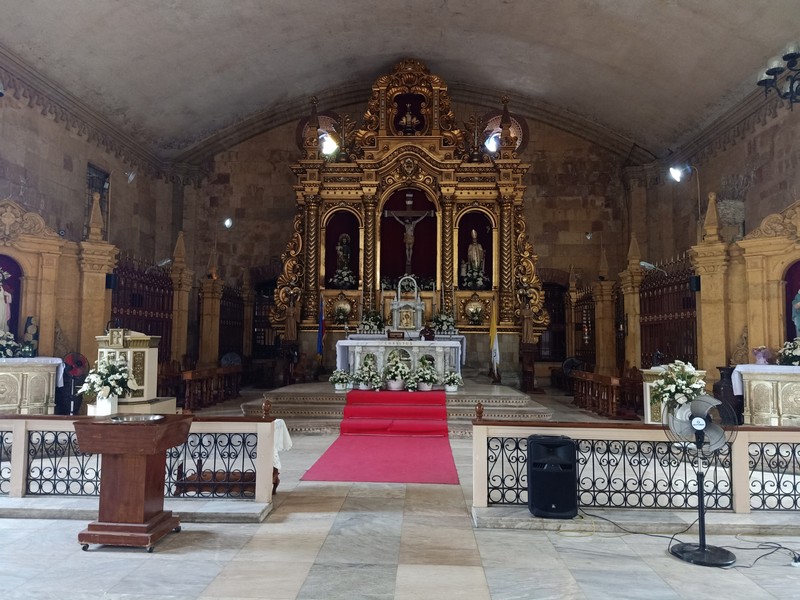
Take time to examine the central relief of Saint Christopher, the plant motifs and the composition of the two bell towers. Looking closely at the carvings reveals details that may be missed from a distance. Inside, visitors can experience the atmosphere of an active parish church.
Please remain quiet and respectful during services. Access to the interior, photography rules and visiting hours may change, so check with the parish or local tourism office before travelling.
How to get there
The church is in Miag-ao municipality in Iloilo province on Panay Island. It can be reached by road from Iloilo City using local buses and other public transport. Check current routes and schedules before setting out.
Why visit Miag-ao Church
Miag-ao Church is more than a historic religious building. It shows how Filipino artisans combined European forms with local materials, plant imagery and artistic traditions to create a distinctive interpretation of Baroque architecture.
Gallery