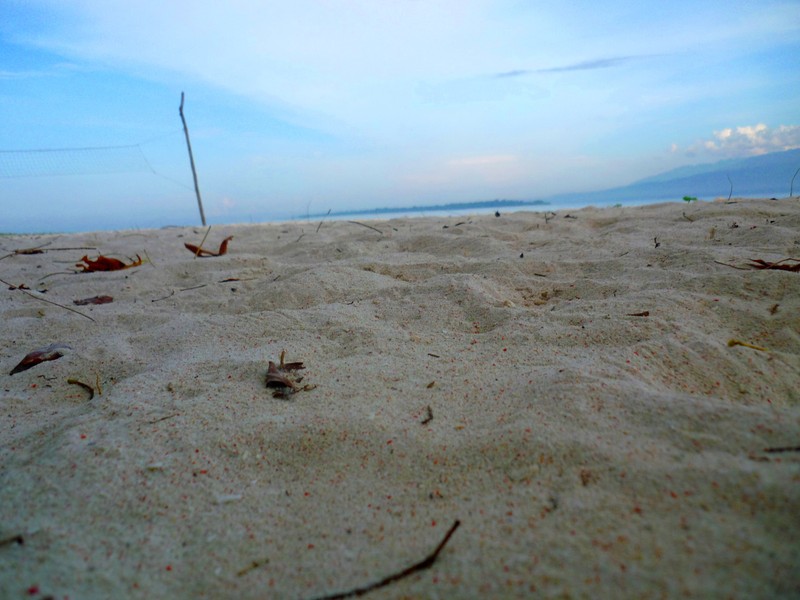
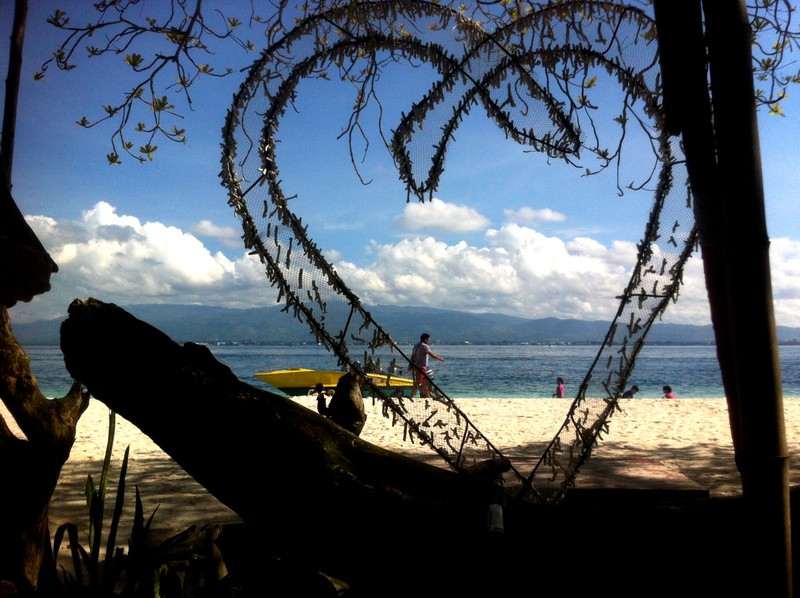
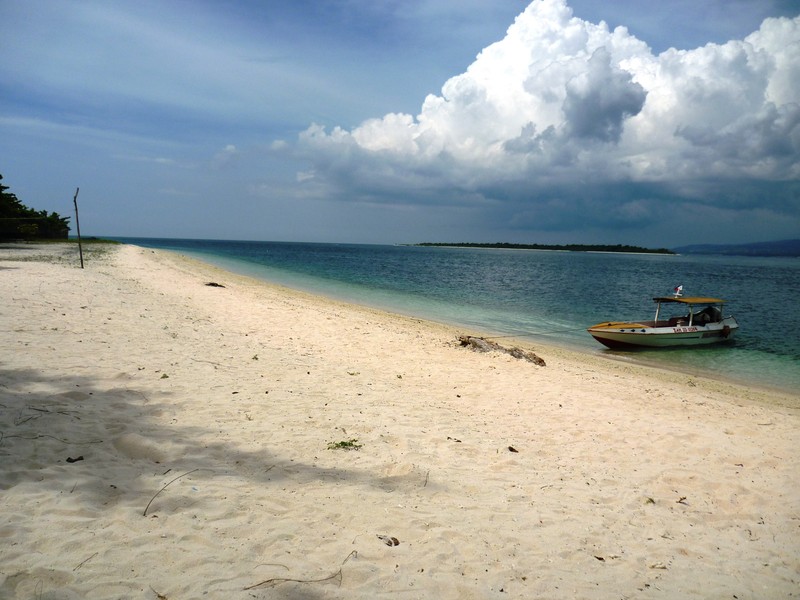
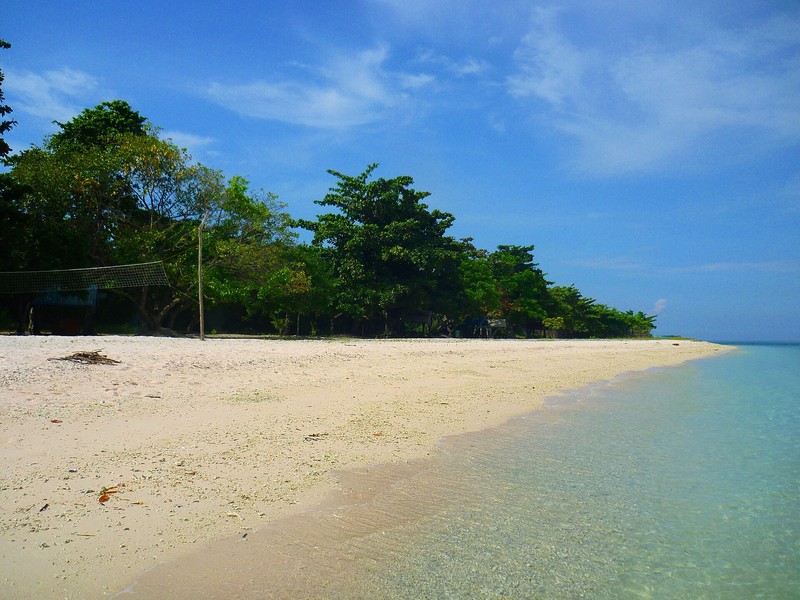
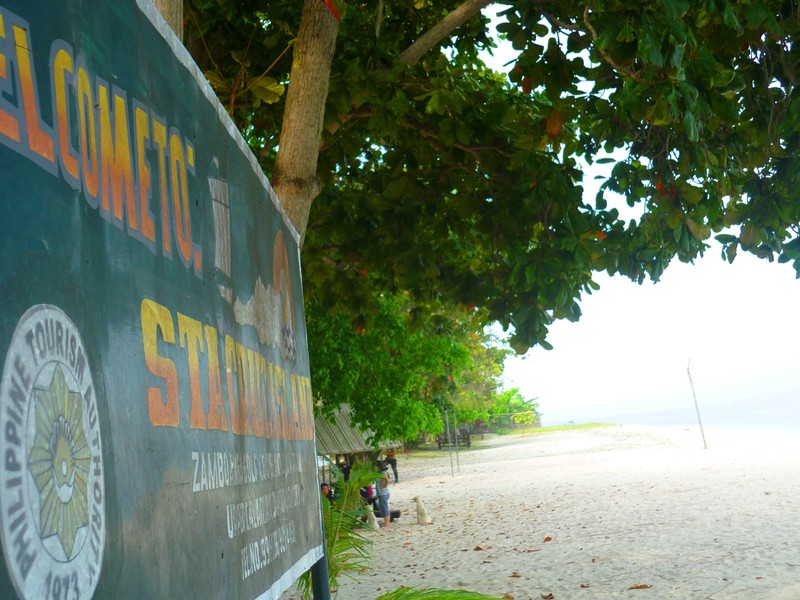
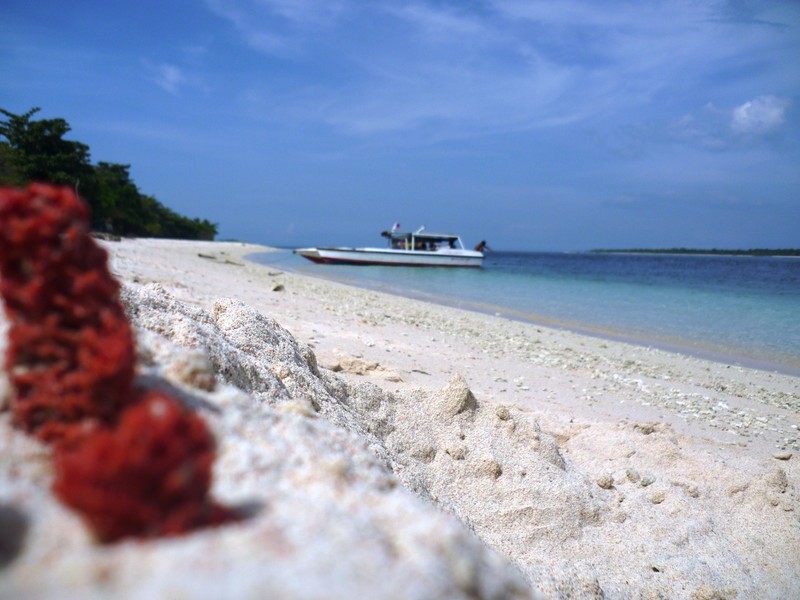
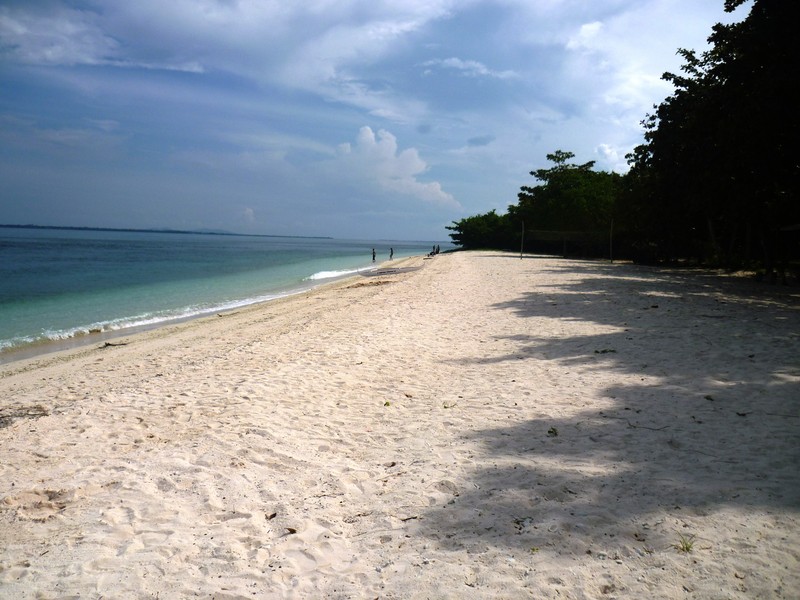
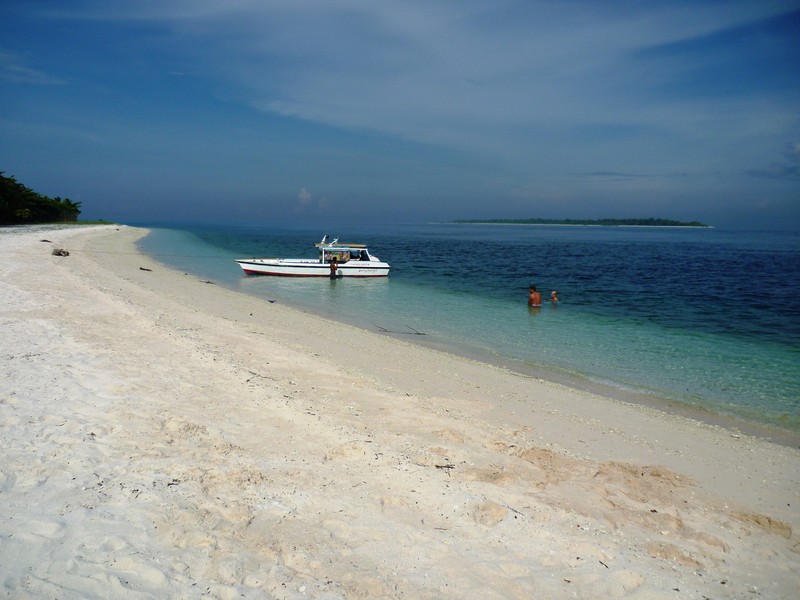
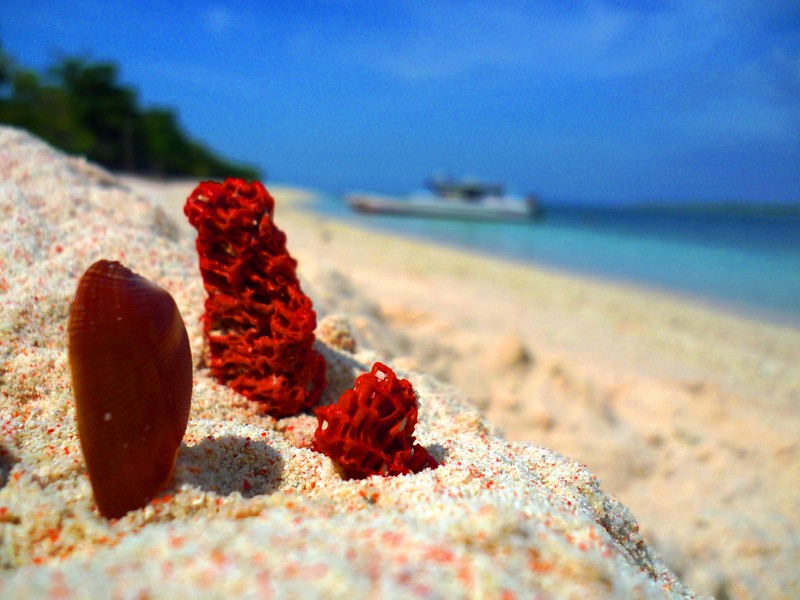
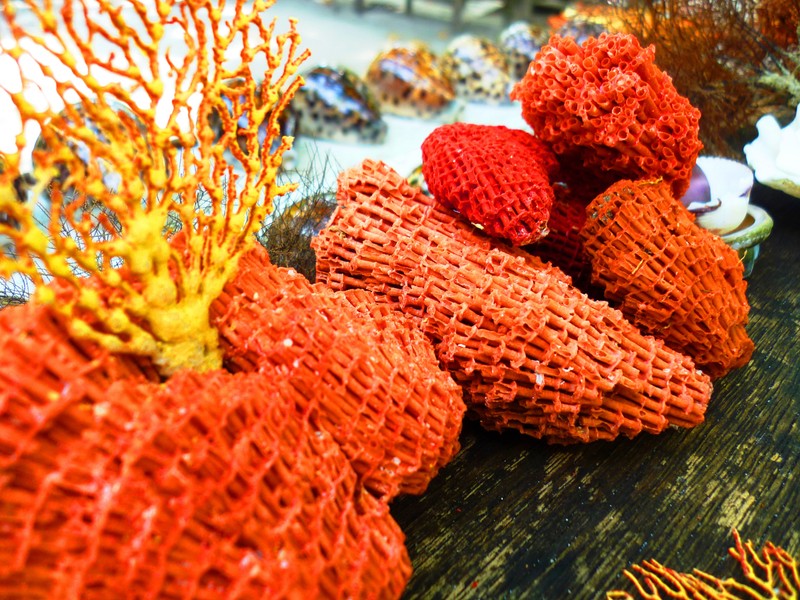
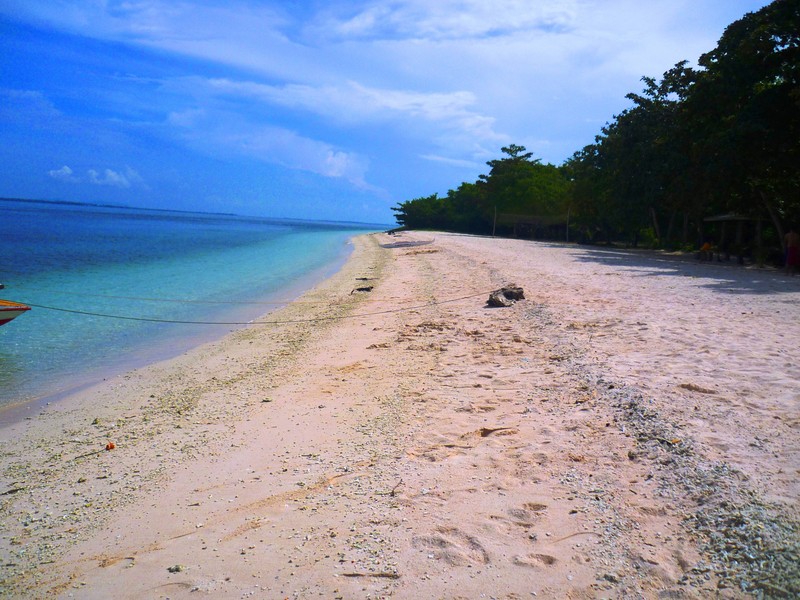
Great Santa Cruz Island Pink Beach is one of the Philippines’ most unusual natural attractions. Located near Zamboanga City in southern Mindanao, it is known for its subtly pink sand, clear coastal waters and tropical scenery. The distinctive hue comes from tiny fragments of red organ-pipe coral mixed with ordinary light-colored sand.
Why is the sand pink?
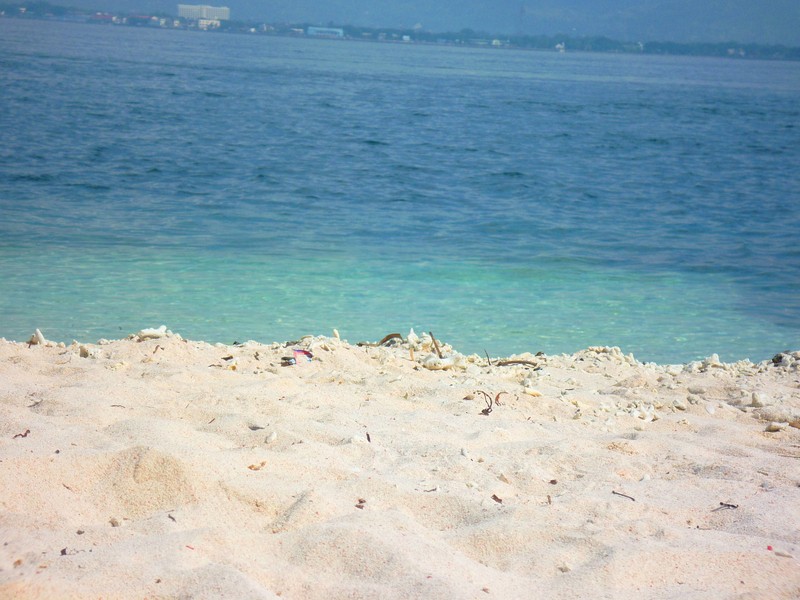
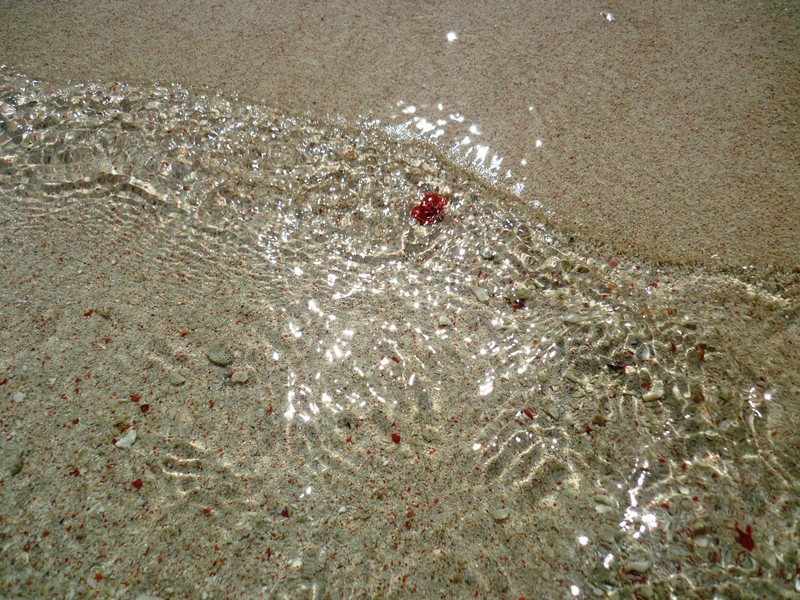
The beach’s color comes from fragments of red organ-pipe coral, Tubipora musica. Over time, waves break down the coral material and mix it with white sand, creating a natural pink or peach tint.
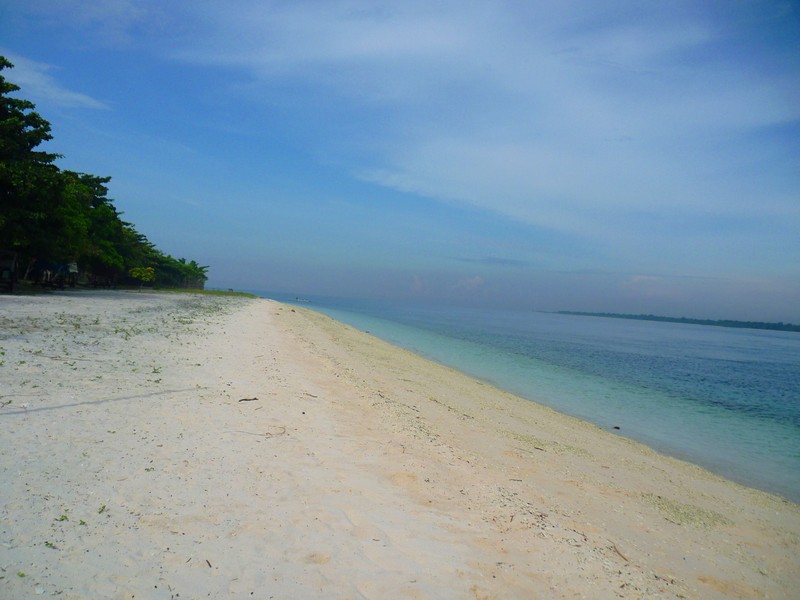
The color varies with sunlight, sand moisture and sea conditions. It is often easier to notice along the waterline, where wet sand contrasts with white foam. In reality, the beach usually has a gentle pinkish tone rather than the vivid pink sometimes shown in heavily edited photographs.
Where is Great Santa Cruz Island?
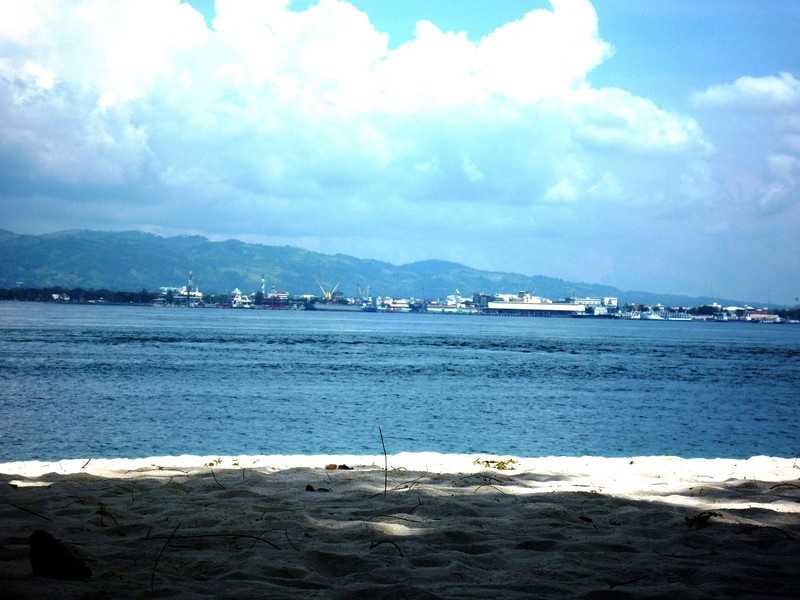
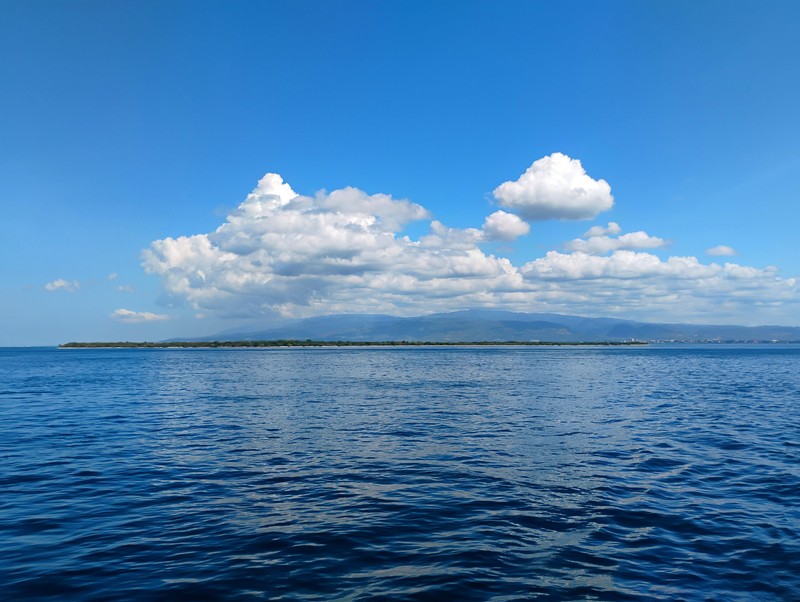
The island lies about four kilometres south of downtown Zamboanga City in the Basilan Strait. It belongs to the Santa Cruz Islands group. Great Santa Cruz is known for its pink beach, while access to some nearby areas is restricted.
Great and Little Santa Cruz Islands form part of a protected landscape and seascape established in 2000. Visits are therefore managed under local conservation rules.
What to see at Pink Beach
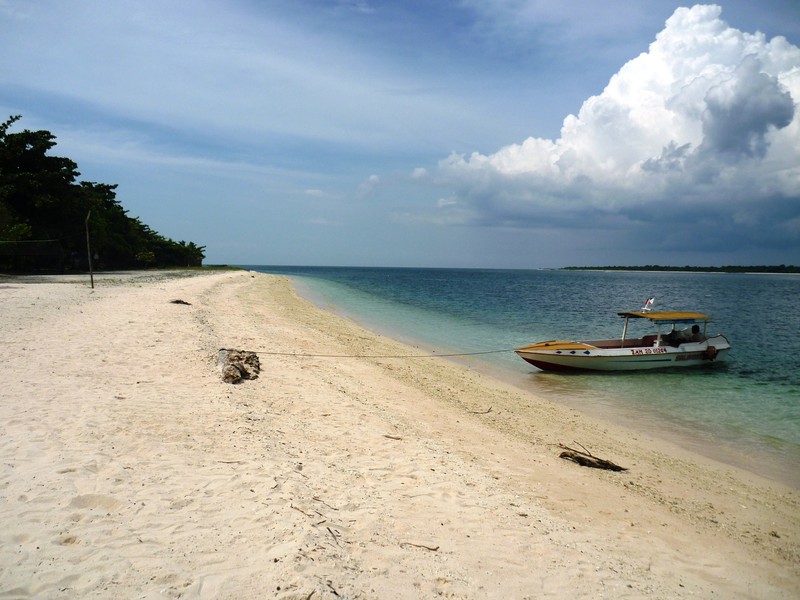
The pink shoreline is the main attraction. Visitors can walk along the beach, take photographs and watch the sand change color with the light.
The clear coastal water offers scenic views and opportunities for swimming when conditions and local rules permit. Snorkeling availability depends on the weather and the protection requirements in force.
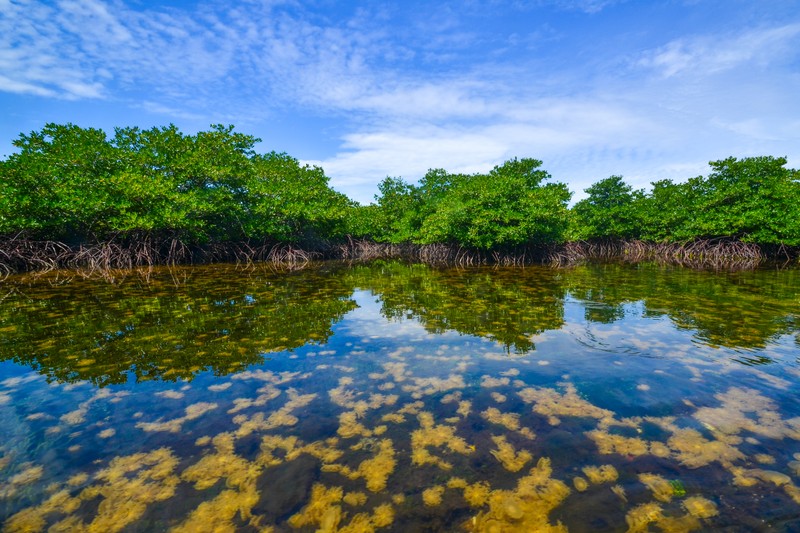
The mangrove lagoon is another natural feature of interest. Mangroves provide habitat for aquatic life and help support the coastal ecosystem. A guided lagoon visit may be available as part of an organized tour, subject to current access rules.
How to get to Pink Beach
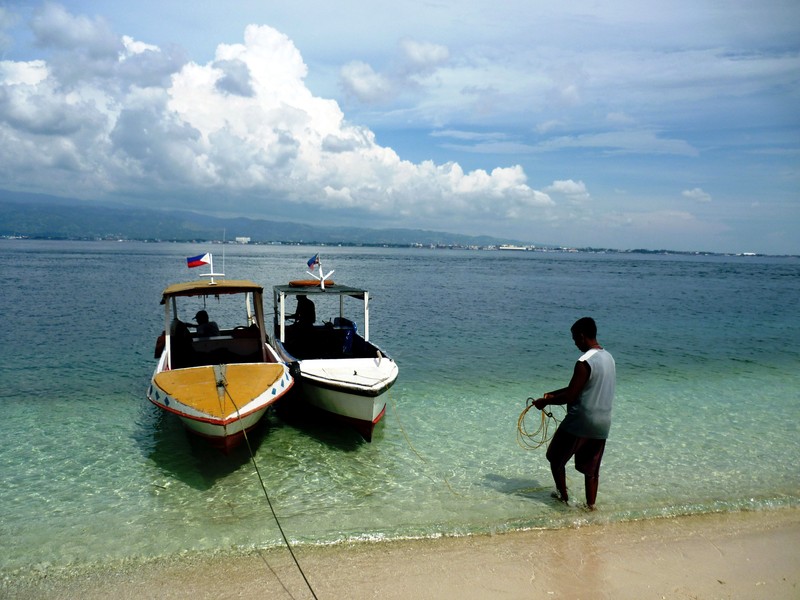
Most visits begin in Zamboanga City on Mindanao. From downtown, travel to the Paseo del Mar park and jetty, where the local tourism office coordinates island visits. A motorized boat takes around 15 minutes to reach Great Santa Cruz Island, depending on sea conditions.
Arrange the visit through the local tourism office or protected-area management. Because visitor numbers are limited, confirm availability, registration requirements and boat schedules in advance. Do not assume that you can arrive at the jetty and board without prior arrangements.
Best time to visit
A day with good weather and relatively calm seas is generally best for the crossing and beach activities. Bright natural light can make the sand’s pink tint easier to see. Check the forecast and local advisories before leaving, as boat trips may be delayed or canceled when conditions are unsafe.
Conservation rules
Great Santa Cruz is part of a protected natural area. Visitors must not take sand, shells or coral from the island. Restrictions also apply to single-use plastics, food wrappers and plastic bottles. Take rubbish with you, avoid damaging mangroves and follow staff instructions.
Practical tips for visitors
Bring sunscreen, a hat, drinking water and a waterproof phone pouch. Check in advance whether outside food is allowed and which items are prohibited. Confirm that the island is open and your visit can be accommodated before setting out.
Why visit Great Santa Cruz Pink Beach?
Great Santa Cruz Pink Beach combines unusual coral-tinted sand, clear water and mangrove habitats. It is a memorable place for photography, a peaceful coastal walk and discovering the natural environment of the southern Philippines.
Gallery