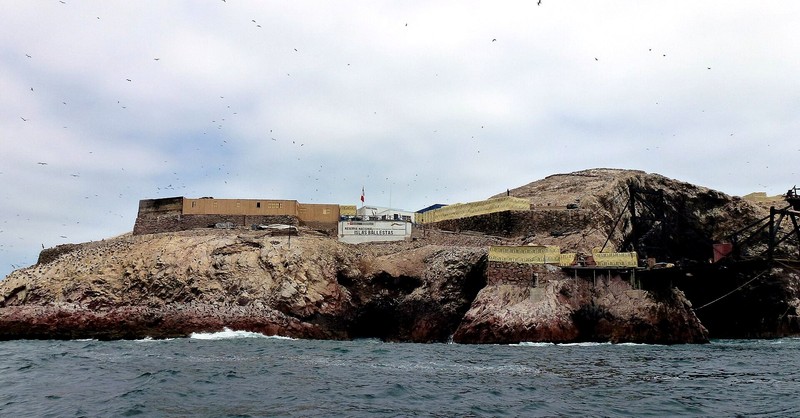
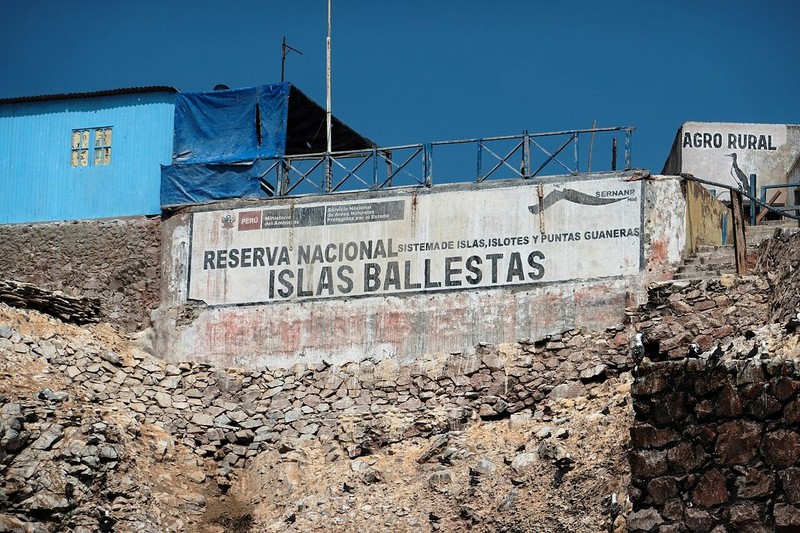
The Ballestas Islands are a small archipelago off Peru’s Pacific coast, near the town of Paracas. They are one of the region’s best-known natural attractions, drawing visitors with abundant wildlife and unusual rocky scenery. The islands are sometimes called the Galápagos of Peru, although they are much smaller and differ from Ecuador’s famous archipelago.
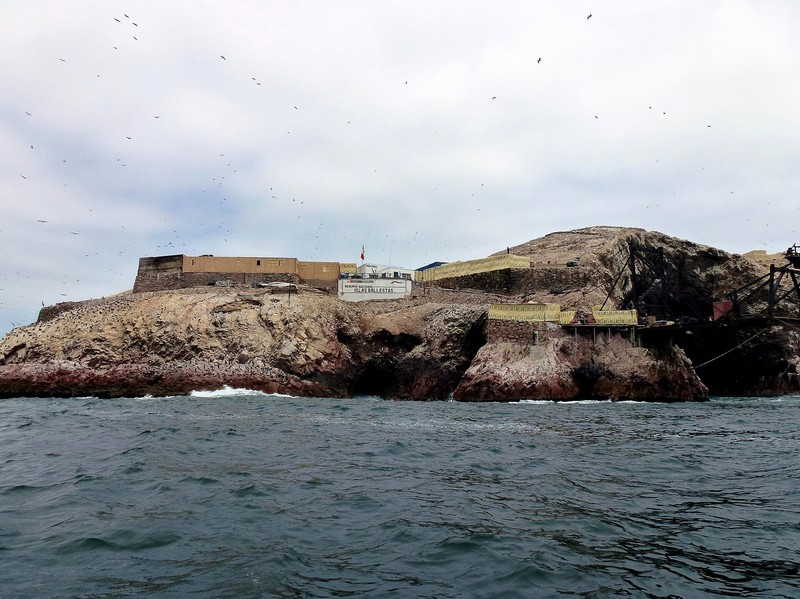
The archipelago consists of several rocky islands and small outcrops shaped by the ocean and wind. There is no regular tourist infrastructure for independent visits on land; access generally takes place through boat excursions departing from the Paracas area. This format allows visitors to observe wildlife and rock formations while helping protect the fragile environment.
Rich Wildlife
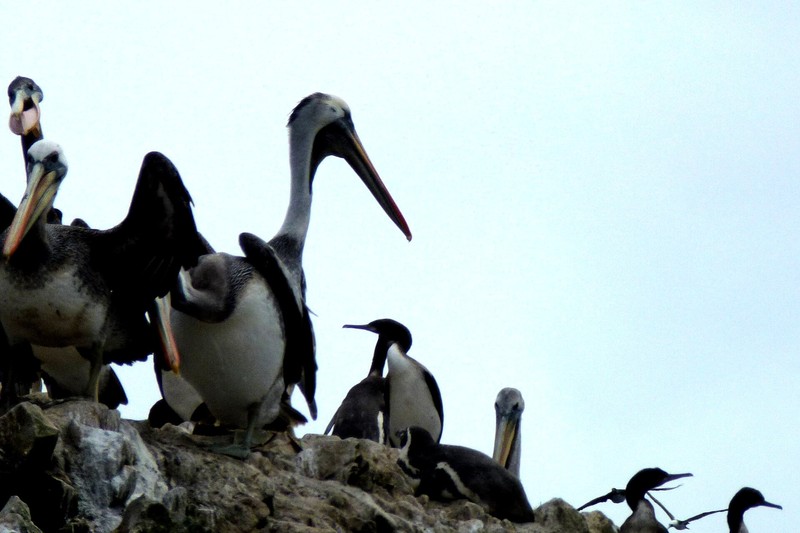
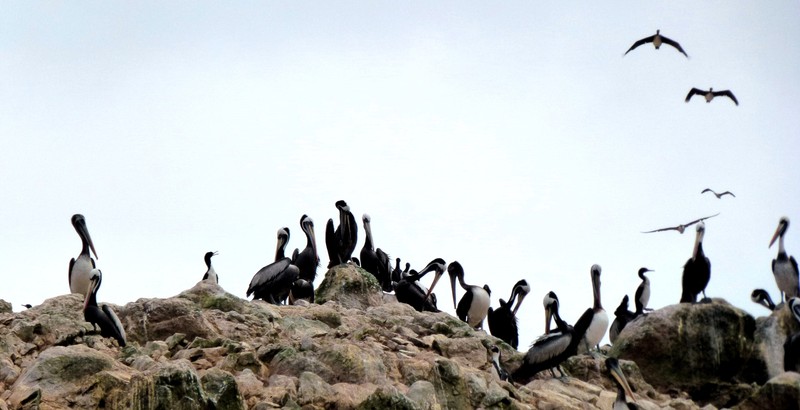
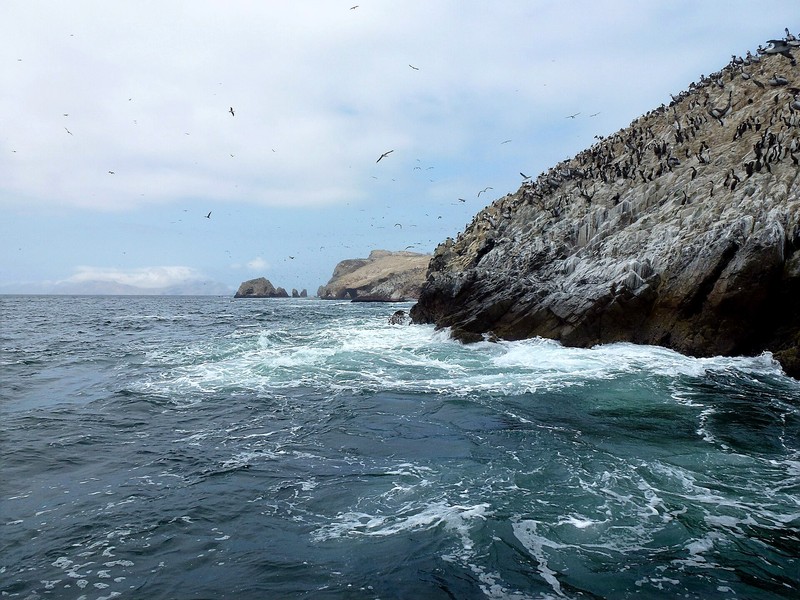
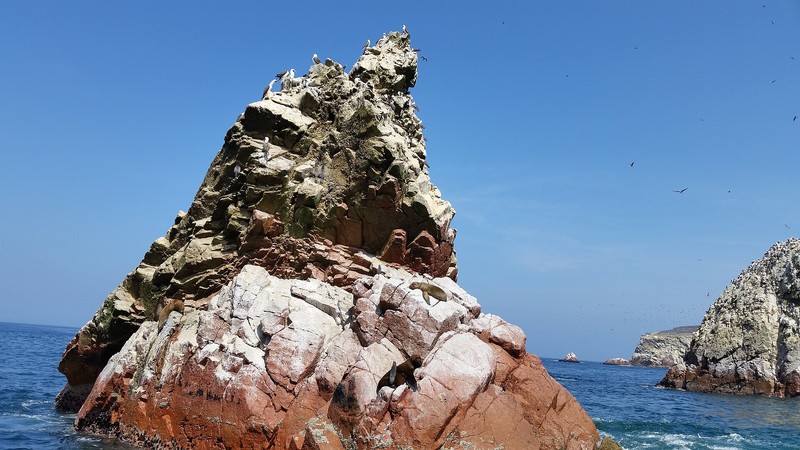
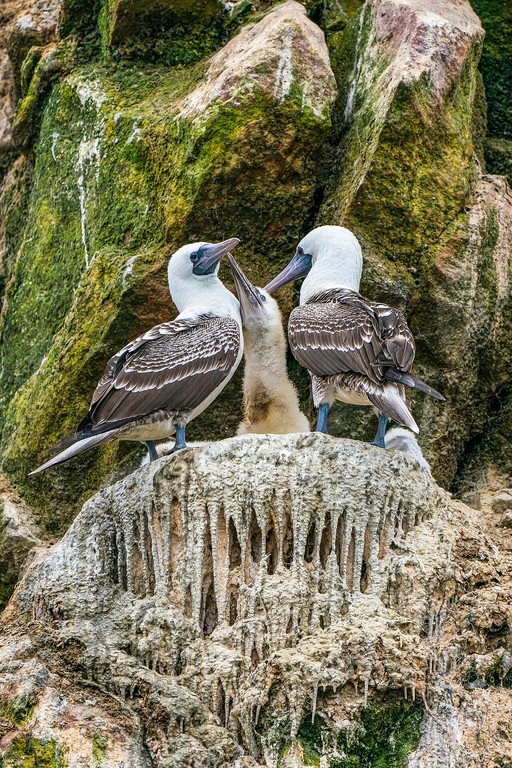
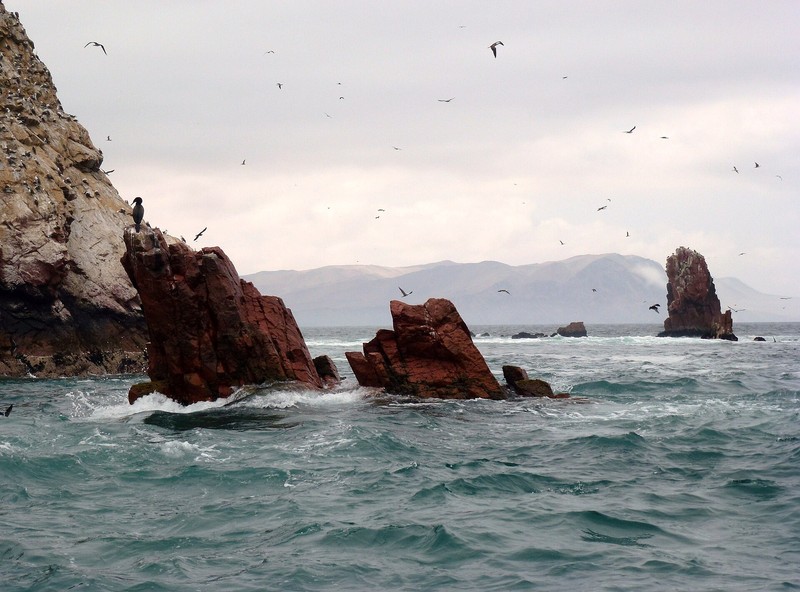
The main reason for the islands’ popularity is their large population of marine animals and birds. Peruvian boobies, cormorants, pelicans, terns, and other seabirds nest on the rocks. Depending on the season, visitors may also spot Humboldt penguins, which are adapted to the cold waters of South America’s Pacific coast.
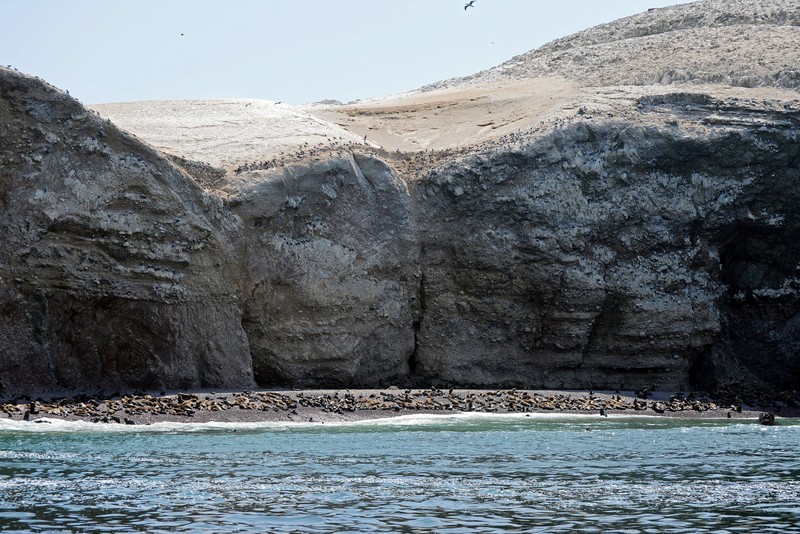
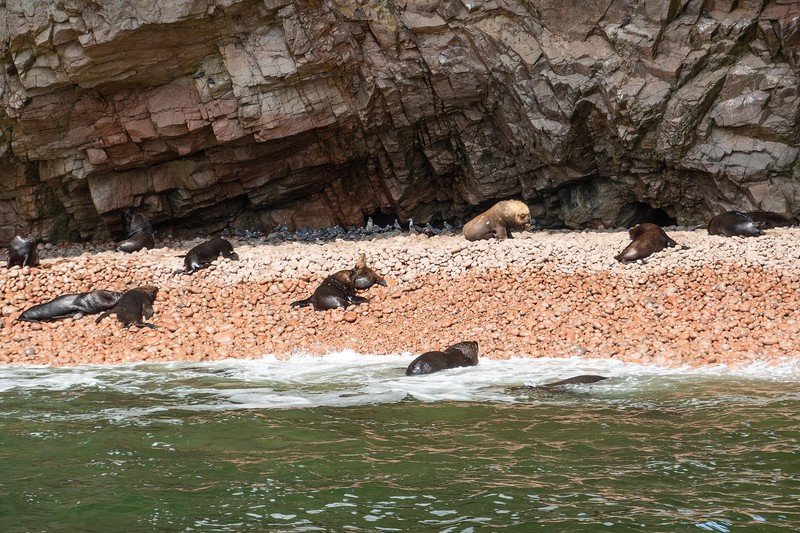
South American sea lions often rest around the islands. Dolphins sometimes appear in the water, and whales may be seen in the wider coastal region during certain seasons. Wildlife sightings depend on the time of year, sea conditions, and luck, so encounters with specific species are not guaranteed.
Boat Excursions
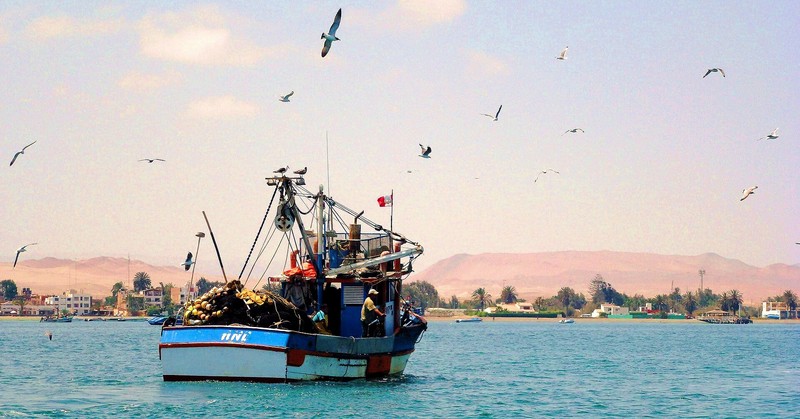
The most common way to visit the Ballestas Islands is on a motorboat tour from Paracas. Trips generally pass along the cliffs and provide opportunities to observe bird colonies and sea lions. They may also include a view of the Candelabra geoglyph on the Paracas Peninsula, depending on the route and weather. Landing on the islands is generally prohibited to protect wildlife and breeding areas.
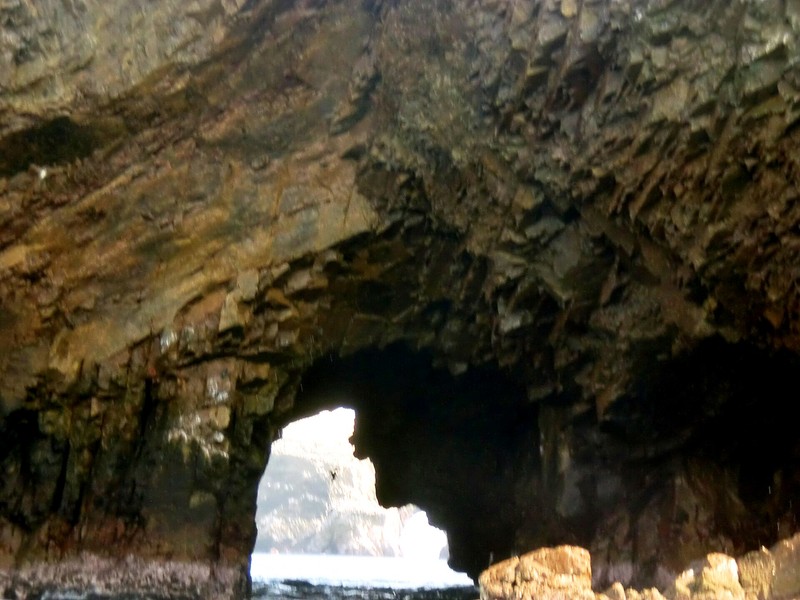
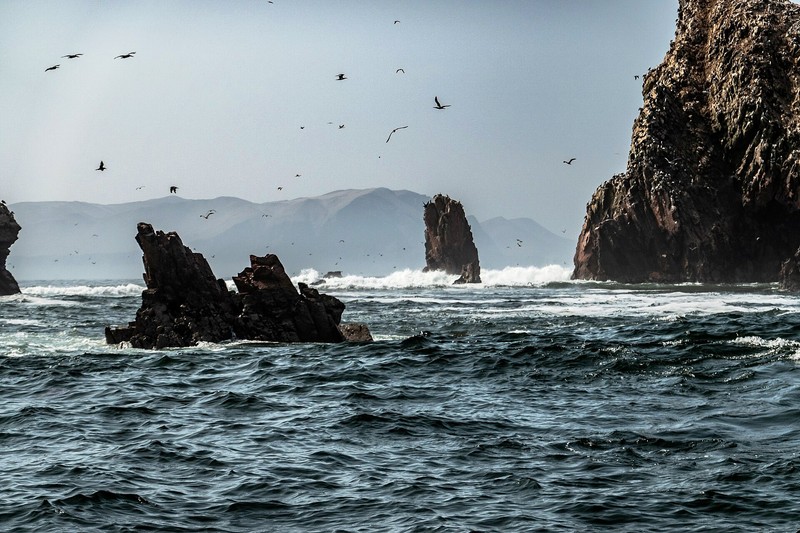
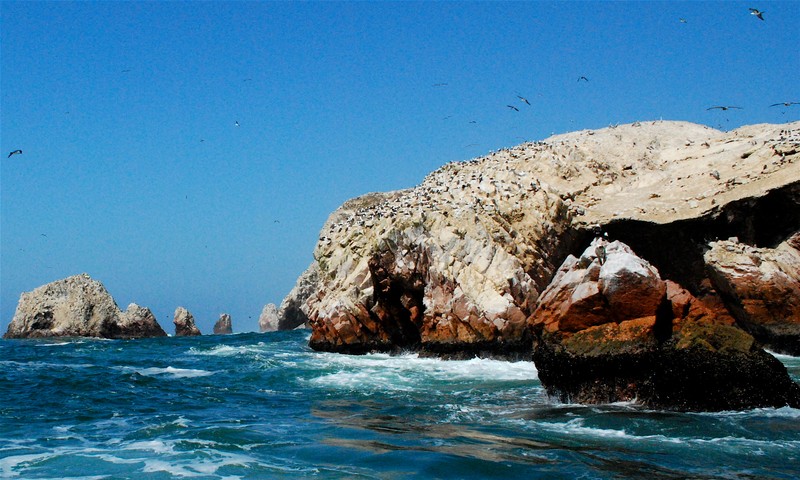
From the water, visitors can see rocky arches, caves, and steep cliffs shaped by waves. It is important to follow the crew’s instructions, avoid feeding animals, and never throw rubbish into the sea. A light waterproof jacket is useful because of the wind and sea spray.
Why So Many Birds Live Here
The islands’ rich wildlife is closely connected to the cold Peru Current, also known as the Humboldt Current. It brings nutrients into coastal waters, supporting plankton and increasing the availability of fish. Fish provide food for seabirds, penguins, and sea lions, sustaining an important food web along the Pacific coast.
In the past, the islands were important for guano extraction. This natural fertiliser, formed from seabird droppings, was a major Peruvian export during the nineteenth century. Today, the archipelago’s principal natural value lies in the protection of marine ecosystems and wildlife colonies.
Rock Formations and Geology
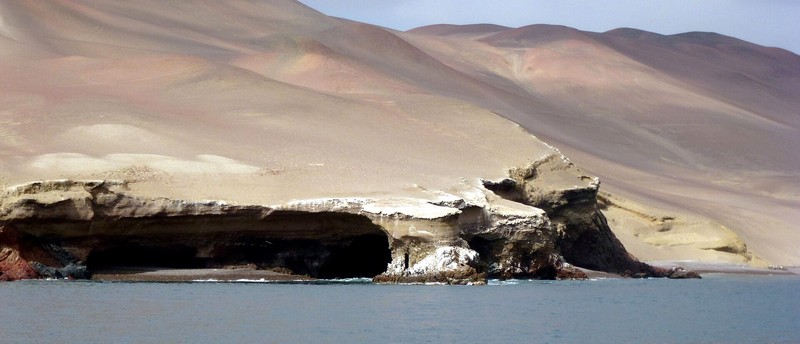
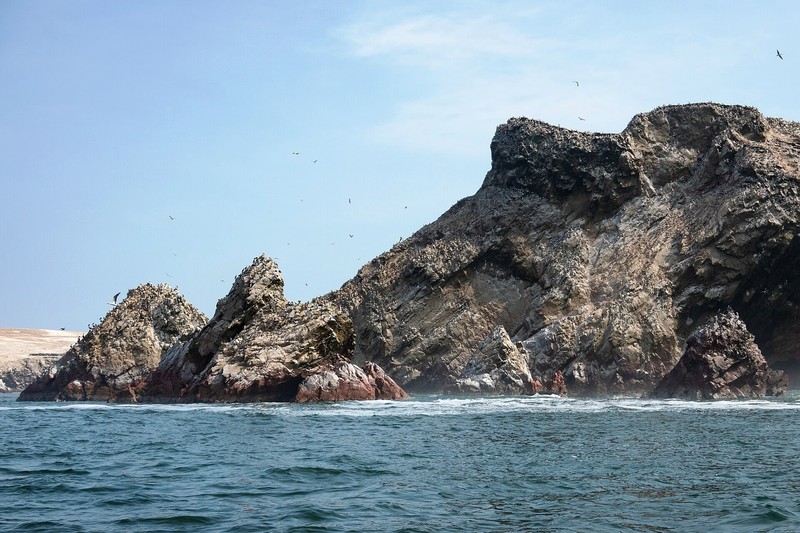
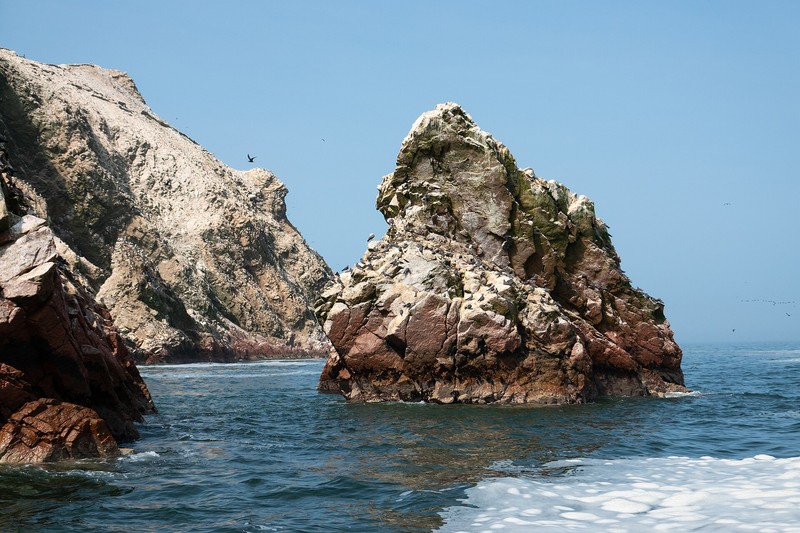
The Ballestas Islands consist of rock formations that are gradually altered by waves, wind, and sea salt. Their shores feature small coves, crevices, arches, and caves. The contrast between pale rock, dark blue ocean, and birds perched on ledges makes the archipelago particularly appealing to photographers.
During a boat trip, visitors may notice layers of rock and areas where waves continue to erode the coast. Approaching the cliffs independently or attempting to land is not permitted, as access is controlled to protect wildlife and visitor safety.
How to Get There
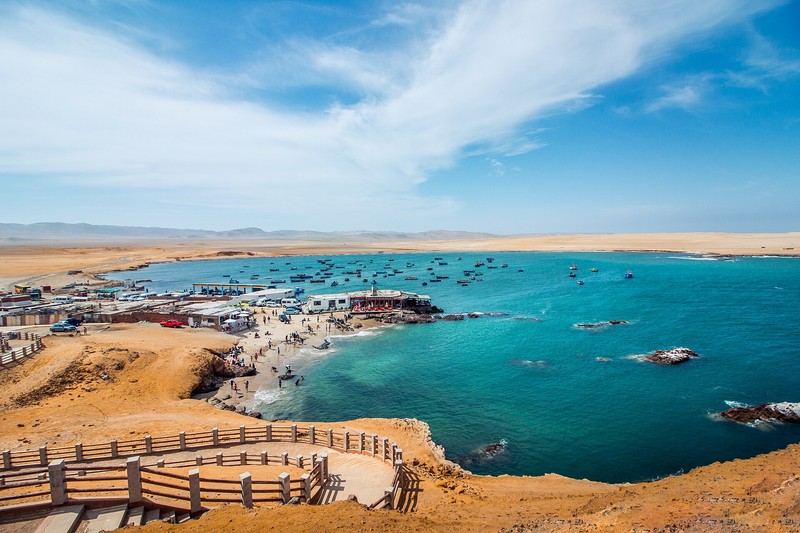
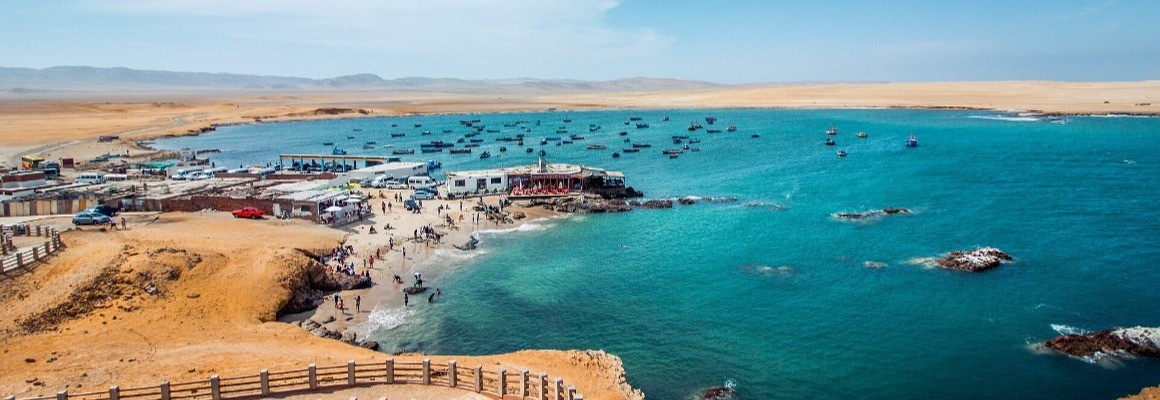
Boat excursions to the Ballestas Islands depart from the tourist town of Paracas in the Ica region. Paracas can be reached by bus or car from Lima, with the journey usually taking several hours. Many travellers combine the archipelago with a visit to Paracas National Reserve on the mainland, known for its desert scenery, red beaches, and rich wildlife.
Tours often operate in the morning, when sea conditions may be more favourable, but schedules depend on the weather and local authorities. Strong waves or other adverse conditions can lead to delays or cancellations. Check departure times and safety requirements with the tour operator before travelling.
Best Time to Visit
The islands can be visited throughout the year when weather and sea conditions allow. Wildlife can be observed in different seasons, but the number and variety of birds may change. Morning trips are popular for their softer light and often calmer conditions, although calm seas cannot be guaranteed.
Bring sunscreen, a hat, drinking water, and a light windproof jacket. If you are prone to seasickness, consider preparing for the boat ride in advance. The most important rule is to observe animals from a distance and avoid disturbing their natural environment.
The Ballestas Islands offer a remarkable glimpse of Peru’s marine life in a single excursion. Their rocky shores, noisy bird colonies, sea lions, and cold Pacific waters make this archipelago one of the most memorable natural attractions on the country’s southern coast.
Gallery