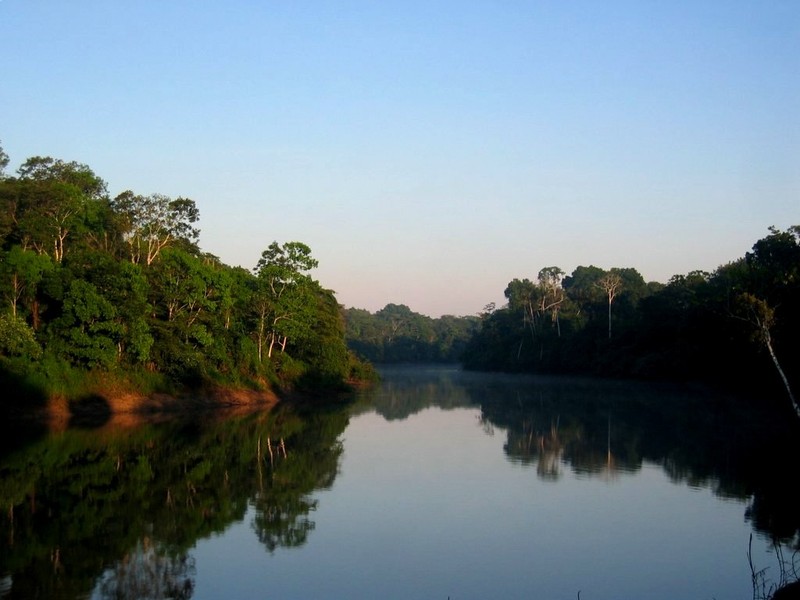
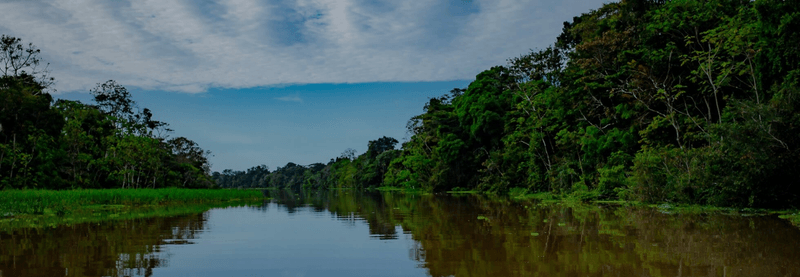
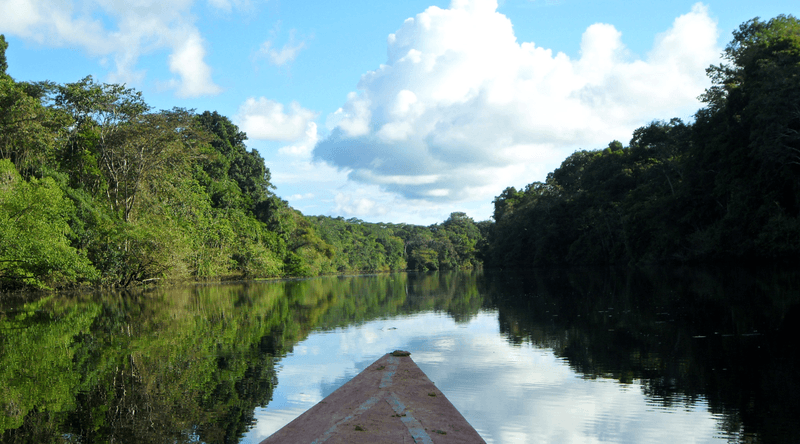
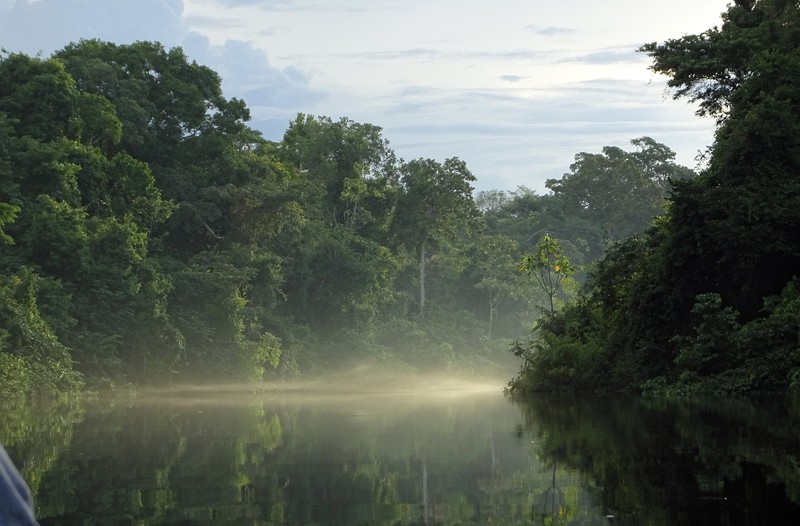
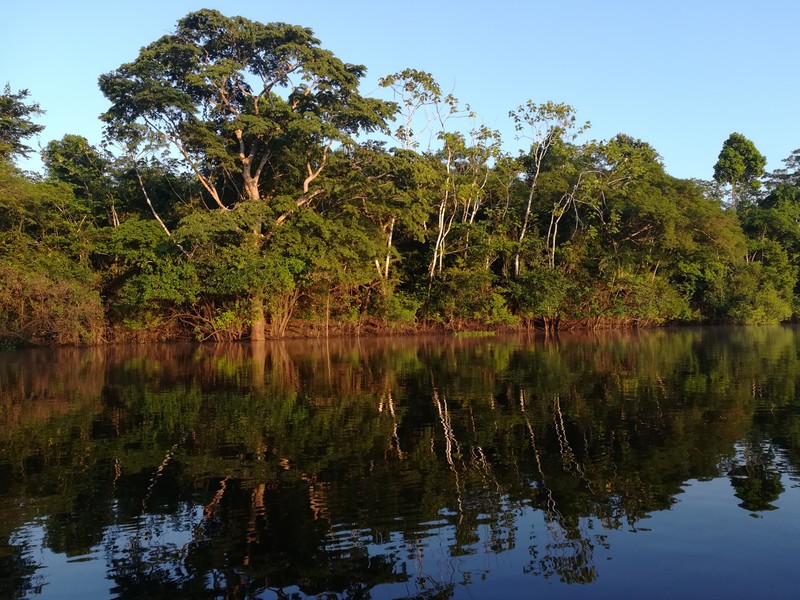
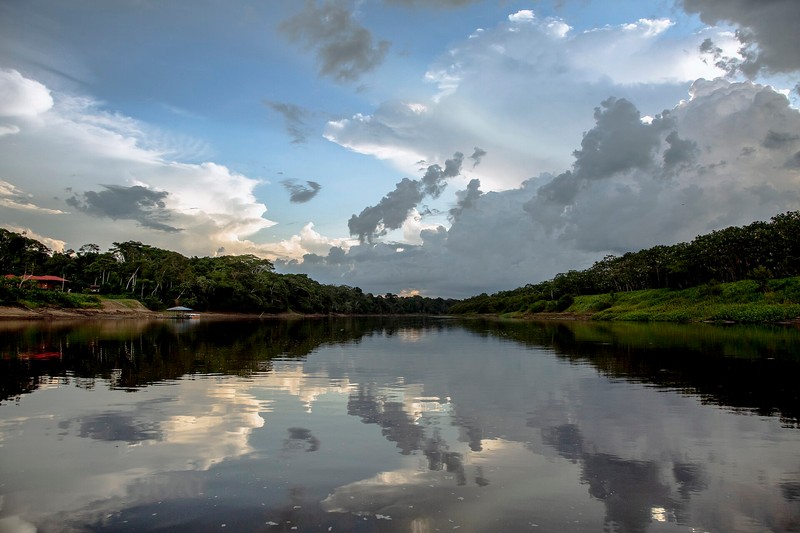
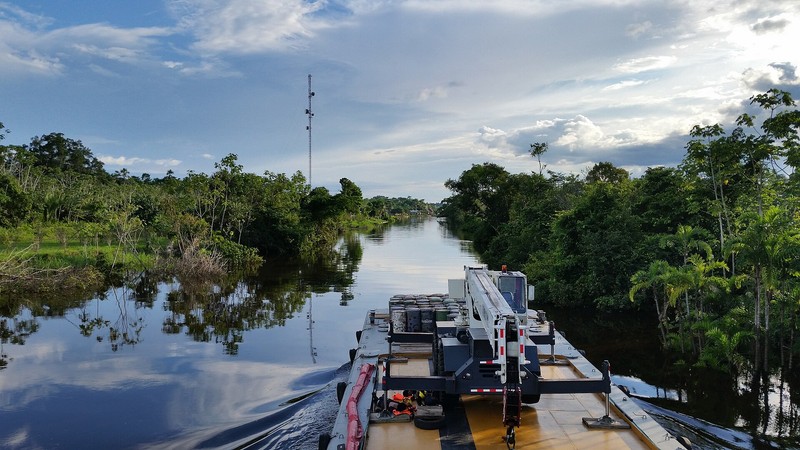
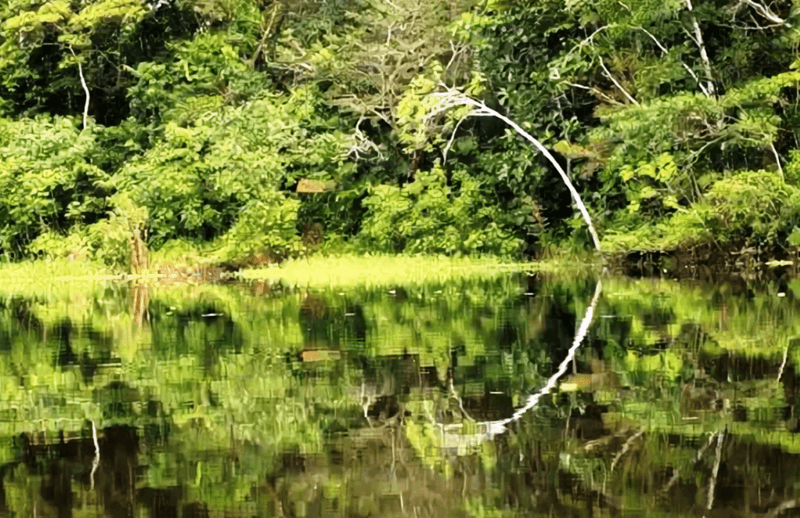
Pacaya-Samiria National Reserve is one of Peru’s largest protected natural areas, located in the Amazonian region of Loreto. Covering approximately 2,080,000 hectares, it is a world of tropical rainforest, winding rivers, wetlands and quiet lakes whose waters mirror the dense green canopy. These striking reflections have earned the reserve the nickname “the jungle of mirrors.”
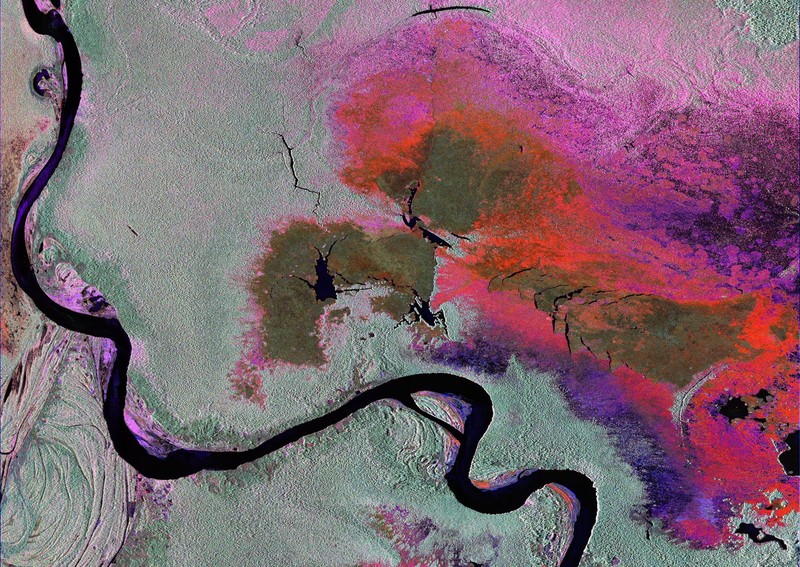
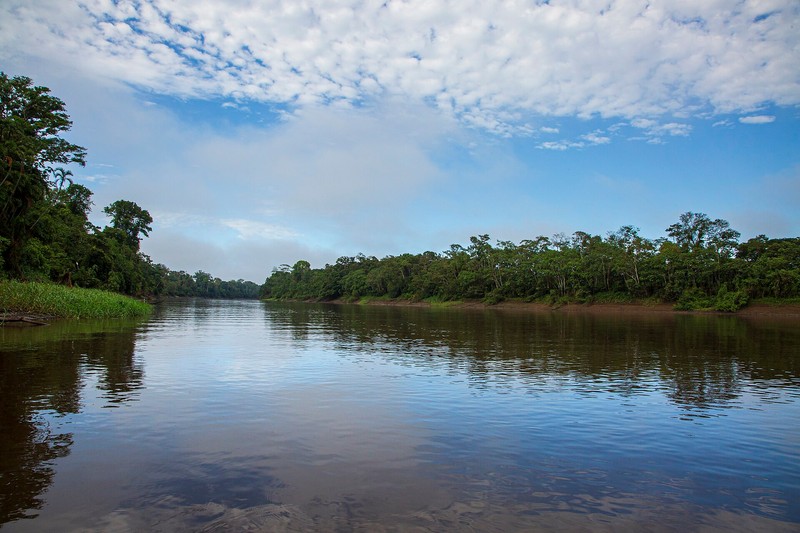
The reserve lies in the Amazon Basin, near the Marañón and Ucayali rivers, whose confluence forms the Amazon River. Large areas are seasonally flooded, transforming the forest landscape into an expanse of waterways. Plants and animals have adapted to these recurring floods, and the reserve plays an important role in protecting Amazonian ecosystems and regional biodiversity.
Unique nature and biodiversity
Pacaya-Samiria is renowned for its rich flora and fauna. According to Peru’s protected-area authority, the reserve is home to more than a thousand vertebrate species, hundreds of bird, fish, amphibian and reptile species, and hundreds of wild plant species. This diversity makes it one of the country’s most compelling destinations for wildlife observation.
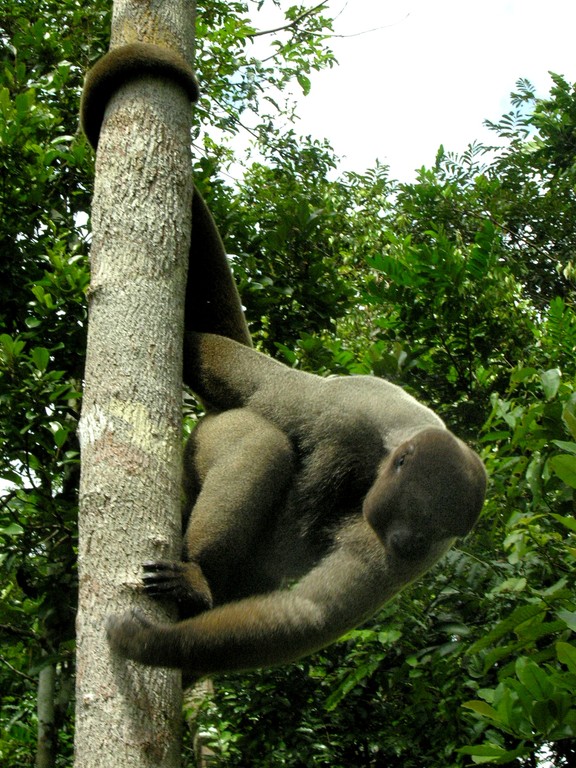
Its rivers and lakes support Amazon river dolphins, including pink river dolphins, caimans, taricaya turtles and large freshwater fish such as the arapaima, known locally in Peru as paiche. Different monkey species, colourful parrots and macaws, and many other birds inhabit the forests. Sightings depend on the season and route, so seeing a particular animal is never guaranteed.
A special role is played by aguaje palm forests. Their fruits feed many animals and are also used by local communities. These forests provide food and shelter for caimans, anacondas, tapirs, macaws and other inhabitants of flooded landscapes. Protecting them is important for biodiversity and carbon storage in tropical ecosystems.
Rivers, lakes and flooded forests
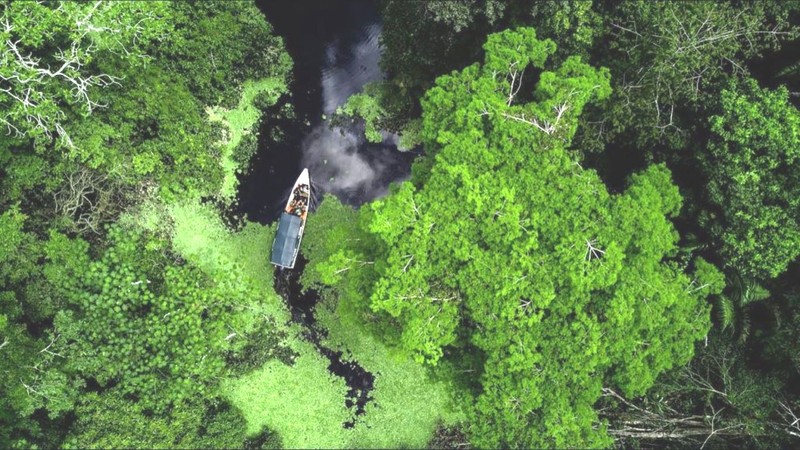
The defining feature of Pacaya-Samiria is its ever-changing water landscape. During high water, boats can travel through areas of forest that become dry land or narrow channels in lower-water periods. Water, trees and reflections of clouds create the extraordinary scenery that draws visitors to this remote corner of the Amazon.
One of the best-known visitor areas is the Yanayacu-Pucate river basin. Routes pass through flooded forest, small channels and lakes, with opportunities to observe birds and other wildlife. Visitors can explore the surroundings of the Yarina community and learn about local ways of life.
Cocha El Dorado, in the Yanayacu-Pucate basin, is another highlight. It is known for its natural scenery, bird and caiman watching, and conservation initiatives led by local communities. Residents participate in sustainable resource management and the protection of species such as paiche and taricaya turtles.
The Pacaya and Samiria rivers are also rewarding places to explore. Their banks reveal forest, channels, small lakes and a wide variety of birds. Depending on the season, visitors may see monkeys, macaws, waterbirds, caimans and river dolphins. Other parts of the reserve include the Tibilo-Pastococha route, where visitors travel in small boats and can take guided walks along approved trails.
Things to see and do
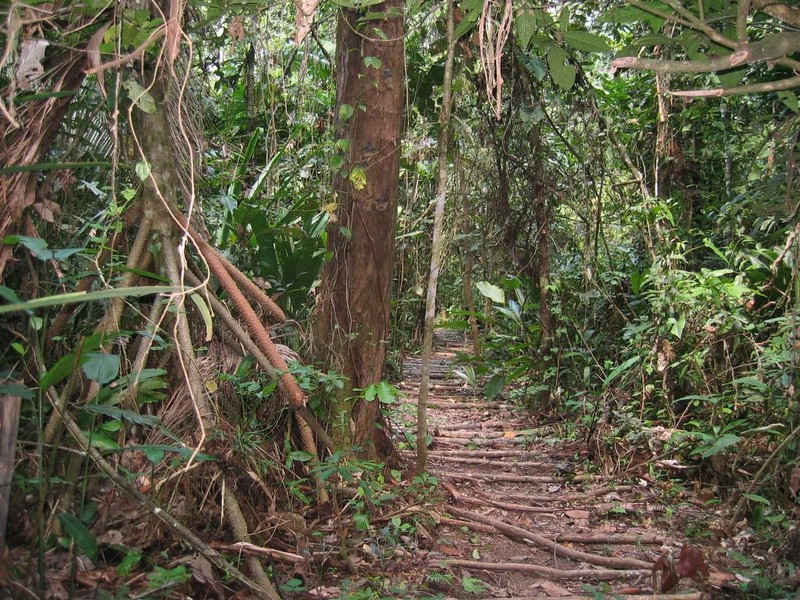
The main way to experience Pacaya-Samiria is by boat along its rivers and lakes. Water-based excursions reveal flooded forests and provide opportunities to watch birds and look for animals along the banks. Some areas offer walks on established trails, night trips to observe caimans and visits to local settlements. Wildlife watching should always be conducted without disturbing animals.
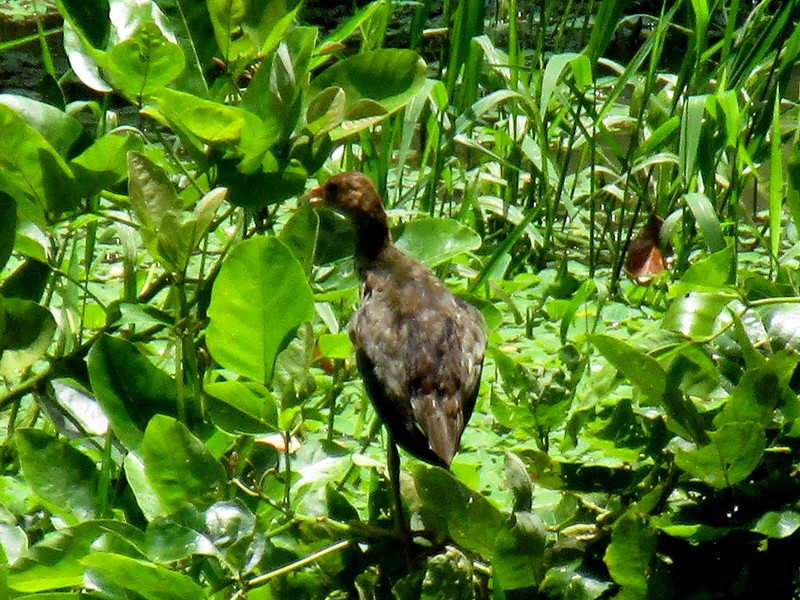
Birdwatchers and photographers come for the chance to see many species, including cormorants, herons, parrots and macaws. Depending on the route, it may also be possible to observe river dolphins, monkeys and other rainforest inhabitants. Travellers interested in ecotourism can learn about community projects that combine nature conservation with sustainable use of local resources.
A visit also offers opportunities to learn about the cultures of Amazonian communities. Some communities offer guided visits, handicraft experiences and explanations of traditional resource management. Local people take part in sustainable fishing, turtle conservation and forest management programmes, helping support livelihoods while encouraging environmental protection.
How to reach the reserve
A common journey begins in Iquitos, which is usually reached by air from Lima. From Iquitos, it takes about two hours by road to reach the town of Nauta. The journey then continues by water, using a motorboat or speedboat to reach the chosen entrance to the reserve. Travel times vary according to the sector, water levels and type of boat.
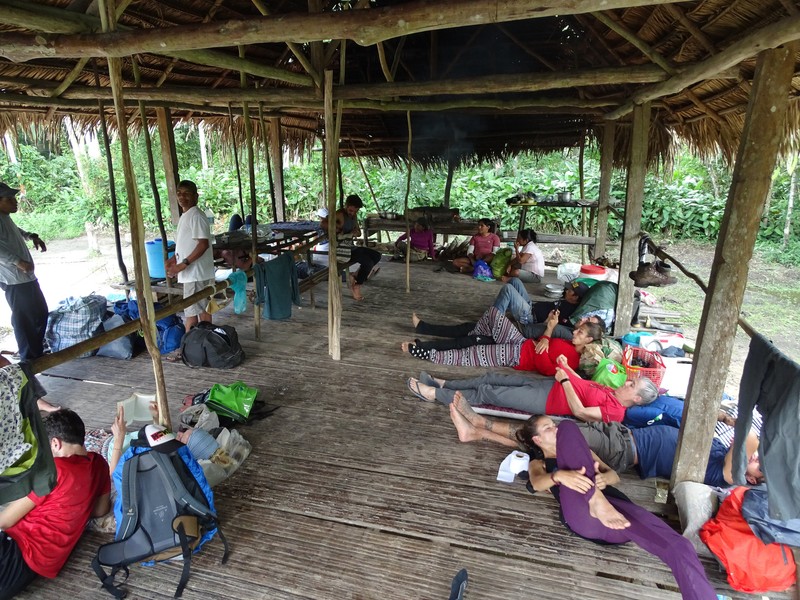
Popular visitor areas include the Yanayacu-Pucate basin, Cocha El Dorado, the Pacaya and Samiria rivers, and Tibilo-Pastococha. Some routes can be explored on a day trip, while others require several days and overnight stays in lodges or organised camps. Transport, accommodation, meals and guides for remote areas should be arranged in advance.
Visits must be organised through tour operators or local tourism groups authorised by Peru’s protected-area authority, SERNANP. Before travelling, check current entry rules, permit fees, route access and accommodation arrangements.
Best time to visit
The official recommended visiting season is May to September. The climate is hot and humid, with temperatures generally around 26–35°C. The rainy season mainly runs from October to April, although actual conditions vary from year to year.
Seasonal water levels shape the experience. During flooding, boats can travel farther into the forest, revealing unusual scenery and making some waterways easier to navigate. As water levels fall, some animals and waterbirds may gather closer to rivers and lakes, and certain places become easier to observe from the banks. However, travel through shallow channels can sometimes take longer.
Travel tips
Bring lightweight long-sleeved clothing, a hat, sunscreen, insect repellent, waterproof protection for electronics and comfortable footwear. Binoculars and a moisture-protected camera are useful. Always wear a life jacket while travelling by boat and remain on authorised trails when on land.
Follow ranger instructions, register at control posts and keep a safe distance from wildlife. Do not pick plants, leave rubbish or disturb animals while they are feeding, breeding or moving through the forest. Taricaya turtles lay eggs on sandy riverbanks during certain months, so these areas require particular care. The reserve also restricts single-use plastics.
Conservation and the importance of the reserve
Pacaya-Samiria protects vast areas of Amazonian forest, wetlands and river ecosystems. These habitats shelter vulnerable wildlife, support natural cycles and help preserve the traditional livelihoods of local communities. Sustainable fishing, turtle conservation and responsible forest-resource management are important parts of protecting the reserve.
Pacaya-Samiria National Reserve is an excellent destination for travellers who want to explore the Amazon beyond its major towns, navigate flooded forests and observe wildlife in its natural habitat. It calls for respect for the environment and rewards visitors with a rare sense of the scale and fragility of one of the planet’s richest ecosystems.
Gallery