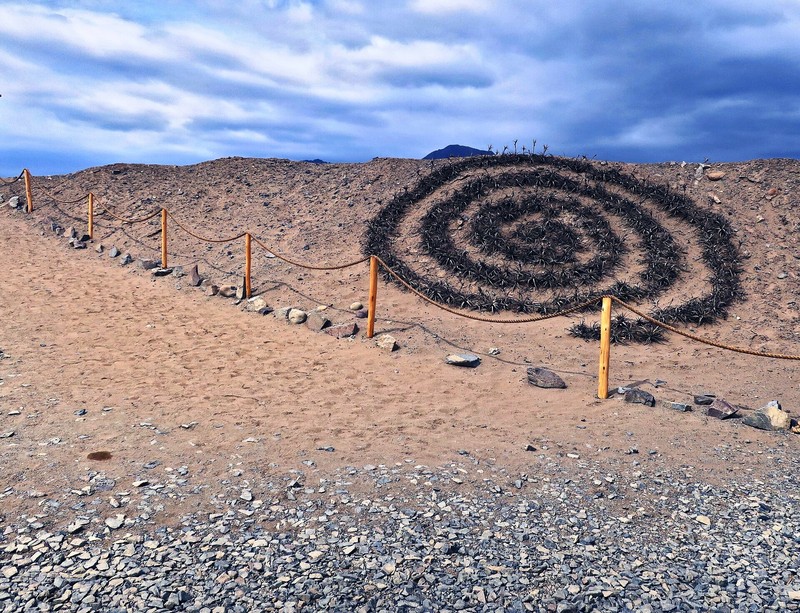
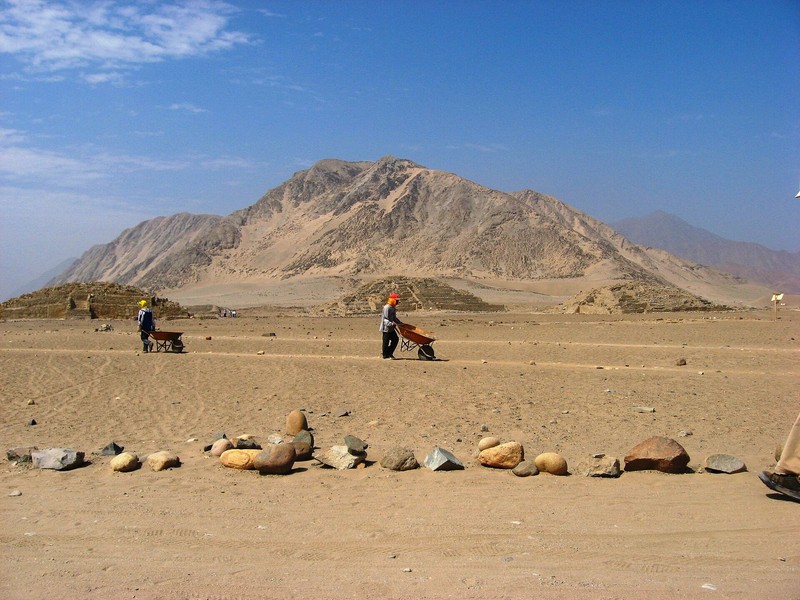
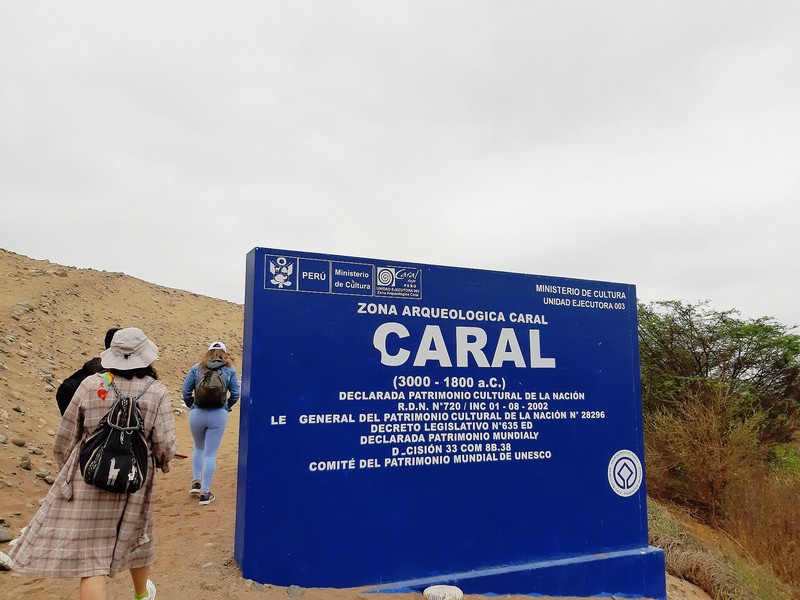
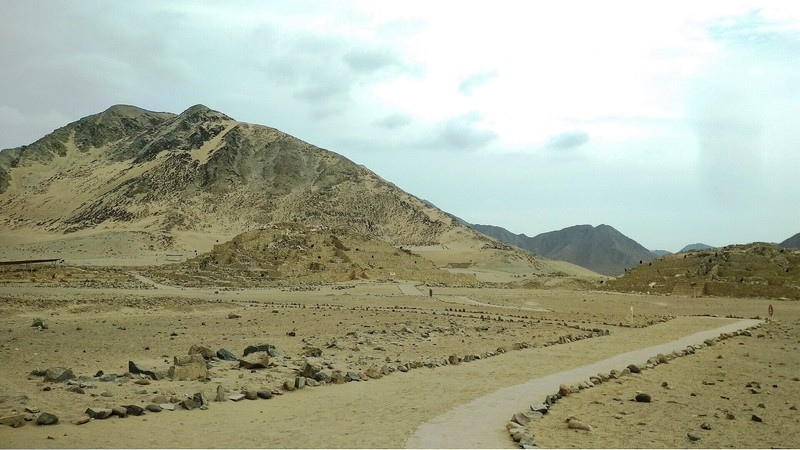
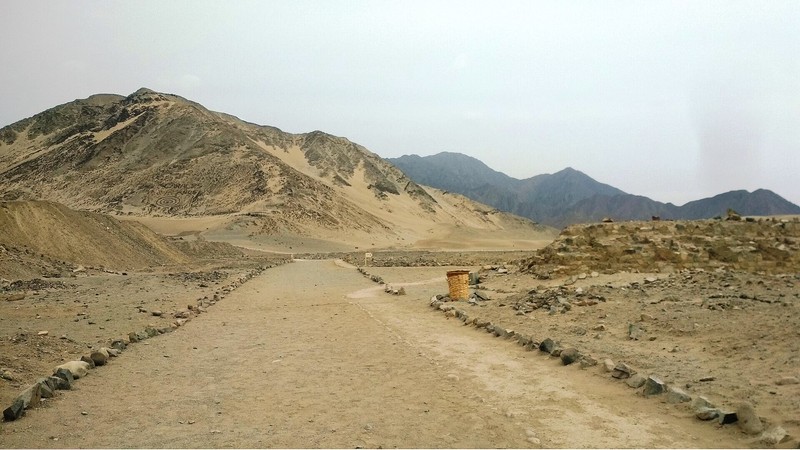
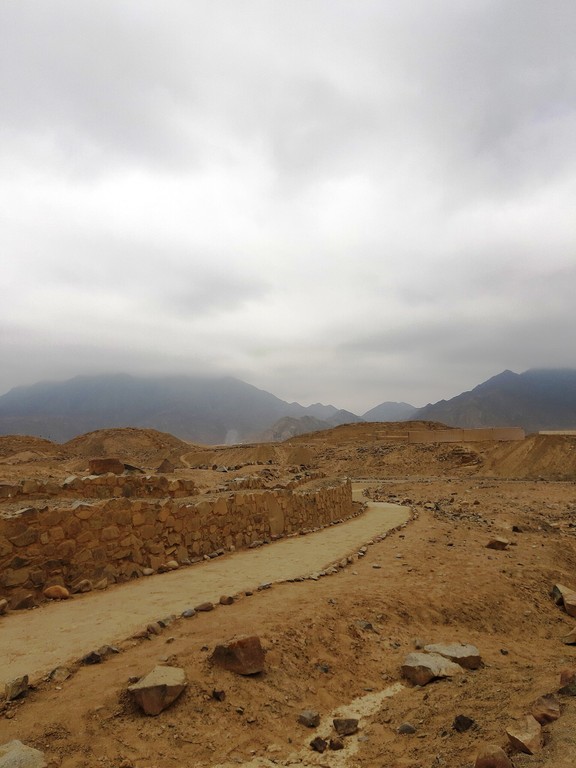
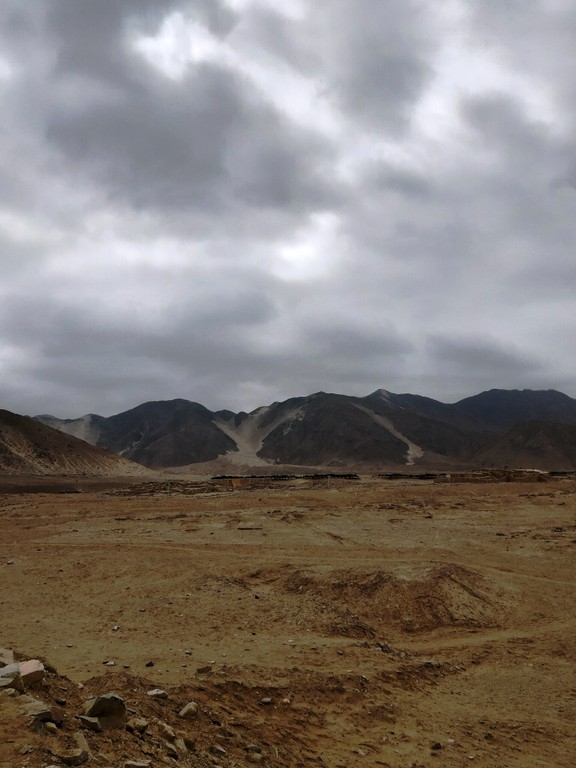
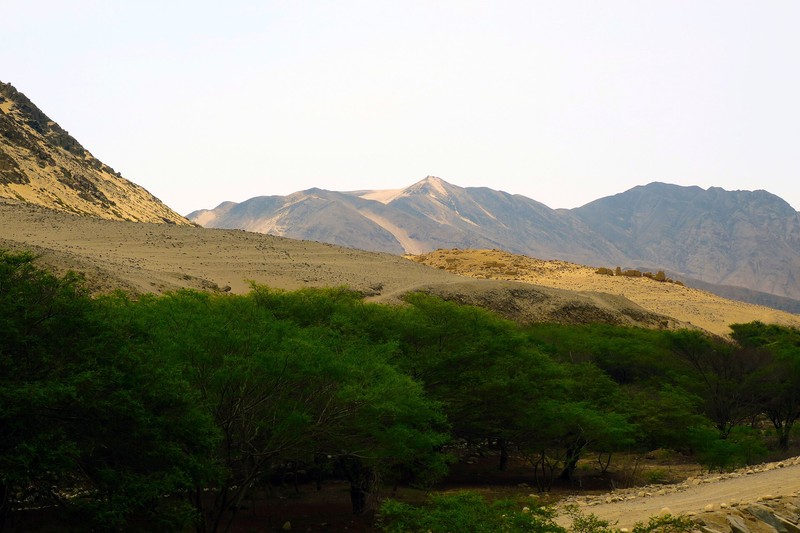
Caral is an ancient archaeological city in Peru and one of the earliest known centres of civilization in the Americas. It lies in the Supe River Valley in the Lima region, amid the dry landscapes of Peru's Pacific coast. The city developed around 3000–1800 BCE, long before the Inca Empire and Machu Picchu. Monumental pyramids, sunken circular plazas, and carefully planned urban spaces make Caral a remarkable site in the ancient history of Peru. In 2009, the Sacred City of Caral-Supe was inscribed on the UNESCO World Heritage List.
History of the ancient city of Caral
Caral emerged during the Late Archaic period of the Central Andes. A complex society developed in the Supe Valley, capable of organising large construction projects, agriculture, exchange, and public ceremonies. Caral was not an isolated settlement but a major centre within a wider network of communities linked by cultural and economic relationships.
Pyramids and monumental architecture
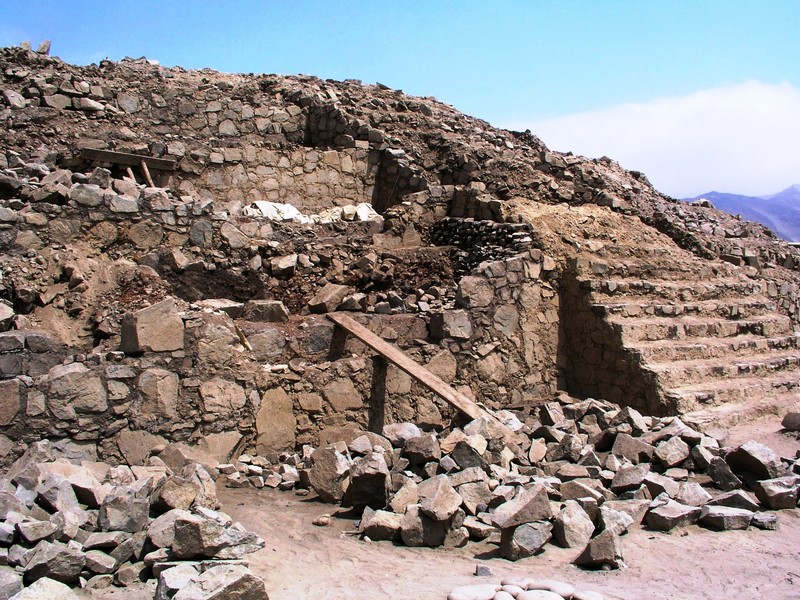
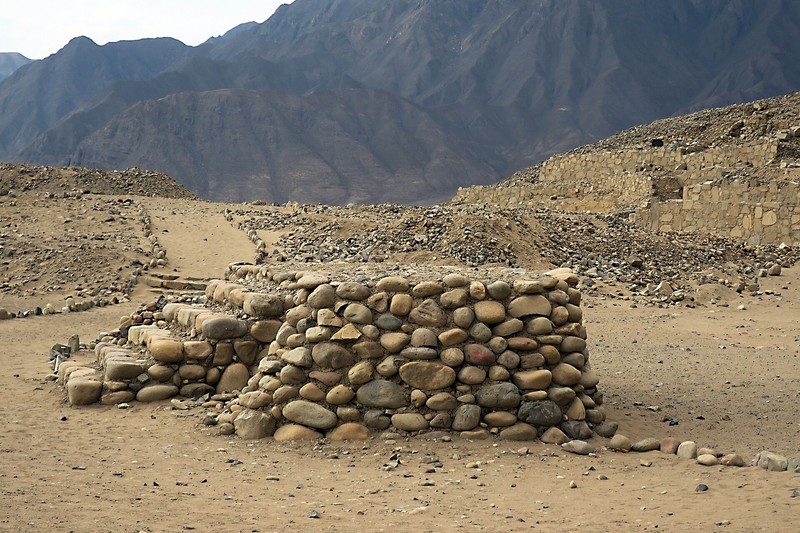
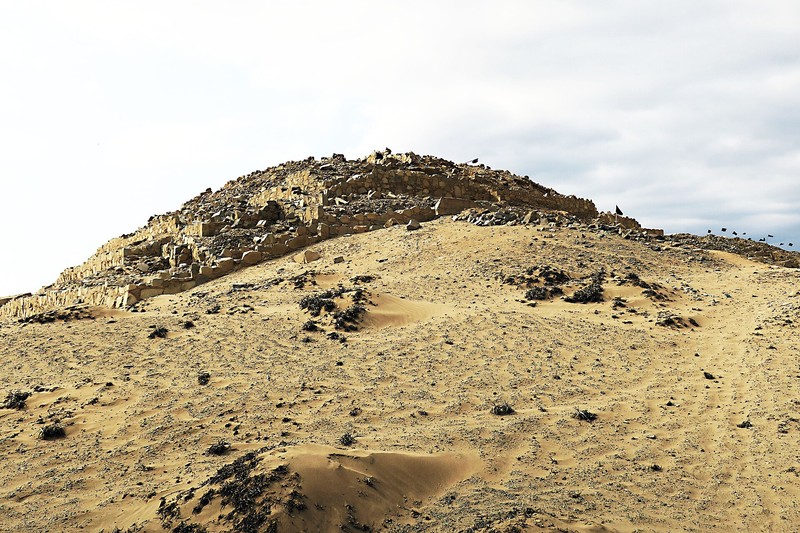
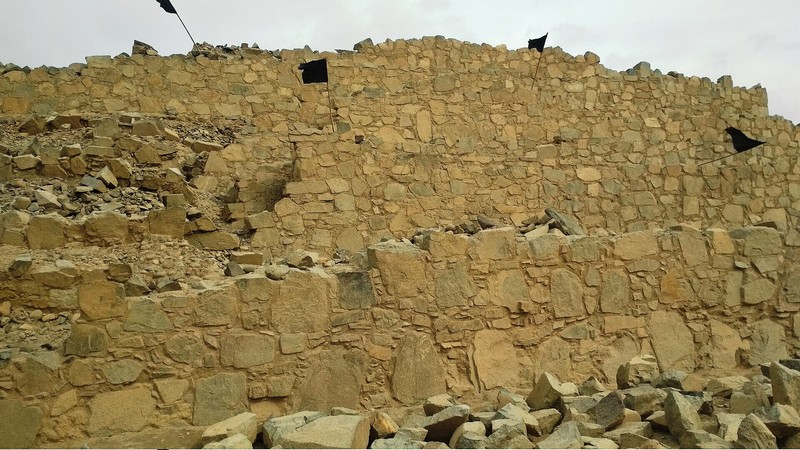
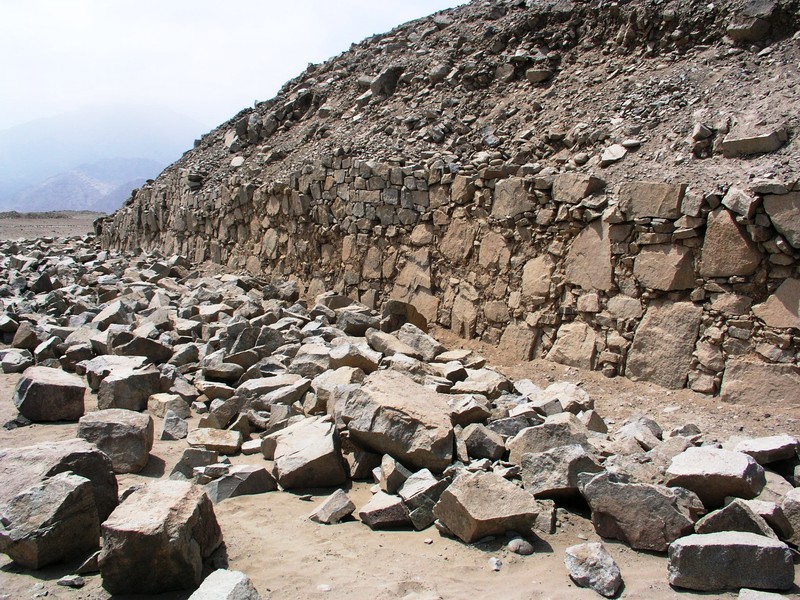
Caral is best known for its large platform mounds, often described as ancient pyramids. The archaeological complex contains six major pyramidal structures, open plazas, and public buildings. Builders used stone, earth, and materials bound with clay mortar. Constructing these monuments required coordinated labour, planning, and a high degree of social organisation.
Sunken circular plazas and ceremonies
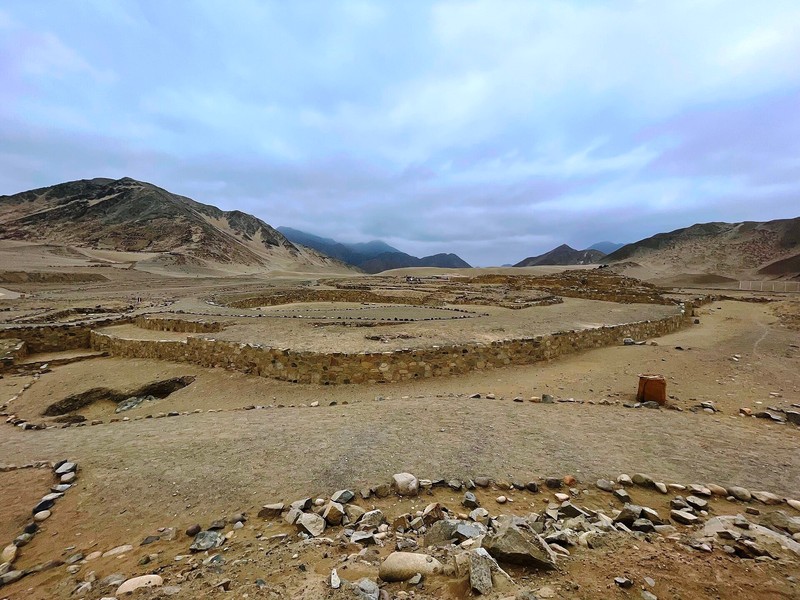
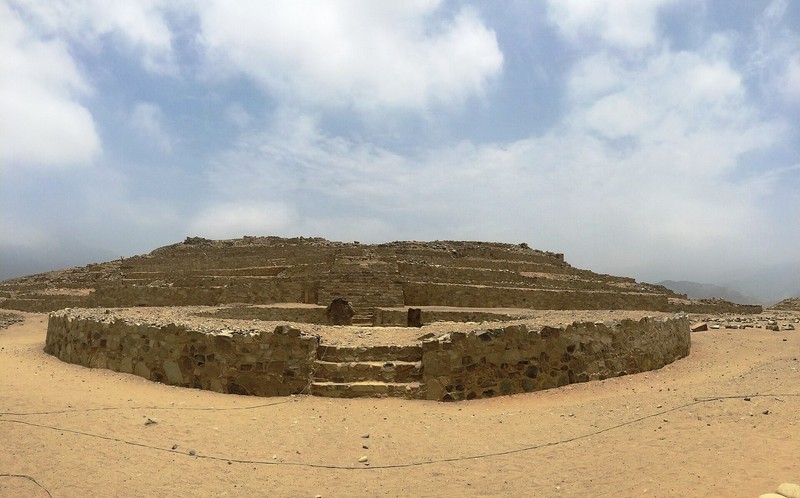
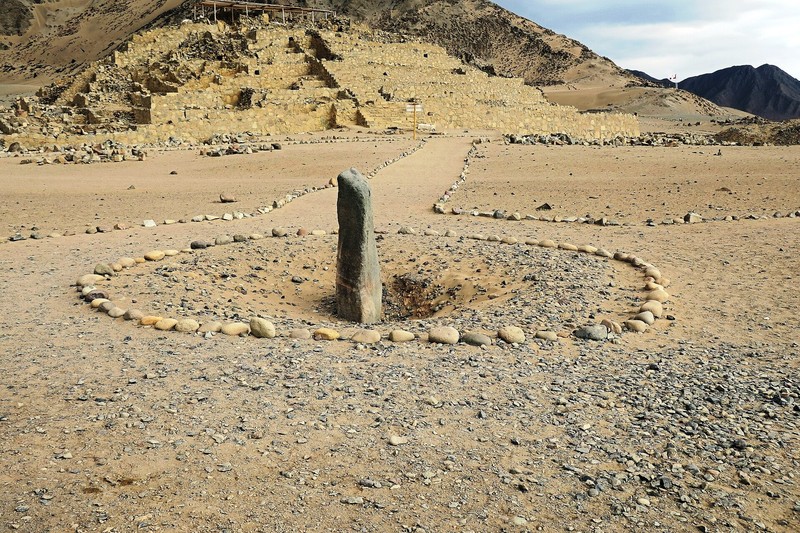
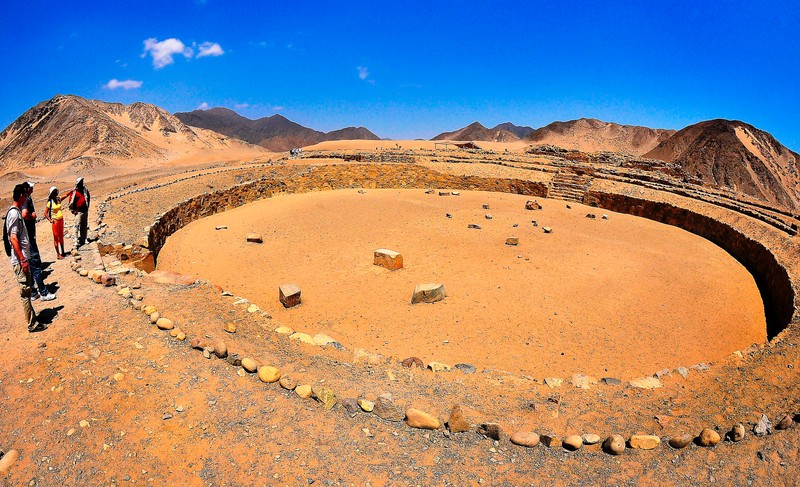
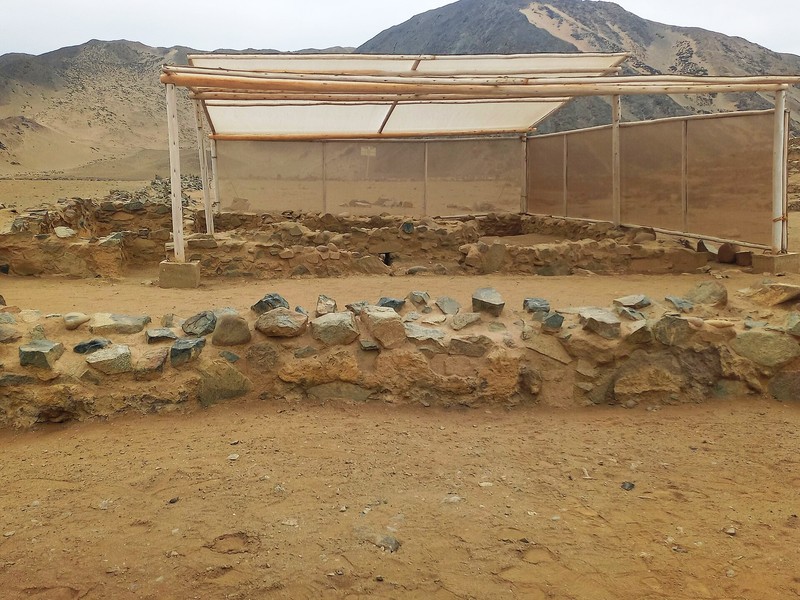
One of Caral's most distinctive features is its circular plazas, set below the surrounding ground level. Located near the large platforms, these spaces are associated with public and ceremonial activities. The arrangement of plazas, stairways, and platforms shows that the city was designed as an integrated architectural complex.
Daily life and the economy
Caral's inhabitants included farmers, fishers, craftspeople, and people involved in organising community life. Agricultural products came from the Supe Valley, while coastal settlements supplied fish and other marine resources. Exchange between different ecological zones helped sustain the population in a dry environment.
Quipu and ancient knowledge
An important find associated with Caral is a quipu, a system of knotted cords also known from later Andean civilizations. The discovery suggests that people may have used methods to record or communicate information. The exact purpose of the early quipu remains under study, so it should not automatically be described as a fully developed writing system.
Archaeological research and UNESCO status
Modern research has transformed understanding of ancient Peru. Archaeological work, including studies led by Peruvian archaeologist Ruth Shady from the 1990s onward, helped establish Caral's age and complex urban layout. In 2009, the site became a UNESCO World Heritage Site in recognition of its outstanding importance to the history of architecture and early civilization in the Americas.
Where Caral is and how to visit
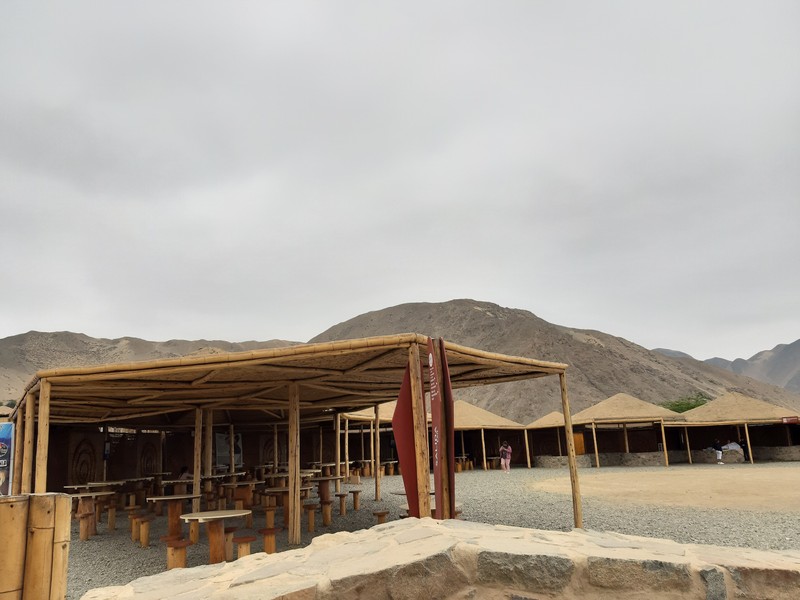
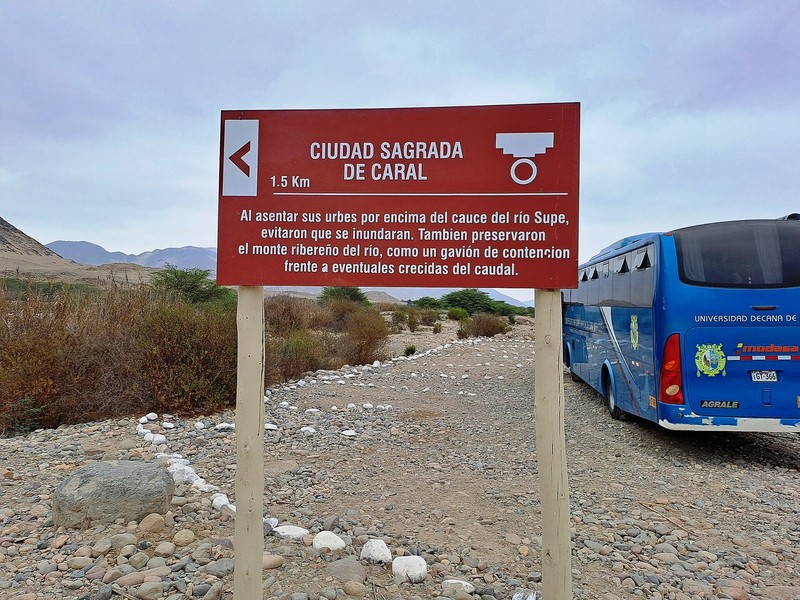
The archaeological complex lies in the Supe Valley, in Barranca Province in the Lima region, north of the Peruvian capital. Visitors usually plan a trip from Lima, with journey times depending on the route and transport conditions. At the site, they can explore pyramid structures, sunken circular plazas, residential remains, and the overall urban plan. Bring drinking water, a hat, comfortable shoes, and sun protection.
Why visit Caral?
Caral demonstrates that complex urban life existed in the Americas around five thousand years ago. Its pyramids, plazas, and public buildings reveal a society capable of organising construction, exchange, and the use of natural resources. For travellers interested in archaeology, ancient civilizations, and Peruvian history, Caral offers a window into one of the continent's earliest chapters.
Gallery