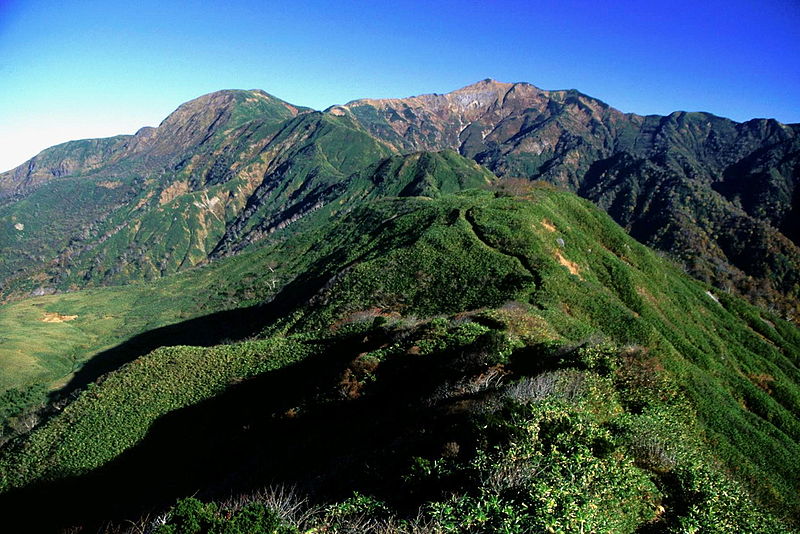
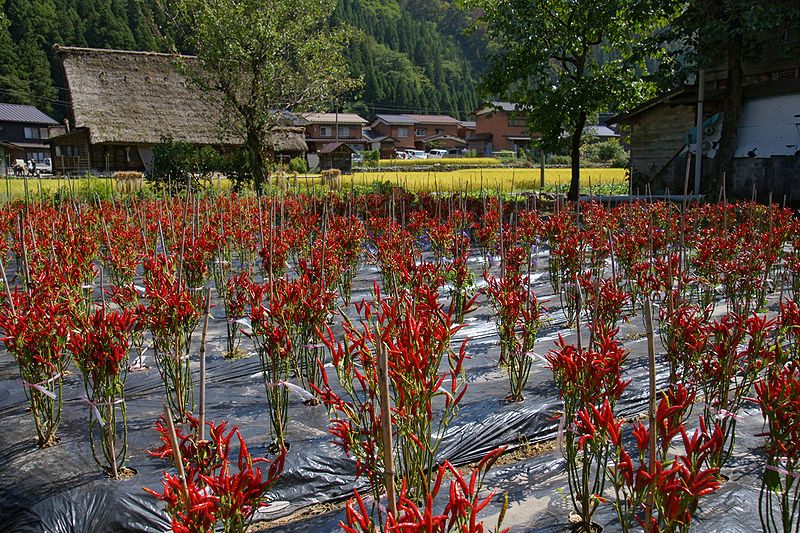
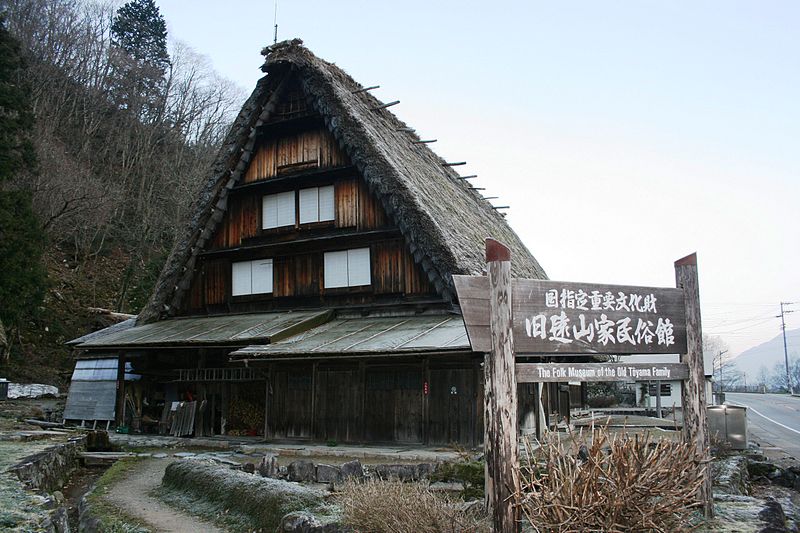
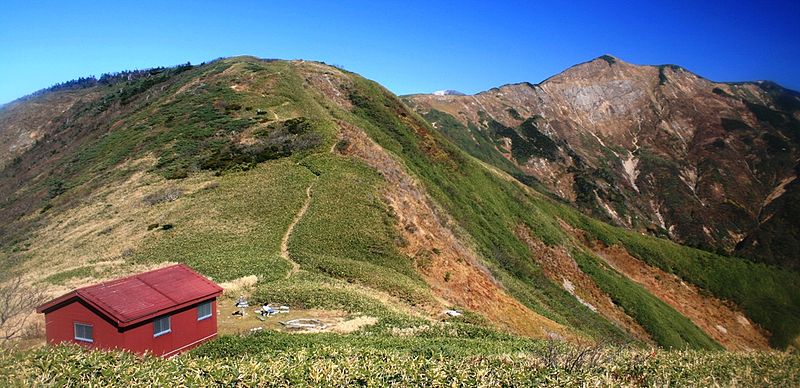
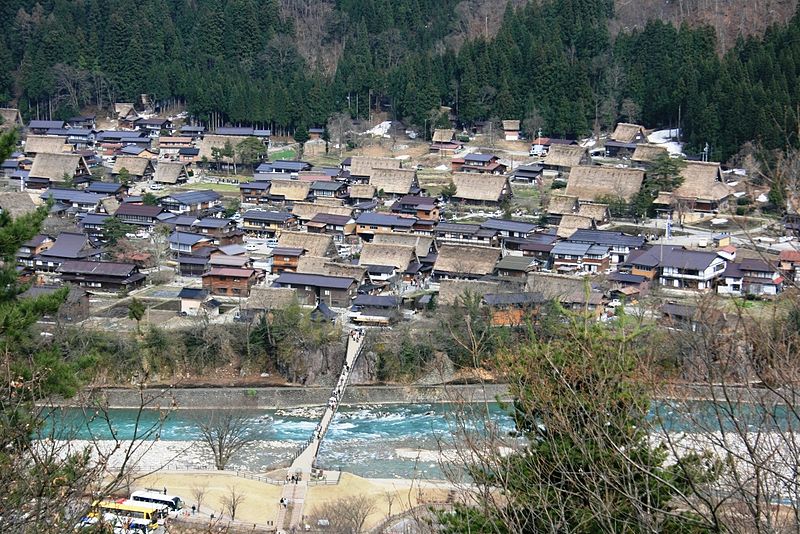
Shirakawa-go is one of Japan’s best-known traditional villages, nestled among the mountains of Gifu Prefecture on the island of Honshu. It is famous for its historic wooden houses with tall thatched roofs that resemble hands joined in prayer. Its distinctive architecture, picturesque scenery, and carefully preserved traditions have made the village a symbol of Japan’s historic rural heritage.
In 1995, Shirakawa-go and the historic villages of Gokayama were inscribed on the UNESCO World Heritage List. The best-known part of Shirakawa-go is Ogimachi, where groups of traditional gassho-zukuri houses have survived. These buildings are rare examples of vernacular architecture shaped by the demanding mountain climate and the way of life of local communities.
Gassho-zukuri Architecture
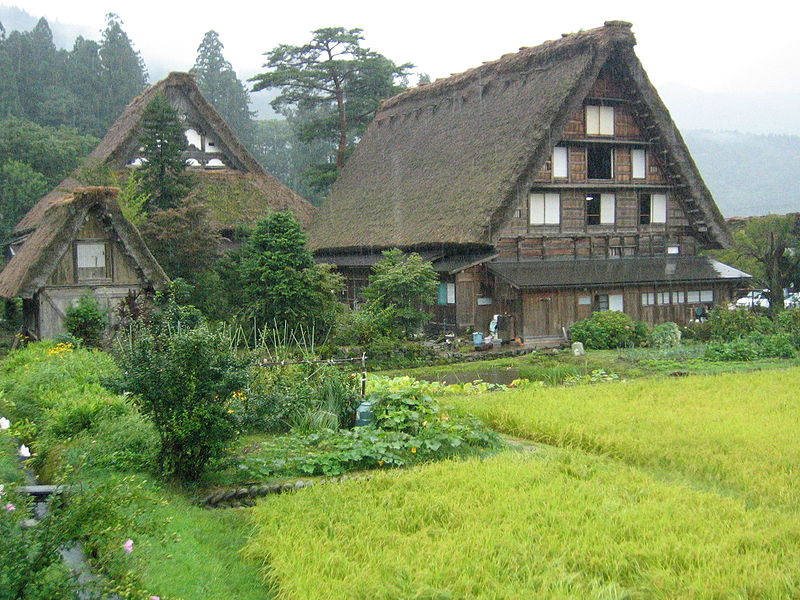
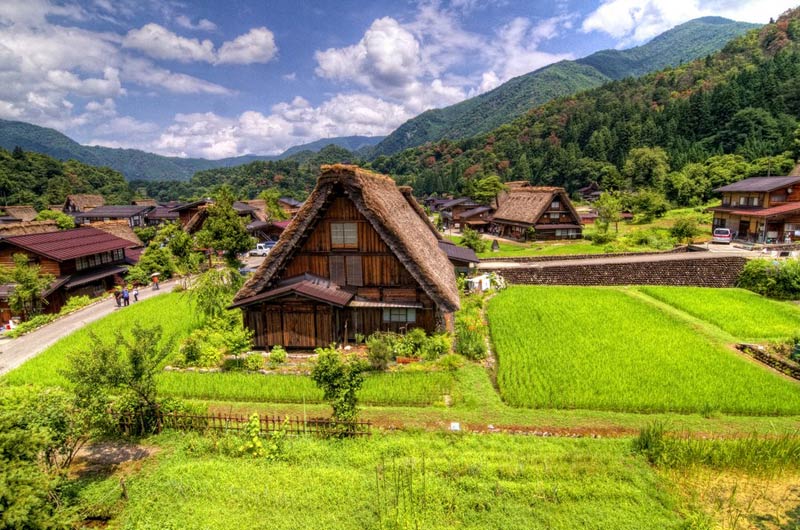
The defining feature of Shirakawa-go is its gassho-zukuri houses, a name that means “constructed like hands joined in prayer.” Their steeply pitched roofs are covered with thick layers of thatch. This design allows snow to slide off more easily and helps the buildings withstand the heavy winter snowfall typical of the region.
The houses were built from timber using traditional carpentry techniques. Their frames rely on carefully fitted wooden elements and rope bindings, with joints often made without metal nails. The spacious attics were used for silkworm cultivation and other household activities. In the past, the local economy depended heavily on silk production, mulberry cultivation, and farming.
History of the Village
The mountainous area remained difficult to reach for centuries, especially in winter, when deep snow hindered travel to neighboring regions. This relative isolation helped preserve local customs and encouraged the development of a distinctive architectural style. The name Shirakawa-go appears in historical sources by the twelfth century, while the characteristic houses gradually took on their recognizable form during the Edo period, particularly in the eighteenth and nineteenth centuries.
Daily life was closely connected with nature and community traditions. Building and repairing roofs required many people, so neighbors worked together to help one another. Collective thatch replacement became an important part of local culture, and similar cooperative traditions continue to support the preservation of the village’s historic character.
What to See in Shirakawa-go
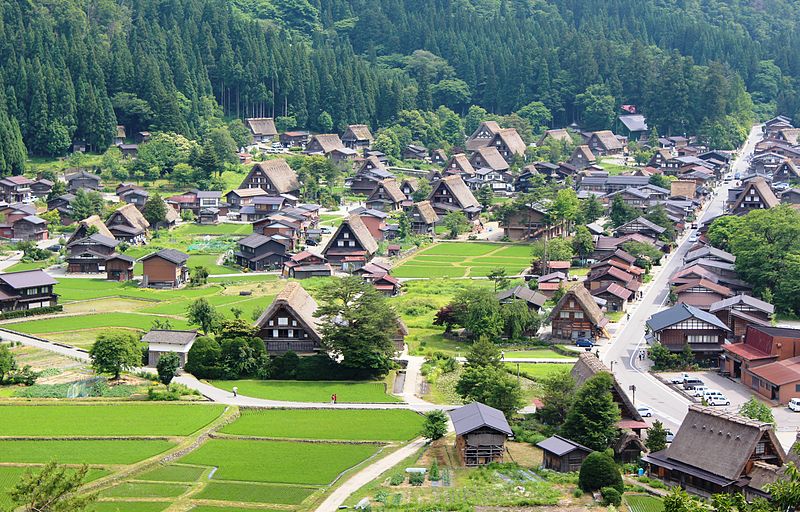
Ogimachi is the best place to explore the village. Traditional houses stand among fields, small lanes, and mountain slopes. Walking through the settlement reveals the details of historic architecture and shows how old buildings remain part of everyday life. Some houses operate as museums, while others serve as guesthouses or continue to be used as homes.
One of the most popular viewpoints is the Shiroyama Observatory, which offers a panoramic view of the village and its distinctive steep roofs. From above, the houses form a harmonious pattern against the surrounding mountains and valley.
Another interesting attraction is the Gassho-zukuri Minkaen open-air museum. It brings together traditional buildings relocated from different parts of the region, including houses and farm structures. The exhibits help visitors understand how historic homes were arranged and how residents adapted to the climate and the natural materials available to them.
Shirakawa-go Through the Seasons
In spring, fresh greenery and blossoming trees bring the village to life. In summer, the surrounding mountains are covered in lush vegetation, while rice fields add bright colors to the landscape. In autumn, forests turn gold, red, and orange, contrasting beautifully with the dark timber of the houses.
Winter is one of the most striking seasons. A thick blanket of snow covers roofs and lanes, transforming Shirakawa-go into a fairytale mountain settlement. Special evening illumination events are held on selected winter dates and attract many travelers. These events usually require advance planning because visitor numbers may be limited.
Heritage Protection and Modern Life
Shirakawa-go is not simply an open-air museum; it is a living village where historic houses coexist with the modern needs of residents. Preserving its traditional appearance requires regular maintenance of wooden structures and thatched roofs, along with careful control of changes to the surrounding landscape. Because old wooden buildings are particularly vulnerable to fire, the village has dedicated firefighting systems and organized local fire crews.
Shirakawa-go attracts visitors with its unusual architecture, the chance to discover the traditional lifestyle of a Japanese mountain community, and a strong sense of harmony between people and nature. It is especially rewarding for travelers who want to learn not only about Japan’s major cities and temples, but also about rural life, traditional crafts, and the cultural heritage of the countryside.
Gallery