Bashkiria National Park is one of the best-known natural areas in the Republic of Bashkortostan, located on the southwestern slopes of the Southern Urals. Mountain forests, rocky gorges, clear rivers, karst caves and reservoirs create a varied landscape. The park attracts visitors interested in hiking, water excursions, wildlife and the natural heritage of Bashkortostan.
History and location
The national park was established on September 11, 1986, to protect the mountain forests of the Southern Urals and provide opportunities for organized recreation. It lies in the Burzyansky, Meleuzovsky and Kugarchinsky districts of Bashkortostan, between the Belaya and Nugush rivers. Its area is approximately 82,300 hectares.
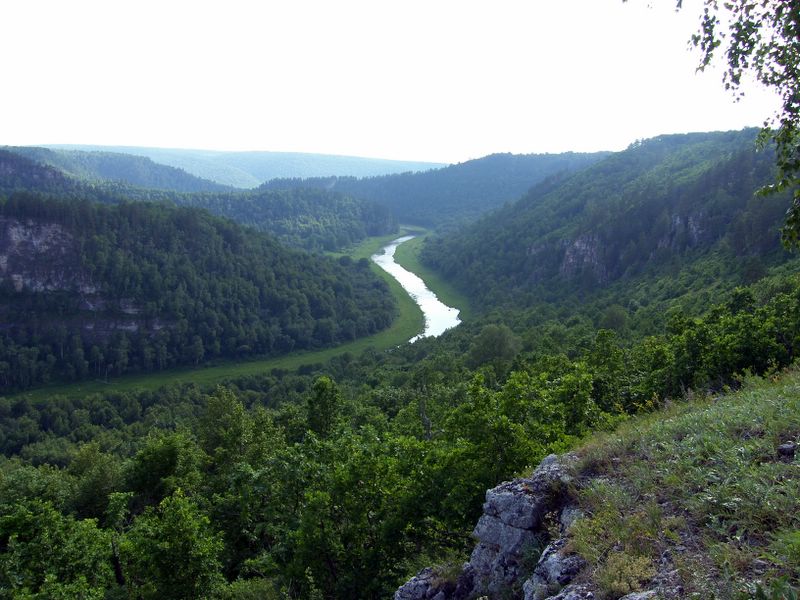
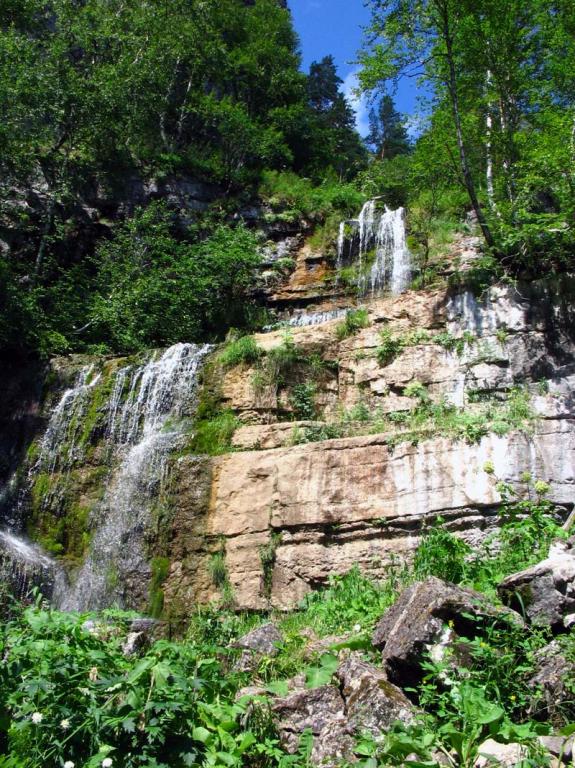
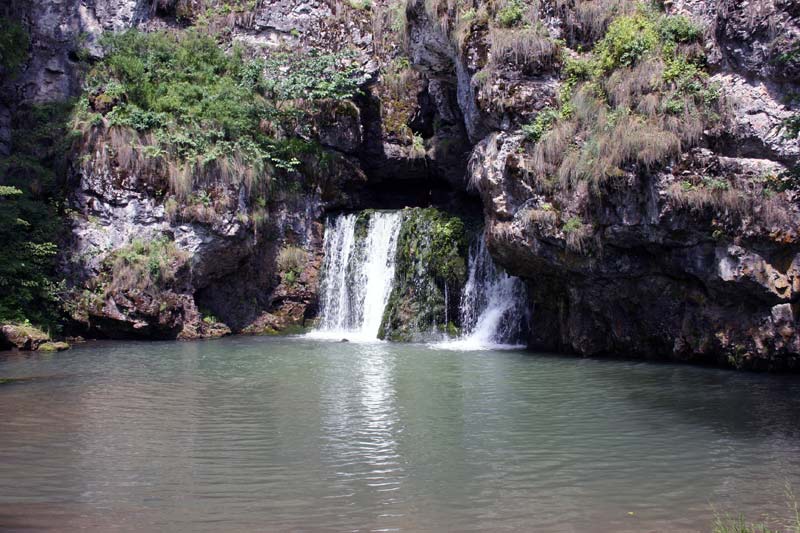
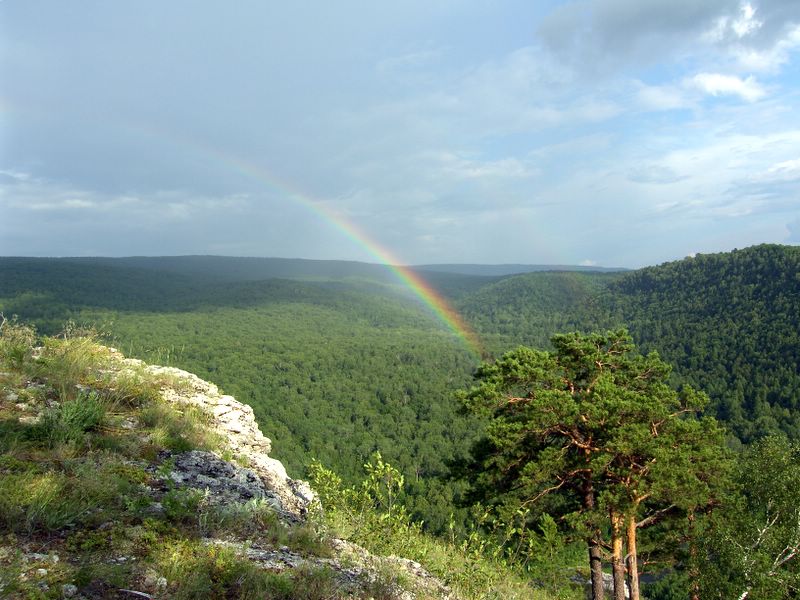
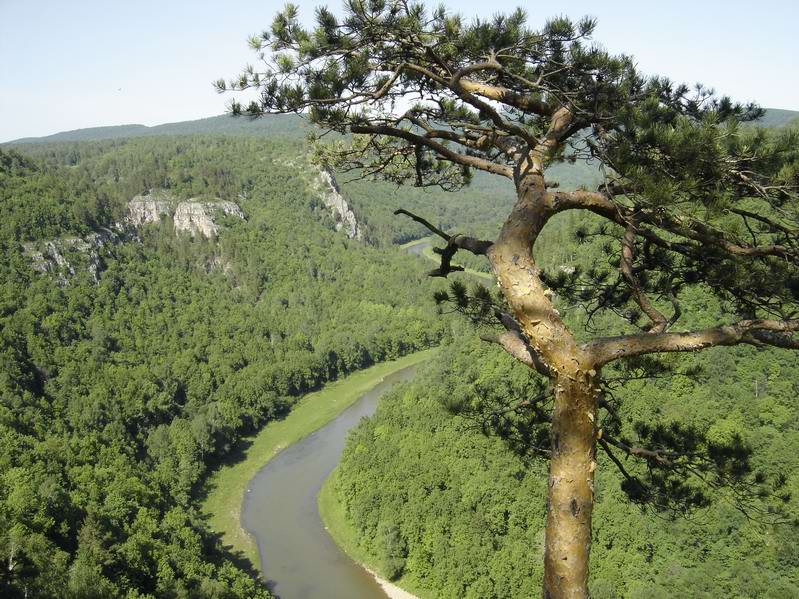
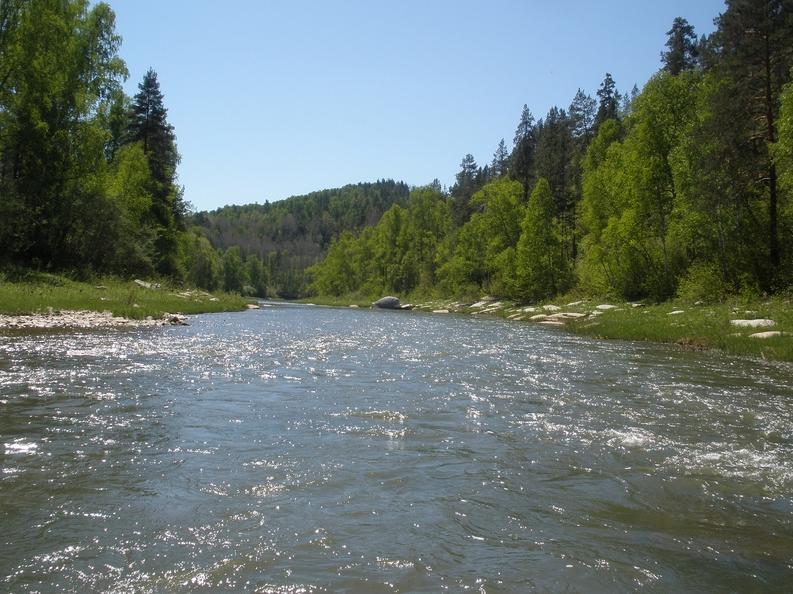
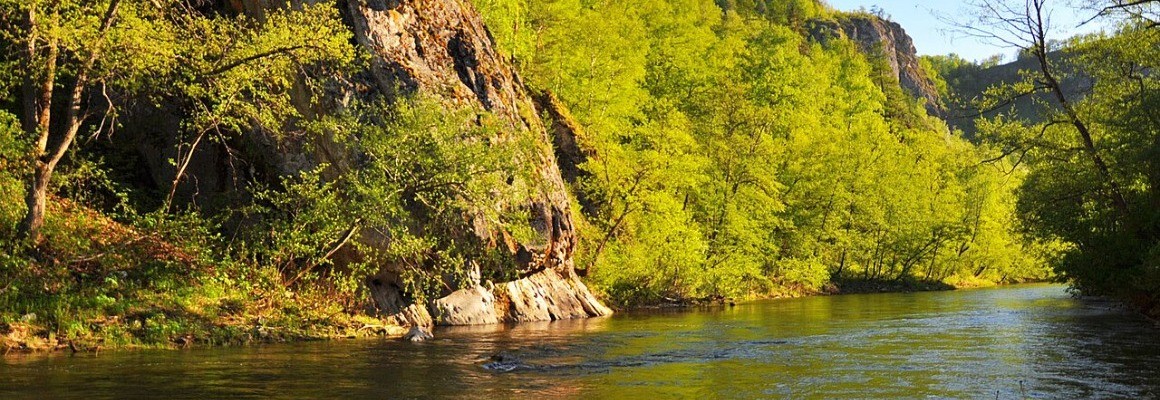
Forests cover most of the territory. The landscape includes low mountain ridges, river valleys, rocky outcrops and karst formations. The combination of mountains, forests and water creates a remarkable variety of natural scenery.
Nugush Reservoir
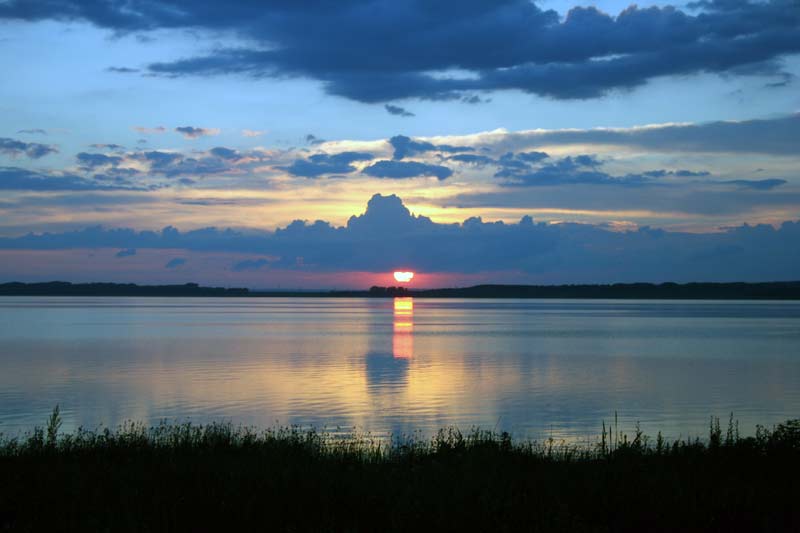
Nugush Reservoir is one of the most popular visitor areas near the park. Its shores are surrounded by wooded slopes and hills. In summer, people come here to relax by the water, take boat trips and enjoy the scenery. The surrounding area offers an accessible introduction to the landscapes of the Southern Urals.
Yumaguzino Reservoir
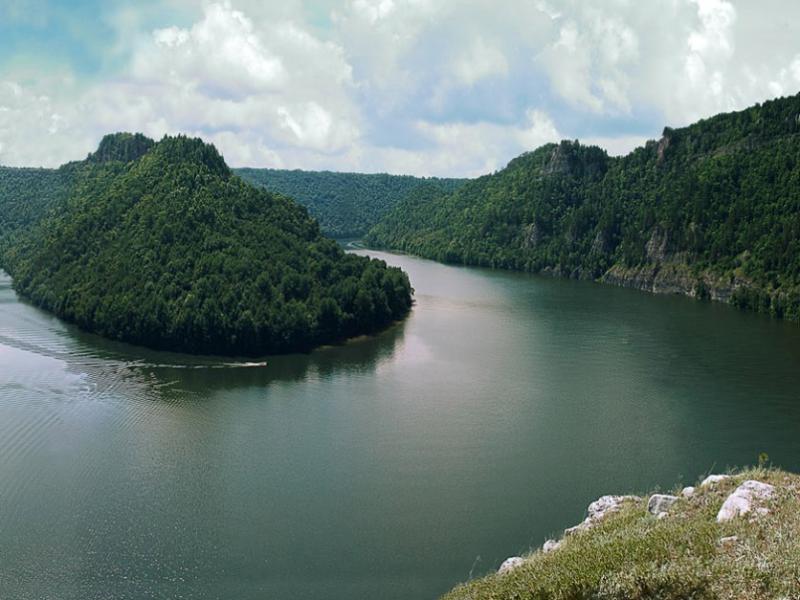
Yumaguzino Reservoir lies on the Belaya River and is known for its scenic shores and rocky slopes. The water cuts deeply into the mountainous terrain, creating striking views for photographers and travellers exploring the region by boat. Access to some areas may depend on the season and current restrictions.
Kuperlya Karst Bridge
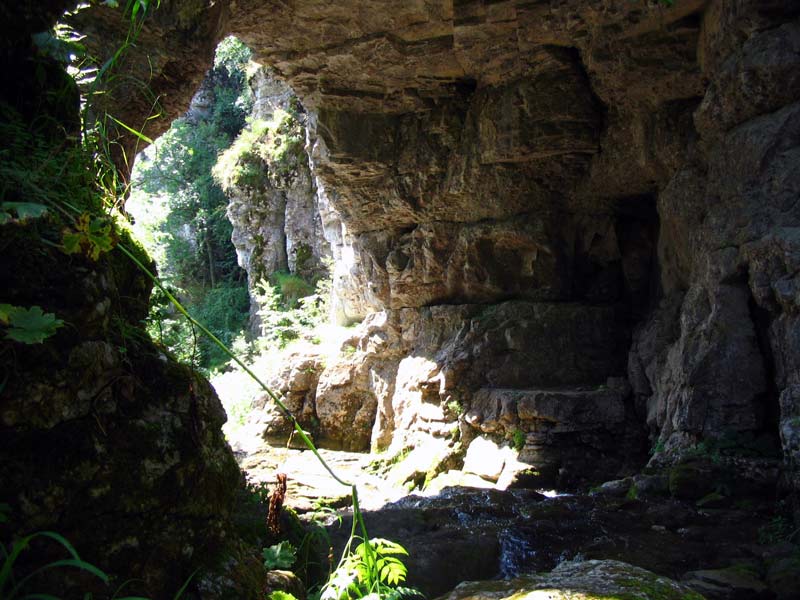
Kuperlya Karst Bridge is one of the park’s most unusual natural landmarks. This natural stone arch was formed by karst processes and the long-term action of water on rock. It is an appealing destination for hikers and geology enthusiasts. Visitors should wear suitable footwear and prepare for changing weather.
Kutuk-Sumgan tract
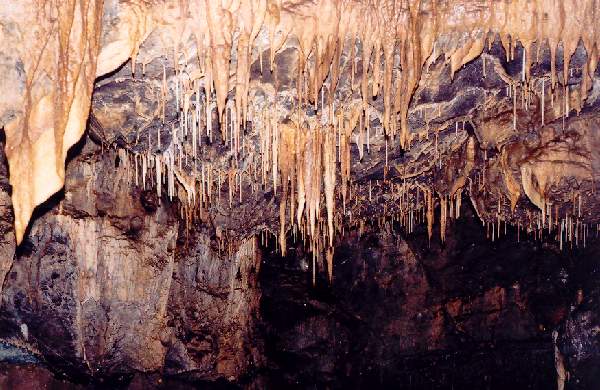
The Kutuk-Sumgan tract is known for its complex karst landscape, caves, sinkholes, shafts, springs and underground passages. It is an important area for understanding the geological processes of the Southern Urals. Cave exploration can be dangerous, so visitors should use only authorized routes and follow park regulations.
Flora and fauna
The park contains coniferous, broadleaf and mixed forests, meadows, rocky areas and river valleys. Its flora includes numerous species, among them rare and protected plants. Wildlife includes moose, roe deer, wild boar, brown bears, wolves, foxes, lynx and badgers. Rivers and reservoirs support various fish species, while the forests and valleys provide habitats for many birds.
Trails and recreation
The national park offers hiking trails and water routes. Known options include Tally, Kutuk-Sumgan, Beiyek-Tau, Kuperlya and the Kashalya–Sergeyevka water route. These routes showcase mountain forests, rivers, cliffs and karst landmarks. Before travelling, check route availability, visitor regulations and permit requirements on the official park website.
Best time to visit
Summer is suitable for boat trips, hiking and relaxing near the reservoirs. In spring, rivers and forests come alive, while autumn brings natural colours to the hillsides. Visitors must follow conservation rules, take their rubbish away, avoid damaging plants and rocks, and light fires only in designated places. Bashkiria National Park is an excellent destination for discovering the natural beauty of the Southern Urals.
Gallery